
Punta del Este & East Coast
Where luxury resorts meet wild Atlantic dunes 🌊🦭
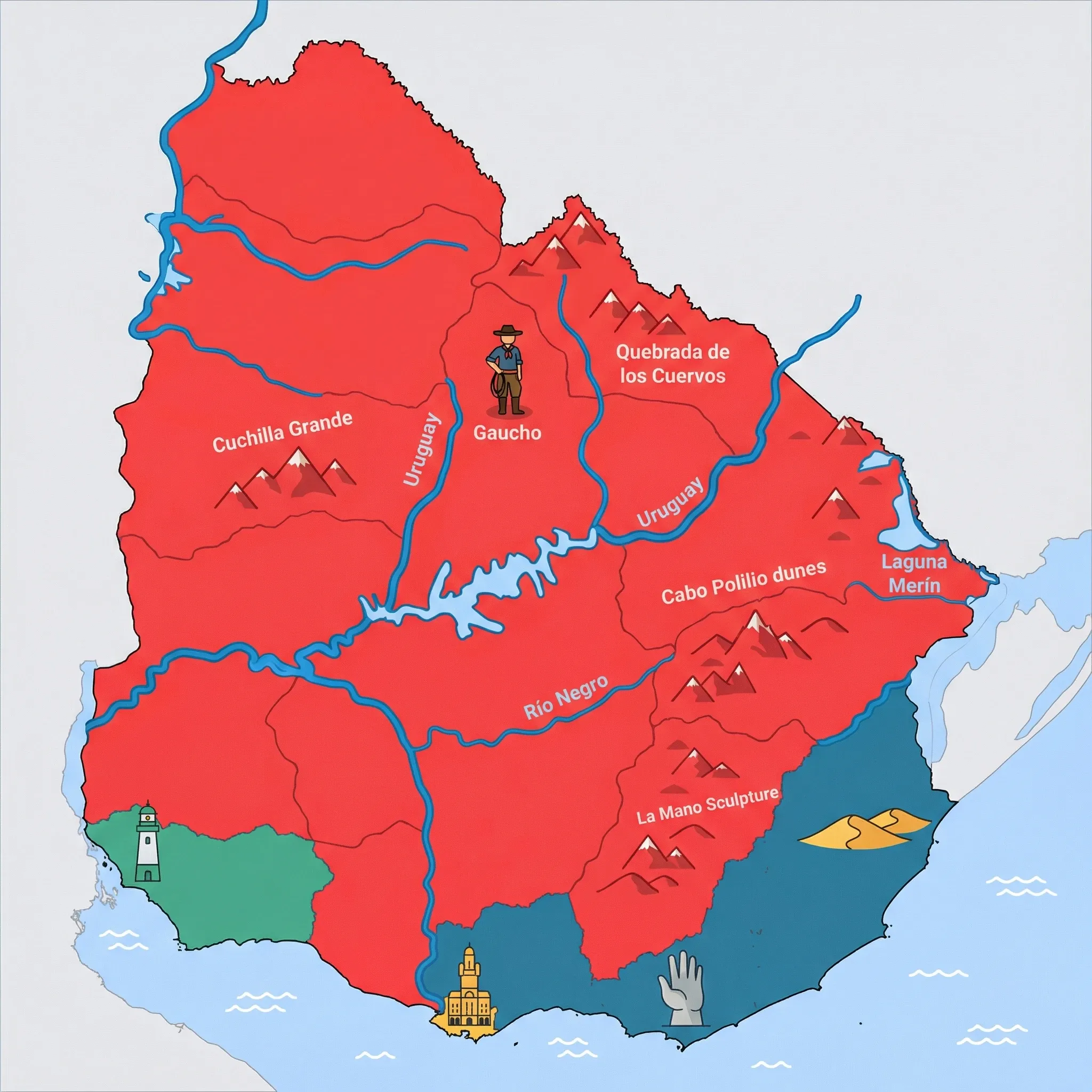
Click a region to explore
Overview
This region is the crown jewel of Uruguayan tourism, often called the "St. Tropez of South America," but it offers far more than just glamour. Punta del Este sits on a peninsula dividing the calm Río de la Plata from the rough Atlantic Ocean, meaning families can choose between the gentle waves of Plaza Mansa (ideal for toddlers) and the surf of Playa Brava (great for teens) within a 10-minute walk. Beyond the high-rises, the coast transforms. Cross the undulating bridge into La Barra and José Ignacio, and the vibe becomes chic-rustic. Further east into Rocha, the landscape turns wild with dunes, shipwrecks, and protected reserves like Cabo Polonio, a village with no electricity that children find absolutely adventurous.
The area is incredibly family-friendly during the day, with clean beaches, lifeguards, and endless activities. However, it is highly seasonal. From late December to January, it is packed and expensive. February and March offer a perfect balance of warm weather and fewer crowds. The region also boasts unique forests, such as the Lussich Arboretum, providing shaded hikes when the beach sun gets too intense.
Key Attractions
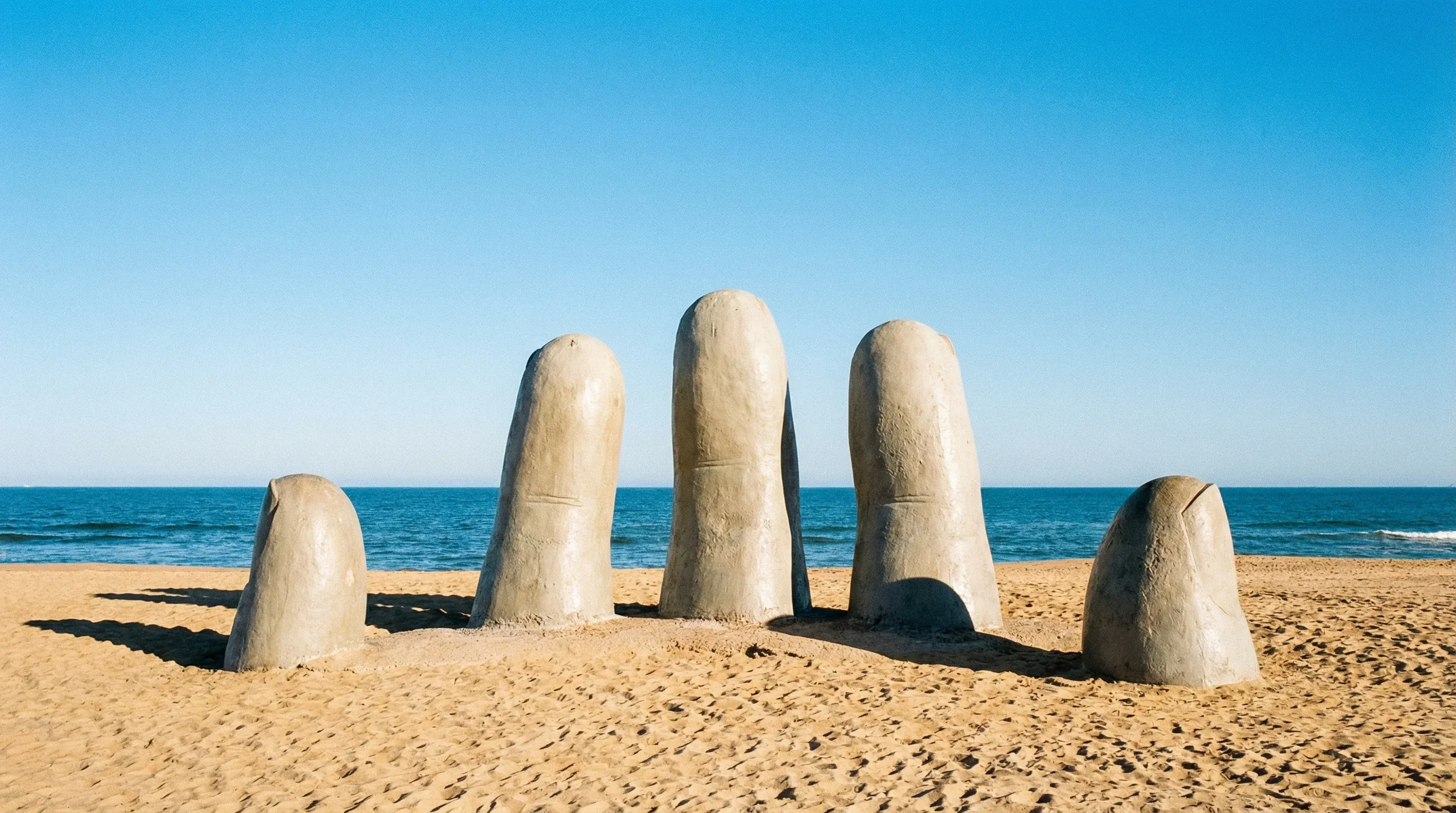
The most iconic photo spot is The Hand (La Mano) on Playa Brava, a giant sculpture of fingers emerging from the sand that kids love climbing. Nearby, the Puerto de Punta del Este is a free open-air attraction where wild sea lions swim right up to the pier hoping for fish scraps—a guaranteed hit with children. A short drive away in Punta Ballena stands Casapueblo, a sprawling white villa-museum built by artist Carlos Páez Vilaró. Its labyrinthine passages and "sunset ceremony" are magical.
For adventurous families, a day trip to Cabo Polonio is unforgettable. You must enter via giant 4x4 trucks that cross the dunes. Once there, you can see one of the world's largest sea lion colonies. In Piriápolis, the Cerro Pan de Azúcar offers a reserve with native fauna and a challenging hike to a giant cross at the summit.
Practical Advice
High season (Christmas to mid-February) requires booking months in advance. Many businesses in the smaller beach towns (La Pedrera, Punta del Diablo) close completely from May to September. Sun protection is critical here; the ozone layer is thinner in this hemisphere, and burn times are short.
Food & Drink
Typical meal times: Beach culture dictates late eating. Lunch is 1:30 pm to 3:30 pm. Dinner rarely starts before 9:30 pm, though places open earlier for families.
Typical meal costs: Punta del Este is the most expensive area in Uruguay. A family dinner can easily run $4,000–8,000 UYU (approx. $100–200 USD / €95–185 EUR). Rocha is significantly cheaper, with meals around $2,500 UYU (approx. $65 USD / €60 EUR).
Dietary requirements: excellent in Punta del Este and José Ignacio, with many health-conscious and international options. In rustic Rocha, options are simpler (seafood, rice, salads).
Signature dishes:
- Buñuelos de Algas – Seaweed fritters, a salty, crispy snack made from fresh seaweed collected on the beaches of Rocha.
- Miniaturas de Pescado – Battered, bite-sized pieces of fresh white fish (usually silverside), perfect for children.
- Mejillones a la Provenzal – Fresh mussels harvested locally, cooked with garlic, parsley, and white wine.
Why this score?
While the main town is highly developed, the wider East Coast offers more rugged experiences like the sand dunes of Cabo Polonio and boat trips to Isla de Lobos. Families can enjoy surfing, whale watching, and exploring more remote, electricity-free coastal villages in Rocha. It provides a balanced mix of high-end comfort and mild coastal exploration.
Why this score?
The region features modern private clinics and hospitals that cater to a wealthy international summer population, ensuring high standards of care. Maldonado and Punta del Este have well-equipped emergency services and a decent concentration of English-speaking professionals. During the peak summer season, medical infrastructure is significantly bolstered to handle the surge in visitors.
Why this score?
Punta del Este is globally recognized as a premier luxury resort destination, attracting a massive international influx, especially from South American elites and European summer travelers. The surrounding East Coast, including Rocha, is famous for its beaches and sea lion colonies. Its popularity is extremely high but remains highly seasonal, peaking between December and February.

Punta del Este prices in January can rival Miami or Ibiza. Expect to pay luxury rates for accommodation: $8,000–20,000 UYU (approx. $200–500 USD / €185–465 EUR) per night. Prices drop by 30-50% in February and plummet in the off-season. Rocha offers a 'mid' price range with rustic cabins costing significantly less.

Getting Here & Around
Getting Here
- Airports – Laguna del Sauce Airport (PDP) serves Punta del Este directly, mainly from Buenos Aires and Brazil. Otherwise, drive 1.5 hours from Montevideo (MVD).
- Bus – Comfortable coaches (Copsa, Cot) run frequently from Montevideo (Tres Cruces or Airport) to Punta del Este.
- Driving – Route Interbalnearia is a modern dual-carriageway connecting Montevideo to the east.
Getting Around
- Car – Highly recommended. While you can walk around the Punta peninsula, exploring the best beaches (Bikini, Solanas) and towns (José Ignacio) requires a vehicle.
- Bus – Local buses connect the coastal towns, but they can be infrequent and crowded in summer.
Nearby Airports (2 airports)
Carrasco International
MVDMontevideo
El Jaguel International
PDPPunta Del Este
View full flight map for Uruguay →
Official Links

Packing List
The sun is exceptionally strong due to the ozone hole proximity; burning happens in minutes.
The Atlantic water is surprisingly cold even in summer; kids last longer in the water with neoprene.
While Punta takes cards, toll booths and remote shops in Rocha often require cash.
Ocean breezes drop the temperature significantly at night, even after a 30°C day.
Uruguay uses a mix of sockets, including the 3-pin Italian style (Type L) which is rare elsewhere in the Americas.
The ozone layer is thinner in this region; UV index can be extreme even on mild days. Sunburn happens fast.
Coastal winds (the 'Sudestada') can be strong and chilly even in summer; essential for beach walks.
Uruguay charges for plastic bags and has a strong culture of using reusable grocery totes.
Essential if visiting estancias or riverside areas in the interior, where mosquitoes can be aggressive.

Activities & Best Times

Beach resorts, marine activities: diving, snorkelling, kite surfing, wind surfing, sailing
Sophisticated beach lifestyle centered on the chic resorts of José Ignacio and Punta del Este; peak summer offers world-class dining and a refined coastal atmosphere.

Hiking, wildlife, outdoor exploration, ecotourism
The region features unique coastal wilderness like the dunes and sea lion colonies of Cabo Polonio, which are best explored when seasonal services are active and the climate is mild.

Urban tourism, museums, historical sites, architecture
A vibrant summer cultural scene defined by high-end art galleries and a sophisticated food scene in La Barra and José Ignacio; many venues close during the quiet winter months.

Public Holidays & Calendar Next 12 months
Public holidays, festivals, cultural celebrations, and seasonal natural phenomena coming up in Punta del Este & East Coast over the next 12 months.
Loading holidays and events...

Travel Advisory
The majority of international agencies classify Uruguay as a safe destination where standard travel safety precautions are sufficient, though increased vigilance is noted for Montevideo.
Safety Topics
Traveller Advice (3 groups)

Uruguay is among the most progressive countries in the region regarding sexual orientation and gender identity. Same-sex marriage is legal and anti-discrimination laws are in place.

Accessibility infrastructure for those with disabilities, including pavements and building access, remains limited in many areas outside of modern districts.

Standard personal safety measures should be followed, such as avoiding isolated or poorly lit areas when walking alone at night, particularly in downtown Montevideo.
Agency Summaries
No specific elevated security threat is identified for the country, but New Zealanders should maintain standard situational awareness and carry comprehensive insurance.
Uruguay is considered safe for Irish visitors, though basic precautions against opportunistic theft and bag snatching are advised.
Travellers should use common sense and follow standard safety routines. While violent crime exists, the overall security situation is stable for the average tourist.
Heightened vigilance is recommended across the country due to rising crime rates, including homicides and armed robberies which can impact visitors.
Uruguay is generally safe, though travellers should maintain standard security awareness. There is a specific regional warning to exercise a high degree of caution in Montevideo due to a higher prevalence of crime.
Most visits are trouble-free, though street crime and petty theft occur, particularly in the capital city of Montevideo.
Information is provided for general guidance only and does not constitute travel, safety, medical, or legal advice. Conditions may change. Users are responsible for independently verifying information before travel.