
Caracas
A vibrant valley metropolis where mountain mists meet urban energy 🚠🏙️
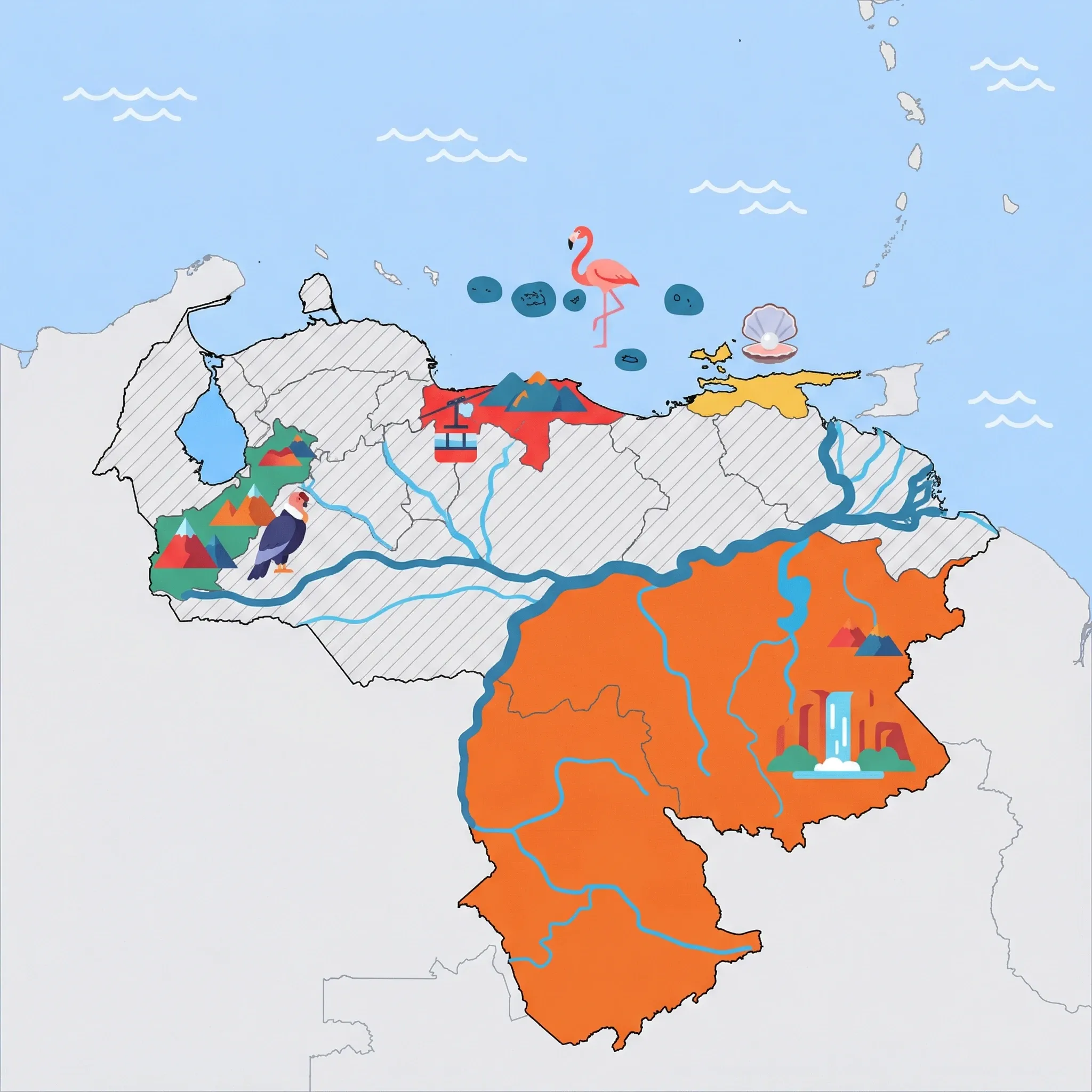
Click a region to explore
⚠️ SAFETY WARNING: Due to extremely high rates of violent crime, kidnapping, and civil unrest, government agencies (including the USA, UK, Canada, and Australia) advise travelers to avoid all travel to Caracas. The security situation is critical, with risks present even in affluent areas. Families are strongly urged to consult their own government's official travel advisory before considering a trip, as circumstances and risk assessments vary.
Overview
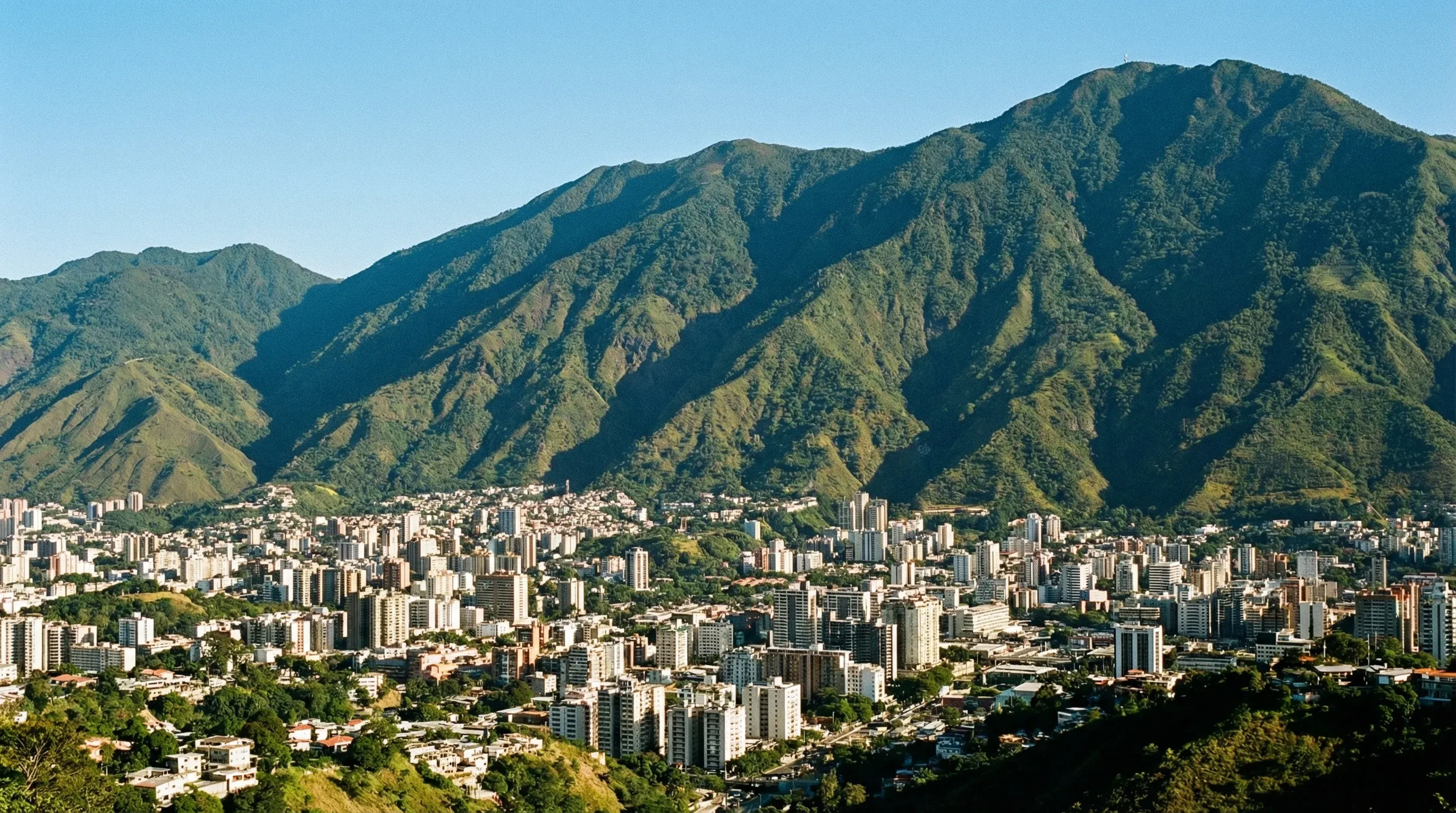
Caracas is a city of dramatic contrasts, set in a long, narrow valley that creates a stunning visual backdrop of towering green mountains against a dense concrete skyline. For families who visit (typically transiting to other regions or visiting relatives), the city's geography is its most defining feature. The omnipresent Warairarepano (Avila Mountain) acts as a compass and a playground, offering a quick escape into nature above the urban fray. The climate is often described as 'eternal spring,' making outdoor exploration pleasant year-round, though the city's pace is frenetic and chaotic.
Despite the severe challenges and modern grit, Caracas remains the cultural heartbeat of the nation. It holds the country's most significant museums, historic colonial plazas, and botanical gardens. The local culture is warm and gregarious; children are generally adored, and family is the center of social life. However, navigating the city requires savvy and caution. The division between the frenetic city center and the leafier, more secured eastern suburbs is marked. For a visitor, the experience is a mix of navigating heavy traffic, discovering pockets of vibrant art and gastronomy, and enjoying the lush tropical vegetation that reclaims every corner of the valley.
Key Attractions
The crown jewel for families is the Warairarepano Cable Car (Teleférico). The ride takes you up to over 2,100 meters, offering cool mountain air and views of both the city valley and the Caribbean coast on the other side. At the top, there are ice skating rinks, mime artists, and food stalls that kids love. In the city proper, the Children's Museum (Museo de los Niños) is an iconic institution with colorful interactive exhibits on science and biology, designed specifically for young minds.
For a relaxing afternoon, Parque del Este (Generalissimo Francisco de Miranda Park) is a green oasis with a planetarium, a replica of Columbus's ship, and terrariums. It's a popular spot for local families to spot sloths in the trees and let children run free in a secure environment. The historic Birthplace of Simón Bolívar offers a history lesson in a well-preserved colonial house, helping children understand the region's liberation history.
Practical Advice
The best time to visit is during the dry season (December to April) to enjoy the mountain views without fog. Logistics in Caracas are challenging; public transport is crowded and unsafe for tourists. Families should rely exclusively on private drivers or trusted taxi services arranged by hotels. Avoid walking on the streets after dark, even in 'safe' neighborhoods.
Food & Drink
Typical meal times: Lunch is the main meal, taken between 12:00 pm and 2:00 pm. Dinner is usually eaten between 7:00 pm and 9:00 pm.
Typical meal costs: A mid-range dinner costs VES 700–1,500 (approx. $20–40 USD / €18–37 EUR) per person. High-end restaurants in Las Mercedes can be significantly more expensive.
Dietary requirements: Vegetarian options are available in modern districts like Chacao. Corn-based dishes (arepas, cachapas) are naturally gluten-free and widely available.
Signature dishes:
- Pabellón Criollo – The national dish featuring shredded beef, black beans, white rice, and fried plantains—a hit with kids who like sweet and savory mixes.
- Arepas – Cornmeal pockets stuffed with cheese, meat, or avocado, eaten for breakfast or dinner.
- Tequeños – Fried cheese sticks wrapped in dough, omnipresent at parties and restaurants, and universally loved by children.
Why this score?
While the city is largely urban and developed, the El Avila National Park provides rugged hiking trails and mountain views accessible via a modern cable car. The urban environment itself presents a different type of logistical challenge, but it lacks the wilderness depth of the interior.
Why this score?
Caracas hosts the country's most advanced private clinics and hospitals, such as Centro Médico de Caracas, which offer the best care available in Venezuela. However, scores are limited by national shortages of specialized medical supplies and the general economic strain on the healthcare system compared to regional peers like Bogota.
Why this score?
As the primary international gateway, Caracas sees significant transit traffic, but high crime rates and safety concerns have historically limited its appeal as a standalone leisure destination. Most international visitors move quickly from the airport to more secure island or nature-based regions.

Caracas is a city of economic distortion. While street food is cheap, safe services for tourists (secure hotels, private drivers, restaurants in safe zones) are priced at international levels. A secure hotel night costs VES 3,600–7,200 (approx. $100–200 USD / €90–185 EUR). Budget options exist but often compromise on security and reliable utilities.

Getting Here & Around
Getting Here
- Airports – Simón Bolívar International Airport (CCS) in Maiquetía is the main gateway. It is located on the coast, about 45 minutes to 1 hour from the city center depending on traffic.
- Bus – Long-distance buses arrive at La Bandera or Terminal de Oriente, though these are generally not recommended for international family travelers due to safety concerns.
Getting Around
- Private Driver – The safest and most recommended option for families. Hotels can arrange trusted transport.
- Metro – While extensive, the Caracas Metro is extremely crowded and prone to pickpocketing; it is best avoided by tourists with children.
- Taxi – Use only radio taxis or app-based services (like Ridery or Yummy Rides) rather than hailing from the street.
Nearby Airports (1 airport)
Simon Bolivar International
CCSCaracas
View full flight map for Venezuela →

Packing List
Frequent power fluctuations mean you need backup charge for phones/maps.
Tap water is not potable and shortages can occur; keep a supply.
The AC in malls is strong, and evenings on the mountain are surprisingly cool.
Water shortages in public restrooms are common.

Activities & Best Times

Hiking, wildlife, outdoor exploration, ecotourism
El Avila National Park (Warairarepano) offers mountain wilderness and hiking trails overlooking the city. Peak conditions occur during the dry season from January to April, providing the best visibility and trail access.

Urban tourism, museums, historical sites, architecture
The capital city contains notable urban districts like Chacao and Altamira with local culture and dining. It is best visited in the drier months of January through April, though city life continues year-round regardless of rainfall.

Public Holidays & Calendar Next 12 months
Public holidays, festivals, cultural celebrations, and seasonal natural phenomena coming up in Caracas over the next 12 months.
Loading holidays and events...

Travel Advisory
All major agencies maintain their highest possible warning level for Venezuela, advising against all travel due to extreme risks including violent crime, political instability, and arbitrary detention. The situation is considered highly dangerous and consular support is generally unavailable.
Safety Topics
Traveller Advice (4 groups)

While some general advice is provided, travellers should be aware of a conservative social environment and a lack of specific legal protections for sexual and gender minorities.

Women are advised to take extreme care and refer to standard safety protocols for high-risk environments, specifically regarding personal safety and transportation.

Media professionals face a significant risk of arbitrary arrest, interrogation, and detention by local authorities. Press activities are closely monitored and often restricted.
Aid and development workers are at high risk of being accused of terrorism or other crimes, leading to potential indefinite detention without due process.
Agency Summaries
The Canadian government recommends against any travel to Venezuela due to extreme security risks, including violent crime, political volatility, and the possibility of arbitrary detention. Basic necessities like fuel and water are in short supply, and military activity in early 2026 has led to a state of emergency.
The UK advises against all travel to Venezuela following recent military strikes and the declaration of a state of external commotion. Tensions are high, borders and airspace may close without warning, and the ability of the embassy to provide support is extremely restricted.
New Zealand advises against all travel because of political instability, violent crime, and shortages of food and medicine. Recent military strikes in Caracas and other states have significantly increased the risk to foreign nationals.
Ireland warns against all travel to the country due to the deterioration of the security situation and the risk of violence. Citizens already in the country are advised to stay indoors and prepare for potential border or airspace closures.
Australia has issued its highest warning level for Venezuela, citing an unpredictable security environment, high levels of violent crime, and risk of detention. Residents are urged to leave if possible, as the government has no diplomatic presence to provide assistance.
U.S. authorities advise that no travel to the country is safe and all Americans should leave immediately. There is a severe risk of wrongful detention, kidnapping, and violent crime. Consular services have been suspended since 2019, meaning the government cannot assist citizens in emergencies.
Information is provided for general guidance only and does not constitute travel, safety, medical, or legal advice. Conditions may change. Users are responsible for independently verifying information before travel.