
Margarita Island
Sun, sand, and history on the Pearl of the Caribbean 🏰🏖️
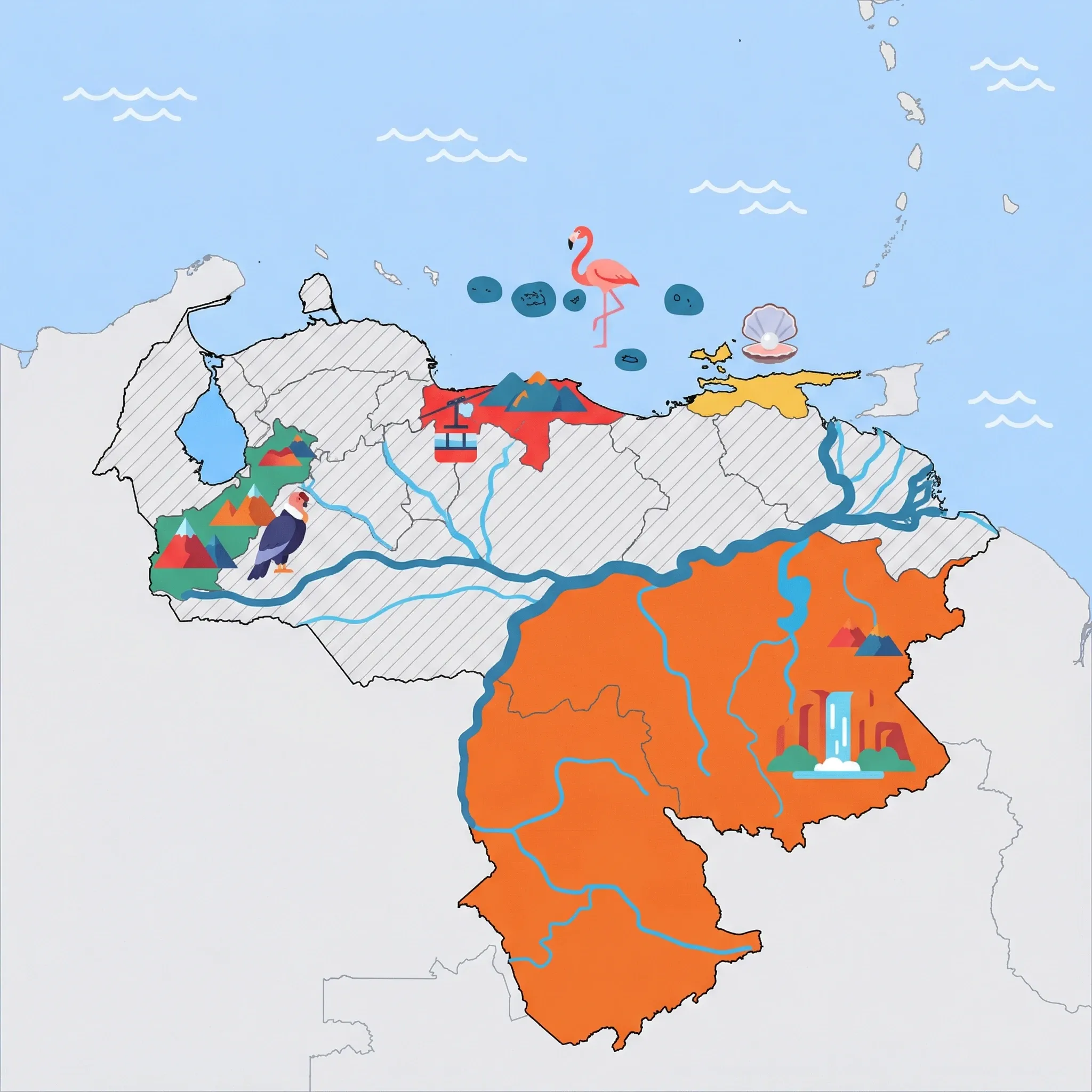
Click a region to explore
⚠️ SAFETY WARNING: Due to high rates of violent crime and the presence of organized criminal activity, government agencies (including the USA, UK, Canada, and Australia) advise travelers to reconsider or avoid travel to Margarita Island. While resort areas can be safer, the risk of robbery and assault exists. Families are strongly urged to consult their own government's official travel advisory before considering a trip, as circumstances and risk assessments vary.
Overview
Margarita Island has long been Venezuela's holiday capital, a place where the vibe is distinctly more developed and energetic than the remote archipelagos. For families, it offers a "resort" style experience that can be easier to manage than the wilds of the mainland. The island is actually two masses of land connected by a stunning mangrove lagoon. The eastern side is bustling with cities, shopping malls, and colonial history, while the western Peninsula de Macanao is arid, wild, and rugged. The climate is hot and dry, with a constant breeze that makes the beaches delightful.
Culturally, Margarita has a strong identity. The "Margariteños" are proud of their history of resistance (it was the first territory to permanently gain independence from Spain) and their virgin patroness, the Virgen del Valle. Families will find a mix of modern entertainment—like water parks and cinemas—alongside traditional fishing villages where boats are still painted in bright primary colors. It is a place of convenience where you can visit a colonial castle in the morning, shop in a duty-free zone at lunch, and swim on a palm-lined beach in the afternoon.
Key Attractions
For a day of nature, La Restinga National Park is essential. Families take small boats through a maze of mangrove canals where the guides point out seahorses, starfish, and oysters attached to the roots. It's an educational and magical eco-tour that ends on a massive shell-covered beach. For classic beach fun, Playa El Agua is the most famous stretch of sand, lined with palm trees and restaurants, though swimming requires caution due to waves.
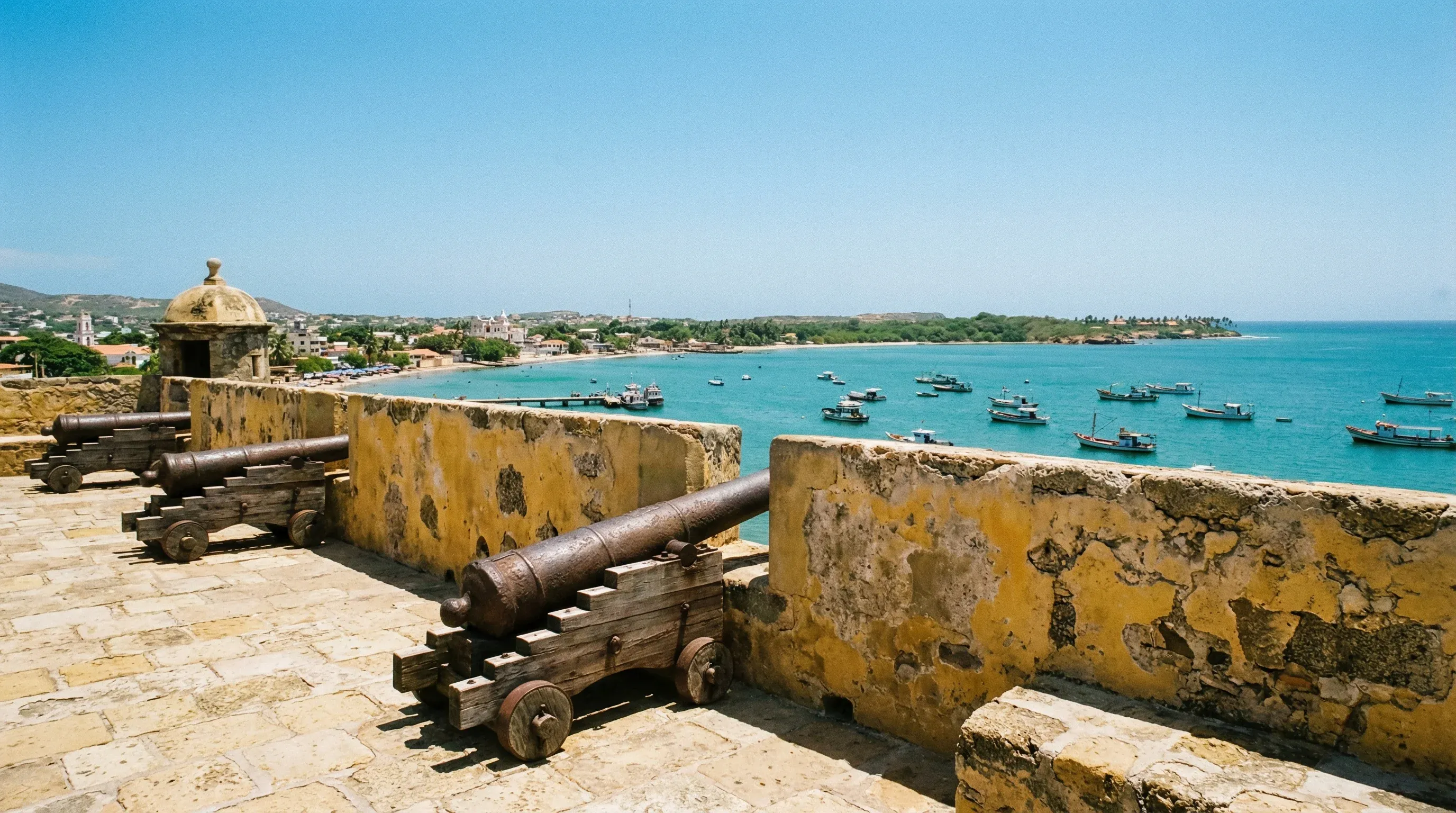
History comes alive at the Castillo de San Carlos de Borromeo in Pampatar. Kids love exploring the cannons, dungeons, and drawbridge of this well-preserved 17th-century fortress that once repelled pirates. For pure entertainment, Parque El Agua provides slides and lazy rivers that are a guaranteed hit with children needing a break from the ocean.
Practical Advice
Margarita is a year-round destination. The island suffers from water and electricity shortages, so it is crucial to stay in hotels or condos with their own power plants and water tanks. Renting a car is possible but navigating can be tricky; hiring a driver for the day is often more relaxing for parents. Sun protection is vital as the breeze masks the heat intensity.
Food & Drink
Typical meal times: Lunch is 12:30 pm to 2:30 pm. Dinner is usually 7:00 pm to 9:30 pm. Beach kiosks serve food continuously during daylight hours.
Typical meal costs: A meal in a mid-range restaurant costs VES 550–1,100 (approx. $15–30 USD / €14–28 EUR). Beach food like empanadas is cheaper, around VES 70–110 ($2–3 USD).
Dietary requirements: Seafood is dominant, but the developed nature of the island means pizza, pasta, and international food are everywhere. Gluten-free awareness is low in small kiosks but manageable in malls.
Signature dishes:
- Pastel de Chucho – A sweet and savory casserole made with layers of fried plantain, stewed ray fish (stingray), and cheese. A local icon.
- Cocada – A fresh coconut smoothie, often served with condensed milk and cinnamon. A heavy, delicious treat found at roadside stands.
- Phosphorescent Oysters – Fresh oysters from the mangroves, typically sold by wandering vendors on the beach with just lime and hot sauce.
Why this score?
The island is largely developed with resorts, shopping malls, and paved roads, offering a traditional Caribbean vacation experience. While La Restinga National Park offers some nature-based exploration, most activities are centered on developed beaches and family-oriented theme parks like Diverland.
Why this score?
Margarita has several private hospitals and clinics that cater to tourists, offering a higher standard of care than rural Venezuela. While more reliable than the remote jungle regions, it still lacks the specialized depth and international-grade consistency found in the capital city.
Why this score?
Historically the most developed tourist hub in Venezuela, it attracts a mix of domestic vacationers and international charter flights from Europe and South America. With over 30 major attractions and significant hotel infrastructure, it remains the country's primary destination for traditional sun-and-sand tourism.

Margarita offers a wide range of costs. Luxury hotels in Pampatar are priced internationally, while simpler apartments are very affordable. A family meal is reasonable compared to Los Roques. Hotel nights range from VES 1,800–5,500 (approx. $50–150 USD / €45–140 EUR). Duty-free shopping (alcohol/chocolate) can be good value.

Getting Here & Around
Getting Here
- Airports – Santiago Mariño Caribbean International Airport (PMV) is the main entry point, with flights from Caracas and other domestic cities.
- Ferry – Ferries run from Puerto La Cruz and Cumaná on the mainland to Punta de Piedras. The express ferry takes about 2-4 hours, but schedules can be erratic.
Getting Around
- Taxi – Taxis are abundant. Agree on a price before getting in or use hotel-recommended drivers.
- Car Rental – Available at the airport, but be aware of fuel shortages. Ensure the rental agency guarantees a full tank.
- Bus – Local "por puesto" buses exist but are crowded and not recommended for tourists with luggage or small children.
Nearby Airports (2 airports)
Antonio Jose De Sucre
CUMCumana
Del Caribe International Gen Santago Marino
PMVPorlamar
View full flight map for Venezuela →

Packing List
Especially if visiting La Restinga or dining outdoors in the evening.
The heat is intense and buying cold water constantly adds up; keep your own supply cool.
Rentals on beaches can be poor quality; bring your own mask for the kids.
Helpful for sleeping if the AC fails or for keeping cool on the beach.

Activities & Best Times

Hiking, wildlife, outdoor exploration, ecotourism
Features a unique mix of desert landscapes in Macanao and lush mangroves in La Restinga National Park. The first half of the year provides the most stable conditions for exploring these diverse ecosystems.

Sport tourism, fitness activities, active recreation
Renowned globally for windsurfing and kitesurfing infrastructure, particularly in the wind-reliable first quarter. Hiking trails in Cerro El Copey provide organized active exploration opportunities.

Beach resorts, marine activities: diving, snorkelling, kite surfing, wind surfing, sailing
Offers world-class windsurfing at El Yaque and iconic Caribbean expanses like Playa El Agua. Peak travel aligns with the dry trade-wind season and major holiday windows in July/August and December.

Urban tourism, museums, historical sites, architecture
Rich in colonial history with well-preserved Spanish forts and the significant Basílica de Nuestra Señora del Valle. September is peak due to the major religious festivities of the island's patron saint.

Learning experiences, scientific sites, historical education
Specialized marine museums and interactive marine life centers offer regional educational value. Visitation peaks during traditional school holiday periods when facilities are most active.

Scenic drives, countryside tours, route-based travel
The Península de Macanao offers a rugged, scenic driving experience distinct from the rest of the island. Best visited in the driest months when road visibility and conditions are optimal.

Attractions (10 total)



Public Holidays & Calendar Next 12 months
Public holidays, festivals, cultural celebrations, and seasonal natural phenomena coming up in Margarita Island over the next 12 months.
Loading holidays and events...

Travel Advisory
All major agencies maintain their highest possible warning level for Venezuela, advising against all travel due to extreme risks including violent crime, political instability, and arbitrary detention. The situation is considered highly dangerous and consular support is generally unavailable.
Safety Topics
Traveller Advice (4 groups)

While some general advice is provided, travellers should be aware of a conservative social environment and a lack of specific legal protections for sexual and gender minorities.

Women are advised to take extreme care and refer to standard safety protocols for high-risk environments, specifically regarding personal safety and transportation.

Media professionals face a significant risk of arbitrary arrest, interrogation, and detention by local authorities. Press activities are closely monitored and often restricted.

Aid and development workers are at high risk of being accused of terrorism or other crimes, leading to potential indefinite detention without due process.
Agency Summaries
The Canadian government recommends against any travel to Venezuela due to extreme security risks, including violent crime, political volatility, and the possibility of arbitrary detention. Basic necessities like fuel and water are in short supply, and military activity in early 2026 has led to a state of emergency.
The UK advises against all travel to Venezuela following recent military strikes and the declaration of a state of external commotion. Tensions are high, borders and airspace may close without warning, and the ability of the embassy to provide support is extremely restricted.
New Zealand advises against all travel because of political instability, violent crime, and shortages of food and medicine. Recent military strikes in Caracas and other states have significantly increased the risk to foreign nationals.
Ireland warns against all travel to the country due to the deterioration of the security situation and the risk of violence. Citizens already in the country are advised to stay indoors and prepare for potential border or airspace closures.
Australia has issued its highest warning level for Venezuela, citing an unpredictable security environment, high levels of violent crime, and risk of detention. Residents are urged to leave if possible, as the government has no diplomatic presence to provide assistance.
U.S. authorities advise that no travel to the country is safe and all Americans should leave immediately. There is a severe risk of wrongful detention, kidnapping, and violent crime. Consular services have been suspended since 2019, meaning the government cannot assist citizens in emergencies.
Information is provided for general guidance only and does not constitute travel, safety, medical, or legal advice. Conditions may change. Users are responsible for independently verifying information before travel.