
Mérida & Andes
Where the Andes touch the clouds in the city of eternal snow 🏔️❄️
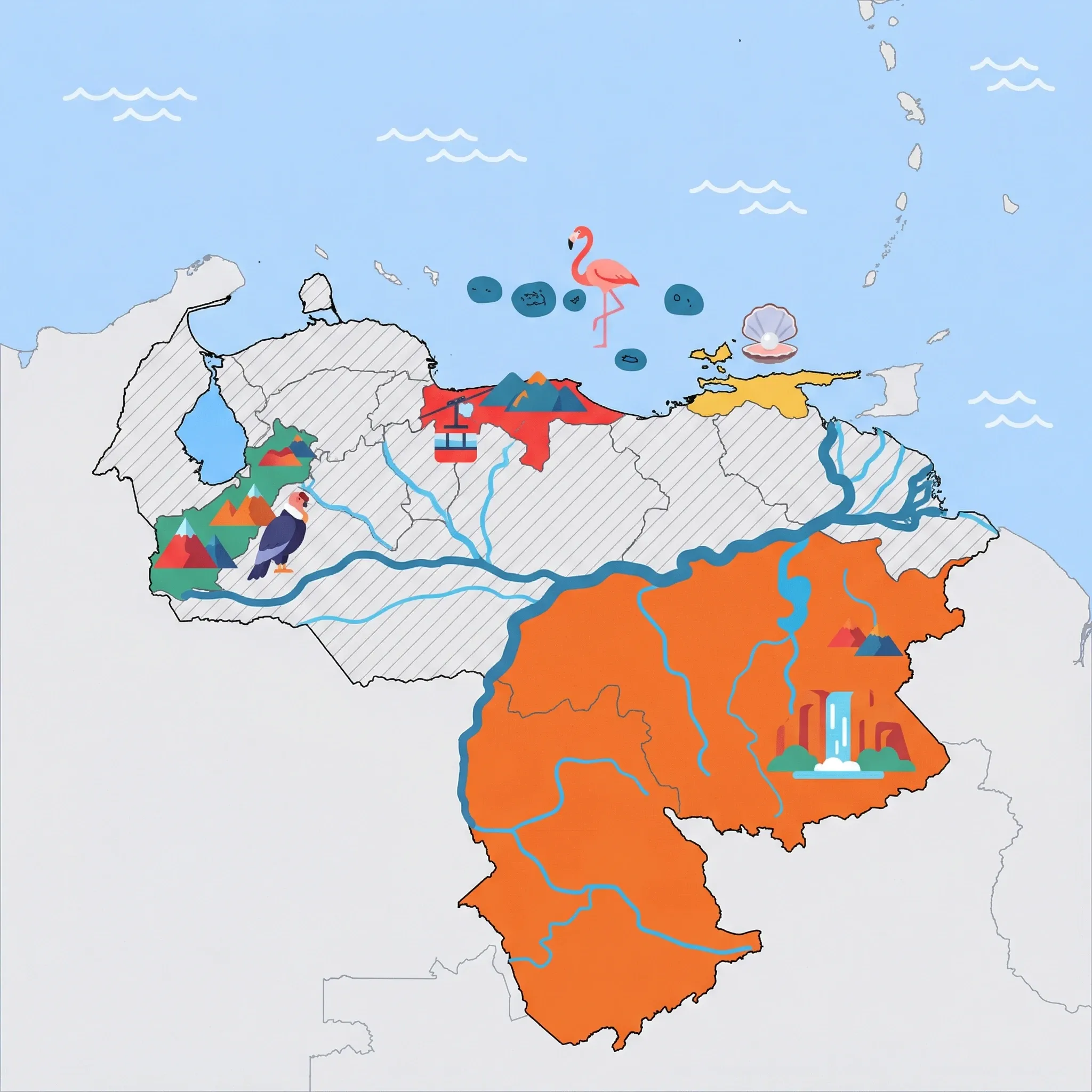
Click a region to explore
⚠️ SAFETY WARNING: Due to cross-border instability near Colombia, fuel shortages, and deteriorated road infrastructure, government agencies (including the USA, UK, and Canada) advise travelers to avoid all travel to this region. The security situation along the border states (Táchira/Zulia) is volatile. Families are strongly urged to consult their own government's official travel advisory before considering a trip, as circumstances and risk assessments vary.
Overview
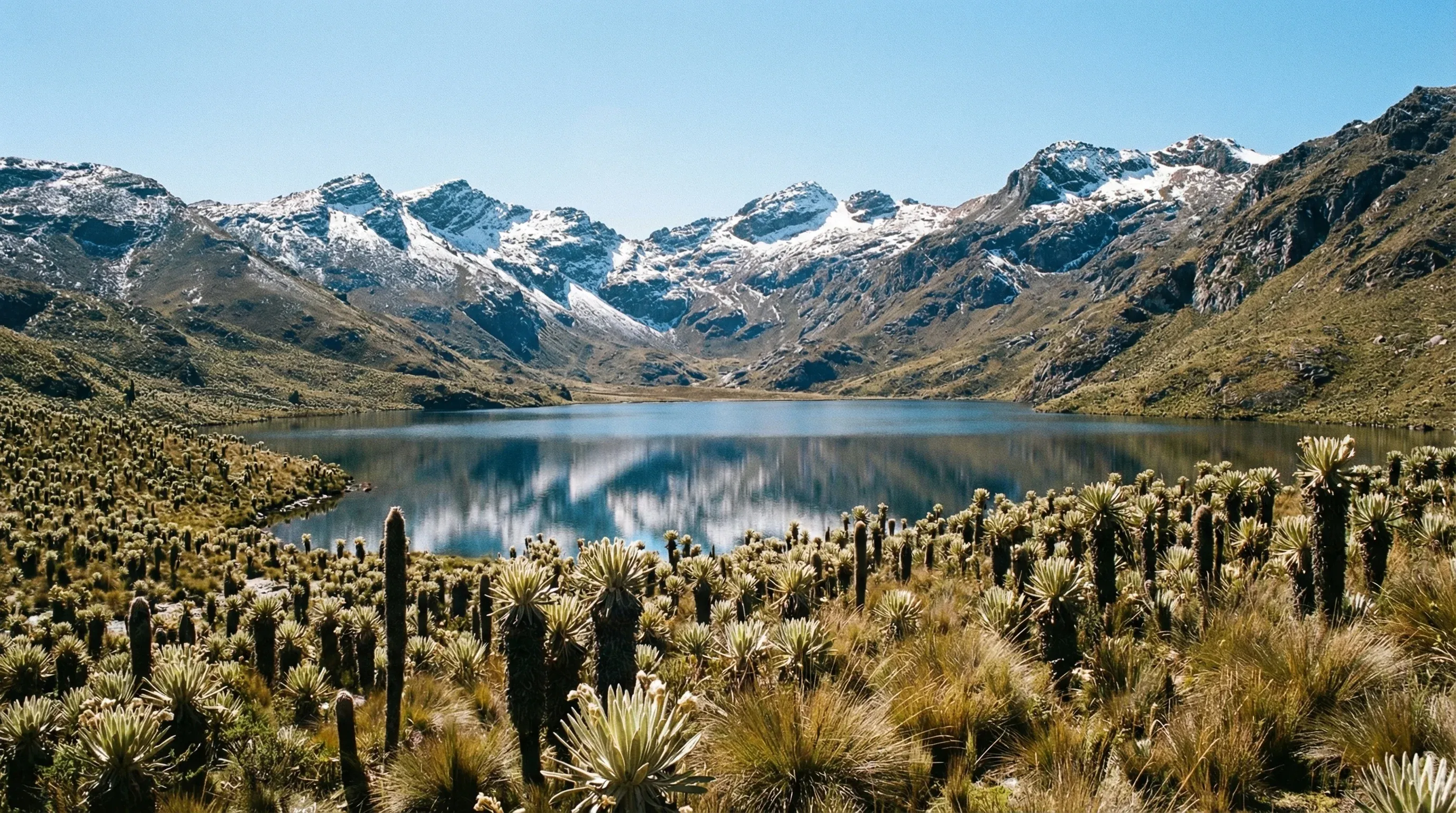
Mérida sits on a plateau in the Venezuelan Andes, surrounded by the country's only snow-capped peaks. Known as the "City of Gentlemen," it has a distinct atmosphere: polite, academic (home to a major university), and relaxed. For families, the shift in climate is the first thrill—temperatures here are cool and spring-like, a refreshing break from the tropical heat. The landscape is alpine, filled with frailejones (unique high-altitude plants), trout-filled lagoons, and stone-walled farming villages that look like they belong in the 19th century.
This is a region for active families. Hiking, horse riding, and exploring scenic drives are the main activities. The altitude can be a challenge, so taking it slow is key. The culture here is deeply Andean, with a focus on wool handicrafts, hot chocolate, and folklore involving mountain mists and quiet legends. It feels safer and calmer than the capital, with a strong focus on tourism infrastructure, although maintenance has suffered in recent years. The connection to nature here is spiritual; the mountains are ever-present giants that define the horizon.
Key Attractions
The headline attraction is the Mukumbarí Mérida Cable Car. This engineering marvel ascends in stages from the city to Pico Espejo at 4,765 meters. For kids, the journey through changing ecosystems—from cloud forest to rocky snow zones—is a live geography lesson. At the top, you can sometimes throw snowballs near the equator. Another family favorite is Los Aleros, a theme park built to resemble an Andean village from the 1930s. Actors play the roles of villagers, ghosts, and craftsmen; it's quirky, funny, and offers an immersive look at local traditions.
Nature lovers should visit the Mérida Botanical Garden to see the "hanging gardens" of epiphytes and run around the wooded paths. For a classic Andean landscape, a drive to Laguna de Mucubaji in the Sierra Nevada National Park allows for a family picnic by a glacial lake, often with horses available for rent to ride around the shore.
Practical Advice
The dry season (December to March) offers the clearest mountain views. Nights can get genuinely cold, so bring warm jackets. Altitude sickness is a real risk; drink plenty of water and avoid heavy exertion on the first day. Fuel shortages are common in the Andes; if driving, plan carefully. Flights to Mérida's main airport often divert to El Vigía, which is a 90-minute drive away.
Food & Drink
Typical meal times: Breakfast is hearty, 7:00 am to 9:00 am. Lunch is 12:00 pm to 2:00 pm. Dinner is 6:30 pm to 8:30 pm.
Typical meal costs: Very affordable. A hearty Andean lunch costs VES 250–550 (approx. $7–15 USD / €6–14 EUR). Street snacks are under $2 USD.
Dietary requirements: Wheat is more common here than corn (unlike the rest of Venezuela). Trout is the main protein. Vegetarians will find plenty of cheese, potato, and vegetable dishes.
Signature dishes:
- Pisca Andina – A milky potato and egg soup with cilantro and cheese, traditionally eaten for breakfast to warm up.
- Pastelitos Andinos – Wheat flour pastries filled with meat, rice, or trout, deep-fried and crispier than empanadas.
- Fresas con Crema – Fresh strawberries served with thick, sweet whipped cream, sold at roadside stalls throughout the mountains.
Why this score?
The Venezuelan Andes offer significant physical challenges, including trekking to Pico Bolívar and exploring the unique paramo ecosystems. The Mukumbarí cable car provides access to high-altitude environments that require physical acclimatization and offer opportunities for paragliding and technical climbing.
Why this score?
As a major university city, Mérida has a better-than-average concentration of medical professionals; however, public and private facilities often struggle with infrastructure maintenance. Services are adequate for basic care but are not optimized for international medical tourism or complex emergency trauma.
Why this score?
Mérida is a significant regional center for domestic alpine tourism but attracts relatively few international travelers compared to the falls or the coast. The region's appeal is specialized, focusing on high-altitude enthusiasts and student-led cultural tourism from the local university.

Mérida is generally cheaper than Caracas or the islands. Accommodation offers good value, with charming mountain posadas costing VES 1,100–2,900 (approx. $30–80 USD / €28–75 EUR) per night. Food is inexpensive and portions are generous. Tours and the cable car are the main expenses.

Getting Here & Around
Getting Here
- Airports – Juan Pablo Pérez Alfonzo Airport (VIG) in El Vigía is the most reliable option, followed by a 1.5-hour drive/taxi up to Mérida. The city's own airport (MRD) has limited service.
- Bus – Buses connect from major cities, but the journey from Caracas is 12+ hours and goes through areas with numerous police checkpoints.
Getting Around
- Taxi/Private Driver – The best way to navigate the city and reach the outlying attractions like Los Aleros.
- Trolleybus – Mérida has a trolleybus system (Tromerca) that is useful for moving north-south within the main valley.
- Walking – The city center is walkable, but the sidewalks can be narrow and uneven for strollers.
Nearby Airports (4 airports)
La Fria
LFRLa Fria
Santa Barbara Del Zulia
STBSanta Barbara Ed
Mayor Buenaventura Vivas
STDSanto Domingo
El Vigia
VIGEl Vigia
View full flight map for Venezuela →

Packing List
Temperatures drop significantly at night and at the top of the cable car.
Roads in the Andes are incredibly winding and can affect children.
The high altitude and wind can be very drying for skin.
Many small artisan shops and strawberry vendors in the mountains do not accept cards.

Activities & Best Times

Hiking, wildlife, outdoor exploration, ecotourism
Home to the Sierra Nevada National Park and the world's highest cable car, offering spectacular high-altitude wilderness and Andean biodiversity. Dry months (Dec-Mar) are essential for clear peak views and safe trekking, while heavy rains in May and October can make mountain trails impassable.

Urban tourism, museums, historical sites, architecture
Mérida is a vibrant university city with colonial heritage, world-class botanical gardens, and unique Andean traditions. Peak visitation occurs during the dry season and the August holiday period when the city's landmarks and cable car infrastructure are most accessible.

Sport tourism, fitness activities, active recreation
A premier destination for high-altitude trekking, paragliding, and road cycling on iconic routes like the ascent to Pico El Águila. Optimal conditions for technical sports occur during the dry window (Dec-Mar) to avoid slippery terrain and dangerous weather on the high peaks.

Learning experiences, scientific sites, historical education
Boasts significant scientific sites including the Llano del Hato Astronomical Observatory, one of the world's highest, and major science museums. Dry season (Dec-Mar) is critical for astronomical observations, as cloud cover during the rainy season significantly impacts the educational value.

Spa retreats, wellness centers, peaceful getaways
The region features authentic high-altitude thermal baths like La Musui, set in dramatic natural landscapes. While hot springs are enjoyable in cooler months, the peak season ensures easier road access to these remote rural locations, which can be hindered by landslides in the wettest months (Sept-Oct).

Scenic drives, countryside tours, route-based travel
The legendary Trans-Andean Highway offers one of South America's most scenic drives through high mountain passes and colonial villages. Driving is most rewarding and safest in the dry season when visibility is high and the risk of mountain road closures due to rain is minimal.
Amusement parks, family entertainment venues
Features unique ethnographic theme parks like 'La Venezuela de Antier' that offer immersive historical experiences tailored for families. These parks operate best during school holidays (Dec, Jan, Aug), though heavy seasonal rains in May and October can diminish the outdoor-heavy experience.

Attractions (16 total)



Public Holidays & Calendar Next 12 months
Public holidays, festivals, cultural celebrations, and seasonal natural phenomena coming up in Mérida & Andes over the next 12 months.
Loading holidays and events...

Travel Advisory
All major agencies maintain their highest possible warning level for Venezuela, advising against all travel due to extreme risks including violent crime, political instability, and arbitrary detention. The situation is considered highly dangerous and consular support is generally unavailable.
Safety Topics
Traveller Advice (4 groups)

While some general advice is provided, travellers should be aware of a conservative social environment and a lack of specific legal protections for sexual and gender minorities.

Women are advised to take extreme care and refer to standard safety protocols for high-risk environments, specifically regarding personal safety and transportation.

Media professionals face a significant risk of arbitrary arrest, interrogation, and detention by local authorities. Press activities are closely monitored and often restricted.
Aid and development workers are at high risk of being accused of terrorism or other crimes, leading to potential indefinite detention without due process.
Agency Summaries
The Canadian government recommends against any travel to Venezuela due to extreme security risks, including violent crime, political volatility, and the possibility of arbitrary detention. Basic necessities like fuel and water are in short supply, and military activity in early 2026 has led to a state of emergency.
The UK advises against all travel to Venezuela following recent military strikes and the declaration of a state of external commotion. Tensions are high, borders and airspace may close without warning, and the ability of the embassy to provide support is extremely restricted.
New Zealand advises against all travel because of political instability, violent crime, and shortages of food and medicine. Recent military strikes in Caracas and other states have significantly increased the risk to foreign nationals.
Ireland warns against all travel to the country due to the deterioration of the security situation and the risk of violence. Citizens already in the country are advised to stay indoors and prepare for potential border or airspace closures.
Australia has issued its highest warning level for Venezuela, citing an unpredictable security environment, high levels of violent crime, and risk of detention. Residents are urged to leave if possible, as the government has no diplomatic presence to provide assistance.
U.S. authorities advise that no travel to the country is safe and all Americans should leave immediately. There is a severe risk of wrongful detention, kidnapping, and violent crime. Consular services have been suspended since 2019, meaning the government cannot assist citizens in emergencies.
Information is provided for general guidance only and does not constitute travel, safety, medical, or legal advice. Conditions may change. Users are responsible for independently verifying information before travel.