
Ho Chi Minh City (Saigon) & South
A high-energy metropolis of history, food, and fun 🛵
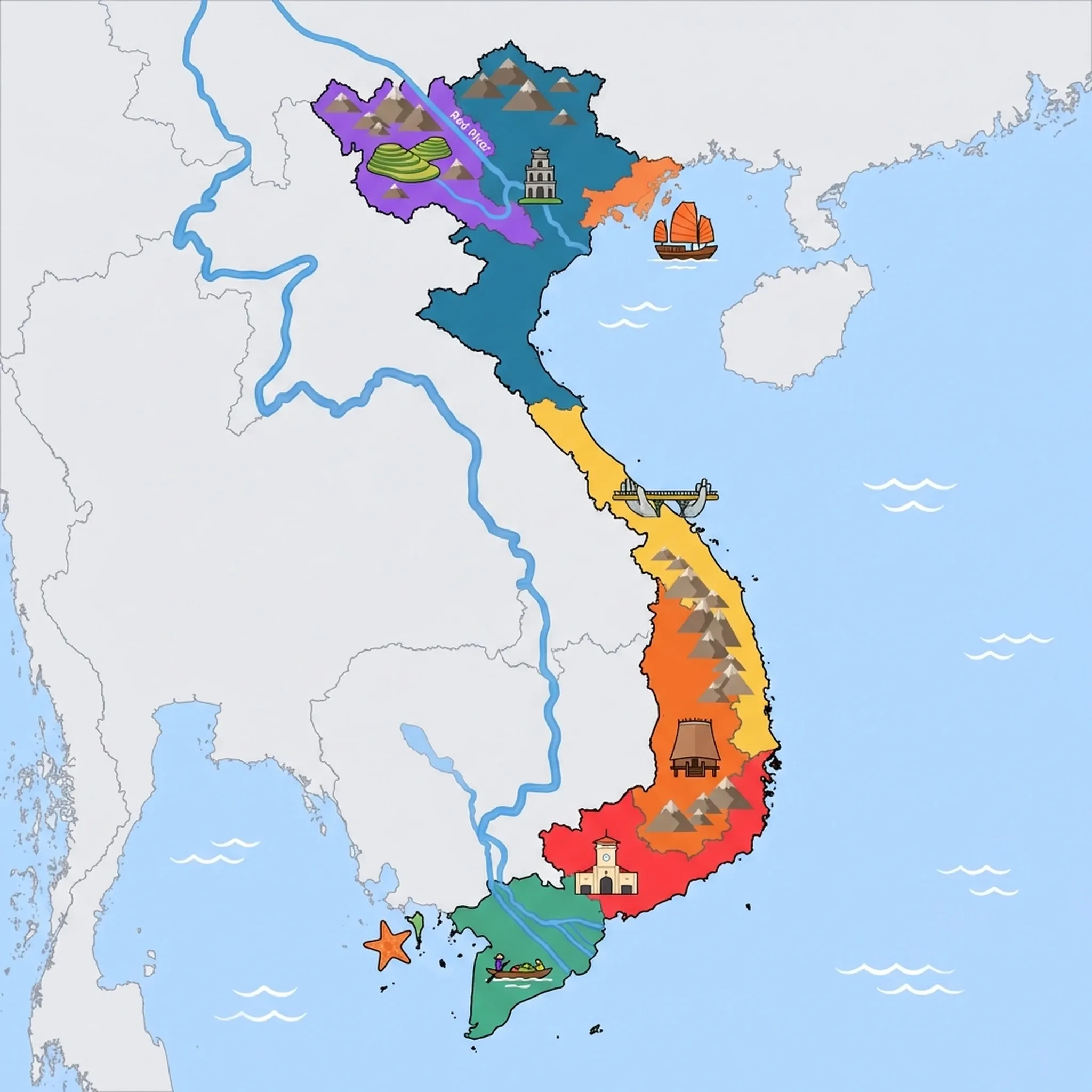
Click a region to explore
Ho Chi Minh City (commonly still called Saigon) is the high-octane engine of Vietnam. It is hotter, faster, and more modern than Hanoi. For families, the city offers a fascinating mix of war history and modern amusement. The energy here is infectious; the streets are a ceaseless flow of motorbikes, the skyscrapers are tall, and the air conditioning in the mega-malls is cold. It is a city that never really sleeps, offering convenience at every turn with 24-hour shops and excellent ride-hailing services. While the traffic is intense, the city has numerous parks and green spaces like the Saigon Zoo and Botanical Gardens to escape the rush.
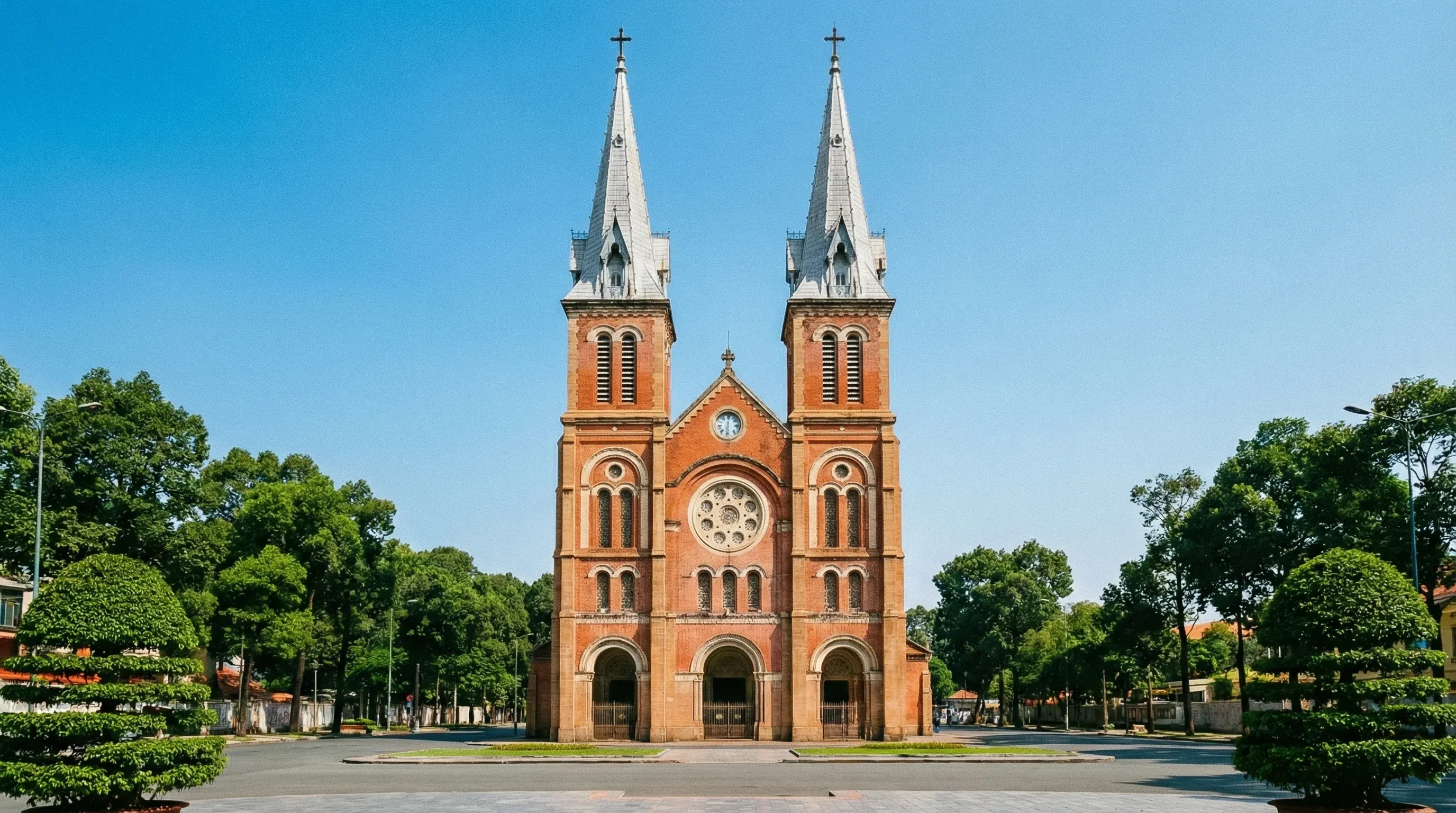
The region is also the gateway to understanding the Vietnam War (American War) in a tangible way. The Cu Chi Tunnels are an essential day trip where children can physically crawl through the underground network used by soldiers (widened sections are available for tourists), providing a history lesson that textbooks cannot match. Back in the city, the blend of French colonial landmarks like the Post Office and Notre Dame Cathedral sits in stark contrast to the futuristic skyline, offering plenty of visual interest. It is a place where you can eat the world's best street food on a plastic stool for breakfast and visit a cutting-edge interactive museum or water park in the afternoon.
Key Attractions
The Cu Chi Tunnels are the headline attraction, located about 1.5 hours from the center; they offer a jungle experience combined with history. In the city center, the Independence Palace is fascinating for kids, with its 1970s time-capsule war rooms and tanks parked on the lawn. For pure fun, Suoi Tien Cultural Theme Park is a bizarre and massive Buddhism-themed amusement park with waterslides and rollercoasters—it is colorful, unique, and very popular with local families. For a bird's eye view of the sprawl, head to the Bitexco Financial Tower - Saigon Skydeck. Food-loving families should visit Ben Thanh Market, though be prepared for tight aisles and aggressive bargaining.
Practical Advice
The weather is hot year-round. There are two seasons: Dry (Dec-Apr) and Rainy (May-Nov). The rain usually comes in short, heavy afternoon downpours that clear up quickly. Dress in light, breathable fabrics. The city is noisy; if you have light sleepers, request a room on a high floor or away from the street. Grab is the best way to get around; avoid cyclos in the tourist center as scams are common.
Food & Drink
Typical meal times: Eating happens all day. Lunch 11:30 am to 1:30 pm. Dinner 6:00 pm to 10:00 pm.
Typical meal costs: Diverse options. Street food (Banh Mi) is 25,000–40,000 VND (approx. $1.00–1.60 USD / €0.90–1.50 EUR). Mall restaurants or mid-range dining for a family of four cost 600,000–1,200,000 VND (approx. $24–48 USD / €22–44 EUR).
Dietary requirements: Very easy. HCMC is a cosmopolitan city with many vegan restaurants and international chains (McDonald's, Starbucks) if kids need a taste of home. Nut allergies require vigilance.
Signature dishes:
- Com Tam (Broken Rice) – Fractured rice grains served with a grilled pork chop, egg meatloaf, shredded pork skin, and fish sauce. The quintessential Saigon breakfast/lunch.
- Banh Mi – The baguette sandwich is everywhere, but in Saigon, it is bigger and filled with more cold cuts, pâté, and pickles than elsewhere.
- Hu Tieu Nam Vang – A pork and seafood noodle soup with a slightly sweet broth, often served with quail eggs and shrimp.
- Ca Phe Sua Da – Iced coffee with condensed milk. It is strong, sweet, and the fuel of the city.
Why this score?
This is an almost entirely urbanized region where tourism focuses on museums, gastronomy, and shopping. Beyond the novelty of the Cu Chi Tunnels, there is very little in the way of rugged terrain or outdoor physical challenge.
Why this score?
The city is the premier medical hub of Vietnam, boasting international-standard facilities like FV Hospital and various international clinics. Foreigners have easy access to a full spectrum of emergency and specialized services with high English proficiency among staff.
Why this score?
As the country's largest city and economic engine, it serves as the most frequent entry point for international arrivals. Its blend of French colonial history, war sites like Cu Chi, and modern skyscrapers ensures a massive and diverse tourist presence.

Accommodation prices are slightly higher than rural Vietnam but good value compared to Bangkok or Singapore. A 4-star family room is 1,500,000–2,500,000 VND (approx. $60–100 USD / €55–92 EUR). Taxis are cheap. Tours to <a data-attraction-id="33981">Cu Chi Tunnels</a> vary from budget bus tours (300k VND) to private speedboats (2m+ VND).

Getting Here & Around
Getting Here
- Airports – Tan Son Nhat International Airport (SGN) is the country's busiest hub, located right inside the city (30 mins to District 1).
- Bus – The main hub for buses going to the Mekong Delta, Cambodia (Phnom Penh), and beach towns like Vung Tau.
- Train – The Saigon Railway Station connects to the north, though the journey to Central Vietnam is long (16+ hours).
Getting Around
- Grab/Taxi – Essential. Taxis are cheap, but Grab provides a fixed price. Use it to get to Cu Chi Tunnels (hire a private car for the day) or Suoi Tien Cultural Theme Park.
- Water Bus – A public ferry that runs along the Saigon River; a cheap and breezy way to see the skyline.
- Walking – Doable in District 1 near Ben Thanh Market, but the heat makes long walks exhausting for kids.
Nearby Airports (2 airports)
Cam Ranh Airport
CXRNha Trang
Tansonnhat International
SGNHo Chi Minh City
View full flight map for Vietnam →
Official Links

Packing List
The city noise (horns, construction, karaoke) can be intense, even in hotel rooms.
The heat and humidity are constant and oppressive, especially when visiting the Tunnels.
Plastic bottles warm up in minutes; keep water cold for the kids.
Useful for both the intense midday sun and the sudden afternoon downpours.
You will frequently remove shoes at temples, pagodas, and even some restaurants and shops.
Toilet paper is rarely provided in public restrooms or street-side eateries.
Sudden tropical downpours are common; ponchos cover you and your daypack better than umbrellas.
Hotel sinks often lack plugs; useful for washing kids' clothes or swimwear in the room.
Dengue fever is a risk; strong repellent is essential for evenings and jungle areas.
Essential for keeping electronics and documents dry during humidity and sudden rainstorms.

Activities & Best Times

Beach resorts, marine activities: diving, snorkelling, kite surfing, wind surfing, sailing
Vung Tau offers an accessible coastal getaway that is most enjoyable for international travelers during the calm and dry season from December to March. It is rated as marginal compared to global beach destinations due to its primarily domestic appeal and the significant impact of the monsoon on water clarity and conditions.

Urban tourism, museums, historical sites, architecture
The region features the historic Ho Chi Minh City and the Cu Chi District, which offer prominent urban and heritage sites that are best explored during the dry, cooler months of December to March. The classification is rated conservatively as marginal based on the limited attraction evidence provided in the region description.

Public Holidays & Calendar Next 12 months
Public holidays, festivals, cultural celebrations, and seasonal natural phenomena coming up in Ho Chi Minh City (Saigon) & South over the next 12 months.
Loading holidays and events...

Travel Advisory
Five out of six major agencies assess Vietnam as requiring only standard safety awareness, representing a strong international consensus. While one agency maintains a slightly higher caution level due to petty crime and weather risks, the majority view the overall environment as stable for tourists.
Safety Topics
Traveller Advice (3 groups)

Female travellers should exercise standard safety measures, particularly when moving alone at night in major cities. Conservative dress is recommended when visiting religious or rural sites.

While there are no laws criminalizing same-sex relationships, public displays of affection may attract unwanted attention in more traditional or conservative areas.

Accessibility infrastructure in public transport and older buildings can be limited. Advanced planning is necessary for those with mobility requirements.
Agency Summaries
Most trips proceed without incident. Guidance focuses on respecting local political sensitivities, ensuring correct entry stamps, and preparing for the monsoon season.
Standard precautions are advised. Notable warnings include extremely strict narcotics laws and the requirement for local licensing for motorcycle operation.
No specific security threats are currently highlighted. Visitors should focus on administrative compliance, such as visa requirements and passport validity.
Travellers are advised to be highly vigilant due to a significant frequency of petty crimes like bag snatching. Environmental risks including severe seasonal flooding and typhoons are also prominent concerns.
The country is generally safe for visitors. Standard safety awareness is recommended, particularly regarding urban street crime and navigating chaotic traffic conditions.
Travellers should maintain standard awareness. Key practical advice involves avoiding common airport transport scams and being careful with road safety.
Information is provided for general guidance only and does not constitute travel, safety, medical, or legal advice. Conditions may change. Users are responsible for independently verifying information before travel.