

Overview
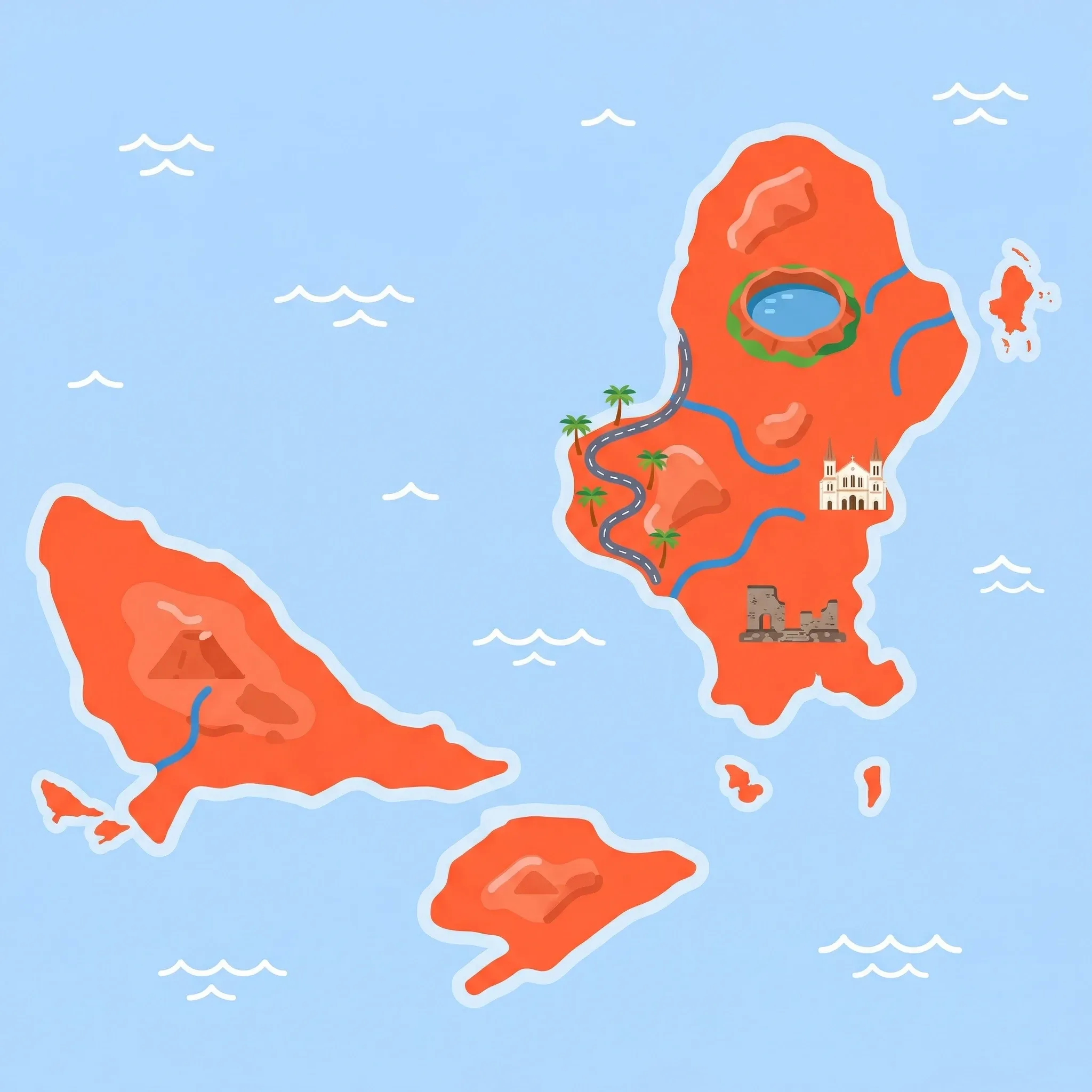
Floating remotely in the South Pacific, Wallis and Futuna offers a travel experience that is increasingly rare: a genuine immersion into island life without the veneer of mass tourism. This French overseas collectivity consists of two distinct island groups. Wallis (Uvea) is volcanic but relatively flat, encircled by a protective reef that creates a stunning, calm lagoon perfect for families with younger children. In contrast, Futuna is a dramatic, mountainous island without a lagoon, offering wilder landscapes, black sand beaches, and deep cultural roots.
For families, the appeal lies in the islands' safety and slow pace. There are no crowds, no hawkers, and very few hotels. Instead, you will find welcoming villages dominated by impressive cathedrals, ancient archaeological sites hidden in the jungle, and a culture that blends Polynesian traditions with French administration. While the infrastructure is simple-do not expect kids' clubs or theme parks-the adventure of exploring crater lakes, uninhabited islets (motus), and vibrant local markets provides a profound educational experience for older children and teens.
Key Attractions
On Wallis, the undeniable highlight is Lake Lalolalo. This perfectly circular crater lake, surrounded by sheer 30-metre cliffs and dense jungle, is a prehistoric sight that looks like the lair of a mythical creature; children are often awestruck by its eerie stillness. Nearby, history comes alive at the Talietumu Archaeological Site (also known as Tonga Toto), a restored 15th-century Tongan fortress built from basalt. It is a fantastic place for kids to scramble around and imagine ancient battles, with safe grassy areas for picnics.
In the capital, Mata-Utu, the Cathedrale Notre-Dame-de-l'Assomption is a massive stone structure that dominates the waterfront, symbolising the islands' devout faith. Just next door stands the King's Palace, offering a glimpse into the territory's unique status as a republic that still recognises traditional kings. Over on Futuna, the Basilica of St. Peter Chanel at Poi is a major pilgrimage site with a stunning stepped design, honouring the Pacific's only Catholic saint. The surrounding beaches here are wild and beautiful, perfect for beachcombing.
Practical Advice
The best time to visit is during the cooler, drier season from May to October. The hot, humid season (November to April) brings heavy rains and potential cyclones. French is the official language, and while some people in tourism speak English, a phrasebook is essential for daily interactions. The currency is the CFP Franc (XPF); banking facilities are limited, especially on Futuna, so bring sufficient cash. Healthcare is good by Pacific standards, with a hospital on each main island, but comprehensive travel insurance including medical evacuation is mandatory due to the remoteness.
Food & Drink
Typical meal times: 11:30 am to 1:30 pm for lunch, and 7:00 pm to 9:00 pm for dinner. Sunday lunch is a major family affair.
Typical meal costs: 2,500–4,500 XPF (approx. $22–40 USD / €21–38 EUR) for a main course in a restaurant. Snacks from a bakery cost around 200–500 XPF (approx. $1.80–4.50 USD / €1.70–4.20 EUR).
Dietary requirements: Challenging. The local diet relies heavily on pork, fish, and root vegetables. Vegetarians may struggle outside of self-catering, as "meat-free" often just means "no red meat" (fish is still served). Gluten-free options are rare due to the French bread culture.
Family-friendly dining: Restaurants are casual and welcome children, but highchairs and kids' menus are virtually non-existent. It is often easier to buy fresh bread, cheese, and fruit from supermarkets for picnics.
Signature dishes:
- Umu – A traditional feast cooked in an earth oven, featuring pork, chicken, and root vegetables wrapped in banana leaves (essential for Sunday family meals).
- Poisson Cru – Raw fish marinated in lime juice and fresh coconut milk, a refreshing staple across the French Pacific.
- Breadfruit (Ulu) – Roasted or boiled starchy fruit with a texture similar to potato, served as a side dish with almost every meal.
- Roasted Pork – Pigs are a symbol of wealth and are roasted whole for celebrations; pork is the primary meat source on the islands.
Safety
Wallis and Futuna is exceptionally safe regarding crime; you can leave car windows down without worry. The main risks are environmental. The tropical sun is intense, and the lagoon coral can cause nasty cuts-reef shoes are non-negotiable. Mosquito-borne diseases like Dengue fever occur, so vigilant use of repellent is necessary, especially for children. There are no poisonous snakes or dangerous land animals.

Travel here is expensive due to the monopoly on flights and reliance on imports. A family of four should budget 40,000–60,000 XPF (approx. $360–540 USD / €335–500 EUR) per day for car hire, mid-range accommodation, and meals. Supermarket items like cheese and wine are priced similarly to France, but fresh vegetables can be costly.
Age Suitability




Why this score?
The territory offers a significant sense of adventure due to its extreme remoteness and the rugged, volcanic terrain of Futuna and the uninhabited Alofi. Visitors must navigate limited local transport and a lack of organized tours, making exploration of sites like the sheer-cliffed Lake Lalolalo feel like a true discovery. While not an extreme wilderness expedition, the self-reliance required to visit these islands provides a much higher adventure level than typical tropical resorts.
Why this score?
While the territory benefits from French administration, medical facilities are limited to two small hospitals in Mata'utu and Kaleveleve that provide only basic care and emergency stabilization. English-speaking staff are rare, and there are no specialized facilities for complex surgeries or intensive care. For any serious medical condition or major trauma, a costly and time-consuming medical evacuation to New Caledonia or Australia is mandatory.
Why this score?
Wallis and Futuna is one of the least-visited inhabited territories in the world, receiving only a few thousand visitors annually, mostly consisting of French officials and returning residents. The lack of direct international flights from major global hubs and a very small inventory of commercial accommodation keep it as a niche destination even within the South Pacific. There is almost no traditional tourism marketing, and the infrastructure is designed for local life rather than international holidaymakers.
Wallis and Futuna is an expensive destination, similar to mainland France but with added importation costs. Accommodation is limited to a few hotels and guesthouses, averaging 12,000–18,000 XPF (approx. $110–165 USD / €100–150 EUR) per night. Car rentals are pricey, often around 6,000–8,000 XPF (approx. $55–75 USD / €50–67 EUR) per day. Supermarket goods, mostly imported from France, carry a significant markup.

Getting There & Around
Getting There
- By Air – The only international connection is via Aircalin from Nouméa (New Caledonia) or Nadi (Fiji). Flights are limited (usually 2–3 times a week), so itineraries must be planned carefully around the schedule.
- Entry Requirements – As a French Overseas Collectivity, EU citizens can enter with a valid ID or passport. US, Australian, and NZ citizens do not currently need a visa for short stays (up to 90 days), but rules can differ from mainland France. Check your government website for the latest visa requirements, or use the IATA Travel Centre entry-requirements checker.
Getting Around
- Car Hire – Essential on Wallis. There is no public transport (no buses or taxis). You can pick up a rental car at Hihifo Airport. The road network is simple, mostly circling the island. Bring your driving licence.
- Domestic Flights – The only way to travel between Wallis and Futuna is a 1-hour flight with Aircalin. These flights can be expensive and schedule changes are common, so book well in advance.
- On Futuna – Rental cars are scarce; arrange transport with your accommodation host in advance. Hitchhiking is common among locals but less reliable for families.

Packing List
Essential for swimming; beaches often have sharp coral and stonefish risks.
Rental shops are virtually non-existent; you must bring your own mask and fins.
English is rarely spoken outside of the few hotels; basic French is needed for shops.
Credit cards are often not accepted, and ATMs are scarce (especially on Futuna).
Accommodation is often simple/open-air; protects against Dengue-carrying mosquitoes.

Activities & Best Times

Adventure & Nature
Very GoodHiking, wildlife, outdoor exploration, ecotourism
Unique volcanic crater lakes like Lalolalo and the rugged, uninhabited landscapes of Alofi Island provide exceptional, uncrowded nature experiences for families. Drier winter months offer safer trail conditions, while the heavy summer rains and humidity make inland exploration difficult.
Beach & Sea
GoodBeach resorts, marine activities: diving, snorkelling, kite surfing, wind surfing, sailing
Pristine lagoons and remote islets like Faioa offer high authenticity and seclusion, though upscale resort infrastructure is limited. The drier, cooler months from June to September are best for visibility and calm water; the cyclone season from December to April is unsuitable.

City & Cultural
MarginalUrban tourism, museums, historical sites, architecture
Wallis and Futuna has no cities - Mata'Utu has ~1,000 residents. While Catholic churches and Polynesian heritage sites exist, there is no urban cultural infrastructure. The cultural heritage is authentic but rural/small-scale, not city-based. 'Marginal' better reflects the modest scale and lack of urban context.

Road Trips & Scenic
MarginalScenic drives, countryside tours, route-based travel
Short but scenic coastal loops on Wallis and Futuna offer authentic glimpses of island life and ocean vistas. These routes are best enjoyed when visibility is high and heavy tropical downpours are less frequent.

Sports & Active
MarginalSport tourism, fitness activities, active recreation
The Loka Cave and Mount Puke trails offer rugged, self-guided hiking for active families seeking isolation. These tracks can become dangerously slippery and overgrown during the peak rainfall months of the southern summer.




Public Holidays & Calendar Next 12 months
Public holidays, festivals, cultural celebrations, and seasonal natural phenomena coming up in Wallis and Futuna over the next 12 months.
Loading holidays and events...

Travel Advisory
All major agencies categorize Wallis and Futuna as a low-risk destination where only standard safety awareness is required.
Safety Topics
Traveller Advice (4 groups)

Respect the traditional Polynesian culture and Catholic heritage. It is important to secure comprehensive travel insurance that includes air evacuation provisions due to the islands' remote location.

The islands are generally safe for female visitors; standard precautions for solo travel should be observed.

As a French overseas territory, the legal protections for LGBTQ+ individuals are consistent with French national law.

Infrastructure for travelers with disabilities may be very limited given the territory's remote nature and small scale.
Agency Summaries
New Zealand does not have an active travel warning for the islands. Travelers are encouraged to have adequate insurance, particularly for medical evacuation.
Travelers should use common sense and maintain basic safety awareness. The territory is politically stable with a low crime rate.
The territory is considered stable with low safety risks. Visitors should maintain standard awareness similar to what they would in Canada.
There are no specific travel warnings in place. Crime is infrequent, though standard precautions against petty theft are encouraged.
Standard travel safety awareness is recommended. The security environment is stable, with minimal risks to travelers.
Irish citizens are advised to take standard safety measures and follow local guidance while visiting.
Information is provided for general guidance only and does not constitute travel, safety, medical, or legal advice. Conditions may change. Users are responsible for independently verifying information before travel.