

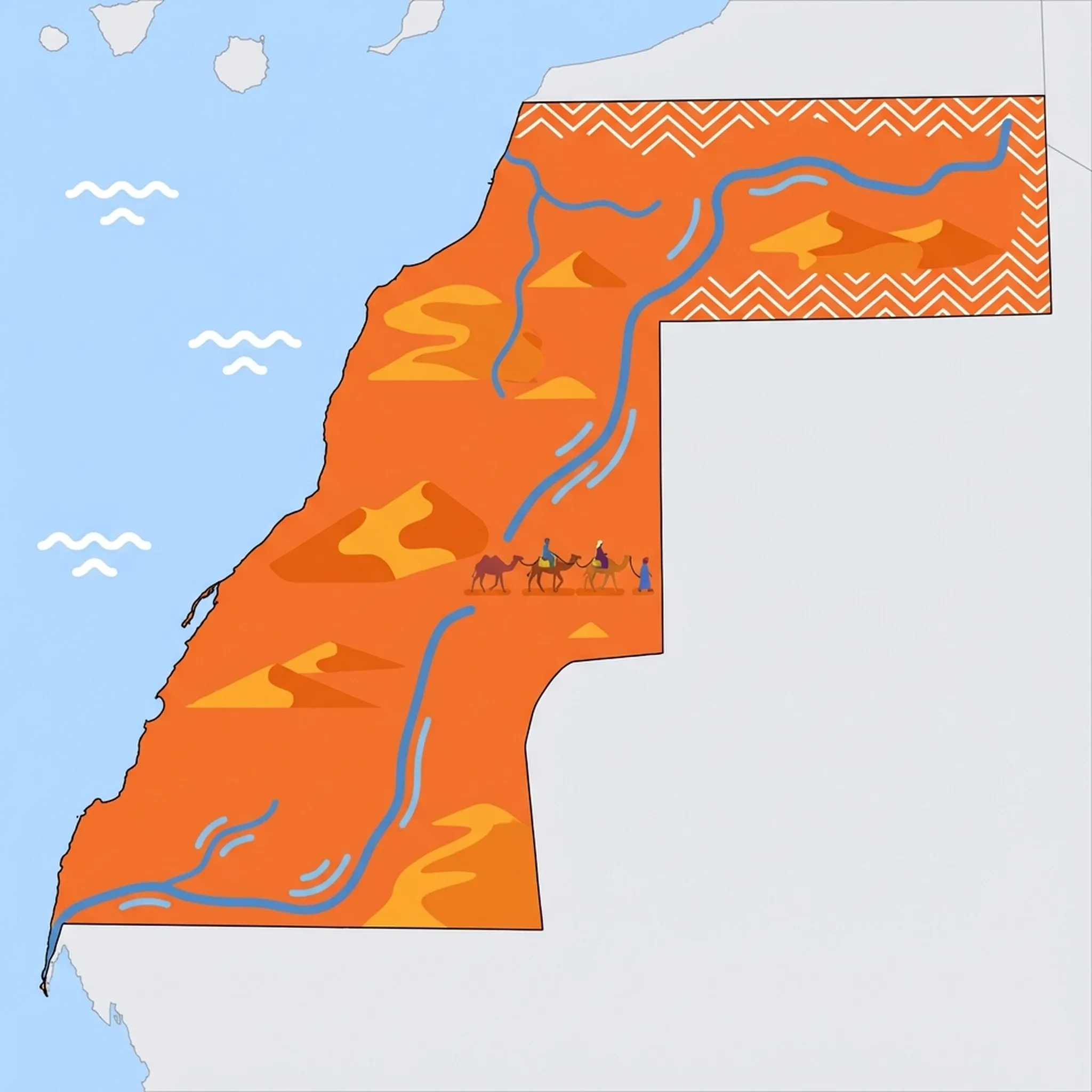
⚠️ SAFETY WARNING: Most governments, including the US and UK, advise against all travel to areas of Western Sahara within 30km of the militarised boundary ("the Berm") and the border with Mauritania due to the risk of unexploded landmines. However, the coastal city of Dakhla and its immediate lagoon area are generally considered safe for tourists flying in directly. Always check the latest government travel advice before booking.
Overview
Western Sahara is a land of dramatic contrasts, where the endless golden sands of the Sahara crash into the wild Atlantic Ocean. For families, the primary hub is the Dakhla peninsula, a world-class kitesurfing destination that has evolved into a serene eco-tourism hotspot. Unlike the bustling souks of Marrakech, the vibe here is tranquil, vast, and elemental. The landscape feels prehistoric, offering a sense of space and freedom that is rare in the modern world. It is an ideal destination for families with older children or teenagers who enjoy nature, water sports, and off-road adventures.
Culturally, the region offers a fascinating blend of Berber, Arab, and Sahrawi traditions. The pace of life is slow, dictated by the tea ceremony and the tides. Families can stay in eco-lodges nestled in the dunes, waking up to the sound of the wind and the waves. While it requires more logistical planning than a standard beach holiday, the reward is an unforgettable journey into one of the least populated and most atmospheric corners of Africa.
Key Attractions
The crown jewel of the region is the Dakhla Lagoon. Protected from the open ocean by a 40km peninsula, the water is flat, shallow, and warm, making it a massive natural swimming pool for children. It is also one of the best places in the world to learn kitesurfing, with many schools offering family lessons. In the middle of the lagoon lies Dragon Island (Hernne Island), shaped like a sleeping dragon. At low tide, families can sometimes walk across to explore its rocky shells and seek out the small crabs that call it home.
For a true desert experience, the White Dune (Dune Blanche) is a must-visit. This giant dune of pristine white sand rises directly out of the lagoon. Kids will love running up the soft sand and rolling back down, while parents can admire the panoramic views where the desert creates a stark contrast against the turquoise water. Further inland, the Imlili Desert Pools offer a bizarre and delightful natural spa experience. These small, saltwater pools in the middle of nowhere are inhabited by tiny fish that gently nibble dead skin from your feet-a ticklish and memorable experience for children.
Wildlife enthusiasts should visit the Ostrich Farm near Dakhla to see these giant birds up close, or take a boat trip to spot the dolphins that frequently frolic in the bay. The region is also famous for its Oyster Farms, where families can see how shellfish are grown and taste them fresh from the water-though the raw texture might be a challenge for some younger palates!
Practical Advice
The best time to visit is between October and May, when temperatures are pleasant (20°C–25°C) and the sun is not too fierce. Summer can be extremely windy. Visas generally follow Moroccan policy; many Western nationals (US, UK, EU) can enter visa-free for 90 days, but always check specifically for the territory. Cash is king here-ATMs exist in Dakhla, but remote camps may only take cash. French and Spanish are often spoken alongside Arabic. Medical facilities are limited outside Dakhla, so bring a comprehensive first-aid kit.
Food & Drink
Typical meal times: Lunch is typically served from 1:00 pm to 3:00 pm, and dinner is a late affair, usually from 8:00 pm to 10:00 pm.
Typical meal costs: 80–150 MAD (approx. $8–15 USD / €7.50–14 EUR) for a main dish in a sit-down restaurant. Street food and sandwiches cost around 30–50 MAD (approx. $3–5 USD / €2.80–4.70 EUR).
Dietary requirements: Vegetarians will find options like vegetable tagine, couscous, and Moroccan salads (cooked vegetable dips) everywhere. Vegan options are naturally available through these dishes, but confirm no butter/ghee was used. Gluten-free travelers should be aware that bread is central to every meal, but rice plates and grilled seafood are safe alternatives.
Family-friendly dining: Moroccan culture adores children, and they are welcome everywhere. Most restaurants do not have specific "kids' menus" but will happily serve plain grilled chicken, chips (fries), or rice. Highchairs are rare outside of international hotels.
Signature dishes:
- Sahrawi Camel Tagine – A slow-cooked stew made with camel meat, which is lean and tender, often sweetened with dates or prunes.
- Dakhla Oysters – World-renowned oysters farmed in the lagoon, served fresh with lemon; a treat for adventurous eaters.
- Couscous with Seven Vegetables – Fluffy semolina grains piled high with steamed root vegetables and chickpeas, a Friday tradition.
- Sahrawi Tea – A ceremonial green tea with mint, brewed three times to be gradually sweeter and lighter; a symbol of hospitality.
Safety
While the coastal tourist areas like Dakhla are generally secure and heavily patrolled, the interior of Western Sahara presents serious risks. Do not venture off paved roads without an experienced local guide due to the risk of landmines from past conflicts. Avoid all travel near the "Berm" (the sand wall fortification) and the borders with Mauritania and Algeria. Stay within established tourist zones and always carry your passport, as police checkpoints are frequent and routine.

A family of four can expect to spend around 1,500–2,500 MAD (approx. $150–250 USD / €140–235 EUR) per day. This includes staying in a mid-range bungalow or kite-camp, meals, and car hire. Flights to Dakhla can be the most expensive part of the trip. Local food is affordable, but imported goods and alcohol in hotels are pricier than on the mainland.
Age Suitability





Why this score?
The region offers a high degree of adventure characterized by the meeting of the harsh Sahara Desert and the Atlantic Ocean, necessitating rugged travel across sand dunes and salt flats. Visitors must navigate a sensitive geopolitical landscape and a lack of paved roads in the interior, though the coastal areas are more accessible. The presence of the militarized Berm and the sheer remoteness of the desert terrain provide a significant sense of isolation and challenge.
Why this score?
Medical facilities are very limited and primarily concentrated in the main administrative centers of Laayoune and Dakhla, offering only basic care. Specialized treatments, complex surgeries, or pediatric emergencies generally require medical evacuation to the Canary Islands or major Moroccan cities like Agadir or Casablanca. Language barriers for English speakers are common, and most clinics are not equipped to handle high-standard international insurance protocols.
Why this score?
International tourism is almost entirely restricted to the Dakhla peninsula, which has gained a niche reputation for world-class kitesurfing and windsurfing. Beyond this specific coastal hub, the vast majority of the territory sees negligible foreign visitors due to its disputed political status and lack of traditional travel infrastructure. Compared to global benchmarks, it remains one of the least visited territories in the world.
While street food and local cafes are cheap, the tourism infrastructure in Dakhla is geared towards boutique camps and kite-surf resorts, which push prices to European levels. A night in a bungalow tent with full board can range from 1,000–2,500 MAD (approx. $100–250 USD / €90–230 EUR). Basic city hotels are cheaper, around 300–600 MAD (approx. $30–60 USD / €28–55 EUR).

Getting There & Around
Getting There
- By Air – Most families arrive via Dakhla Airport (VIL), which has daily connections from Casablanca (CMN) on Royal Air Maroc. Direct flights from Paris and Gran Canaria are also available seasonally.
- By Bus – CTM and Supratours operate high-quality buses from Marrakech and Agadir, but the journey is grueling (20+ hours) and not recommended for young children.
- Entry Requirements – Visa policies generally mirror Morocco. US, UK, and EU citizens typically do not need a visa for stays up to 90 days. Check your government website for the latest visa requirements, or use the IATA Travel Centre entry-requirements checker.
Getting Around
- Car Hire – The most flexible way to explore the Dakhla peninsula. A 4x4 is highly recommended if you plan to visit desert sites like the White Dune.
- Grand Taxis – Shared or private old Mercedes vehicles that run fixed routes or can be hired for day trips. Negotiate the price before departing.
- Organised Tours – For desert excursions to Imlili or the White Dune, booking a driver with a 4x4 is essential for safety and navigation in the sand.

Packing List
Police checkpoints are frequent; handing over a pre-printed sheet with your details saves huge amounts of time.
Essential for protecting your face and hair from the strong winds and blowing sand typical of the region.
The combination of desert heat, dry air, and salty ocean wind can be very drying for skin.
Even on sunny days, the Atlantic trade winds in Dakhla are powerful and can feel chilly.
If the kids plan to spend hours in the lagoon, a thin wetsuit helps with the wind chill and sun protection.

Activities & Best Times

Adventure & Nature
GoodHiking, wildlife, outdoor exploration, ecotourism
While the desert-ocean landscapes are unique, there is insufficient evidence of developed adventure tourism infrastructure (no national parks, organized tours, or adventure centers in database). 'very_good' suggests a nationally significant adventure destination, which is not supported by current evidence. Downgrade to 'good' to reflect the raw natural appeal without developed infrastructure.

Beach & Sea
GoodBeach resorts, marine activities: diving, snorkelling, kite surfing, wind surfing, sailing
Dakhla is a world-class destination for kite and windsurfing with unique lagoon conditions and the iconic White Dune. Peak months align with the most consistent trade winds and warmer sea temperatures, while winter can be significantly cooler.

Road Trips & Scenic
GoodScenic drives, countryside tours, route-based travel
The N1 Atlantic Coast Road is a legendary route offering dramatic views where the Sahara meets the sea. Peak visibility and driving comfort occur in spring and autumn, avoiding the haze and intense heat of the summer months.

Sports & Active
GoodSport tourism, fitness activities, active recreation
Known internationally for world-class kitesurfing and active trail walks along the Dakhla Peninsula. The peak season corresponds with the strongest and most reliable wind conditions, which are highly prized by the international sporting community.

City & Cultural
MarginalUrban tourism, museums, historical sites, architecture
Zero museums, cultural institutions, or heritage sites documented in the database. While Sahrawi culture and Spanish colonial heritage exist, there is no evidence of tourist-accessible cultural attractions. 'marginal' better reflects the absence of developed cultural tourism infrastructure.

Relaxation & Wellness
MarginalSpa retreats, wellness centers, peaceful getaways
The Asmaa Hot Spring offers a unique, sulfurous thermal experience in a remote desert setting. This experience is best enjoyed during the cooler winter months when the heat of the natural spring is most restorative.




Public Holidays & Calendar Next 12 months
Public holidays, festivals, cultural celebrations, and seasonal natural phenomena coming up in Western Sahara over the next 12 months.
Loading holidays and events...

Travel Advisory
The majority of major international agencies recommend exercising a high degree of caution when visiting Western Sahara. Key risks include a high threat of terrorism and significant hazards from unexploded landmines, particularly in border and militarized zones.
Safety Topics
Traveller Advice (3 groups)

Travelers must ensure their passports are correctly stamped by Moroccan authorities upon entry to avoid difficulties when leaving. Public commentary disputing local sovereignty claims is restricted.

Female visitors should be aware that solo travel may attract unwanted attention. It is highly recommended to dress conservatively and avoid walking alone after dark, particularly in isolated or less-populated areas.

Same-sex relationships and public displays of affection may be subject to legal and social restrictions in this predominantly Muslim society. Discretion is advised as local attitudes can be conservative.
Agency Summaries
Visitors should maintain a high level of vigilance due to potential terrorist activity and civil unrest. Specific hazards include landmines in remote regions and the risk of demonstrations turning violent.
There are heightened safety concerns related to terrorism and unexploded ordnance. New Zealanders are advised against all travel to the militarized zones and buffer areas of the Berm.
Increased vigilance is required due to the persistent threat of terrorism. A 'Do Not Travel' warning is in effect for areas near the Berm because of ongoing armed conflict risks and military presence.
Irish citizens are advised to be extremely cautious, particularly regarding the threat of terrorism and the sensitive political status of the territory. Travel near border zones is highly risky.
Travelers should avoid unnecessary trips to Western Sahara because of the danger posed by terrorist groups and the presence of unexploded landmines. Security is particularly unstable near the border regions where travel is strongly discouraged.
The UK government recommends against all travel to areas near the Berm boundary and territory to the east due to military tension and landmines. Terrorism is also a significant concern throughout the territory.
Information is provided for general guidance only and does not constitute travel, safety, medical, or legal advice. Conditions may change. Users are responsible for independently verifying information before travel.