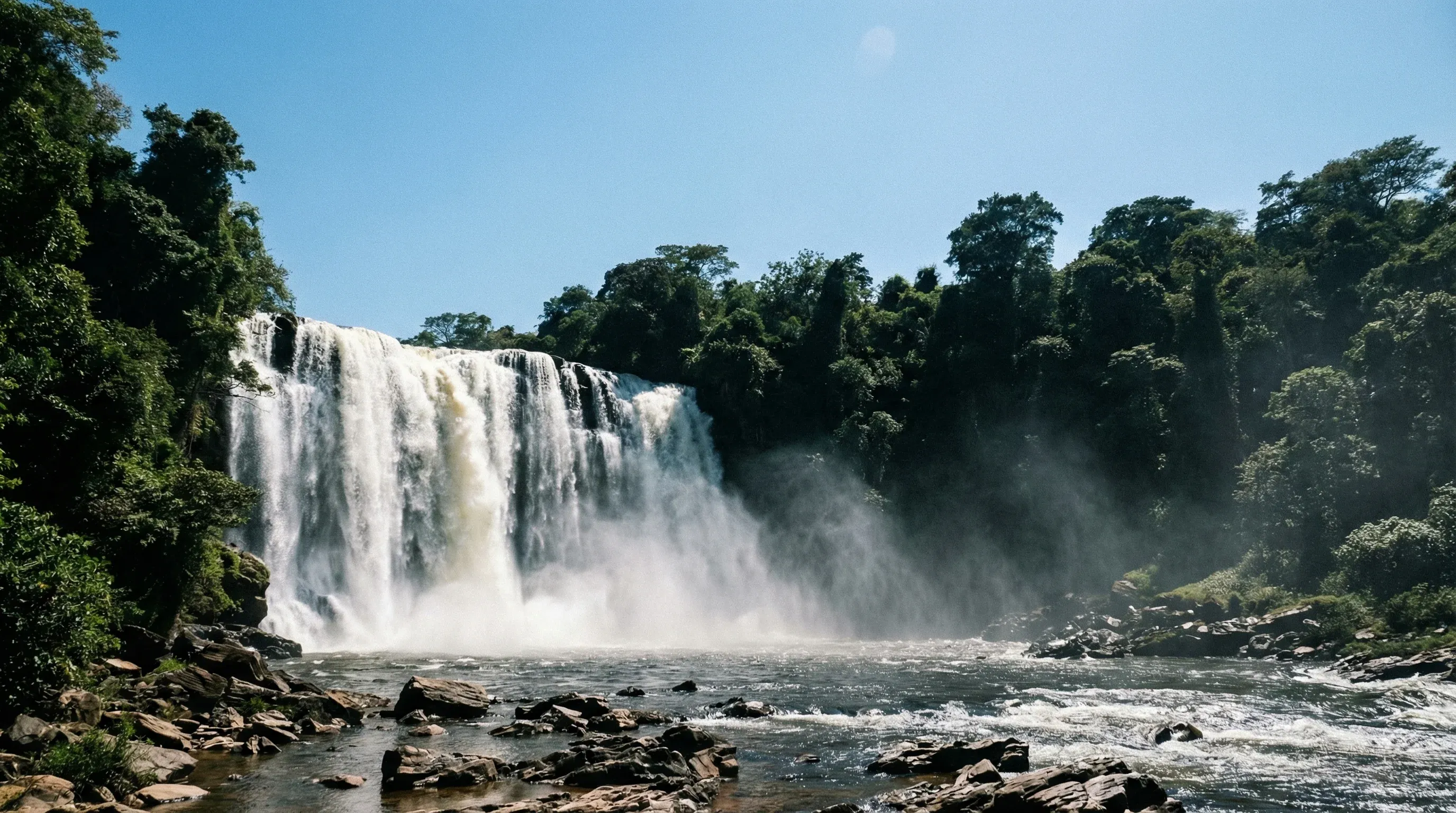

Northern Zambia (Kasanka, Bangweulu)
Where waterfalls roar and millions of bats darken the sky 🦇💦
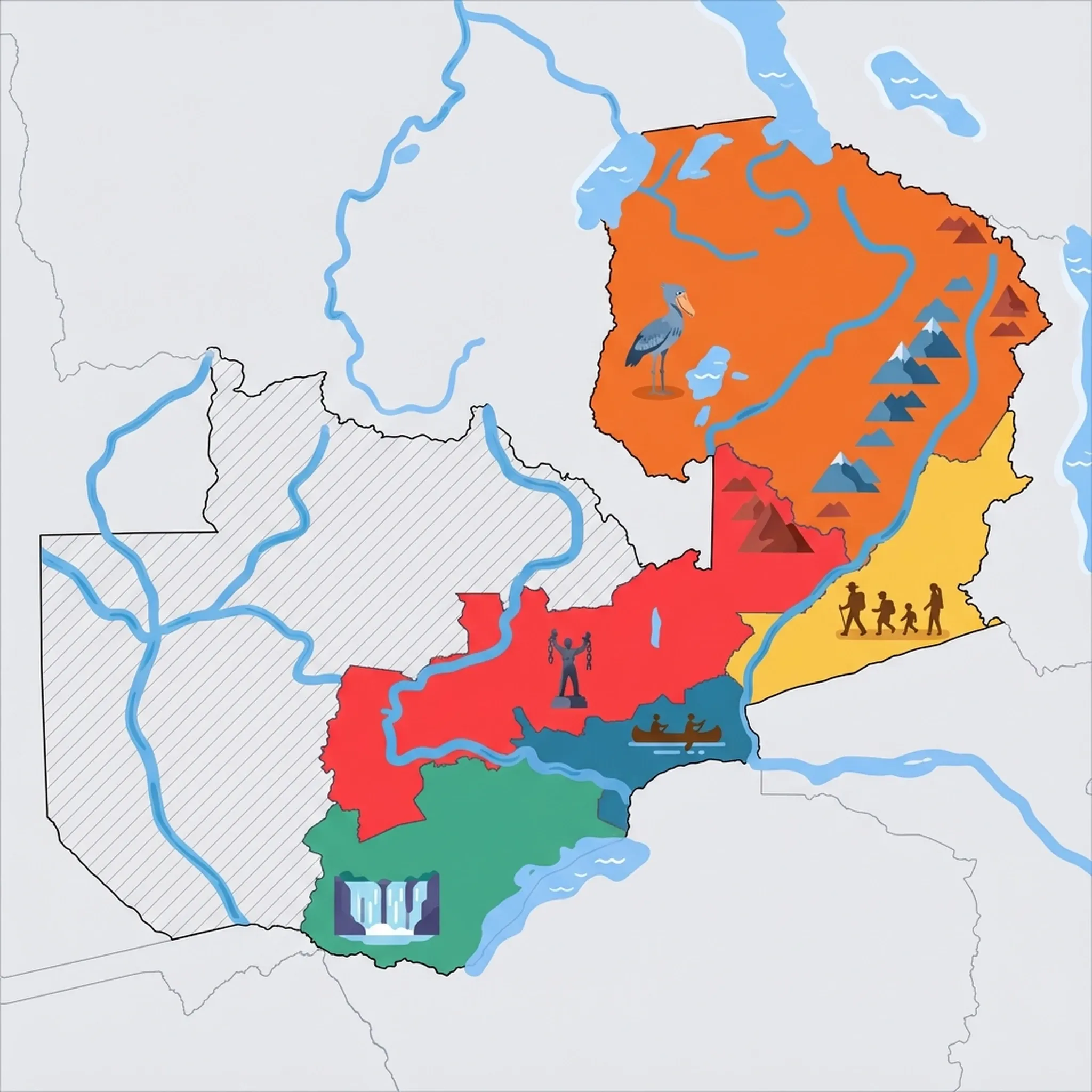
Click a region to explore
Overview
Northern Zambia is the hidden gem of the country, a region of high rainfall, endless rivers, and verdant landscapes that feel worlds apart from the dry savannahs of the south. This is a destination for the intrepid family, those willing to travel a bit further for rewards that are truly world-class. The region is dominated by water, from the vast sponges of the wetlands to the spectacular 'Northern Circuit' of waterfalls. The climate here can be more humid, and the vegetation is lush and tropical. It offers a sense of discovery that feels like real exploration.
Children will be captivated by the sheer scale of nature here. The bat migration at Kasanka National Park is a sensory overload where up to 10 million straw-coloured fruit bats fill the twilight sky—a sight often compared to the wildebeest migration but in the air. Further north, the swamps are home to the shoebill stork, a bird so strange and dinosaur-like that it looks like a creature from a movie. The region also holds deep history; families can visit the David Livingstone Memorial, marking the spot where the famous explorer died, offering a profound history lesson in the heart of the bush.
Key Attractions
Kasanka National Park is the headliner, particularly between October and December for the bat migration. It is also one of the best places to spot the shy Sitatunga antelope. The Bangweulu Wetlands offer a completely different safari experience; families can walk across the spongy plains or take dugout canoes to find the endemic Black Lechwe and the Shoebill. For a dramatic scenic stop, Kalambo Falls on the border with Tanzania is a must; it is the second-highest single-drop waterfall in Africa. The walk to the view point is manageable for active kids and the view is vertigo-inducing in the best way possible.
Practical Advice
This region requires effort to reach. Roads can be long and in varying conditions. The Bat Migration season (Oct–Dec) coincides with the start of the rains, so 4x4 vehicles are often necessary. Accommodation is often in rustic camps or community campsites, so families should be prepared for a 'glamping' or camping style experience rather than 5-star luxury. Malaria is a serious consideration in these wetland areas; strict adherence to prophylaxis and nets is required.
Food & Drink
Typical meal times: Camps operate on safari schedules. Breakfast 6:00 am, Lunch 1:00 pm, Dinner 7:30 pm.
Typical meal costs: Lodges are usually full board. Roadside stops are very cheap (ZMW 50–100 / $2–4 USD) but basic. Inclusive lodge rates are generally lower than the Luangwa/Zambezi valleys.
Dietary requirements: Remote lodges have limited supply chains. You MUST inform them of allergies weeks in advance. Roadside options are limited to nshima and meat/fish.
Signature dishes:
- Fresh Bream – River fish is the staple protein here, fresh from the Bangweulu or Luapula rivers.
- Cassava – Unlike the maize-heavy south, the north uses cassava (root vegetable) extensively, often boiled or dried into flour.
- Village Chicken – 'Inkoko', free-range chicken that is tougher but far more flavorful than commercial birds, usually stewed.
Why this score?
Traveling through Northern Zambia is a true expedition, involving long drives on challenging roads and navigating vast, remote wetlands like Bangweulu. Infrastructure is minimal, and visitors must often be self-sufficient or rely on basic campsites in deep wilderness. The sheer scale and isolation of the landscapes make it one of the most adventurous regions for travelers in Southern Africa.
Why this score?
Medical infrastructure is extremely limited, with only basic rural clinics available that lack modern diagnostic equipment or specialized staff. Travelers are hundreds of kilometers away from reliable hospital care in Lusaka, making self-sufficiency and comprehensive evacuation insurance essential. The swampy terrain also makes emergency extraction by air or road particularly difficult.
Why this score?
This region is one of the least visited parts of the country, attracting mainly intrepid birdwatchers and specialist wildlife photographers. The fruit bat migration and the rare Shoebill stork are significant draws, but the long travel distances and limited infrastructure keep international numbers very low. It remains far off the standard tourist circuit for the average traveler.

The North is less commercialized and often cheaper than the premier parks. Lodge accommodation ranges from ZMW 2,600–6,600 (approx. $100–250 USD / €90–230 EUR) per person per night. Camping is very affordable at ZMW 260–400 (approx. $10–15 USD / €9–14 EUR). However, the cost of private 4x4 hire or charter flights significantly increases the total trip price.

Getting Here & Around
Getting Here
- Driving – A long drive from Lusaka via the Great North Road. Reaching Kasanka National Park takes about 6–7 hours. A 4x4 is recommended.
- Charter Flight – The most comfortable option for families. Charters fly into airstrips at Kasanka or Bangweulu from Lusaka (approx. 1.5 hours).
- Scheduled Flight – Proflight flies to Mansa, from where you can arrange lengthy transfers to the wetlands.
Getting Around
- 4x4 Vehicle – Essential. The roads within parks like Bangweulu Wetlands can be boggy and deep.
- Canoe/Boat – In the wetlands, traditional dugout canoes or small banana boats are the only way to access the deep swamps where the Shoebills live.
- Walking – Walking safaris are common here and often safe in the wetlands where dangerous predators are fewer (though caution is always needed).
Nearby Airports (2 airports)
Kasama
KAAKasama
Mansa Airport
MNSMansa
View full flight map for Zambia →
Official Links

Packing List
Tsetse flies and other insects can be intense in the miombo woodlands and wetlands; physical barriers work best.
Bangweulu means 'where the water meets the sky'; you will be walking in soggy, marshy ground.
Despite the tropics, early mornings on the open wetlands or bat hides can be surprisingly chilly.
Useful for spotting nocturnal animals without disturbing them, and for navigating camps with limited electricity.
Older dollar bills are frequently rejected by banks and lodges; bring only crisp, new notes with 'big heads'.
Bright white lights attract millions of bugs in the bush; amber/red settings keep the insects away at camp.
Strict luggage restrictions on small internal flights (Proflight) often ban hard-shell suitcases.
Power cuts (load shedding) are common; a solar backup ensures phones and cameras stay charged.
Open game drive vehicles are incredibly dusty in the dry season; protect your nose and mouth.

Activities & Best Times

Hiking, wildlife, outdoor exploration, ecotourism
Home to the unique Shoebill stork and the world's highest drop waterfall at Kalambo; this is a premier wilderness destination for experienced safari-goers. Peak wildlife viewing and road access coincide with the dry winter and spring months.

Urban tourism, museums, historical sites, architecture
The region features the extraordinary Shiwa Ng'andu estate and numerous iconic waterfalls that serve as historical and cultural landmarks. May to August offers the best balance of high water flows for scenic beauty and dry weather for accessibility.

Scenic drives, countryside tours, route-based travel
The Northern Circuit is a celebrated route for adventurous drivers, connecting spectacular waterfalls and historical sites. Roads are most reliable and scenery most accessible during the dry months when river crossings are safe.

Sport tourism, fitness activities, active recreation
While Kalambo Falls trekking is noteworthy, the region lacks the infrastructure and international reputation for 'very_good' sports/active classification. 'Good' better reflects a developing but not yet world-class offering.

Events, celebrations, seasonal attractions
Host to the Kasanka Fruit Bat Migration, the world's largest mammal migration, which is a bucket-list event for nature enthusiasts. This strictly seasonal phenomenon occurs only between late September and December.

Spa retreats, wellness centers, peaceful getaways
Kapishya Hot Springs provides a high-quality, natural thermal experience in a lush, remote setting. The cooler winter months (June-August) are ideal for enjoying the thermal waters, while heavy summer rains can complicate travel.
Attractions (11 total)



Public Holidays & Calendar Next 12 months
Public holidays, festivals, cultural celebrations, and seasonal natural phenomena coming up in Northern Zambia (Kasanka, Bangweulu) over the next 12 months.
Loading holidays and events...

Travel Advisory
The majority of major international agencies classify Zambia as a destination requiring standard safety awareness. While specific risks like crime in cities and landmines near borders exist, they do not currently warrant an elevated nationwide risk rating for most travellers.
Safety Topics
Traveller Advice (4 groups)

Be cautious in social settings like bars and nightclubs where reports of drink spiking have occurred. Avoid travelling solo after dark.
When travelling in rural or border areas, use a 4x4 vehicle and strictly remain on paved or well-marked roads to avoid the risk of landmines and unexploded explosives.

Homosexual activity is illegal and punishable by significant prison time, including life sentences. Travellers should exercise extreme discretion and avoid public displays of affection as social tolerance is low.

Maintain standard security awareness, avoid walking alone at night in urban centers, and stay clear of any political gatherings or demonstrations.
Agency Summaries
Australia advises a baseline of normal safety measures across the country. A higher level of vigilance is necessary near the border with the Democratic Republic of the Congo due to criminal activity and the threat of undetected landmines. Public demonstrations should be avoided as they can escalate quickly.
The United States suggests travellers follow standard safety procedures. While the security environment is generally stable, visitors are encouraged to stay away from political rallies and large crowds, which can occasionally lead to civil unrest or minor violence, particularly during election cycles.
New Zealand recommends a higher level of awareness than one would use at home due to the prevalence of violent crime in major cities and the risk of landmines in frontier zones. Moving through urban areas alone or after dark is discouraged.
Most visits to Zambia are trouble-free. Travellers should remain alert to common street crimes like pickpocketing in busy urban areas. There are specific health warnings regarding contaminated water in mining regions and periodic outbreaks of infectious diseases that require vigilance.
Ireland advises its citizens to maintain typical personal security awareness while visiting Zambia. It is important to confirm entry requirements and ensure travel documents meet the necessary validity standards before departure.
Zambia is considered a safe destination for travel using standard precautions. However, travellers should exercise a high degree of caution in border regions near Angola, Mozambique, and the DRC because of the residual risk of landmines and unexploded ordnance. Compliance with strict laws on mineral exports and the possession of precious stones is essential.
Information is provided for general guidance only and does not constitute travel, safety, medical, or legal advice. Conditions may change. Users are responsible for independently verifying information before travel.