
Harare & Central
Art, culture, and nature on the city's edge 🎨
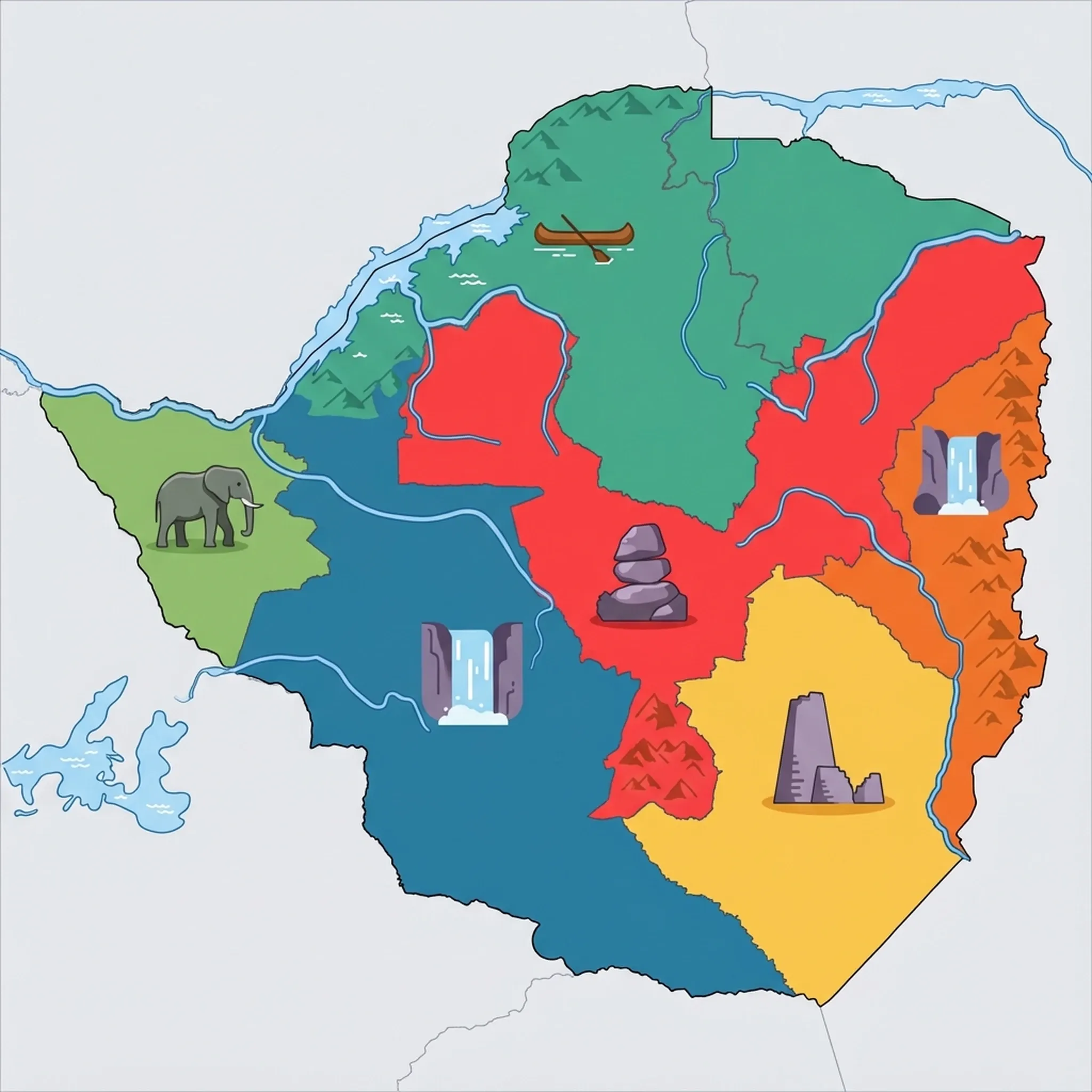
Click a region to explore
Harare is often just a transit point for travelers, but the capital city and its surrounding central region hold hidden gems for families willing to linger. Sitting on the highveld plateau, the city enjoys a pleasant, temperate climate year-round. It is a city of flowering trees—in spring (September/October), the streets are carpeted in purple jacaranda blossoms, creating a spectacular visual experience. For families, Harare offers a gentle introduction to Zimbabwe with modern amenities, shopping malls, and excellent medical facilities, making it a safe base to acclimatize before heading into the bush.
The culture here is vibrant and accessible. You can visit world-class sculpture parks where artists work on serpentine stone, a distinct Zimbabwean art form. The central region is not just concrete; a short drive takes you to granite hills and wildlife sanctuaries. It is the best place to understand modern Zimbabwean life, taste diverse food, and let children play in manicured botanical gardens. The pace is faster than the countryside but relaxed compared to major global capitals.
Key Attractions
Within the city, the National Gallery of Zimbabwe is a fantastic cultural stop. It hosts open-air sculpture gardens that are perfect for kids to explore, and the exhibitions often feature colorful, tactile art that engages younger minds. It provides great context for the stone sculptures you will see sold by the roadside throughout the country.
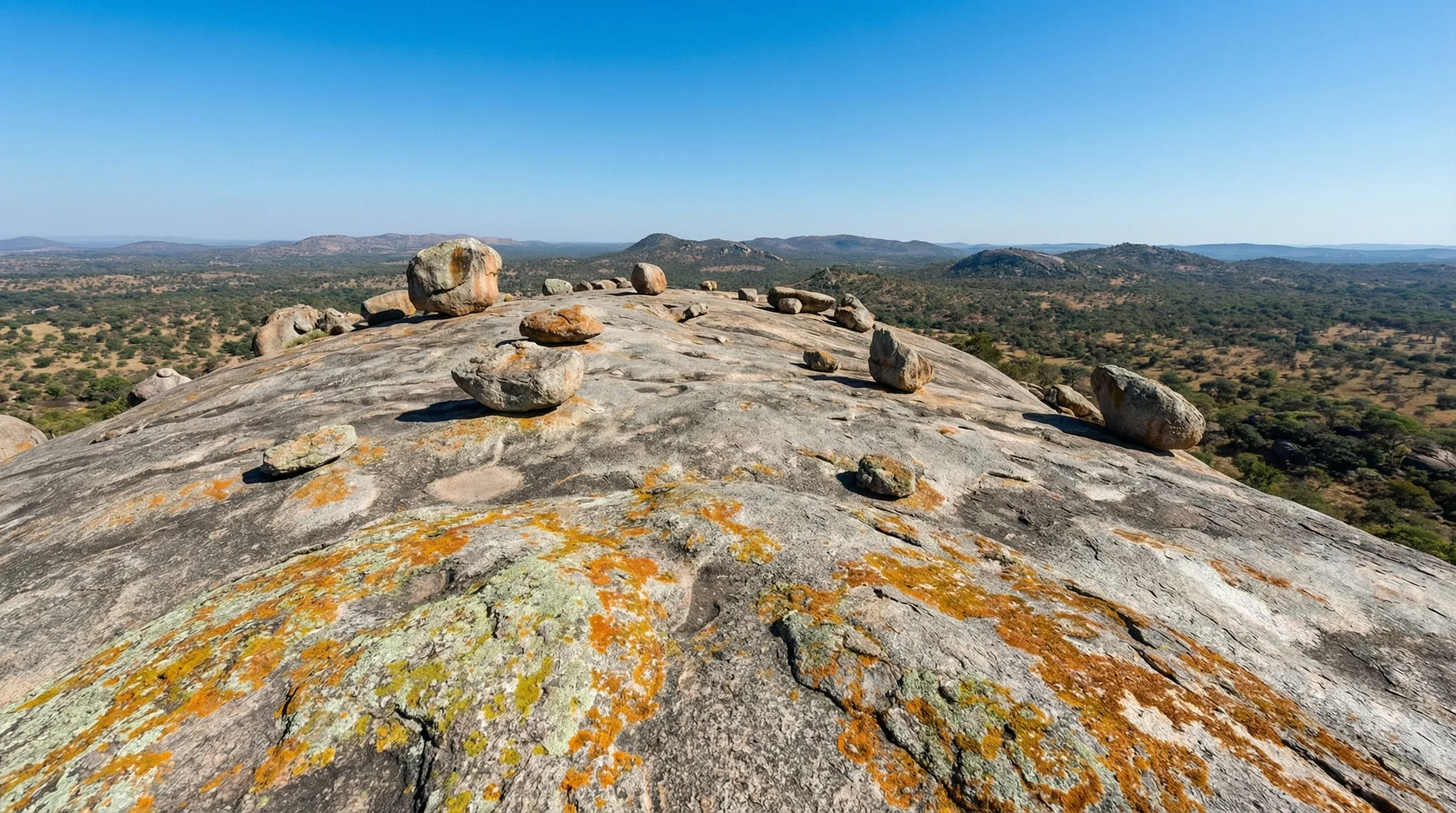
Just outside the city limits, a trip to Domboshava is highly recommended. These massive granite domes offer an easy hiking experience suitable for children. At the top, you are rewarded with 360-degree views and, at the base, ancient San rock art paintings in caves, teaching children about the region's earliest inhabitants. Further afield (about 1.5 hours drive), the Chinhoyi Caves are a geological wonder. The main attraction is the Sleeping Pool, a limestone cavern filled with water of such an intense, cobalt blue that it looks artificial. It is a visual marvel, and the descent into the cave is an adventure in itself. While you cannot swim in the main viewing pool, the site is perfect for a picnic and exploration.
Practical Advice
Harare is a safe city during the day, but standard urban precautions apply—do not walk around at night and keep valuables hidden. Traffic can be heavy during rush hours (7:00 am - 8:30 am and 4:30 pm - 6:00 pm). The city has many pharmacies and supermarkets stocked with international brands (diapers, formula, snacks), so it is the best place to stock up on supplies.
Food & Drink
Typical meal times: Restaurants open for lunch from 12:00 pm to 2:30 pm and dinner from 6:30 pm to 9:30 pm. Cafés are open all day.
Typical meal costs: Harare has a high-end dining scene. A meal at a top restaurant costs $25–40 USD (approx. €23–37 EUR / £20–32 GBP). Family-friendly garden cafés offer meals for $10–15 USD (approx. €9–14 EUR / £8–12 GBP).
Dietary requirements: Excellent for dietary needs. Harare has many health-conscious cafés offering vegan, gluten-free, and dairy-free options.
Signature dishes:
- Maputi – A popular street snack of roasted maize kernels, similar to popcorn but crunchier and savorier.
- Oxtail Stew – Slow-cooked, rich, and tender, usually served with rice or sadza in better restaurants.
- Mazoe Orange Crush – The iconic Zimbabwean drink; a concentrated orange squash that every local child grows up drinking.
Why this score?
The region is largely urban and developed, offering few opportunities for true rugged adventure outside of light hiking at Domboshava. Most tourist activities are centered around galleries, gardens, and managed wildlife encounters that do not require specialized physical preparation.
Why this score?
Harare hosts the best medical facilities in Zimbabwe, including private clinics like the Avenues Clinic which are better equipped to handle international patients. While still limited compared to global hubs, it is the only region in the country with a concentrated presence of specialists and better-stocked pharmacies.
Why this score?
As the main international gateway and business hub, Harare sees significant visitor traffic, though much of it is domestic or business-oriented. Leisure tourism is primarily centered on short stopovers to visit local wildlife sanctuaries like Wild Is Life or the nearby Chinhoyi Caves.

Harare offers a wide range of costs. Luxury suburban boutique hotels can cost $150–250 USD (approx. €140–230 EUR / £120–200 GBP), while Airbnbs are available for $50–80 USD (approx. €45–75 EUR / £40–65 GBP). Restaurant prices are comparable to Western cities.

Getting Here & Around
Getting Here
- Airports – Robert Gabriel Mugabe International Airport (HRE) is the main entry point for the country. Taxis and hotel shuttles are readily available to the city center (20 mins).
- Bus – Luxury coaches connect Harare to Johannesburg, Bulawayo, and Victoria Falls. The road network radiates from the capital.
Getting Around
- Car – Hiring a car is the most convenient way to see Harare's suburbs and surrounding sights like Chinhoyi Caves. Google Maps works well here.
- Taxi – reputable taxi apps (like Vaya) or hotel taxis are safer and more reliable than hailing minibuses on the street.
Nearby Airports (1 airport)
Harare International
HREHarare
View full flight map for Zimbabwe →
Official Links

Packing List
Harare restaurants and clubs often have a stricter dress code than safari lodges.
Hotel plugs can be scarce; useful for charging multiple family devices at once.
Useful for eating street snacks or after visiting busy markets.
Change is almost never available; $1, $5, and $10 notes are essential for tips and small purchases.
Power cuts (load shedding) are frequent, and safari camps can be very dark at night.
Essential for protecting phones and cameras from the heavy spray at Victoria Falls.
Morning game drives and evenings are surprisingly cold, often dropping below 10°C (50°F).
Keeps children engaged on safari; sharing one pair among a family often leads to frustration.

Activities & Best Times

Hiking, wildlife, outdoor exploration, ecotourism
Offers unique geological wonders like the Chinhoyi Caves and the iconic balancing rocks of Domboshava, providing high-quality wilderness immersion near the capital. The dry winter months are peak for hiking and cave exploration, whereas the summer monsoon season makes trails muddy and slippery.

Urban tourism, museums, historical sites, architecture
Harare features sophisticated botanical gardens and the Museum of Human Sciences, which provides deep insights into the Great Zimbabwe civilization. Tourism peaks during the dry, sunny months and specifically in September/October when the city's famous Jacaranda trees are in full purple bloom.

Sport tourism, fitness activities, active recreation
The granite domes of Domboshava and Ngomakurira offer world-class hiking and rock-scrambling routes that are highly regarded by active travelers. These activities are most safely performed in the dry season when the rock surfaces provide maximum grip and temperatures are cool.

Scenic drives, countryside tours, route-based travel
As the central hub, Harare provides access to celebrated scenic drives toward the Eastern Highlands and Lake Kariba. Driving conditions are safest and most scenic during the dry season; summer rains can lead to rapid road degradation and poor visibility on the highveld.

Events, celebrations, seasonal attractions
Harare hosts the internationally acclaimed HIFA (Harare International Festival of the Arts) traditionally in late April, while the spring Jacaranda bloom is a major seasonal draw. Outside of these specific windows, the region lacks the consistent major event calendar required for a higher rating.

Amusement parks, family entertainment venues
Local entertainment hubs like Longchen Plaza offer water and amusement parks that serve domestic families well but lack international scale. These outdoor facilities are best enjoyed during the warm, dry transition months, with heavy summer rains making them impractical.




Public Holidays & Calendar Next 12 months
Public holidays, festivals, cultural celebrations, and seasonal natural phenomena coming up in Harare & Central over the next 12 months.
Loading holidays and events...

Travel Advisory
The strong majority of international agencies recommend exercising elevated caution in Zimbabwe. This consensus is driven by significant concerns regarding street crime, the potential for political demonstrations to turn violent, and an unstable economic environment that impacts the reliability of basic services.
Safety Topics
Traveller Advice (3 groups)

Foreign media workers and journalists may face increased scrutiny or official harassment. Ensure all accreditation is properly obtained before attempting to report or film.

Female travellers should avoid walking alone at night and remain vigilant in isolated areas or when using public transport. Dressing conservatively is recommended to respect local norms.

Same-sex sexual activity is criminalised and can lead to imprisonment. Social intolerance is common, and public displays of affection may attract negative attention or legal consequences.
Agency Summaries
A high level of care is necessary due to the threat of crime and civil unrest. The economic situation is volatile, and protests can emerge quickly and become violent.
Irish citizens are urged to maintain high personal security awareness. The risk of muggings and pickpocketing is elevated in cities, especially after dark.
Visitors should increase their safety awareness because of frequent opportunistic crime and the possibility of official harassment of foreign nationals. Violent crimes like carjackings and home invasions also occur.
Travellers are advised to be extremely vigilant due to a high rate of crime and the potential for sudden civil disturbances. The security environment remains unpredictable.
While most visits are incident-free, there is a persistent risk of street crime and political demonstrations. Travellers should avoid any political activity and remain alert in urban areas.
Travelers should be cautious due to safety concerns that exceed standard levels. Political tension is common, and basic infrastructure like power and water can be unreliable.
Information is provided for general guidance only and does not constitute travel, safety, medical, or legal advice. Conditions may change. Users are responsible for independently verifying information before travel.