
Victoria Falls & Western Zimbabwe
The Smoke that Thunders and the adventure capital 🌊
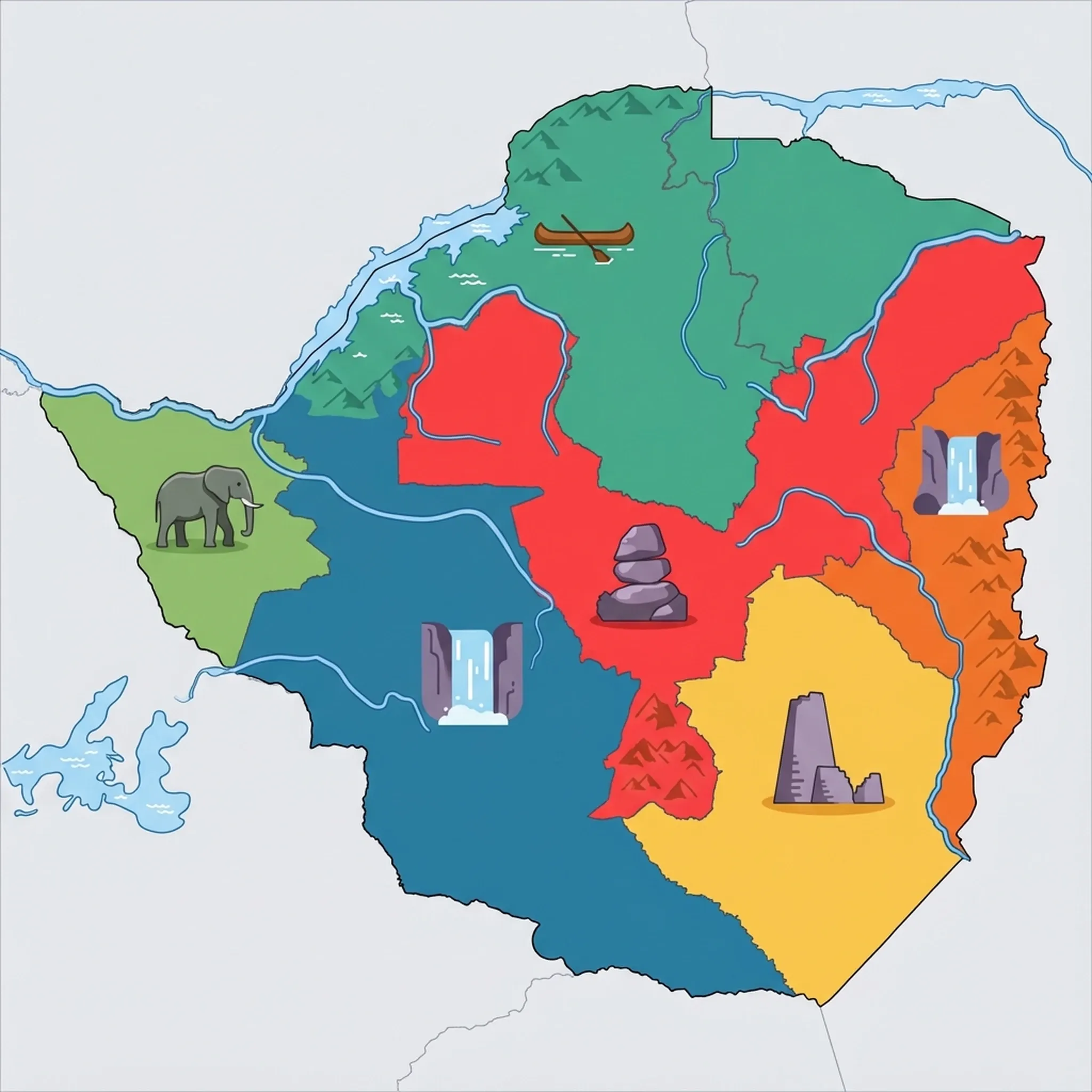
Click a region to explore
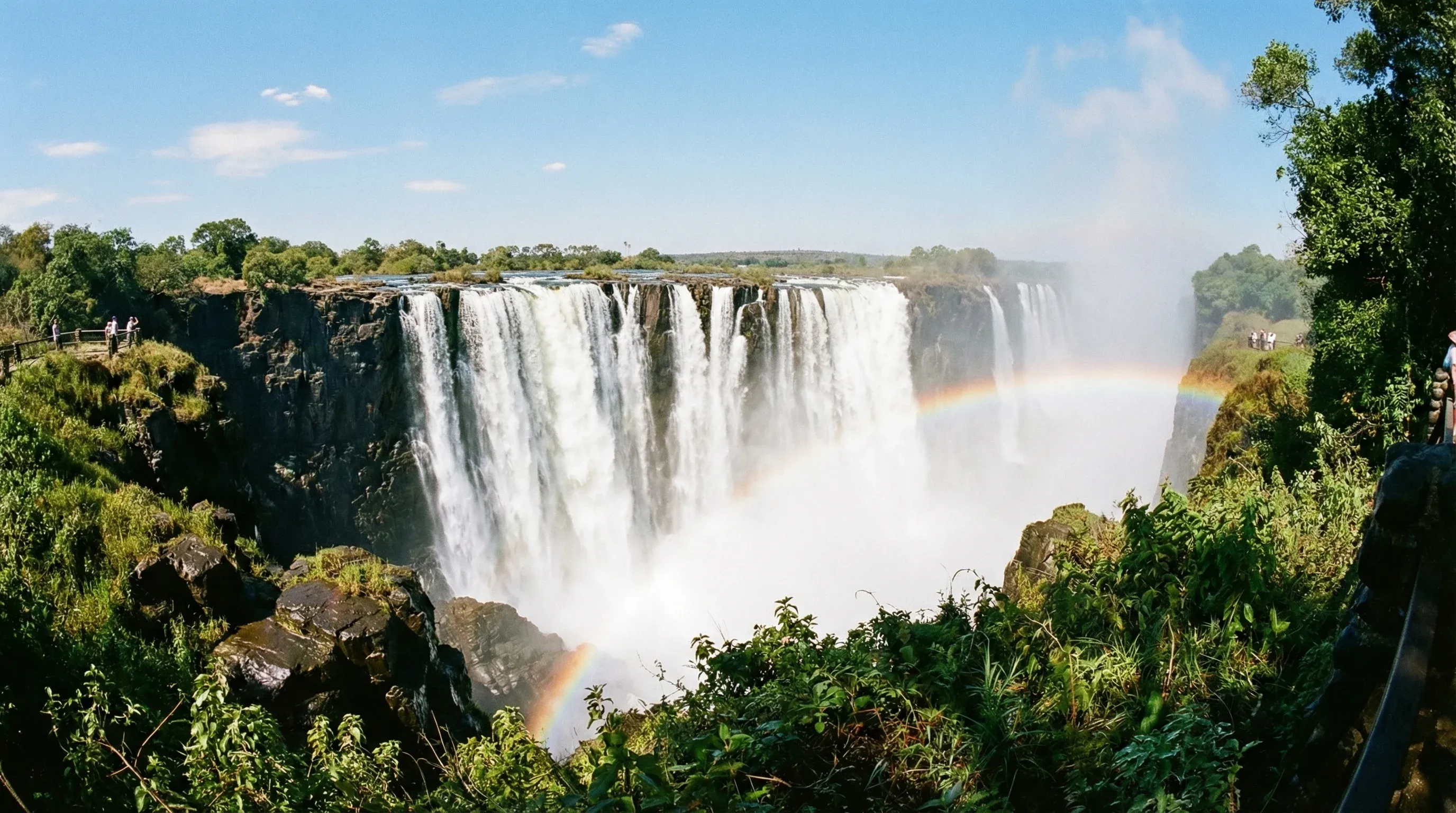
Victoria Falls (local name: Mosi-oa-Tunya) is the premier tourist destination in Zimbabwe and arguably Southern Africa. For families, it is an incredibly easy and rewarding destination. The town itself was built for tourism, meaning you have a wide choice of family-friendly hotels, restaurants, and shuttle services. The main event is the waterfall itself—a mile-wide curtain of water that plummets into the Batoka Gorge. The spray can be seen from miles away. Unlike remote safari camps, Victoria Falls offers high-adrenaline activities alongside relaxing river cruises, making it easy to tailor the pace to your children's ages.
It is not just about the water. The town is situated within a National Park, so it is common to see warthogs grazing on hotel lawns or elephants crossing the road. This gives children a thrill without even leaving the town center. The vibe is energetic and international. You can start the day getting soaked in the rainforest, spend the afternoon on a tram ride, and end with a traditional drumming dinner. It is the perfect "soft landing" for families arriving in Africa for the first time.
Key Attractions
The Victoria Falls rainforest walk is mandatory. The path takes you along the cliff edge facing the falls. Be prepared to get soaked to the skin at the Main Falls and Horseshoe Falls viewpoints—kids absolutely love this natural shower (bring ponchos!). For a dryer view and a history lesson, walk onto the Victoria Falls Bridge. Built in 1905, it spans the gorge between Zimbabwe and Zambia. You can watch bungee jumpers leap off the bridge, which is entertaining for teens even if they don't jump themselves.
Surrounding the town is Victoria Falls National Park and the upstream Zambezi National Park. Here, families can take easy game drives to see elephants, buffalo, and antelopes. The sunset river cruises on the upper Zambezi are iconic—sipping a drink while watching hippos yawn in the river is the classic Zimbabwean sunset experience.
Practical Advice
Victoria Falls is a year-round destination, but the water levels change. High water (February to June) means massive spray and less visibility. Low water (October to December) allows you to see the rock formations, but the falls are less powerful. October is very hot. The town is a malaria zone, so take precautions. Activities here are priced in USD and can be expensive, so budget accordingly.
Food & Drink
Typical meal times: Lunch 12:00 pm to 2:30 pm, Dinner 6:00 pm to 9:30 pm. The "Boma" dinner usually starts at 7:00 pm.
Typical meal costs: Tourist prices apply. A burger or pizza costs $12–18 USD (approx. €11–16 EUR / £9–14 GBP). A full buffet dinner with entertainment costs around $45–55 USD (approx. €41–50 EUR / £35–43 GBP) per person.
Dietary requirements: excellent. Being a global hub, restaurants cater to all allergies and preferences, including kid-friendly menus.
Signature dishes:
- Warthog Steaks – A local favorite, tasting like lean pork, often served grilled.
- Crocodile Tail – Tastes like a mix of fish and chicken, usually served as a starter or on skewers.
- The Boma Dinner – Not just a dish, but a buffet experience featuring traditional dishes, drumming, and face painting.
Why this score?
The region is the 'adventure capital' of Africa, offering everything from Grade 5 white-water rafting and bungee jumping to canopy tours. While these activities are high-adrenaline, they are managed within a very controlled and commercialized tourist environment, making them accessible to families.
Why this score?
Victoria Falls has some of the best-developed medical services for tourists outside of Harare, including private clinics accustomed to dealing with foreigners and insurance. However, for major surgeries or complex conditions, patients are still typically evacuated to South Africa.
Why this score?
Victoria Falls is Zimbabwe's most famous attraction and a global bucket-list destination that draws a massive flow of international tourists year-round. The town's infrastructure is highly developed, featuring numerous luxury hotels and a dedicated international airport that connects directly to regional hubs.

This is the most expensive part of Zimbabwe. Park entrance fees are $50 USD (approx. €46 EUR / £39 GBP) per person for internationals. Activities like helicopter flights ($150+ USD / €138+ EUR) add up quickly. Accommodation ranges from $150 USD to over $800 USD (approx. €138–735 EUR / £118–630 GBP) per night.

Getting Here & Around
Getting Here
- Airports – Victoria Falls Airport (VFA) is a major international hub with direct flights from Cape Town, Johannesburg, and Addis Ababa. The airport is 20 minutes from town.
- Train – The overnight train from Bulawayo is an option for the adventurous, but it is old and delays are common.
- Driving – The road from Hwange/Bulawayo is good. You can also cross the border bridge from Zambia (Livingstone).
Getting Around
- Walking – The town is small and safe to walk around during the day. You can walk from most hotels to the Victoria Falls entrance.
- Shuttles – Most hotels offer free shuttle buses to the town center and the falls.
- Taxi – Taxis are plentiful and generally charge a flat rate of $5–10 USD around town.
Nearby Airports (1 airport)
Joshua Mqabuko Nkomo International
BUQBulawayo
View full flight map for Zimbabwe →
Official Links

Packing List
The spray from the falls is like a heavy rainstorm; unprotected electronics will get soaked.
The paths at the falls are wet and slippery; keep your good sneakers dry.
You will get wet at the falls; denim takes forever to dry in the humidity.
The sun is intense, even when it feels cool due to the spray.
Change is almost never available; $1, $5, and $10 notes are essential for tips and small purchases.
Hotel sockets vary (Type G/D) and outlets are scarce; vital for charging multiple family devices.
Power cuts (load shedding) are frequent, and safari camps can be very dark at night.
Essential for protecting phones and cameras from the heavy spray at Victoria Falls.
Morning game drives and evenings are surprisingly cold, often dropping below 10°C (50°F).
Keeps children engaged on safari; sharing one pair among a family often leads to frustration.

Activities & Best Times

Hiking, wildlife, outdoor exploration, ecotourism
Home to the world-renowned Victoria Falls and premier wildlife destinations like Hwange National Park, offering world-class safari and immersion. Peak months coincide with the dry season for optimal wildlife viewing and clear views of the Falls' spray.

Urban tourism, museums, historical sites, architecture
Features significant historical landmarks like the Victoria Falls Bridge and a thriving local art gallery scene centered in the town hub. The dry winter months offer comfortable walking temperatures for exploring heritage sites and markets.

Learning experiences, scientific sites, historical education
Provides high-quality learning experiences at the Painted Dog Conservation Visitor Centre and the historic Bridge Visitor Centre. These sites offer internationally significant insights into African biodiversity and engineering history.

Scenic drives, countryside tours, route-based travel
The A8 road from Bulawayo to Victoria Falls and scenic riverside drives offer classic African landscapes and roadside wildlife encounters. Dry season travel is recommended for the best road safety, visibility, and unhindered access.

Sport tourism, fitness activities, active recreation
Renowned for world-class white-water rafting in the Batoka Gorge and high-adrenaline bridge activities. The peak season corresponds to low water levels (Aug-Dec), which offer the most exhilarating and accessible conditions for river-based sports.

Events, celebrations, seasonal attractions
Highlighted by the unique natural spectacle of the Lunar Rainbow during high-water months and the vibrant Victoria Falls Carnival in December. These events are date-specific and provide distinctive, authentic seasonal draws for international visitors.




Public Holidays & Calendar Next 12 months
Public holidays, festivals, cultural celebrations, and seasonal natural phenomena coming up in Victoria Falls & Western Zimbabwe over the next 12 months.
Loading holidays and events...

Travel Advisory
The strong majority of international agencies recommend exercising elevated caution in Zimbabwe. This consensus is driven by significant concerns regarding street crime, the potential for political demonstrations to turn violent, and an unstable economic environment that impacts the reliability of basic services.
Safety Topics
Traveller Advice (3 groups)
Foreign media workers and journalists may face increased scrutiny or official harassment. Ensure all accreditation is properly obtained before attempting to report or film.

Female travellers should avoid walking alone at night and remain vigilant in isolated areas or when using public transport. Dressing conservatively is recommended to respect local norms.

Same-sex sexual activity is criminalised and can lead to imprisonment. Social intolerance is common, and public displays of affection may attract negative attention or legal consequences.
Agency Summaries
A high level of care is necessary due to the threat of crime and civil unrest. The economic situation is volatile, and protests can emerge quickly and become violent.
Irish citizens are urged to maintain high personal security awareness. The risk of muggings and pickpocketing is elevated in cities, especially after dark.
Visitors should increase their safety awareness because of frequent opportunistic crime and the possibility of official harassment of foreign nationals. Violent crimes like carjackings and home invasions also occur.
Travellers are advised to be extremely vigilant due to a high rate of crime and the potential for sudden civil disturbances. The security environment remains unpredictable.
While most visits are incident-free, there is a persistent risk of street crime and political demonstrations. Travellers should avoid any political activity and remain alert in urban areas.
Travelers should be cautious due to safety concerns that exceed standard levels. Political tension is common, and basic infrastructure like power and water can be unreliable.
Information is provided for general guidance only and does not constitute travel, safety, medical, or legal advice. Conditions may change. Users are responsible for independently verifying information before travel.