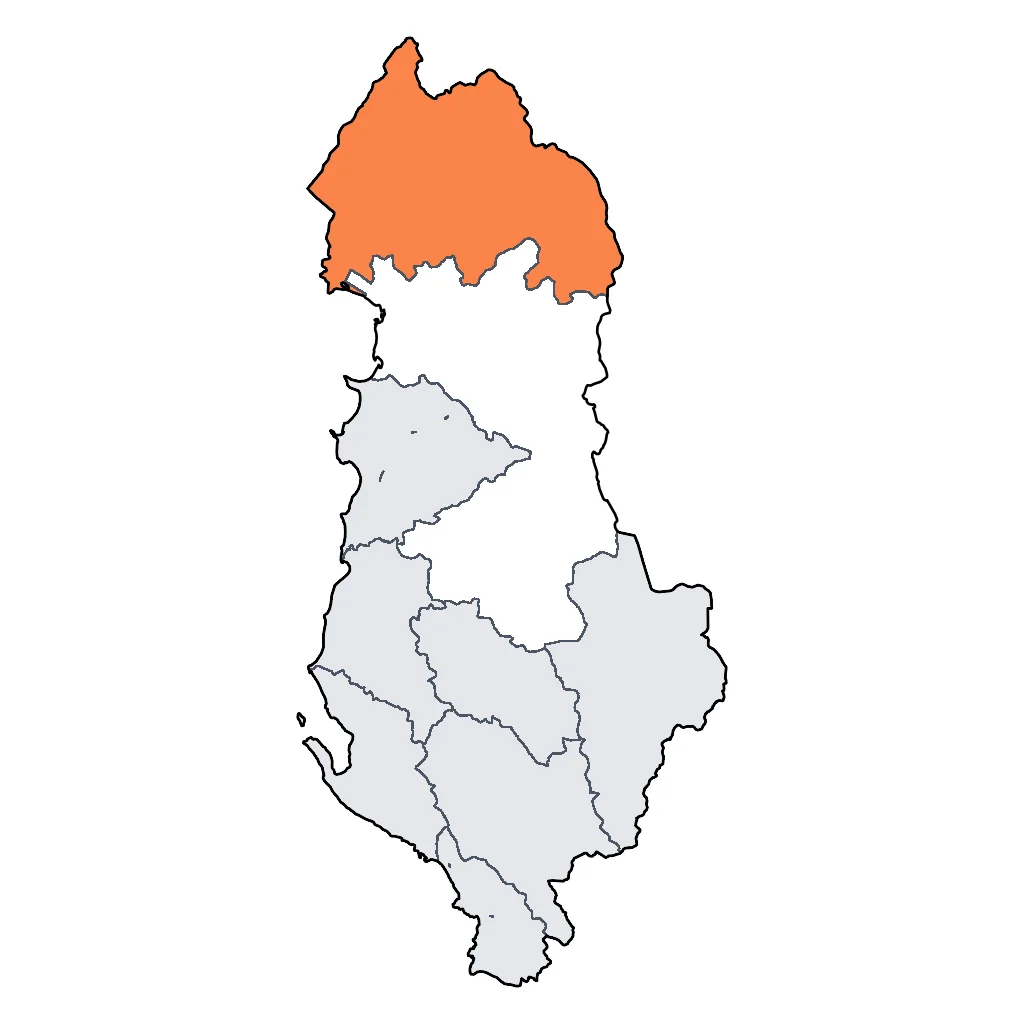
Gjirokastër, a UNESCO World Heritage site, is a magical place for families, famous for its fortress-like Ottoman houses roofed with grey stone slates. The town is dominated by the massive Gjirokastër Castle, which is a guaranteed hit with children. Inside, they can explore the dark, cool tunnels of the Cold War arms museum and, most excitingly, climb upon the wreckage of a US Air Force spy plane that was forced down during the communist era. The castle grounds are vast, offering plenty of space to run and panoramic views over the Drino Valley.
Below the castle, the Old Bazaar is a lively area where artisans carve wood and stone. It is a great place for kids to see traditional crafts in action. For a deeper dive into history, the Cold War Tunnel tour takes you into the secret underground bunker built for government officials—a spooky but fascinating history lesson for older children. Just outside the city, the ruins of Antigonea offer a greener, quieter historical site with easy walking trails and picnic spots.
For families wanting to escape the stone city, the nearby Zagoria Valley is a pristine rural paradise. Here, time seems to stand still. You can visit traditional villages where life revolves around farming, and it is easy to arrange horseback riding treks suitable for beginners. The river pools in the valley provide refreshing swimming spots in a completely natural setting. Warning: Gjirokastër is incredibly steep. "The City of Stone" is not stroller-friendly, and you will be doing a lot of walking uphill, so comfortable shoes are mandatory. However, the unique atmosphere and the "knights and castles" vibe make it well worth the effort.
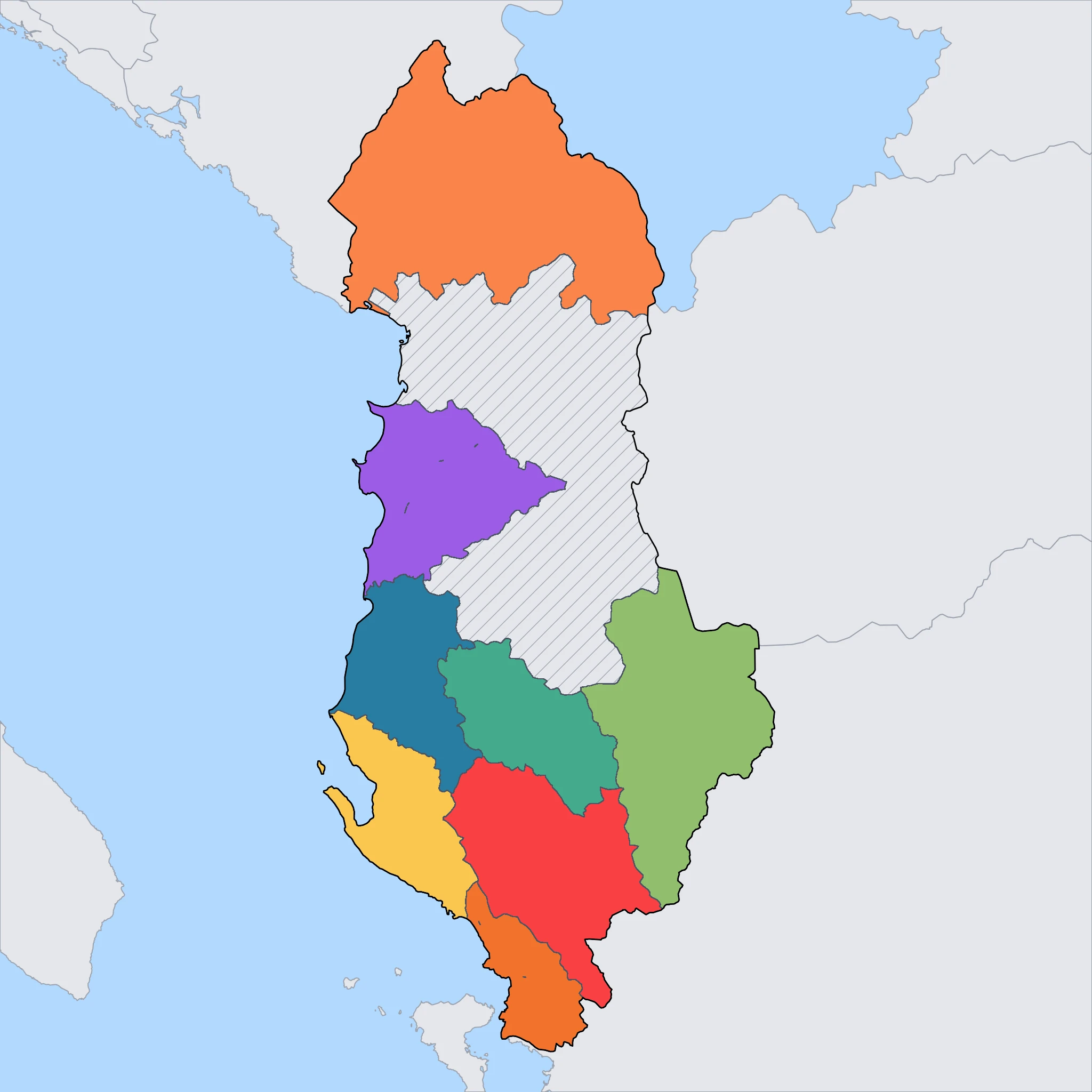
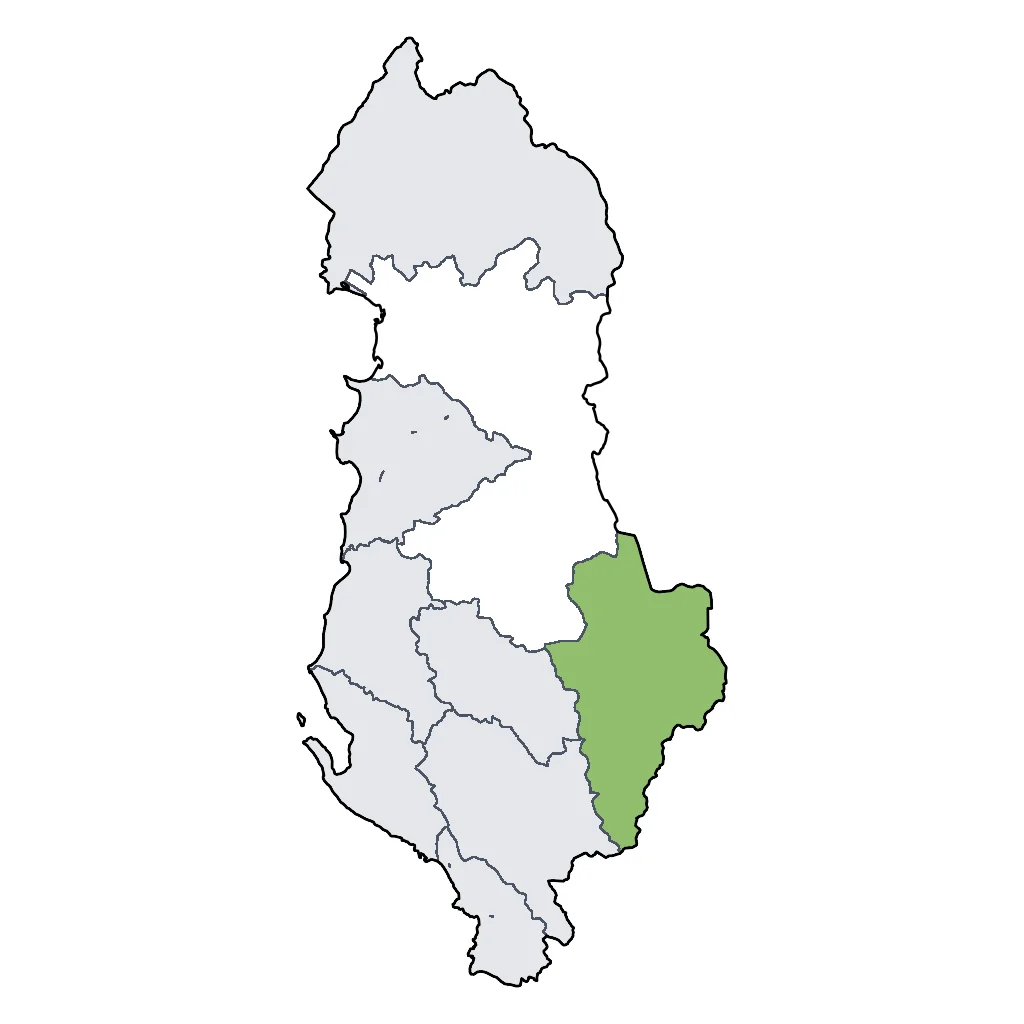
Click a region to explore

Activities & Best Times

Urban tourism, museums, historical sites, architecture
A UNESCO World Heritage site featuring remarkably preserved Ottoman-era tower houses and a dominating fortress that offers a unique, sophisticated cultural immersion. Peak months provide ideal temperatures and dry weather for exploring steep cobblestone streets; winter months are significantly wetter (>200mm rain) which can make the stone paths treacherous and limit outdoor exploration.
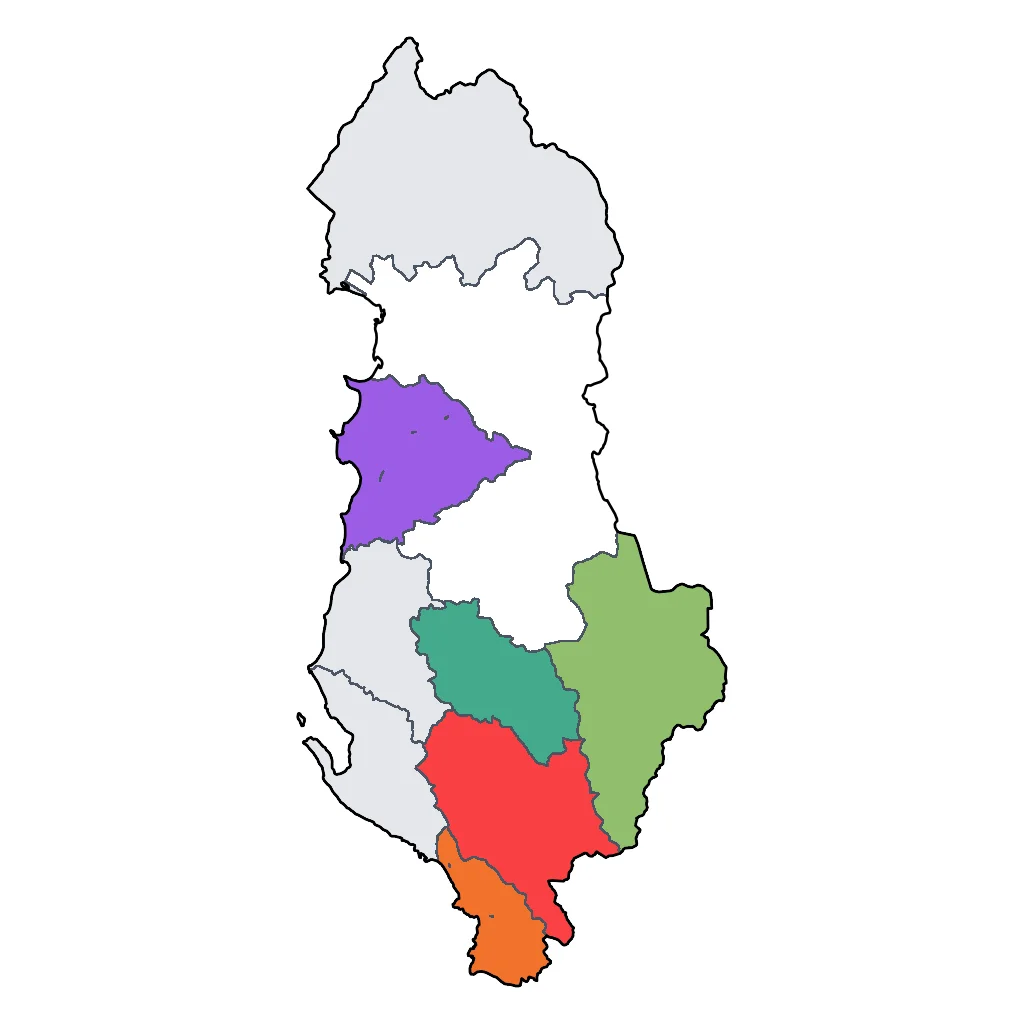

Hiking, wildlife, outdoor exploration, ecotourism
The Zagoria Valley offers an authentic wilderness experience with its network of ancient stone bridges and remote mountain villages that feel untouched by time. Peak season ensures dry trails and optimal visibility for hiking the Albanian Alps; off-season brings heavy precipitation and cold temperatures that make remote mountain access difficult for families.
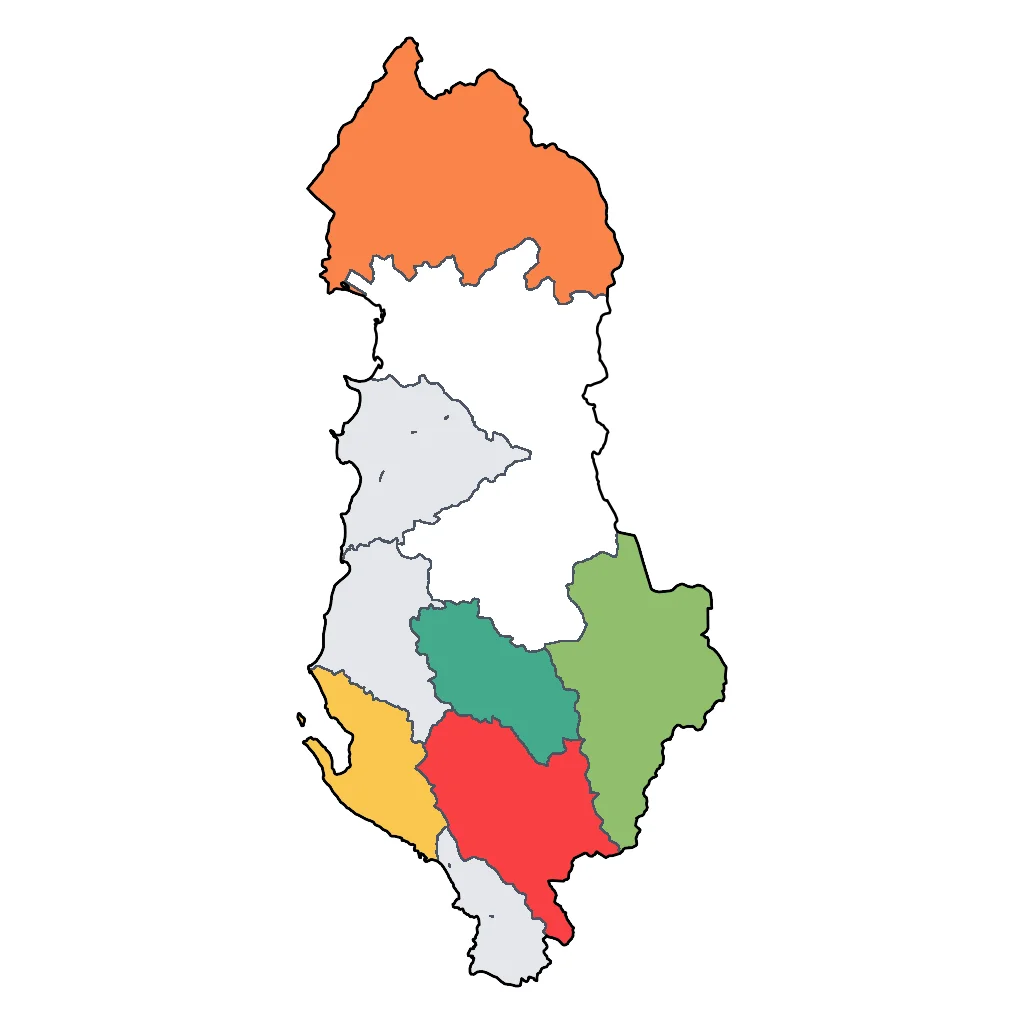

Learning experiences, scientific sites, historical education
Rich in archaeological significance (Antigonea) and ethnographic history, the region serves as a living museum of Balkan history and Ottoman architecture. Conditions from May to September are best for guided educational tours of ruins and historic house museums; heavy winter rains often lead to seasonal closures of smaller cultural sites.
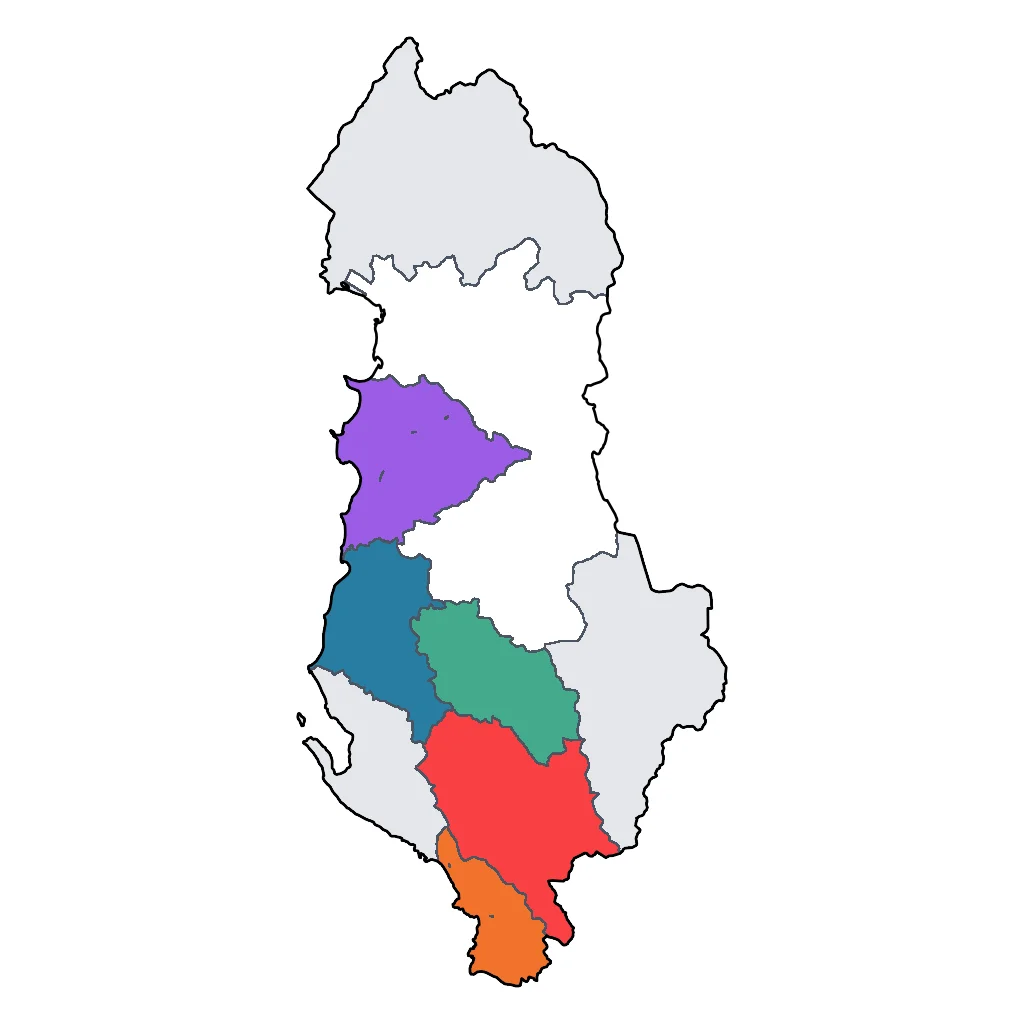

Scenic drives, countryside tours, route-based travel
The drive from Gjirokastër through the mountain passes into the Zagoria Valley offers spectacular, world-class scenery and authentic rural encounters. Peak summer months provide the safest road conditions and best light for photography; winter months are avoided due to extreme rainfall and potential for poor visibility on winding mountain roads.
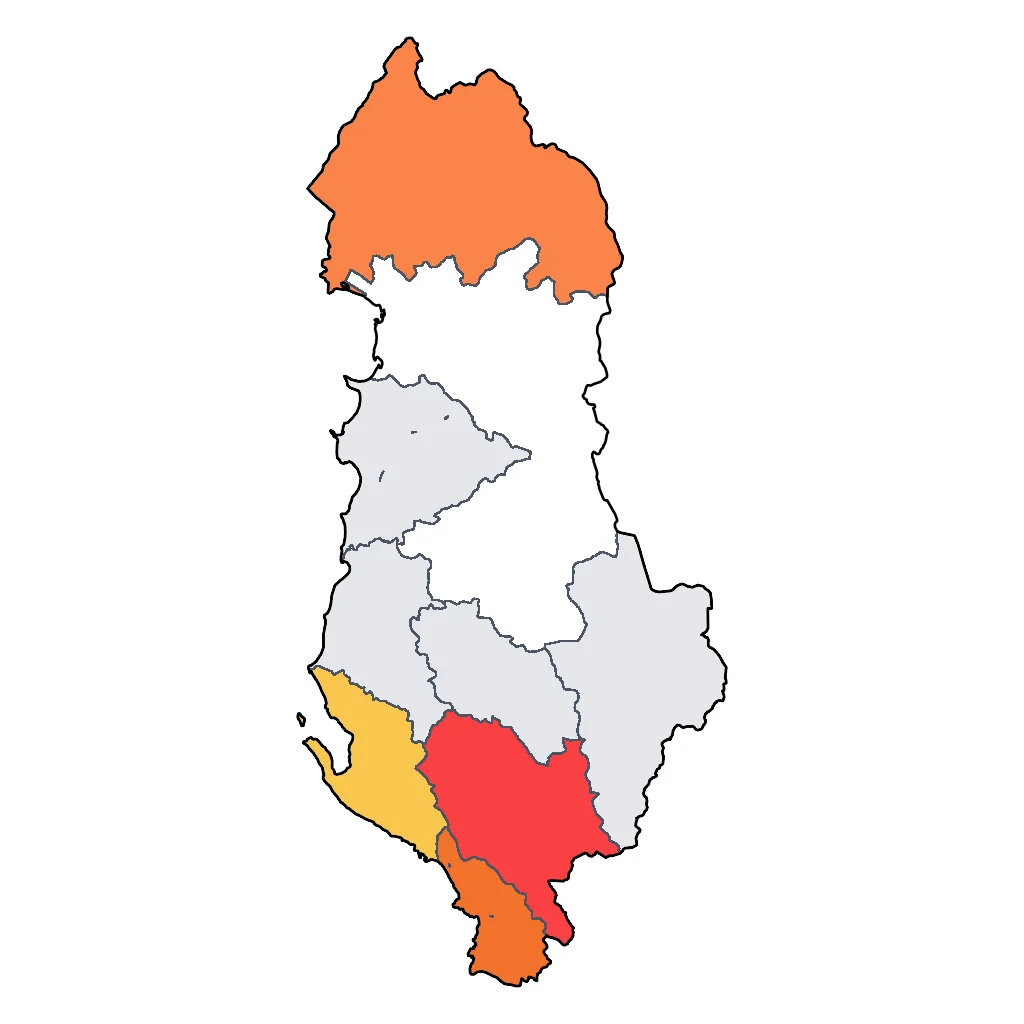

Spa retreats, wellness centers, peaceful getaways
Offers a 'slow travel' sanctuary with high-quality boutique guesthouses providing organic farm-to-table dining and peaceful rural isolation. The pleasant warmth and low humidity of the peak months support outdoor relaxation and meditation, while the wet, cold winters are less suitable for the region's current infrastructure.
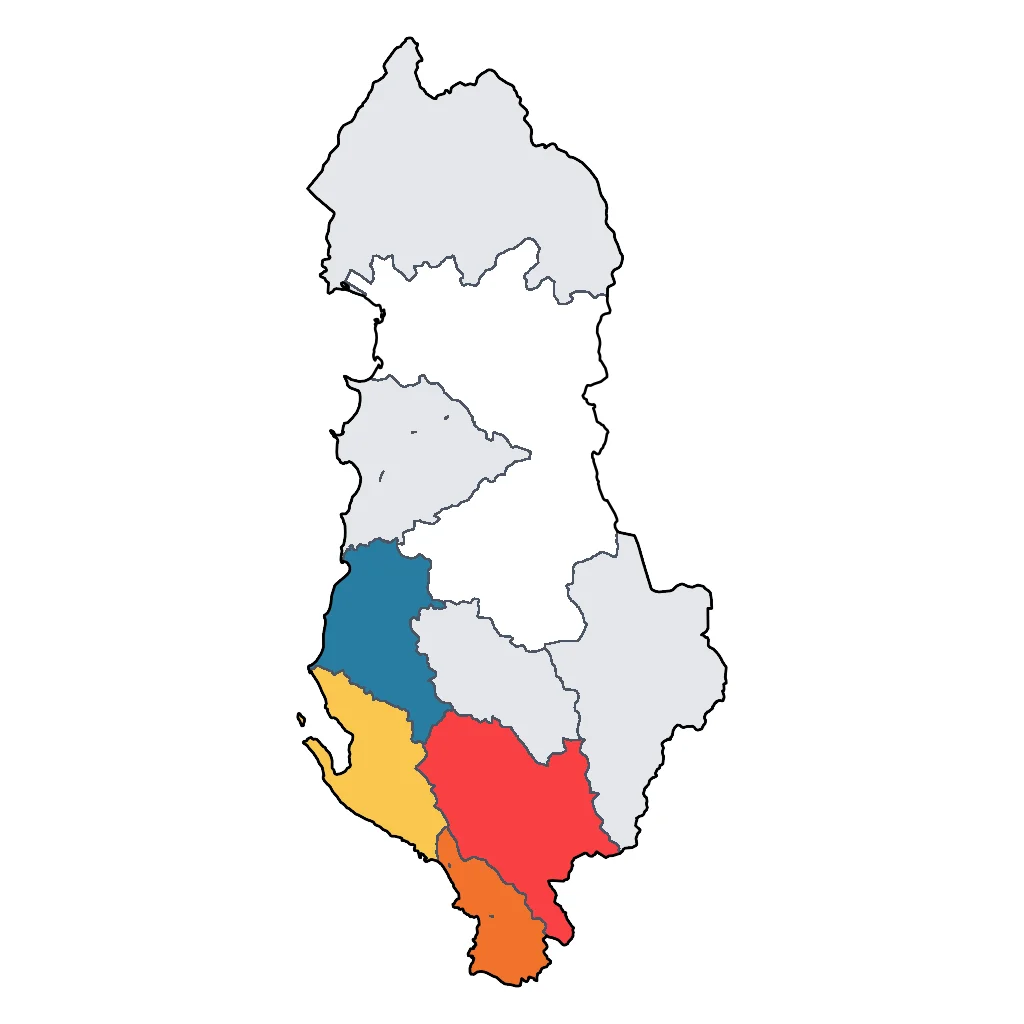

Sport tourism, fitness activities, active recreation
Excellent terrain for mountain biking and trekking through rugged limestone landscapes. May, June, and September offer the best balance of moderate temperatures for physical exertion; July and August can be slightly too hot for intense activity, while winter months are too wet for safe trail use.
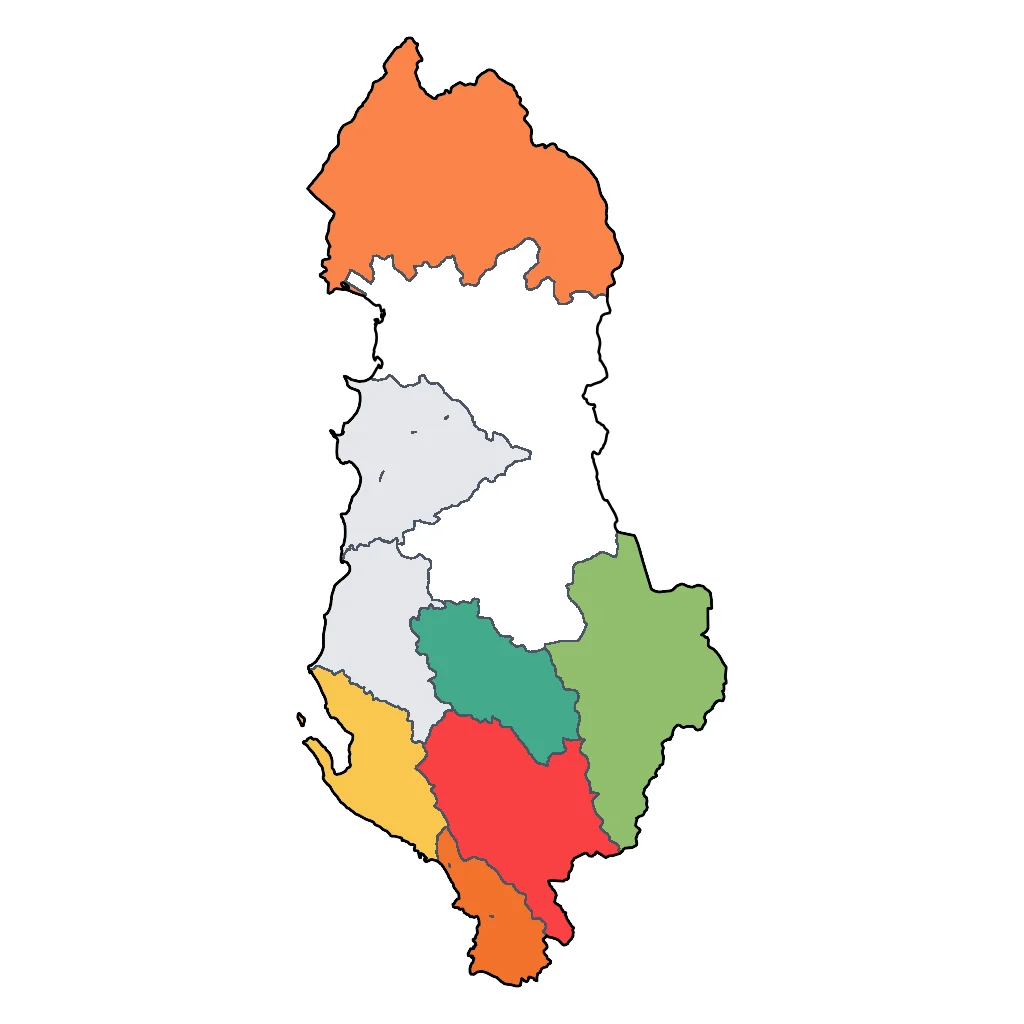

Events, celebrations, seasonal attractions
While the region is culturally rich, the description does not provide specific details on internationally recognized festivals or seasonal events, making a strong classification difficult. Assuming local cultural events align with pleasant weather, spring and autumn (Apr-May, Sep-Oct) are considered peak for any potential gatherings. Other months are shoulder or off-season due to less ideal weather or lack of identified events.

Winter sports, ski resorts, snow activities
The region experiences cold, snowy winters, providing potential for basic snow activities, though without explicit mention of world-class ski infrastructure or resorts. Peak months (Dec-Feb) offer reliable snow cover; shoulder months (Mar, Nov) may have variable conditions with early or melting snow; warmer months (Apr-Oct) are unsuitable due to lack of snow.