

Albania is an increasingly popular destination for families seeking Mediterranean landscapes without the intense crowds of its neighbors. Situated just north of Greece, it combines the crystal-clear waters of the Ionian Sea with the dramatic peaks of the Balkan interior. For parents, the appeal lies in the country's affordability and the genuine warmth locals show towards children. The geography is diverse, allowing you to drive from the snow-capped Albanian Alps in the north to the olive groves and beaches of the south within a single day.
For a beach holiday, the Albanian Riviera is the primary draw. Villages like Himara and Dhërmi offer pebble beaches with high visibility water, ideal for snorkeling. Further south, Ksamil provides sandy bays and shallow waters that are safe for toddlers, though it gets busy in August. Families often enjoy renting a boat to explore the uninhabited islets nearby. Unlike typical resort destinations, the beaches here are often backed by mountains, providing a stunning backdrop for swimming and sandcastle building.
History in Albania is tactile and open for exploration. The UNESCO-listed town of Gjirokastër features a massive hilltop fortress where kids can climb on recovered WWII tanks and explore dark stone tunnels. Similarly, Berat, known as the "City of a Thousand Windows," allows families to wander through a still-inhabited castle quarter, navigating cobblestone alleyways and ancient walls. These sites rarely have strict barriers, so while they offer freedom to explore, parents should keep a close eye on younger children near walls and drops.
Nature enthusiasts should visit the Blue Eye (Syri i Kaltër), a mesmerizing natural spring with water so clear and deep it resembles a human eye. It is a short walk from the parking area and provides a cool respite on hot days. In the north, the boat ride on Lake Koman offers fjord-like scenery that captivates older children, while Lake Shkodra is excellent for birdwatching and cycling along the flat waterfront paths.
Culture and Food
Albanian culture revolves around the family. You will likely encounter the xhiro, an evening tradition where entire towns walk along the main boulevard to socialize. It is safe, lively, and a great way for families to experience local life. The food is very kid-friendly, heavily influenced by Italian cuisine. You will find high-quality pizza and pasta everywhere. Local staples include byrek (savory pies filled with spinach or cheese) and grilled meat (qofte). Ingredients are usually fresh and locally sourced.
Practical Information
Traveling in Albania requires some patience. Public transport relies on furgons (minibuses) which can be irregular, so renting a car is the best option for families. Be aware that driving styles can be assertive, and mountain roads are often winding. While credit cards are accepted in major hotels and supermarkets in Tirana, cash (Albanian Lek) is essential for smaller towns, petrol stations, and beach cafes. The tap wate
Explore Regions
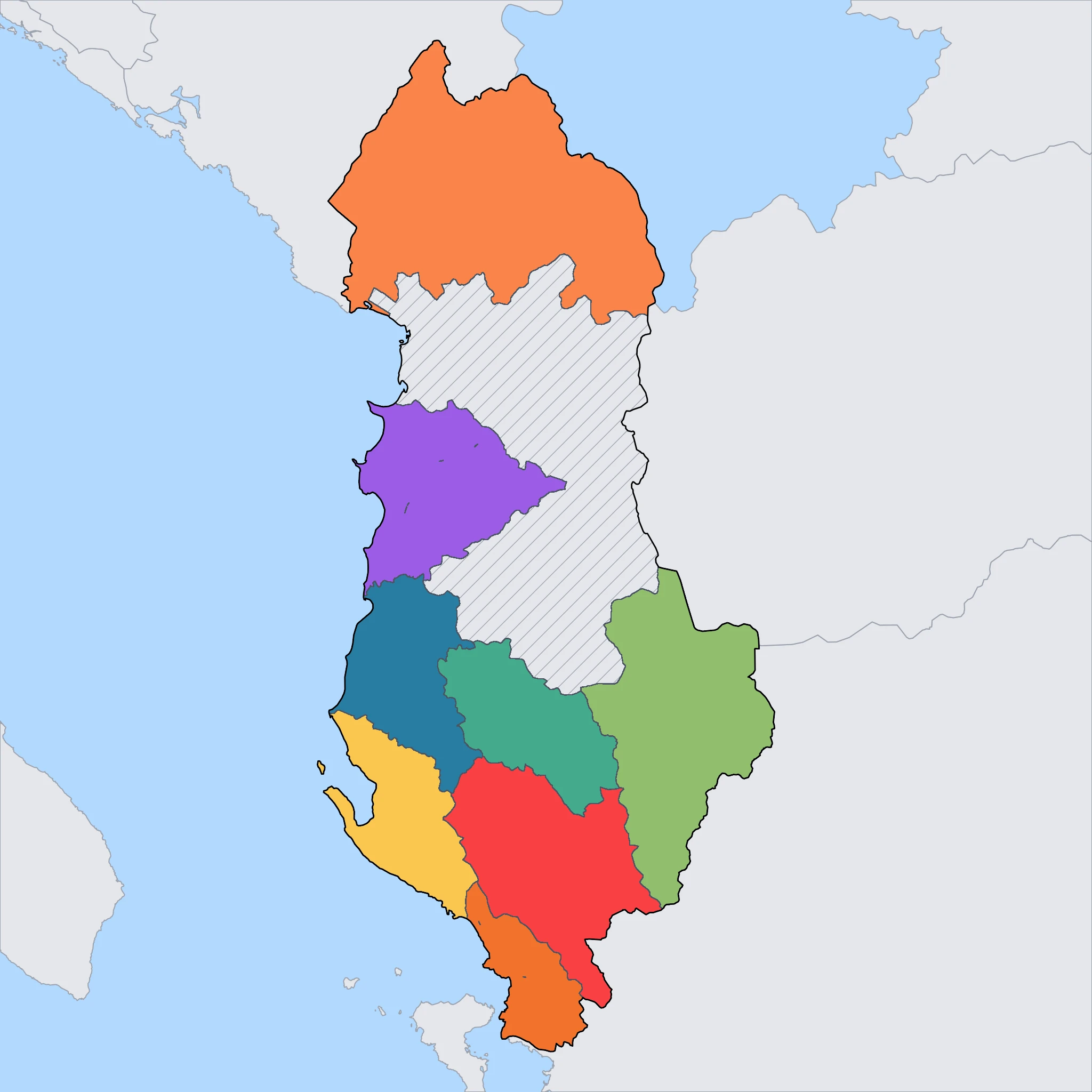
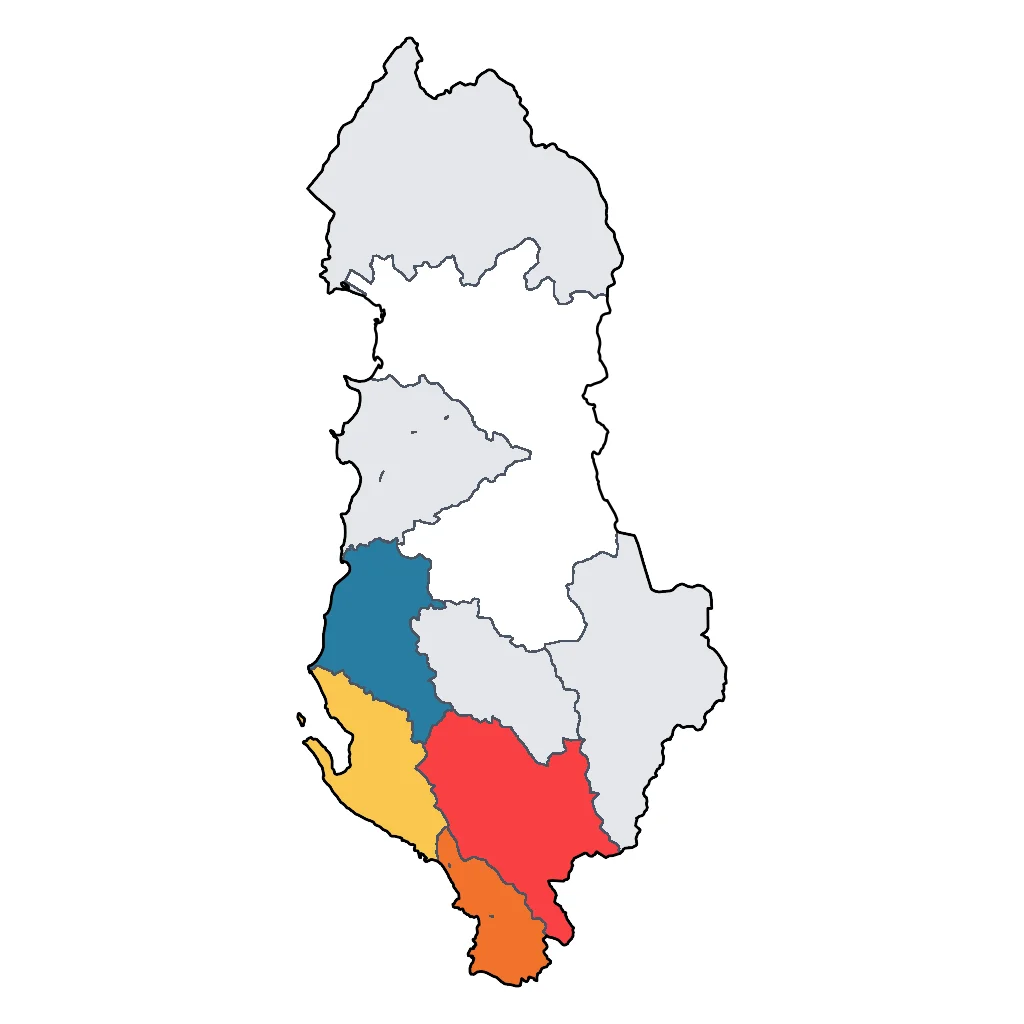
8 Regions
Albanian Alps / Accursed Mountains
towering peaks and fairytale villages 🏔️
Berat & Central Highlands
1000 windows and canyon adventures 🏰
Central Riviera / Vlora & Llogara
Where mountains meet the sea 🦌
Fier, Apollonia & Divjakë
Pelicans, pines, and ancient ruins 🏛️
Gjirokastër & Zagoria
Stone castles and wild valleys 🏰
Korçë & Lake Ohrid
Lakeside calm and cultural charm 🦢
Southern Riviera / Himarë–Sarandë–Ksamil
Sun, sand, and ancient secrets 🏖️
Tirana & Central Coast
Cable cars and colorful streets 🚠
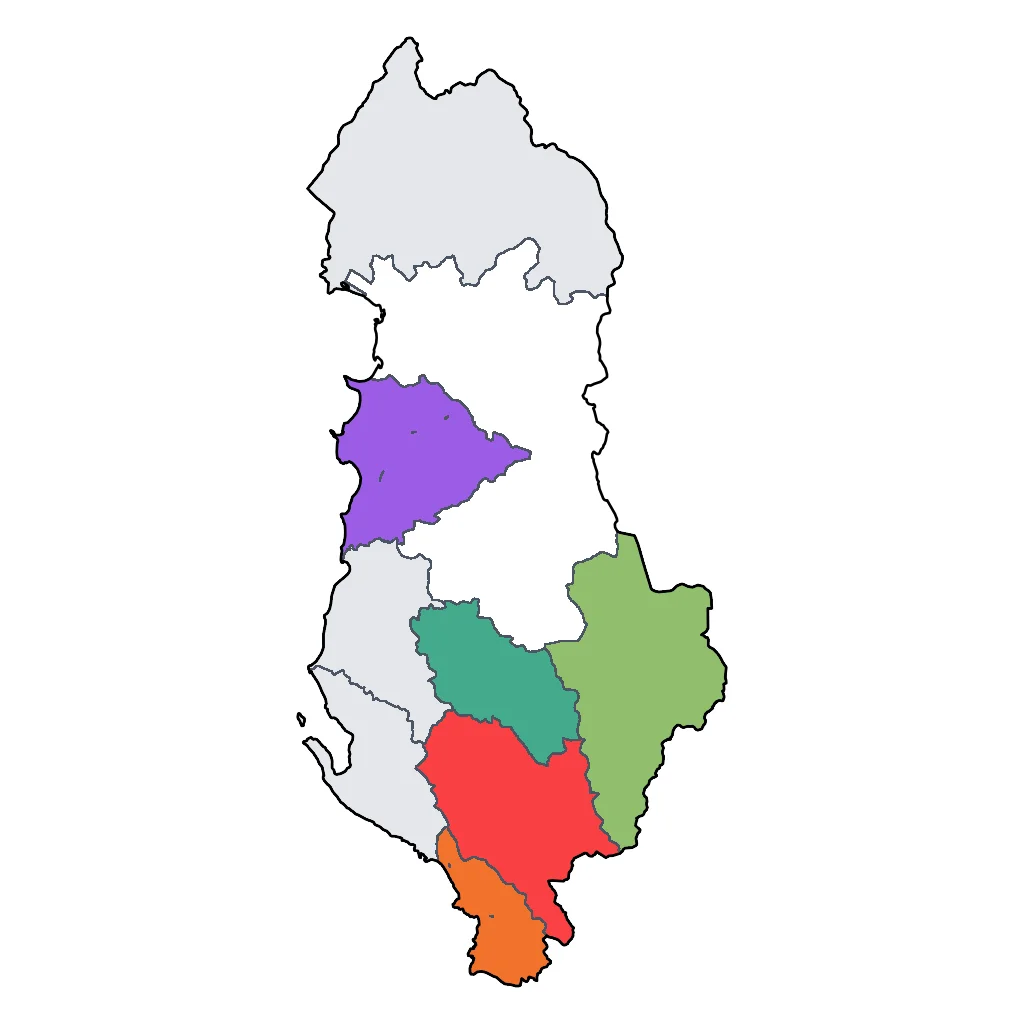
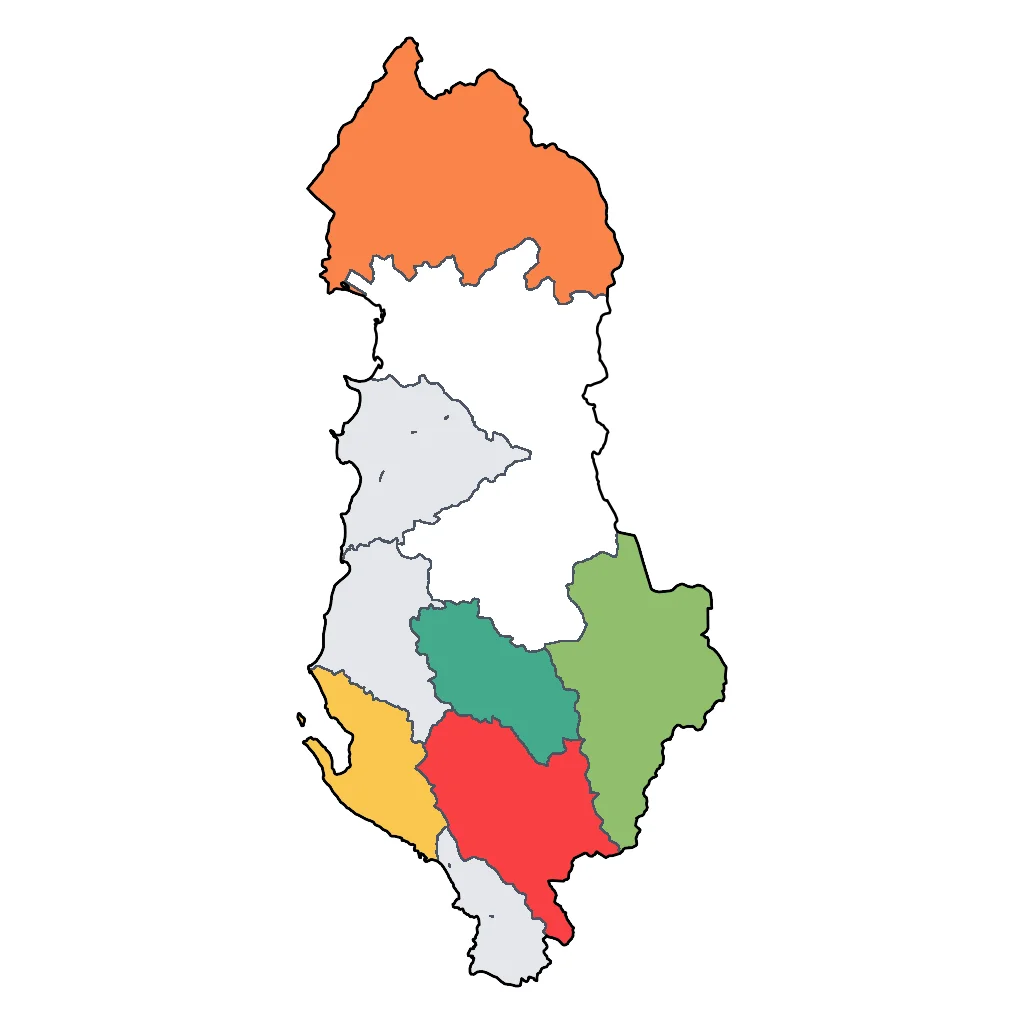
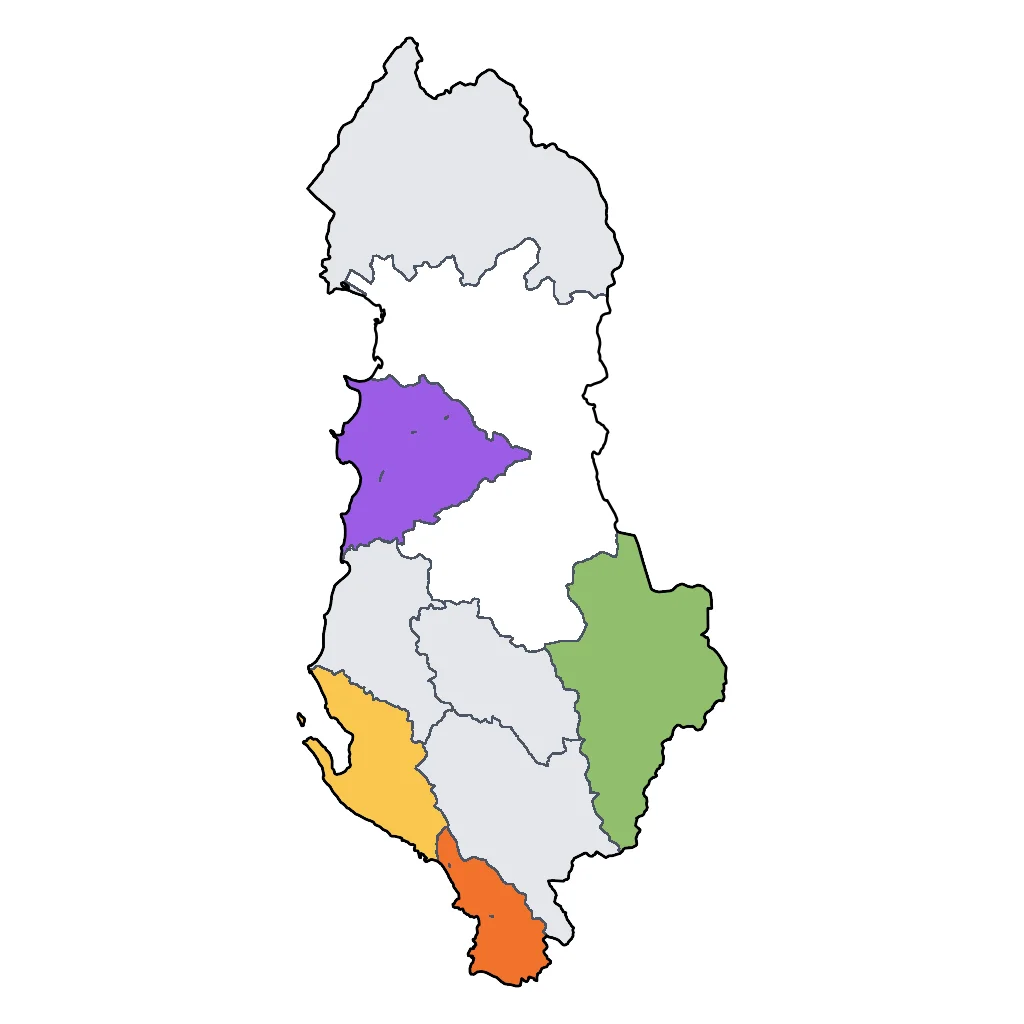
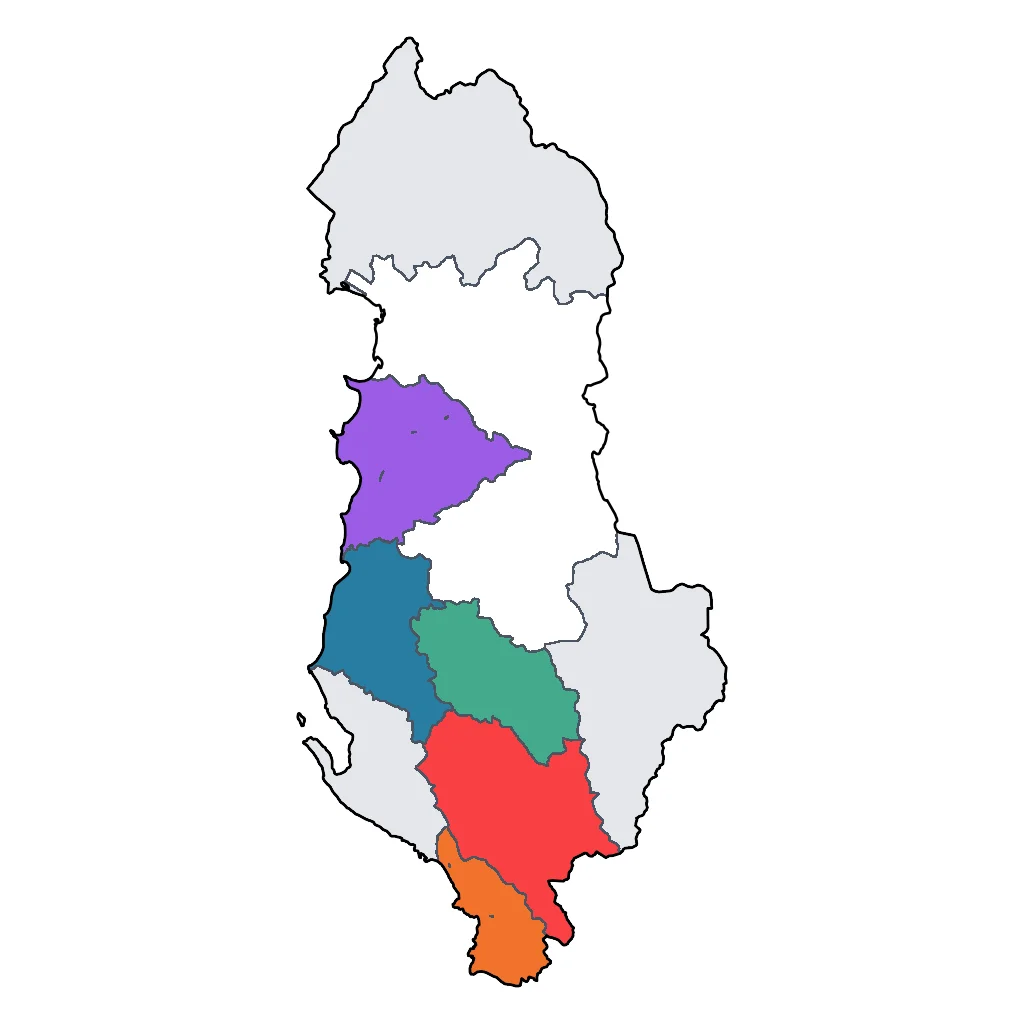
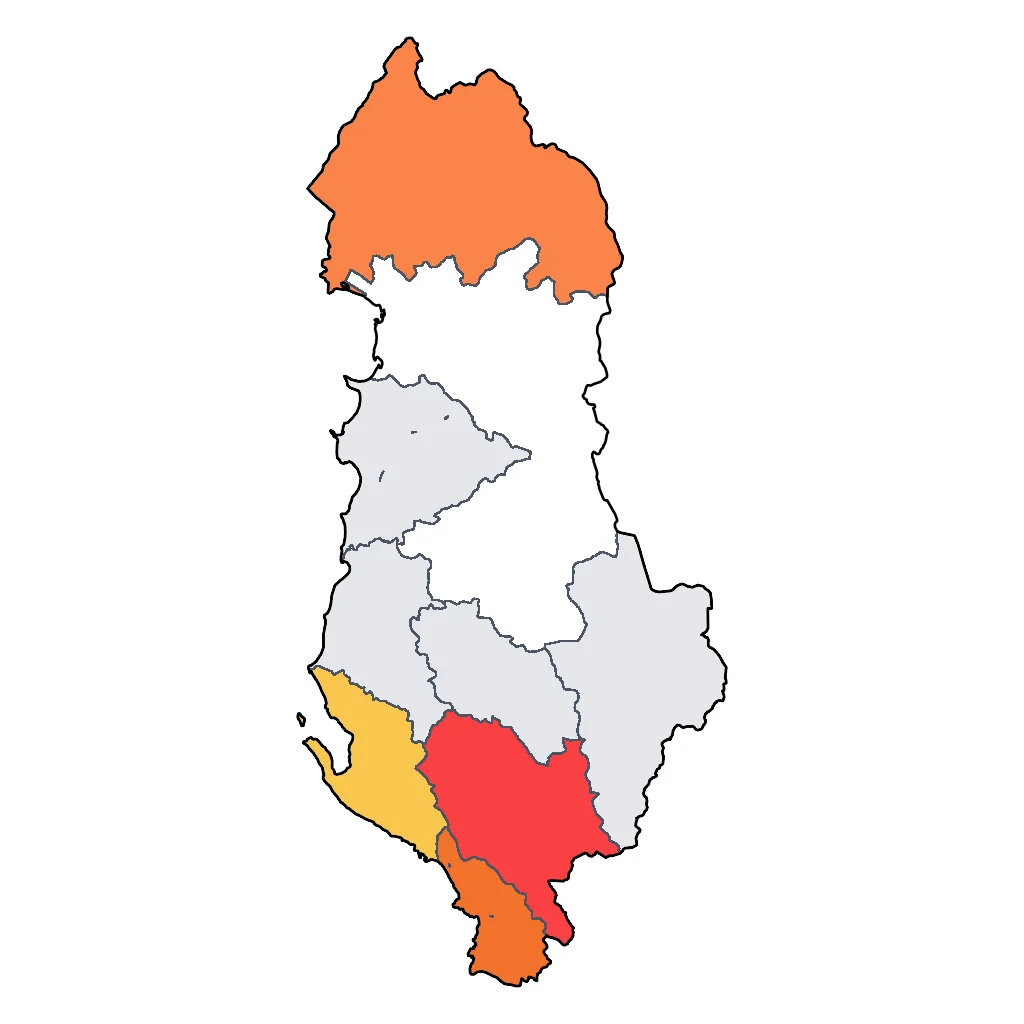
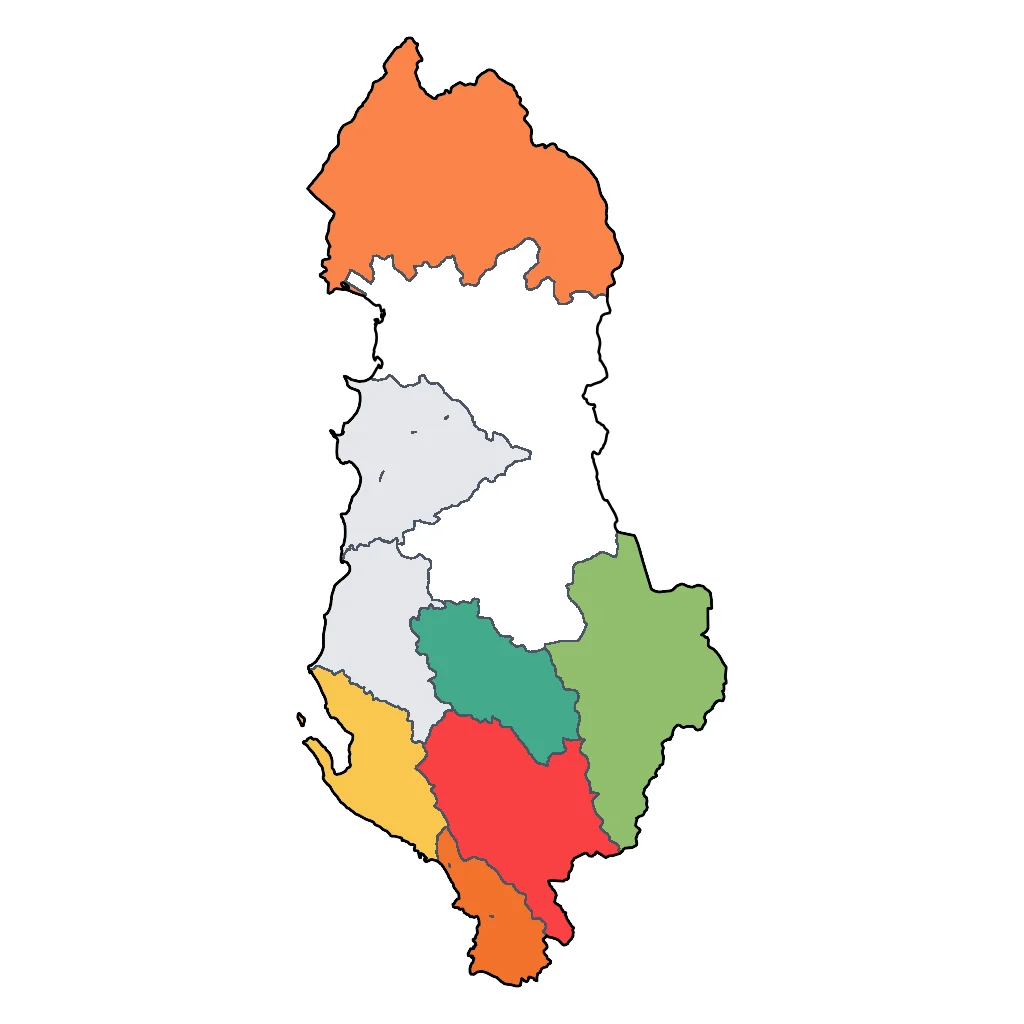
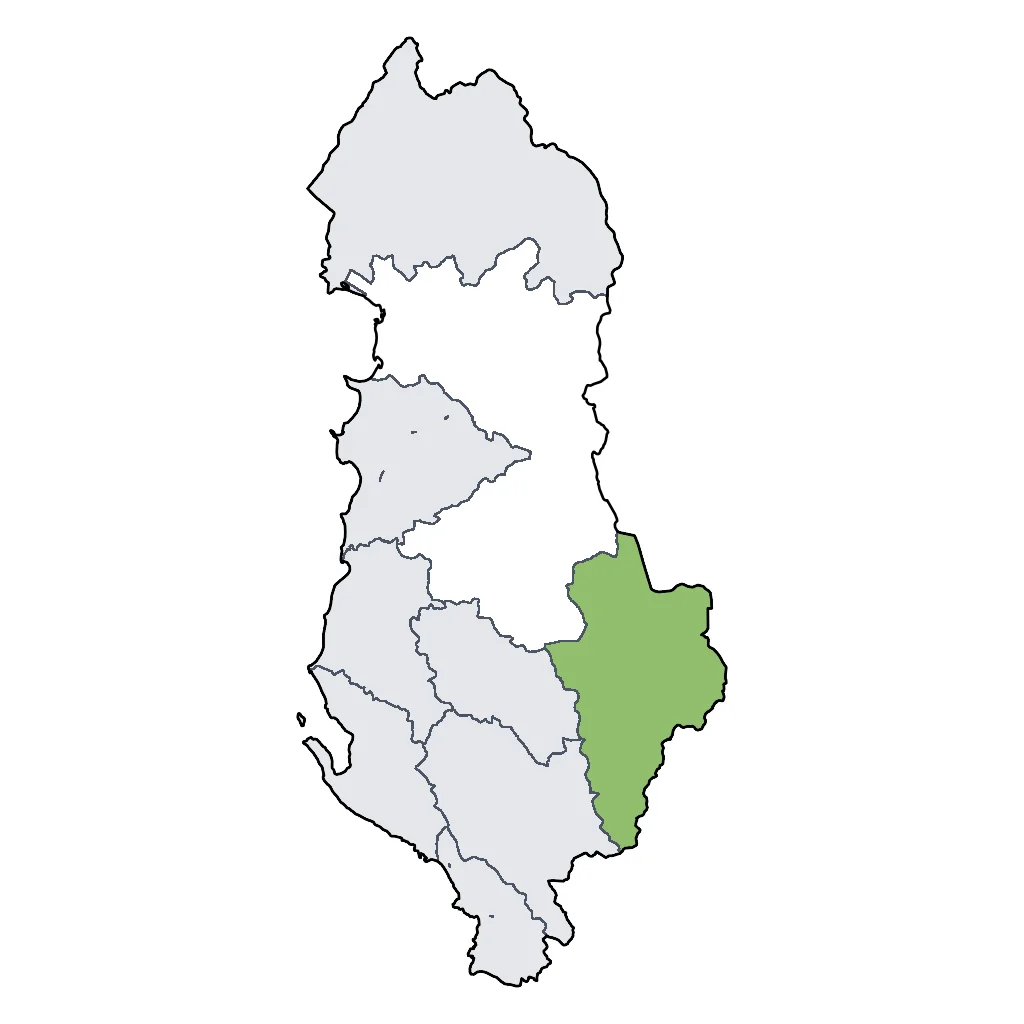
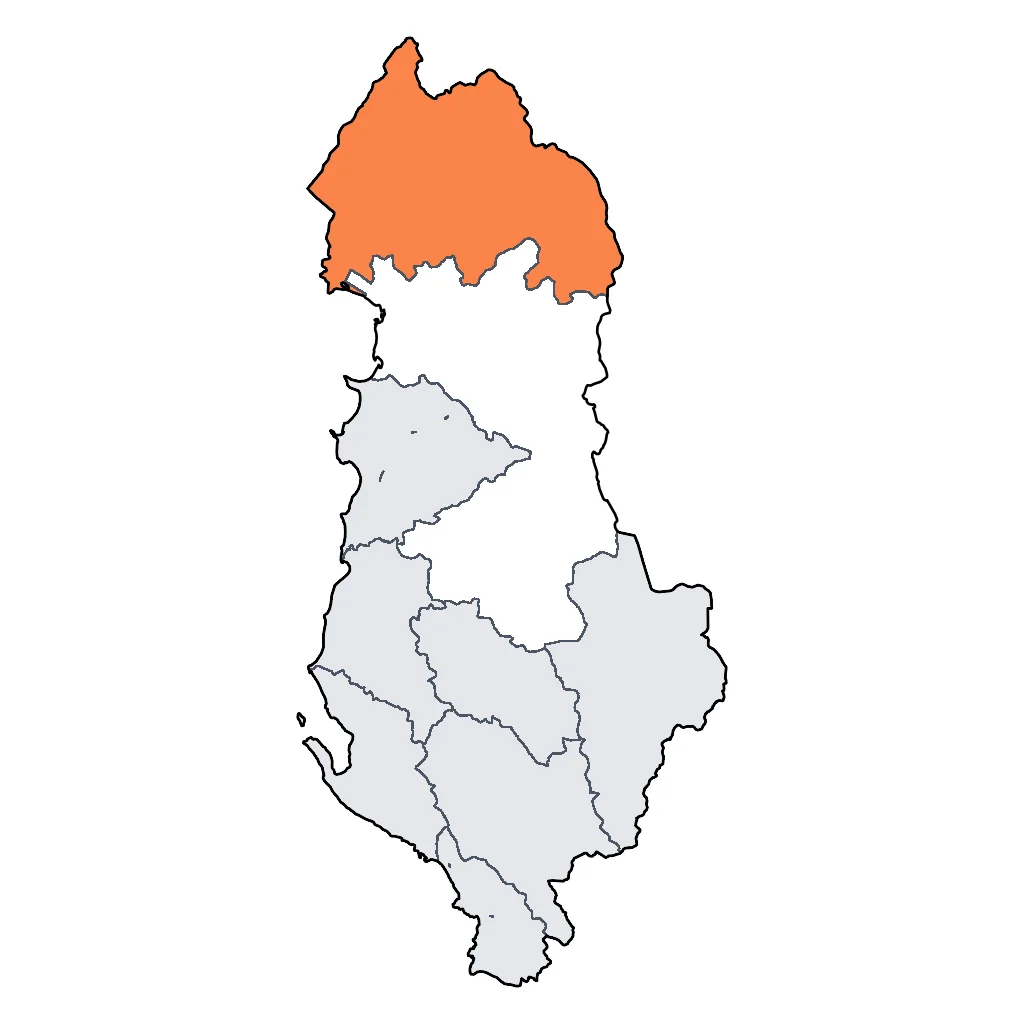
Click on a region marker to explore details. Use the dropdown to color regions by activity suitability.

Activities & Best Times

City & Cultural
ExcellentUrban tourism, museums, historical sites, architecture
A UNESCO World Heritage site featuring remarkably preserved Ottoman-era tower houses and a dominating fortress that offers a unique, sophisticated cultural immersion. Peak months provide ideal temperatures and dry weather for exploring steep cobblestone streets; winter months are significantly wetter (>200mm rain) which can make the stone paths treacherous and limit outdoor exploration.
Berat is a UNESCO World Heritage site offering an exceptionally well-preserved and authentic look at Ottoman urban life within a 'living' fortress. Peak months provide mild temperatures (18-22°C) ideal for exploring steep stone corridors; summer is shoulder due to intense heat, while winter is often too wet for comfortable walking tours.
Tirana offers a sophisticated and authentic urban experience for seasoned travelers, featuring a unique blend of Ottoman, Italian, and Communist-era architecture alongside a vibrant cafe culture. Late spring and summer provide the best conditions for exploring Skanderbeg Square and the Blloku district, while autumn and winter see a significant increase in rainfall.
Adventure & Nature
Very GoodHiking, wildlife, outdoor exploration, ecotourism
The dramatic Llogara National Park offers world-class hiking where mountains drop vertically into the Ionian Sea, home to golden eagles and diverse flora. Peak conditions occur from May to August with clear skies and manageable temperatures; shoulder months see increased rainfall that can make mountain trails slippery and clouds that obscure the dramatic vistas.
Features the iconic 'Peaks of the Balkans' trail, offering raw, dramatic limestone scenery and authentic wilderness that rivals the best of the European Alps. Peak summer (Jun-Aug) provides the dry conditions necessary for high-altitude trekking; high precipitation and snowmelt make trails treacherous or inaccessible from October through April.
The Zagoria Valley offers an authentic wilderness experience with its network of ancient stone bridges and remote mountain villages that feel untouched by time. Peak season ensures dry trails and optimal visibility for hiking the Albanian Alps; off-season brings heavy precipitation and cold temperatures that make remote mountain access difficult for families.
Beach & Sea
Very GoodBeach resorts, marine activities: diving, snorkelling, kite surfing, wind surfing, sailing
The region features the pristine Karaburun Peninsula, offering secluded coves accessible by private boat that rival Mediterranean elite destinations. Peak summer months (Jun-Aug) provide optimal water visibility and calm conditions, while heavy autumn and winter rains (up to 216mm) make the coast unsuitable for luxury beach tourism.
Offers world-class water clarity and stunning white-pebble coves like Gjipe and Grama Bay that rival the best of the Mediterranean. Peak months provide ideal swimming temperatures and minimal rainfall, while the shoulder season offers warmer water in September but higher chances of rain.
The Central Coast features expansive, shallow sandy beaches in Durrës and Golem that are exceptionally well-suited for families with young children. Peak summer (Jul-Aug) offers the warmest waters and minimal rain, though it lacks the dramatic cliffs and crystalline clarity of the southern Albanian Riviera.

Educational & Exploratory
Very GoodLearning experiences, scientific sites, historical education
The region is home to world-class historical sites including Bunk'Art 1 & 2 and the ancient amphitheater of Durrës, providing profound educational value for families. Dry, warm months (May-Aug) are optimal for navigating these indoor and outdoor archaeological sites; winter is off-season due to cold temperatures and heavy precipitation.
The archaeological depth of Butrint and the Ali Pasha fortresses provide exceptional educational value for families seeking historical immersion. Optimal conditions occur in late spring when site visibility and accessibility are best; heavy winter rains (over 250mm) make outdoor historical exploration impractical.
Rich in archaeological significance (Antigonea) and ethnographic history, the region serves as a living museum of Balkan history and Ottoman architecture. Conditions from May to September are best for guided educational tours of ruins and historic house museums; heavy winter rains often lead to seasonal closures of smaller cultural sites.
Road Trips & Scenic
Very GoodScenic drives, countryside tours, route-based travel
The SH8/Llogara Pass is spectacular but 'excellent' implies globally elite multi-day touring (Amalfi Coast, NC500, Norwegian fjords). This is a single mountain pass. The same road is also credited to the Southern Riviera region, creating double-counting.
Home to spectacular mountain passes and the world-class Lake Koman ferry journey, which offers fjord-like views through deep gorges. Dry summer months ensure clear visibility and safe passage on winding mountain roads; extreme rainfall (peaking at 255mm in November) leads to frequent landslides and dangerous driving conditions.
The SH8 coastal road over the Llogara Pass is internationally recognized for its dramatic mountain-to-sea vistas and high-quality asphalt. Summer months offer the best driving visibility and dry conditions, while the intense rainfall of late autumn and winter can make mountain passes hazardous.
Sports & Active
Very GoodSport tourism, fitness activities, active recreation
Llogara is an internationally renowned site for paragliding, hosting global competitions due to its unique thermal conditions and coastal landing zones. Peak summer provides stable air and low precipitation for aerial and water sports; winter conditions are too volatile with high humidity and frequent storms.
A premier destination for elite-level hiking and mountain biking in a rugged, non-commercialized setting. Optimal weather occurs from June to August when temperatures are mild (21-25°C) and rainfall is lowest; the off-season is dominated by extreme humidity and heavy rain that renders mountain sports unviable.
Excellent conditions for paddleboarding, kayaking, and coastal sailing due to the sheltered nature of many coves. Activity is concentrated in the dry, warm summer months; shoulder seasons are suitable for active travelers but water temperatures and weather stability are lower.

Relaxation & Wellness
GoodSpa retreats, wellness centers, peaceful getaways
The development of high-end boutique resorts along the Radhimë coast caters to travelers seeking tranquility between the mountains and the sea. The summer months offer the ideal dry climate for outdoor wellness and spa experiences; high humidity and heavy rainfall in the off-season detract from the peaceful, sun-drenched atmosphere required for high-end relaxation.
Albania's premier coastal tourist area with Ksamil, Himarë, and Sarandë inherently offers beachside relaxation. The marginal rating was over-indexed on missing spa infrastructure, but relaxation encompasses coastal ambiance, quiet beaches, and resort stays.
Offers a 'slow travel' sanctuary with high-quality boutique guesthouses providing organic farm-to-table dining and peaceful rural isolation. The pleasant warmth and low humidity of the peak months support outdoor relaxation and meditation, while the wet, cold winters are less suitable for the region's current infrastructure.

Festivals & Seasonal
GoodEvents, celebrations, seasonal attractions
The region hosts Albania's largest beer festival in August and a famous carnival in June, with traditional serenades peaking during the festive December season. These events offer authentic cultural immersion, though the region is relatively quiet outside of these specific celebration periods.
The region's rich folklore suggests potential for authentic cultural festivals, though specific internationally recognized events are not detailed, making its appeal marginal. Peak summer months (July-August) are the most probable period for local celebrations, while shoulder months may offer smaller cultural experiences.
While the region likely experiences local celebrations, no specific festivals or seasonal events of international significance are highlighted for discerning travelers. July and August are most likely to host local events or lively atmospheres due to peak season; other months lack specific seasonal attractions.

Ski & Snow
MarginalWinter sports, ski resorts, snow activities
Albania has no internationally recognized ski infrastructure. The Accursed Mountains have no lifts, groomed runs, or resort facilities. The original notes acknowledge only 'potential' for snow coverage - potential terrain is not ski infrastructure.
The region experiences cold, snowy winters, providing potential for basic snow activities, though without explicit mention of world-class ski infrastructure or resorts. Peak months (Dec-Feb) offer reliable snow cover; shoulder months (Mar, Nov) may have variable conditions with early or melting snow; warmer months (Apr-Oct) are unsuitable due to lack of snow.
Small local ski centers like Dardhë offer a rustic and authentic winter experience but lack the infrastructure expected of world-class resorts. Jan and Feb provide the only reliable sub-zero temperatures for snow maintenance; the season is very short and localized.
Airports & Flight Routes
Toggle options to view domestic routes and international airports. Click an airport for details.
Climate & Weather
Albanian Alps / Accursed Mountains
Show Details
| Month | Temp °C | Rain | Humidity |
|---|
Berat & Central Highlands
Show Details
| Month | Temp °C | Rain | Humidity |
|---|
Central Riviera / Vlora & Llogara
Show Details
| Month | Temp °C | Rain | Humidity |
|---|
Fier, Apollonia & Divjakë
Show Details
| Month | Temp °C | Rain | Humidity |
|---|
Gjirokastër & Zagoria
Show Details
| Month | Temp °C | Rain | Humidity |
|---|
Korçë & Lake Ohrid
Show Details
| Month | Temp °C | Rain | Humidity |
|---|

Travel Advisory
While several agencies maintain a baseline advisory, a significant number of major agencies (USA, AU, NZ) advise increased vigilance due to organized crime and regional security hazards.
Safety Topics
Traveller Advice (4 groups)
Extreme caution is advised when hiking in the north near the Kosovo border due to unexploded ordnance. Always hire local guides for wilderness excursions.
Accessibility for those with mobility issues is extremely limited. Public transportation and many buildings do not have adequate facilities for disabled travelers.

Female travelers are generally safe, but it is advised to avoid walking alone in isolated or poorly lit areas at night.

Homosexuality is legal and anti-discrimination laws exist, but social acceptance remains low outside of Tirana. Public displays of affection may draw unwanted attention or harassment.