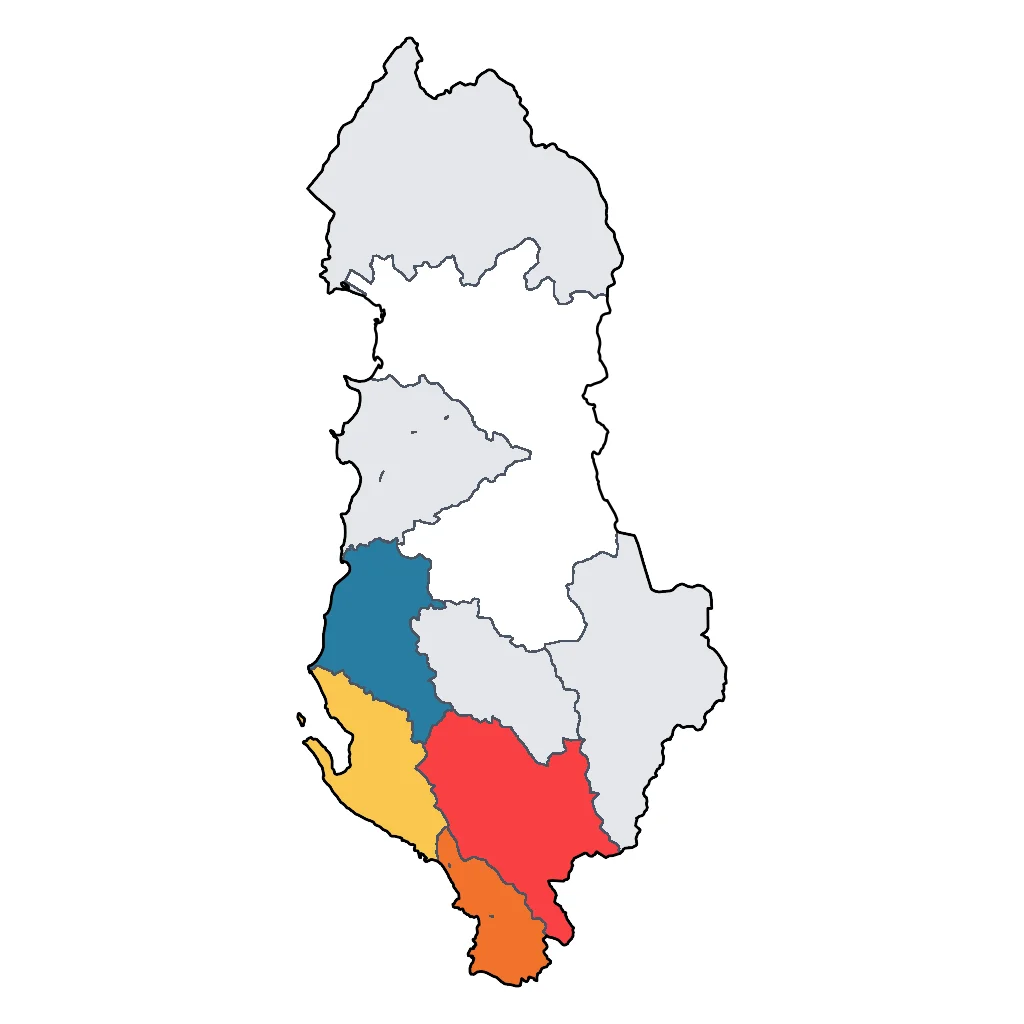
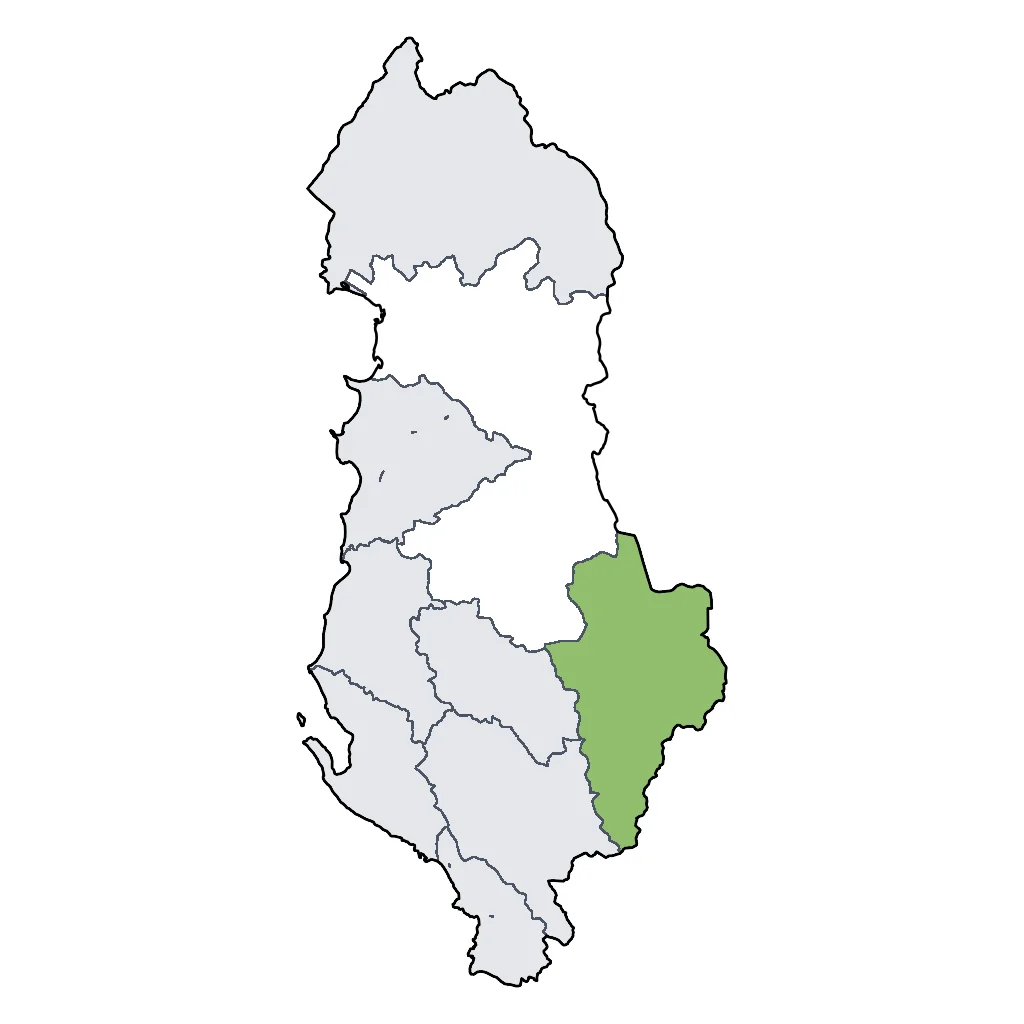
Berat & Central Highlands
1000 windows and canyon adventures 🏰
Berat is widely considered one of Albania’s most beautiful cities and is a UNESCO World Heritage site that captures the imagination of travelers young and old. The city is famous for its distinctive Ottoman-style houses cascading down the hillside, looking like they are stacked on top of one another. Children often enjoy the challenge of trying to count the "thousand windows" that give the city its nickname. The highlight for most families is the Kalaja (Castle), a fortress that dates back to the 13th century and, uniquely, still has people living inside its walls today. It is a car-free maze of cobblestones, ancient ruins, and souvenir stalls where kids can safely run and explore history up close.
Just outside the city, the landscape transforms into a dramatic playground for nature lovers. The Osumi Canyon is a spectacular natural gorge that can be admired from viewpoints above or explored from within. In the summer, the water levels are often low enough for river hiking, while spring brings high water suitable for rafting tours that welcome older children. A short drive away lies the Bogovë Waterfall, a hidden gem tucked inside a national park. The walk to the falls is relatively easy and shaded, leading to a crystal-clear (and chilly!) pool that provides a perfect cooling break on a hot Albanian afternoon.
Culturally, Berat offers a gentle introduction to Albania's religious harmony, with historic mosques and churches sitting side-by-side. The local cuisine is excellent and kid-friendly, with fresh breads, meatballs, and homemade jams being staples. Practical Note: The streets of Berat’s historic centre are paved with slippery, uneven cobblestones. Strollers are difficult to use here, so a baby carrier is recommended for infants. Families with active kids will find the mix of castle exploration and canyon adventures makes for a perfect multi-day stop.
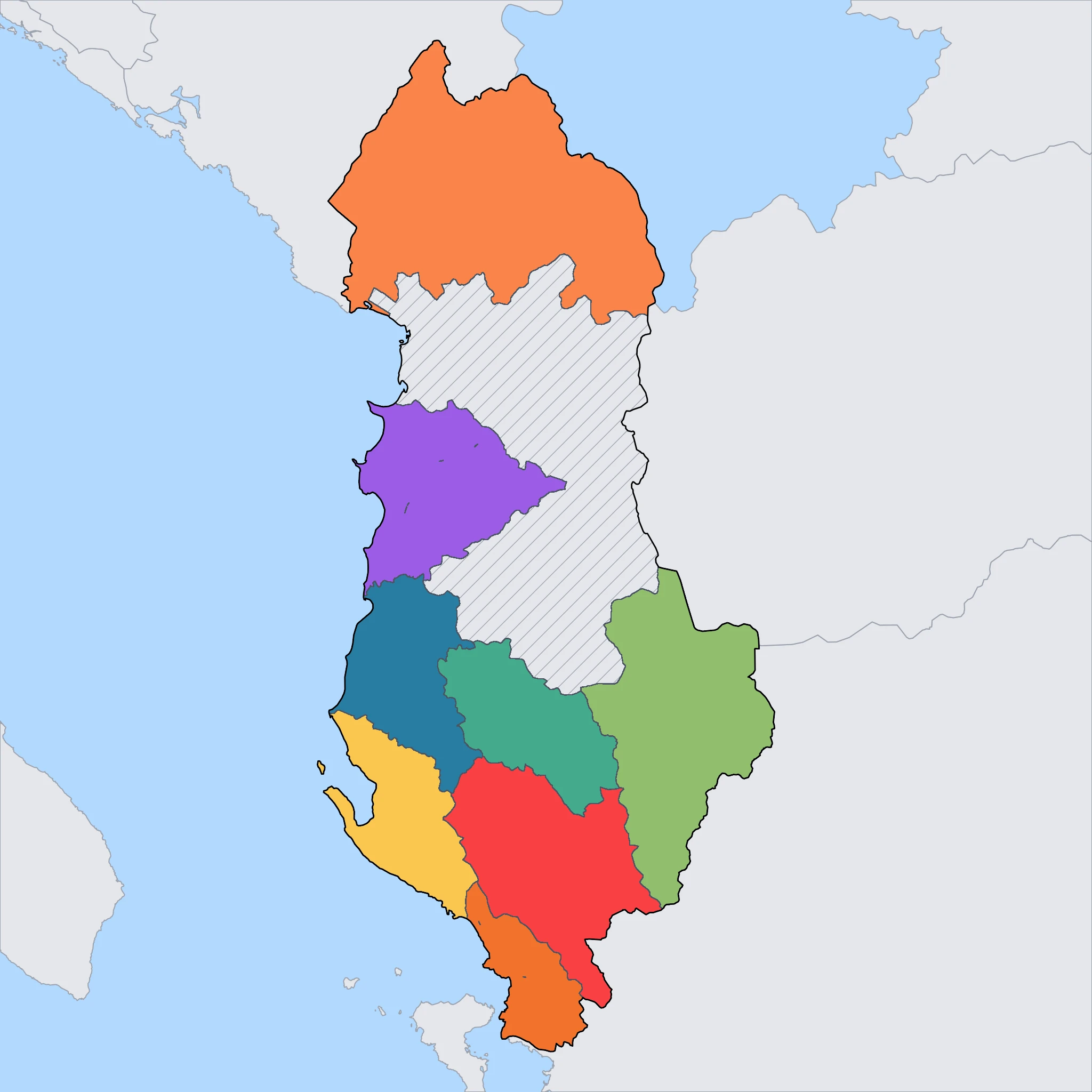
Click a region to explore

Activities & Best Times

Urban tourism, museums, historical sites, architecture
Berat is a UNESCO World Heritage site offering an exceptionally well-preserved and authentic look at Ottoman urban life within a 'living' fortress. Peak months provide mild temperatures (18-22°C) ideal for exploring steep stone corridors; summer is shoulder due to intense heat, while winter is often too wet for comfortable walking tours.
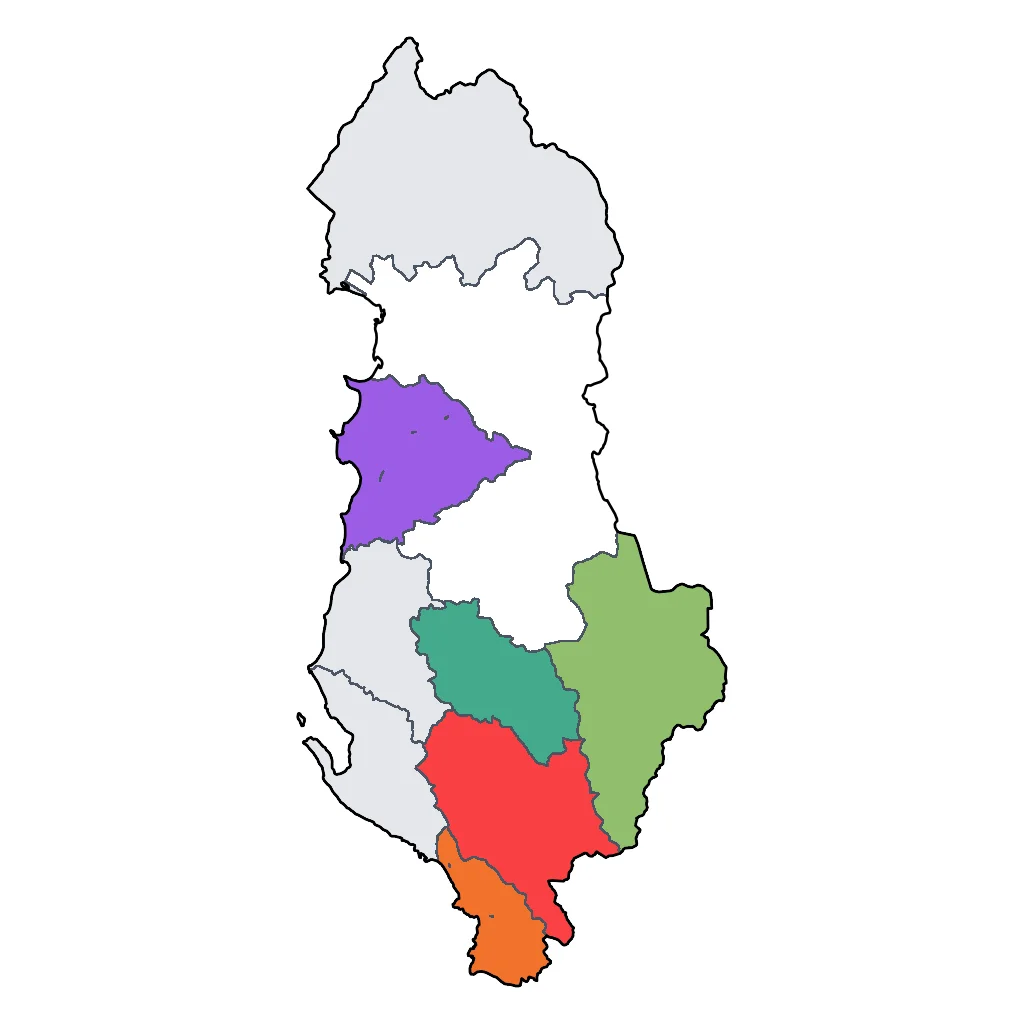

Hiking, wildlife, outdoor exploration, ecotourism
The Osumi Canyon and Mount Tomorr provide a rugged, pristine backdrop for hiking and exploration that rivals more famous European gorges. Late spring (May-Jun) is peak for seeing waterfalls at full flow; winter months are classified as off-season due to high precipitation (up to 161mm) and poor trail accessibility.
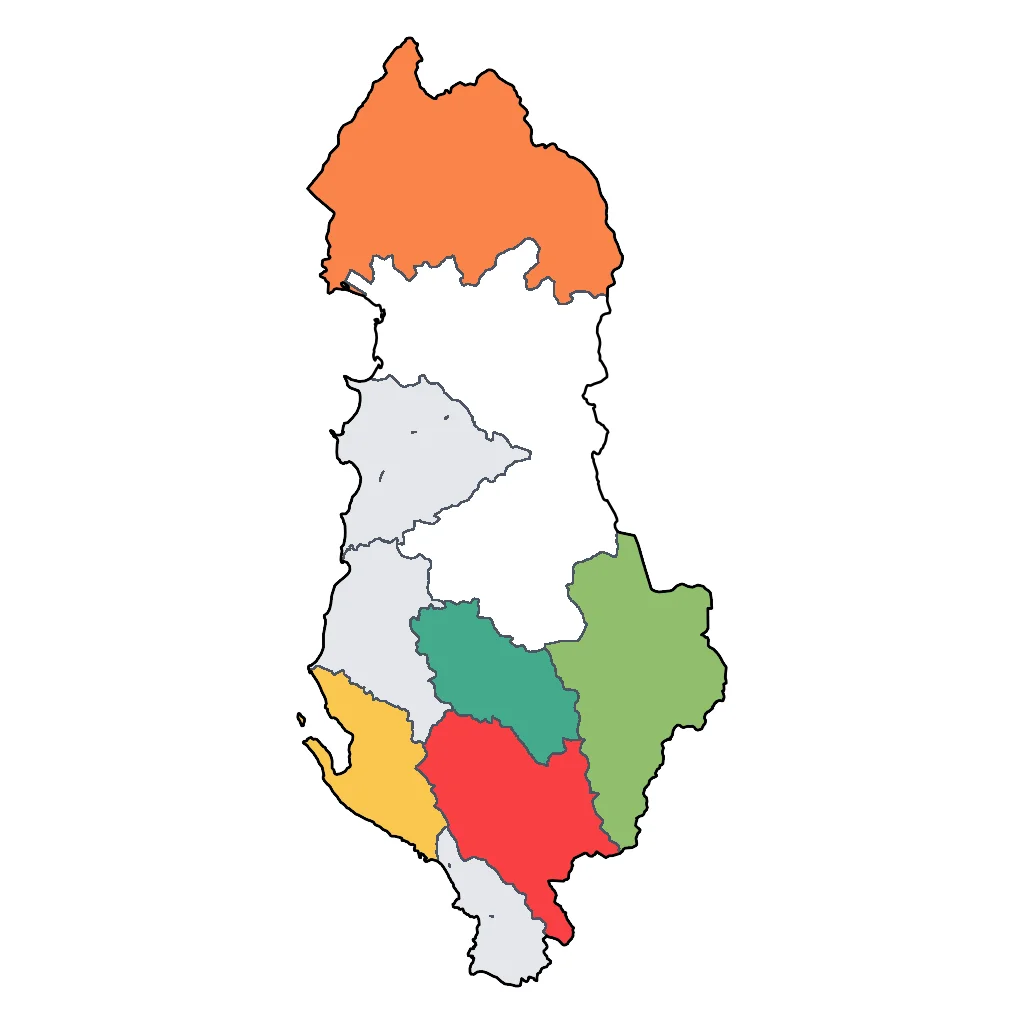

Learning experiences, scientific sites, historical education
Home to the Onufri Iconographic Museum and significant archaeological layers, the region offers deep intellectual engagement for sophisticated families. Conditions are best when museums and historical sites are easily accessible during the drier, temperate months; heavy winter rains can limit access to outdoor archaeological sites.
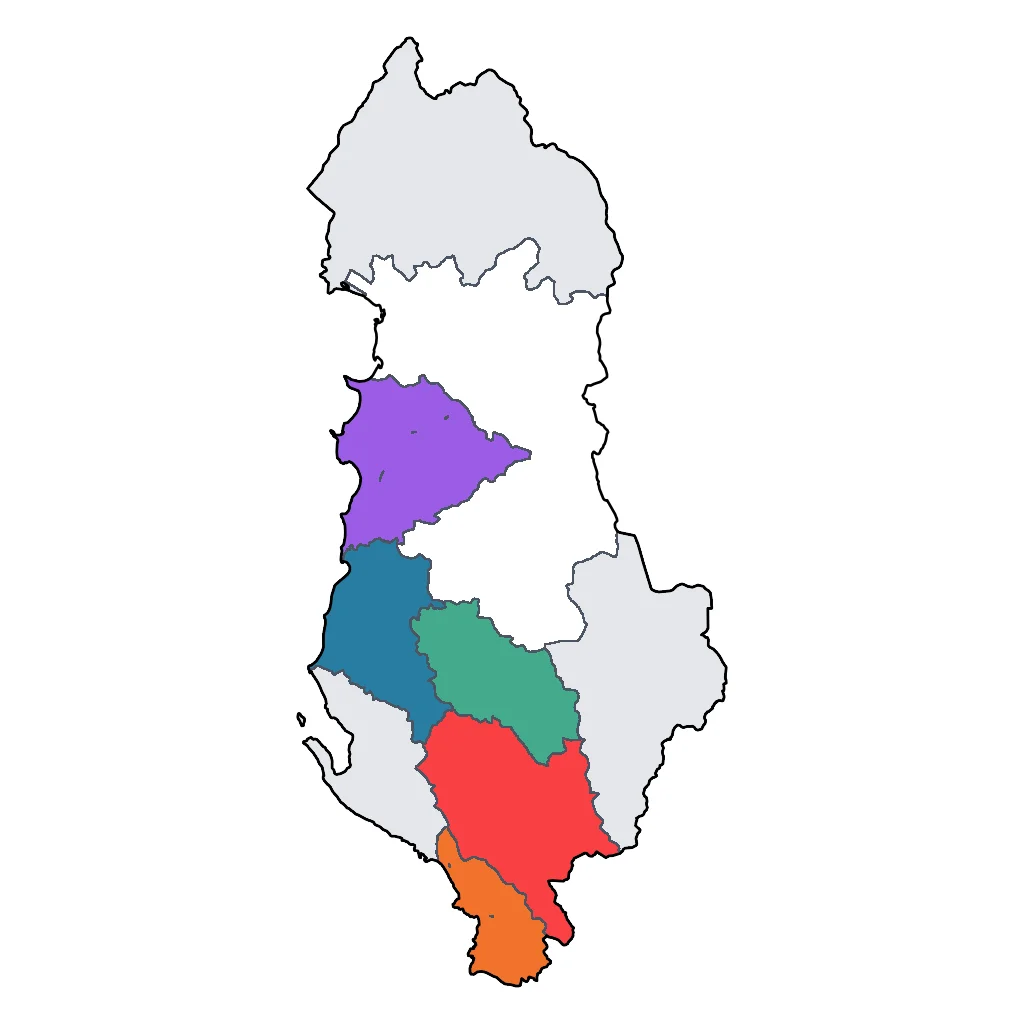

Scenic drives, countryside tours, route-based travel
The drive from Berat to the Osumi Canyon offers spectacular scenic vistas through the highland interior on improving infrastructure. Peak timing focuses on the driest months for maximum visibility and road safety; winter brings heavy rain and potential visibility issues in the high-altitude passes.
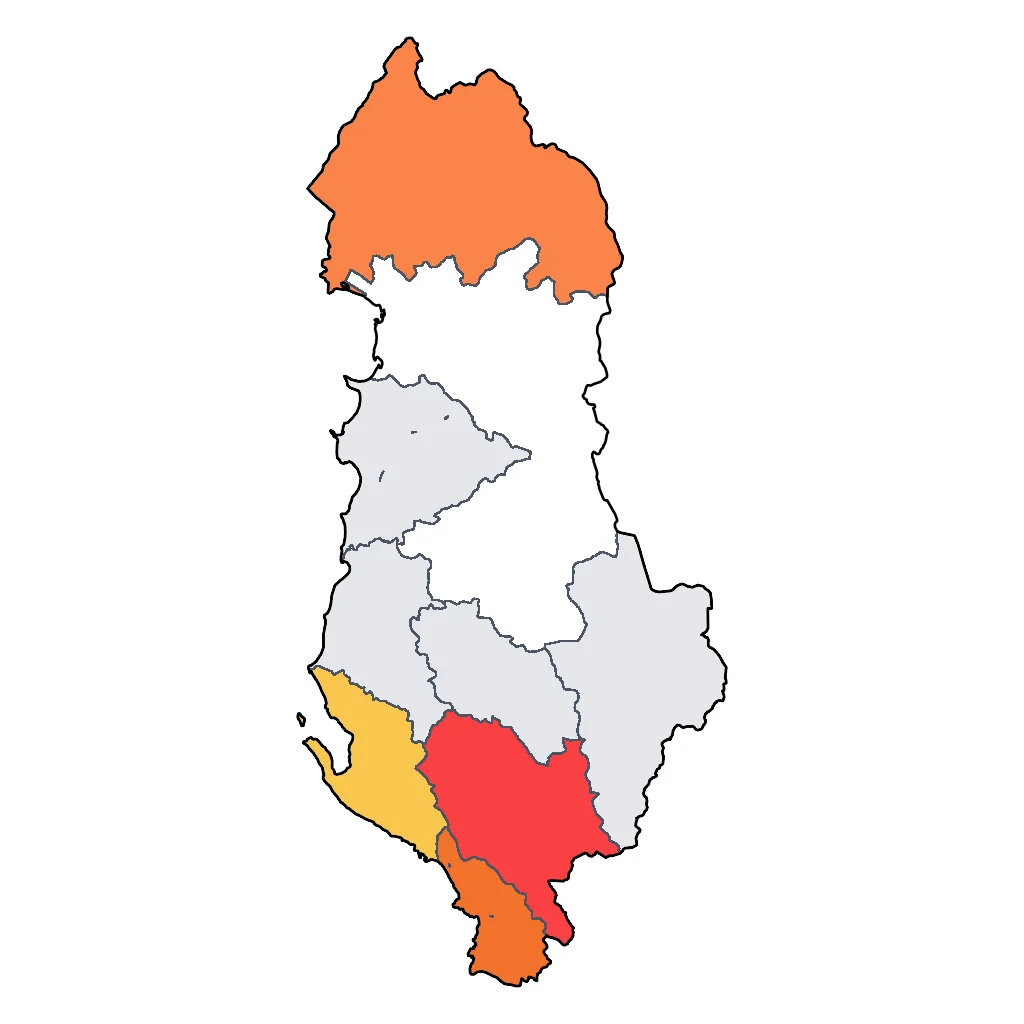

Sport tourism, fitness activities, active recreation
The Osumi river offers world-class rafting opportunities, particularly during the snowmelt and spring rain period when water levels are optimal. Late spring is peak for water sports before levels drop in late summer; winter is unsuitable due to cold temperatures and potentially dangerous flood-level rainfall.
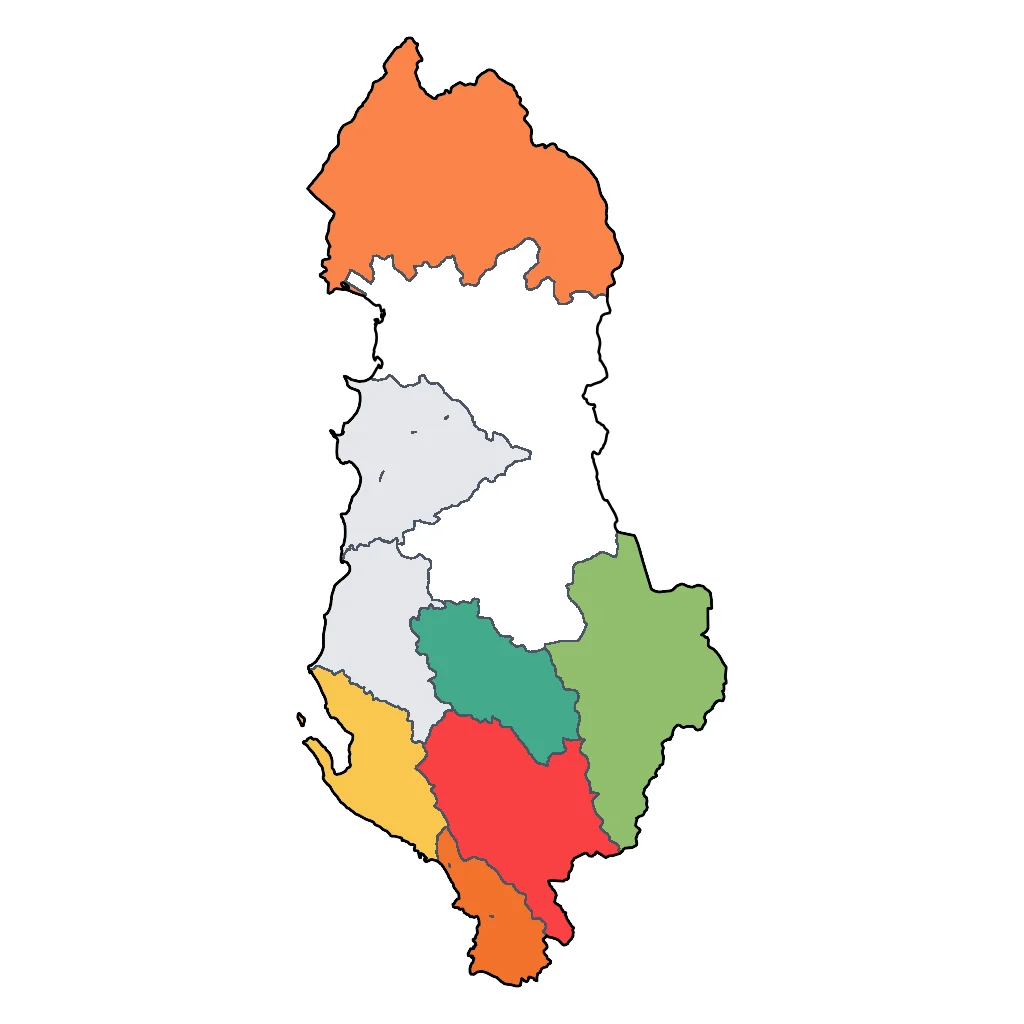

Beach resorts, marine activities: diving, snorkelling, kite surfing, wind surfing, sailing
While not a traditional coastal destination, the Osumi Canyon offers unique opportunities for swimming in a stunning gorge setting, appealing to discerning families seeking natural water experiences. Peak summer months (July-August) are assumed to have the warmest water and most favorable conditions for swimming; shoulder months offer cooler conditions; other months are generally too cold or may have high water levels from rainfall, making them unsuitable for swimming.
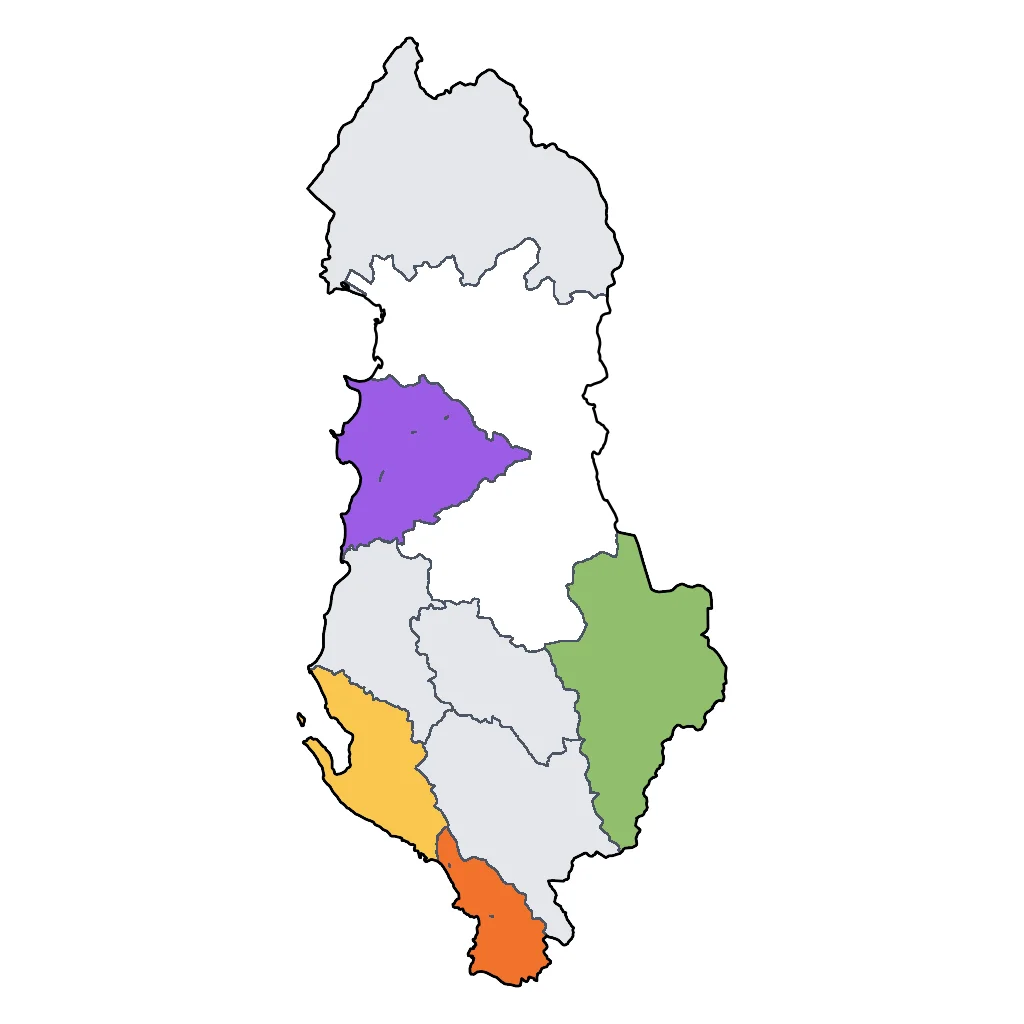

Events, celebrations, seasonal attractions
The strong cultural heritage and emerging wine/agritourism suggest potential for authentic local festivals and seasonal events, though specific internationally renowned events are not detailed. Peak months (May-June, Sept-Oct) are most likely to host harvest events, wine festivals, and cultural celebrations; shoulder months (April, July-Aug, Nov) might have minor events or pre/post-festival periods; winter months generally lack significant outdoor seasonal attractions.

Spa retreats, wellness centers, peaceful getaways
The region's emerging agritourism and family-friendly vineyards offer opportunities for peaceful getaways and rural relaxation, appealing to those seeking authentic, quiet experiences rather than traditional spa resorts. Peak months in late spring and early autumn provide the most pleasant weather for enjoying the countryside and vineyard visits; summer can be hot, and other months are cooler; winter is generally less conducive to outdoor relaxation in rural settings.