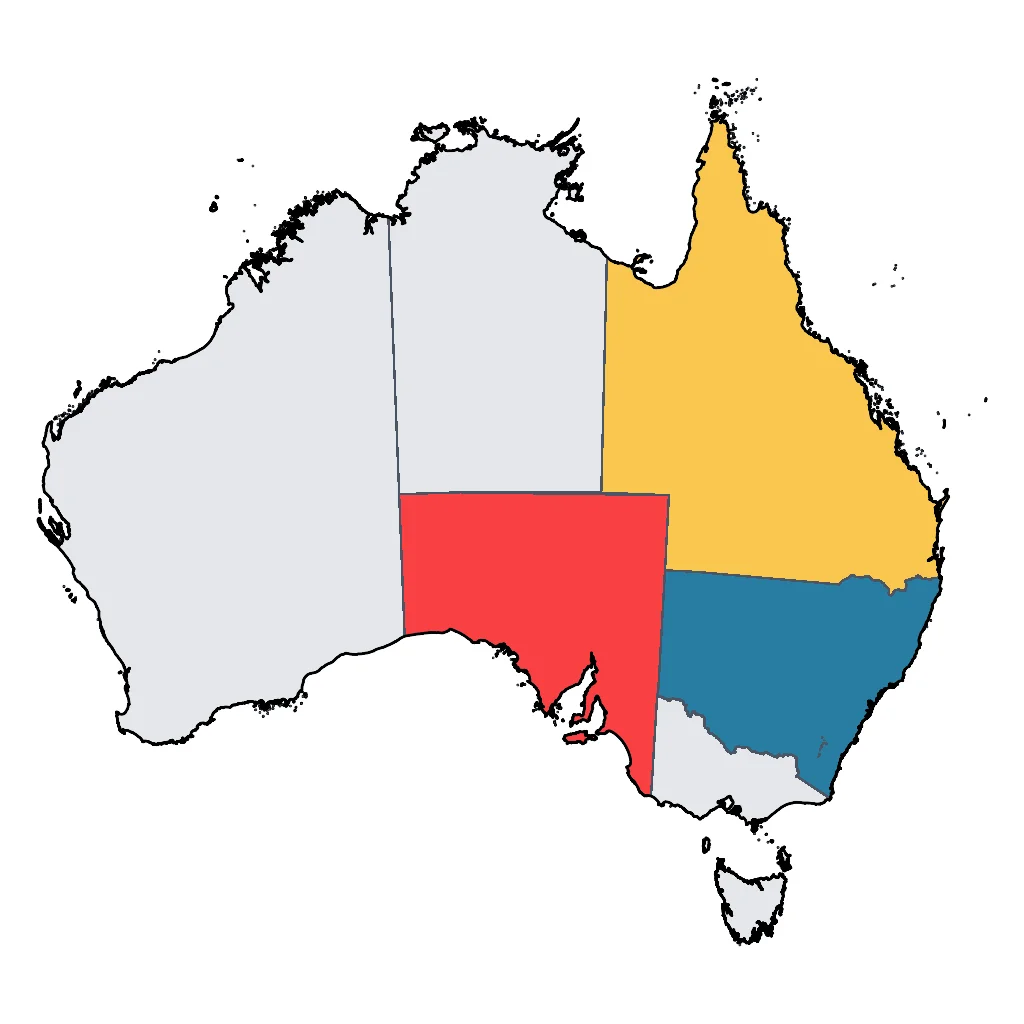
Melbourne & Victoria
Culture, coastlines, and koalas in the garden state 🚋🐧
Victoria packs a massive variety of landscapes into a compact area, making it ideal for families who want to experience diverse Australian environments without days of driving. The geography ranges from the surf-battered cliffs of the coastline to the fern-filled gullies of the Dandenong Ranges and the alpine peaks of the High Country. Melbourne's climate is famous for being changeable—often described as "four seasons in one day"—so families should pack layers regardless of when they visit.
Melbourne is the cultural heart of the region and is incredibly kid-friendly. The city's extensive tram network is an adventure in itself for younger children. Families can explore the interactive Scienceworks museum, see marine life at the SEA LIFE Melbourne Aquarium, or wander through the Royal Botanic Gardens. For sports-mad families, a tour of the Melbourne Cricket Ground (MCG) is often a highlight. The city's laneways, while famous for coffee, also hide street art that captivates teenagers and offers great photo opportunities.
Venture an hour or two out of the city, and the experiences shift dramatically. Phillip Island is a must-do for the nightly Penguin Parade, where little penguins return to their burrows across the beach. Nearby, the Koala Conservation Reserve creates safe viewing opportunities for toddlers. To the west, the Great Ocean Road is one of the world's most scenic drives. While the Twelve Apostles are the main draw, families often enjoy the stops along the way, such as searching for wild koalas in the trees at Kennett River or exploring the Cape Otway Lightstation.
History comes alive at Sovereign Hill in Ballarat, an open-air museum depicting the gold rush era. Children can pan for real gold in the creek, watch confectioners make boiled lollies, and ride horse-drawn coaches. It offers a tangible history lesson that is far more engaging than a textbook. For active families, the Grampians National Park offers hiking trails that lead to waterfalls and lookouts, with plenty of kangaroos usually visible in the town of Halls Gap. When dining, Melbourne's diverse multicultural makeup means families can find everything from authentic Italian pasta on Lygon Street to dumplings in Chinatown, catering to even picky eaters.
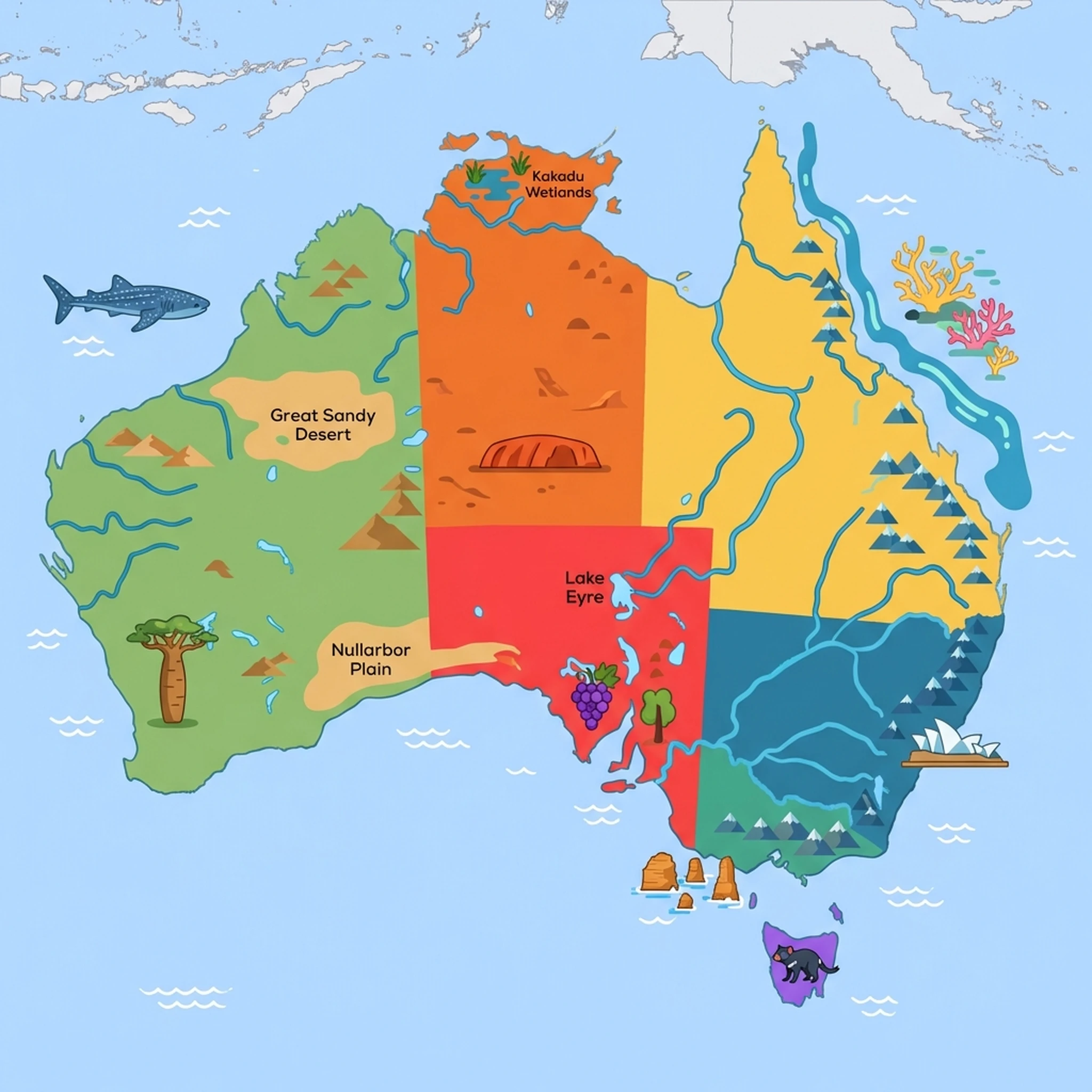
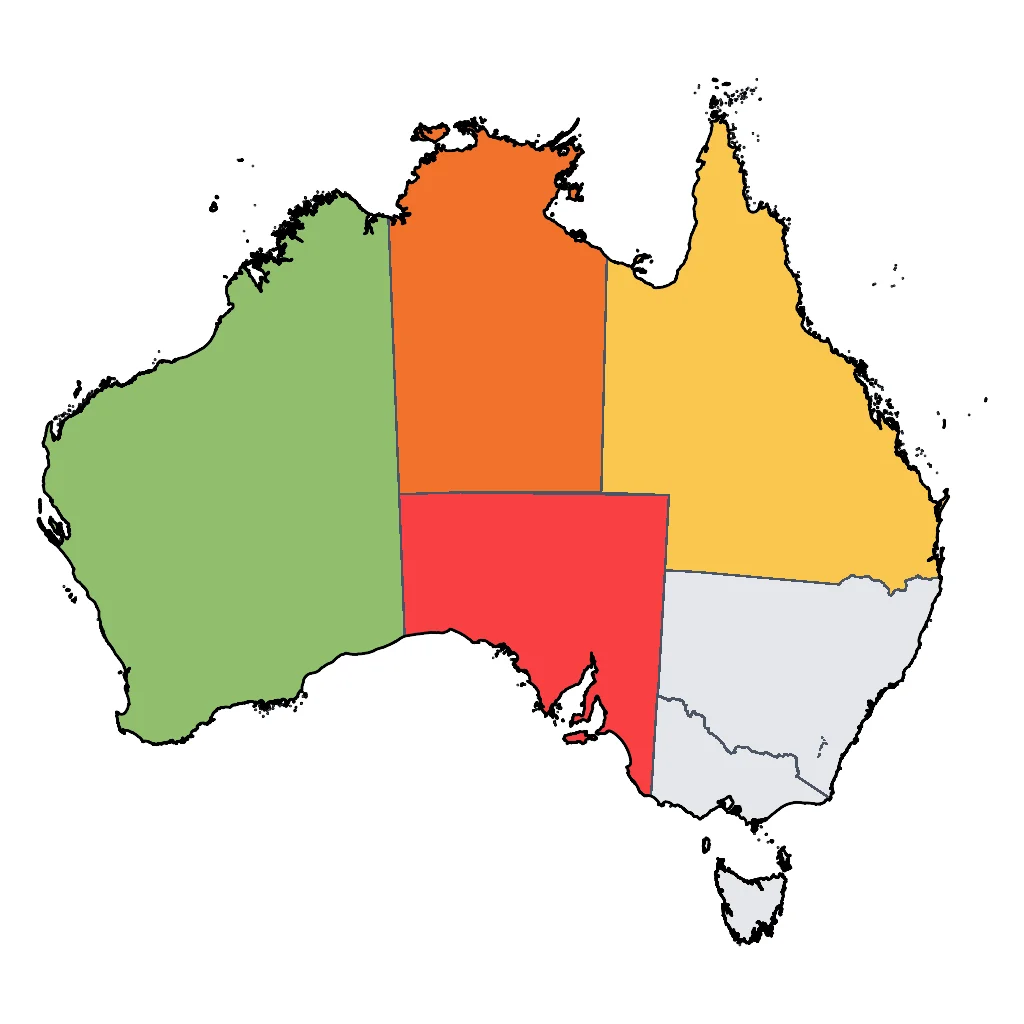
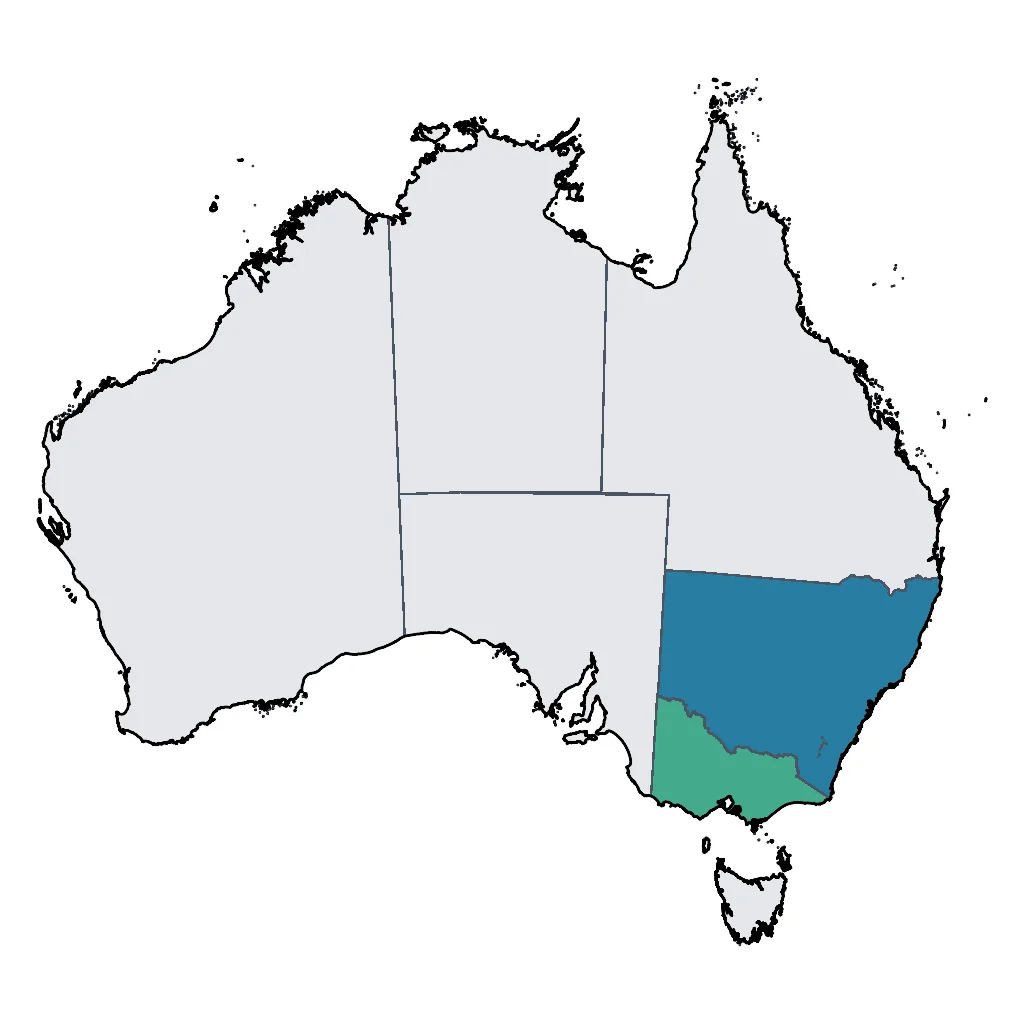
Click a region to explore

Activities & Best Times
Hiking, wildlife, outdoor exploration, ecotourism
Features iconic landmarks like the Twelve Apostles and unique wildlife experiences such as the Phillip Island Penguin Parade. Optimal weather for coastal hiking and wildlife viewing occurs during the dry, warm months; winter brings heavy rain and poor trail visibility.
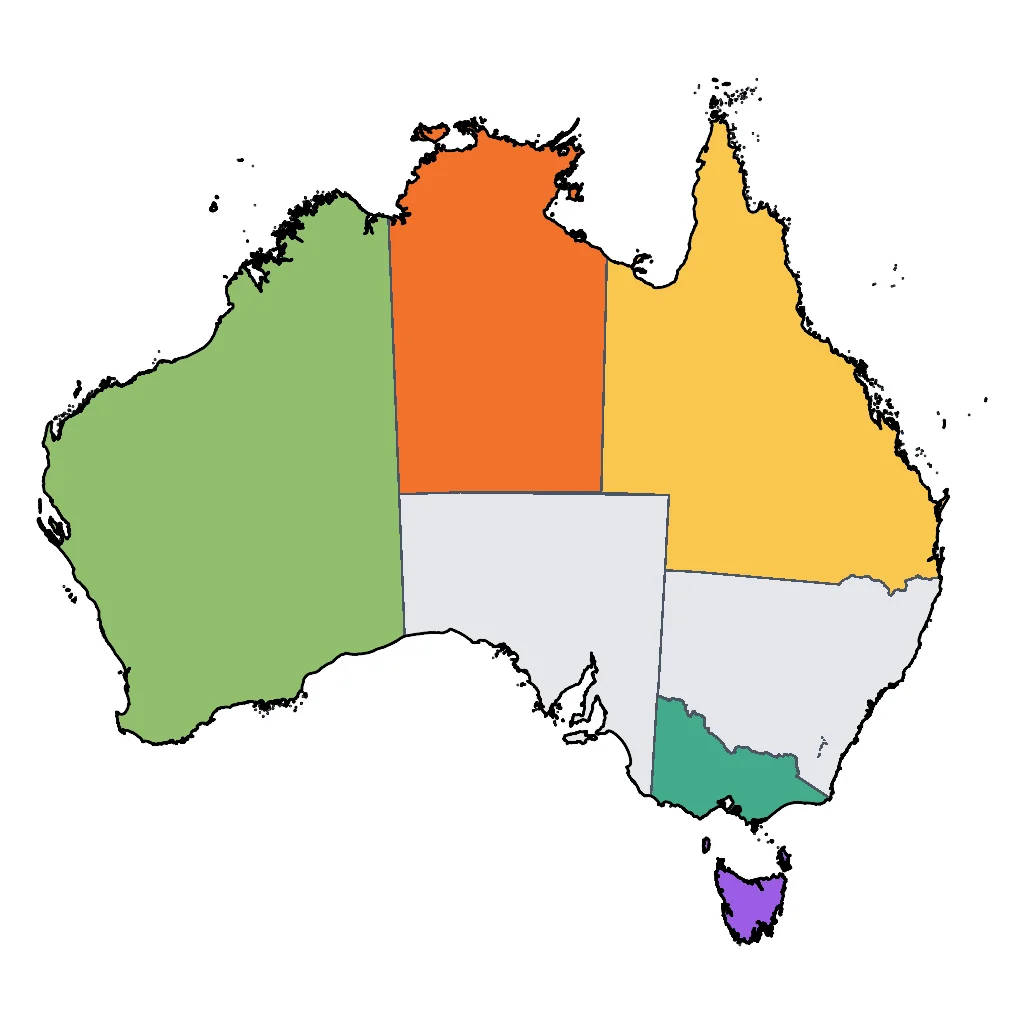

Urban tourism, museums, historical sites, architecture
Melbourne is a global capital for dining, street art, and coffee culture with sophisticated laneways and world-class museums. Peak season aligns with major outdoor festivals and pleasant temperatures, while winter can feel gloomy and restrictive for urban exploration.
Scenic drives, countryside tours, route-based travel
The Great Ocean Road is one of the world's most spectacular coastal drives, offering pristine infrastructure and breathtaking vistas. Peak months provide the clear skies and low rainfall necessary for optimal visibility, while winter often brings dangerous winds and obscuring sea mist.

Sport tourism, fitness activities, active recreation
Boasts 'Sandbelt' golf courses and elite cycling terrain in the Victorian Alps, ranked among the best in the world. Ideal outdoor activity conditions are found in the warmer, drier months, while winter rain and wind make high-performance sports less viable.

Events, celebrations, seasonal attractions
Hosts globally significant events including the Australian Open, Formula 1 Grand Prix, and the Spring Racing Carnival. These peak months offer an electric atmosphere and world-class hospitality, whereas mid-winter has a significantly quieter international event calendar.

Spa retreats, wellness centers, peaceful getaways
The Mornington Peninsula and Daylesford offer world-class thermal springs and luxury spa retreats. The experience is most authentic and enjoyable during the cooler months when the thermal waters provide a sharp contrast to the crisp air; summer heat makes soaking uncomfortable.
Beach resorts, marine activities: diving, snorkelling, kite surfing, wind surfing, sailing
Home to world-renowned surf at Bells Beach and scenic coastlines, though water temperatures remain brisk by international standards. Peak summer months offer the warmest air and water conditions, while winter is too cold for all but experienced surfers in thick wetsuits.

Learning experiences, scientific sites, historical education
Offers high-quality learning at sites like the Melbourne Museum and the Sovereign Hill living history park. Peak months coincide with major exhibitions and school holiday programming, whereas winter months see reduced outdoor demonstrations and lower accessibility.

Winter sports, ski resorts, snow activities
High-quality alpine resorts like Mt Hotham and Falls Creek offer authentic southern hemisphere skiing with modern infrastructure. The season is strictly limited to winter, with peak snow depth in July and August; summer months are entirely unsuitable with no snow coverage.
Amusement parks, family entertainment venues
Lacking major commercial theme parks, the region instead offers high-quality boutique wildlife parks like Werribee Open Range Zoo. These are best visited during the dry, warm summer months to ensure animal activity and comfortable walking conditions for families.