

Australia is a vast continent that functions as a massive outdoor classroom, making it a dream destination for families seeking adventure without sacrificing safety or comfort. The sheer scale of the country means you likely won't see it all in one trip, but whether you focus on the tropical north, the urban southeast, or the rugged west, the infrastructure for travelling with children is excellent. From the underwater kaleidoscope of the Great Barrier Reef to the red sands of the Outback, the landscape offers tangible geography lessons that are far more engaging than a textbook.
For most children, the primary draw is the unique wildlife. Unlike many destinations where animals are behind glass, Australia offers accessible encounters in the wild. Families can watch Little Penguins waddle ashore at sunset on Phillip Island, spot wild kangaroos grazing on golf courses, or meet smiling quokkas on Rottnest Island. Conservation-focused parks like Taronga Zoo in Sydney or Australia Zoo in Queensland allow kids to get close to koalas, wombats, and echidnas in supervised, educational environments.
The coastline is central to the Australian lifestyle. The Gold Coast is a major hub for families, famous for its concentration of theme parks and surf beaches. However, those with younger children often prefer the calmer waters of Hervey Bay or the sheltered coves of the Whitsundays. Snorkelling on the reef is manageable even for novices, with tour operators providing floatation vests, noodles, and viewing pontoons. In the cities, public spaces are designed with families in mind. Sydney offers the iconic ferry ride to Manly and spacious parks near the Opera House, while Melbourne features an extensive tram network and the interactive Scienceworks museum.
Culturally, Australia is laid-back and multicultural. Food options are diverse, with high-quality fresh produce available everywhere. You will find excellent coffee for parents and familiar foods for picky eaters, alongside fresh seafood and Asian-fusion cuisine. Indigenous culture offers a profound learning opportunity; tours in places like Uluru-Kata Tjuta National Park or the Daintree Rainforest can introduce children to Dreamtime stories and traditional bush tucker in a respectful, engaging way.
Practicality is key when visiting "Down Under." The sun is significantly stronger here than in Europe or North America, so high-SPF sunscreen, rash vests, and hats are non-negotiable necessities. Distances between major cities are vast-often requiring domestic flights-so it is wise to pick one or two regions rather than rushing. While the flight to get there is long, the reward is a safe, clean, and endlessly fascinating environment where nature takes centre stage.

Explore Regions
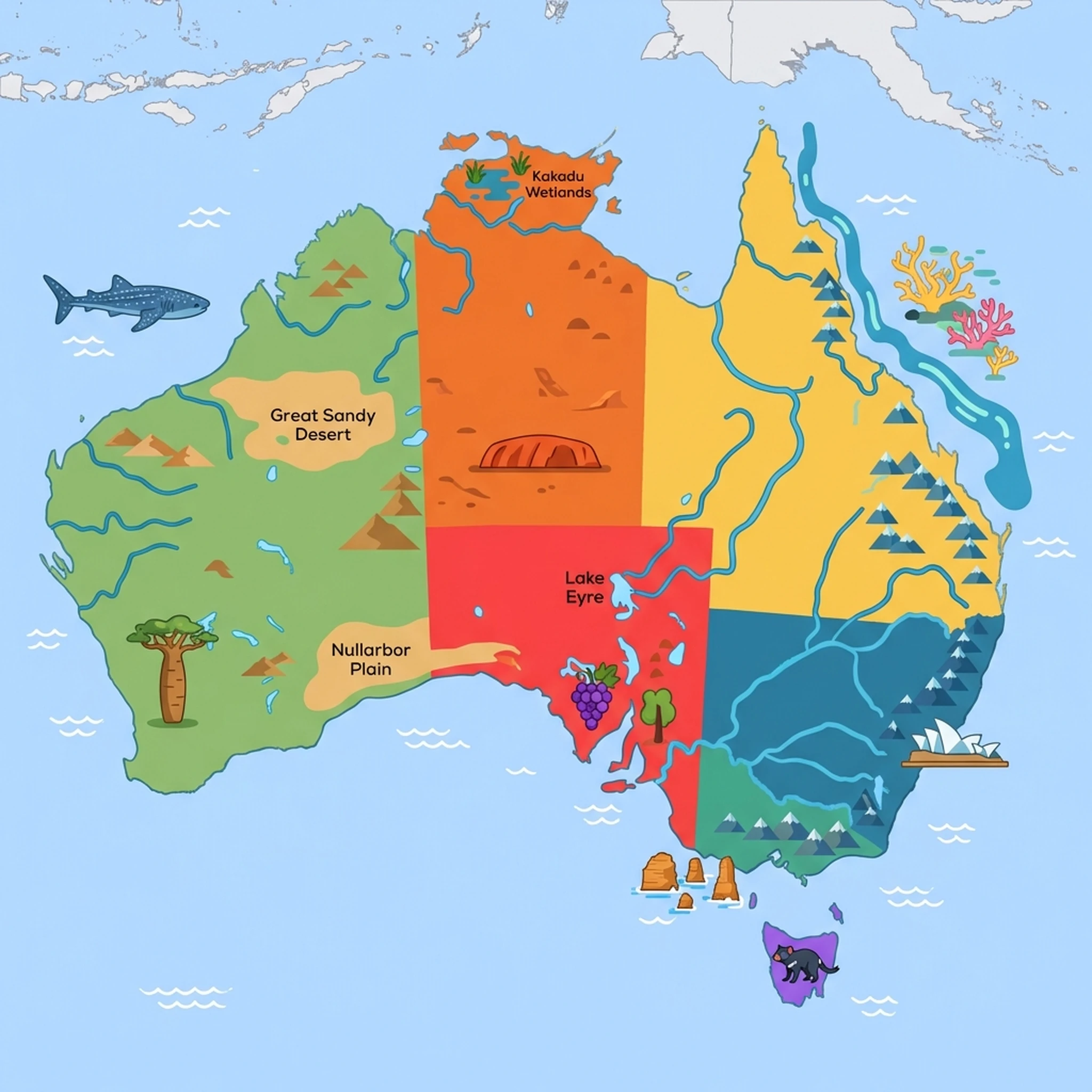
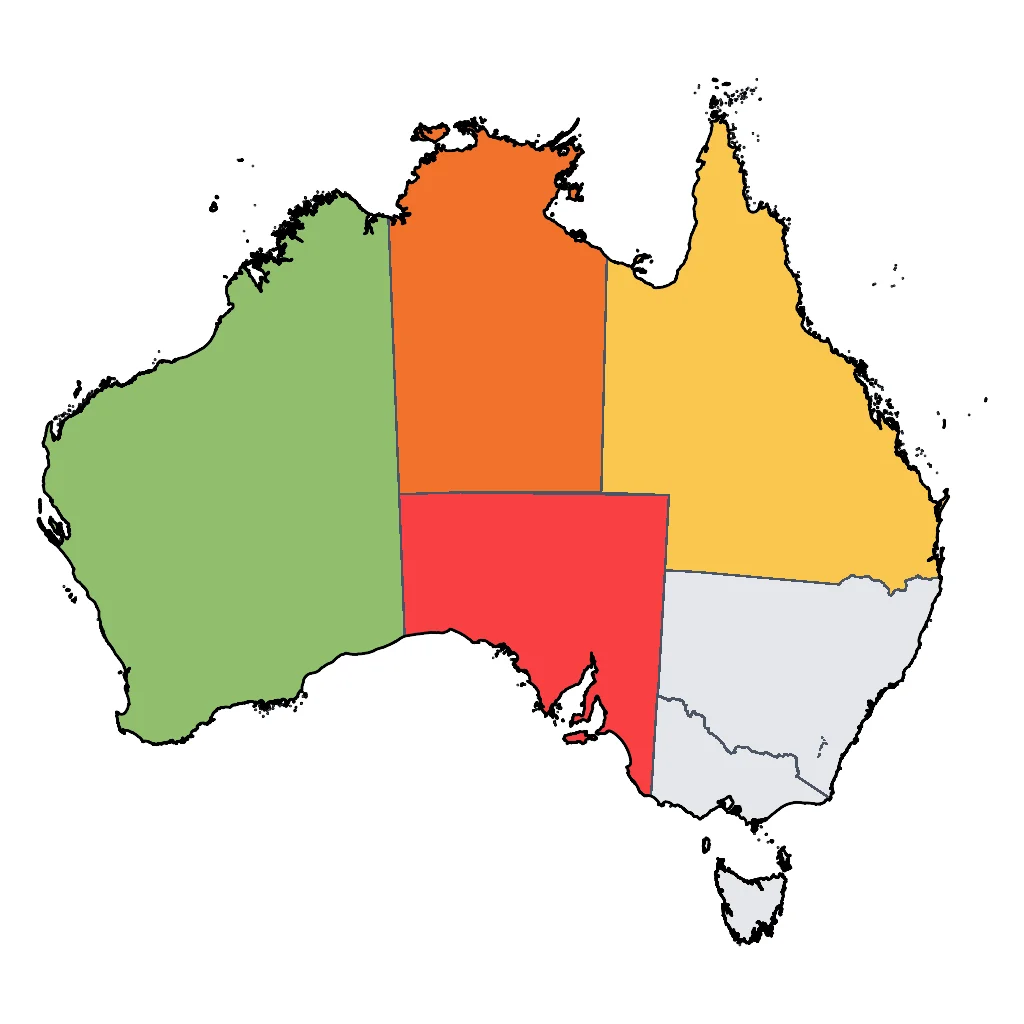
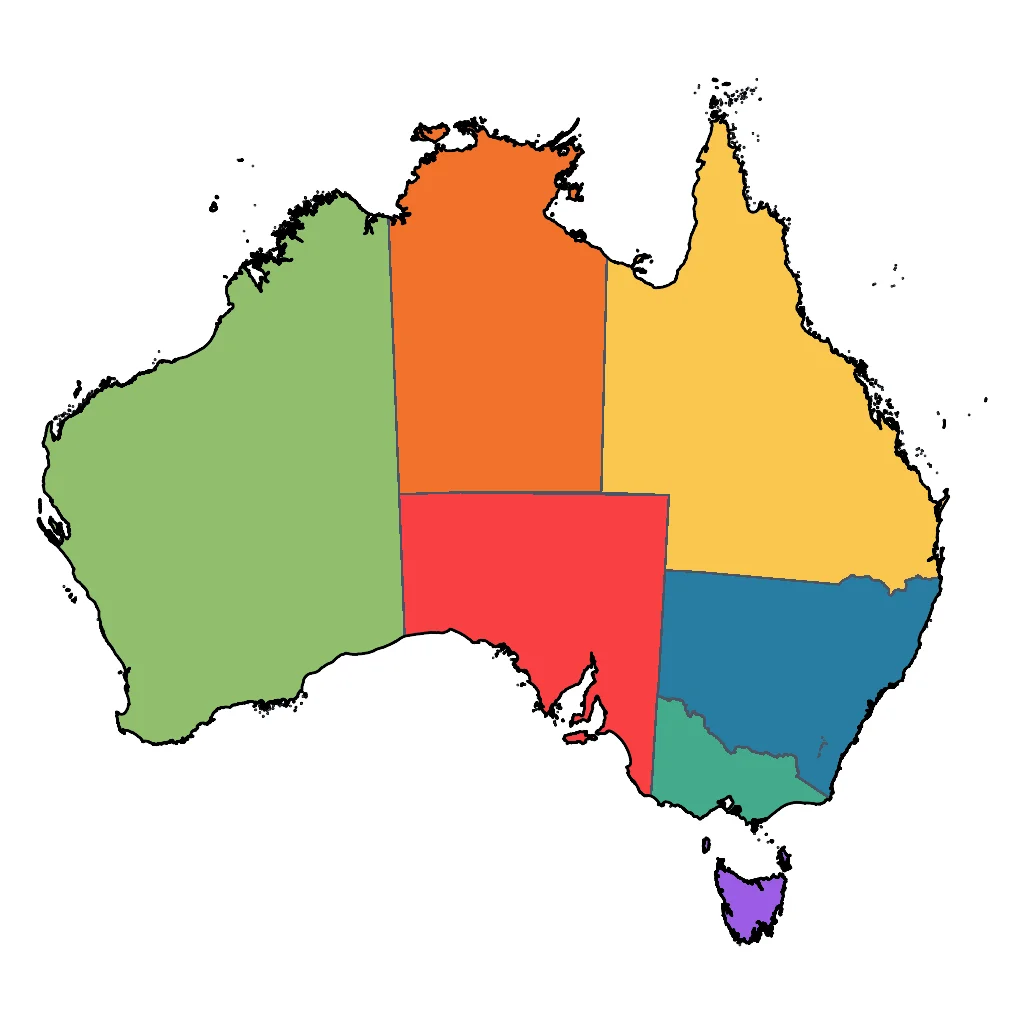
7 Regions
Adelaide & South Australia
Wildlife encounters and easy family adventures 🐨🍷
Melbourne & Victoria
Culture, coastlines, and koalas in the garden state 🚋🐧
Northern Territory (Top End & Red Centre)
Real outback adventure and ancient culture 🐊🏜️
Perth & Western Australia
Sunny cities, friendly quokkas, and ocean giants ☀️🐋
Queensland (Brisbane, Gold Coast, Great Barrier Reef & Tropical QLD)
Theme parks, rainforests, and the Great Barrier Reef 🐠🎢
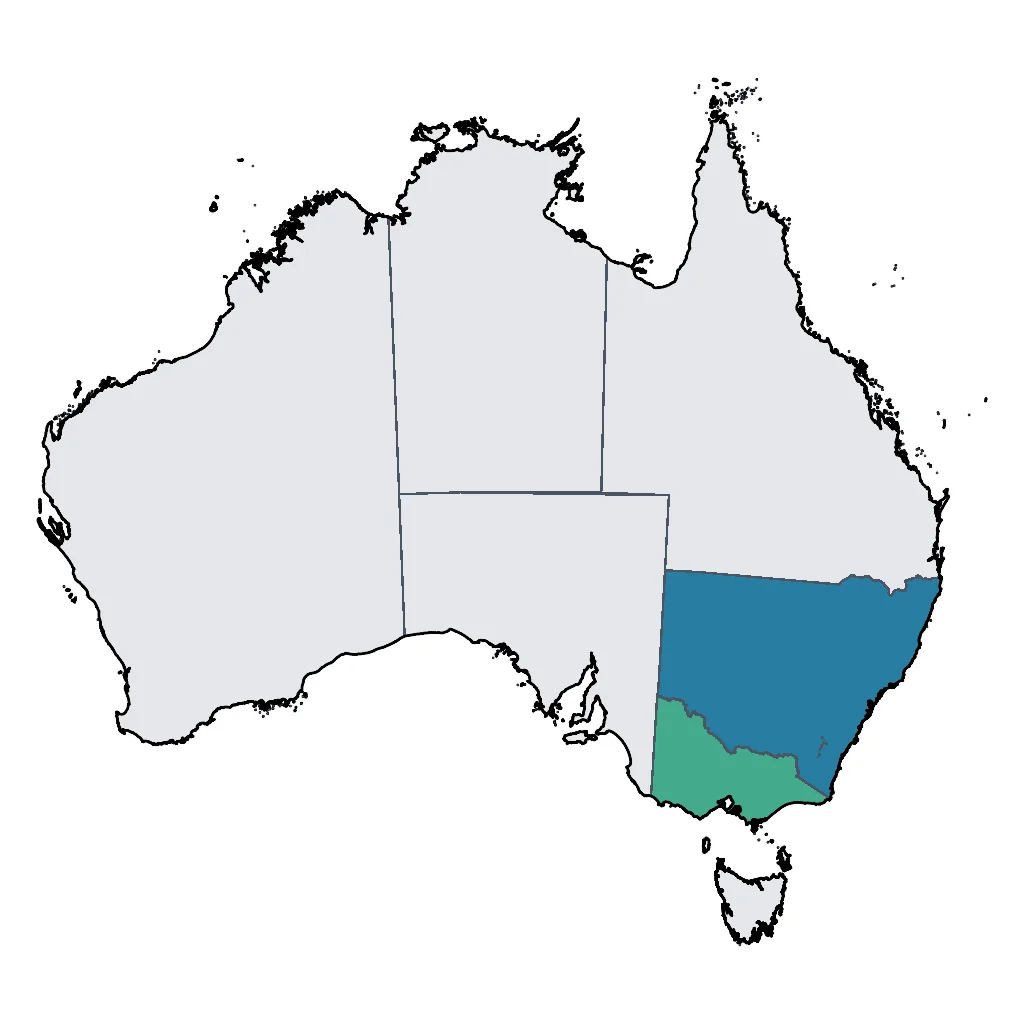
Sydney & New South Wales
Iconic sights and endless coastal adventures 🌉🏄
Tasmania
Wilderness, history, and wombats in the wild 🌿🐾
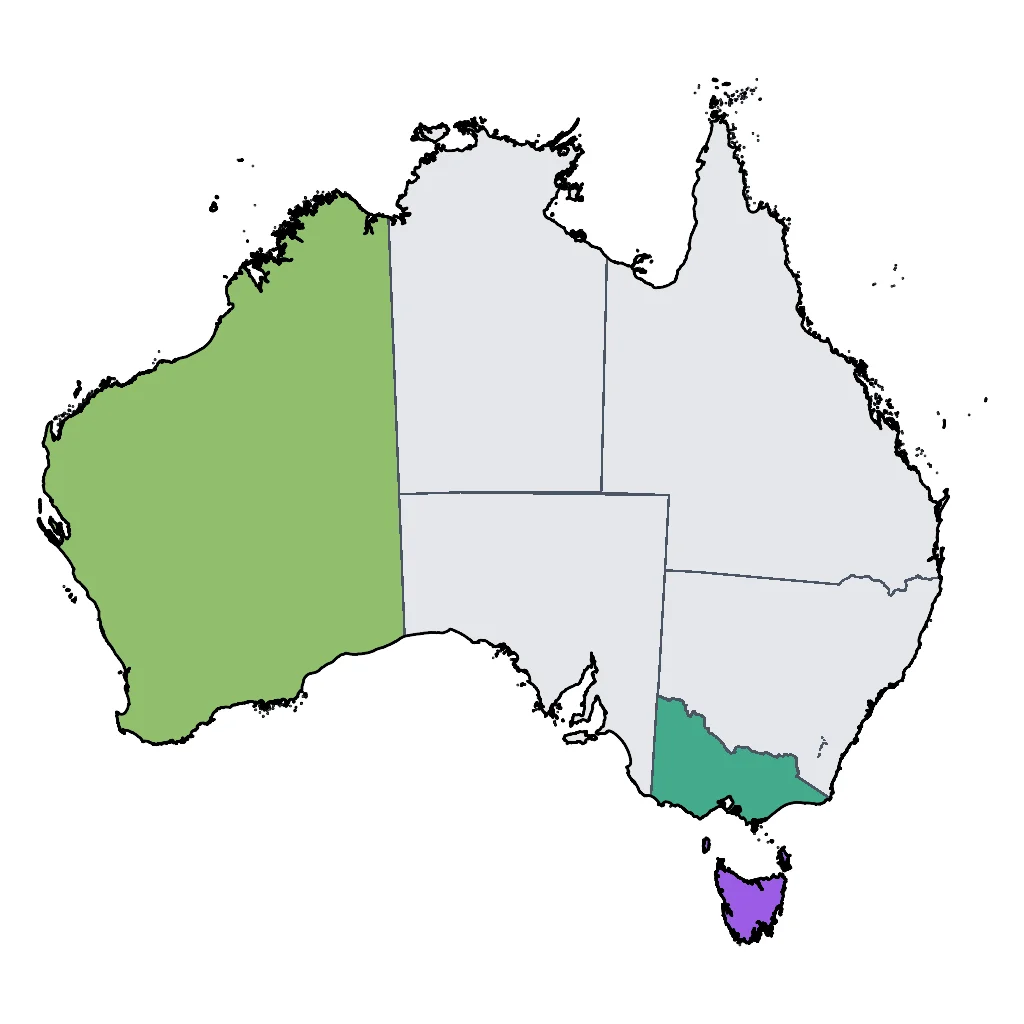
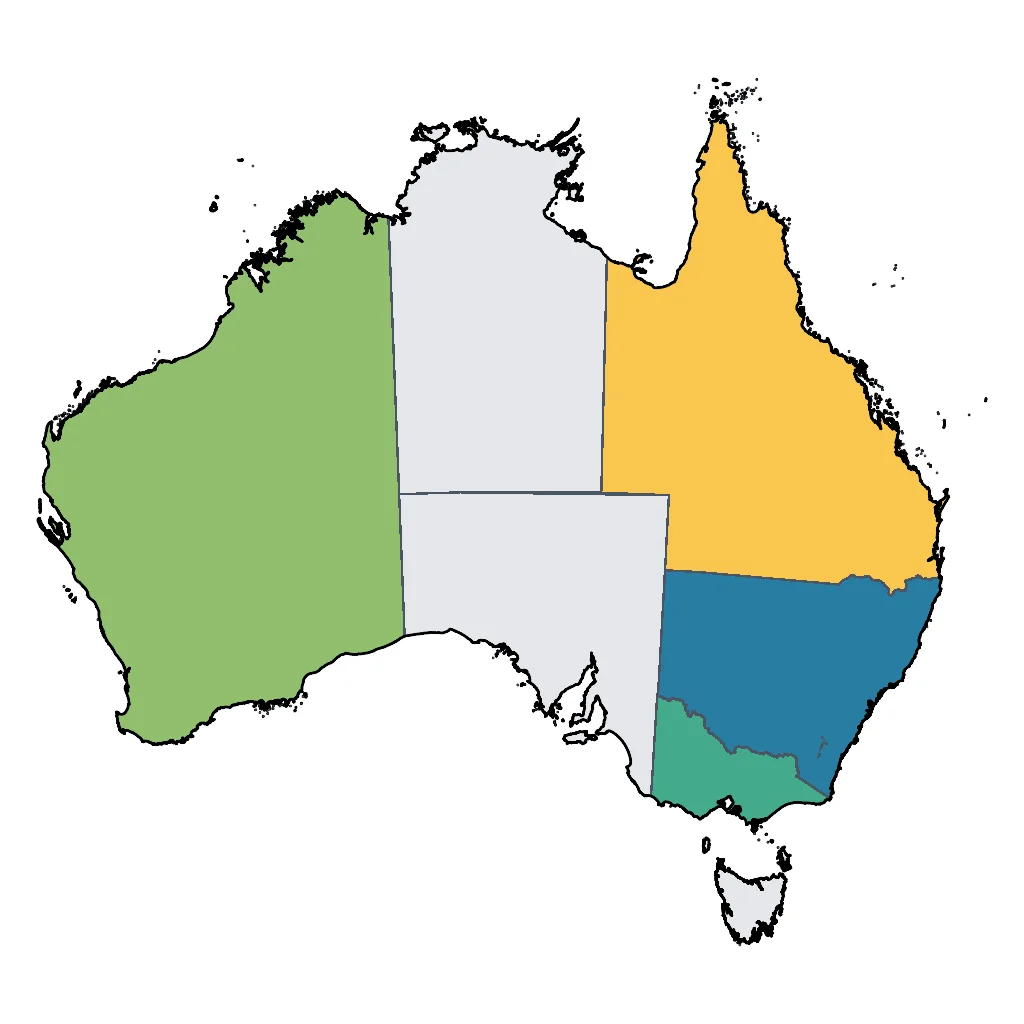
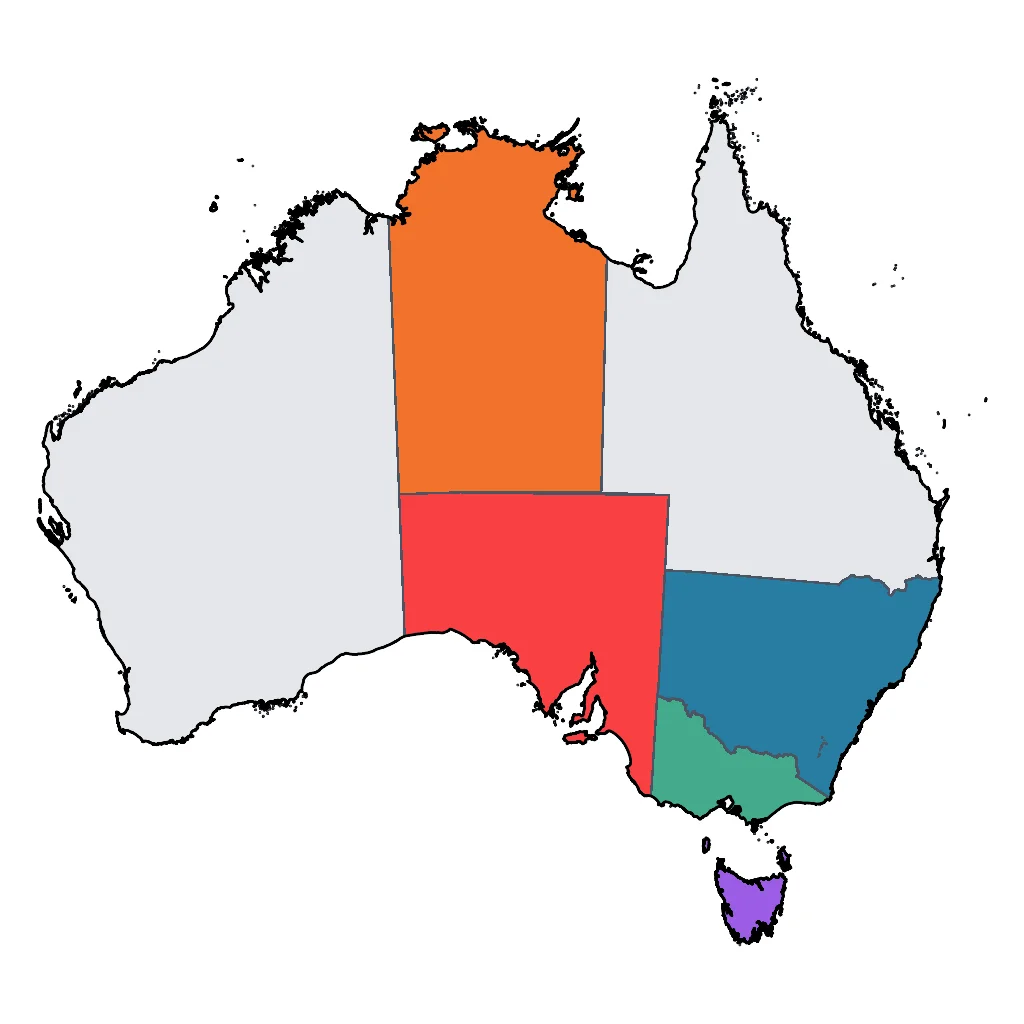
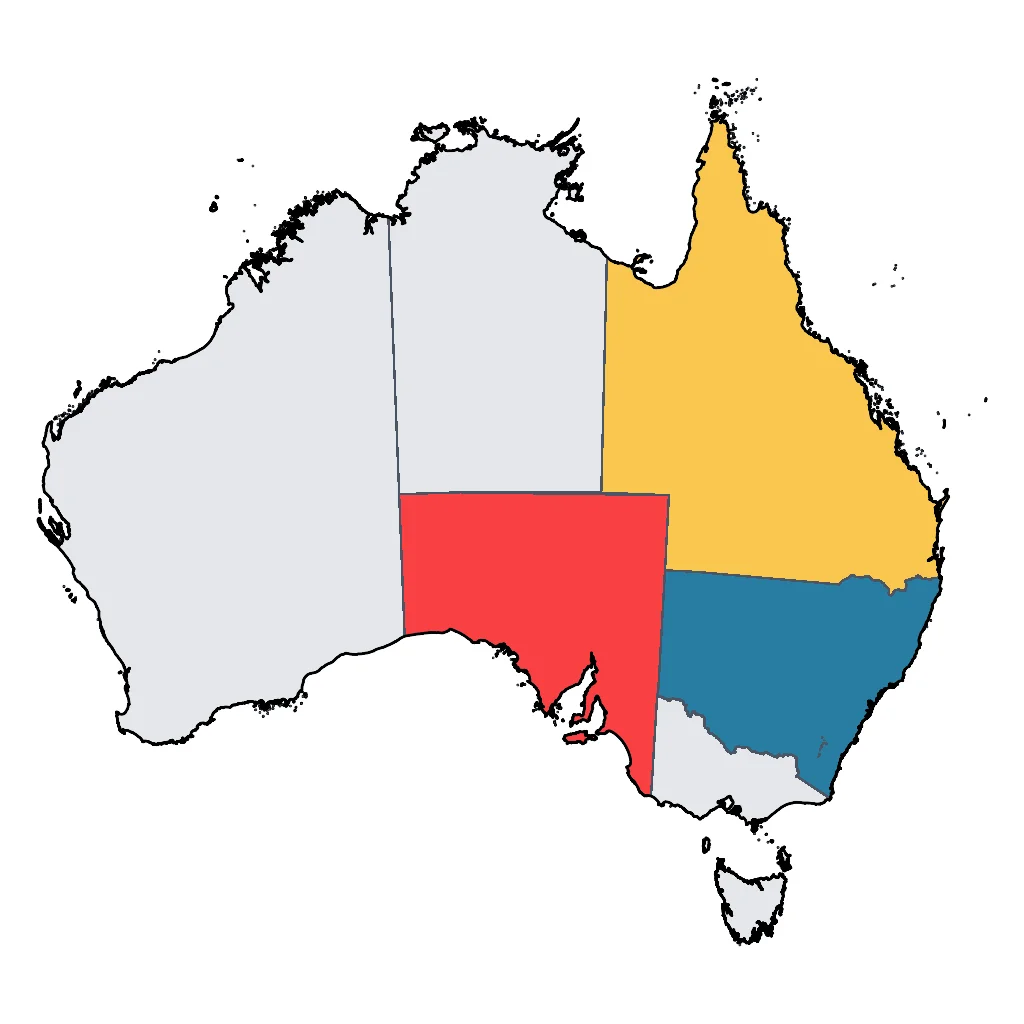
Click on a region marker to explore details. Use the dropdown to color regions by activity suitability.

Activities & Best Times

Adventure & Nature
ExcellentHiking, wildlife, outdoor exploration, ecotourism
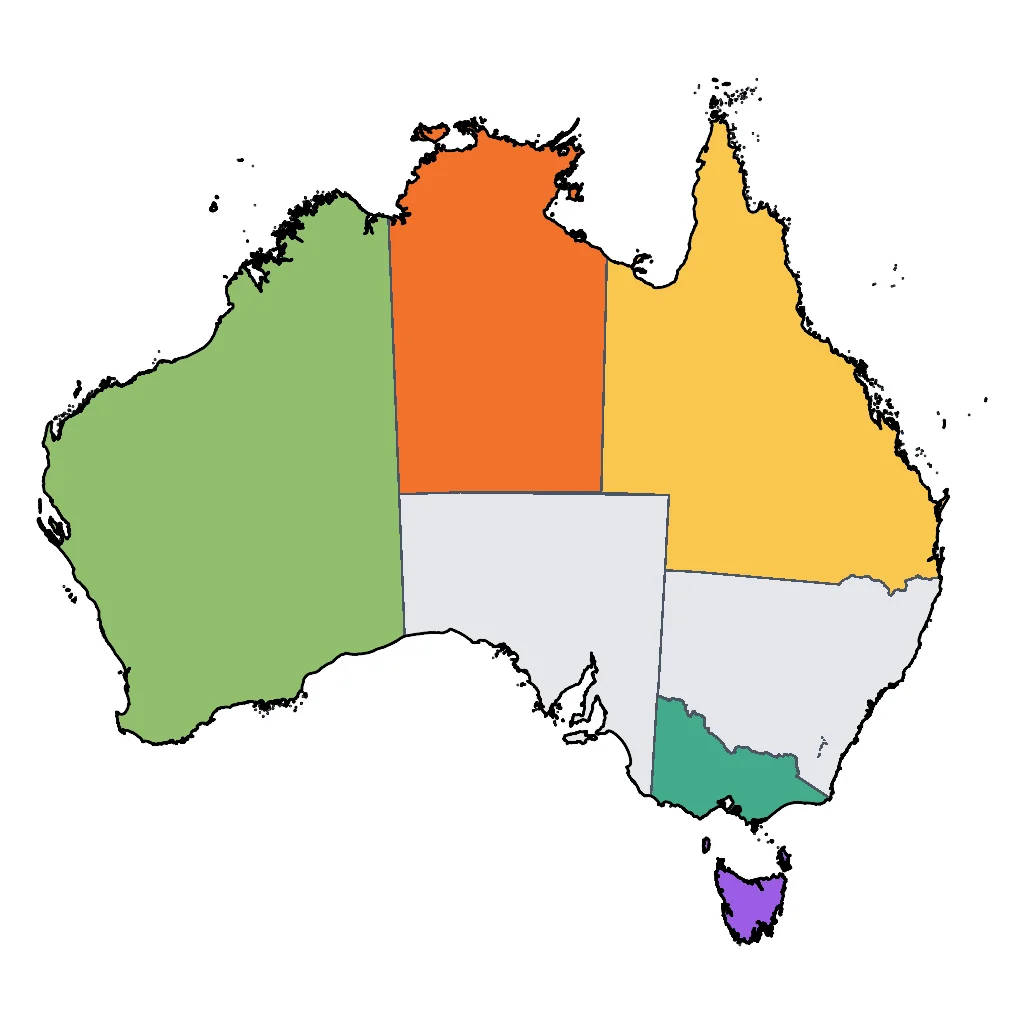
Features iconic landmarks like the Twelve Apostles and unique wildlife experiences such as the Phillip Island Penguin Parade. Optimal weather for coastal hiking and wildlife viewing occurs during the dry, warm months; winter brings heavy rain and poor trail visibility.
Tasmania offers a world-class wilderness experience with the UNESCO-listed Tasmanian Wilderness World Heritage Area and the iconic Cradle Mountain. Peak summer months provide stable conditions and high visibility for multi-day treks; winter is too wet and cold for high-altitude exploration.
Home to dual UNESCO World Heritage sites Uluru and Kakadu, offering unparalleled desert and tropical wetland exploration. Peak months (May-Aug) provide dry, clear conditions for trekking and wildlife viewing, while the wet season (Oct-Mar) features extreme heat and road closures due to flooding.

Beach & Sea
ExcellentBeach resorts, marine activities: diving, snorkelling, kite surfing, wind surfing, sailing
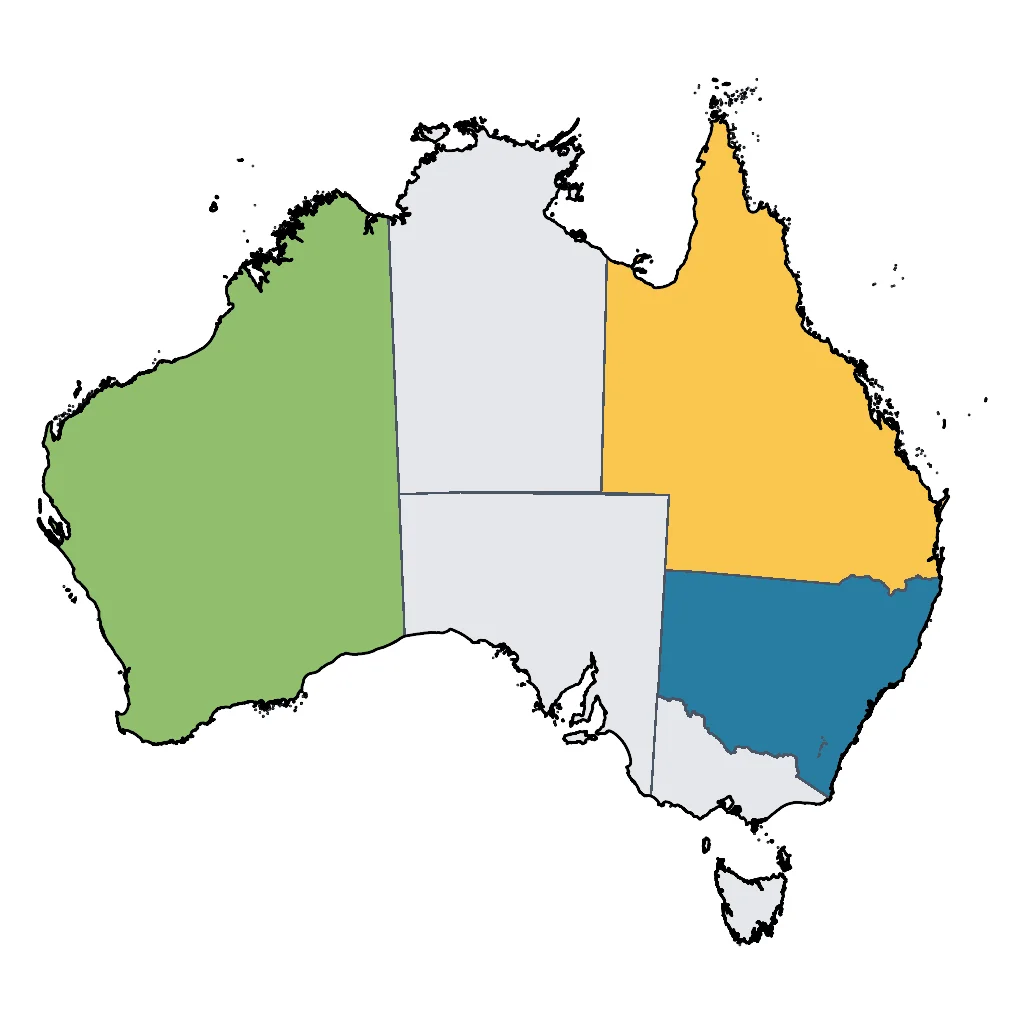
Home to iconic surf culture and world-class sailing, with peak summer months offering optimal water temperatures (>22°C) and vibrant coastal life. Shoulder months provide comfortable conditions for coastal walks, while winter months are too cool for swimming.
Home to the Great Barrier Reef and Whitsunday Islands, offering world-class diving and luxury island resorts. Peak months provide optimal water clarity and temperatures (25-29°C) before the peak summer wet season and stinger risk increase.
Home to the world-class Ningaloo Reef and pristine turquoise waters of Rottnest Island and Margaret River. Peak summer months provide the hot temperatures (30-32°C) and water visibility required for world-class snorkeling and diving, while winter months are too cool for a luxury beach experience.

City & Cultural
ExcellentUrban tourism, museums, historical sites, architecture
Melbourne is a global capital for dining, street art, and coffee culture with sophisticated laneways and world-class museums. Peak season aligns with major outdoor festivals and pleasant temperatures, while winter can feel gloomy and restrictive for urban exploration.
Sydney is a world-class cultural hub featuring the iconic Opera House and a sophisticated global culinary scene. Peak spring and autumn offer the mildest temperatures for urban exploration, while mid-winter sees shorter days and cooler temperatures.
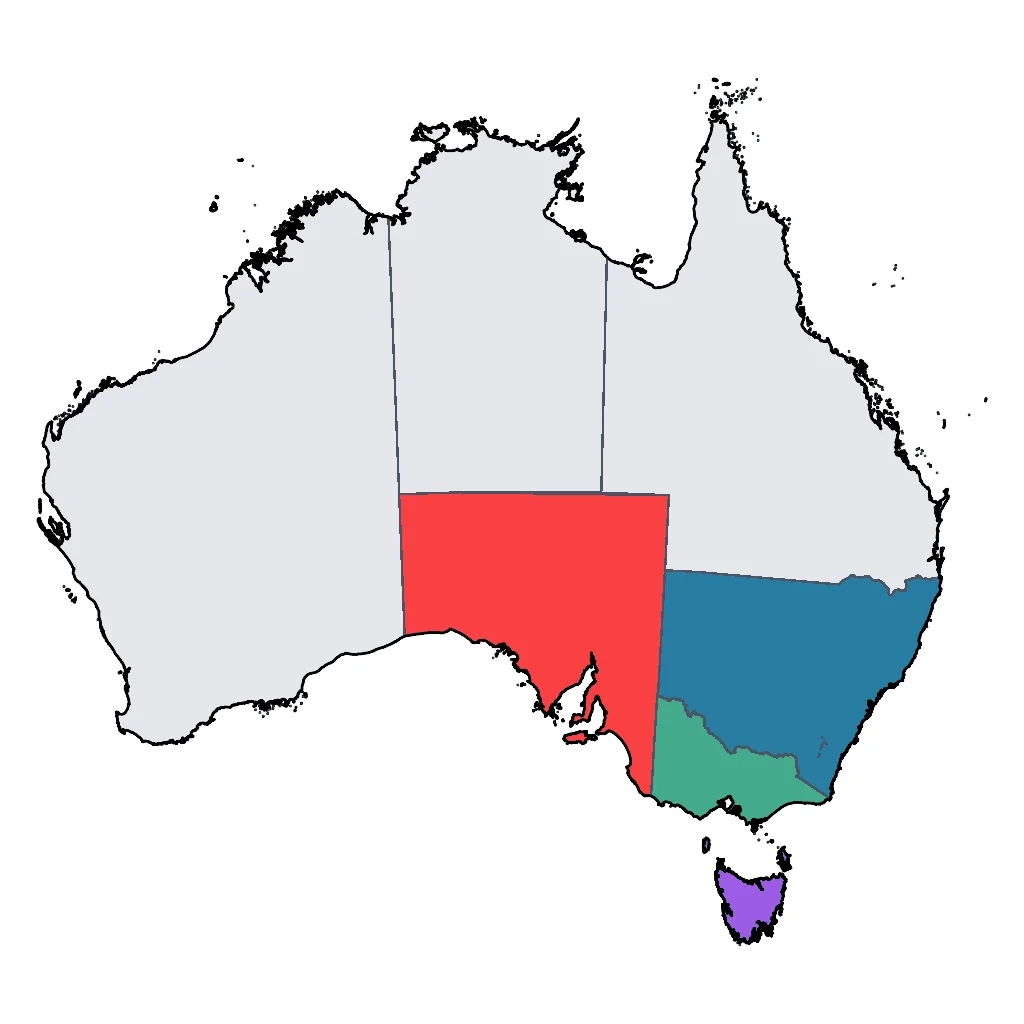
Home to the globally unique MONA (Museum of Old and New Art) and significant convict history at Port Arthur. Summer months provide a vibrant atmosphere for exploring Hobart's waterfront; winter months (May-Sep) are cold and damp, detracting from the experience of outdoor heritage sites.

Educational & Exploratory
ExcellentLearning experiences, scientific sites, historical education
Provides profound access to the world’s oldest continuous living culture through significant archaeological rock art and high-quality Indigenous-led programs. Peak season weather is ideal for long-form cultural immersion at sacred sites like Uluru and Kata Tjuta without the risk of heat exhaustion.
Unique educational sites include the UNESCO-listed Naracoorte Caves and the subterranean opal mining culture of Coober Pedy. Best visited during mild months to avoid the extreme outback summer heat which can make remote educational sites inaccessible and uncomfortable.
Features globally significant marine research stations and ancient Indigenous cultural sites. Optimal weather in the mid-year allows for comfortable participation in guided ecological tours and outdoor archaeological learning.

Road Trips & Scenic
ExcellentScenic drives, countryside tours, route-based travel
The Great Ocean Road is one of the world's most spectacular coastal drives, offering pristine infrastructure and breathtaking vistas. Peak months provide the clear skies and low rainfall necessary for optimal visibility, while winter often brings dangerous winds and obscuring sea mist.
Exceptional scenic driving routes like the East Coast Escape feature high-quality boutique lodges and world-class artisanal food and wine. Optimal visibility and safe road conditions occur during the drier summer months; winter presents hazardous driving with heavy rain and ice in the central highlands.
The vast scale of the Indian Ocean Drive and the South West Edge offers world-class scenic driving on well-maintained infrastructure. Peak conditions occur during the milder months when visibility is high and the heat is manageable; peak summer is avoided due to extreme heat and bushfire risks.

Sports & Active
ExcellentSport tourism, fitness activities, active recreation
Boasts 'Sandbelt' golf courses and elite cycling terrain in the Victorian Alps, ranked among the best in the world. Ideal outdoor activity conditions are found in the warmer, drier months, while winter rain and wind make high-performance sports less viable.
Boasts world-renowned surfing at Bondi and Byron Bay, elite-level golf courses, and premier sailing on Sydney Harbour. Summer months offer ideal water and wind conditions, while shoulder seasons remain excellent for land-based active pursuits.
A global hub for sailing, surfing, and scuba diving with elite infrastructure. Late winter and spring offer the most consistent trade winds and high underwater visibility paired with comfortable air temperatures.

Festivals & Seasonal
Very GoodEvents, celebrations, seasonal attractions
Hosts globally significant events including the Australian Open, Formula 1 Grand Prix, and the Spring Racing Carnival. These peak months offer an electric atmosphere and world-class hospitality, whereas mid-winter has a significantly quieter international event calendar.
Host to renowned events like the Sydney to Hobart Yacht Race and the avant-garde Dark MOFO festival (June). While summer is peak for outdoor celebrations, June is a notable shoulder month due to major cultural events, though the cold climate remains a barrier for some families.
Zero editorial attractions in the database. While Adelaide Fringe is genuinely the world's second-largest fringe festival, the evidence-based requirement of this system means an 'excellent' rating cannot be sustained without supporting attraction data. The factual claim is sound but the system requires evidence backing.

Relaxation & Wellness
Very GoodSpa retreats, wellness centers, peaceful getaways
The Mornington Peninsula and Daylesford offer world-class thermal springs and luxury spa retreats. The experience is most authentic and enjoyable during the cooler months when the thermal waters provide a sharp contrast to the crisp air; summer heat makes soaking uncomfortable.
Sophisticated eco-luxury retreats emphasize deep connection to pristine, quiet natural surroundings. Peak summer periods align with mild weather ideal for outdoor tranquility; the damp, cold climate of winter limits the use of outdoor-oriented wellness and yoga facilities.
World-class vineyard retreats in the Barossa and McLaren Vale offer high-end spa and gastronomic experiences. The transition seasons provide stunning autumn foliage or spring blooms with ideal outdoor relaxation weather; winter can feel damp and chilly for estate-based wellness.

Ski & Snow
GoodWinter sports, ski resorts, snow activities
High-quality alpine resorts like Mt Hotham and Falls Creek offer authentic southern hemisphere skiing with modern infrastructure. The season is strictly limited to winter, with peak snow depth in July and August; summer months are entirely unsuitable with no snow coverage.
The Snowy Mountains offer the premier alpine experience in Australia with world-class facilities at Thredbo and Perisher. Reliable snow cover is restricted to the winter months, with conditions becoming slushy or non-existent in the off-season.
Tasmania offers skiing at modest resorts like Ben Lomond, which has basic lift infrastructure and caters primarily to beginner and intermediate skiers, making it marginal against world-class standards. The ski season generally runs from mid-June to late September, with July and August typically offering the most consistent, albeit variable, snow conditions.

Theme Park & Entertainment
GoodAmusement parks, family entertainment venues
Features Monarto Safari Park, the largest open-range zoo outside Africa, providing an internationally recognized wildlife experience for children. While lacking traditional amusement parks, the high-quality conservation facilities offer authentic engagement for discerning families in mild weather.
Taronga Zoo and Scenic World offer world-class family entertainment with unparalleled natural backdrops. The temperate transitional seasons are best for outdoor venues to avoid both the intense summer sun and the chilly, damp winter conditions.
The Gold Coast is the regional capital for amusement parks with international recognition. While excellent for families, they are best visited in the cooler months to avoid extreme summer heat and long outdoor wait times.

Airports & Flight Routes
Toggle options to view domestic routes and international airports. Click an airport for details.
Climate & Weather
Adelaide & South Australia
Show Details
| Month | Temp °C | Rain | Humidity |
|---|
Melbourne & Victoria
Show Details
| Month | Temp °C | Rain | Humidity |
|---|
Northern Territory (Top End & Red Centre)
Show Details
| Month | Temp °C | Rain | Humidity |
|---|
Perth & Western Australia
Show Details
| Month | Temp °C | Rain | Humidity |
|---|
Queensland (Brisbane, Gold Coast, Great Barrier Reef & Tropical QLD)
Show Details
| Month | Temp °C | Rain | Humidity |
|---|
Sydney & New South Wales
Show Details
| Month | Temp °C | Rain | Humidity |
|---|

Travel Advisory
The country is generally stable and safe. Standard safety awareness for typical travel applies.
Safety Topics
Traveller Advice (3 groups)

Remote outback travel requires significant preparation, including carrying ample water, extra fuel, and reliable emergency communication tools like satellite phones or beacons.

The social and legal environment is broadly inclusive and protective of LGBTQ+ rights, with no specific safety concerns reported.

Ensure children are up-to-date on measles vaccinations. Travelers may be asked to provide consent letters when traveling with minors as a solo parent.