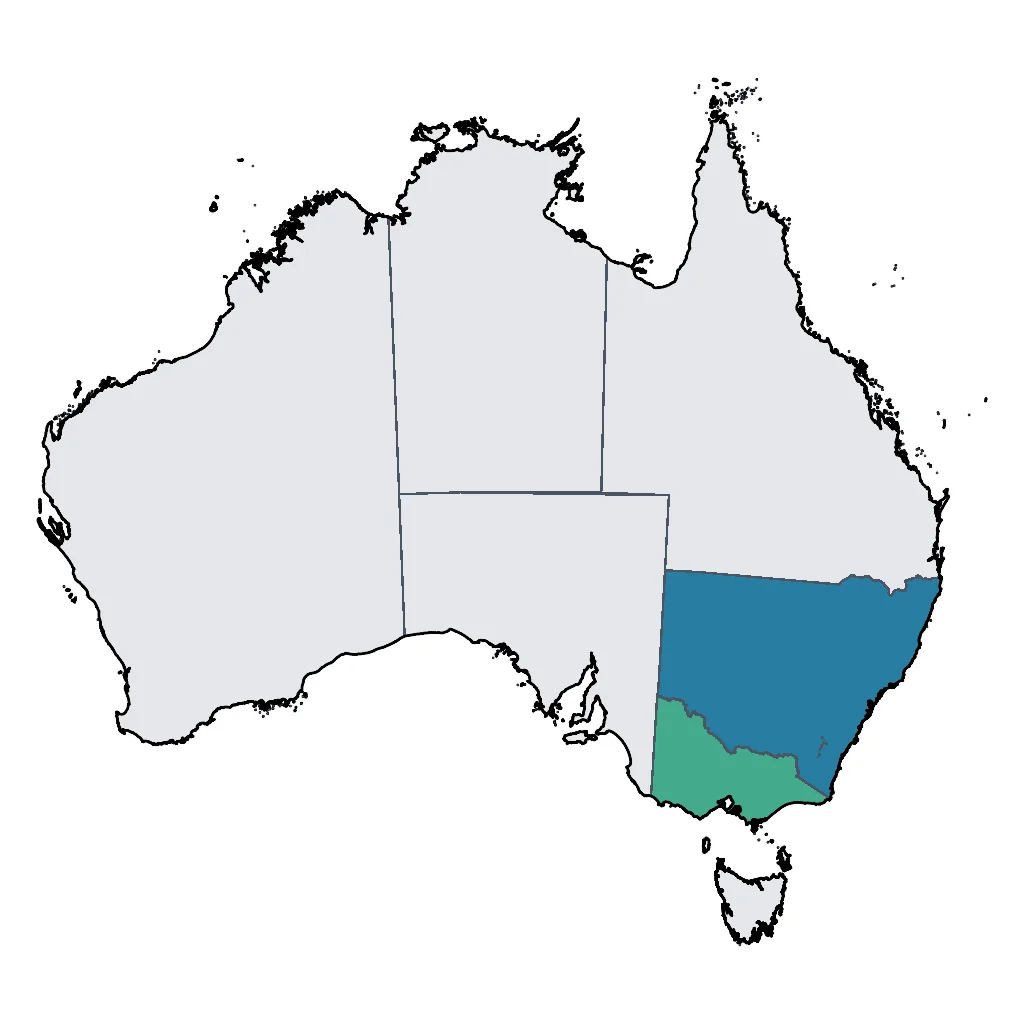
Tasmania feels distinct from the mainland, with a cooler climate, greener landscape, and a sense of remoteness that preserves its wilderness. Geographically, it is an island of rugged mountains, ancient temperate rainforests, and pristine coastlines. The weather is more variable and generally cooler than the rest of Australia, so warm jackets are necessary even in summer, especially if visiting mountain areas.
Hobart, the capital, is nestled under Mount Wellington (kunanyi). Families can drive to the summit for panoramic views or explore the famous Salamanca Market on Saturdays for local crafts and food. The Museum of Old and New Art (MONA) is famous for being eccentric; while some content is adult-oriented, it offers a distinct aesthetic that many older children find fascinating (check content warnings). A short drive away is the Bonorong Wildlife Sanctuary, where families can hand-feed kangaroos and see Tasmanian Devils active during the day.
History is a major theme at Port Arthur Historic Site. While it was a convict prison, the site is managed with families in mind, offering "Point to Puer" boys' prison tours and spacious grounds for children to run. The harbor cruise included in the entry ticket is a relaxing way to see the site from the water. On the east coast, Freycinet National Park offers the walk to the Wineglass Bay lookout. It's a steep climb but manageable for active kids, rewarding them with views of the perfectly curved white beach.
In the north, Cradle Mountain is the jewel of Tasmania's wilderness. The shuttle bus system makes getting to Dove Lake easy, and the walk around the lake is on a boardwalk, suitable for most families. Wombats are frequently seen grazing near the Ronny Creek car park at dusk. Near Sheffield, Tasmazia & The Village of Lower Crackpot is a quirky attraction featuring eight mazes and a model village that provides hours of low-tech fun. Tasmania's roads are scenic and winding, so travel times can be longer than they look on a map, but the scenery ensures the drive is part of the adventure.
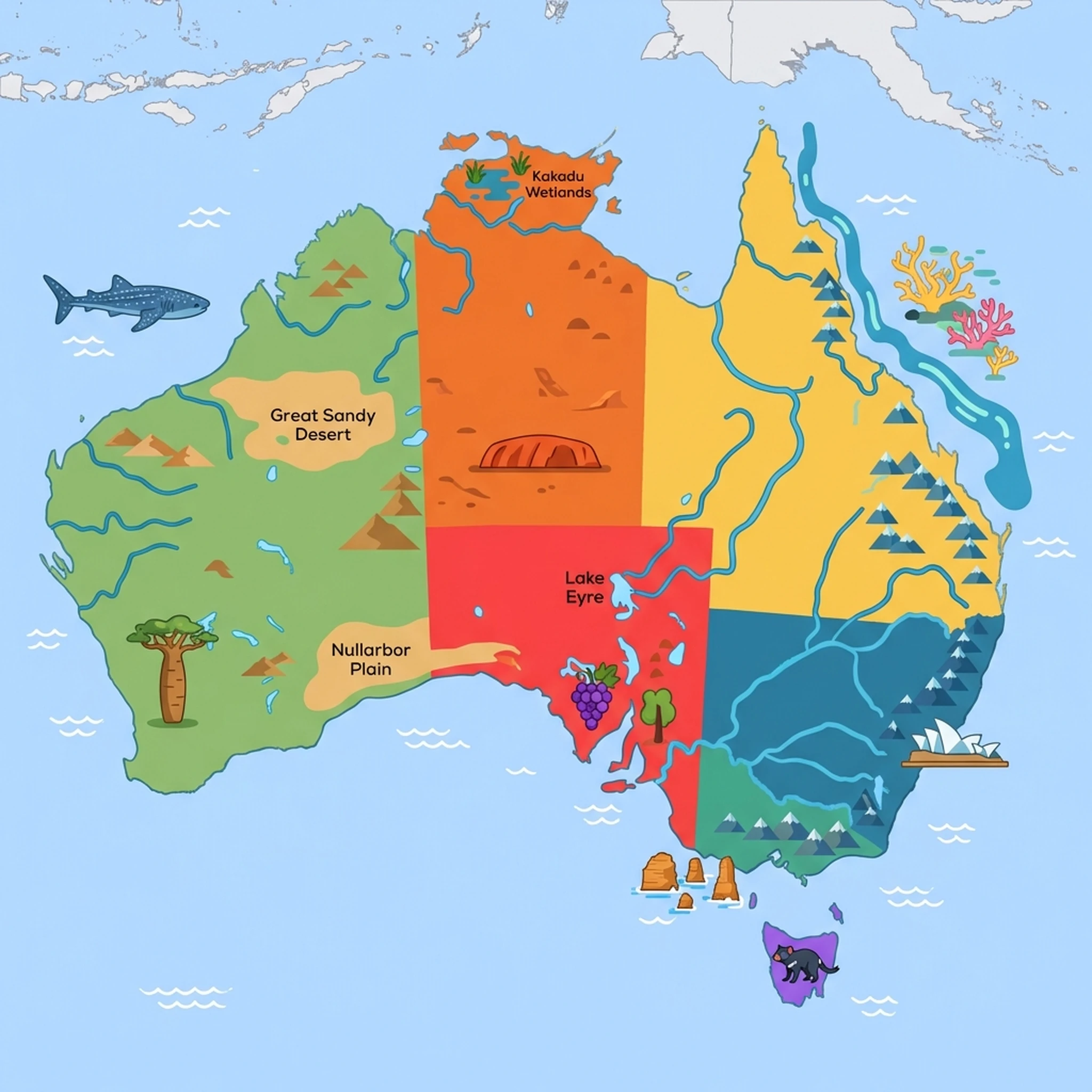
Click a region to explore

Activities & Best Times

Hiking, wildlife, outdoor exploration, ecotourism
Tasmania offers a world-class wilderness experience with the UNESCO-listed Tasmanian Wilderness World Heritage Area and the iconic Cradle Mountain. Peak summer months provide stable conditions and high visibility for multi-day treks; winter is too wet and cold for high-altitude exploration.

Scenic drives, countryside tours, route-based travel
Exceptional scenic driving routes like the East Coast Escape feature high-quality boutique lodges and world-class artisanal food and wine. Optimal visibility and safe road conditions occur during the drier summer months; winter presents hazardous driving with heavy rain and ice in the central highlands.

Urban tourism, museums, historical sites, architecture
Home to the globally unique MONA (Museum of Old and New Art) and significant convict history at Port Arthur. Summer months provide a vibrant atmosphere for exploring Hobart's waterfront; winter months (May-Sep) are cold and damp, detracting from the experience of outdoor heritage sites.

Events, celebrations, seasonal attractions
Host to renowned events like the Sydney to Hobart Yacht Race and the avant-garde Dark MOFO festival (June). While summer is peak for outdoor celebrations, June is a notable shoulder month due to major cultural events, though the cold climate remains a barrier for some families.

Spa retreats, wellness centers, peaceful getaways
Sophisticated eco-luxury retreats emphasize deep connection to pristine, quiet natural surroundings. Peak summer periods align with mild weather ideal for outdoor tranquility; the damp, cold climate of winter limits the use of outdoor-oriented wellness and yoga facilities.

Sport tourism, fitness activities, active recreation
Features internationally ranked golf courses (Barnbougle) and premier mountain biking trails in Derby. Optimal performance conditions occur in summer/early autumn; winter months (Jun-Aug) are excessively wet and cold for high-end outdoor sports.

Learning experiences, scientific sites, historical education
Rich convict history and Antarctic scientific heritage are showcased through high-quality museums and research facilities. Summer months allow for full access to guided tours and comfortable outdoor site exploration; winter weather frequently disrupts access to archaeological areas.
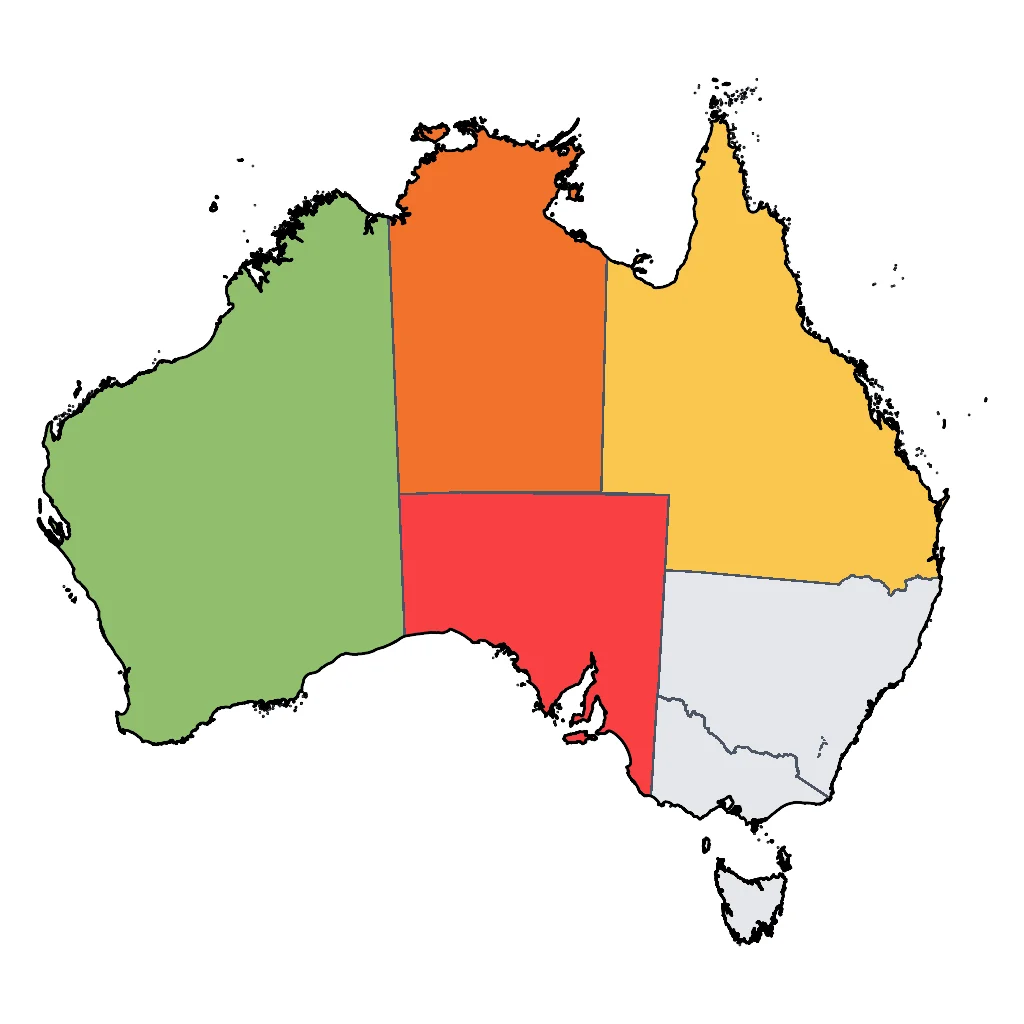
Beach resorts, marine activities: diving, snorkelling, kite surfing, wind surfing, sailing
While Wineglass Bay is globally famous for its pristine natural beauty, air and water temperatures rarely meet international standards for swimming or sunbathing. Jan-Feb offers the best opportunity for coastal scenery and wading, but the region is unsuitable as a primary beach destination for families seeking warmth and water sports.
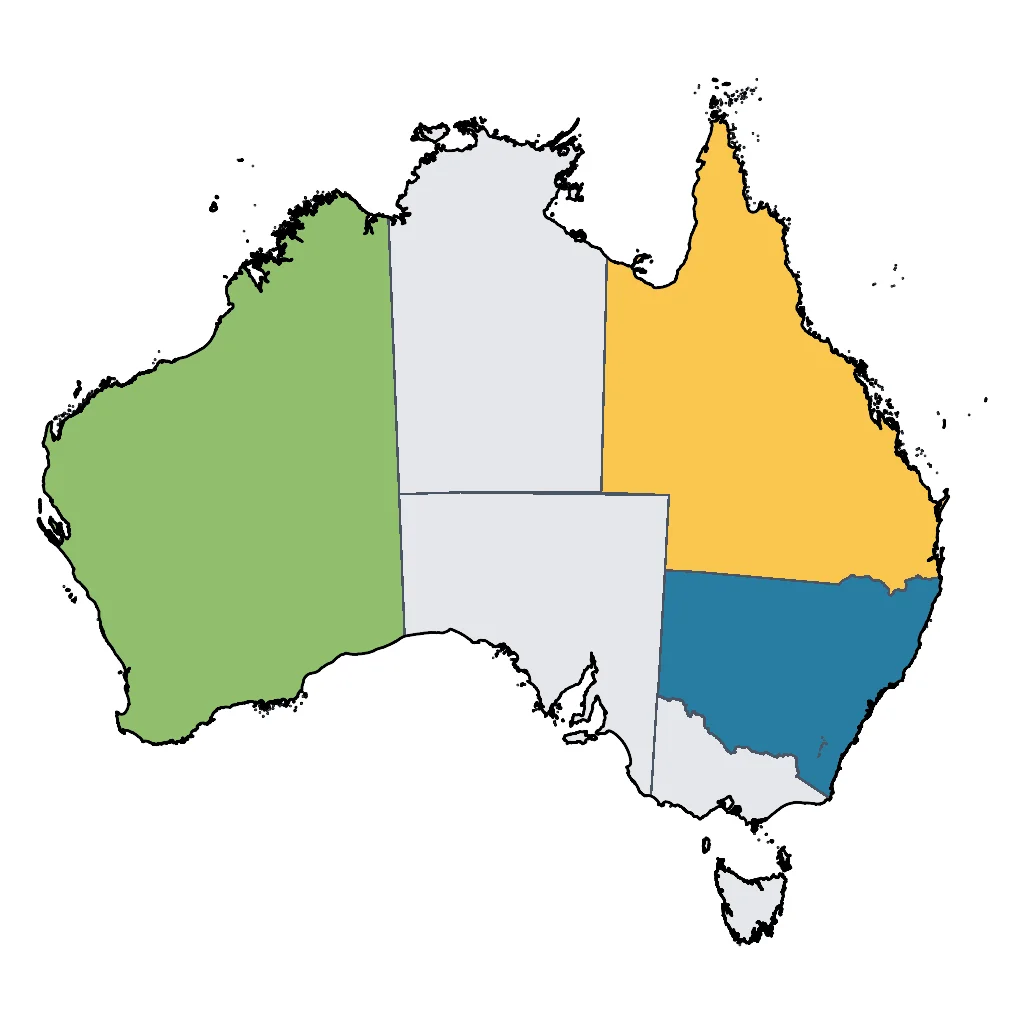

Winter sports, ski resorts, snow activities
Tasmania offers skiing at modest resorts like Ben Lomond, which has basic lift infrastructure and caters primarily to beginner and intermediate skiers, making it marginal against world-class standards. The ski season generally runs from mid-June to late September, with July and August typically offering the most consistent, albeit variable, snow conditions.