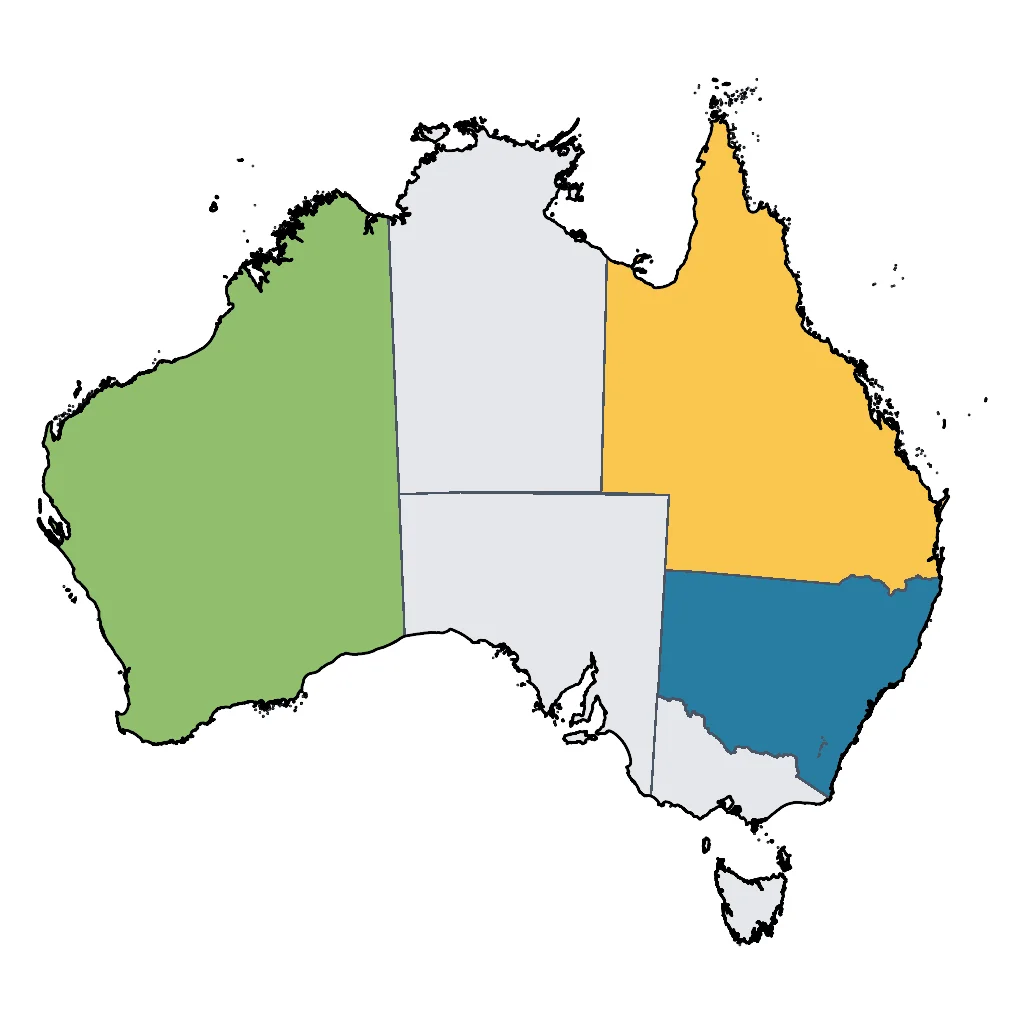
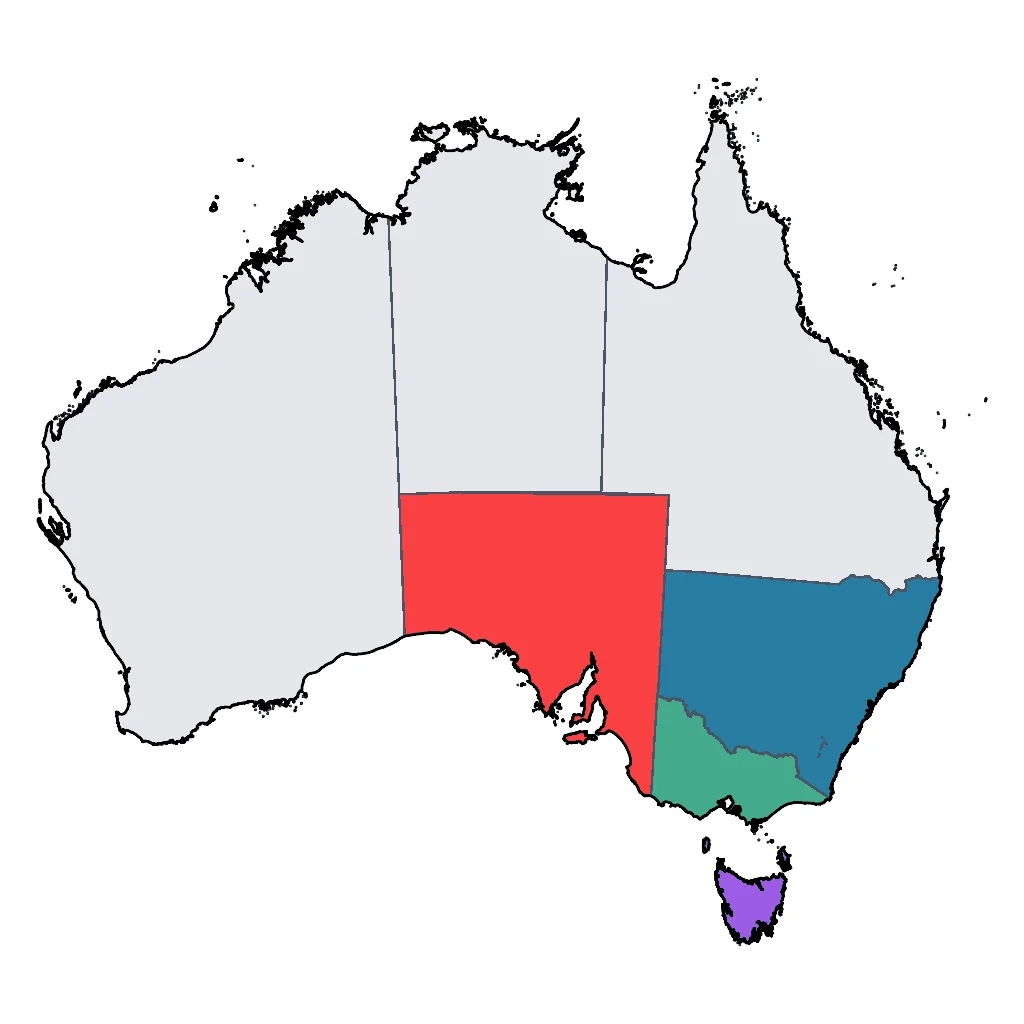
Northern Territory (Top End & Red Centre)
Real outback adventure and ancient culture 🐊🏜️
The Northern Territory requires careful planning regarding safety. The climate is extreme; the Top End has a wet season (monsoon) and a dry season, while the Red Centre can be scorching by day and freezing by night. Swimming requires strict adherence to signs due to the presence of saltwater crocodiles in many waterways. Only swim in designated safe areas.
The territory offers two distinct family adventures: the tropical north and the desert centre. In the Red Centre, the landscape is defined by the rusty red earth and blue skies. Uluru is the spiritual heart of the country. Families can cycle around the base of the rock (easier for kids than walking) or join a ranger-guided walk to learn about Aboriginal culture and bush tucker. Nearby, Alice Springs serves as a base to explore the West MacDonnell Ranges, where gaps in the mountains create spectacular swimming holes and gorges. Kings Canyon offers a rim walk for energetic older kids, while the creek walk at the bottom provides a shadier, easier alternative.
In the Top End, Darwin is a relaxed tropical capital. Crocosaurus Cove allows children to see huge crocodiles safely through glass, and the free water park at Palmerston is a great way to cool off. A few hours south, Kakadu National Park is vast and wild. Boat cruises on the Yellow Water Billabong offer chances to spot buffalo, eagles, and crocodiles in their natural habitat. For swimming, Litchfield National Park is often preferred by families; its cascading waterfalls and rock pools (like Buley Rockhole) are generally surveyed for safety during the dry season and are very accessible.
Indigenous culture is front and centre here. Families can learn to throw a spear, paint using traditional dot techniques, or listen to Dreamtime stories that explain the landscape's creation. Travel here often involves long distances, so road trips need to be well-stocked with supplies. However, the unique experiences—like sleeping in a swag under the Milky Way or watching a lightning storm over the wetlands—create memories that define the Australian outback experience for children.
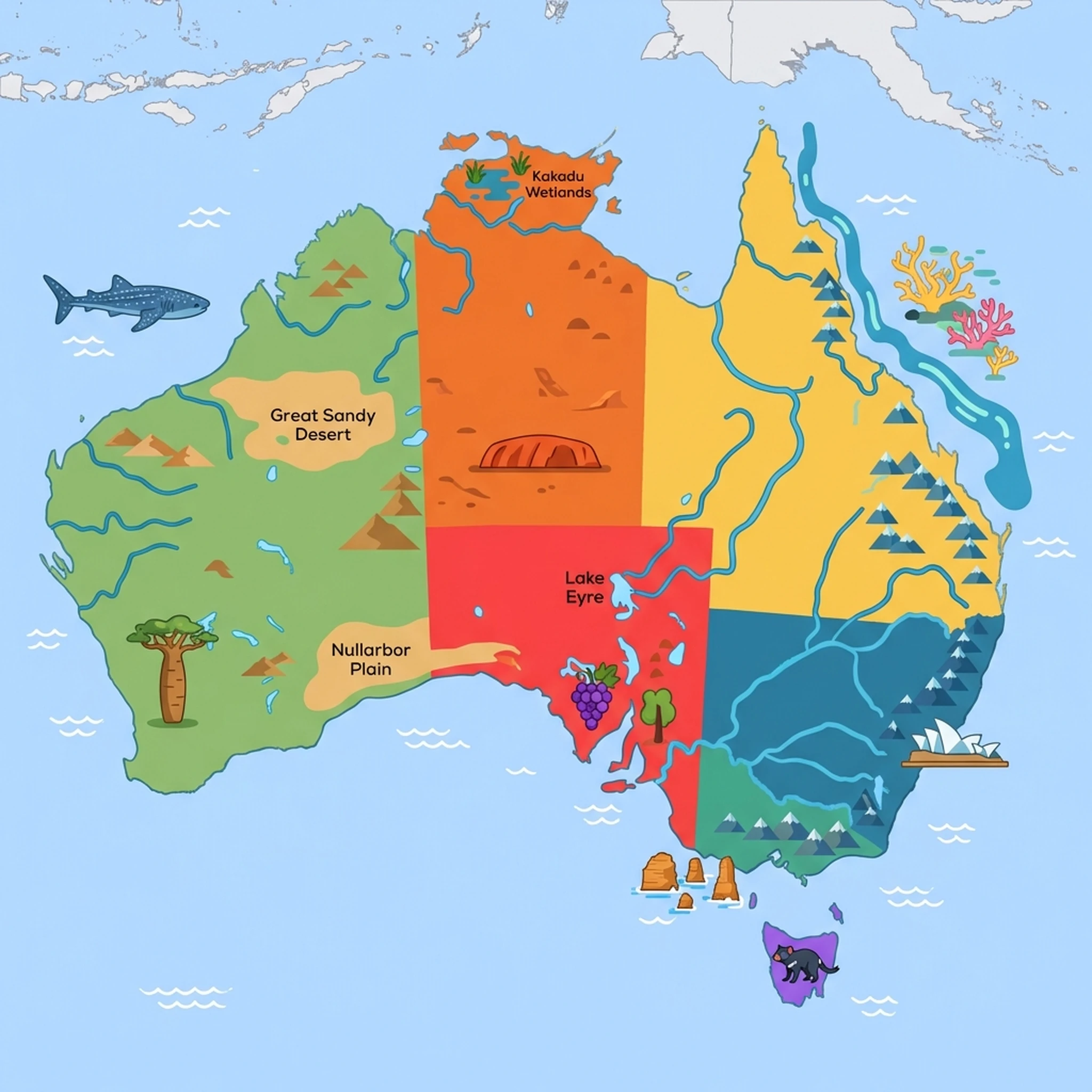
Click a region to explore

Activities & Best Times

Hiking, wildlife, outdoor exploration, ecotourism
Home to dual UNESCO World Heritage sites Uluru and Kakadu, offering unparalleled desert and tropical wetland exploration. Peak months (May-Aug) provide dry, clear conditions for trekking and wildlife viewing, while the wet season (Oct-Mar) features extreme heat and road closures due to flooding.

Learning experiences, scientific sites, historical education
Provides profound access to the world’s oldest continuous living culture through significant archaeological rock art and high-quality Indigenous-led programs. Peak season weather is ideal for long-form cultural immersion at sacred sites like Uluru and Kata Tjuta without the risk of heat exhaustion.

Events, celebrations, seasonal attractions
Host to authentic, globally significant Indigenous arts festivals such as Parrtjima and the Darwin Festival. These events are concentrated in the dry season (peak months) to take advantage of the perfect outdoor evening temperatures and clear skies.

Spa retreats, wellness centers, peaceful getaways
Features world-class eco-luxury lodges and exclusive desert retreats focusing on spiritual connection and natural serenity. Peak season (May-Aug) offers the low humidity and mild evenings required for authentic outdoor spa and wellness experiences in a wilderness setting.

Scenic drives, countryside tours, route-based travel
Iconic outback routes like the Red Centre Way offer spectacular, remote desert scenery on high-quality, well-maintained roads. Peak months provide optimal visibility and safety, whereas the off-season involves dangerous temperatures in the desert and tropical storms that can isolate northern regions.

Sport tourism, fitness activities, active recreation
Offers world-class hiking on the Larapinta Trail and exceptional sport fishing for Barramundi in the Top End. Peak winter months (Jun-Aug) provide the safest temperatures for physical exertion, while the off-season is restricted by extreme heat (>35°C) and seasonal monsoon activity.

Urban tourism, museums, historical sites, architecture
Darwin and Alice Springs offer world-class Indigenous art galleries and museums that reflect the region's deep historical significance. While cities are smaller than global hubs, the cultural authenticity is high, though extreme humidity from October to March makes urban exploration uncomfortable.
Beach resorts, marine activities: diving, snorkelling, kite surfing, wind surfing, sailing
While the coastline is visually stunning, ocean swimming is limited by crocodiles and stingers, though world-class rock pools and waterfalls in Litchfield NP compensate. These inland swimming sites are only safe and clear during the Dry Season, as monsoonal runoff makes them dangerous and inaccessible in the Wet Season.