

Bosnia and Herzegovina is a heart-shaped country in the Balkans that offers families an adventurous alternative to the crowded tourist trails of Western Europe. Here, East meets West in a landscape of dramatic mountain peaks, turquoise rivers, and Ottoman-era architecture. The country is incredibly welcoming to children, and the affordable cost of travel makes it an excellent choice for families seeking a longer European holiday.
Start your journey in the capital, Sarajevo. Families can wander through the Baščaršija, the old Ottoman bazaar, where the sound of coppersmiths tapping their hammers fills the air. Children will enjoy feeding the pigeons at the Sebilj fountain or taking a horse-drawn carriage ride to the Vrelo Bosne park to see swans and natural springs. For a mix of history and thrill, take the modern cable car up Mount Trebević. At the top, you can walk along the graffiti-covered concrete track from the 1984 Winter Olympics and ride the alpine coaster at Sunnyland, which offers panoramic views of the city.
Heading south into the sunnier Herzegovina region, the city of Mostar is a highlight. The 16th-century Stari Most (Old Bridge) is the center of action; families can watch members of the local diving club perform spectacular leaps into the chilly Neretva River. Nearby, the Kravica Waterfalls create a natural amphitheater where you can swim in cool, clear pools-a perfect way to beat the summer heat. For a quieter experience, visit the town of Jajce in central Bosnia, famous for having a waterfall right in the town center and for the nearby mlinčići, a cluster of miniature wooden watermills on the Pliva Lakes that look like they belong in a fairytale.
The local cuisine is simple and kid-friendly. Ćevapi (small grilled minced meat sausages) served in warm flatbread are a staple that most children love, while savory pastries known as pita or burek make for perfect on-the-go snacks.
Practical Considerations: Renting a car is the best way to explore, but be prepared for winding mountain roads. While the country is safe for tourists, the legacy of the 1990s war means landmines remain in some remote, unpopulated areas. Families should always stick to paved roads, marked hiking trails, and established tourist sites, and never explore abandoned buildings or overgrown fields. Smoking is still common in many indoor cafes, so look for non-smoking sections or outdoor seating in summer.

Explore Regions
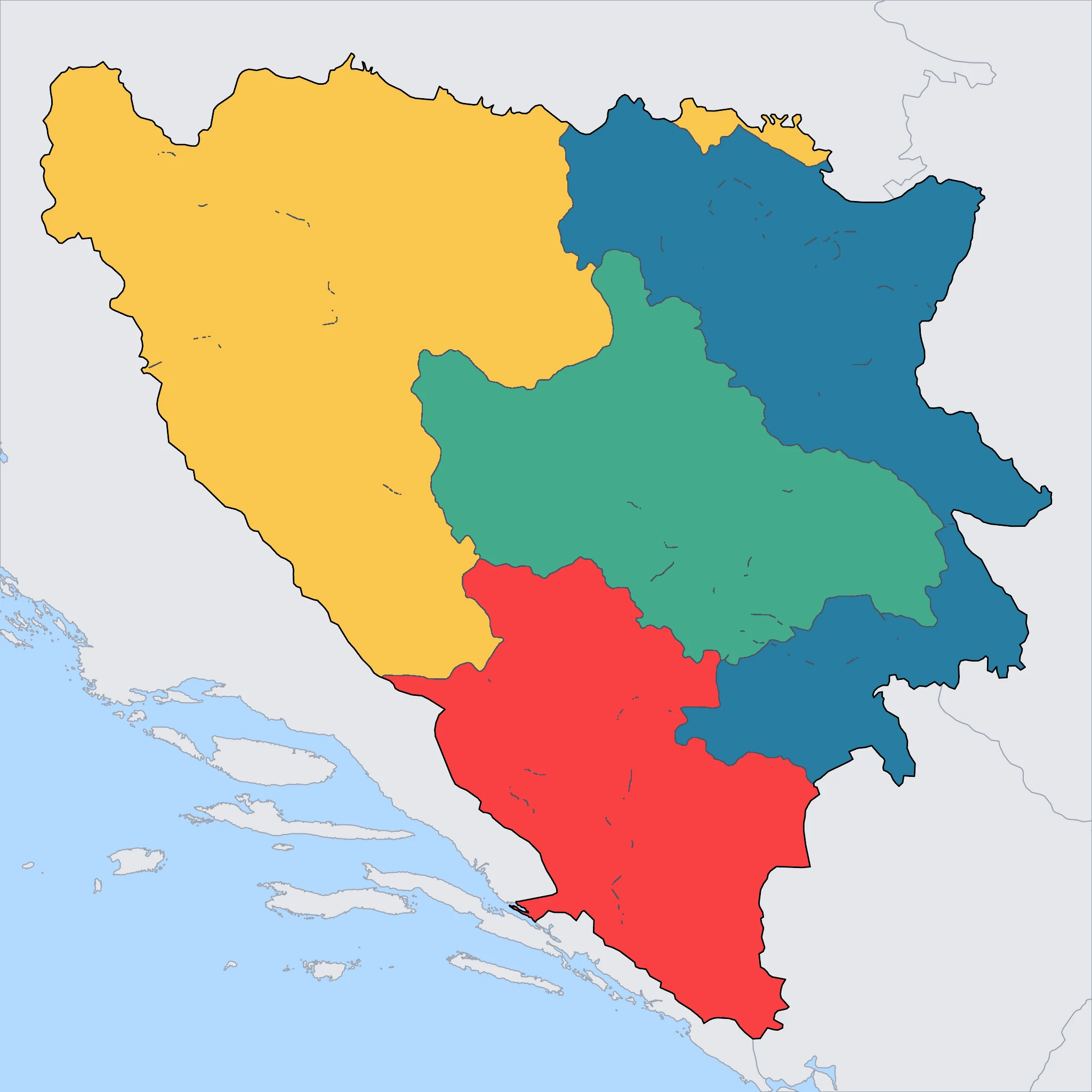
4 Regions
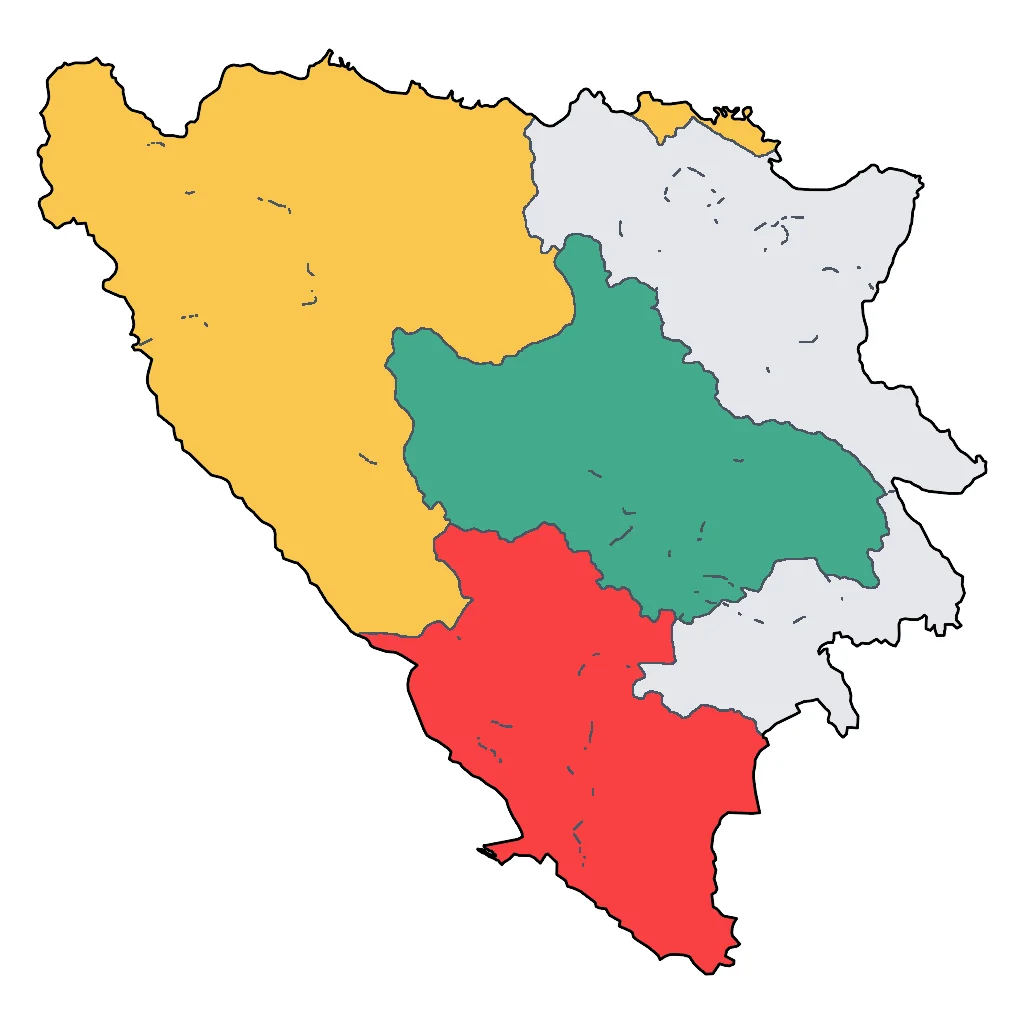
Eastern and Southeastern Bosnia
Wild river canyons and historic stone bridges 🛶
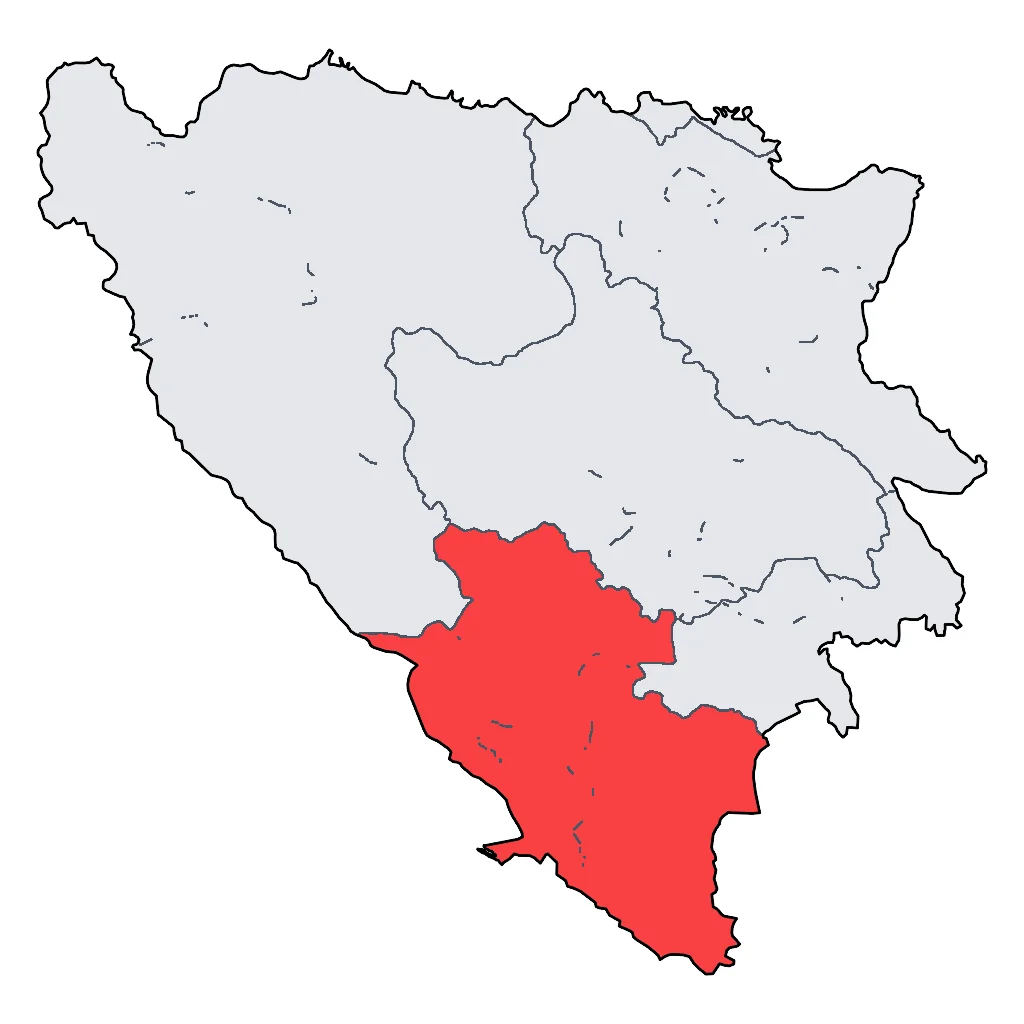
Herzegovina
Limestone peaks, waterfalls, and Mediterranean sun ☀️
Northwestern Bosnia (Bosanska Krajina)
Emerald rivers and legendary fortresses 🏰
Sarajevo and Central Bosnia
Where Olympic mountains meet cultural heritage 🚠
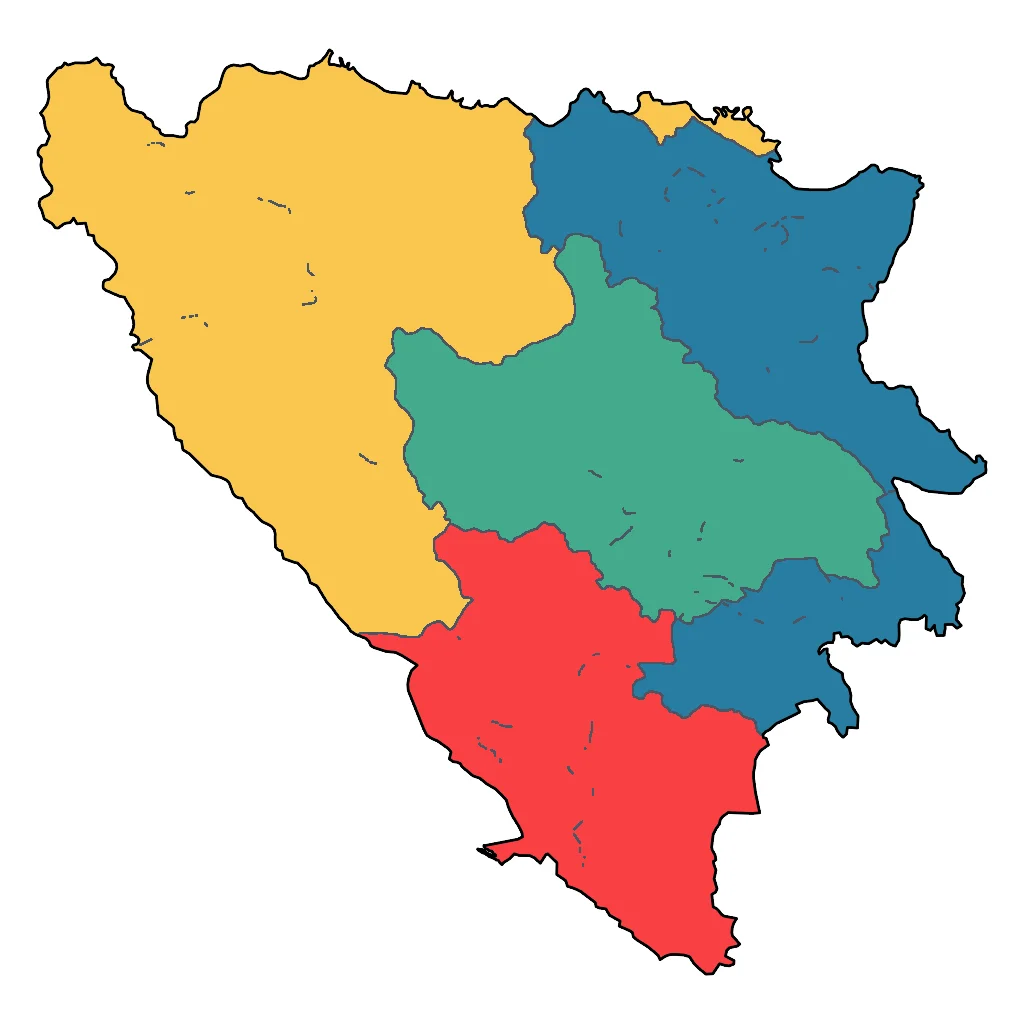
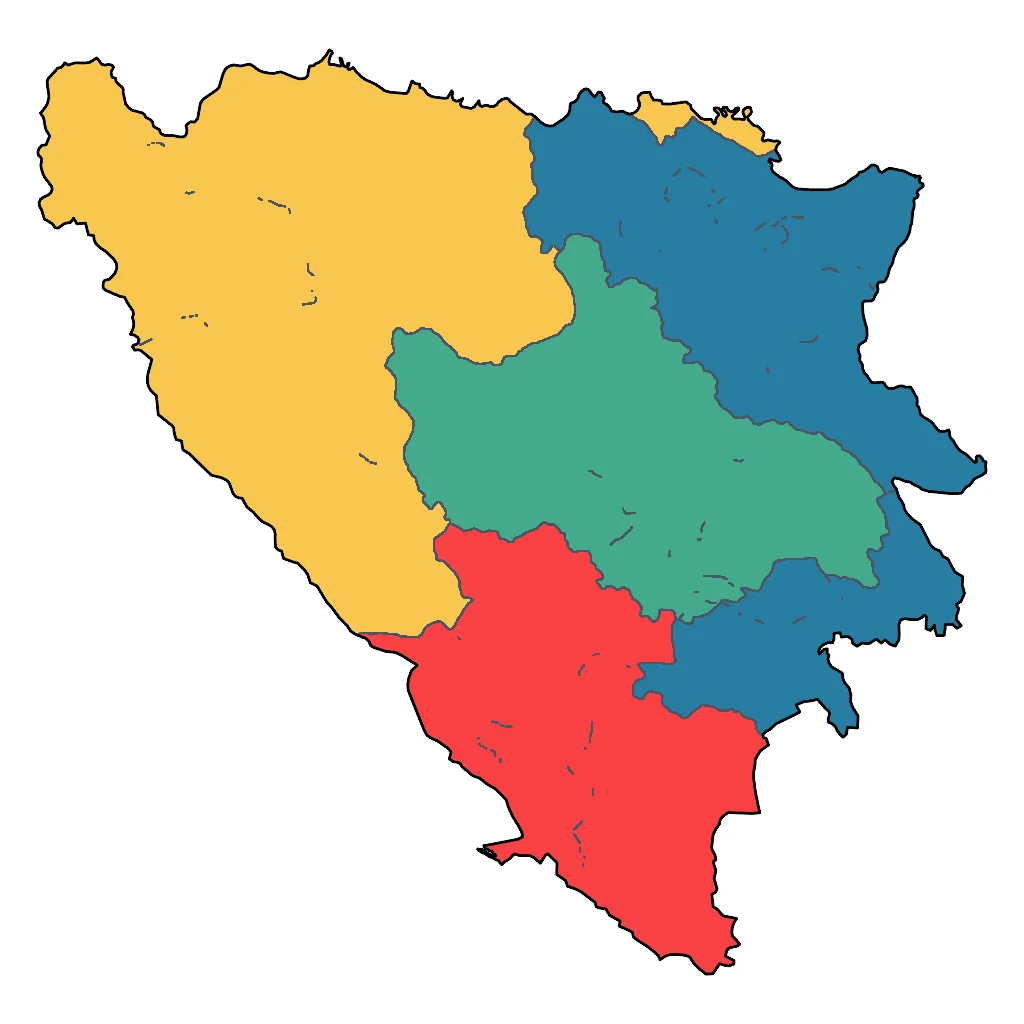
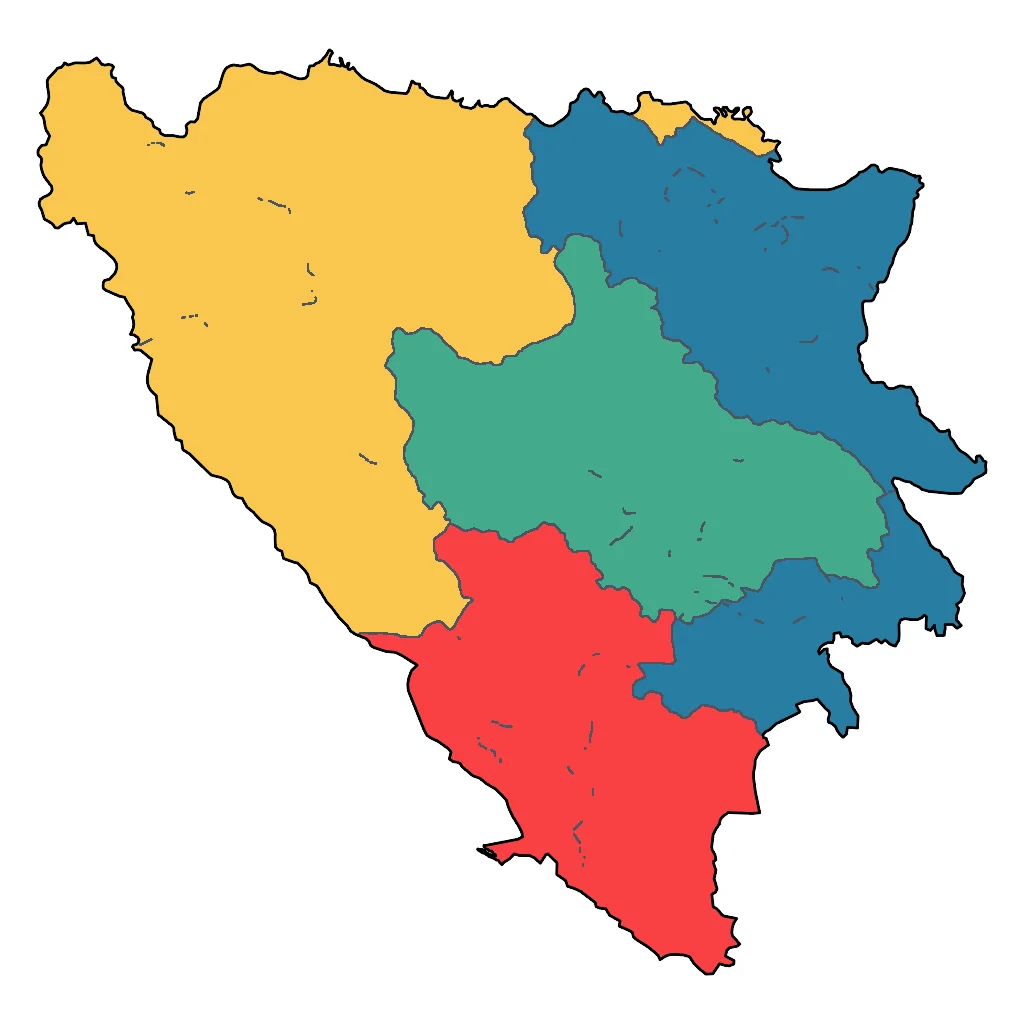
Click on a region marker to explore details. Use the dropdown to color regions by activity suitability.

Activities & Best Times

City & Cultural
ExcellentUrban tourism, museums, historical sites, architecture
Mostar’s UNESCO-listed Stari Most and the Ottoman-era architecture of Počitelj offer a world-class cultural fusion that is both authentic and visually stunning. Peak summer provides the dry, sunny weather necessary for exploring stone-paved old towns, while the high winter rainfall (exceeding 200mm) significantly diminishes the experience.
Sarajevo is a globally unique 'Jerusalem of Europe' where Ottoman and Austro-Hungarian heritages blend seamlessly in an authentic, living urban environment. Peak months (May-Sep) offer the ideal climate for exploring historic bazaars and the vibrant café culture, while winter months are often plagued by heavy fog and sub-zero temperatures.
Features the UNESCO-listed Mehmed Paša Sokolović Bridge in Višegrad and the historical depth of the Andrićgrad project. Peak months allow for pleasant exploration of outdoor monuments and riverside cafes; winter months are cold and damp, detracting from the architectural experience.

Adventure & Nature
Very GoodHiking, wildlife, outdoor exploration, ecotourism
Home to the turquoise Neretva River and the rugged Prenj mountains, Herzegovina offers elite white-water rafting and karst hiking. Mid-summer months are peak due to minimal rainfall and optimal river conditions, whereas heavy precipitation from October to April makes mountain trails and river activities hazardous.
Home to the Perućica primeval forest and Sutjeska National Park, offering rare biodiversity and authentic wilderness. Peak summer provides optimal conditions for high-altitude hiking on Maglić; shoulder months feature stunning autumn foliage or spring blooms but higher rainfall.
Home to the spectacular Una National Park, the region offers world-class river wilderness and unique travertine waterfalls like Štrbački buk. July and August provide peak conditions for family exploration; spring and autumn are lush but significantly wetter; winters are too cold and damp for wilderness activities.

Educational & Exploratory
Very GoodLearning experiences, scientific sites, historical education
The region provides profound educational insights into 20th-century history, from the assassination that sparked WWI to the 1990s Siege of Sarajevo. Optimal conditions for visiting museums and the Sarajevo Tunnel occur during the warmer months (May-Sep) when site accessibility and daylight hours are maximized.
The region serves as an open-air museum of Ottoman and Austro-Hungarian history, complemented by the spiritual significance of Medjugorje. Peak and shoulder months provide comfortable conditions for visiting outdoor archaeological sites, which become less accessible during the very wet winter months.
Significant historical sites including WWII memorials and Ottoman architecture provide a deep narrative for exploratory families. The optimal climate from May to September ensures all site facilities and guided tours are operational, while winter limits access to remote historical markers.

Festivals & Seasonal
Very GoodEvents, celebrations, seasonal attractions
The Sarajevo Film Festival in August is a premier international event that attracts global talent and sophisticated travelers. July and August offer peak festival energy, while the Sarajevo Winter festival (Feb) and holiday markets (Dec) provide good cultural experiences despite colder weather.
Authentic cultural events like the historic Mostar bridge diving competition and wine harvest festivals in Trebinje draw sophisticated crowds. These key international events are clustered in the dry summer and early autumn, with very few significant cultural gatherings occurring during the wet winter period.
The international Una Regatta in July is a world-class white-water event that showcases local hospitality and river culture. While the summer hosts various smaller cultural gatherings, the region lacks significant internationally-scaled events during the colder, wetter months of the year.

Road Trips & Scenic
Very GoodScenic drives, countryside tours, route-based travel
The scenic drive through the Neretva Canyon and across the sun-bleached landscapes to Trebinje is one of Europe's most beautiful and authentic routes. Peak months offer maximum visibility and dry roads; the shoulder seasons are pleasant, but the intense winter rains create poor driving conditions and obscure the views.
Spectacular drives through the Drina River canyon and over high mountain passes with dramatic vistas. Summer months ensure clear visibility and dry roads; winter and early spring are unsuitable due to heavy snow and ice on narrow mountain routes like Čemerno.
The drive along the M14 route through the Una River canyon is one of Europe's most underrated scenic journeys, passing medieval ruins and emerald waters. Peak summer offers the best visibility and dry roads; shoulder months provide stunning foliage but higher rain; winter driving is hazardous due to ice, snow, and heavy precipitation.

Ski & Snow
Very GoodWinter sports, ski resorts, snow activities
Host to the 1984 Winter Olympics, the region offers high-altitude peaks like Bjelašnica with challenging terrain and a unique cultural atmosphere. Peak snow conditions occur in Jan-Feb; shoulder months (Dec and Mar) provide decent skiing but can suffer from variable snow depth and warmer temperatures.
Blidinje Nature Park offers potential for winter sports, but the region is not highlighted for world-class ski infrastructure for discerning international travelers. Peak months for snow are likely Jan-Feb; Dec and Mar may offer shoulder season skiing with variable conditions; other months are unsuitable due to lack of snow.

Sports & Active
Very GoodSport tourism, fitness activities, active recreation
Features the historic Ćiro cycle trail and world-class fly-fishing on the Buna River, attracting active travelers seeking authentic terrain. Summer is peak for cycling and water sports with its dry climate, while the region’s extreme winter humidity and rainfall make outdoor sports impractical.
World-class whitewater rafting in the Tara River canyon and challenging mountain terrain for trekking. June is peak for high-water rafting adrenaline, while July and August offer warmer temperatures for multi-sport families; winter conditions render the mountains and rivers inaccessible.
The region is a premier destination for rafting and kayaking, with the Una River providing varied difficulty levels suitable for active families. July and August offer optimal water temperatures and safety; shoulder months have higher water levels for thrill-seekers; winter is unsuitable due to freezing conditions and high rainfall.

Beach & Sea
GoodBeach resorts, marine activities: diving, snorkelling, kite surfing, wind surfing, sailing

Relaxation & Wellness
GoodSpa retreats, wellness centers, peaceful getaways
Discerning travelers can enjoy high-quality wine tourism in the Vranac vineyards and spiritual peace in quiet stone retreats. The dry, Mediterranean heat of July and August is optimal for terrace relaxation and vineyard stays, while the excessive winter rain lacks the necessary sunshine for a wellness-focused trip.
Discerning families can find tranquility in high-quality riverside eco-lodges and the Gata thermal spa complex. Peak summer offers the best conditions for outdoor meditation and riverfront relaxation; high humidity and low temperatures from October to April make the region unsuitable for wellness tourism.
The historic thermal springs of Ilidža offer a traditional European spa experience within an Austro-Hungarian architectural setting. Summer months (Jun-Aug) are best for enjoying the extensive parklands and outdoor wellness facilities, while winter humidity (up to 65%) and cold temps make outdoor relaxation unappealing.
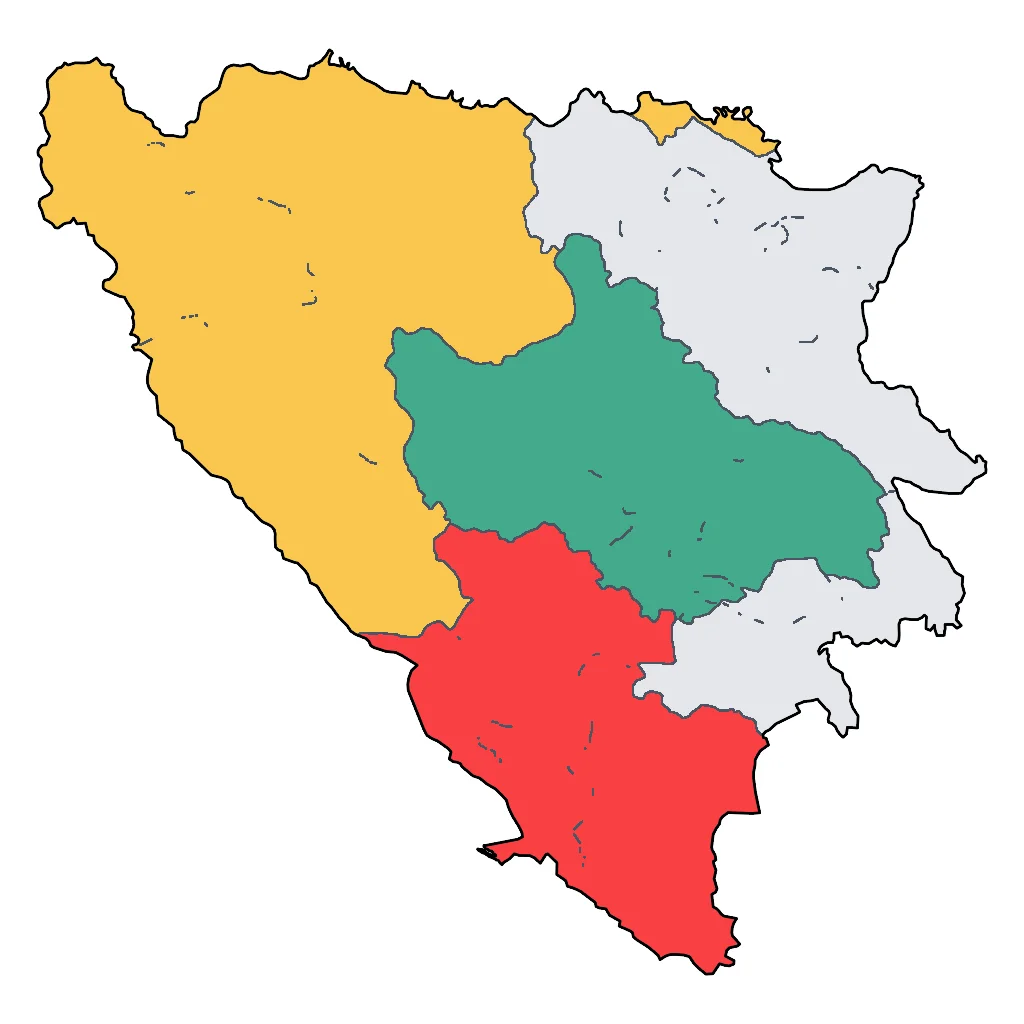
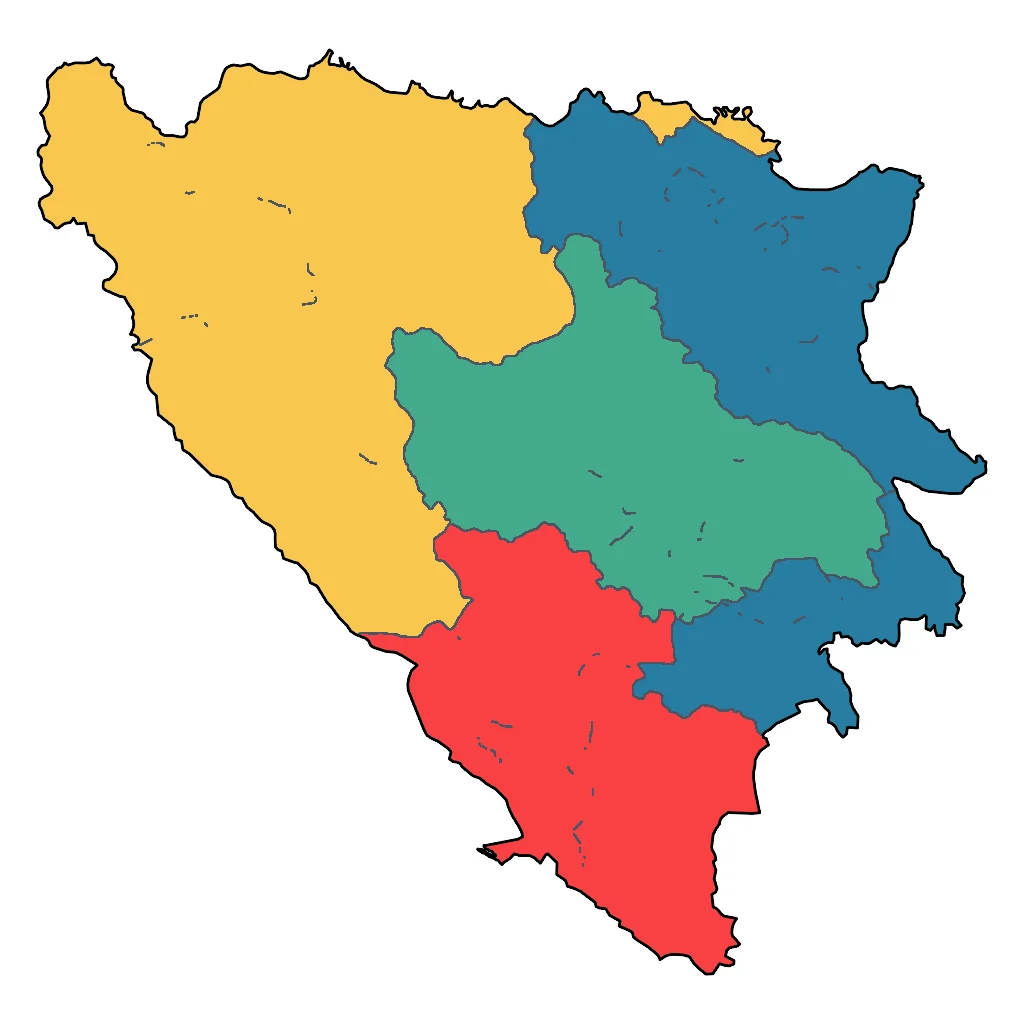
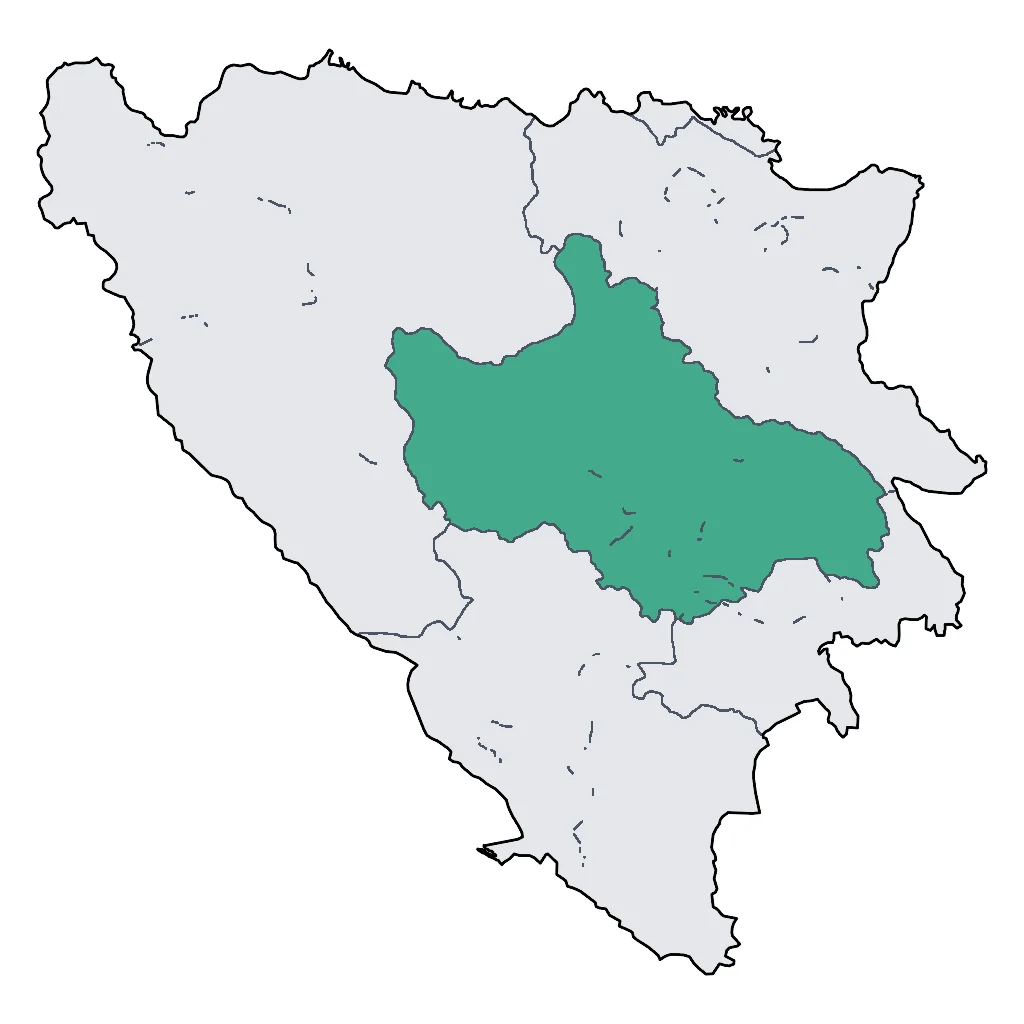
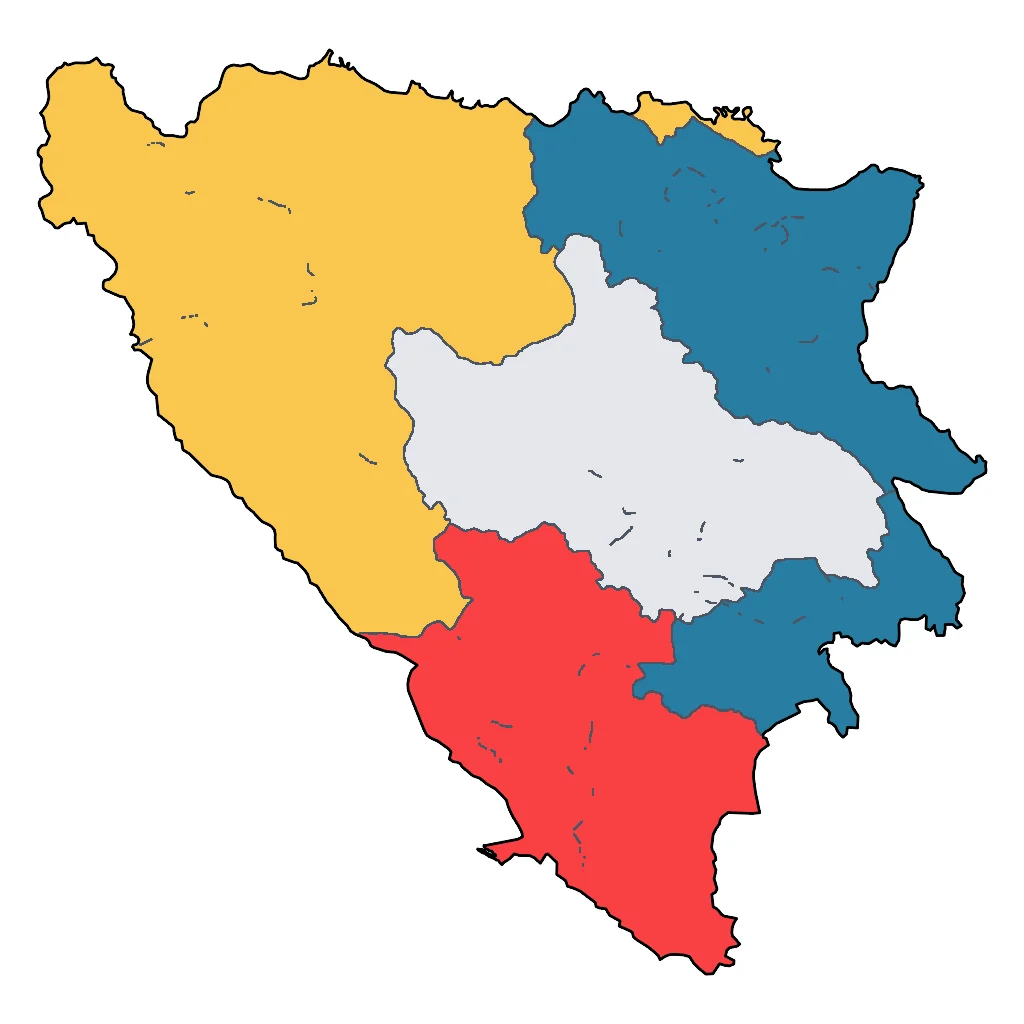

Airports & Flight Routes
Toggle options to view domestic routes and international airports. Click an airport for details.
Climate & Weather
Eastern and Southeastern Bosnia
Show Details
| Month | Temp °C | Rain | Humidity |
|---|
Herzegovina
Show Details
| Month | Temp °C | Rain | Humidity |
|---|
Northwestern Bosnia (Bosanska Krajina)
Show Details
| Month | Temp °C | Rain | Humidity |
|---|
Sarajevo and Central Bosnia
Show Details
| Month | Temp °C | Rain | Humidity |
|---|

Travel Advisory
Risk levels are split between normal and elevated caution; however, multiple agencies highlight significant specific hazards like landmines and terrorism that necessitate increased vigilance.
Safety Topics
Traveller Advice (4 groups)

Be aware of local cultural sensitivities; public displays of affection may attract unwanted attention in certain areas.

Infrastructure for accessibility may be inconsistent or lacking; research specific facilities and transport options prior to arrival.

Female travellers should observe standard safety precautions and review dedicated safety resources for the region.

Maintain high situational awareness in crowded public venues and ensure travel documents and valuables are kept in secure locations.