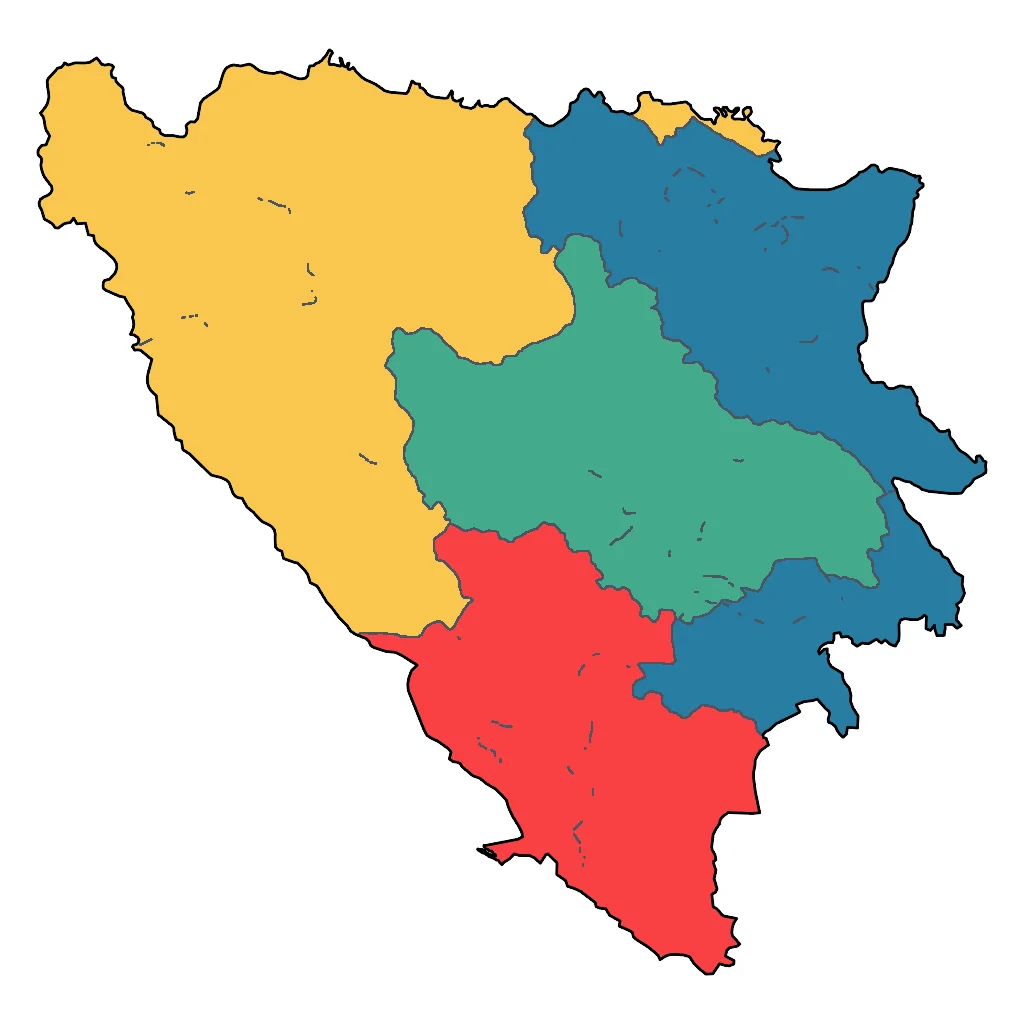
Eastern and Southeastern Bosnia
Wild river canyons and historic stone bridges 🛶
Eastern and Southeastern Bosnia is defined by its dramatic river canyons and dense, ancient forests. For families who love the outdoors, this region offers a raw, unpolished nature experience distinct from the more manicured tourist centers. The Drina River serves as the region's lifeline, twisting through steep gorges that turn a vivid turquoise in the sunlight. Families can take organized boat rides from Višegrad, allowing children to see the canyon walls from the water without the intensity of white-water rafting.
The town of Višegrad is centered around the UNESCO-protected Mehmed Paša Sokolović Bridge. The pedestrian-only bridge allows toddlers to run safely across its stone expanse while parents admire the 16th-century engineering. Nearby, the stone complex of Andrićgrad offers a traffic-free zone with cinemas, bakeries, and river views, making it a convenient stop for lunch. Just south lies Sutjeska National Park, the oldest in the country. While scaling the peak of Maglić is for serious mountaineers, families can drive to the viewpoint at Dragoš Sedlo to see the Perućica primeval forest, or visit the massive concrete WWII memorial at Tjentište, where children often play on the surrounding grassy slopes.
Practical Advice for Families: The roads in this region are scenic but often winding and narrow, so allow extra time for travel and bring motion sickness remedies for sensitive passengers. While nature here is inviting, it is vital to stick to marked trails and paved surfaces when exploring rural areas or forests, as unexploded ordnance from the 1990s remains a risk in remote, unmarked wilderness. Major tourist sites and established park trails are safe. Dining options are traditional; expect hearty portions of grilled meat and fresh trout from the local rivers.
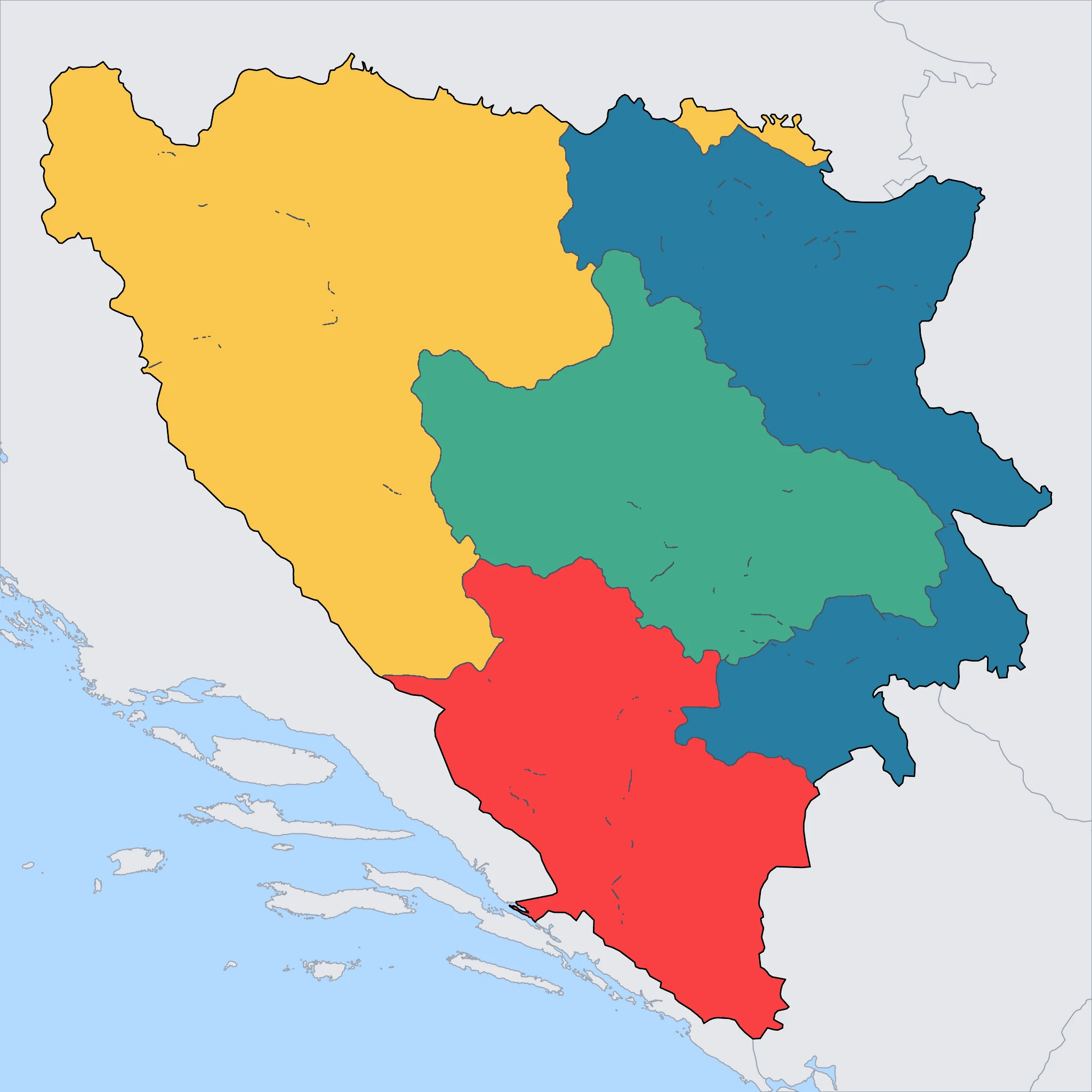
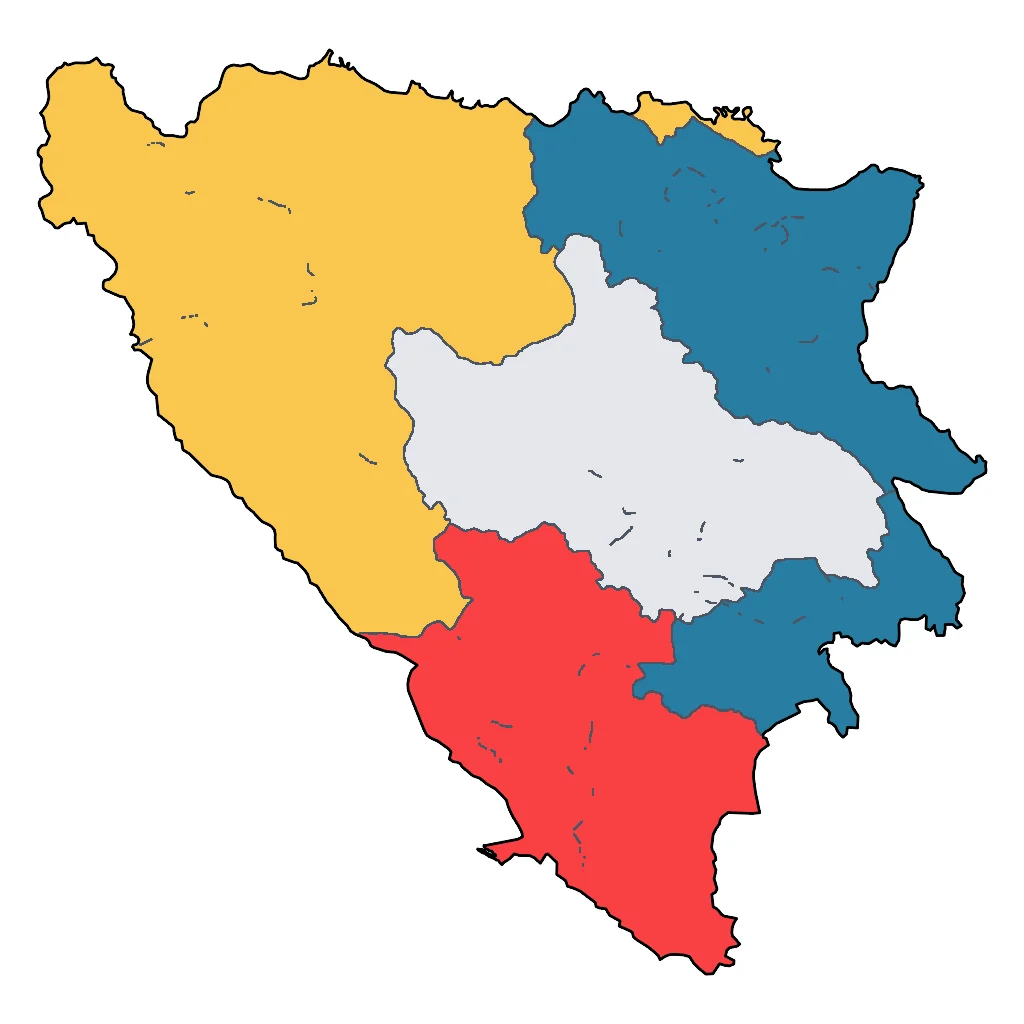
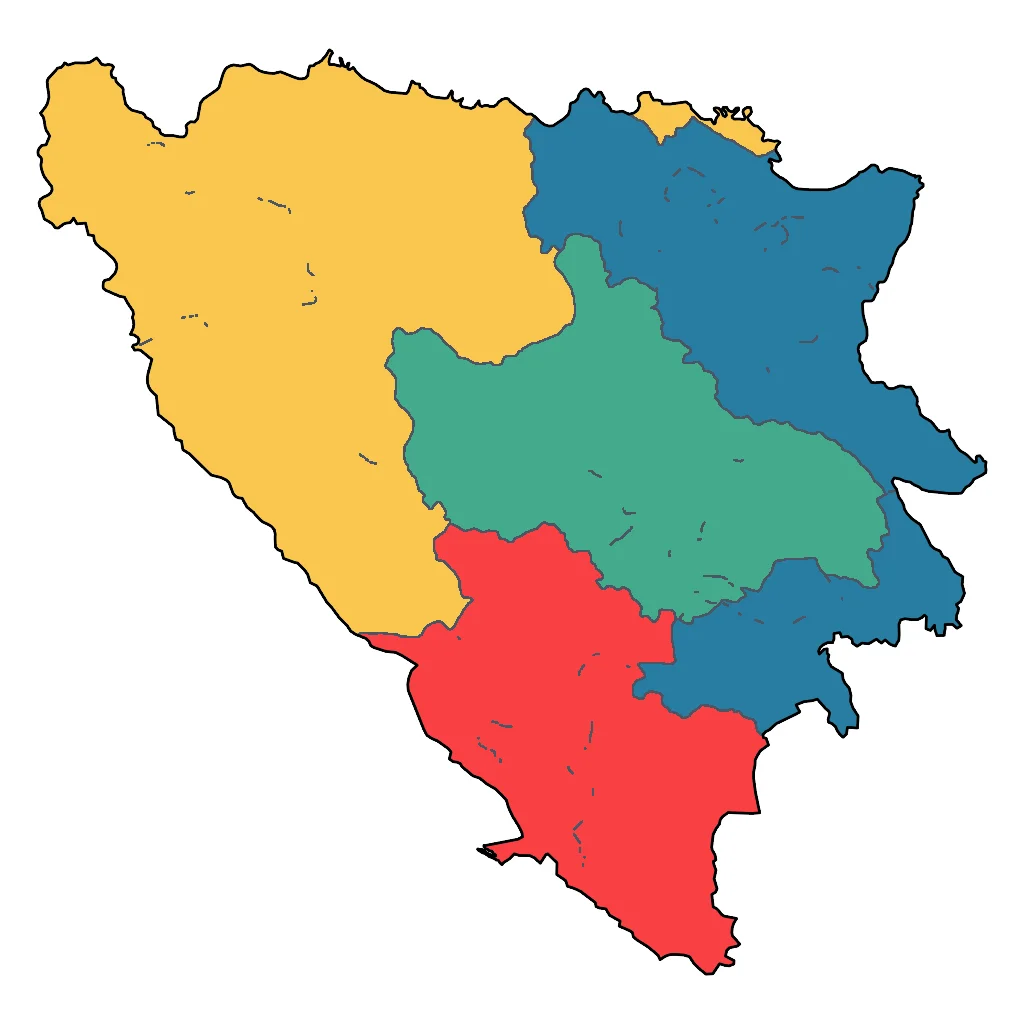
Click a region to explore

Activities & Best Times

Hiking, wildlife, outdoor exploration, ecotourism
Home to the Perućica primeval forest and Sutjeska National Park, offering rare biodiversity and authentic wilderness. Peak summer provides optimal conditions for high-altitude hiking on Maglić; shoulder months feature stunning autumn foliage or spring blooms but higher rainfall.
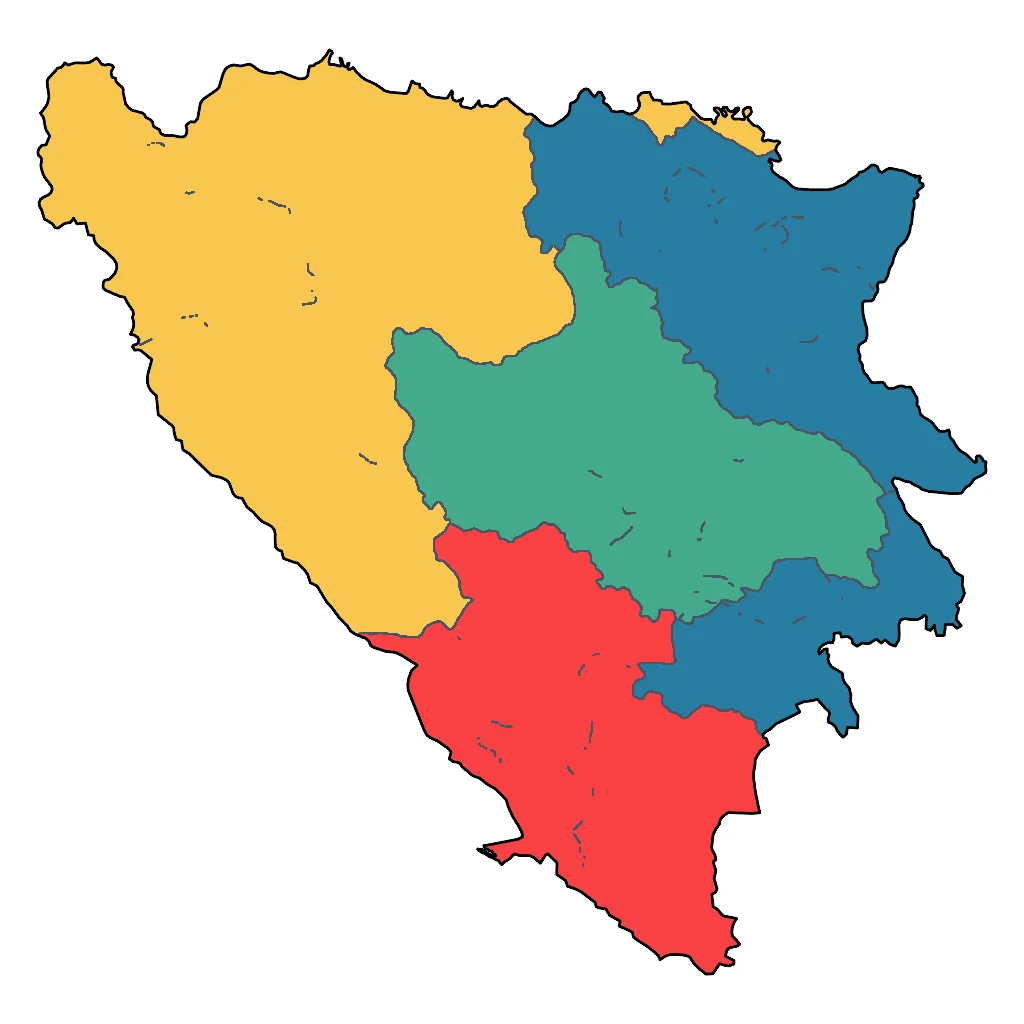

Scenic drives, countryside tours, route-based travel
Spectacular drives through the Drina River canyon and over high mountain passes with dramatic vistas. Summer months ensure clear visibility and dry roads; winter and early spring are unsuitable due to heavy snow and ice on narrow mountain routes like Čemerno.
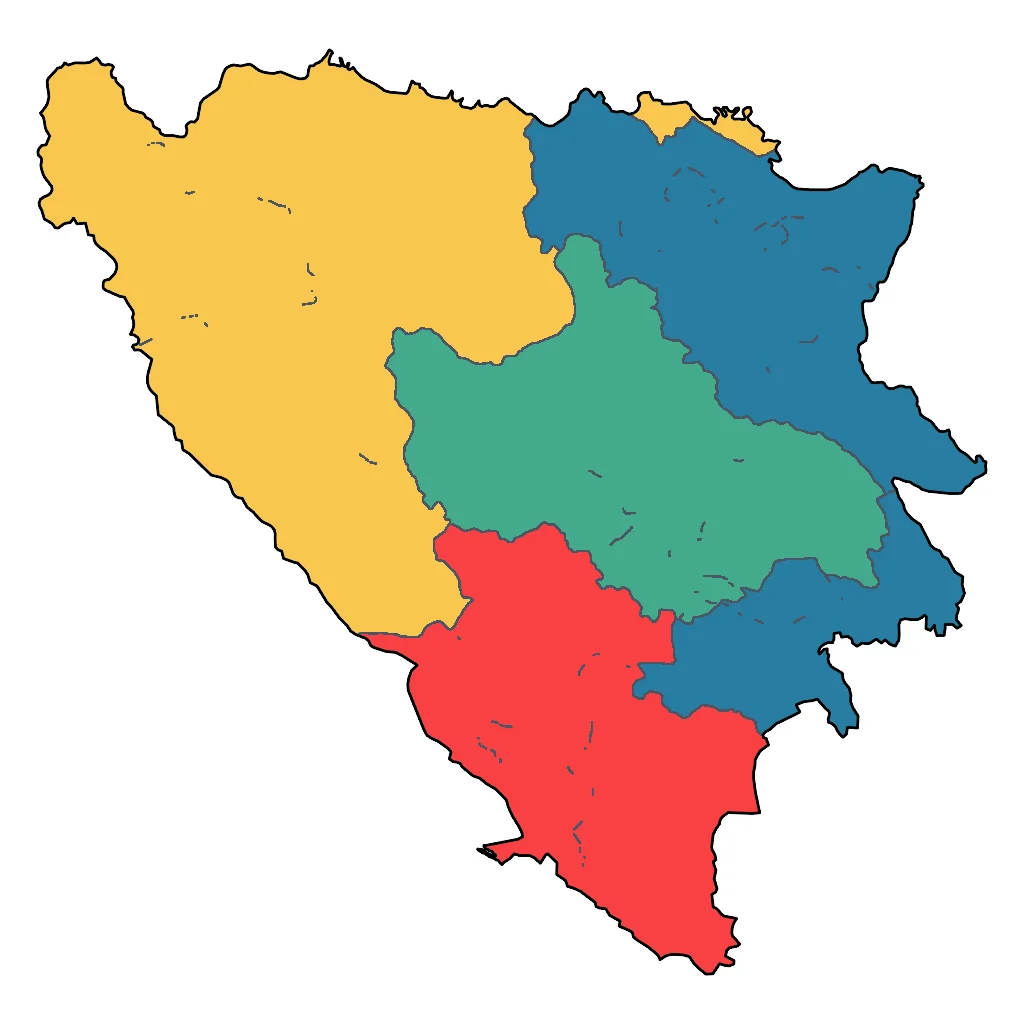

Sport tourism, fitness activities, active recreation
World-class whitewater rafting in the Tara River canyon and challenging mountain terrain for trekking. June is peak for high-water rafting adrenaline, while July and August offer warmer temperatures for multi-sport families; winter conditions render the mountains and rivers inaccessible.

Urban tourism, museums, historical sites, architecture
Features the UNESCO-listed Mehmed Paša Sokolović Bridge in Višegrad and the historical depth of the Andrićgrad project. Peak months allow for pleasant exploration of outdoor monuments and riverside cafes; winter months are cold and damp, detracting from the architectural experience.

Learning experiences, scientific sites, historical education
Significant historical sites including WWII memorials and Ottoman architecture provide a deep narrative for exploratory families. The optimal climate from May to September ensures all site facilities and guided tours are operational, while winter limits access to remote historical markers.