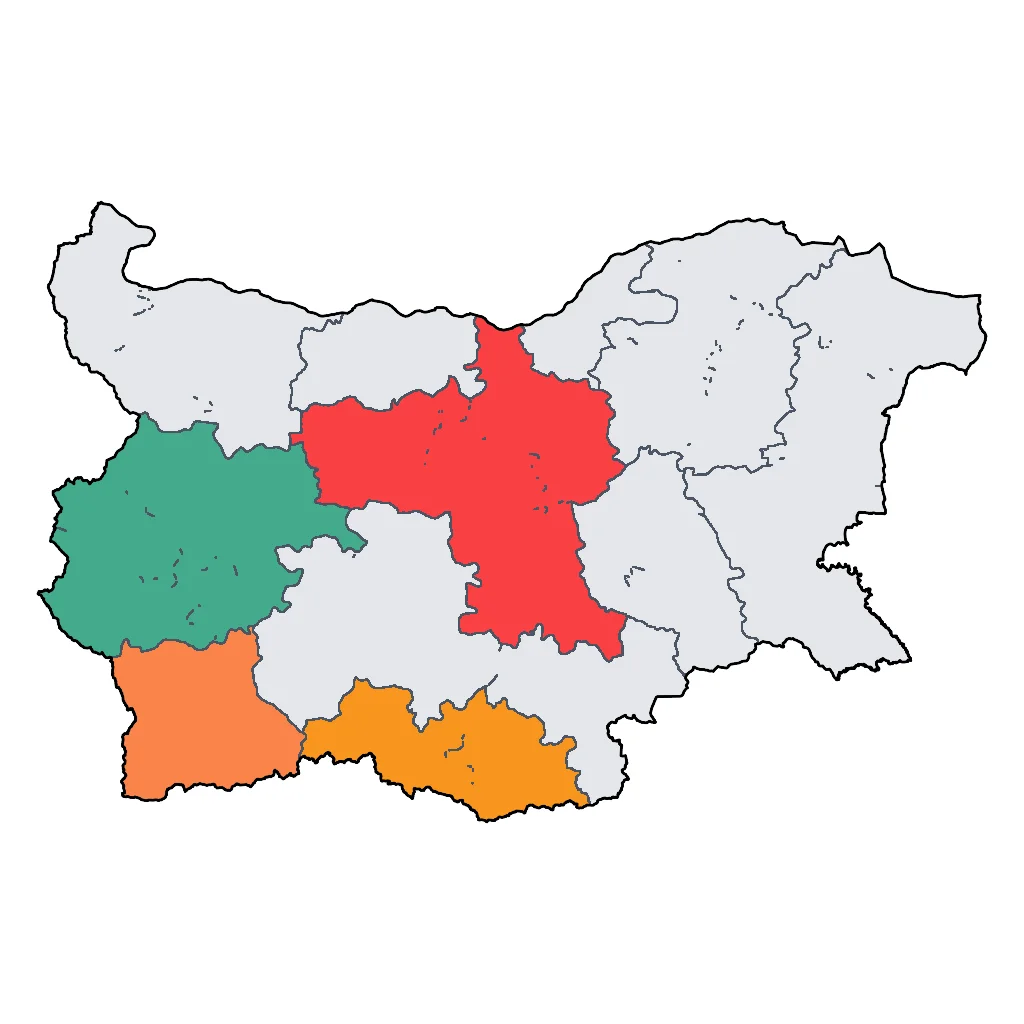
Central Balkan Mountains & Rose Valley
Living history, mountain trails, and the valley of roses 🌹
The Central Balkan Mountains and the adjacent Rose Valley offer an enriching blend of nature and history, serving as the cultural heart of Bulgaria. This region is defined by the forested slopes of the Stara Planina range and the fertile valleys below, providing a cooler, greener alternative to the beach in summer. The area is most famous for the Valley of Roses near Kazanlak. Visiting during the Rose Festival (late May to early June) allows families to see rose-picking rituals, parades, and demonstrations of essential oil distillation, a sensory experience that captivates children.
A highlight for active families is the Etar Ethnographic Open Air Museum near Gabrovo. This living museum features a collection of traditional workshops powered by a diverted river. Children can watch potters, woodcarvers, and weavers at work, and even try their hand at crafts. The on-site bakery sells "gevrek" (sesame rings) and traditional sugar rooster lollipops that are a local favourite. Nearby, the village of Bozhentsi preserves the atmosphere of the Bulgarian National Revival with its preserved stone-and-wood houses, offering a quiet, car-free environment where kids can run safely on cobbled paths.
History becomes tangible at the Shipka Monument, perched atop a mountain pass. Reaching the monument involves climbing over 890 steps, a challenge for energetic kids that rewards them with panoramic views and old cannons to inspect. For a gentler experience, the Thracian Tomb of Kazanlak (UNESCO site) has a replica open to visitors, where families can see ancient frescoes without worrying about damaging the originals. Hiking trails in the Central Balkan National Park range from steep climbs to the precipitous Raisko Praskalo waterfall to gentle woodland walks suitable for carriers and sturdy strollers.
Gabrovo serves as the region's capital of humour and satire, hosting a unique museum that appeals to older children and teenagers with its quirky exhibits. Accommodation in the region often includes family-run guesthouses where hosts serve homemade breakfast with local yogurt and jam, providing a warm, welcoming base for exploration.
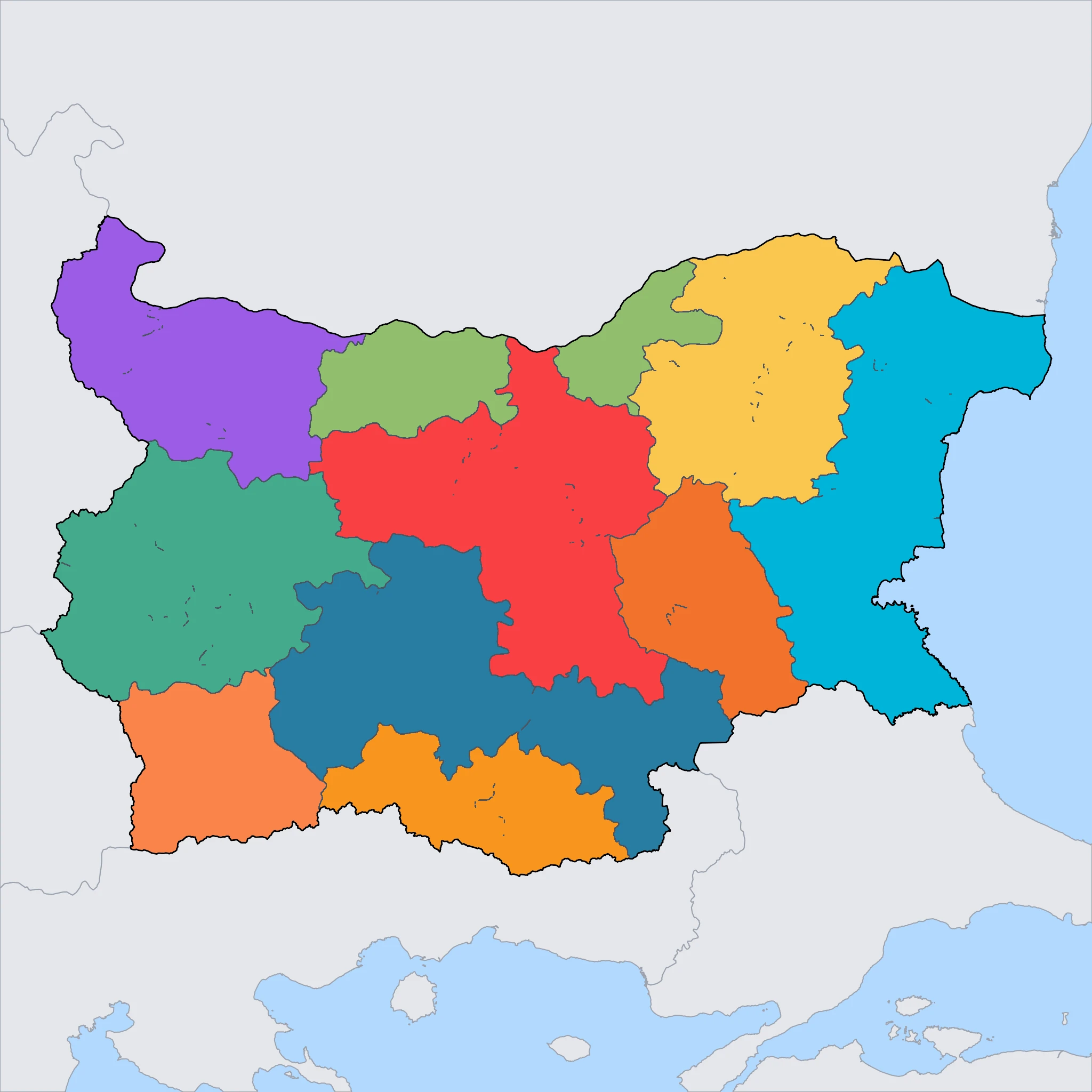
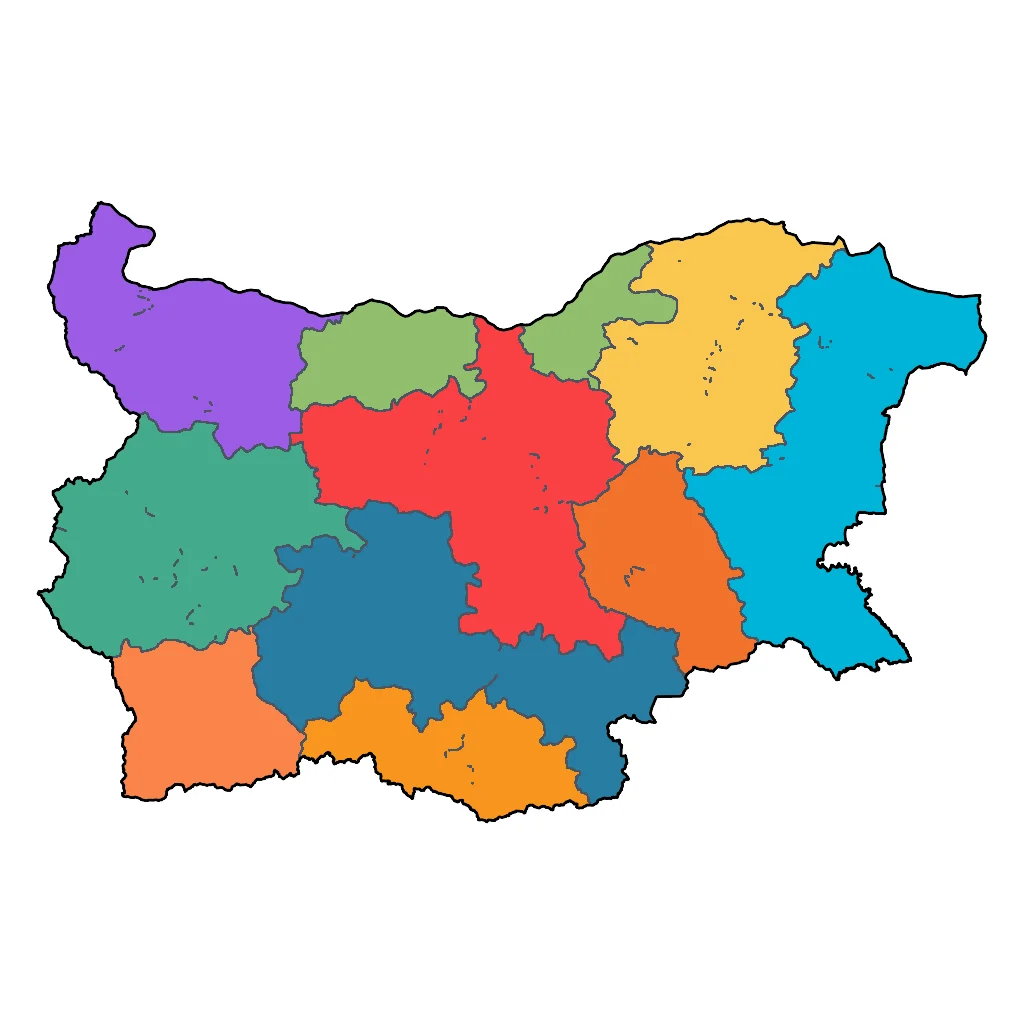
Click a region to explore

Activities & Best Times

Hiking, wildlife, outdoor exploration, ecotourism
The Central Balkan National Park offers authentic, rugged trekking through UNESCO-listed beech forests and impressive waterfalls. Peak summer months provide the most stable weather for high-altitude exploration, while the shoulder seasons offer cooler temperatures but higher rainfall.
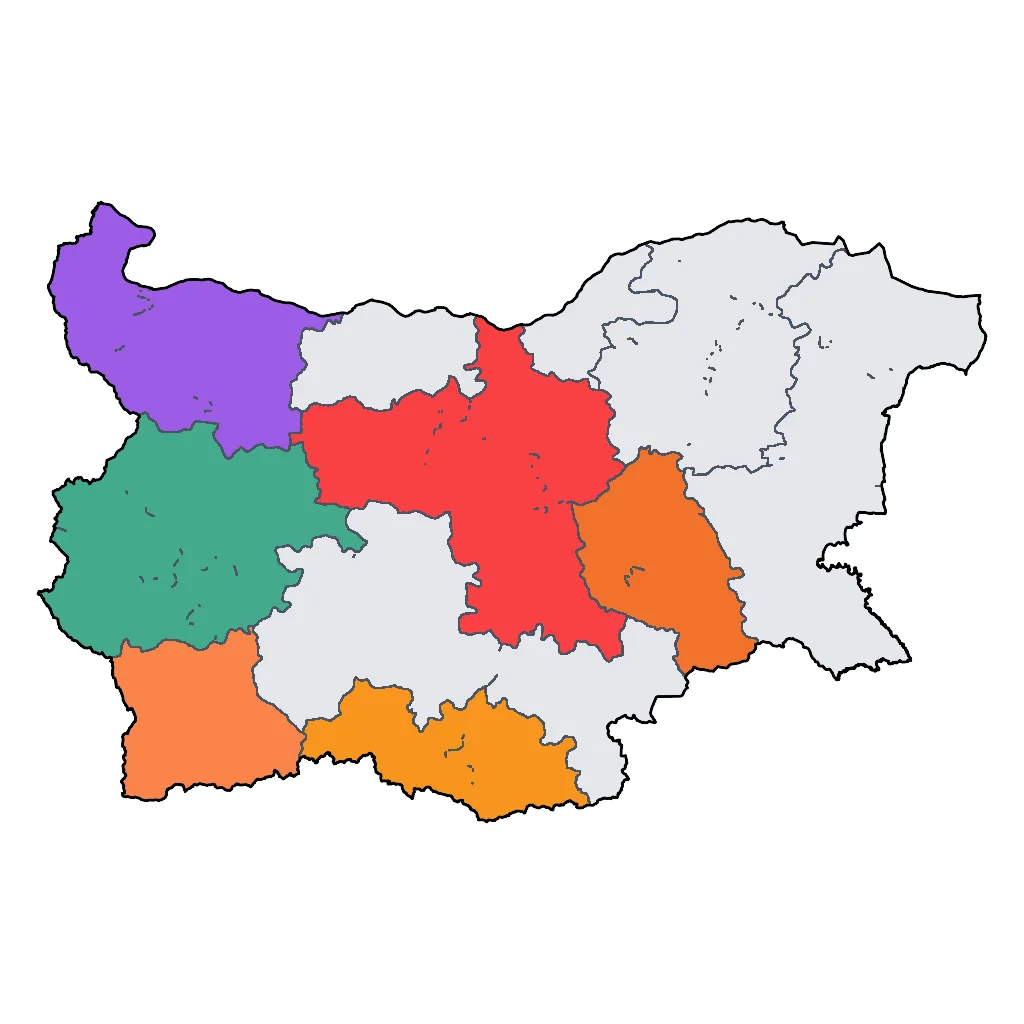

Urban tourism, museums, historical sites, architecture
Rich in Revival-style architecture and Thracian heritage, towns like Kazanlak and Karlovo offer a deep dive into Bulgarian identity. Peak conditions occur in spring and early autumn when temperatures are mild; summer can be hot for urban sightseeing, and winter is damp and cold.
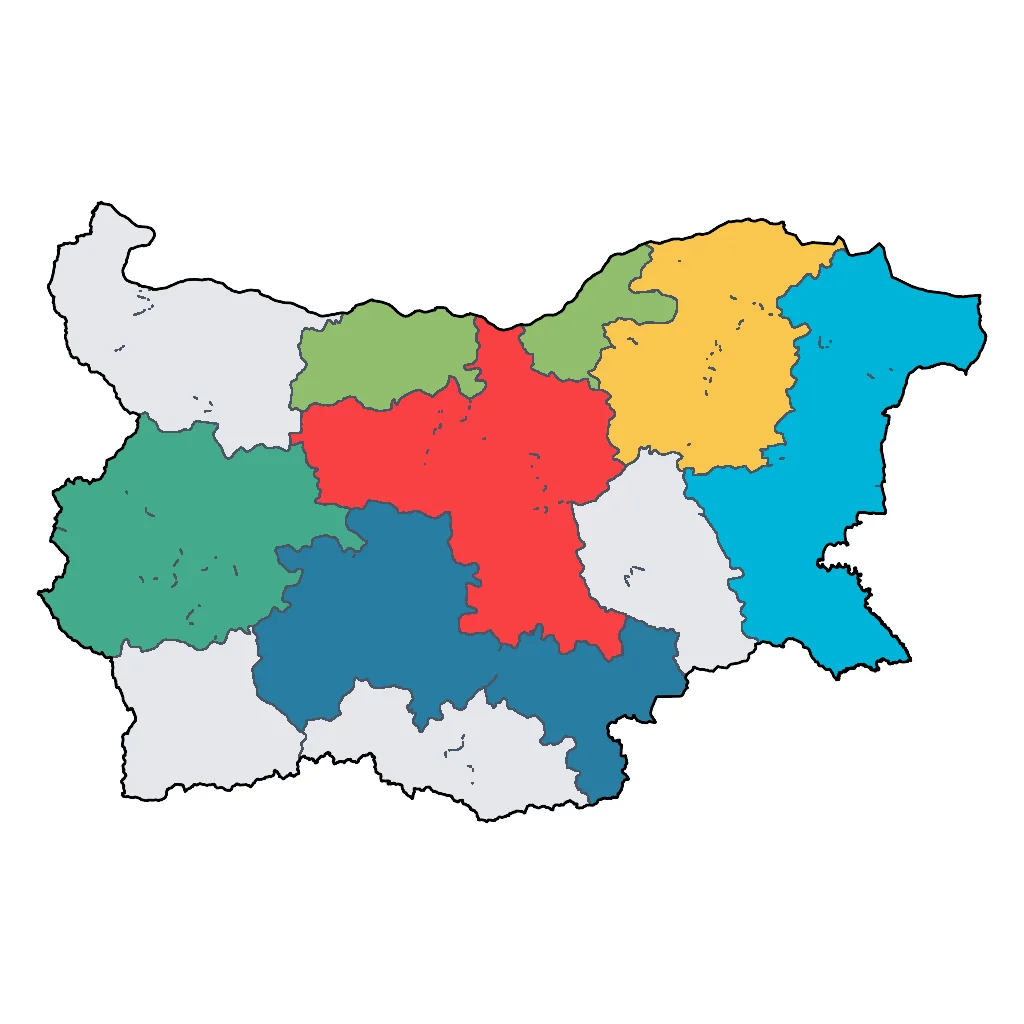

Learning experiences, scientific sites, historical education
Home to the UNESCO-protected Thracian Tomb of Kazanlak and the historic Shipka Pass, the region provides world-class historical context for families. Educational sites are most accessible during the pleasant weather of late spring and autumn, while extreme winter temperatures limit comfortable learning outdoors.
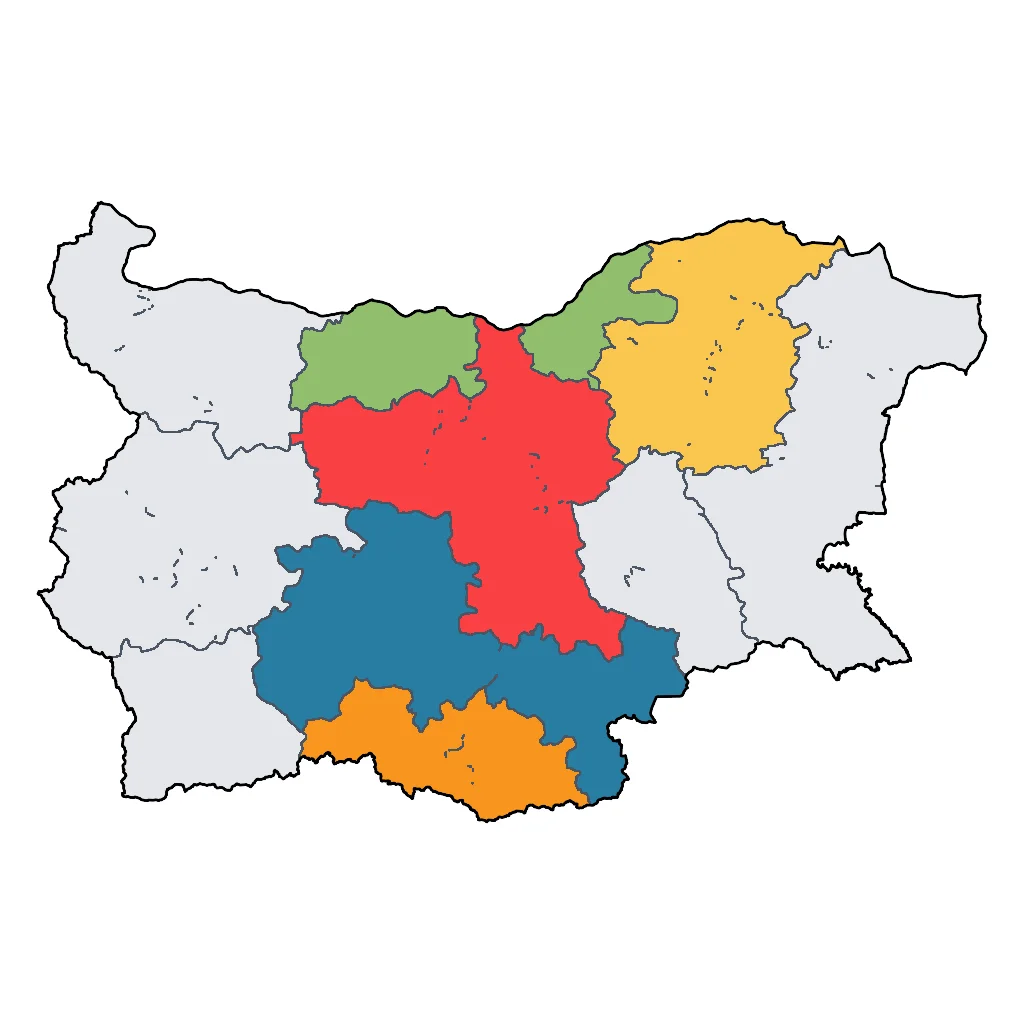

Events, celebrations, seasonal attractions
The internationally unique Rose Festival in June is a world-class cultural event featuring traditional picking rituals and parades. June is the only peak month due to the fleeting nature of the rose harvest, with shoulder months offering minor agricultural and folkloric events.
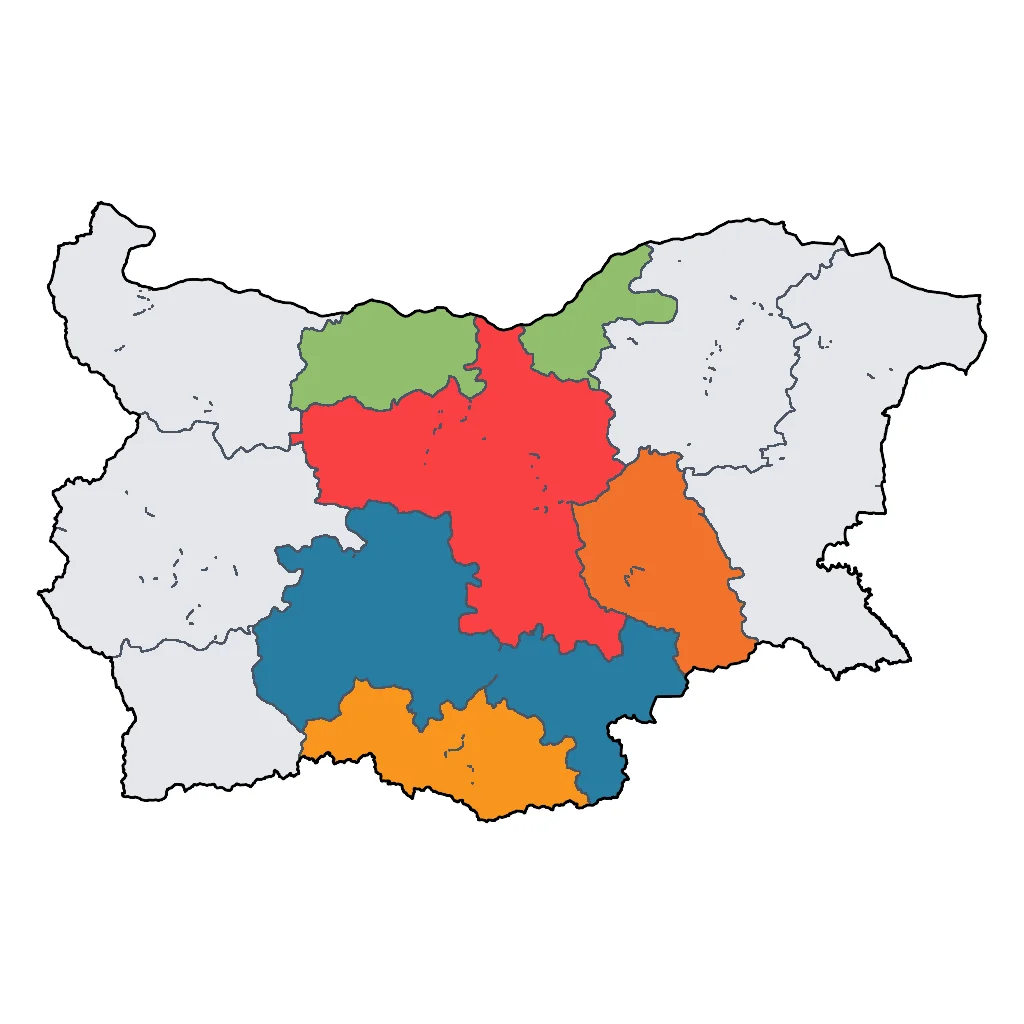

Sport tourism, fitness activities, active recreation
Sopot is a world-renowned paragliding destination, while the valley offers excellent horse riding and mountain biking. The summer months provide the necessary thermal conditions and dry trails for these activities, while the winter months are unsuitable due to harsh mountain weather.
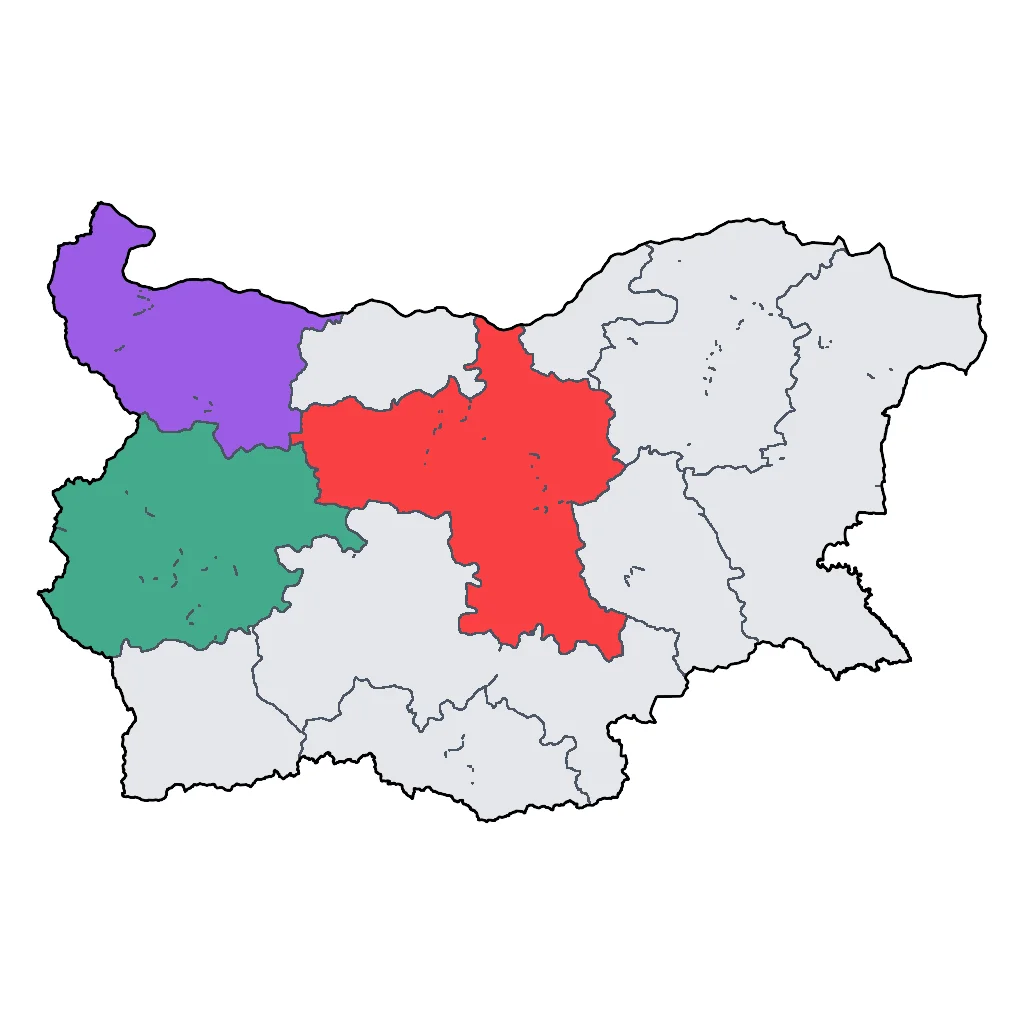

Spa retreats, wellness centers, peaceful getaways
Historic thermal spa towns like Hisarya feature Roman ruins and high-quality mineral springs for a traditional wellness experience. Peak months offer ideal air temperatures for transitioning between indoor baths and outdoor parks, though winter can feel bleak and summer temperatures can be oppressive for hot-spring soaking.
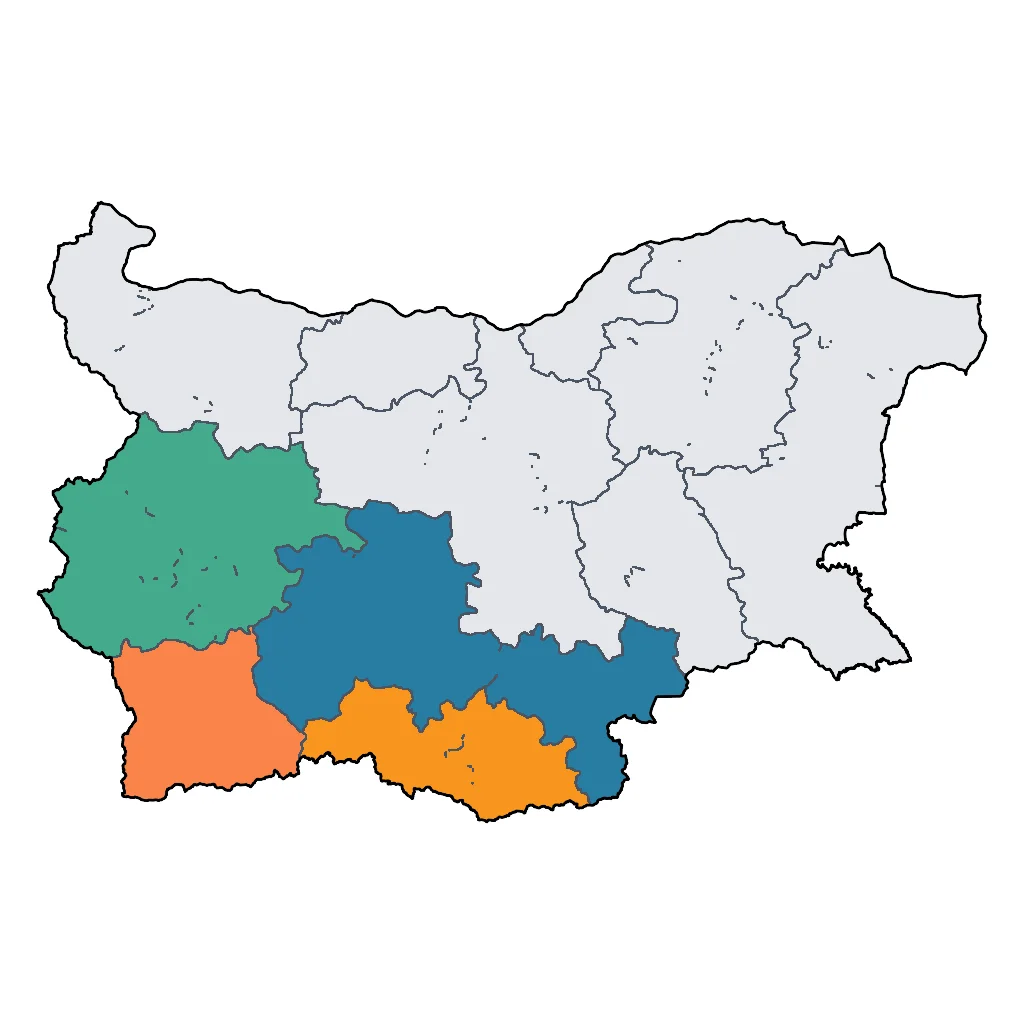

Scenic drives, countryside tours, route-based travel
The dramatic crossing of the Shipka Pass and the scenic routes through the Rose Valley offer visually stunning drives. Best experienced in spring for rose blooms or autumn for mountain foliage; winter driving is discouraged due to frequent pass closures and dangerous fog/snow conditions.

Winter sports, ski resorts, snow activities
The cold, snowy winters in the Balkan Mountains provide reliable conditions for winter sports, appealing to families seeking alpine experiences. Peak months (Jan-Feb) offer the best snow coverage; shoulder seasons (Dec, Mar) can be variable; other months are unsuitable due to lack of snow.