

Located in the heart of the Balkans, Bulgaria is a destination that surprises many families with its diversity and affordability. Unlike the crowded and expensive resorts of Western Europe, Bulgaria offers a relaxed atmosphere where your travel budget stretches significantly further. From the warm waters of the Black Sea to the jagged peaks of the Rila and Pirin mountains, the country provides a year-round playground for active families.
Geography and Climate
Bulgaria defines the southeastern corner of Europe. The climate is continental, meaning hot, dry summers and cold, snowy winters. For families, the timing of your visit dictates the experience. Summer (June to August) is perfect for the coast, where temperatures linger around 30°C. Winter (December to March) transforms the southern mountains into premier ski destinations. Spring and autumn are ideal for exploring cities like Sofia and Plovdiv without the heat.
Coastal Fun
The Black Sea coast is the primary draw for summer vacations. Resorts like Albena and Golden Sands are specifically designed for families, featuring pedestrian-only promenades, shallow waters safe for toddlers, and vast stretches of sand. While Sunny Beach is famous for nightlife, it also hosts extensive water parks that older children love. A short drive away lies the ancient town of Nessebar, a UNESCO World Heritage site located on a peninsula, where kids can walk among Byzantine ruins and buy handmade souvenirs.
Mountain Adventures
In winter, Bulgaria becomes one of Europe’s best-value ski destinations. Bansko and Pamporovo offer English-speaking ski schools and gentle blue runs ideal for beginners. In summer, these same peaks offer accessible hiking. A visit to the Rila Monastery, tucked deep in the forest, captures the imagination with its colorful frescoes and fortress-like walls. Families often combine a monastery visit with a hike to the Seven Rila Lakes, reachable via chairlift.
Culture and Cuisine
Bulgarian culture is deeply hospitable, and children are welcomed everywhere. The food is fresh and mild, making it easy for picky eaters. Don't miss banitsa, a flaky cheese pastry available at every bakery, or kebabche, mild grilled minced meat. Exploring the capital, Sofia, allows you to see the golden domes of the Alexander Nevsky Cathedral and walk upon actual Roman streets uncovered in the subway stations.
Practical Tips
Traveling here requires some adjustment. The Cyrillic alphabet is used everywhere; downloading a translation app that reads text via camera is highly recommended. While trains connect major cities, they are slow. Renting a car is the most efficient way for families to explore, though drivers should remain alert for potholes on secondary roads. The currency is the Lev (BGN), and cash is still useful in smaller towns.

Explore Regions
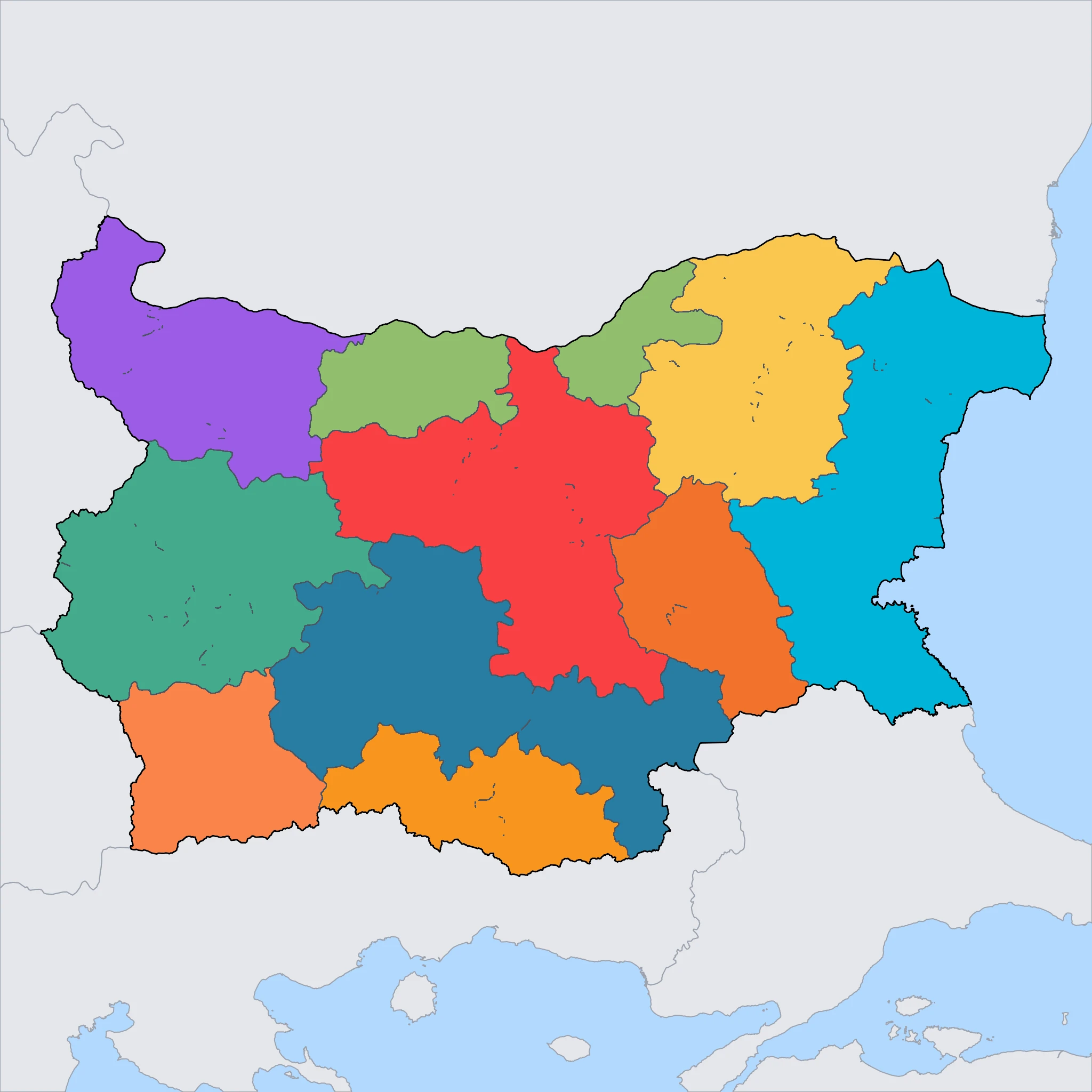
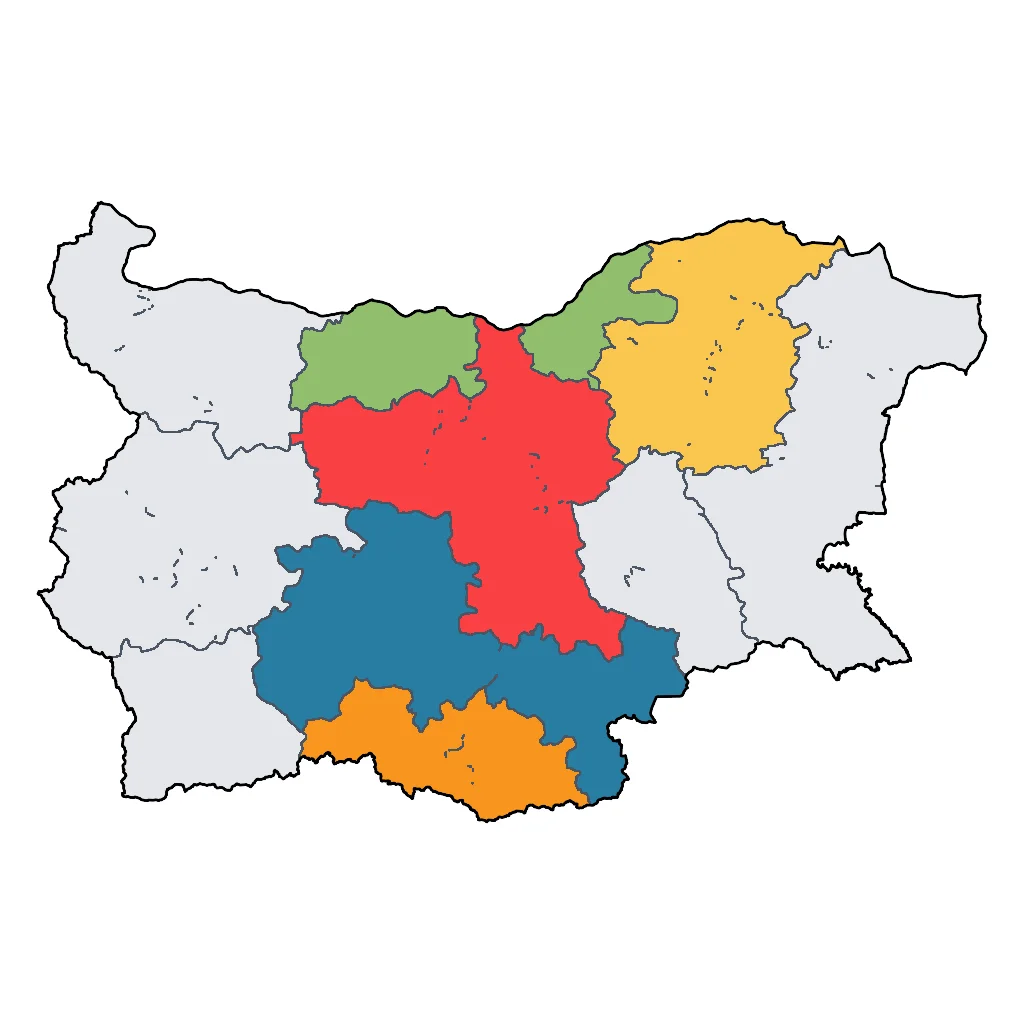
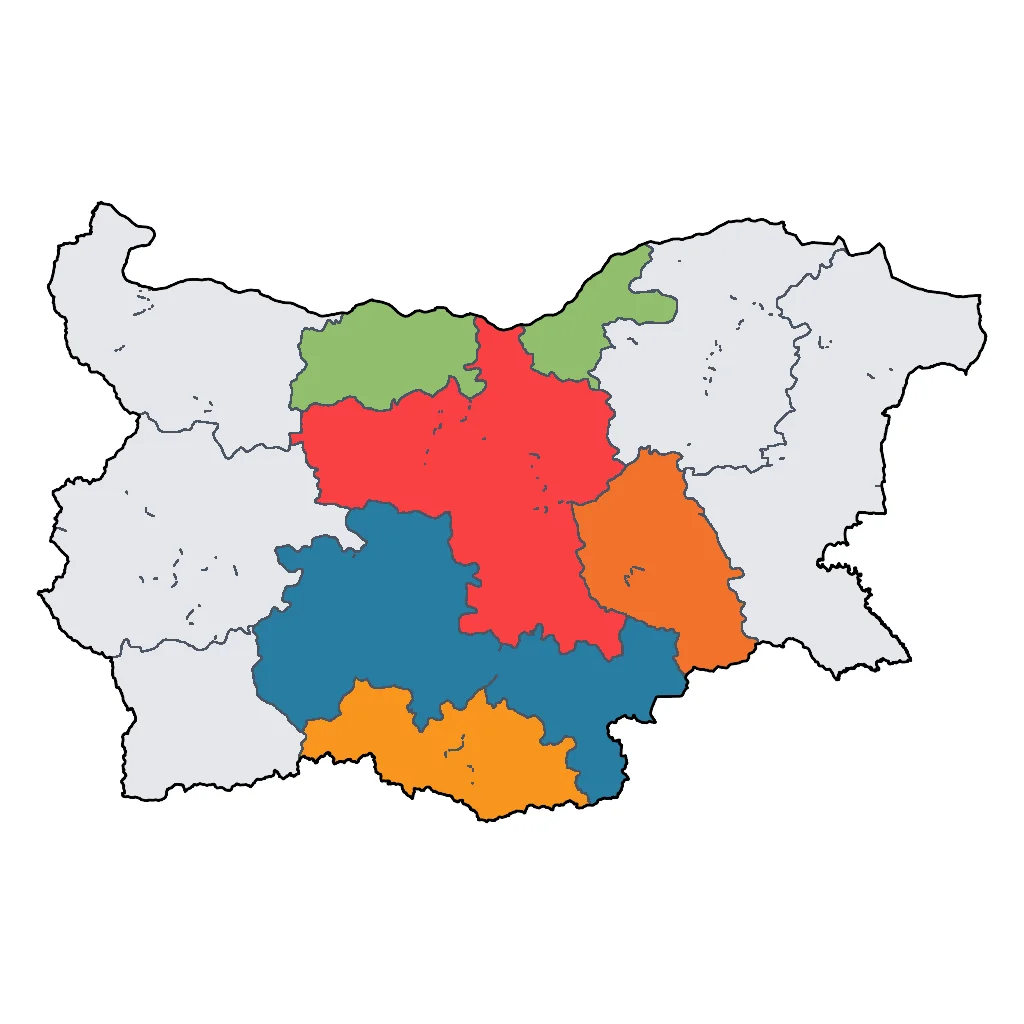
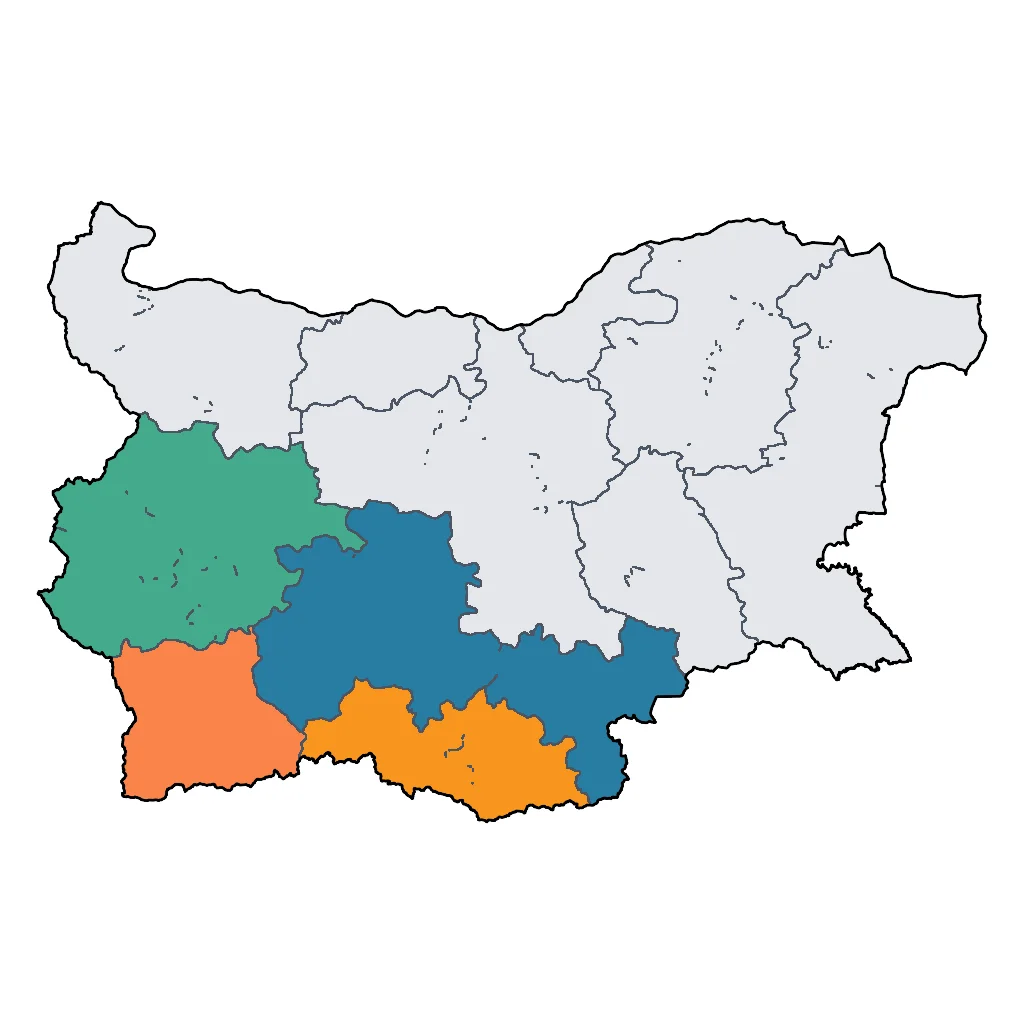
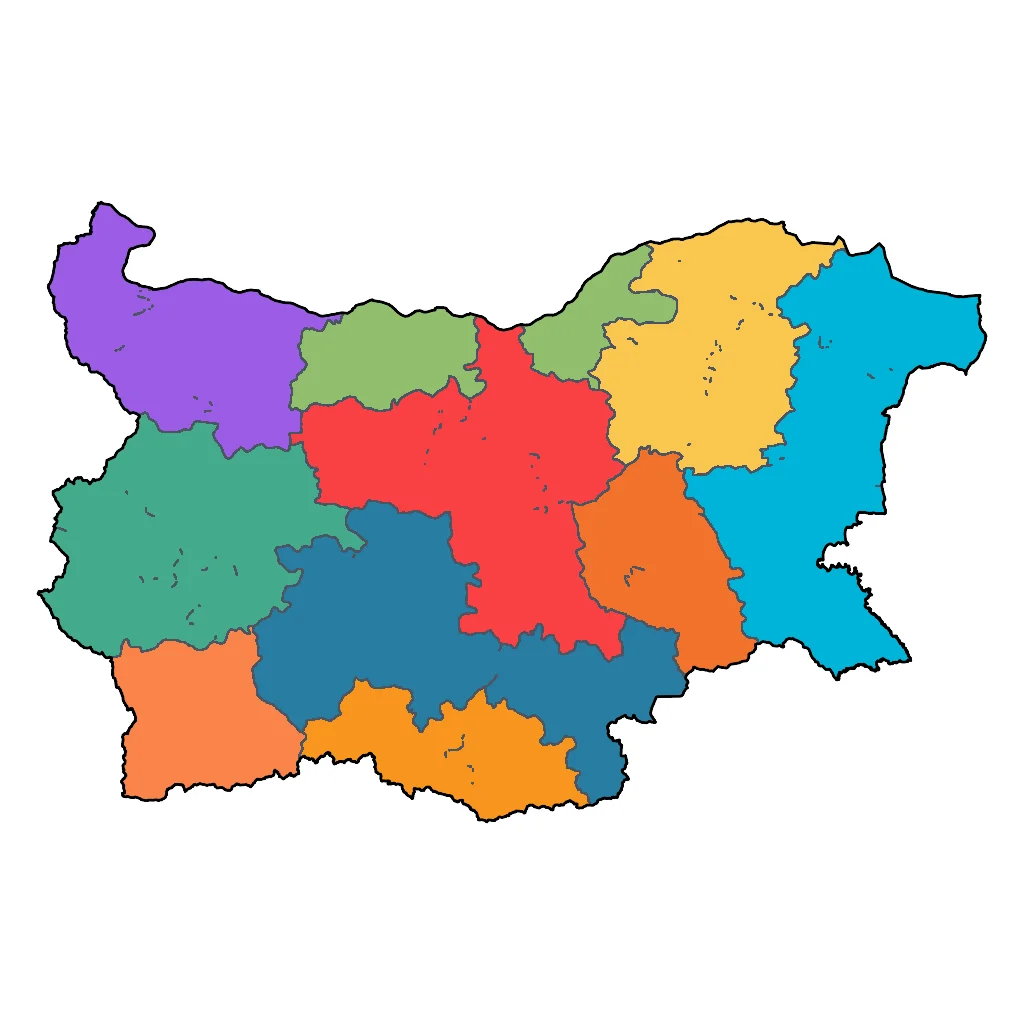
10 Regions
Black Sea Coast
Golden sands, ancient history, and splash-filled family fun 🏖️
Central Balkan Mountains & Rose Valley
Living history, mountain trails, and the valley of roses 🌹
Danubian Plain (Central North)
Medieval fortresses and riverside adventures 🏰
Northeast Bulgaria
Botanical gardens, rocky capes, and dolphin shows 🐬
Northwest Bulgaria
Fantasy rocks, caves, and Danube fortresses 🦕
Pirin & Southwest Mountains
Alpine peaks, rescued bears, and ski slopes 🐻
Plovdiv & Thracian Lowlands
Ancient ruins, artsy streets, and city parks 🎭
Rhodope Mountains
Mystical mountains, caves, and folklore 🎻
Sofia & Western Bulgaria
Capital culture, science fun, and mountain escapes 🚋
Southeast Bulgaria
Mystic forests, wild beaches, and fire dancing 🔥
Click on a region marker to explore details. Use the dropdown to color regions by activity suitability.

Activities & Best Times

City & Cultural
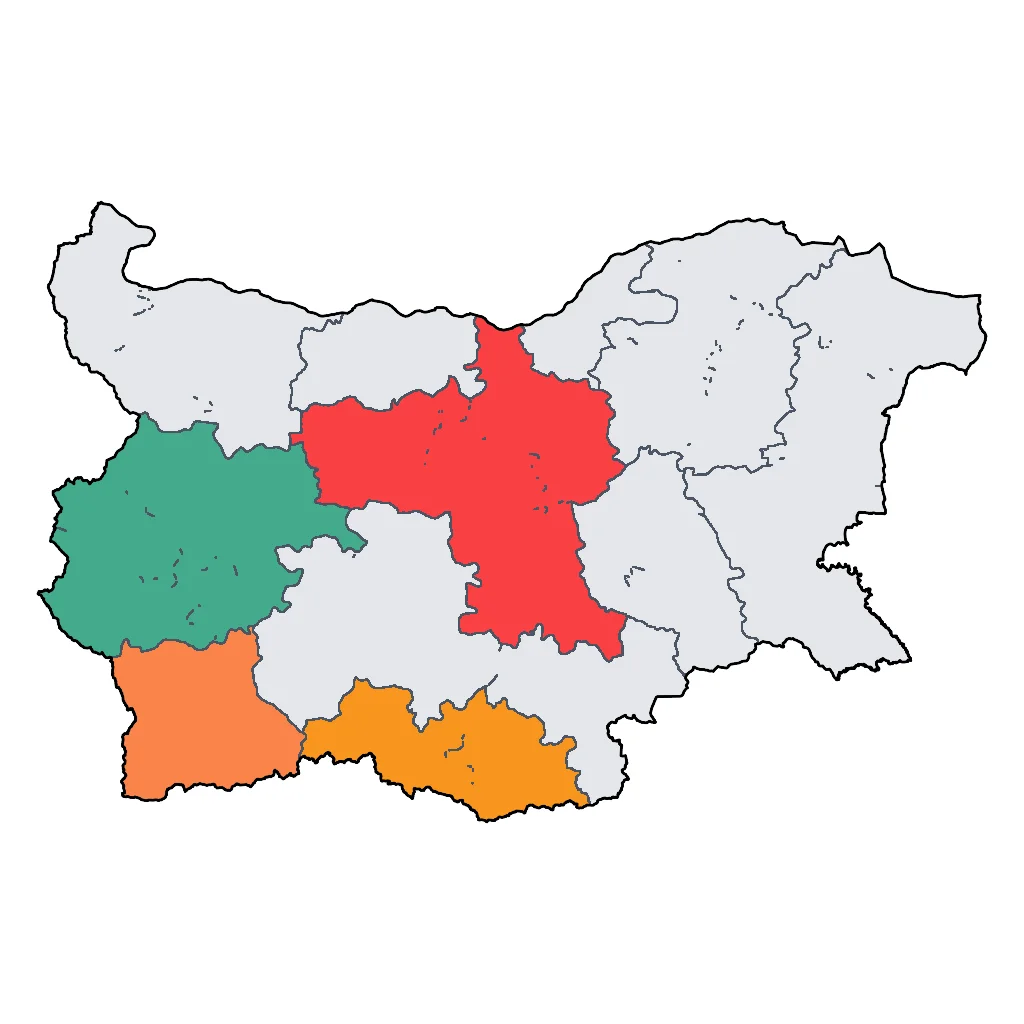
ExcellentUrban tourism, museums, historical sites, architecture
Plovdiv’s Old Town and Roman Amphitheatre offer a globally unique blend of antiquity and bohemian life, rivaling historic Mediterranean hubs. Peak months provide ideal temperatures (17-24°C) for exploring ancient ruins, while winter months are too cold and damp for comfortable urban exploration.
Rich in Revival-style architecture and Thracian heritage, towns like Kazanlak and Karlovo offer a deep dive into Bulgarian identity. Peak conditions occur in spring and early autumn when temperatures are mild; summer can be hot for urban sightseeing, and winter is damp and cold.
Home to the 'Cradle of Bulgarian Civilization,' including the UNESCO Madara Rider and the ancient capitals of Pliska and Preslav. Peak months offer mild temperatures (17-21°C) ideal for exploring ruins; summer (July-Aug) can be humid for urban sites, while winter is too cold for outdoor archaeological monuments.
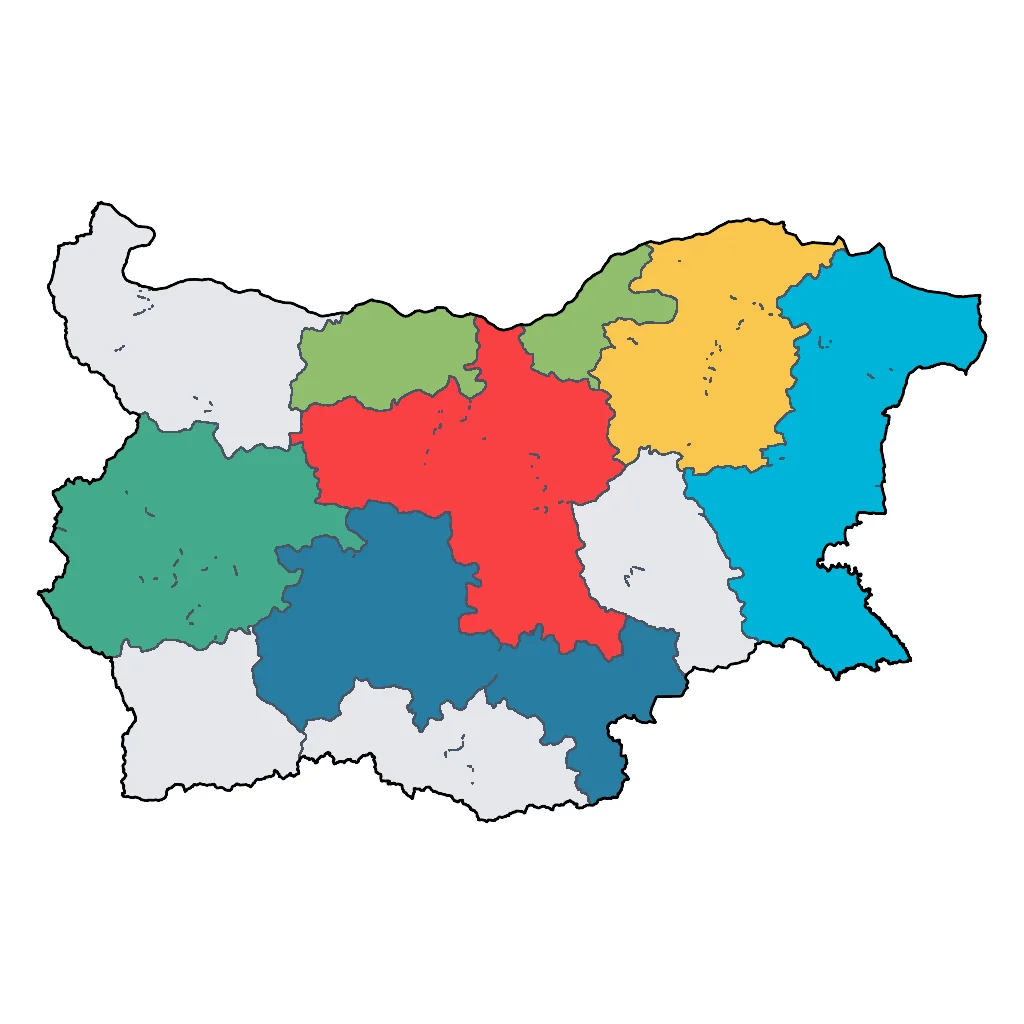
Adventure & Nature
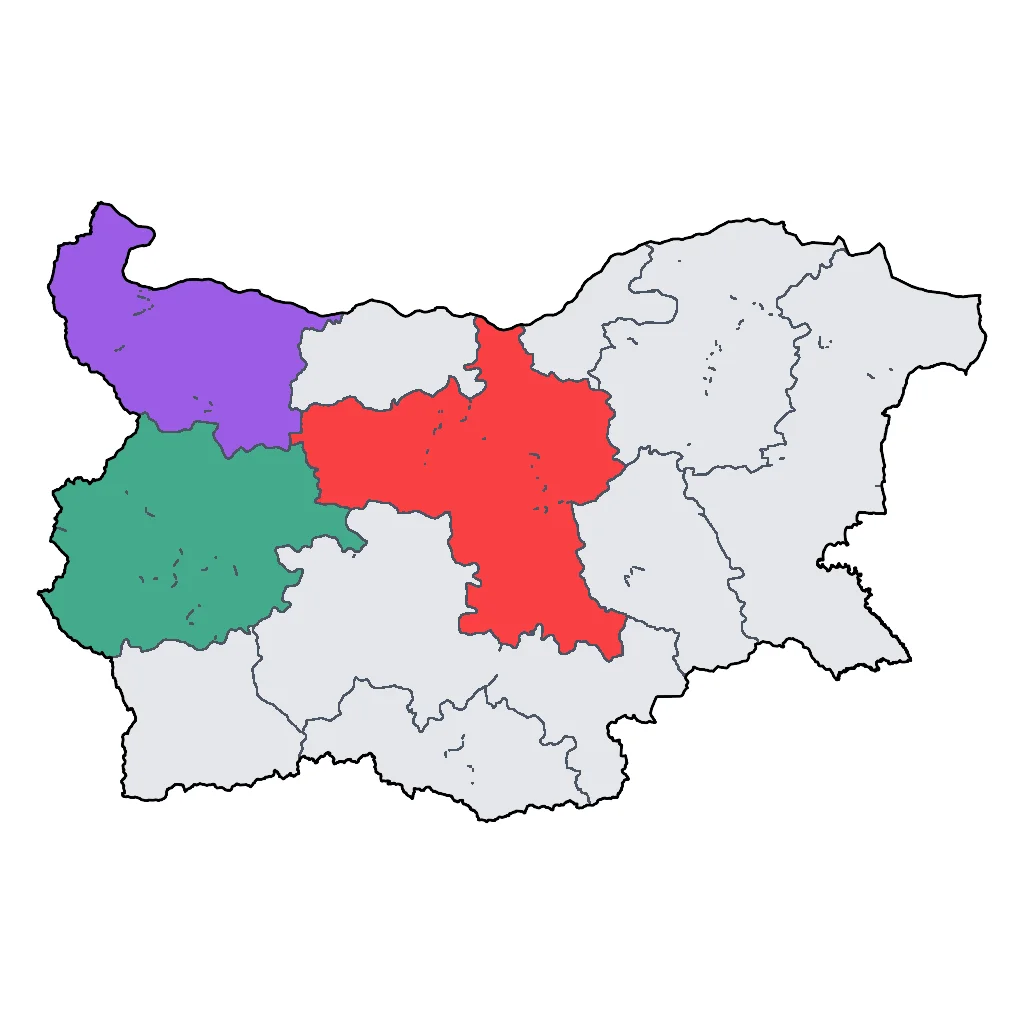
Very GoodHiking, wildlife, outdoor exploration, ecotourism
The Central Balkan National Park offers authentic, rugged trekking through UNESCO-listed beech forests and impressive waterfalls. Peak summer months provide the most stable weather for high-altitude exploration, while the shoulder seasons offer cooler temperatures but higher rainfall.
The surreal Belogradchik Rocks and the dramatic limestone cliffs of Vratsa offer a globally unique geological landscape for hiking and exploration. Peak months provide optimal temperatures and lush conditions, while winter brings sub-zero temperatures and slippery conditions on unpaved trails.
Home to the Rila National Park and the Seven Rila Lakes, offering pristine alpine landscapes and high-altitude hiking that rivals Western Europe's best ranges. Peak summer (Jul-Aug) provides the only reliable window for snow-free trails and clear visibility, while late spring (May-Jun) remains wet and potentially dangerous due to snowmelt.

Educational & Exploratory
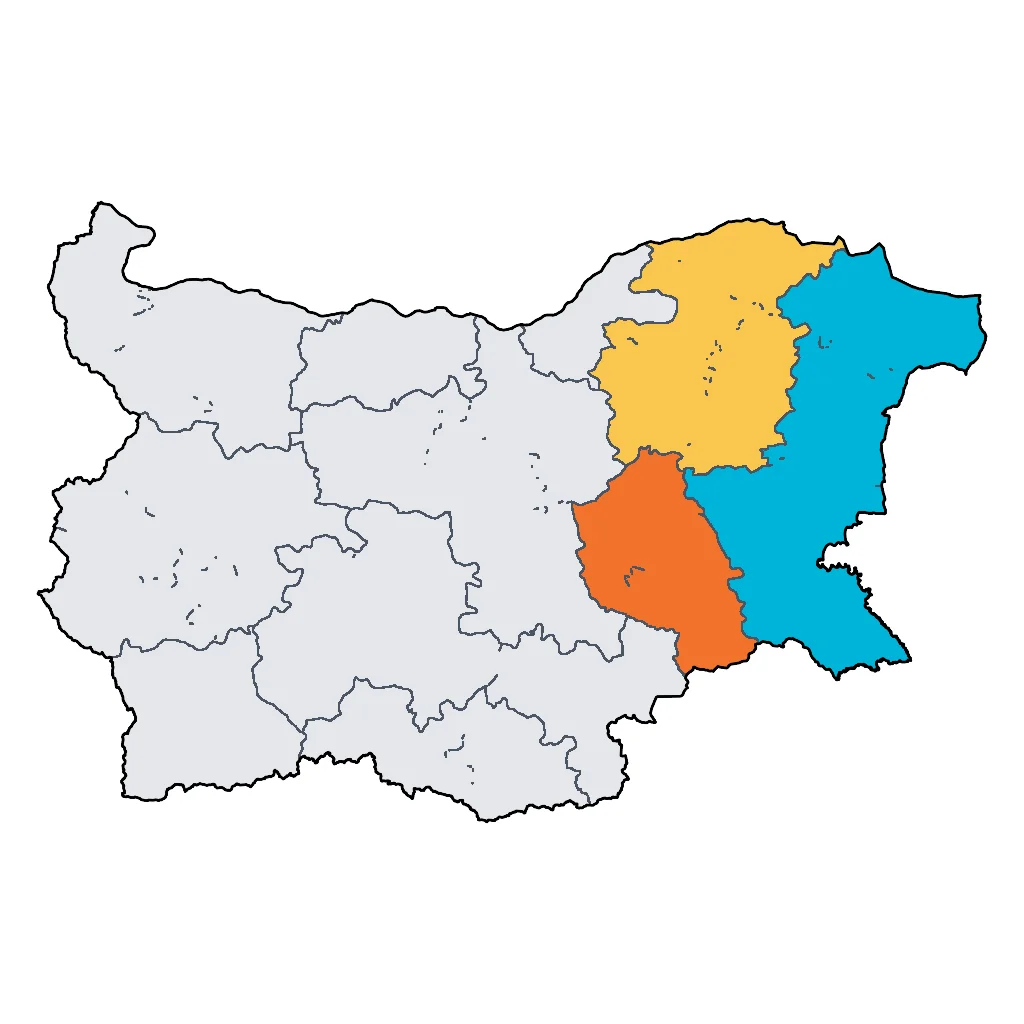
Very GoodLearning experiences, scientific sites, historical education
Home to the UNESCO-protected Thracian Tomb of Kazanlak and the historic Shipka Pass, the region provides world-class historical context for families. Educational sites are most accessible during the pleasant weather of late spring and autumn, while extreme winter temperatures limit comfortable learning outdoors.
Features the world's oldest processed gold in Varna and the UNESCO Sveshtari Thracian Tomb, offering profound insights into ancient history. Peak conditions align with manageable weather for visiting sprawling archaeological sites; off-season weather limits access to many unheated historical exhibits and outdoor excavations.
Home to the UNESCO-listed Ivanovo Rock-hewn Churches and the Roman ruins of Nicopolis ad Istrum, this region provides deep historical immersion for sophisticated families. Peak months ensure dry, safe access to steep rock-hewn sites; shoulder months offer fewer crowds but more variable weather.

Festivals & Seasonal
Very GoodEvents, celebrations, seasonal attractions
The internationally unique Rose Festival in June is a world-class cultural event featuring traditional picking rituals and parades. June is the only peak month due to the fleeting nature of the rose harvest, with shoulder months offering minor agricultural and folkloric events.
Home to internationally recognized events like the Opera Open in the ancient Roman theater and vibrant wine harvest festivals. Peak timing aligns with the major summer cultural calendar; the winter months lack the significant outdoor festivities that define the region's appeal.
Features impressive historical reenactments and the iconic Sound and Light show, which draws international interest. Peak periods in May and September align with major Bulgarian national holidays and offer the most comfortable outdoor event weather.

Relaxation & Wellness
Very GoodSpa retreats, wellness centers, peaceful getaways
The region features authentic thermal traditions, including Sapareva Banya—home to Europe's hottest mineral geyser—and high-end spa retreats in the Rila foothills. Optimal weather in May, June, and September allows for outdoor thermal pool use without the intense heat of mid-summer or the biting cold of winter.
Renowned for its unique hyper-thermal mineral springs in Sandanski and Banya, which provide world-class balneotherapy in a Mediterranean-influenced microclimate. Summer and early autumn (Jun-Sep) offer the ideal weather for outdoor-focused wellness retreats; winter months are less conducive to outdoor relaxation despite the heated springs.
Sophisticated wine-themed spa retreats and the nearby thermal mineral springs of Hisarya offer world-class relaxation. Peak months avoid the peak summer heat (July-August) while maintaining pleasant air temperatures; winter is less suitable for the integrated outdoor wellness experiences this region offers.

Road Trips & Scenic
Very GoodScenic drives, countryside tours, route-based travel
The route between the Balkan Mountains and the Danube features dramatic vistas and authentic, off-the-beaten-path villages. Peak conditions in late summer/early autumn offer the best visibility and lowest rainfall; winter months are avoided due to poor road maintenance in mountain passes and freezing conditions.
Scenic drives through the Rose Valley and vineyard-laden lowlands connect boutique wineries with historic landmarks. Peak seasons offer the best visibility and landscape beauty (blooms in May/June, harvest in September); winter road conditions and low visibility make for a less scenic experience.
The dramatic crossing of the Shipka Pass and the scenic routes through the Rose Valley offer visually stunning drives. Best experienced in spring for rose blooms or autumn for mountain foliage; winter driving is discouraged due to frequent pass closures and dangerous fog/snow conditions.

Ski & Snow
Very GoodWinter sports, ski resorts, snow activities
Borovets and Vitosha offer high-quality alpine infrastructure and significant vertical drops that have hosted World Cup events. January and February provide the most reliable sub-zero temperatures and snow base (avg -5°C min), whereas shoulder months may suffer from slushy conditions or late-season closures.
The cold, snowy winters in the Balkan Mountains provide reliable conditions for winter sports, appealing to families seeking alpine experiences. Peak months (Jan-Feb) offer the best snow coverage; shoulder seasons (Dec, Mar) can be variable; other months are unsuitable due to lack of snow.
Bansko offers a compelling mix of modern lift infrastructure and an authentic, historic mountain town atmosphere. Peak winter months (Dec-Feb) provide reliable cold temperatures and the best snow base; shoulder months (Nov, Mar) see variable conditions with spring skiing possible in late March.

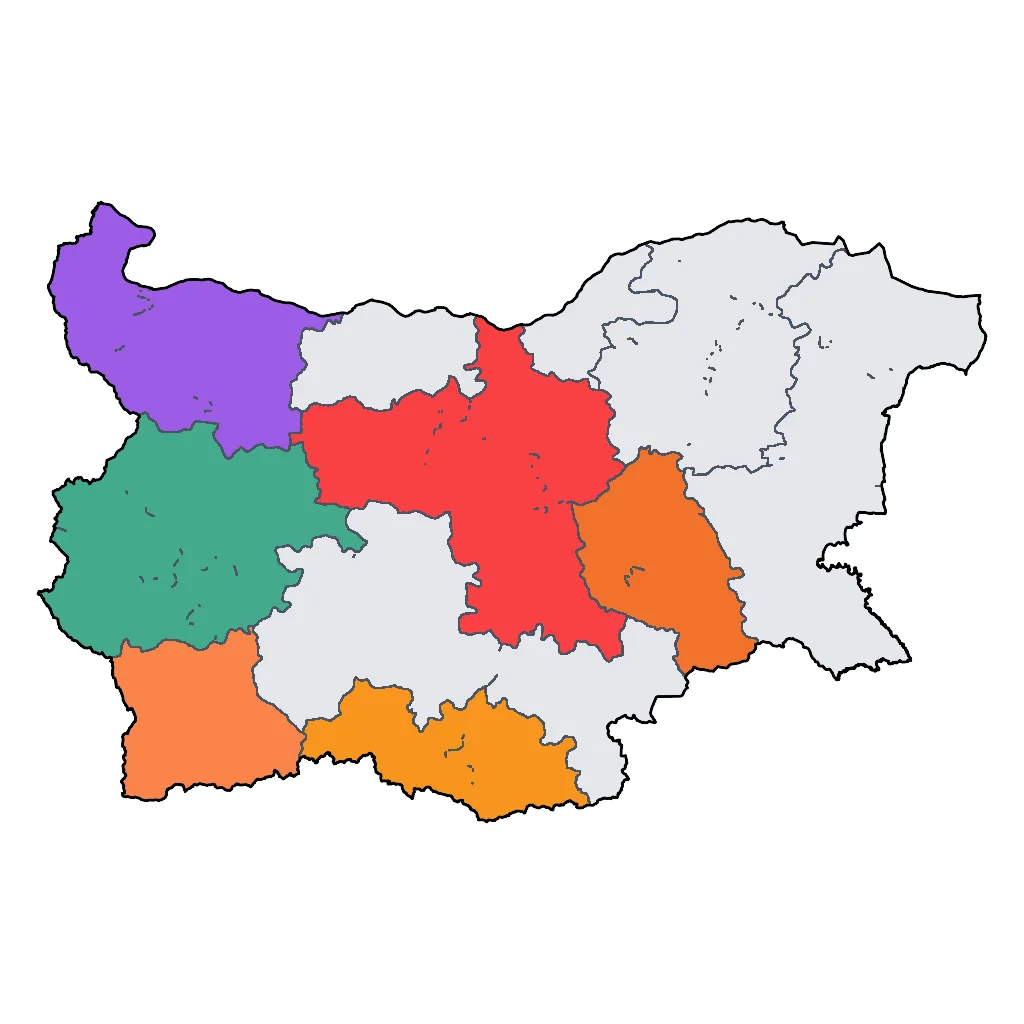
Sports & Active
Very GoodSport tourism, fitness activities, active recreation
Sopot is a world-renowned paragliding destination, while the valley offers excellent horse riding and mountain biking. The summer months provide the necessary thermal conditions and dry trails for these activities, while the winter months are unsuitable due to harsh mountain weather.
Vratsa is a world-class destination for technical rock climbing, and the Danube provides an authentic backdrop for long-distance cycling. Ideal conditions occur between May and September; winter months are unsuitable due to extreme cold and ice on the rock faces.
Excellent terrain for mountain biking, rock climbing, and paragliding in the Vitosha and Rila massifs with professional-grade facilities. The activity season is strictly bound by weather, with peak dry conditions in July and August being the only time to safely access high-mountain terrain for technical sports.

Beach & Sea
Very GoodBeach resorts, marine activities: diving, snorkelling, kite surfing, wind surfing, sailing
The Black Sea Coast is Bulgaria's primary and best-known beach destination, featuring Sunny Beach, Golden Sands, and Nessebar - all listed as editorial attractions. It draws millions of international tourists specifically for beach holidays. Rated the same as Northeast and Southeast coastal areas undermines differentiation. While not Caribbean-tier, it is a recognized European beach destination meriting 'very_good' at the national level.
Offers unique cliffside coastal landscapes and high-end boutique resorts, though water visibility is lower than tropical benchmarks. Peak July-August provides the warmest sea temperatures and driest conditions; shoulder months are pleasant but water temperatures may be slightly cool for children.
The southern coast offers pristine, non-commercialized beaches like Silistar and Veleka Beach, providing a rare sense of tranquility for families. Peak summer months provide the necessary warmth for swimming and calm seas, while the shoulder season offers beautiful coastal scenery with water temperatures too brisk for most children.

Airports & Flight Routes
Toggle options to view domestic routes and international airports. Click an airport for details.
Climate & Weather
Black Sea Coast
Show Details
| Month | Temp °C | Rain | Humidity |
|---|
Central Balkan Mountains & Rose Valley
Show Details
| Month | Temp °C | Rain | Humidity |
|---|
Danubian Plain (Central North)
Show Details
| Month | Temp °C | Rain | Humidity |
|---|
Northeast Bulgaria
Show Details
| Month | Temp °C | Rain | Humidity |
|---|
Northwest Bulgaria
Show Details
| Month | Temp °C | Rain | Humidity |
|---|
Pirin & Southwest Mountains
Show Details
| Month | Temp °C | Rain | Humidity |
|---|

Travel Advisory
All major agencies agree that Bulgaria is a safe destination requiring only standard travel vigilance and adherence to local laws.
Safety Topics
Traveller Advice (2 groups)

Maintain standard vigilance against petty theft by using hotel safes and keeping valuables out of sight. Verify all entry requirements under current Schengen rules.

While legal, same-sex relationships are not widely accepted socially. Travelers should be aware that public displays of affection may be met with hostility or discrimination.