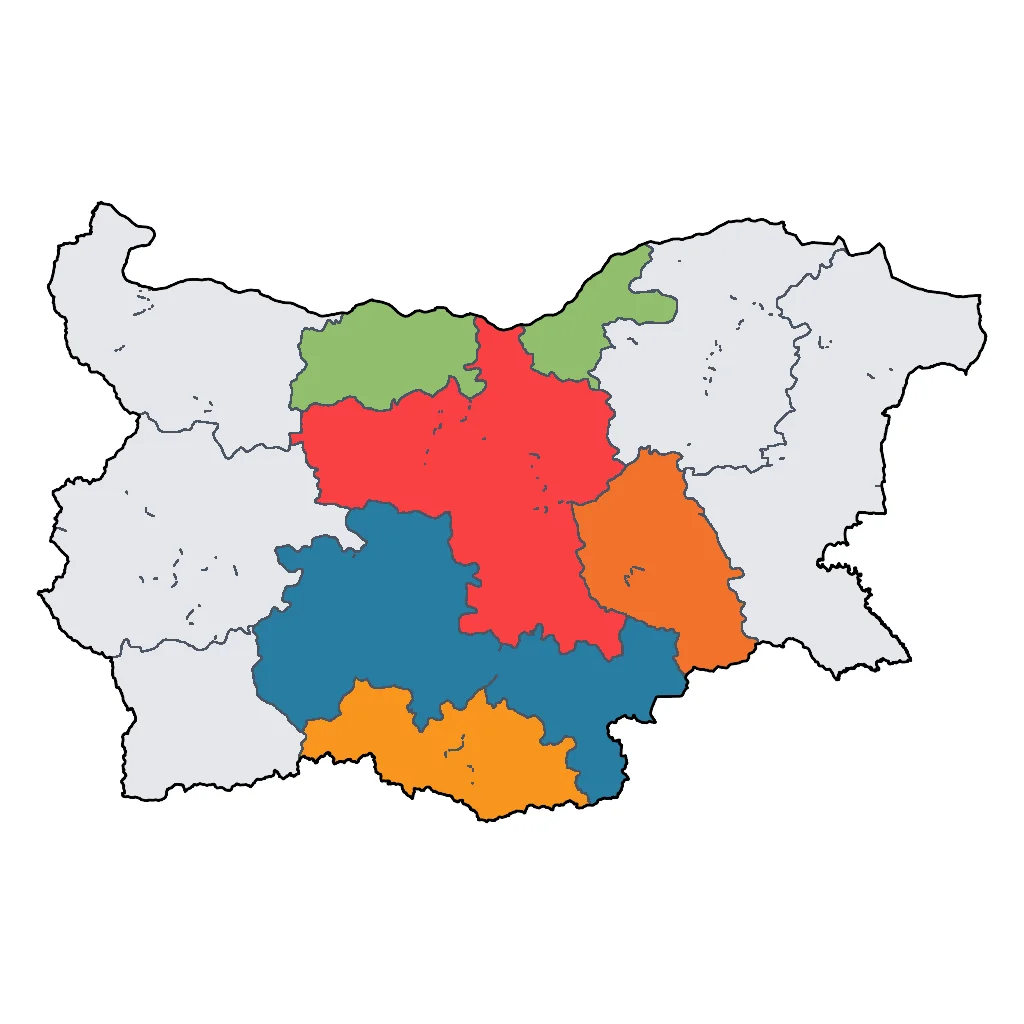
Northeast Bulgaria
Botanical gardens, rocky capes, and dolphin shows 🐬
Northeast Bulgaria combines the convenience of big-city amenities in Varna with unique natural phenomena and coastal beauty. Varna, often called the maritime capital, is anchored by the massive Sea Garden. This sprawling park runs parallel to the beach and is a paradise for families, housing a Dolphinarium, a small amusement park, a zoo, and the Naval Museum where kids can climb on helicopters and cannons. The park's wide, paved alleys are perfect for strollers, rollerblades, and cycling.
North of the city, the landscape changes to dramatic white cliffs. In Balchik, the Palace of Queen Marie of Romania sits within a stunning Botanical Garden. Families can wander through labyrinths of roses, cactus collections, and waterfalls. The palace grounds are a fairytale setting that appeals to children's sense of wonder. Further north, Cape Kaliakra stretches into the sea. This narrow headland features ruins of an ancient fortress and a small museum in a cave. From the cliff edges (fenced for safety), families can often spot dolphins playing in the waves below.
Inland, the Pobiti Kamani (Stone Forest) offers a landscape unlike anywhere else in the country. It is the only desert-like habitat in Bulgaria, filled with hollow stone columns formed naturally millions of years ago. The sandy ground is soft for walking, and kids love hiding inside the hollow pillars. It’s an excellent spot for photos and running off energy. Near the village of Madara, the Madara Rider is a UNESCO-listed large rock relief carved into a high cliff, depicting a horseman spearing a lion. The site includes caves and rock crevices that adventurous kids enjoy exploring.
The region is also known for its mussel farms, particularly near Dalboka, where families can eat fresh seafood on piers right over the water. Summer weather here is warm and breezy, making it comfortable for outdoor activities. Rental cars are recommended to reach the Stone Forest and Cape Kaliakra, though Varna itself is well-connected by public transport.
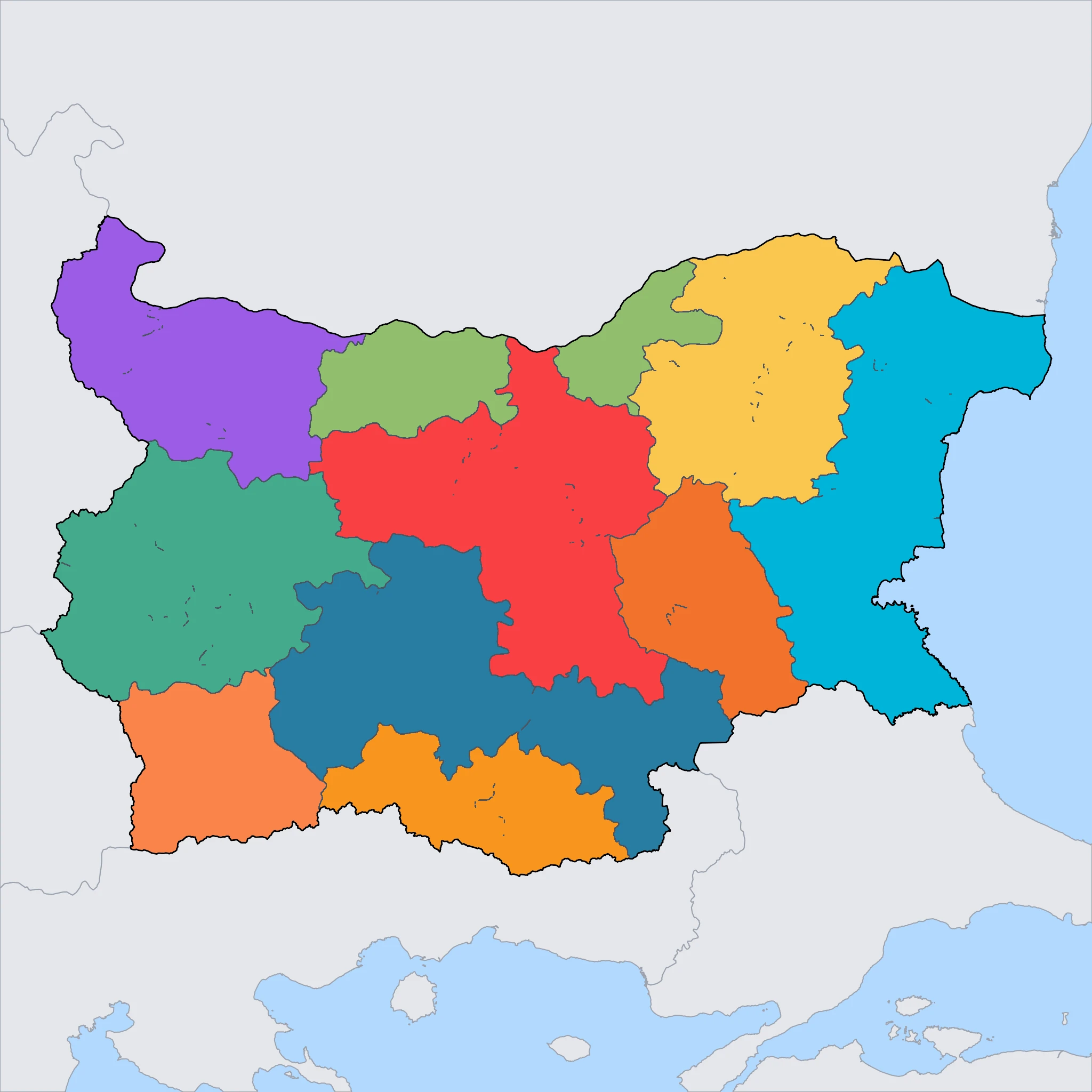
Click a region to explore

Activities & Best Times

Urban tourism, museums, historical sites, architecture
Home to the 'Cradle of Bulgarian Civilization,' including the UNESCO Madara Rider and the ancient capitals of Pliska and Preslav. Peak months offer mild temperatures (17-21°C) ideal for exploring ruins; summer (July-Aug) can be humid for urban sites, while winter is too cold for outdoor archaeological monuments.

Learning experiences, scientific sites, historical education
Features the world's oldest processed gold in Varna and the UNESCO Sveshtari Thracian Tomb, offering profound insights into ancient history. Peak conditions align with manageable weather for visiting sprawling archaeological sites; off-season weather limits access to many unheated historical exhibits and outdoor excavations.

Hiking, wildlife, outdoor exploration, ecotourism
Unique natural wonders like the Stone Forest and Srebarna Nature Reserve (UNESCO) offer rare birdwatching and geological exploration. Peak months avoid the peak summer heat (27°C+) and humidity, providing comfortable trekking conditions; winter temperatures hovering near 0°C are unsuitable for nature exploration.
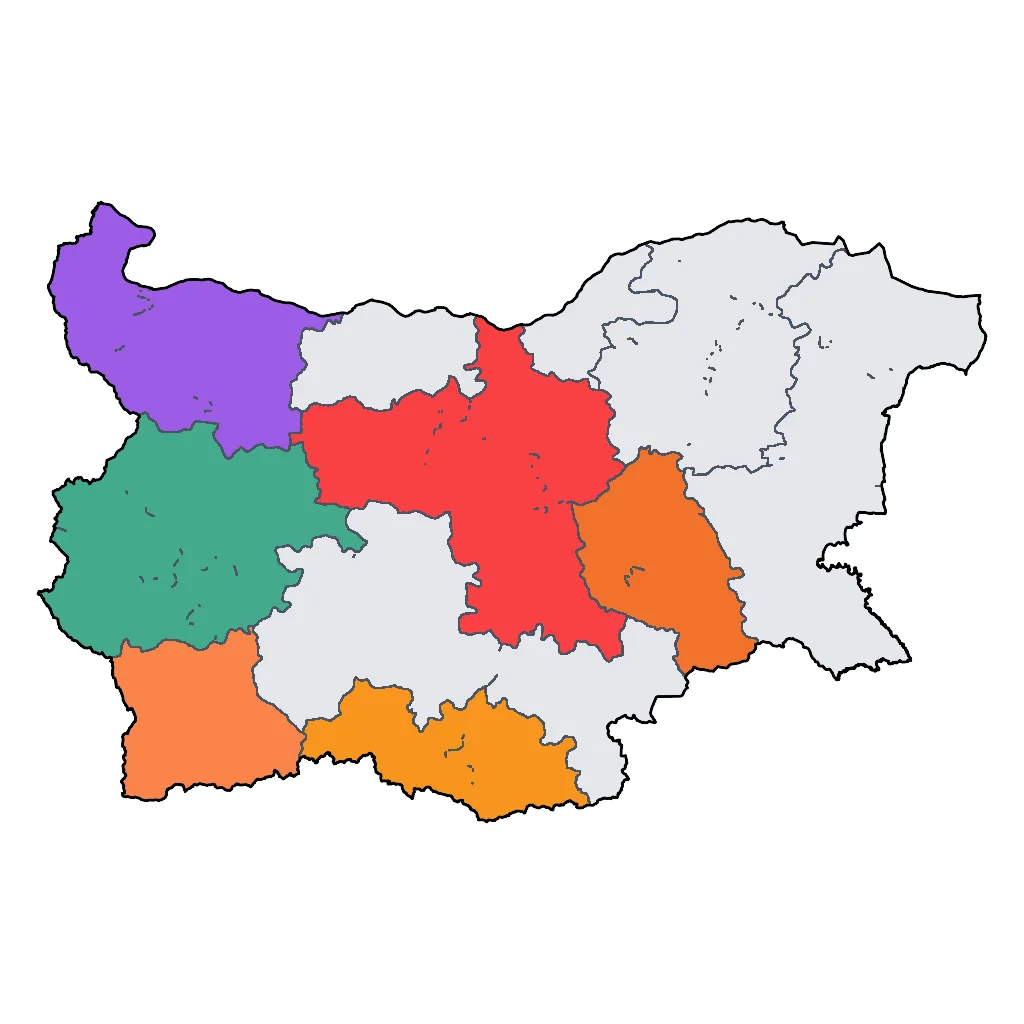

Beach resorts, marine activities: diving, snorkelling, kite surfing, wind surfing, sailing
Offers unique cliffside coastal landscapes and high-end boutique resorts, though water visibility is lower than tropical benchmarks. Peak July-August provides the warmest sea temperatures and driest conditions; shoulder months are pleasant but water temperatures may be slightly cool for children.
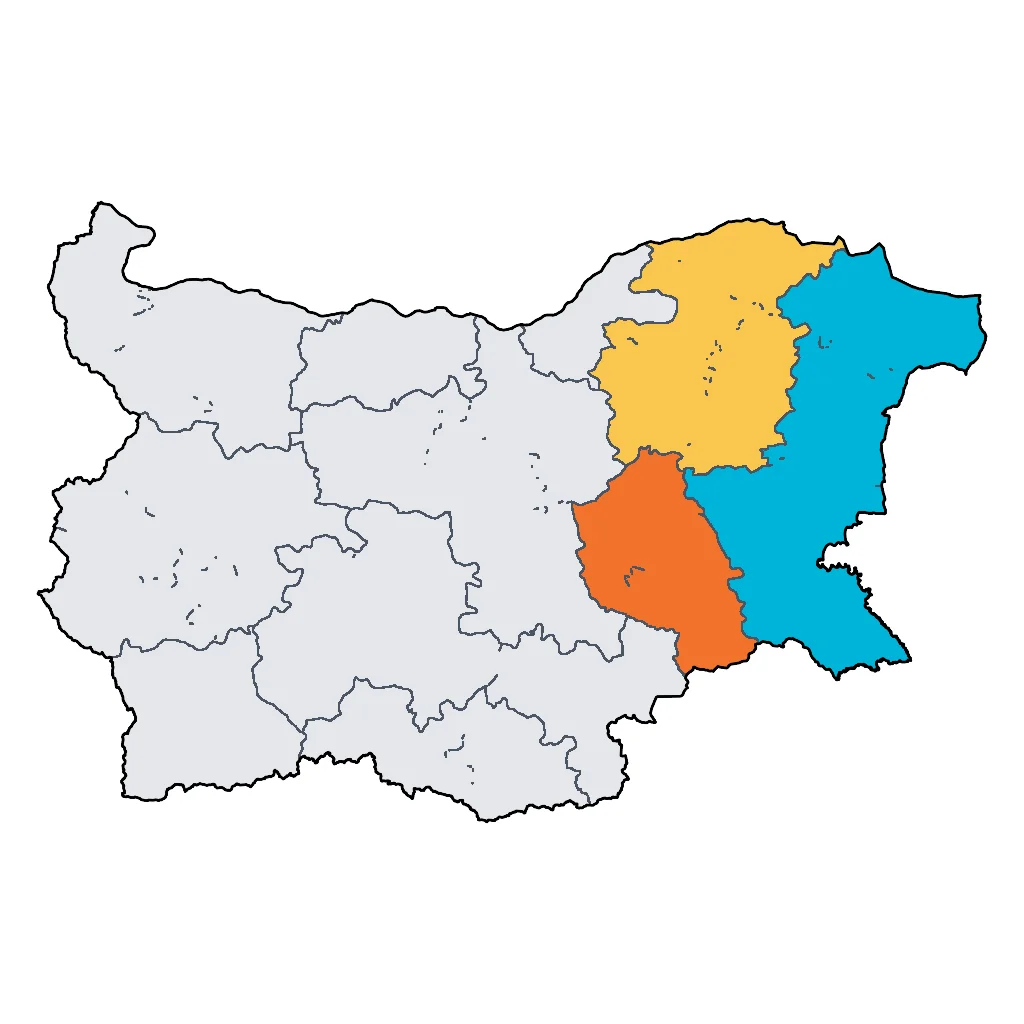

Spa retreats, wellness centers, peaceful getaways
Renowned for authentic mineral springs and therapeutic mud baths at Balchik and Tuzlata, integrated into sophisticated coastal resorts. Peak summer months allow for outdoor treatments and seaside relaxation; the off-season limits the use of outdoor mineral facilities as temperatures drop significantly.

Scenic drives, countryside tours, route-based travel
Spectacular cliffside drives along the Black Sea coast and scenic routes through the Danubian Plain connect ancient historical landmarks. Peak months provide clear visibility and lush landscapes; winter months bring risks of ice and dampness that degrade the scenic experience and safety.
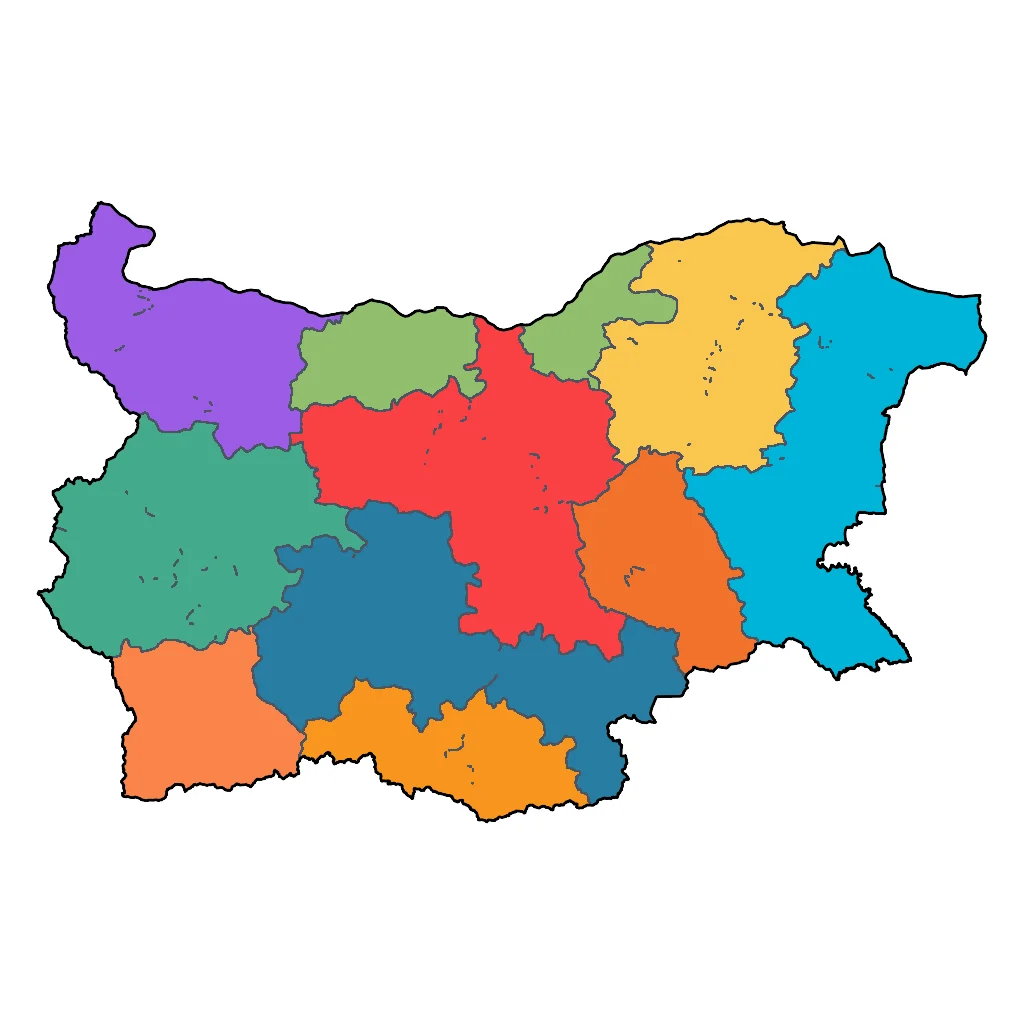

Sport tourism, fitness activities, active recreation
The 'very_good' rating cites world-class golf at Cape Kaliakra and sailing in Varna Bay. However, the region's editorial attractions (Madara Rider, Srebarna Reserve, Sveshtari Tomb) are all heritage/nature sites with no sports infrastructure evidence. Cape Kaliakra and its golf courses are geographically associated with the Black Sea Coast region. Without sports-specific attraction evidence in this region, 'good' is more appropriate.

Events, celebrations, seasonal attractions
The region hosts some local events, such as the Varna Summer International Music Festival and Golden Days International Folklore Festival, but it does not feature a concentration of internationally recognized or uniquely significant festivals that would consistently draw sophisticated global travelers. Peak festival activity occurs in the summer (Jun-Aug) in coastal areas like Varna; shoulder months (May, Sep) may have smaller events, with other periods being off-season for major festivals.