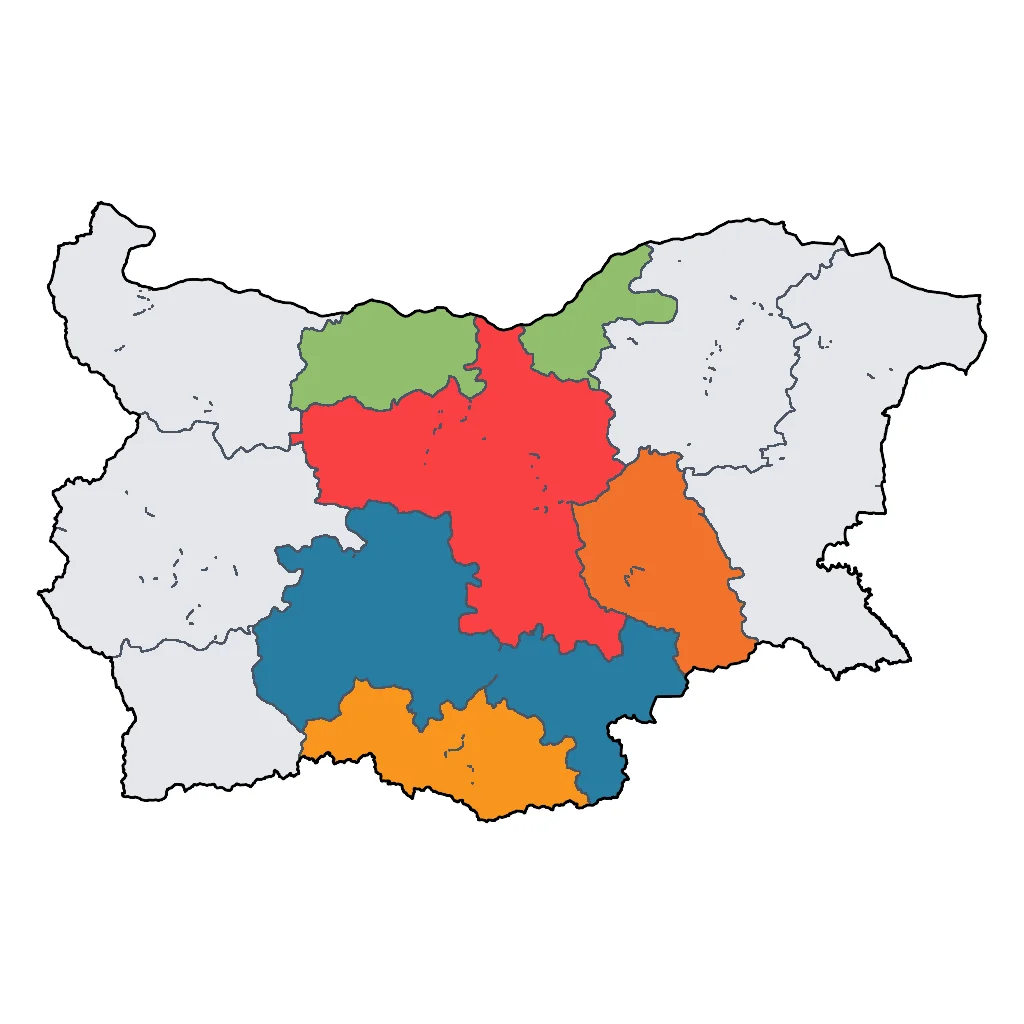
Sofia & Western Bulgaria
Capital culture, science fun, and mountain escapes 🚋
Sofia & Western Bulgaria offers the perfect mix of urban excitement and nature access. Sofia, the capital, is surprisingly green and walkable. A top attraction for families is Muzeiko, the largest children's science museum in the Balkans. It features three floors of interactive exhibits covering space, geology, and history, designed for kids to touch, climb, and experiment. For outdoor time, the vast Borisova Gradina park offers playgrounds, a ropes course, and shaded paths. In the city centre, seeing the Changing of the Guard at the Presidency and walking on the yellow cobblestones to the massive Alexander Nevsky Cathedral are must-dos.
Uniquely, Sofia lies at the foot of Vitosha Mountain. Families can take a cable car from the city edge up to the Aleko hut, where flat paths offer alpine views without the hard climb. In winter, this area has small ski runs and sledging hills popular with locals. Just south of the city, the Boyana Church (UNESCO) sits in a park setting with ancient sequoia trees, while the nearby National History Museum holds Thracian gold treasures that sparkle enough to catch any child's eye.
Beyond the capital, the Iskar Gorge offers a scenic train ride or drive along the river, with cliffs rising on both sides. The "Vazov's Eco Trail" leads to the Skaklya waterfall and offers stunning views, though parts are steep. To the east lies the historic town of Koprivshtitsa. Its colourful 19th-century houses are museums dedicated to Bulgarian heroes. The town is small, quiet, and car-free in many parts, allowing kids to explore the cobbled streets and river bridges safely. Horse riding is a popular activity here, with ponies often available for younger riders.
Sofia has a metro system that is clean, safe, and stroller-accessible, making getting around easy. The city's malls also offer large indoor play centres, which are great options for rainy days.
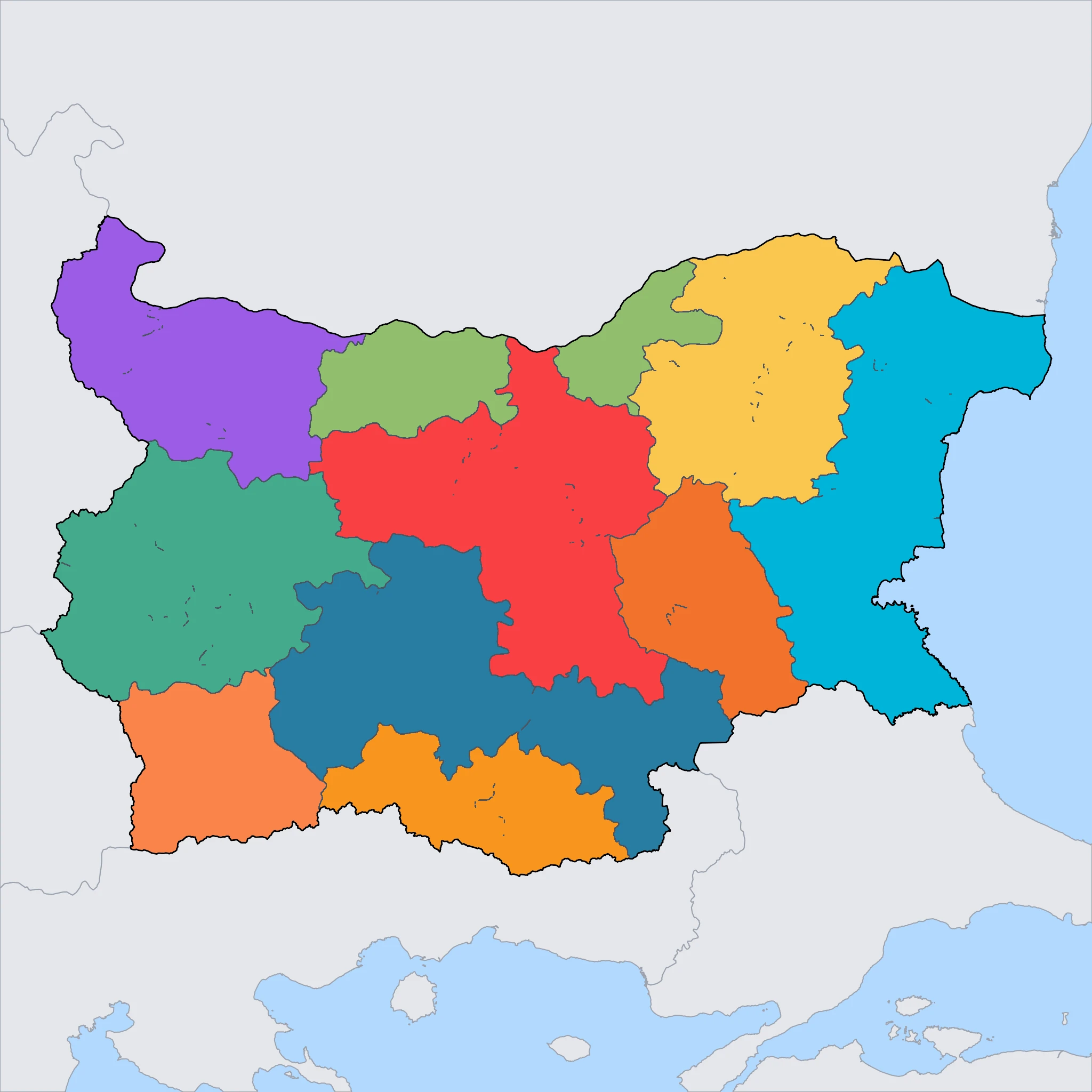
Click a region to explore

Activities & Best Times

Hiking, wildlife, outdoor exploration, ecotourism
Home to the Rila National Park and the Seven Rila Lakes, offering pristine alpine landscapes and high-altitude hiking that rivals Western Europe's best ranges. Peak summer (Jul-Aug) provides the only reliable window for snow-free trails and clear visibility, while late spring (May-Jun) remains wet and potentially dangerous due to snowmelt.
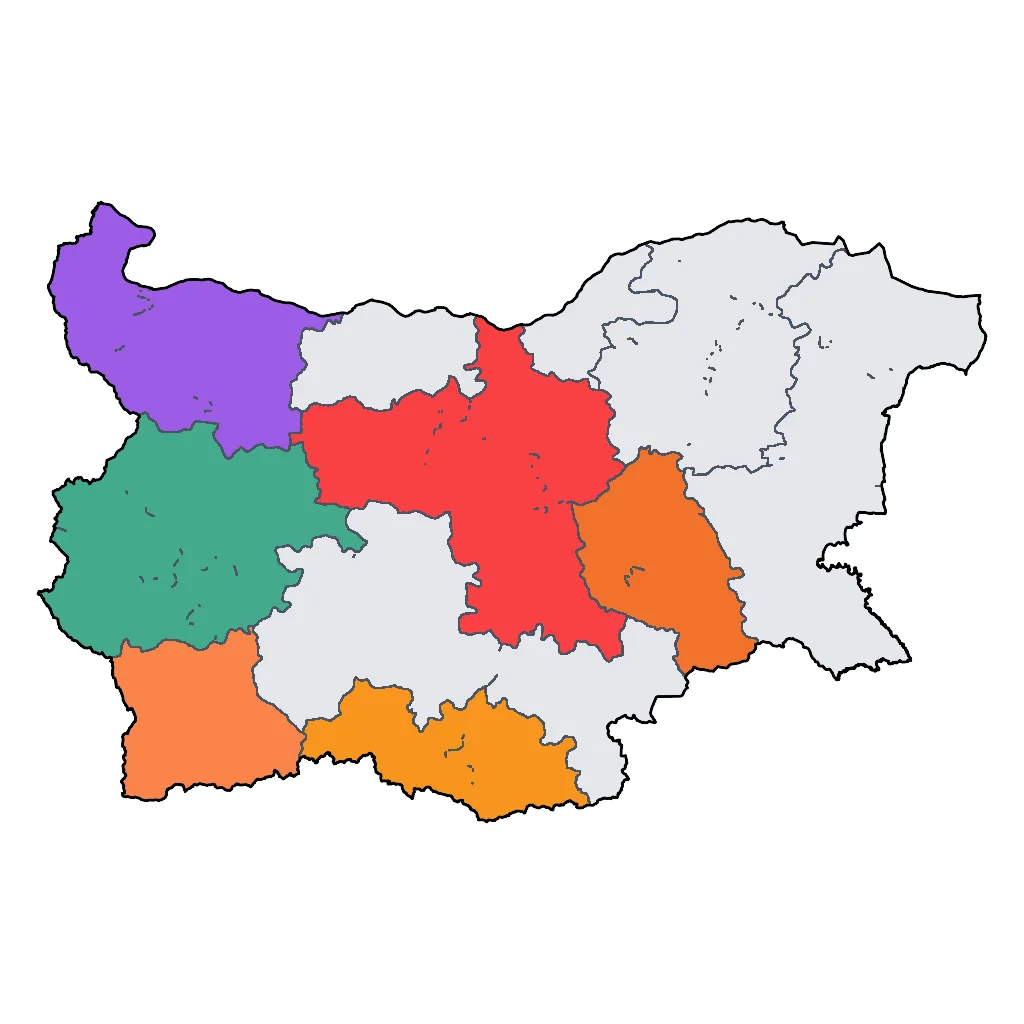

Urban tourism, museums, historical sites, architecture
Sofia is a unique 'compact' capital where Roman Serdica ruins and the gold-domed Alexander Nevsky Cathedral are accessible on foot, complemented by the world-class Rila Monastery nearby. Late spring and early autumn offer mild temperatures (15-22°C) perfect for urban exploration, while the grey, humid winter months (62-63% humidity) diminish the city's architectural charm.
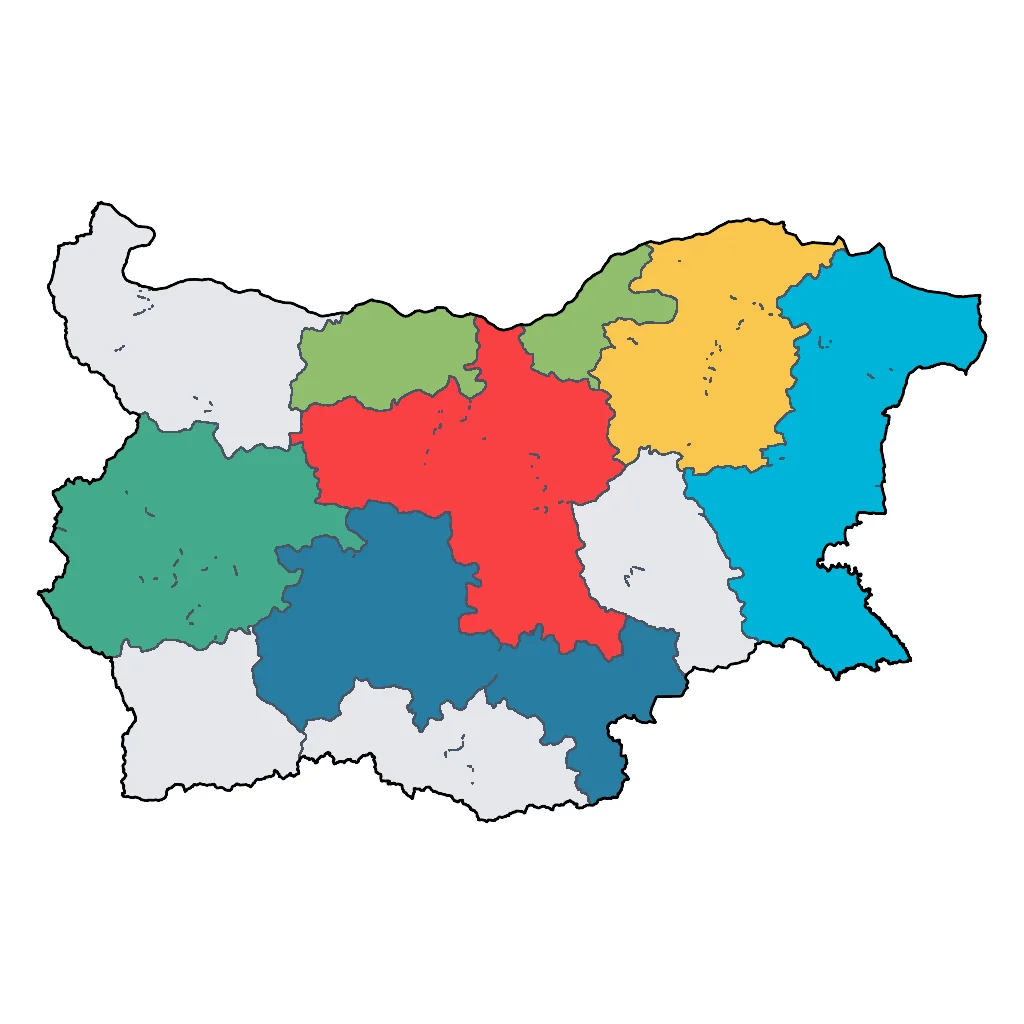

Spa retreats, wellness centers, peaceful getaways
The region features authentic thermal traditions, including Sapareva Banya—home to Europe's hottest mineral geyser—and high-end spa retreats in the Rila foothills. Optimal weather in May, June, and September allows for outdoor thermal pool use without the intense heat of mid-summer or the biting cold of winter.
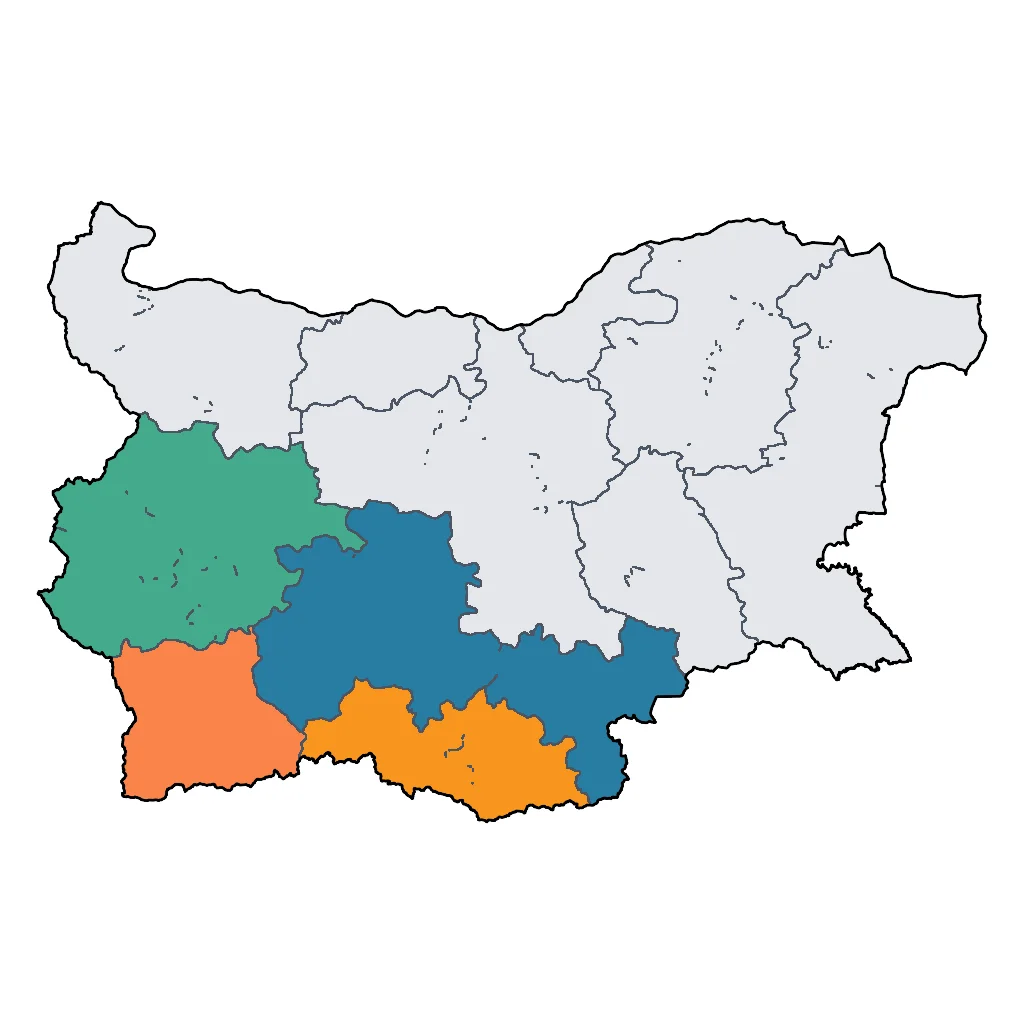

Winter sports, ski resorts, snow activities
Borovets and Vitosha offer high-quality alpine infrastructure and significant vertical drops that have hosted World Cup events. January and February provide the most reliable sub-zero temperatures and snow base (avg -5°C min), whereas shoulder months may suffer from slushy conditions or late-season closures.
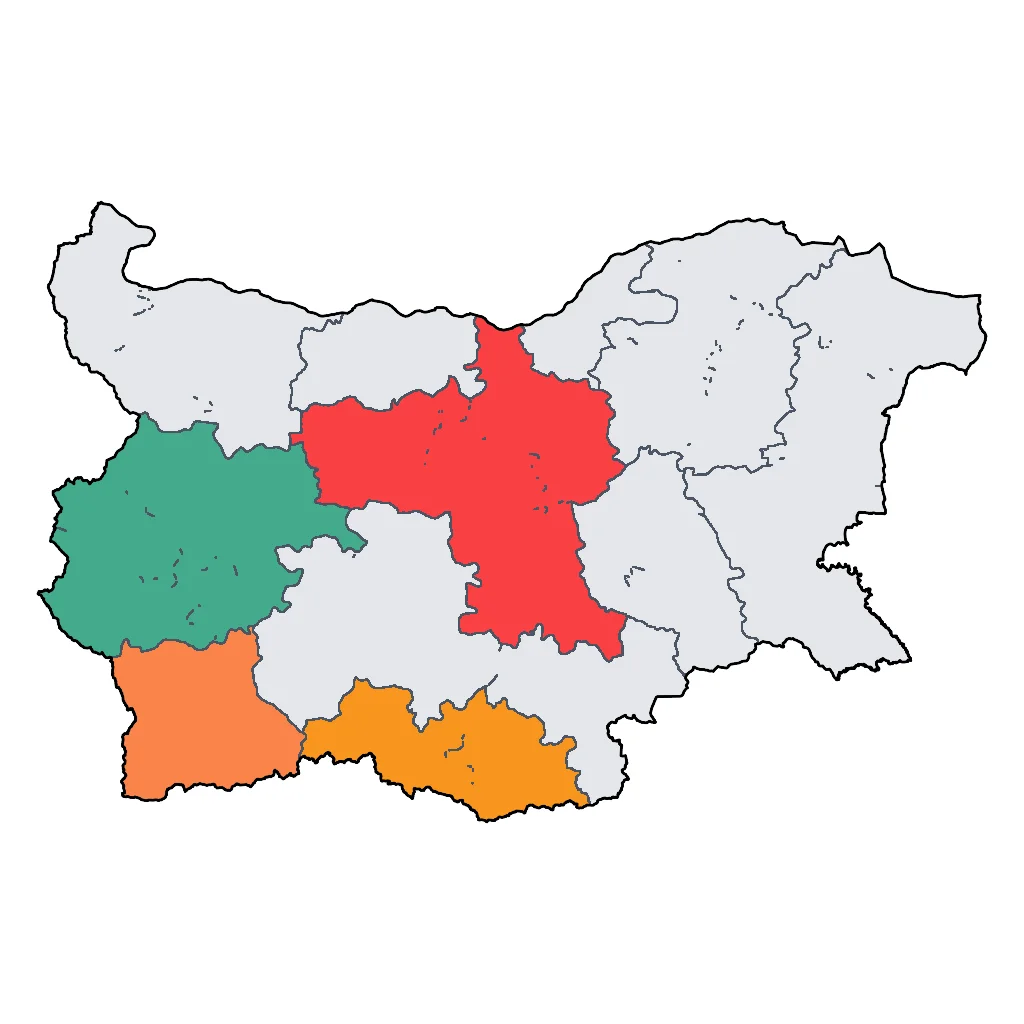

Sport tourism, fitness activities, active recreation
Excellent terrain for mountain biking, rock climbing, and paragliding in the Vitosha and Rila massifs with professional-grade facilities. The activity season is strictly bound by weather, with peak dry conditions in July and August being the only time to safely access high-mountain terrain for technical sports.
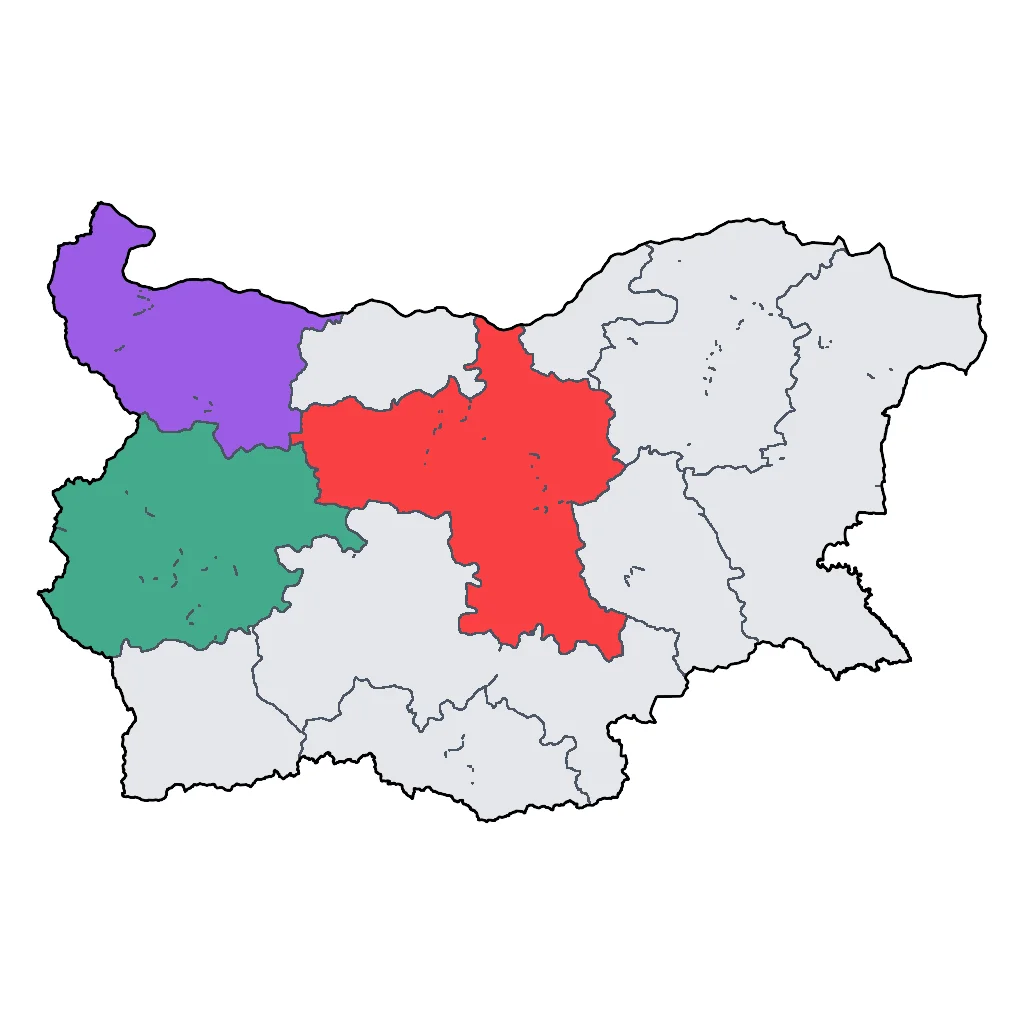

Learning experiences, scientific sites, historical education
Offers profound historical depth via the UNESCO-listed Boyana Church and the archaeological complex of Serdica, alongside modern facilities like Muzeiko for children. Dry, temperate months are best for visiting remote sites like Rila Monastery, while winter weather can make mountain transit to these educational sites difficult.
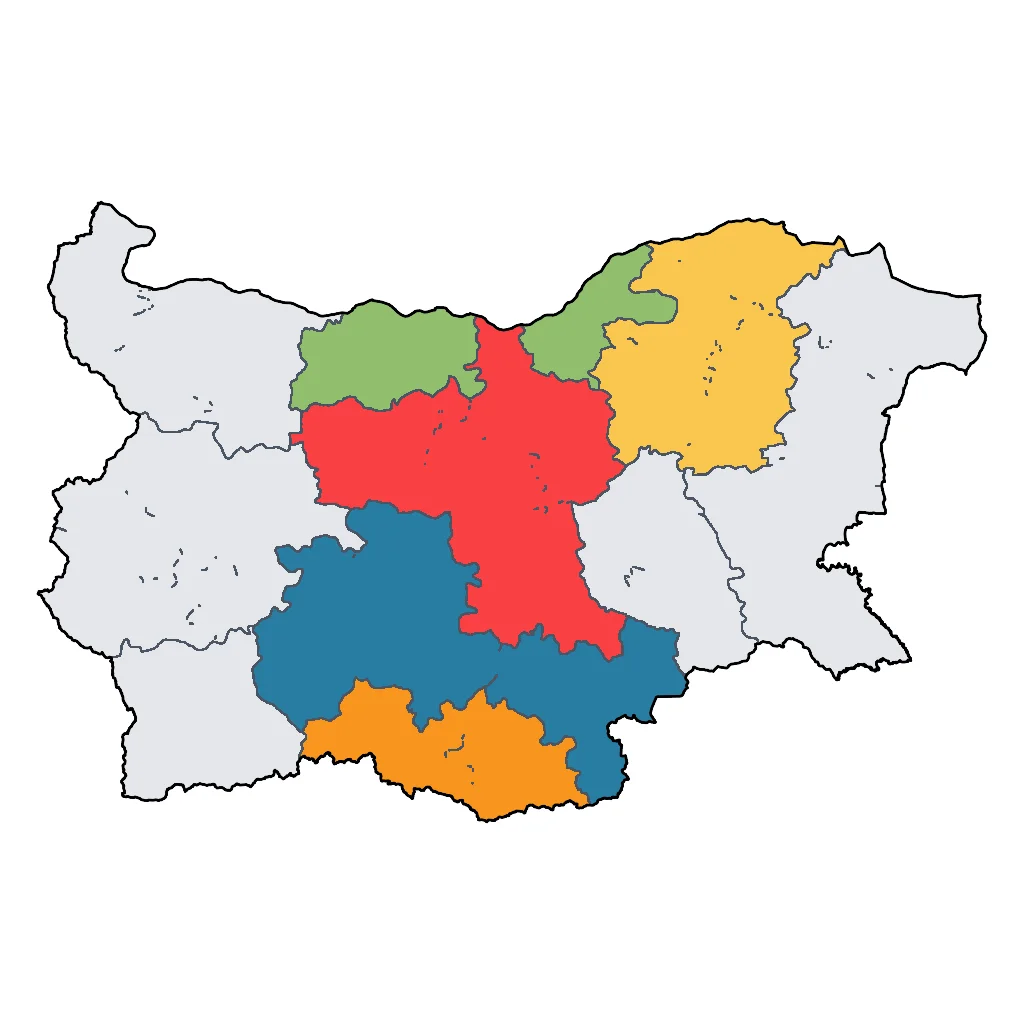
Scenic drives, countryside tours, route-based travel
Scenic routes through the Iskar Gorge and the winding roads to the Rila mountains offer spectacular vistas and access to authentic rural life. June and September provide peak visibility and lush greenery or autumn colors, while winter months are frequently plagued by fog, ice, and road closures in the higher altitudes.

Events, celebrations, seasonal attractions
The UNESCO-recognized Surva Festival in Pernik (January) and the Sofia Film Fest (March/June) provide unique cultural windows. Outside of these specific event windows, the region lacks the consistent, world-class seasonal festival circuit found in major Western European hubs.