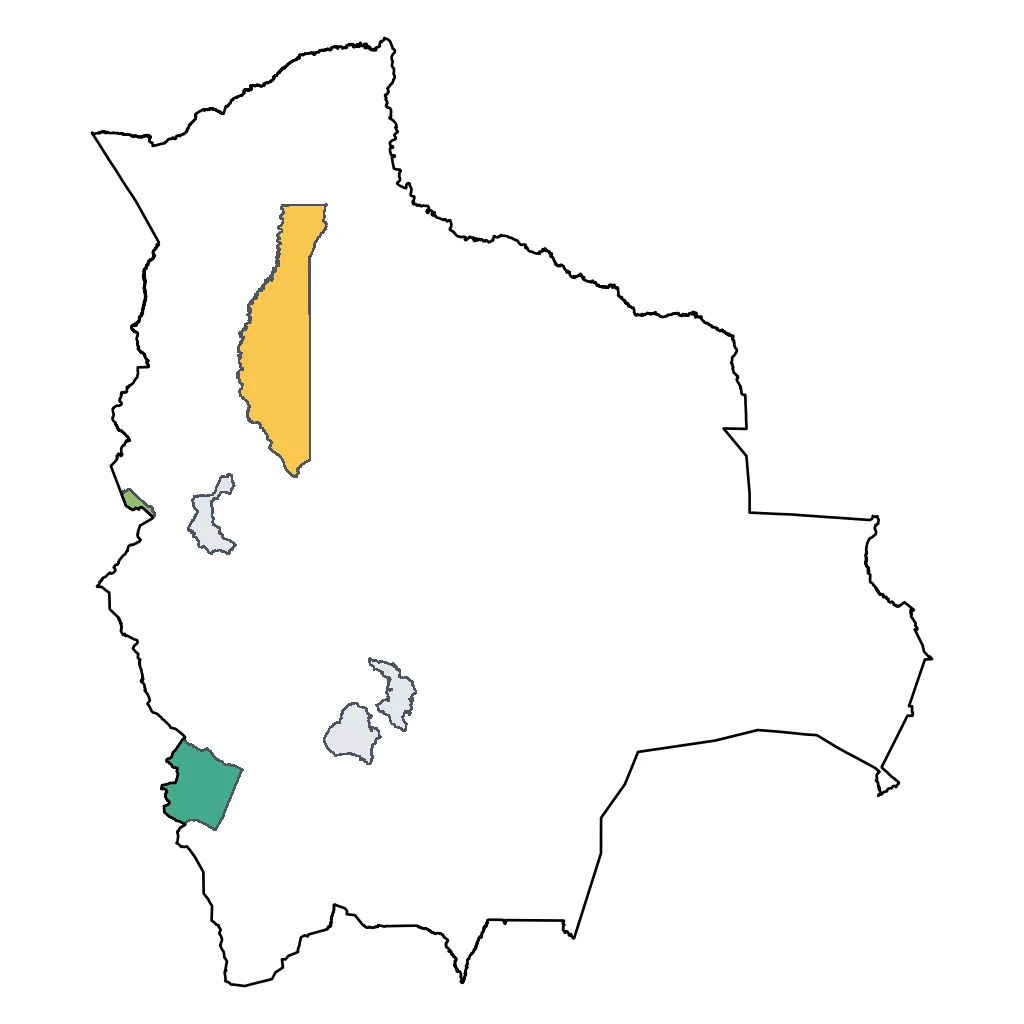

La Paz & Surroundings
A city in the sky with cable car adventures 🚡🏙️
La Paz is a dizzying, vibrant city built into a canyon, with buildings clinging to the steep sides. While the chaotic traffic at street level can be overwhelming for families, the city's solution—Mi Teleférico—is a tourist attraction in itself. This extensive network of cable cars acts as a subway in the sky. It is clean, safe, and stroller-friendly, offering families a calm way to glide over the city. Kids generally love the experience of flying over rooftops, and the Red and Yellow lines provide particularly spectacular views of the snow-capped Illimani mountain.
Culturally, the city offers unique sights that capture children's imaginations. The famous Witches' Market (Mercado de las Brujas) sells curious items like dried llama fetuses and herbal potions; while it might be too eerie for very young sensitive children, older kids often find the Harry Potter-esque atmosphere fascinating. For a break from the urban density, a trip to Valle de la Luna (Moon Valley) is essential. Located in the southern zone, this area features bizarre clay formations, stalagmites, and canyons created by erosion. A manageable walking path winds through the formations, allowing families to explore a landscape that feels truly alien.
Practical tips: La Paz is one of the highest cities in the world (ranging from 3,600m to 4,000m). Altitude sickness is a real risk. Families should plan to take it extremely slow for the first two days, keep hydrated, and eat light meals. Hotels in the southern neighborhood of Calacoto are at a lower altitude than the center, which can help with sleeping. Taxis are plentiful, but using radio taxis or apps like Uber is recommended for safety. The weather can change rapidly from sunny to hailstorms, so carrying a backpack with layers and waterproof jackets is always a smart move.
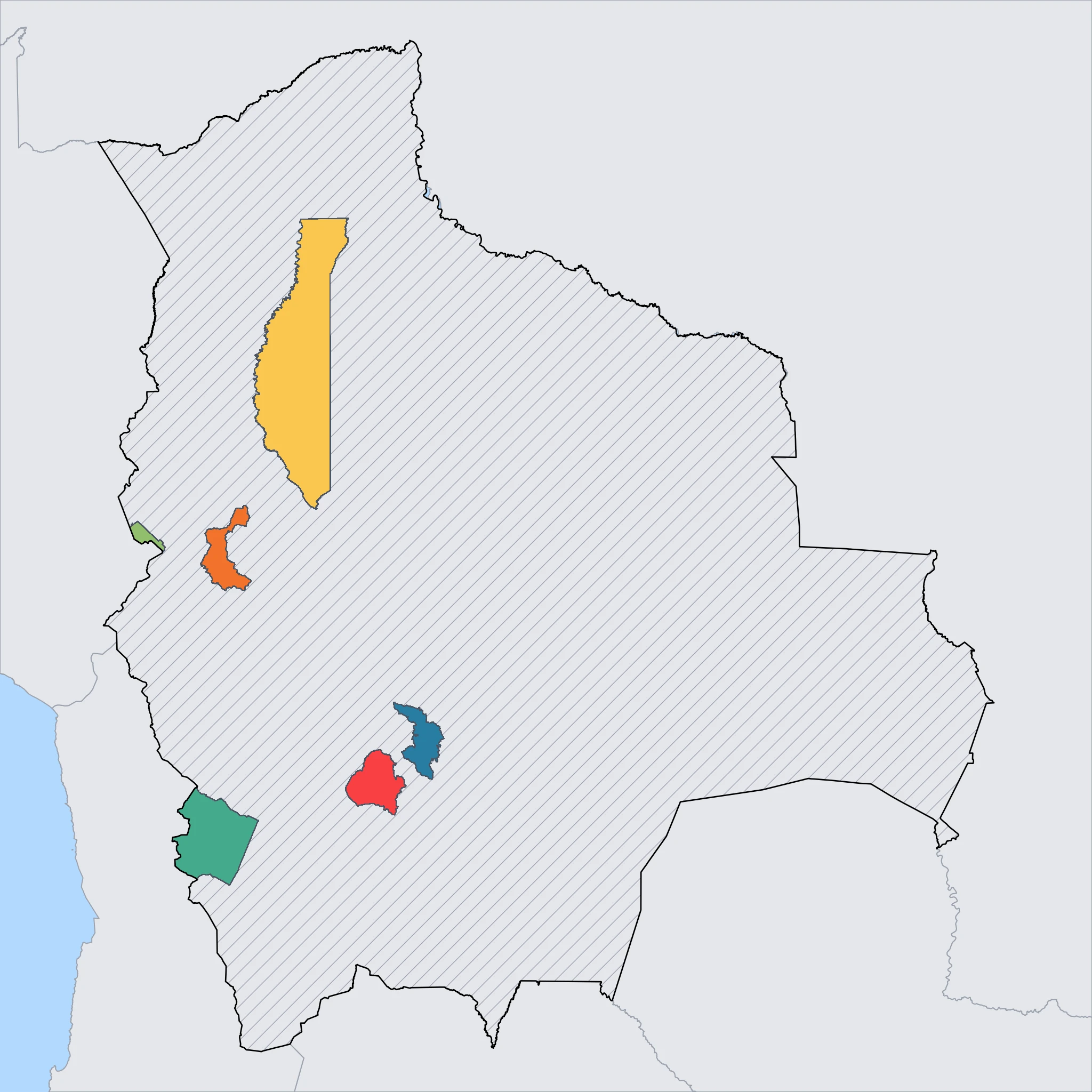
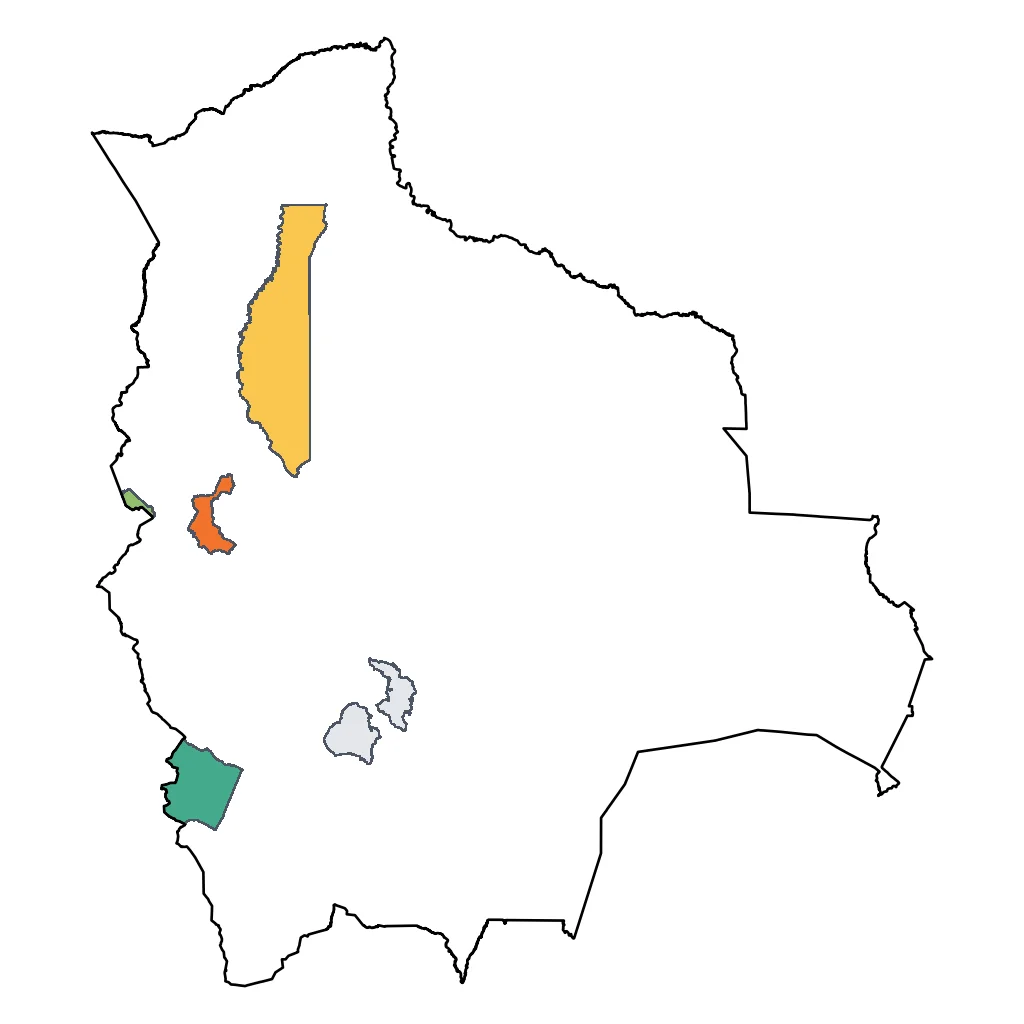
Click a region to explore

Activities & Best Times

Hiking, wildlife, outdoor exploration, ecotourism
Offers world-class trekking in the Cordillera Real and the legendary descent from high-altitude glaciers into the subtropical Yungas. Dry winter months provide stable trail conditions and high visibility; however, high rainfall (>200mm) during summer makes mountain passes dangerous and limits wildlife visibility.
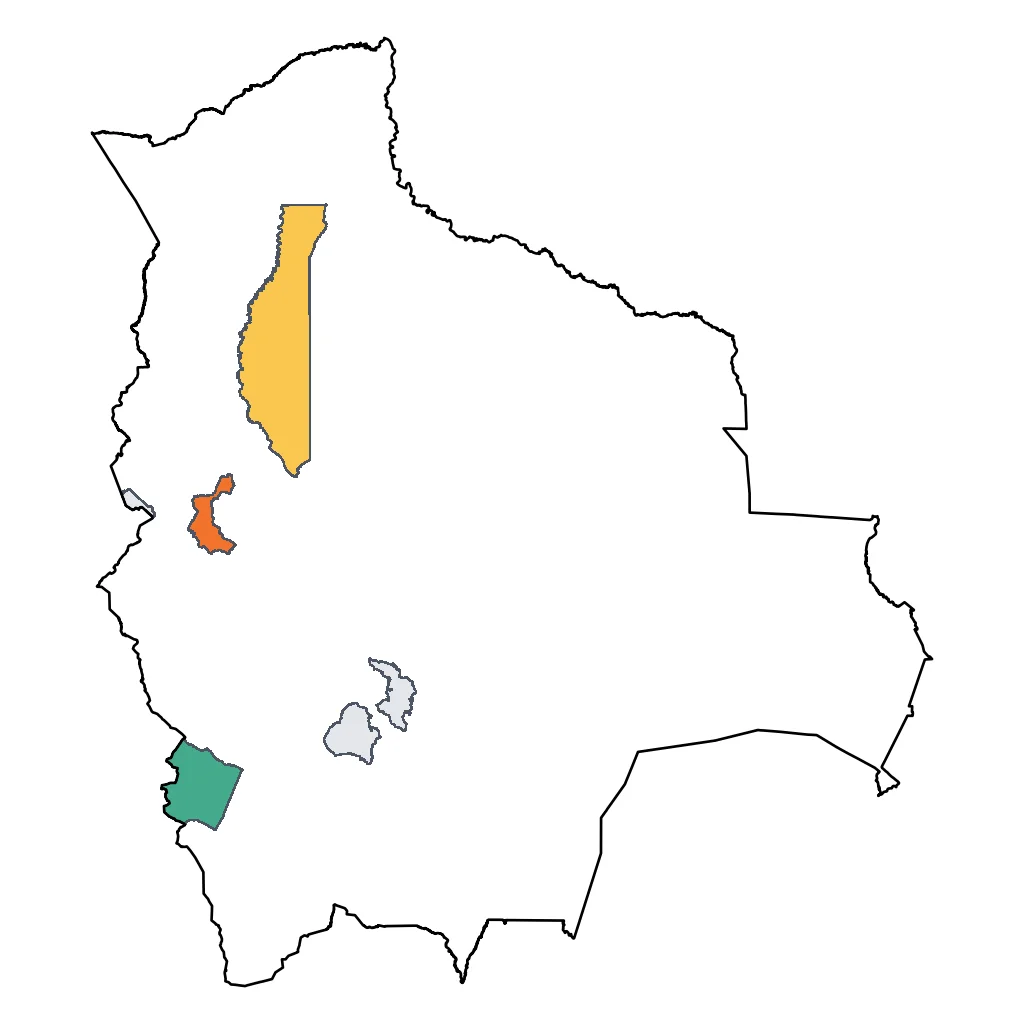

Urban tourism, museums, historical sites, architecture
While La Paz is genuinely unique (highest capital, teleférico, Witches' Market), it does not compare to globally excellent cultural cities (Rome, Kyoto, Istanbul). Infrastructure challenges and chaotic urban conditions limit the cultural tourism experience. 'very_good' is more internationally calibrated and still reflects its distinctive character.
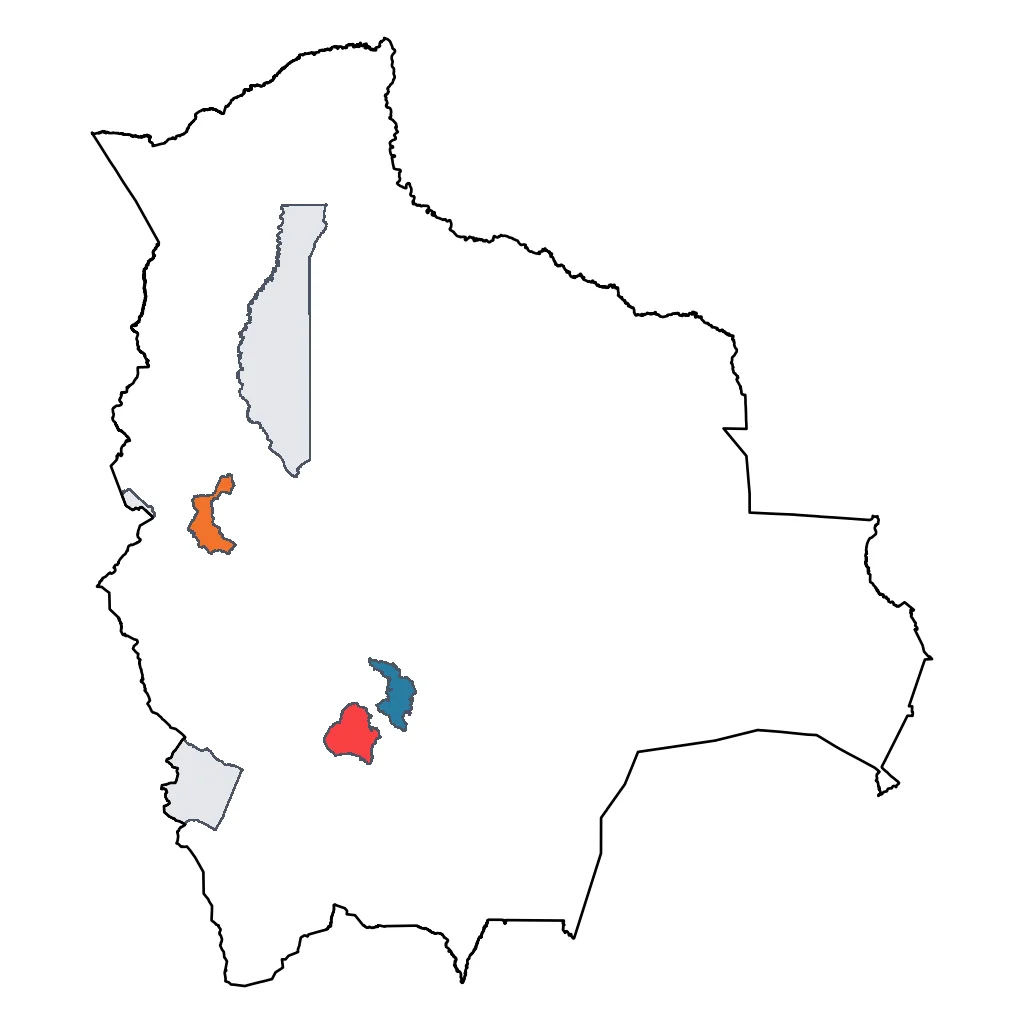

Learning experiences, scientific sites, historical education
Home to the UNESCO-listed Tiwanaku ruins, offering profound insights into pre-Columbian history and Andean cosmology. Visiting during the dry months is essential for exploring the outdoor archaeological sites comfortably; off-season rain limits access to sites and can impact the preservation of historical artifacts.
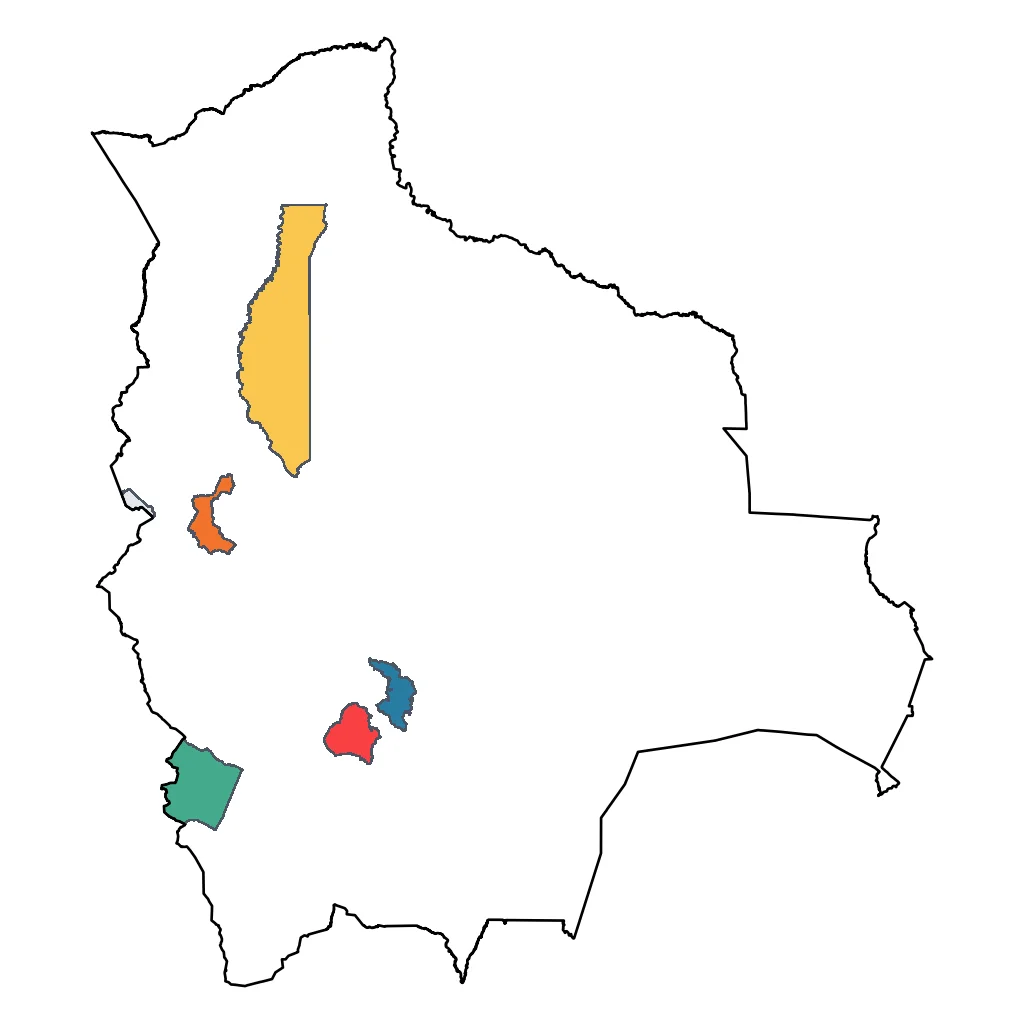

Events, celebrations, seasonal attractions
Hosts authentic, world-class events like the Alasitas festival (Jan) and the spectacular Gran Poder (May/June), showcasing vibrant indigenous traditions. While January falls in the rainy season, the unique cultural significance of Alasitas remains a peak experience for discerning travelers; other months lack significant international-scale events.
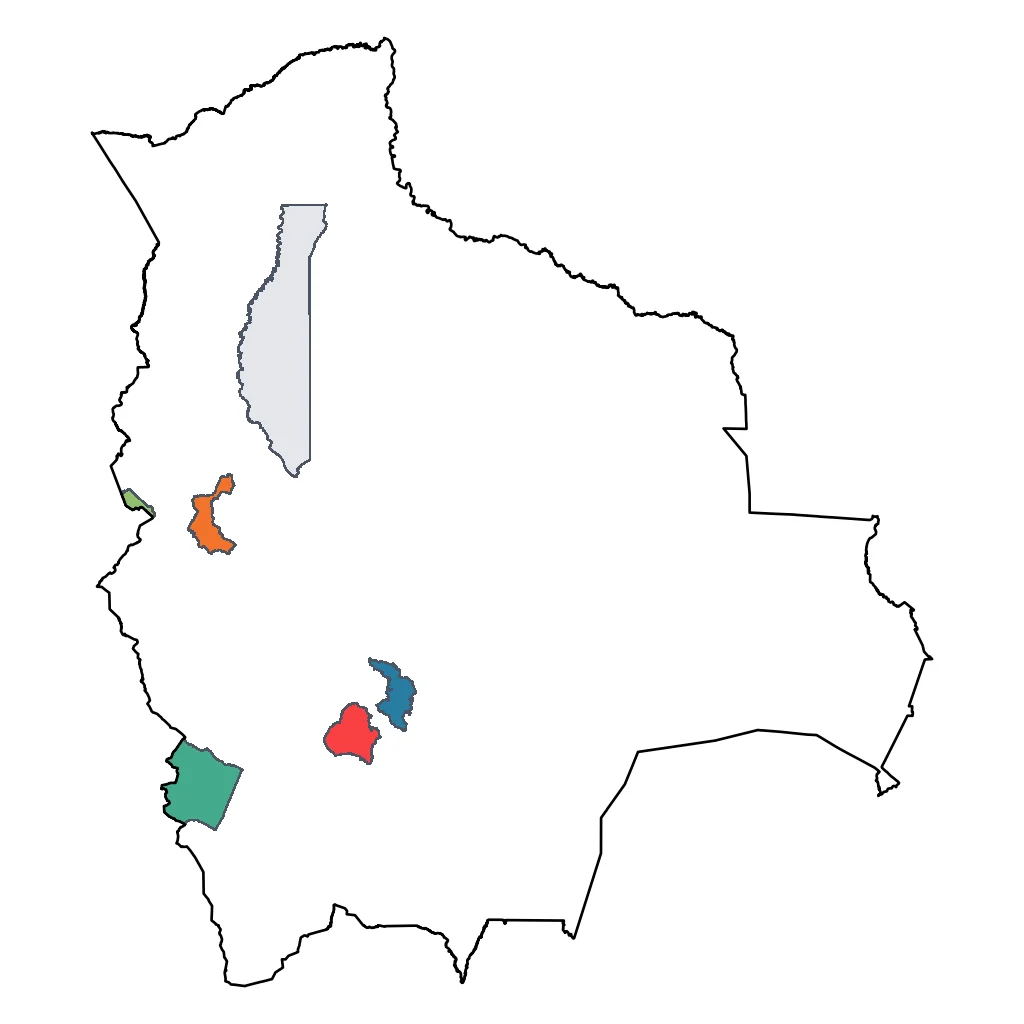
Scenic drives, countryside tours, route-based travel
Features the 'Death Road' and dramatic drives through the Altiplano that appeal to the most adventurous sophisticated travelers. Peak season ensures dry, safer road surfaces and clear mountain vistas; the rainy season (Nov-Mar) is characterized by frequent landslides and fog, making these routes hazardous.
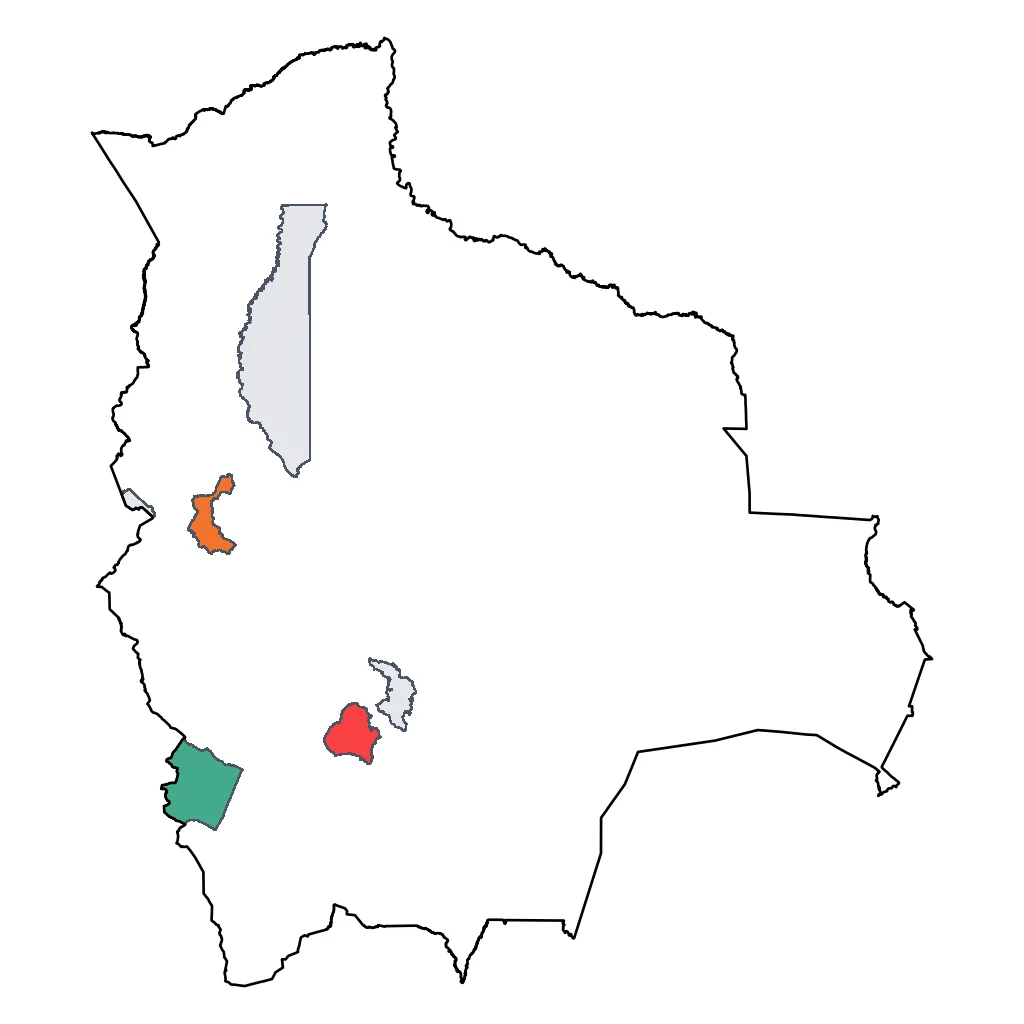

Sport tourism, fitness activities, active recreation
A premier destination for high-altitude mountain biking and technical peak climbing (e.g., Illimani). Peak season offers the dry, stable conditions required for these high-risk activities; the summer monsoon makes technical climbing nearly impossible and turns biking trails into hazardous mud slides.

Spa retreats, wellness centers, peaceful getaways
Luxury boutique hotels in the lower-altitude Zona Sur provide high-end spas utilizing ancient Andean rituals and coca treatments. While authentic, the region's high altitude and thin air (3,600m+) can hinder deep relaxation for those not fully acclimated, making it less ideal than traditional wellness hubs.