

Brazil is a destination that captivates children with its sheer scale and energy. As the largest country in South America, it spans vast rainforests, bustling metropolises, and over 7,000 kilometers of coastline. For families, the appeal lies in the diversity of experiences; you can be exploring a jungle canopy in the morning and playing beach soccer by sunset. The Brazilian culture is famously warm and child-friendly, where crianças (children) are welcomed almost everywhere, often dissolving language barriers with a smile.
Urban Adventures and Iconic Sights
Most family trips begin in Rio de Janeiro, where the landscape provides natural thrills within a major city. The exhilarating cable car ride to the top of Sugarloaf Mountain offers panoramic views of the bay without a strenuous hike. Across the city, the cog train journey through the Tijuca Forest to the feet of Christ the Redeemer is an adventure in itself, often accompanied by sightings of monkeys and jackfruit trees. For a dose of science and the future, the Museum of Tomorrow on the waterfront engages curious minds with interactive exhibits.
Nature and Wildlife
Beyond the cities, Brazil’s natural wonders are accessible even to younger travelers. Iguazu Falls, on the border with Argentina, features a system of safe walkways that allow families to stand amidst the spray of 275 waterfalls. The surrounding park is home to coatis and colorful butterflies. For wildlife enthusiasts, the Pantanal wetlands often offer better spotting opportunities than the dense Amazon; families can take boat trips to see capybaras, caimans, and hyacinth macaws. However, a stay in an Amazon jungle lodge near Manaus remains a bucket-list experience, offering chances to fish for piranhas (safely) and spot pink river dolphins.
Beaches and Culture
Brazil’s coastline is legendary. While Rio’s beaches are famous, the Northeast region offers calmer waters perfect for toddlers. Towns like Porto de Galinhas feature natural reef pools where fish swim around your ankles at low tide. In Bahia, the Project Tamar turtle sanctuary in Praia do Forte teaches kids about marine conservation. Culturally, children will love the ubiquity of football and the food-pão de queijo (cheese bread balls) and fresh açai bowls are reliable hits with picky eaters.
Practical Considerations and Safety
Travelers should be aware that distances are vast, often requiring domestic flights between regions. While Brazil is welcoming, safety requires vigilance. Crime is a reality in urban centers; families should stick to tourist zones, avoid wearing expensive jewelry or watches, and use app-based taxi services rather than hailing rides on the street. It is also essential to pack strong insect repellent, as mosquitoes are common in tropical areas. With sensible precautions, families can safely enjoy the rhythm and color of this dynamic country.

Explore Regions
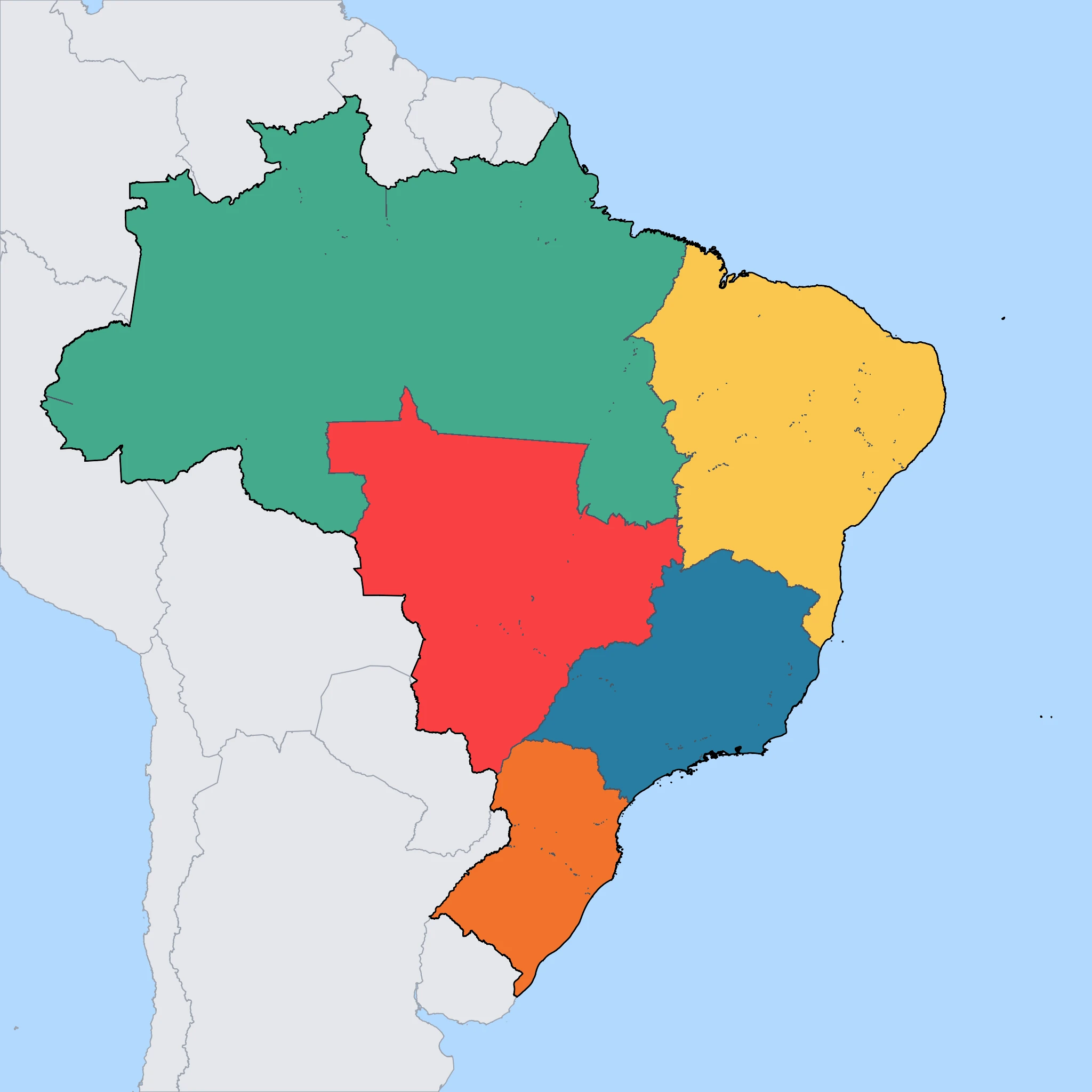
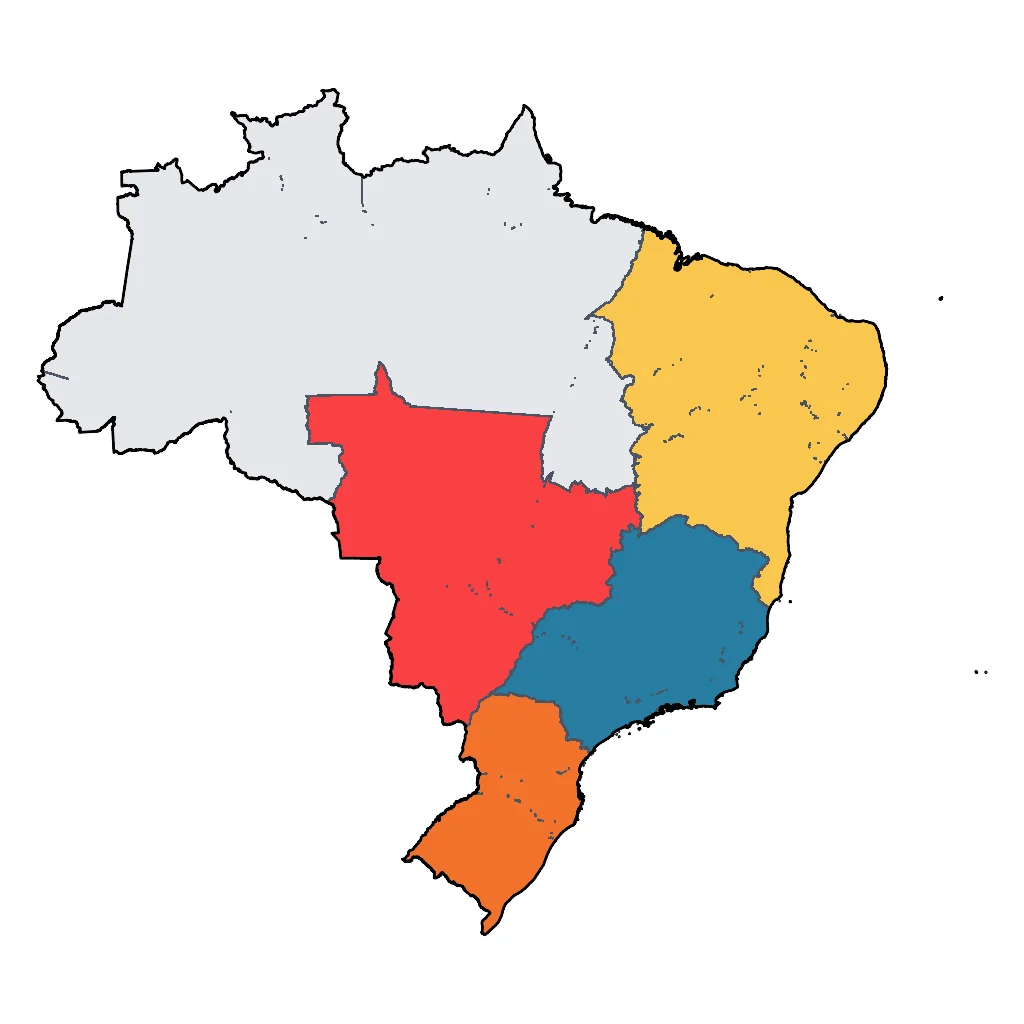
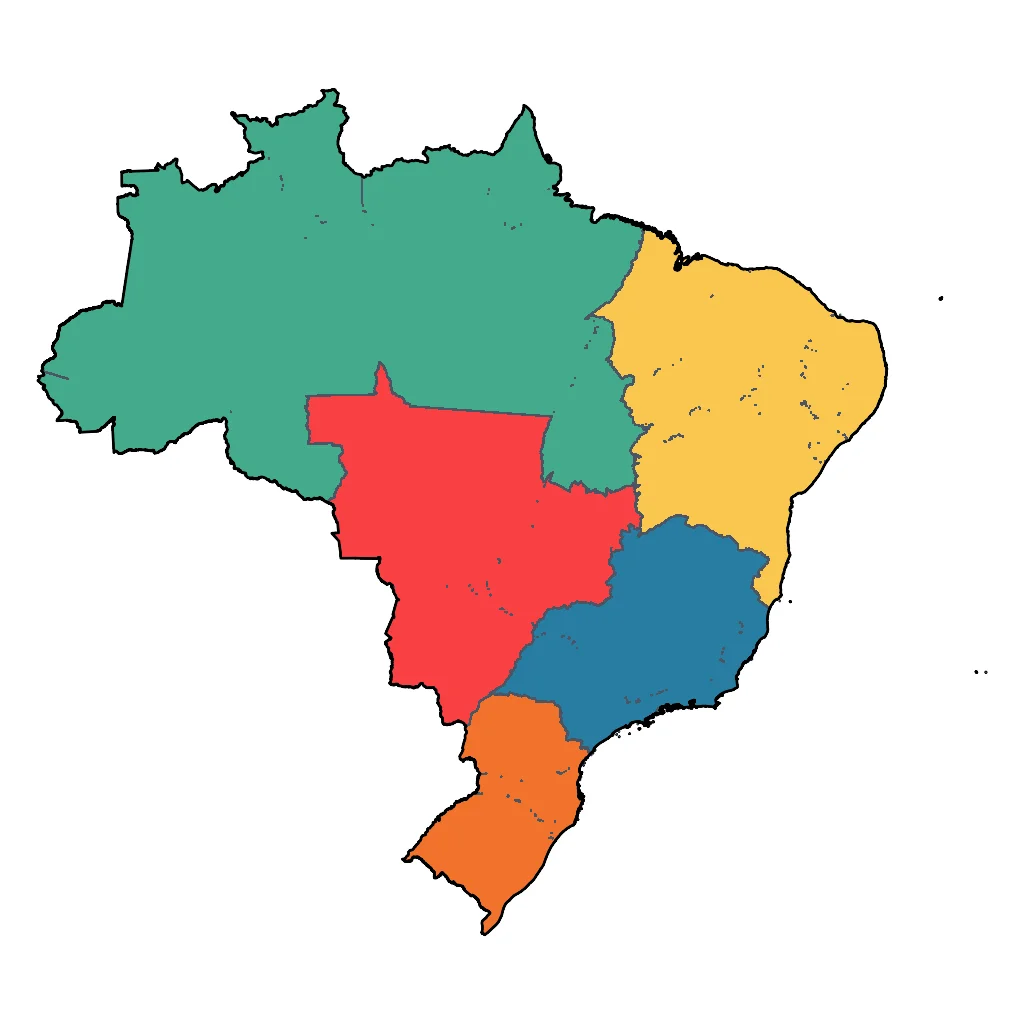
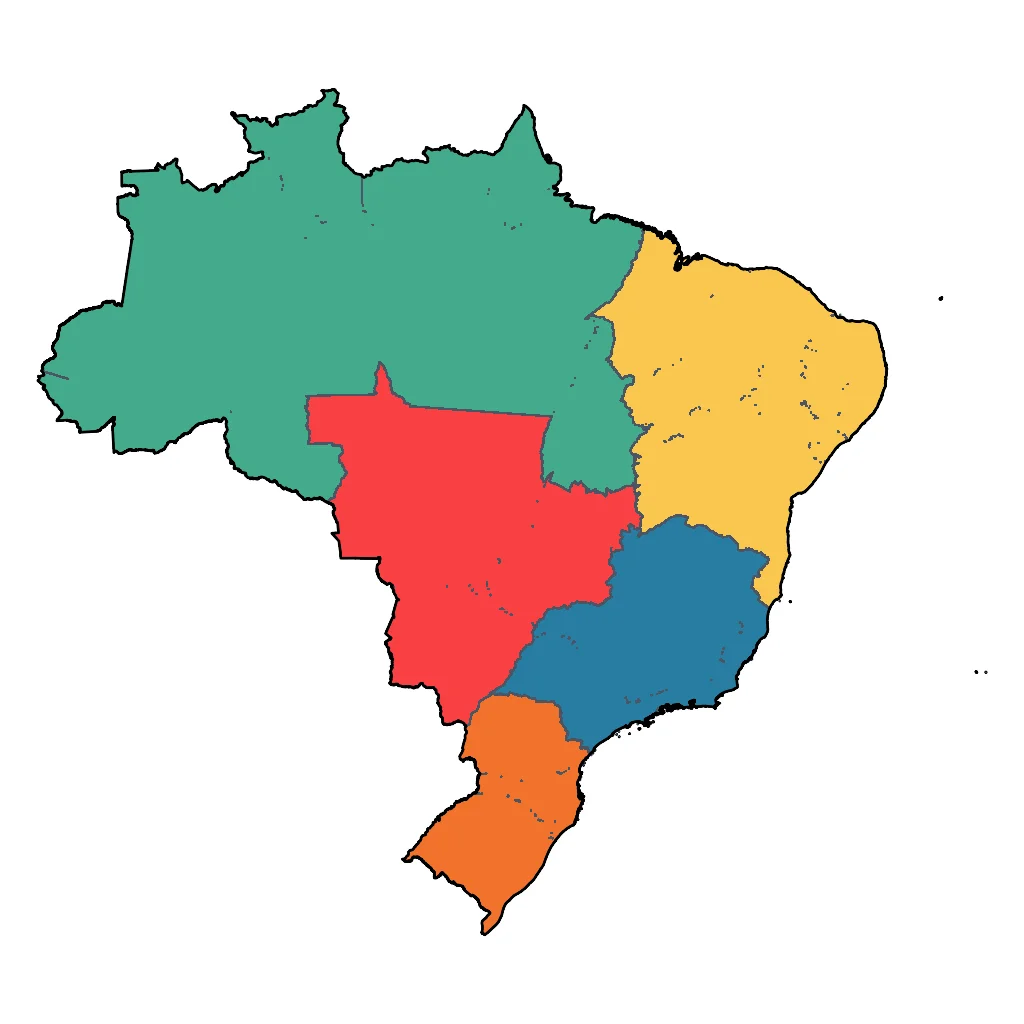
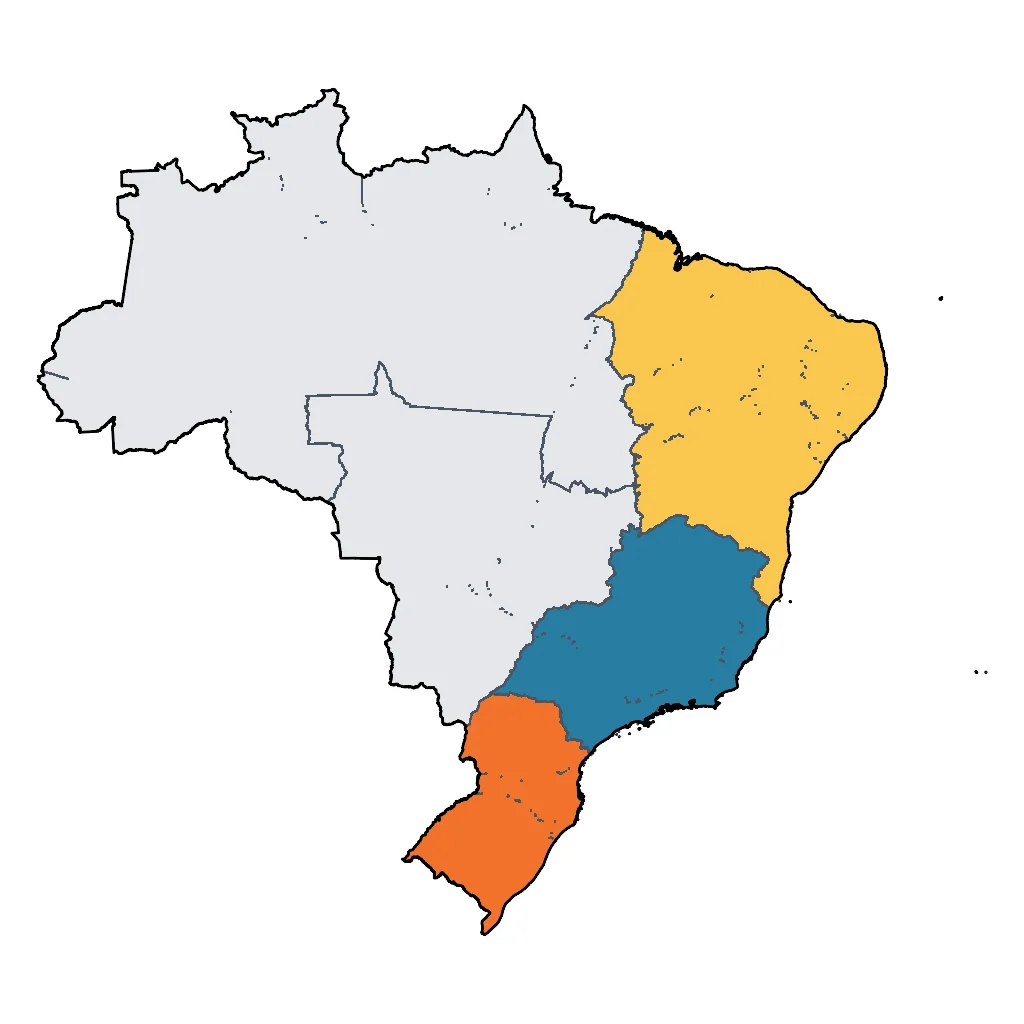
5 Regions
Central-West Brazil & Cerrado
Crystal-clear rivers and world-class wildlife safaris 🐆
North Brazil & Amazon Basin
River adventures in the world's largest rainforest 🌿
Northeast Brazil & Atlantic Coast
Endless dunes, warm reefs, and vibrant rhythms ☀️
Rio, Sao Paulo and Southeast Brazil
Urban icons meet lush coastal rainforests 🚠
Southern Brazil & European Highlands
Thundering falls and European charm in the tropics 🍫
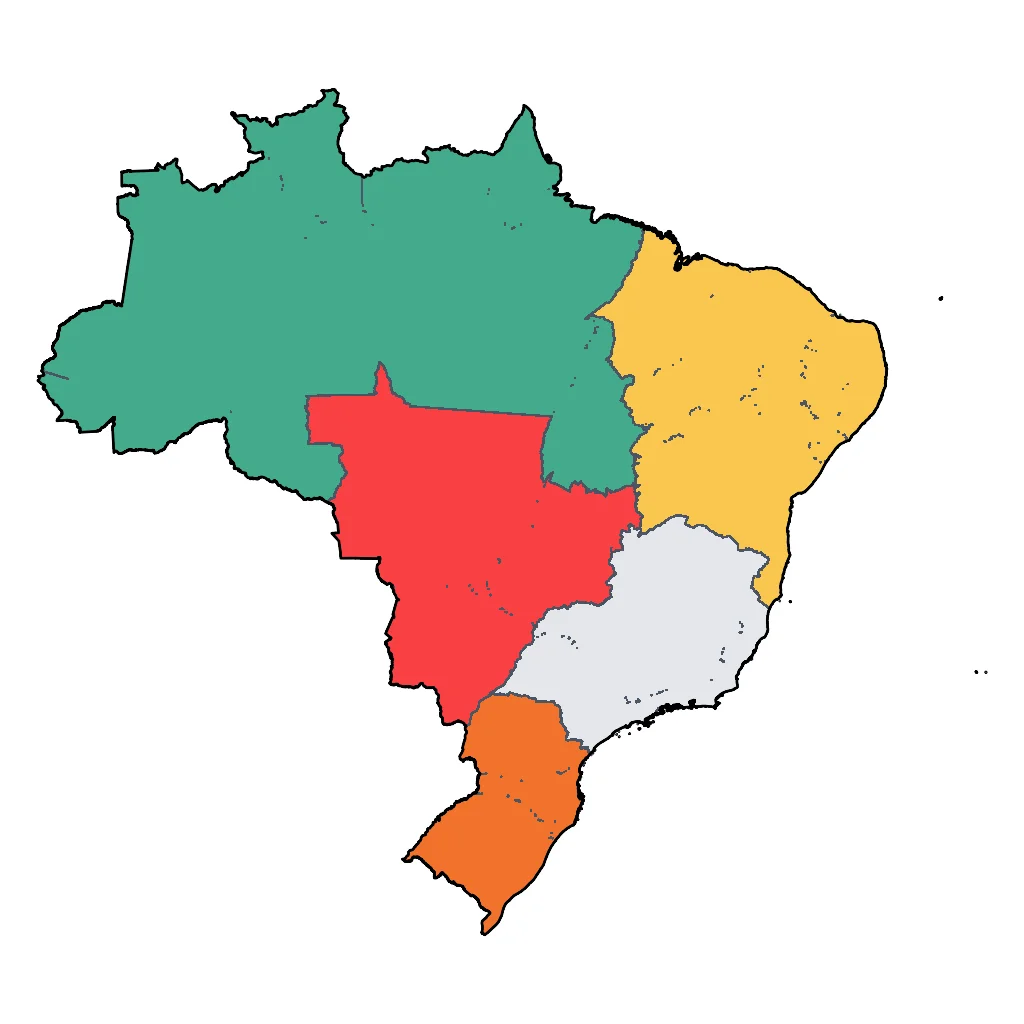
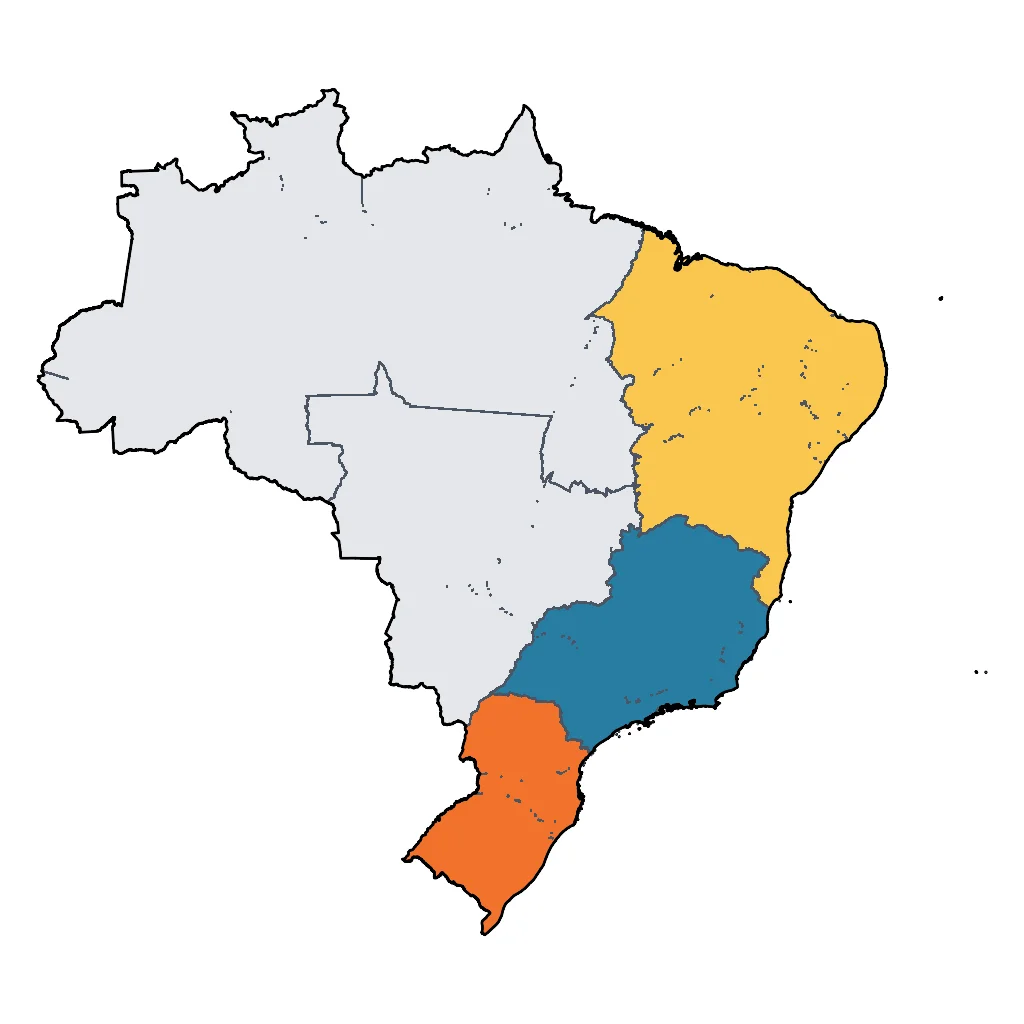
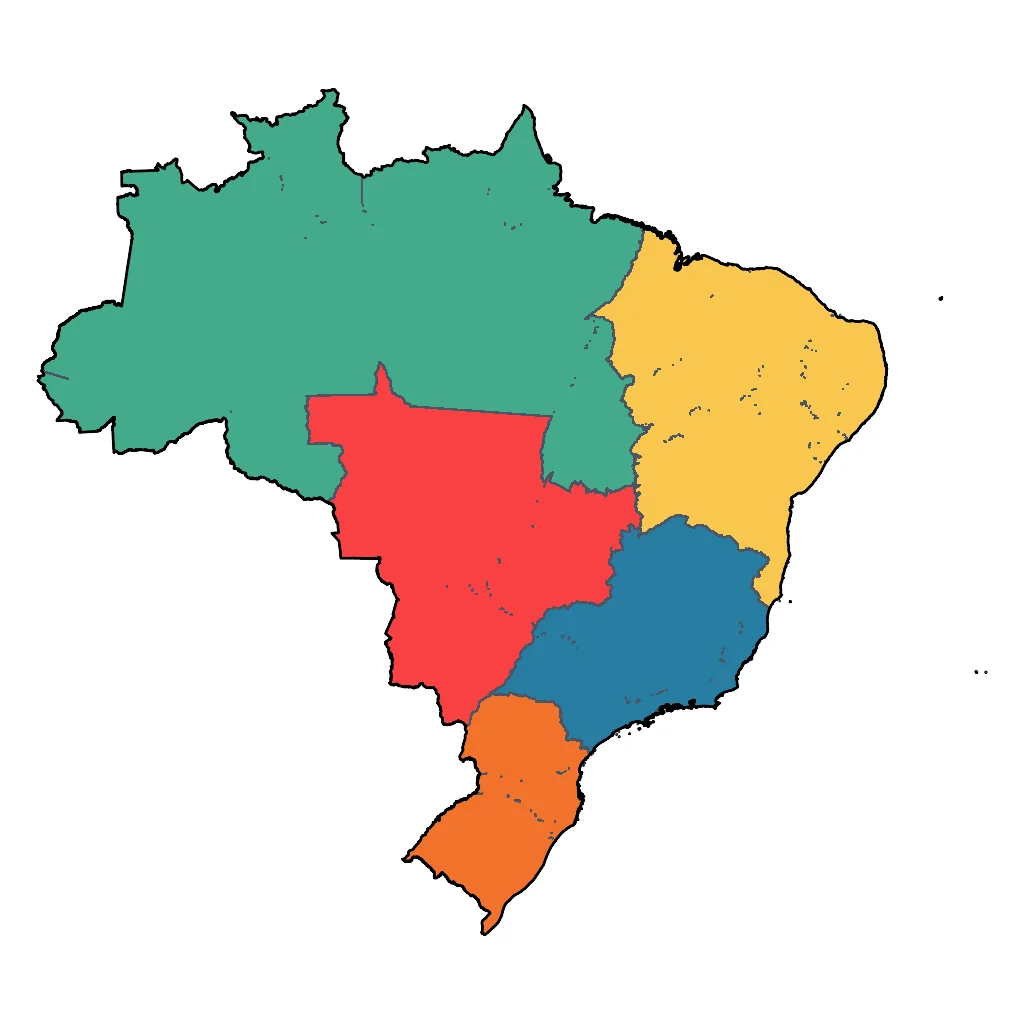
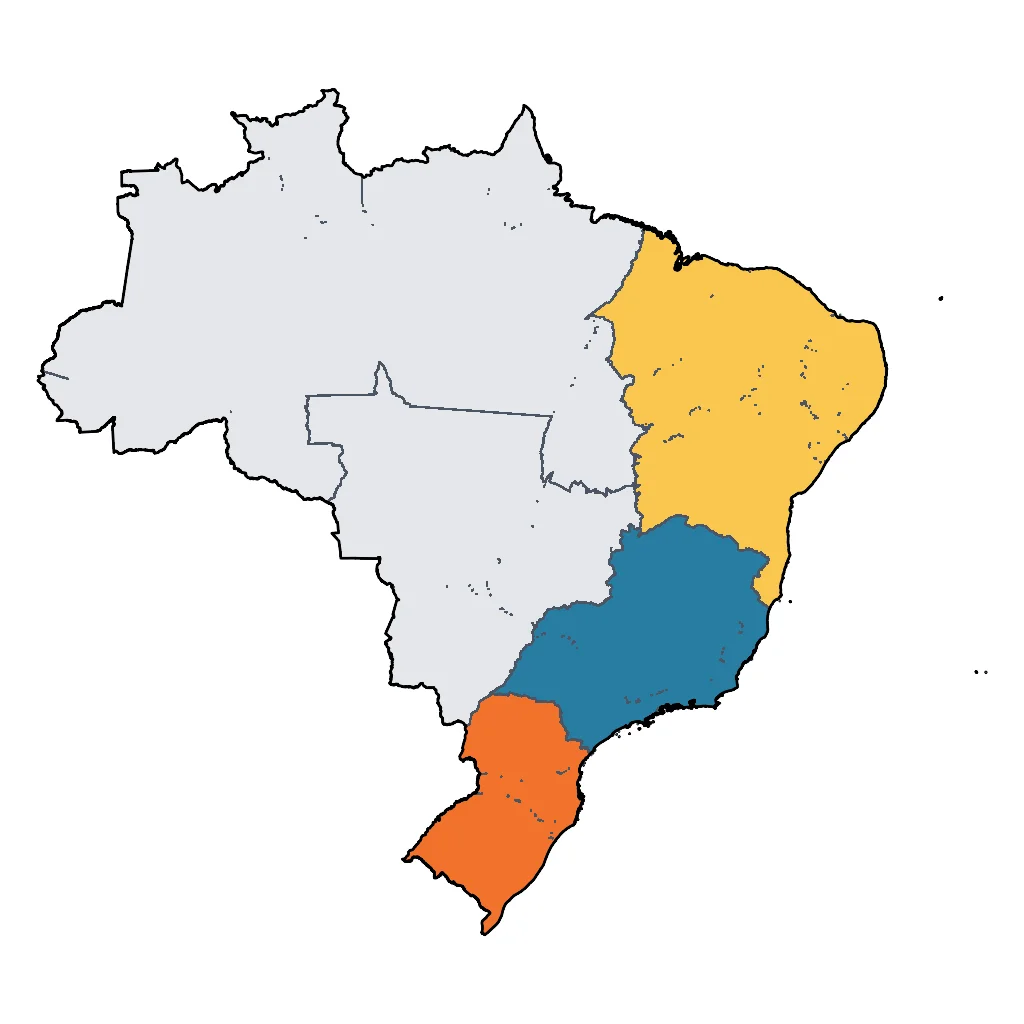
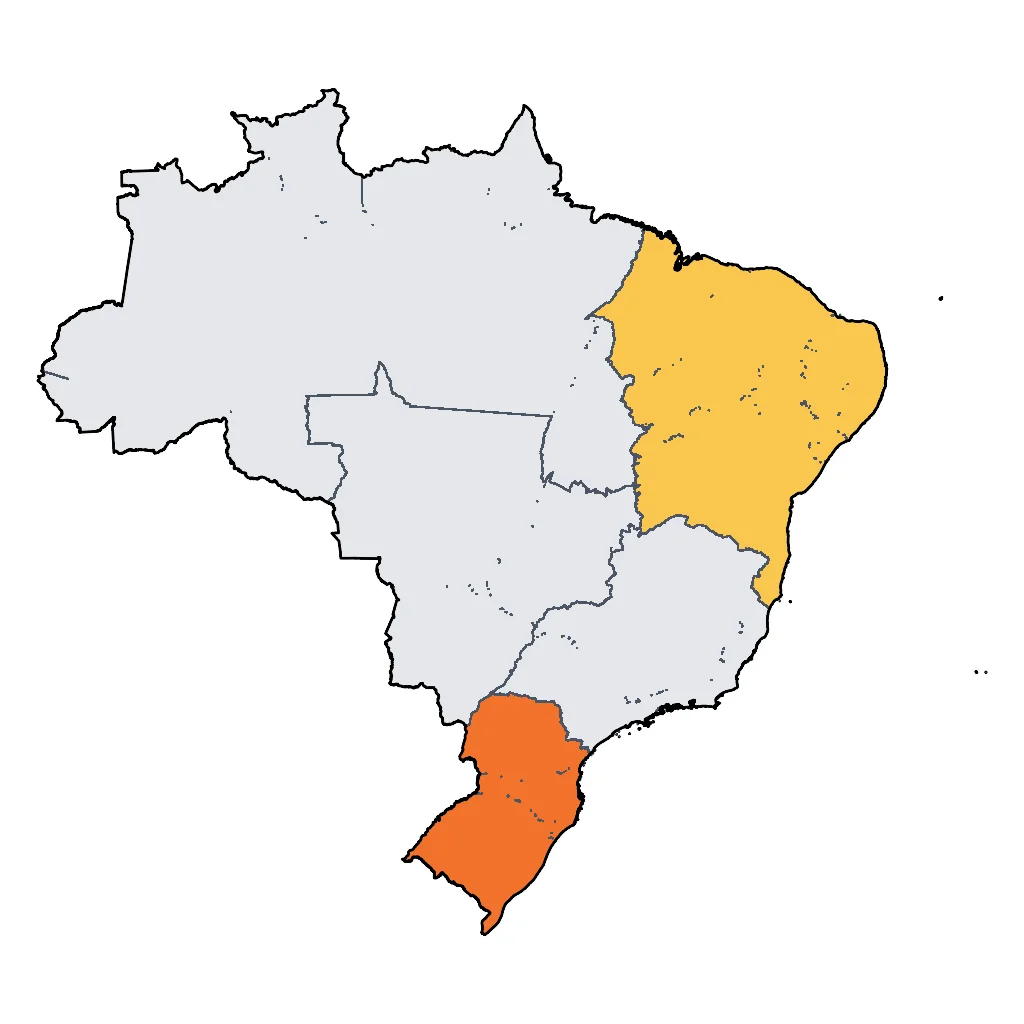
Click on a region marker to explore details. Use the dropdown to color regions by activity suitability.

Activities & Best Times

Adventure & Nature
ExcellentHiking, wildlife, outdoor exploration, ecotourism
The Pantanal offers world-class wildlife viewing, including the planet's best jaguar spotting, while Chapada dos Veadeiros features stunning waterfalls and ancient plateaus. Peak dry months (Jun-Aug) concentrate wildlife at water sources and ensure trail safety; the heavy summer rains (Nov-Mar) flood the plains, making many areas inaccessible.
The Amazon is the global benchmark for biodiversity, offering unparalleled primary rainforest exploration and river cruising through unique ecosystems. Peak months (Jul-Sep) provide the driest conditions for hiking and wildlife spotting, while the rainy season (Dec-May) features heavy precipitation (>200mm) that floods trails and limits land-based access.
Home to the UNESCO-listed Iguazu Falls and the dramatic canyons of Aparados da Serra, offering world-class trekking and wildlife. August provides the optimal balance of lower precipitation (108mm) and mild temperatures (17°C) for visibility and physical activity; summer months are hindered by oppressive heat and heavy rainfall.

Beach & Sea
ExcellentBeach resorts, marine activities: diving, snorkelling, kite surfing, wind surfing, sailing
Home to iconic destinations like Jericoacoara and Porto de Galinhas, offering warm tropical waters and world-class kite-surfing winds. Peak season aligns with the dry months of July-November, while March and April see the highest tropical rainfall.
Florianópolis offers sophisticated beach districts like Jurerê Internacional, featuring high-end beach clubs and clean waters suitable for families. November and March are peak as they offer the lowest rainfall (127-149mm) while maintaining warm air temperatures; winter months are too cold for swimming with temperatures dipping to 11-15°C.
The Costa Verde and Búzios offer sophisticated beach culture and turquoise waters set against dramatic jungle-clad mountains. Peak months (Sep-Oct) offer the best balance of warmth and manageable rainfall; the high-summer months are rated 'off' despite high temperatures due to extreme precipitation levels (>150mm) that impact sea visibility and travel.

City & Cultural
ExcellentUrban tourism, museums, historical sites, architecture
Home to iconic Rio de Janeiro and the culinary powerhouse of São Paulo, featuring world-class museums like MASP and UNESCO sites. Peak months align with the dry season, providing clear views and comfortable temperatures for urban exploration; the summer (Dec-Mar) is characterized by disruptive tropical downpours and high humidity.
Salvador and Olinda provide an authentic immersion into Afro-Brazilian heritage and Portuguese colonial history with UNESCO-listed architecture. Cultural activities are year-round but most pleasant during the lower humidity/rainfall period from July to October.
While Brasília is a genuine UNESCO World Heritage Site, the region's city/cultural offering is essentially one city with modernist architecture. Compared to the Southeast (Rio + São Paulo + Ouro Preto + Belo Horizonte) or Northeast (Salvador + Olinda + São Luís), the cultural density is significantly lower. Historic Centre of Goiás adds some value but is a minor destination. 'Good' better reflects the single-city cultural offer relative to Brazil's other regions and international benchmarks.

Sports & Active
ExcellentSport tourism, fitness activities, active recreation
The Ceará coastline is globally recognized as one of the best locations for kitesurfing and windsurfing due to remarkably consistent trade winds. Conditions are world-class from August to November, while the rainy season significantly reduces wind reliability.
Bonito is internationally famous for freshwater snorkeling and diving in rivers with exceptional visibility and abundant fish life. Peak conditions occur when rainfall is lowest (Jun-Aug), ensuring maximum water clarity; high precipitation in summer months (Nov-Mar) increases river turbidity and can lead to the closure of water-based activities.
Santa Catarina is a world-class surfing destination (hosting WSL events) and offers excellent coastal cycling routes. The summer months provide the necessary water and air temperatures for active water sports, while mid-winter is often too cold and windy for sustained outdoor exercise.

Festivals & Seasonal
ExcellentEvents, celebrations, seasonal attractions
Rio's Carnival is the global gold standard for cultural festivals, while the New Year's Eve 'Reveillon' on Copacabana is a world-class spectacle. February and December are peak due to these specific events; September is a shoulder period featuring major international events like 'Rock in Rio'.
Features world-class events like the Salvador Carnival in February and the massive São João festivities in June. These are authentic, high-energy cultural benchmarks that attract sophisticated travelers seeking genuine local traditions.
The region hosts world-class cultural events including Blumenau's Oktoberfest and Gramado’s Natal Luz, one of the world's largest Christmas festivals. These peak months align with major cultural celebrations, while the off-season lacks significant events of international caliber for discerning travelers.

Educational & Exploratory
Very GoodLearning experiences, scientific sites, historical education
Offers world-class learning opportunities regarding tropical ecology and indigenous heritage through specialized research stations and authentic cultural immersion. The drier season (Jul-Sep) facilitates travel to remote scientific sites, whereas extreme rainfall during the off-season significantly hampers mobility and outdoor educational programs.
Offers world-class immersion at Inhotim, the world's largest open-air contemporary art museum, and the historic gold-rush towns of Minas Gerais. Dry winter months are optimal for visiting these largely outdoor architectural and scientific sites; summer humidity and rain can detract from the experience.
The region provides deep insights into Cerrado ecology and 20th-century political history through Brasília's government institutions. Peak months align with the dry season, providing the best access to ecological research stations and outdoor historical sites; the off-season weather makes travel to remote educational sites difficult.

Relaxation & Wellness
Very GoodSpa retreats, wellness centers, peaceful getaways
High-end 'barefoot luxury' pousadas in Trancoso and Jericoacoara provide sophisticated, peaceful retreats with a focus on sustainable wellness. Best enjoyed during the driest months when outdoor yoga and beach-side treatments are uninterrupted by rain.
Sophisticated travelers can find high-end eco-lodges in the Pantanal and holistic wellness retreats in the mystical landscapes of Alto Paraíso. The dry, cooler months (Jun-Aug) are ideal for outdoor spa treatments and meditation; high humidity and heavy rains in the summer months are less conducive to outdoor relaxation.
No wellness or spa attraction evidence in the database. The classification is based on speculative eco-lodge wellness offerings. While luxury Amazon lodges exist, the region is not internationally known as a wellness destination. The extreme humidity, insects, and remote access work against the relaxation positioning. By global standards (Bali, Thailand, Costa Rica wellness retreats), the Amazon is not 'very_good' for relaxation & wellness specifically.

Road Trips & Scenic
Very GoodScenic drives, countryside tours, route-based travel
The Serra do Rio do Rastro offers one of the world's most spectacular mountain drives with hair-raising switchbacks and alpine vistas. August is the peak month due to the lowest annual rainfall ensuring clear visibility for scenic overlooks; summer and early autumn are often plagued by heavy fog and tropical downpours.
The Rio-Santos highway (BR-101) is one of the world's most scenic coastal drives, winding between the mountains and the sea. Peak months offer the driest conditions and best visibility for coastal panoramas; the rainy season (Nov-Mar) increases the risk of landslides and poor driving conditions.
The 'Route of Emotions' offers a spectacular scenic journey across dunes, deltas, and beaches between Maranhão and Ceará. Driving conditions are best when sandy tracks are firm and dry during the second half of the year.

Theme Park & Entertainment
Very GoodAmusement parks, family entertainment venues
Beach Park near Fortaleza is an internationally acclaimed water park, consistently ranked among the best globally for its innovative and record-breaking slides. Optimal visiting times avoid the peak tropical downpours of March and April.
Beto Carrero World is a world-class facility with international partnerships, offering sophisticated entertainment for families. Peak months are chosen for lower precipitation and manageable heat; summer months (Jan-Feb) are rated 'off' due to peak rainfall and heavy domestic crowds which degrade the experience for discerning travelers.

Airports & Flight Routes
Toggle options to view domestic routes and international airports. Click an airport for details.
Climate & Weather
Central-West Brazil & Cerrado
Show Details
| Month | Temp °C | Rain | Humidity |
|---|
North Brazil & Amazon Basin
Show Details
| Month | Temp °C | Rain | Humidity |
|---|
Northeast Brazil & Atlantic Coast
Show Details
| Month | Temp °C | Rain | Humidity |
|---|
Rio, Sao Paulo and Southeast Brazil
Show Details
| Month | Temp °C | Rain | Humidity |
|---|
Southern Brazil & European Highlands
Show Details
| Month | Temp °C | Rain | Humidity |
|---|

Travel Advisory
Consistent consensus among all major agencies that travelers must exercise a high degree of vigilance due to crime and regional instability.
Safety Topics
Traveller Advice (4 groups)

While Brazil has a vibrant LGBTQ+ scene in major cities, harassment and violence can occur; public displays of affection may draw unwanted attention in less urbanized regions.

If traveling with a minor accompanied by only one parent, specific notarized travel authorization from the non-accompanying parent may be required by Brazilian authorities.

Female travelers should be particularly cautious of drink spiking in bars and avoid walking alone on beaches or in isolated areas after dark.

Corporate travelers are advised to utilize secure, pre-arranged transport from airports and consider virtual meetings if travel to high-risk industrial regions is required.