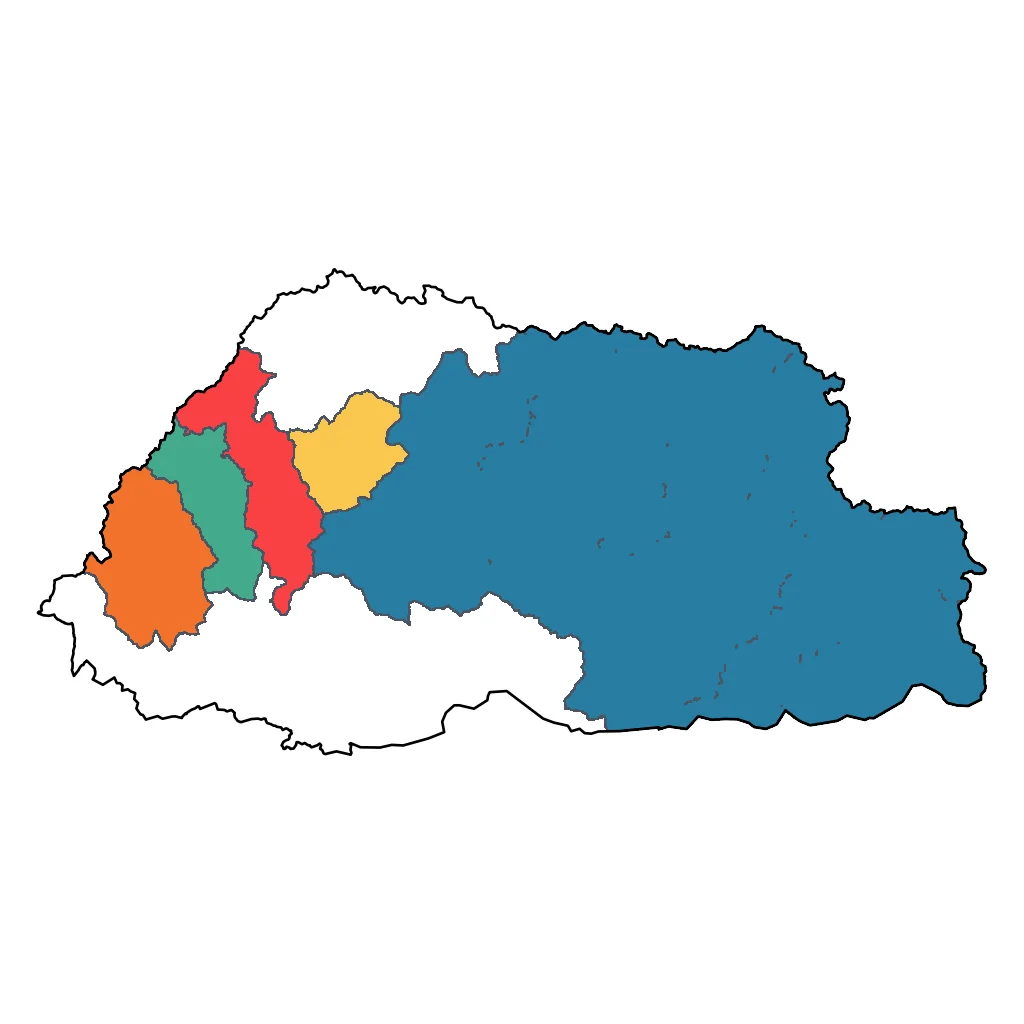
Punakha is often the favorite region for families visiting Bhutan, largely due to its climate. Sitting at a lower elevation of about 1,200 meters, it is significantly warmer than Thimphu or Paro. In winter, it remains pleasant and sunny, and in spring, the valley explodes with the purple blooms of jacaranda trees. This temperate weather makes outdoor activities much more enjoyable for children who might otherwise struggle with the chill of the mountains. The drive here from Thimphu crosses the Dochula Pass, where 108 chortens (stupas) stand against a backdrop of Himalayan snow peaks—a perfect photo stop where kids can explore the maze-like monuments.
Rivers and Bridges
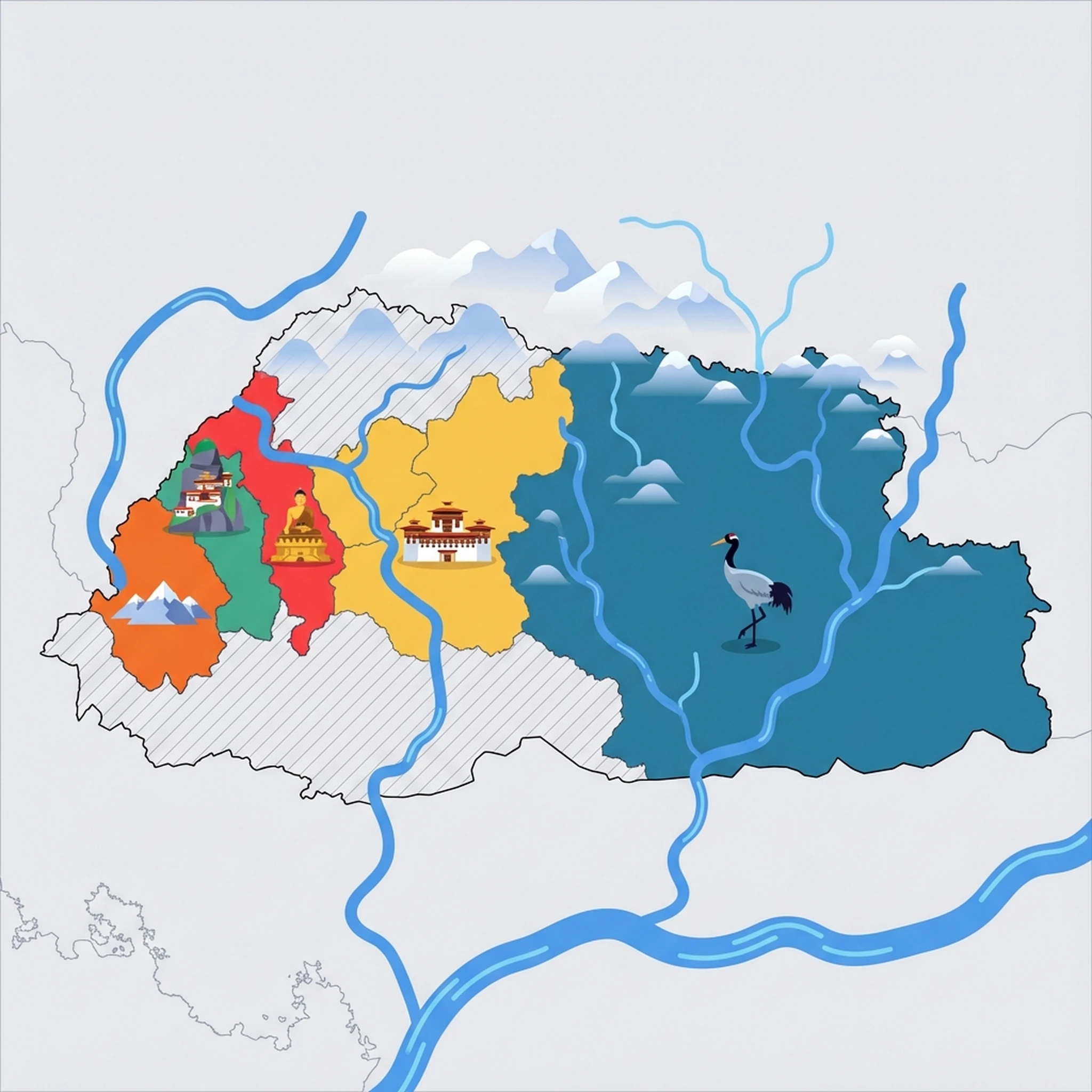
The centerpiece of the valley is the Punakha Dzong, arguably the most beautiful fortress in the country. It sits majestically at the meeting point of the 'Male' and 'Female' rivers. Unlike many other dzongs, this one is quite accessible; families can walk through its ornate courtyards and see the giant beehives hanging from the wooden eaves. Just upstream is the Punakha Suspension Bridge, one of the longest in Bhutan. Walking across this swaying (but safe!) bridge is a thrill for kids, and it leads to villages on the other side. For a splash of adventure, families can arrange whitewater rafting on the Mo Chhu river. The rapids are generally Grade I or II (very gentle), making it safe for children and providing a unique perspective of the Dzong from the water.
Walks and Culture
Another popular excursion is the walk to Chimi Lhakhang, the temple of the 'Divine Madman.' The trail winds through active rice paddies and mustard fields where you might see farmers working with oxen. It's a flat, easy 20-minute walk suitable for toddlers. Note for parents: The village is famous for its phallic paintings and symbols, which are considered good luck charms. While culturally significant, parents might want to prepare a simple explanation for curious kids! The valley is also known for river weed soup and red rice, offering a chance to try distinct local flavors. Hotels in Punakha often have lovely gardens and views of the river, making for relaxing evenings after a day of exploring.
Click a region to explore

Activities & Best Times

Hiking, wildlife, outdoor exploration, ecotourism
Punakha offers world-class Himalayan trekking and river rafting in a pristine, sub-tropical valley with high biodiversity. Peak months provide optimal temperate conditions and accessible trails, while the heavy monsoon (Jun-Aug) and winter cold (Dec-Feb) significantly limit outdoor exploration.

Urban tourism, museums, historical sites, architecture
Punakha Dzong is magnificent but it is essentially one major site. Paro has 5 documented attractions including dzongs, a national museum, and historic ruins. Thimphu has 5 diverse cultural attractions. Rating Punakha equally at 'excellent' based on one dzong lacks proportionality.

Learning experiences, scientific sites, historical education
Offers unique learning opportunities regarding Vajrayana Buddhism, monastic life, and Bhutanese history through active religious sites. Peak temperate months allow for comfortable, in-depth exploration of archaeological and spiritual centers, while seasonal extremes restrict access to remote monastic facilities.
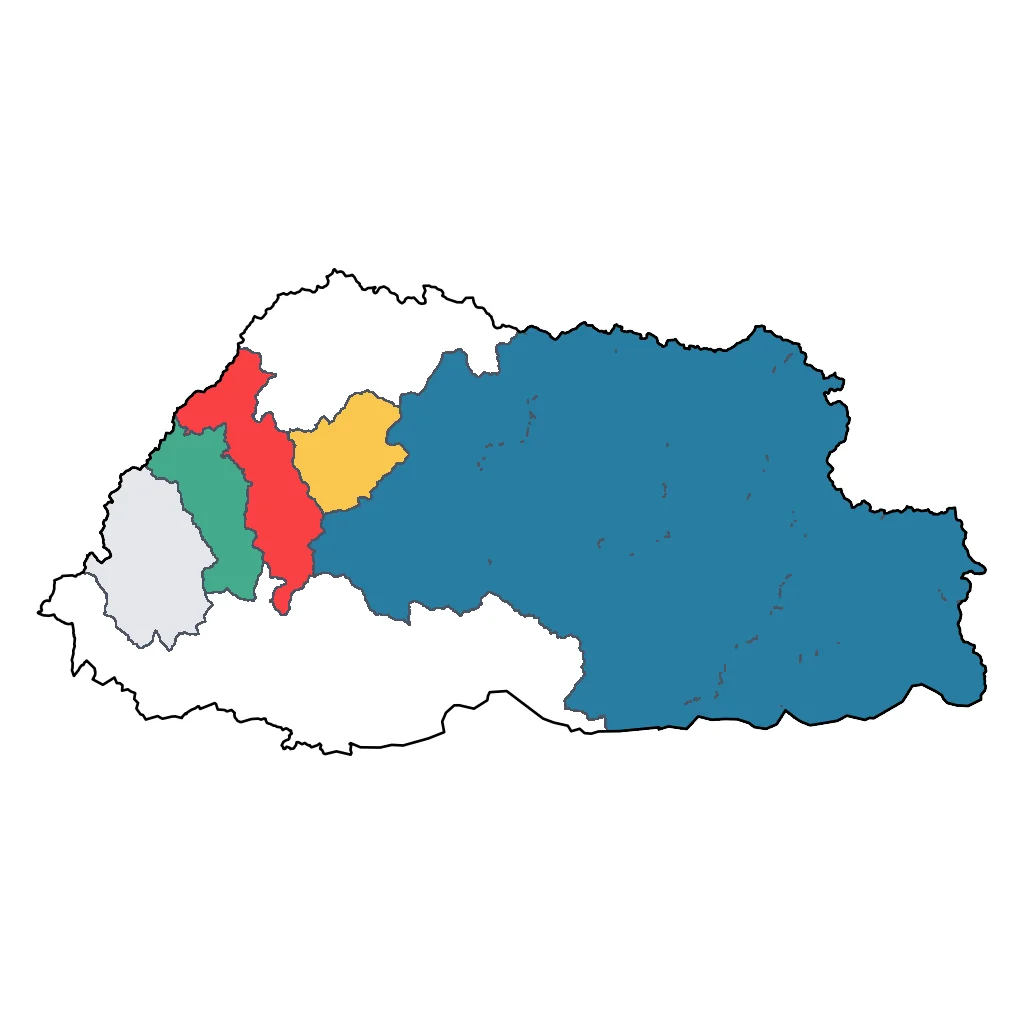

Events, celebrations, seasonal attractions
Punakha Drubchen is significant but less internationally known than Paro or Thimphu Tshechus. Reserving 'excellent' for the 2 most internationally significant festival destinations (Paro, Thimphu) provides better traveler guidance.
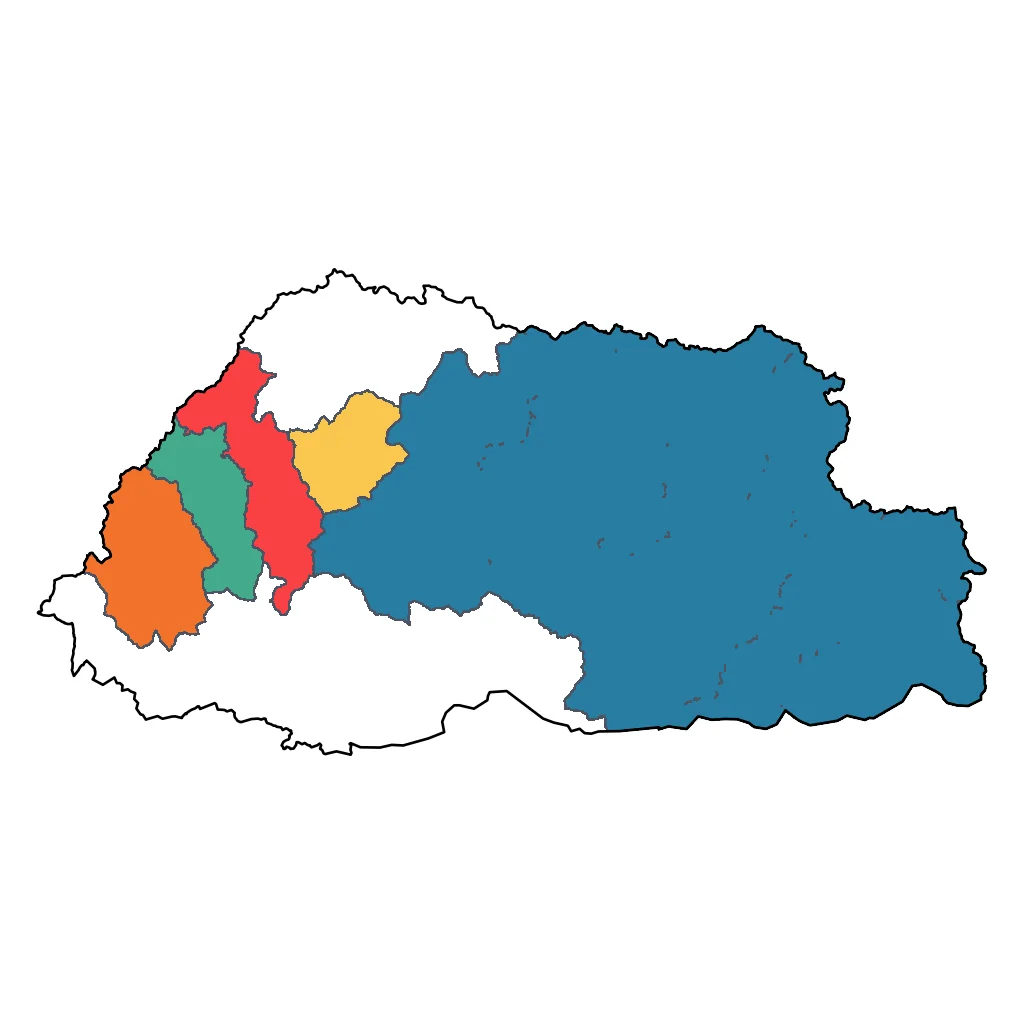

Spa retreats, wellness centers, peaceful getaways
No wellness-specific attractions documented — only Punakha Dzong and the valley. The claim of 'ultra-luxury wellness retreats' lacks evidence. Paro has documented luxury properties (Amankora, Six Senses) supporting its 'excellent' rating; Punakha does not. 'very_good' reflects the serene valley setting without overclaiming.
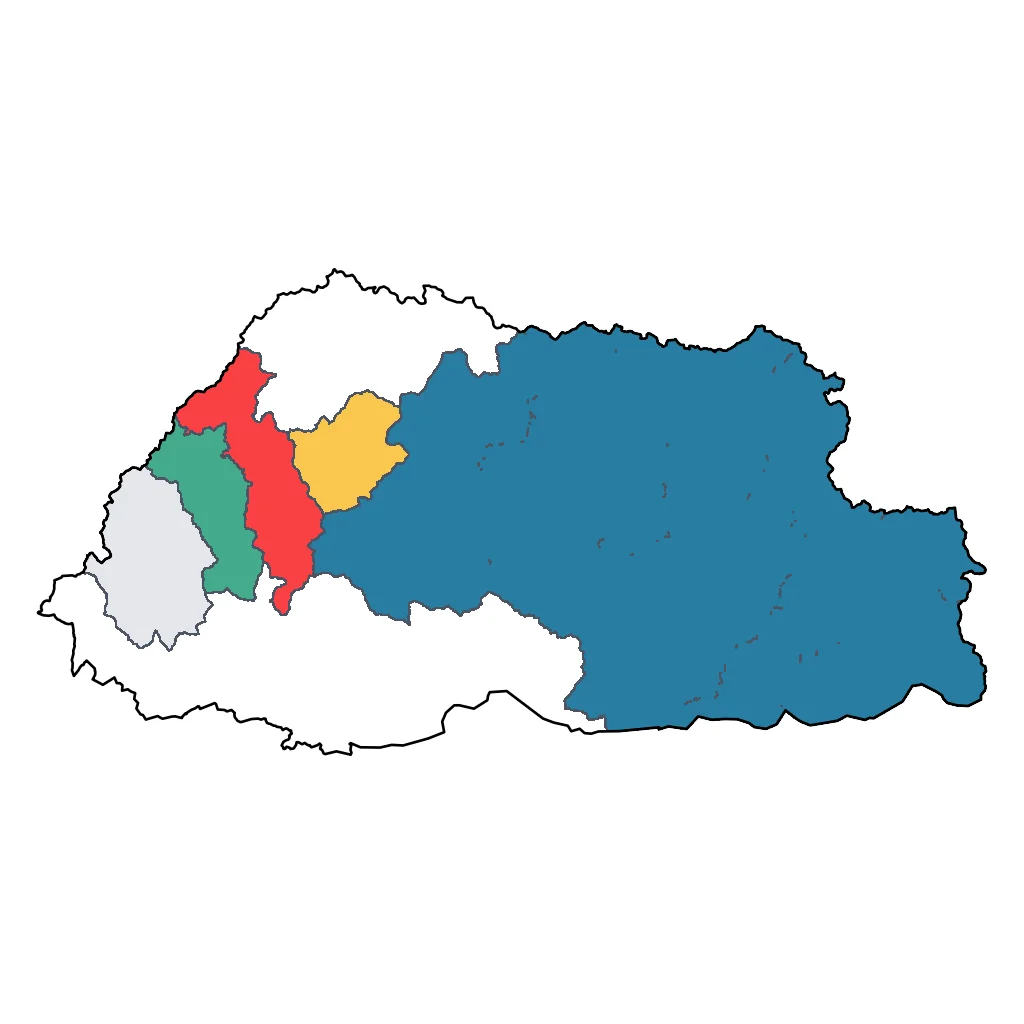

Scenic drives, countryside tours, route-based travel
The scenic drive across the Dochu La pass into the Punakha valley offers iconic Himalayan vistas and winding mountain beauty. October provides the highest mountain visibility and comfortable driving temperatures; the monsoon season (Jun-Sep) poses risks of landslides and poor visibility.
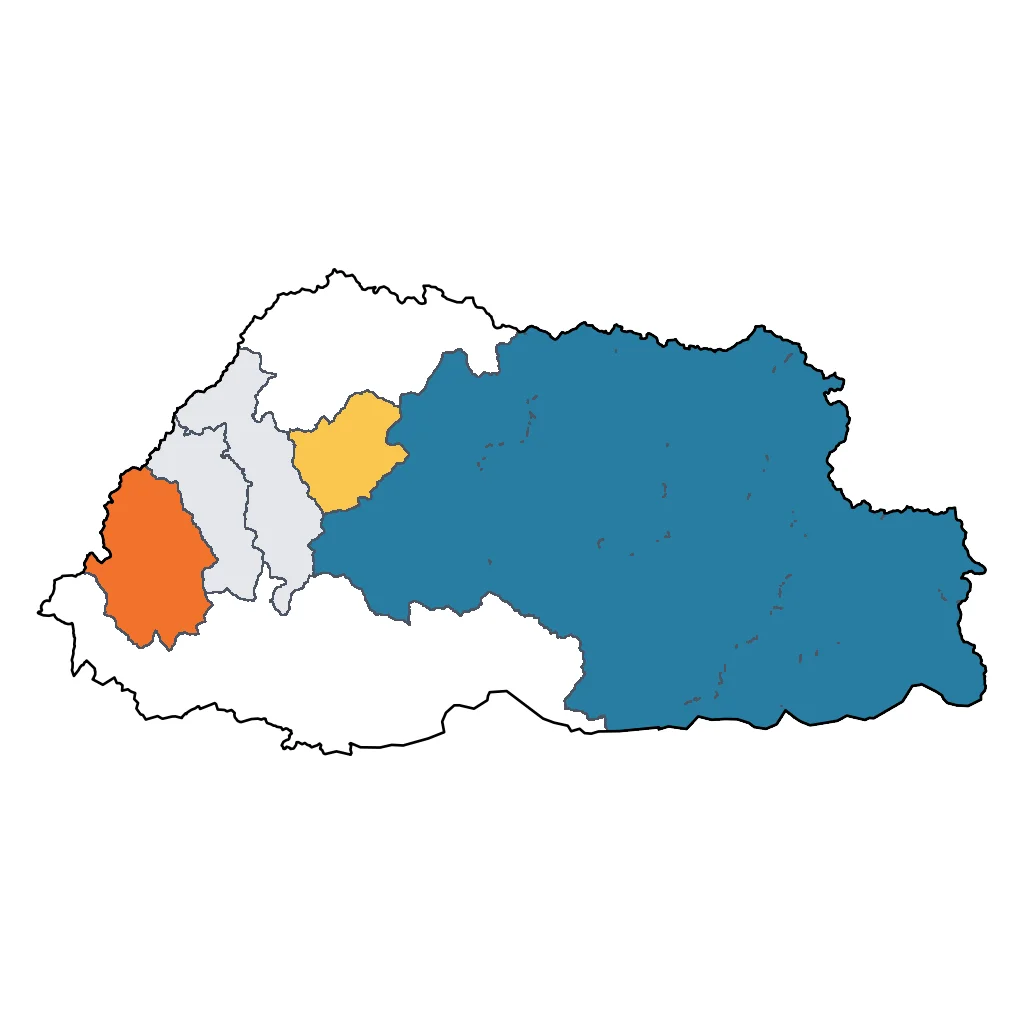

Sport tourism, fitness activities, active recreation
Opportunities for high-quality white-water rafting on the Pho Chhu and Mo Chhu rivers, along with traditional archery and valley cycling. Optimal river conditions and pleasant weather occur in spring and autumn, while summer floods make water-based sports hazardous.