

Travel to Bhutan is unlike visiting any other country in Asia. Nestled deep in the Himalayas, this small kingdom restricts mass tourism through a daily fee system, resulting in uncrowded sites, pristine pine forests, and a deeply preserved culture. For families, this means a safe, structured, and educational environment where English is widely spoken and logistics are handled entirely by mandatory local guides, removing the stress of navigation and planning.
The geography varies from the snowy peaks of the north to the subtropical jungles of the south, but most families stick to the western loop of Paro, Thimphu, and Punakha. The air here is exceptionally clean, and the roads, while winding, offer views of rice terraces and traditional farmhouses. Punakha, at a lower altitude, offers a warmer climate where children can walk across the 160-meter Punakha Suspension Bridge-a thrilling but safe activity-or go on gentle rafting trips down the Mo Chhu river, which are suitable for beginners and younger travelers.
Cultural experiences in Bhutan are tangible and engaging for children. In the capital, Thimphu, families can visit the Motithang Takin Preserve to see the national animal, a curious creature that looks like a mix between a goat and a cow. Traditional archery is the national sport, and kids can often watch tournaments or try shooting bamboo arrows at smaller targets. The massive Dzongs (fortress-monasteries), particularly the one in Punakha with its jacaranda trees, provide open courtyards where children can observe monks in maroon robes and admire intricate woodwork without the crowds found at other major Asian heritage sites.
Food in Bhutan centers on Ema Datshi (chilies and cheese), which is often too spicy for young palates. However, tourist hotels and restaurants serve mild buffet options including rice, noodles, and seasonal vegetables. While the iconic hike to the Tiger’s Nest Monastery (Paro Taktsang) is steep and challenging, families can hire ponies for the first half of the ascent, making the viewpoint accessible to school-aged children.
Practicality is a key consideration: Bhutan enforces a Sustainable Development Fee (SDF) per person per night, though children between 6 and 12 usually pay a reduced rate and those under 6 are often exempt. This makes it a higher-budget destination, but the cost includes the assurance of a private vehicle, driver, and guide who can tailor the pace to suit family needs.

Explore Regions
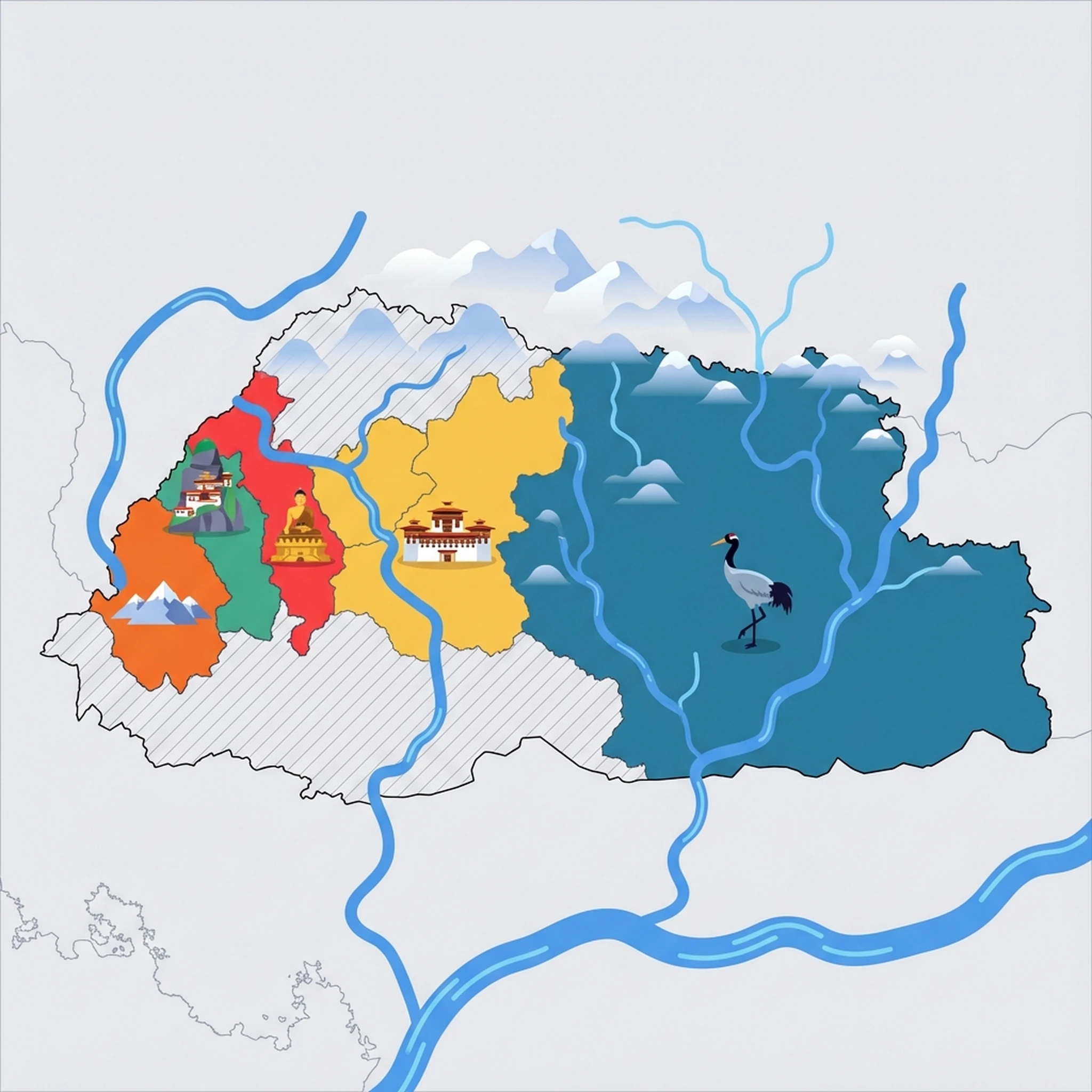
5 Regions
Central & Eastern Bhutan
The spiritual heartland where legends come alive 🏔️
Haa Valley
Alpine serenity and untouched tradition 🌲
Paro (Tiger's Nest)
The gateway to dragons and cliffside legends 🐅
Punakha
Golden valleys and river adventures 🚣
Thimphu
A capital city like no other 🏙️
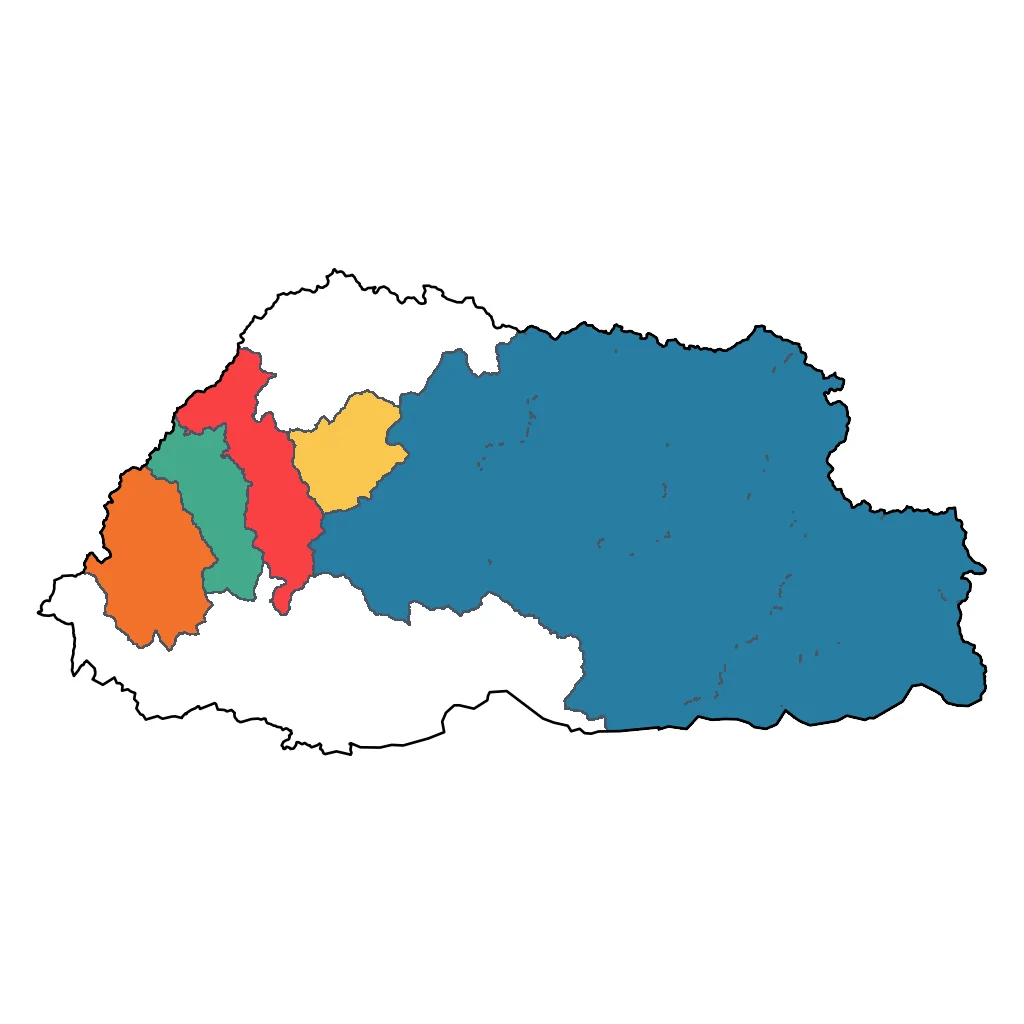
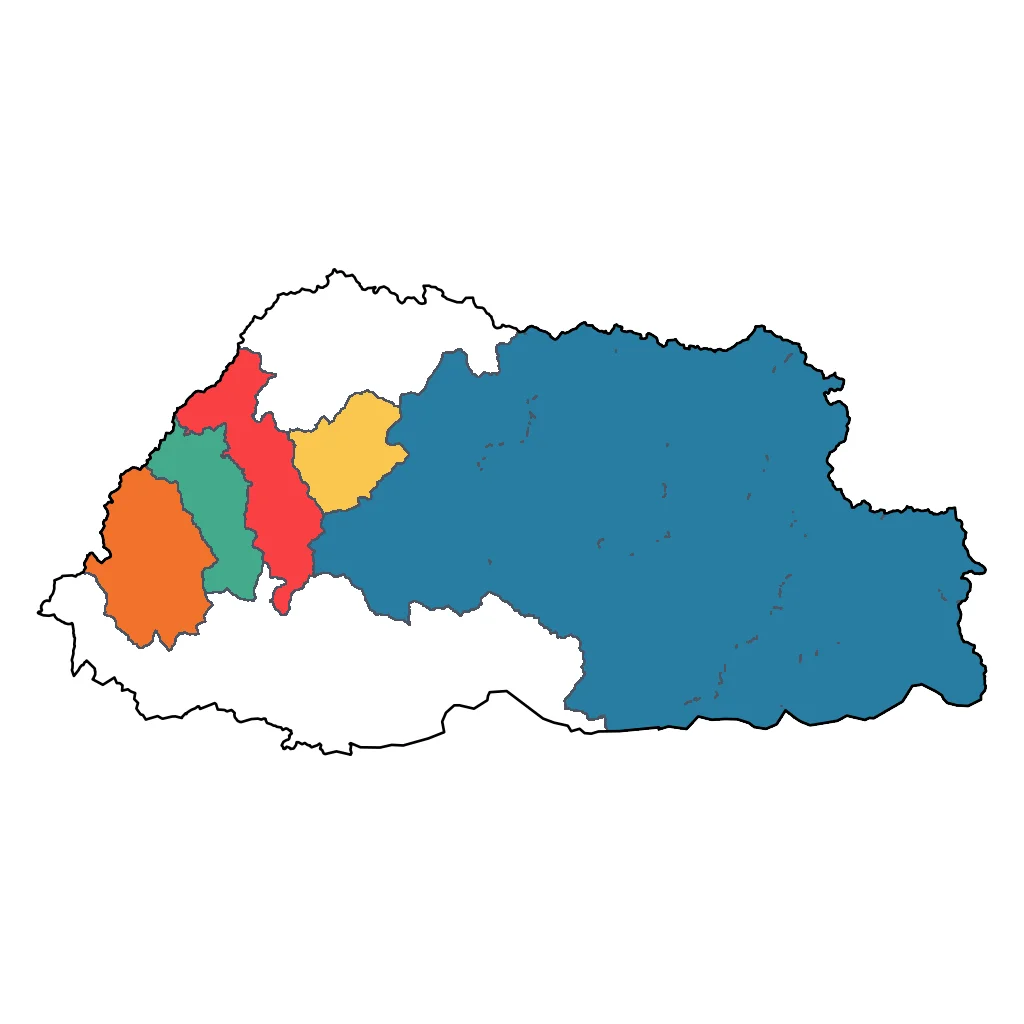
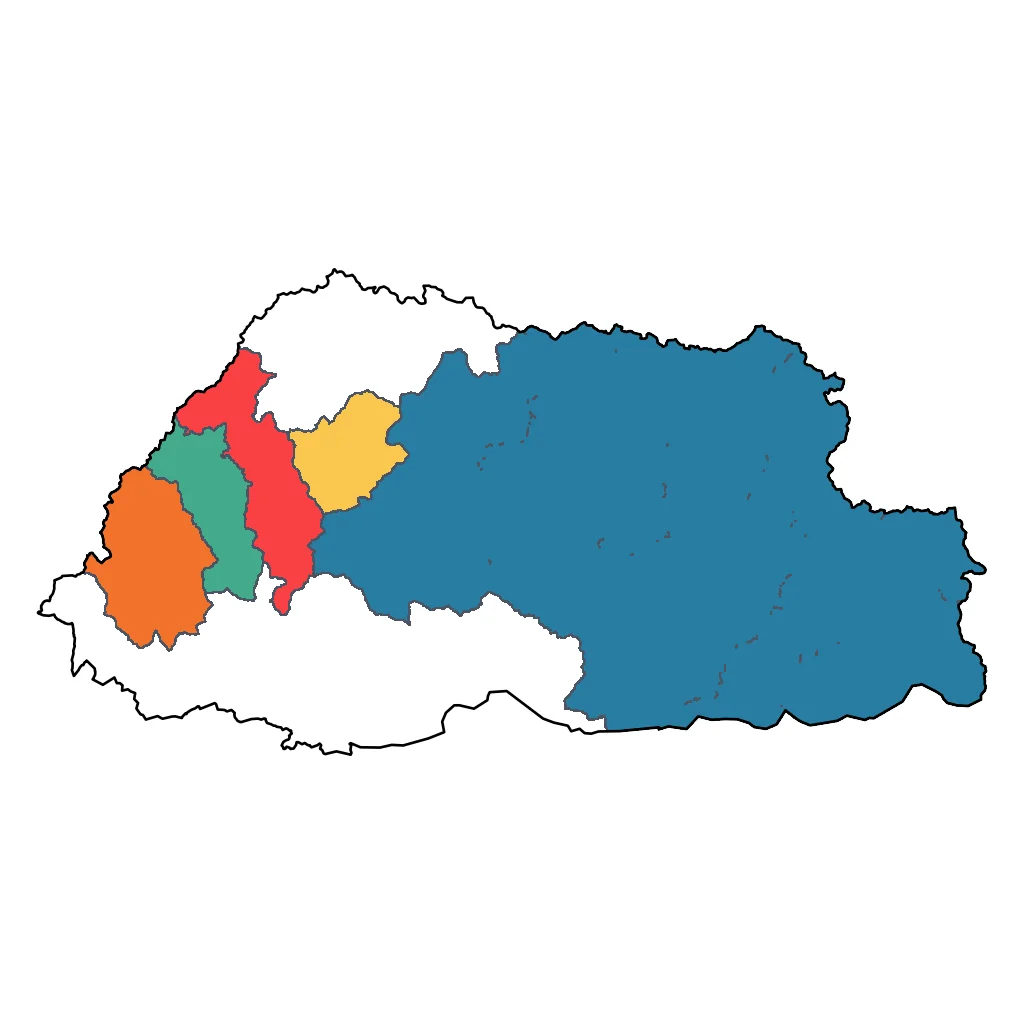
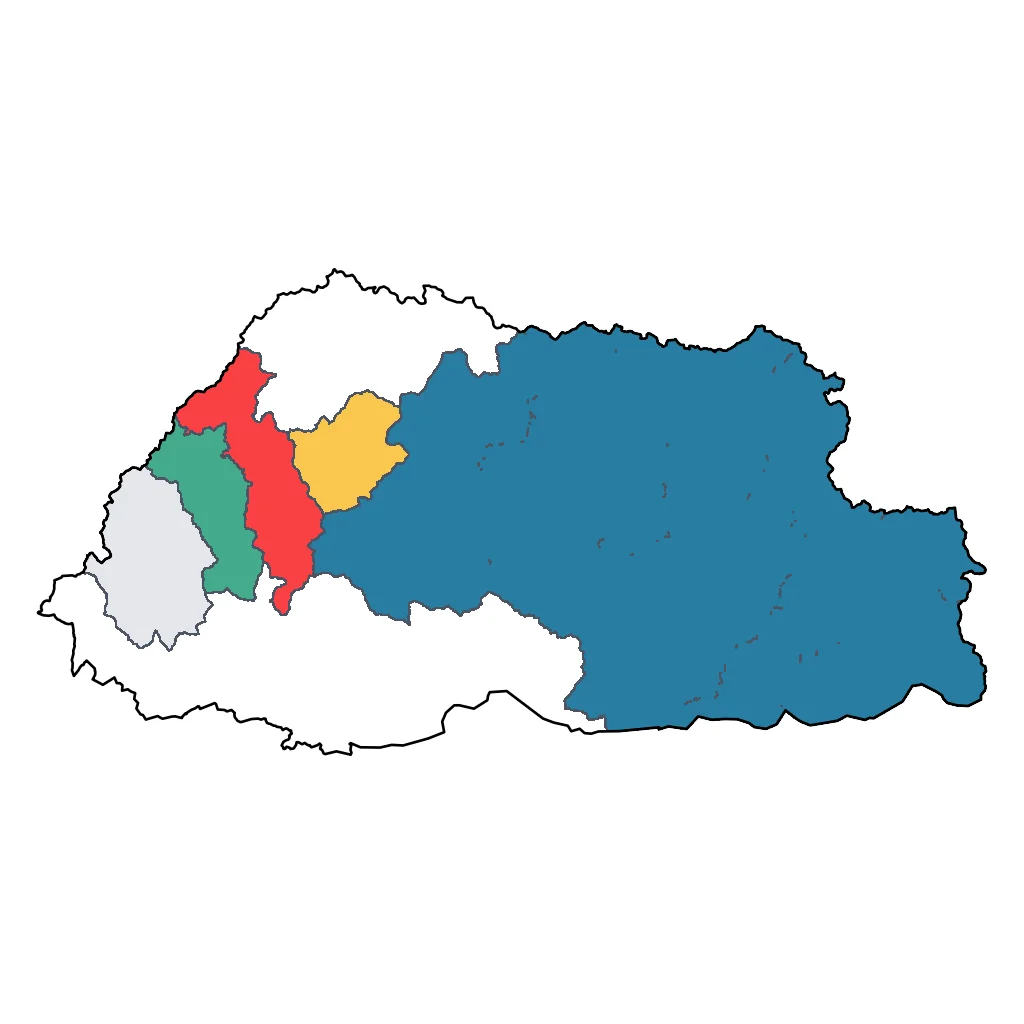
Click on a region marker to explore details. Use the dropdown to color regions by activity suitability.

Activities & Best Times

Adventure & Nature
ExcellentHiking, wildlife, outdoor exploration, ecotourism
Punakha offers world-class Himalayan trekking and river rafting in a pristine, sub-tropical valley with high biodiversity. Peak months provide optimal temperate conditions and accessible trails, while the heavy monsoon (Jun-Aug) and winter cold (Dec-Feb) significantly limit outdoor exploration.
Home to the world-renowned Tiger's Nest hike, offering a spiritually significant and physically rewarding experience in a pristine Himalayan ecosystem. Peak months provide mild temperatures and clear mountain views, while the summer monsoon (Jun-Aug) creates slippery, leech-prone trails.
No specific attractions documented for this region. While the area has trekking potential, it lacks the tourism infrastructure and iconic routes (Tiger's Nest, Druk Path) that justify 'excellent' compared to Paro and Punakha. 'very_good' reflects genuine but less accessible offerings.

City & Cultural
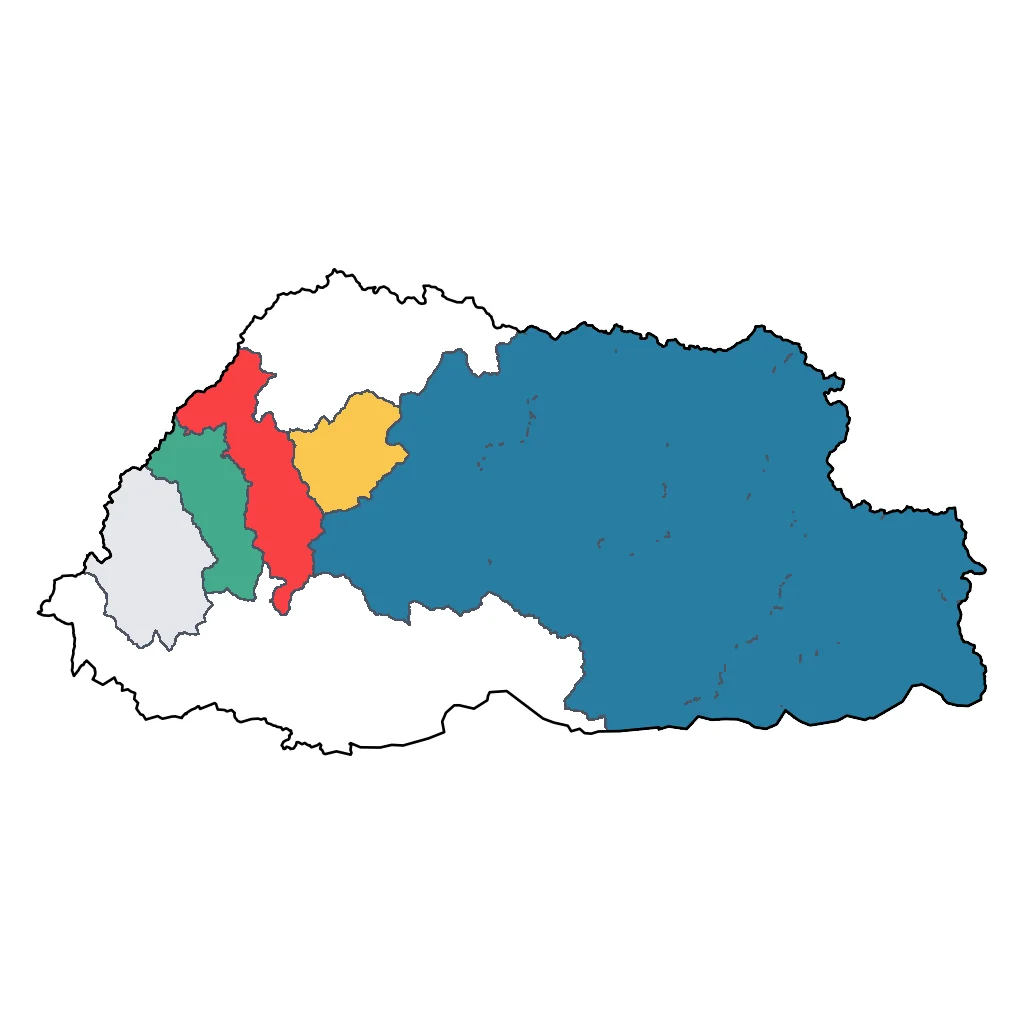
ExcellentUrban tourism, museums, historical sites, architecture
Thimphu is a world-class cultural destination featuring unique Himalayan architecture like the Tashichho Dzong and the Buddha Dordenma. Peak months offer the most comfortable temperatures and clear skies; summer (Jun-Aug) is lush but hampered by high monsoon rainfall, while winter is too cold for extensive walking tours.
A living museum of Vajrayana Buddhism featuring the majestic Rinpung Dzong and authentic traditional architecture untouched by mass commercialization. Optimal spring and autumn weather facilitates comfortable exploration of the town's spiritual sites and heritage galleries.
Zero documented attractions. Bumthang is culturally significant but lacks the density of cultural sites found in Paro (5 attractions) or Thimphu (5 attractions). Downgrading to 'very_good' maintains differentiation and reflects the evidence gap.

Festivals & Seasonal
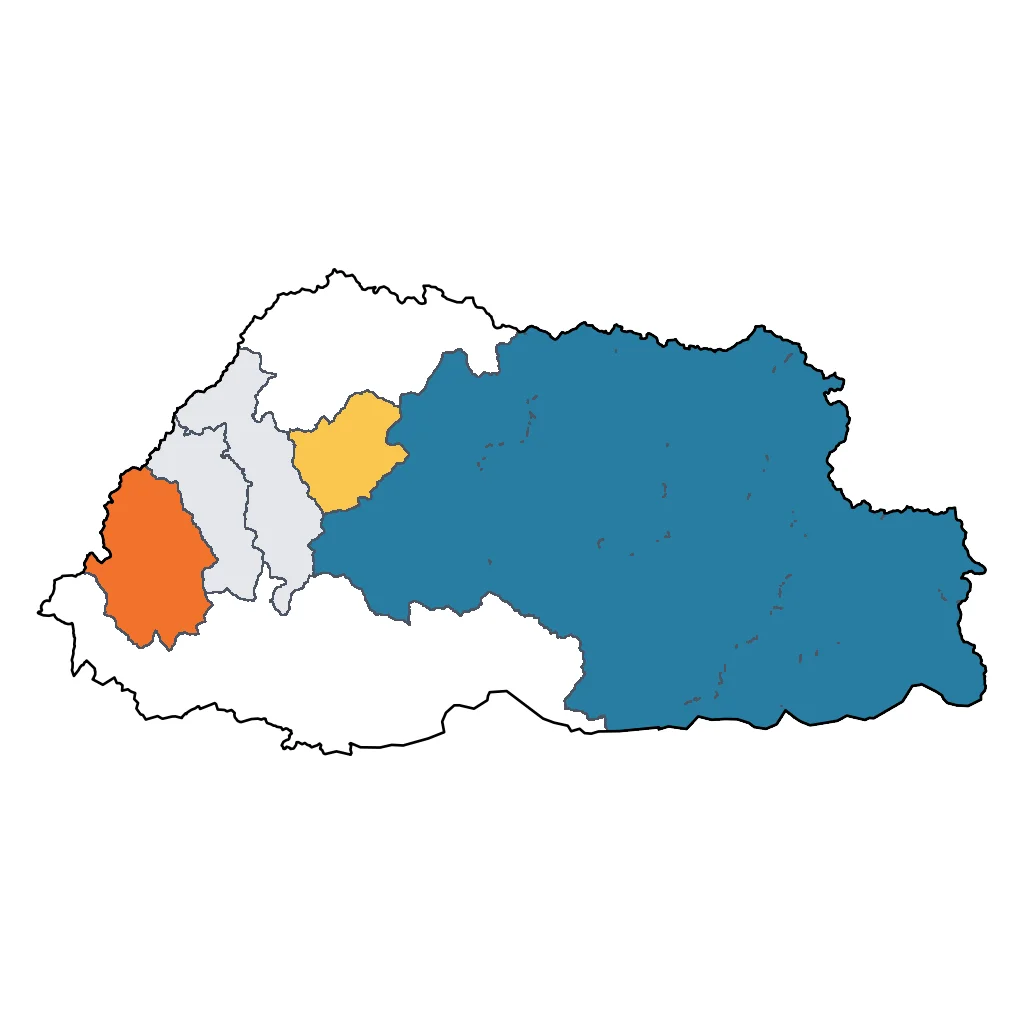
ExcellentEvents, celebrations, seasonal attractions
The Thimphu Tshechu is an internationally significant cultural event featuring sacred mask dances and vibrant local traditions. Peak season aligns with this major festival and ideal autumn weather; spring offers smaller regional festivals, while other months lack major internationally-appealing events.
The Paro Tshechu is a globally significant religious festival featuring sacred mask dances that offer unparalleled cultural authenticity for sophisticated travelers. Peak season aligns with the spring festival dates, while autumn offers smaller but equally genuine local celebrations.
While Bumthang Tshechus are authentic, the internationally renowned festivals are Paro Tshechu and Thimphu Tshechu. Having 4/5 regions at 'excellent' provides no differentiation. 'very_good' still reflects genuine festival quality while directing travelers to the most significant events.

Relaxation & Wellness
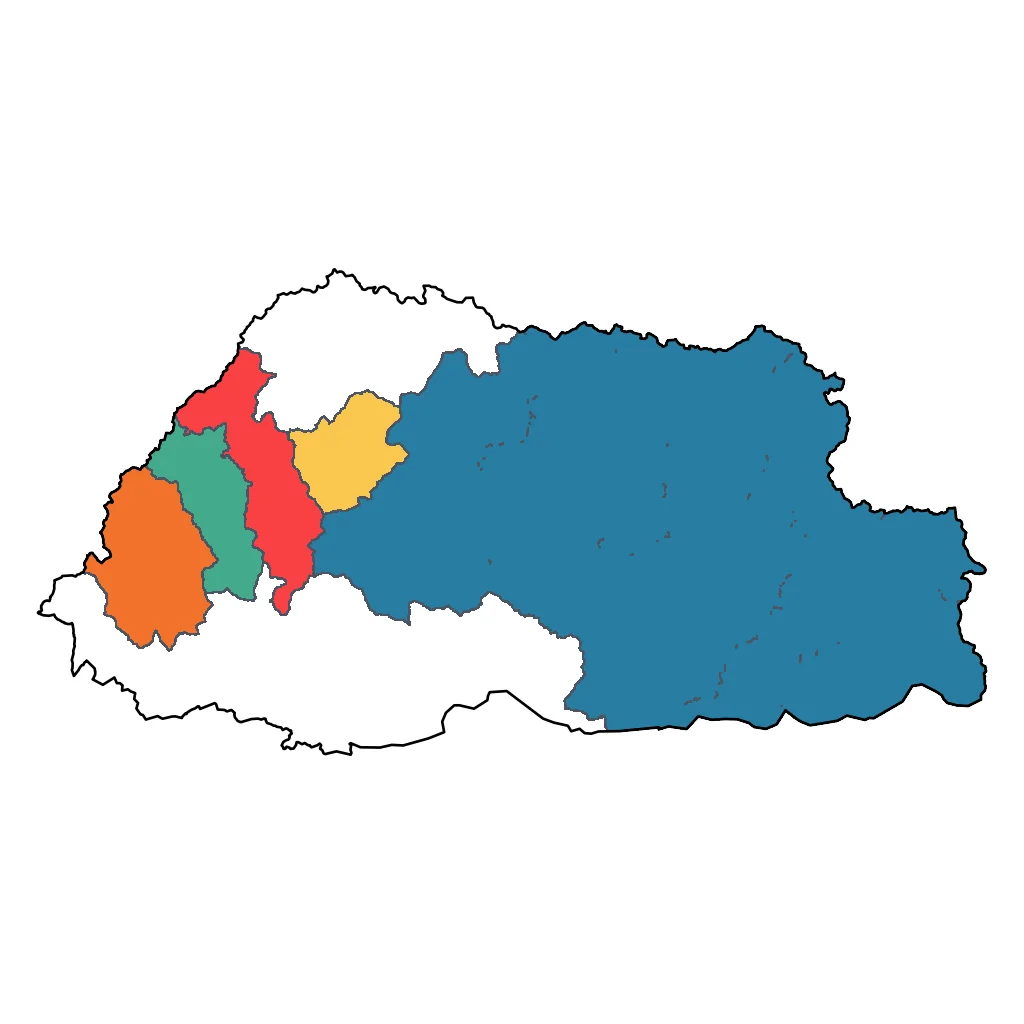
ExcellentSpa retreats, wellness centers, peaceful getaways
Home to some of the world's most exclusive luxury retreats (Amankora, Six Senses) specializing in traditional hot stone baths and meditation. Winter shoulder months offer a serene, cozy atmosphere in high-end lodges, while the summer monsoon humidity is less ideal for outdoor yoga and relaxation.
A premier destination for spiritual wellness and meditation retreats set against peaceful, high-altitude valley backdrops. The serene environment is best enjoyed during clear, low-humidity months, as the high humidity of the monsoon disrupts the tranquility of outdoor practice.
No wellness-specific attractions documented — only Punakha Dzong and the valley. The claim of 'ultra-luxury wellness retreats' lacks evidence. Paro has documented luxury properties (Amankora, Six Senses) supporting its 'excellent' rating; Punakha does not. 'very_good' reflects the serene valley setting without overclaiming.

Educational & Exploratory
Very GoodLearning experiences, scientific sites, historical education
Provides sophisticated learning opportunities regarding Vajrayana Buddhism, sustainable conservation, and ancient textile arts. Educational programs and site visits are most viable when weather permits travel to remote eastern districts, avoiding the peak monsoon washouts.
Offers unique learning opportunities regarding Vajrayana Buddhism, monastic life, and Bhutanese history through active religious sites. Peak temperate months allow for comfortable, in-depth exploration of archaeological and spiritual centers, while seasonal extremes restrict access to remote monastic facilities.
Exceptional learning opportunities exist at the National Institute for Zorig Chusum and the Folk Heritage Museum, focusing on the unique 'Gross National Happiness' philosophy. Favorable spring and autumn weather facilitates site visits and interactive workshops; monsoon rains and winter freezes limit the accessibility of these educational experiences.

Road Trips & Scenic
Very GoodScenic drives, countryside tours, route-based travel
The journey through high mountain passes like Thrumshing La offers spectacular scenery for experienced travelers. Driving conditions are optimal when roads are dry in late autumn; however, heavy rainfall from May to September makes these narrow mountain roads dangerous.
The scenic drive across the Dochu La pass into the Punakha valley offers iconic Himalayan vistas and winding mountain beauty. October provides the highest mountain visibility and comfortable driving temperatures; the monsoon season (Jun-Sep) poses risks of landslides and poor visibility.
Features the spectacular drive over Chele La Pass, Bhutan's highest motorable road, offering world-class vistas of Mt. Jomolhari. Autumn provides the crystal-clear visibility required for mountain views; summer is avoided due to monsoon-related landslides and fog, while mid-winter poses risks of ice on high passes.

Sports & Active
Very GoodSport tourism, fitness activities, active recreation
Offers world-class high-altitude trekking (Druk Path) and authentic traditional archery experiences for active families. Conditions are prime in spring and autumn; winter is too cold for high-altitude sports, and summer rains make cycling and trekking difficult.
Offers high-altitude mountain biking and rigorous trekking trails through pristine forests. Optimal performance weather is found in the temperate spring and autumn, whereas winter can be too cold and summer too wet for safe active recreation.
Opportunities for high-quality white-water rafting on the Pho Chhu and Mo Chhu rivers, along with traditional archery and valley cycling. Optimal river conditions and pleasant weather occur in spring and autumn, while summer floods make water-based sports hazardous.
Airports & Flight Routes
Toggle options to view domestic routes and international airports. Click an airport for details.
Climate & Weather
Central & Eastern Bhutan
Show Details
| Month | Temp °C | Rain | Humidity |
|---|
Haa Valley
Show Details
| Month | Temp °C | Rain | Humidity |
|---|
Paro (Tiger's Nest)
Show Details
| Month | Temp °C | Rain | Humidity |
|---|
Punakha
Show Details
| Month | Temp °C | Rain | Humidity |
|---|
Thimphu
Show Details
| Month | Temp °C | Rain | Humidity |
|---|

Travel Advisory
The country is stable and safe for travel; visitors should follow standard safety awareness and respect local customs.
Safety Topics
Traveller Advice (4 groups)

Most travelers must be accompanied by a certified guide for all journeys and treks outside of Thimphu and Paro.

Business visitors cannot enter under standard tourist rules and must have their visas arranged by a sponsoring organization within Bhutan.

While same-sex relations were decriminalized in 2021, local society remains conservative and public displays of affection may attract negative attention.

Trekking requires mandatory local guides and specialized permits. Be aware of the risks of altitude sickness when visiting high-elevation sites.