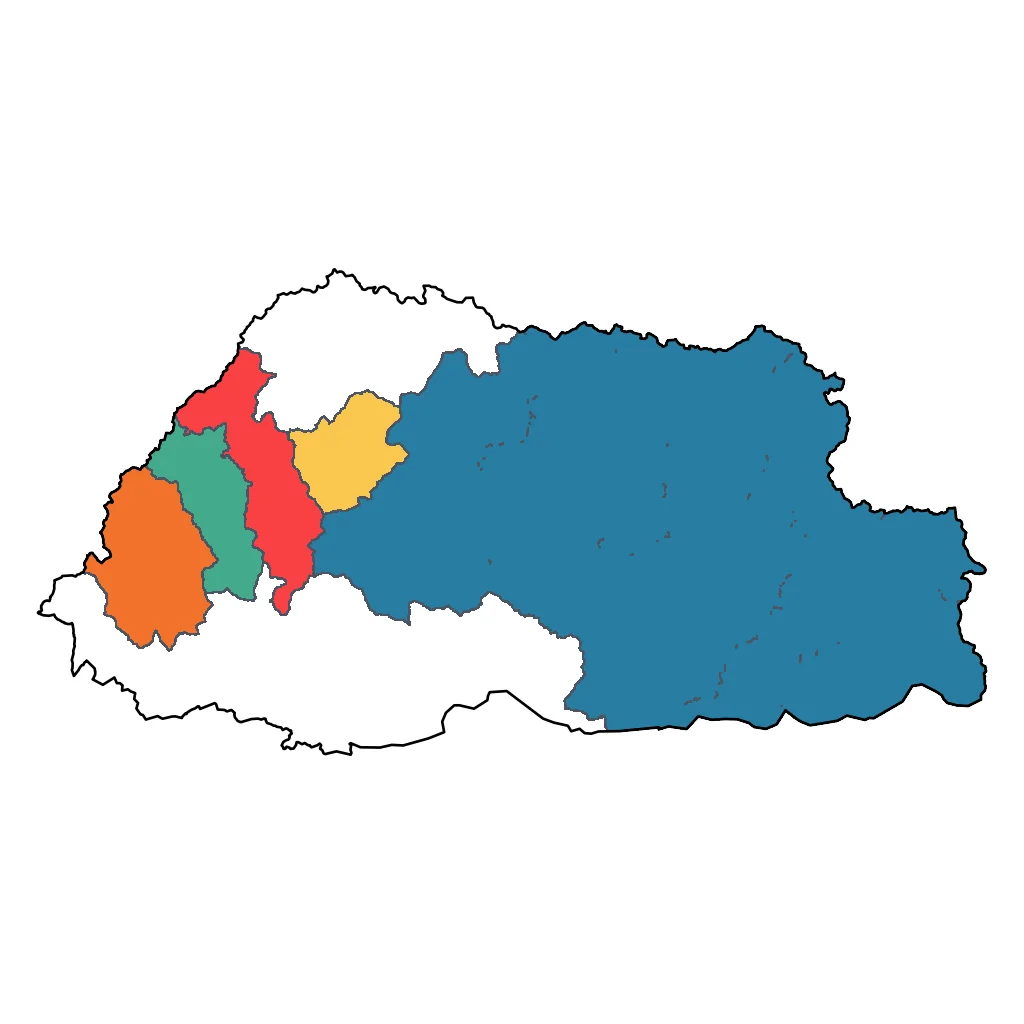
Thimphu is the bustling heart of Bhutan, yet it retains a small-town charm that is manageable and safe for families. As the only national capital in the world with no traffic lights, the sight of a policeman directing cars with elegant hand gestures at the main intersection is a quirky attraction in itself. This is where modern Bhutan meets tradition; you'll see monks checking smartphones and teenagers in jeans walking alongside elders in traditional gho and kira. It is the best place to introduce children to the living culture of the kingdom before heading into the quieter countryside.
Wildlife and Statues
A must-visit for any family is the Motithang Takin Preserve. The Takin is Bhutan's national animal—a curious beast that looks like a mix between a goat and a cow. It’s an easy, short walk to see them, and kids are usually delighted by their strange appearance. Overlooking the city is the Buddha Dordenma (Buddha Point), a massive 51-meter tall golden statue. The sheer scale of the statue is awe-inspiring for children, and the plaza offers plenty of space to run around and enjoy panoramic views of the valley. It can be windy up there, so bring a jacket.
Hands-On Learning
Thimphu offers great educational stops that feel like play. The Jungshi Handmade Paper Factory allows families to watch the traditional process of making paper from daphne bark—kids can sometimes even try their hand at it. The Folk Heritage Museum is set up like a traditional rural house, complete with a water mill and old tools, giving a tangible sense of how people lived a century ago. On weekends, the Centenary Farmers Market is a riot of smells and colors, selling everything from blocks of yak cheese to fern fiddleheads. It's a great place to buy fresh fruit (local apples and mandarins are delicious) and interact with vendors. Thimphu also has the most diverse food options; if the kids need a break from curry, you can easily find pizza, burgers, and bakeries here.
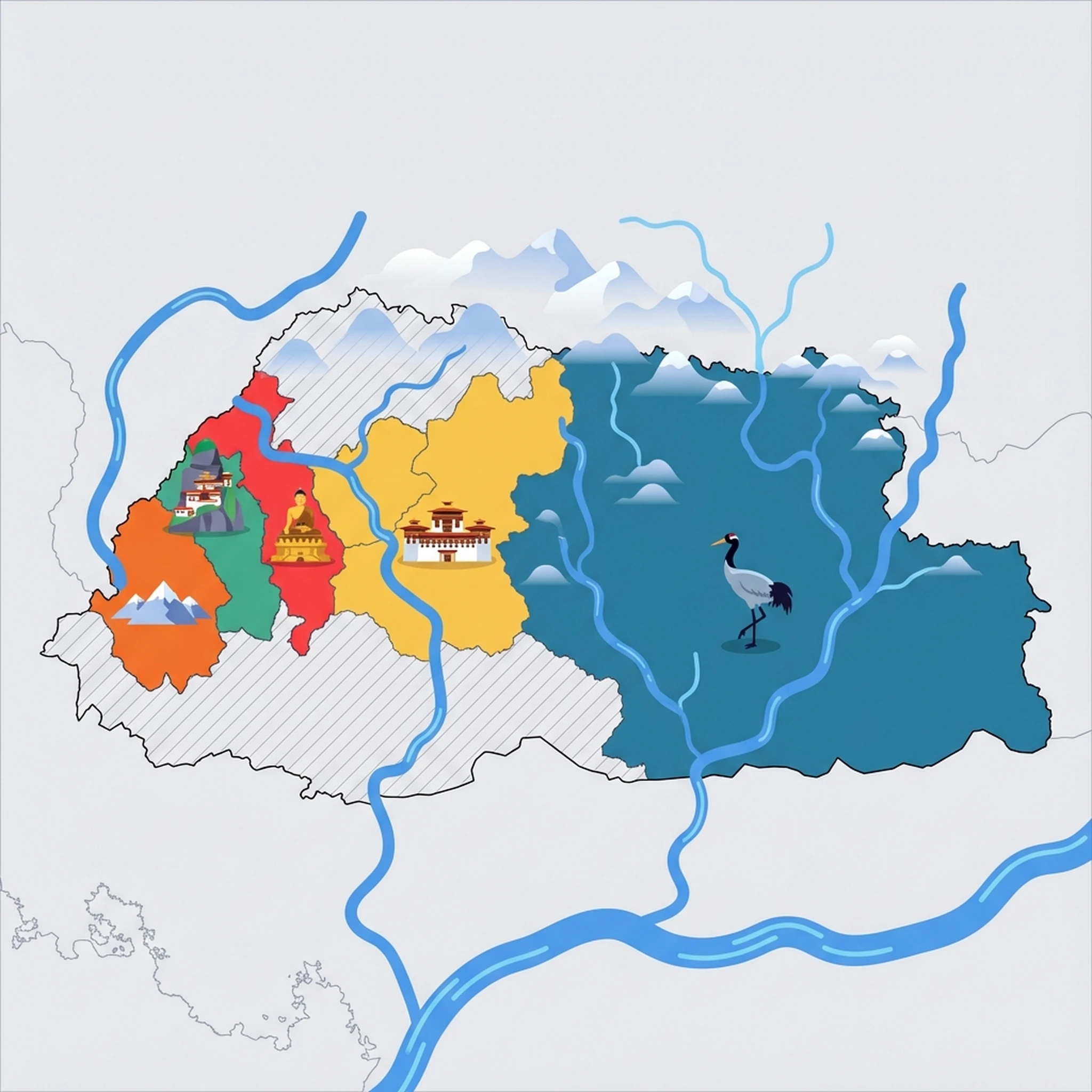
Click a region to explore

Activities & Best Times

Urban tourism, museums, historical sites, architecture
Thimphu is a world-class cultural destination featuring unique Himalayan architecture like the Tashichho Dzong and the Buddha Dordenma. Peak months offer the most comfortable temperatures and clear skies; summer (Jun-Aug) is lush but hampered by high monsoon rainfall, while winter is too cold for extensive walking tours.
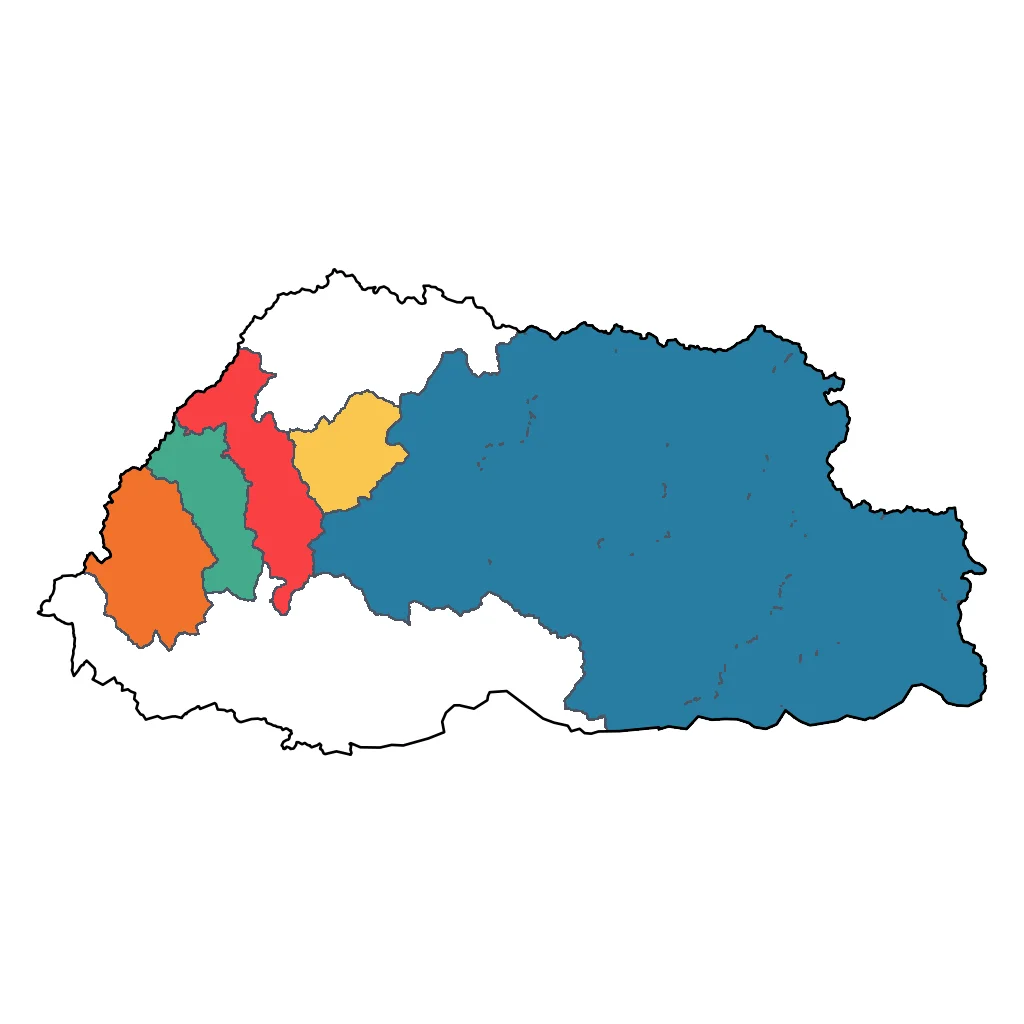

Events, celebrations, seasonal attractions
The Thimphu Tshechu is an internationally significant cultural event featuring sacred mask dances and vibrant local traditions. Peak season aligns with this major festival and ideal autumn weather; spring offers smaller regional festivals, while other months lack major internationally-appealing events.
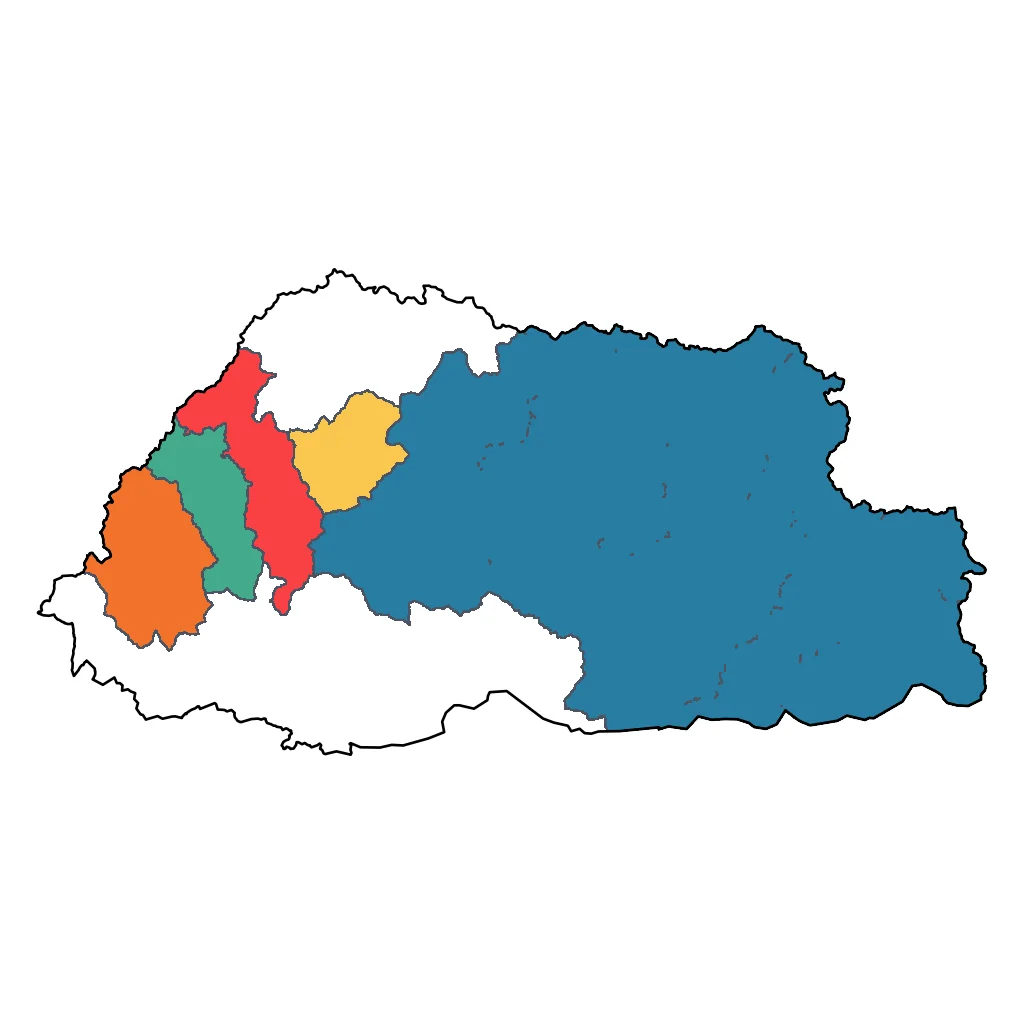

Hiking, wildlife, outdoor exploration, ecotourism
Offers pristine high-altitude trekking and proximity to the unique biodiversity of the Jigme Dorji National Park. Peak months provide the best visibility and stable trail conditions; the summer monsoon (Jun-Aug) creates treacherous mud and leeches, while winter temperatures are too harsh for family trekking.
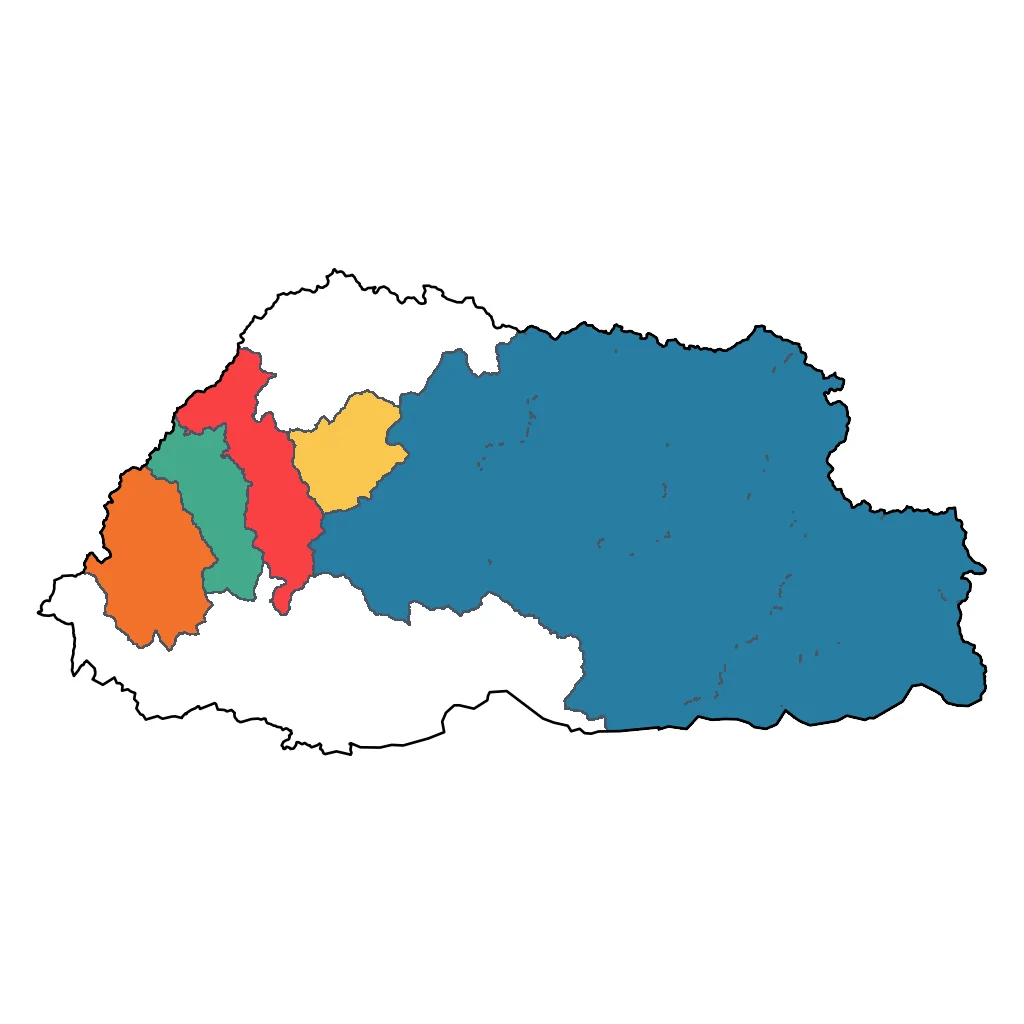

Learning experiences, scientific sites, historical education
Exceptional learning opportunities exist at the National Institute for Zorig Chusum and the Folk Heritage Museum, focusing on the unique 'Gross National Happiness' philosophy. Favorable spring and autumn weather facilitates site visits and interactive workshops; monsoon rains and winter freezes limit the accessibility of these educational experiences.
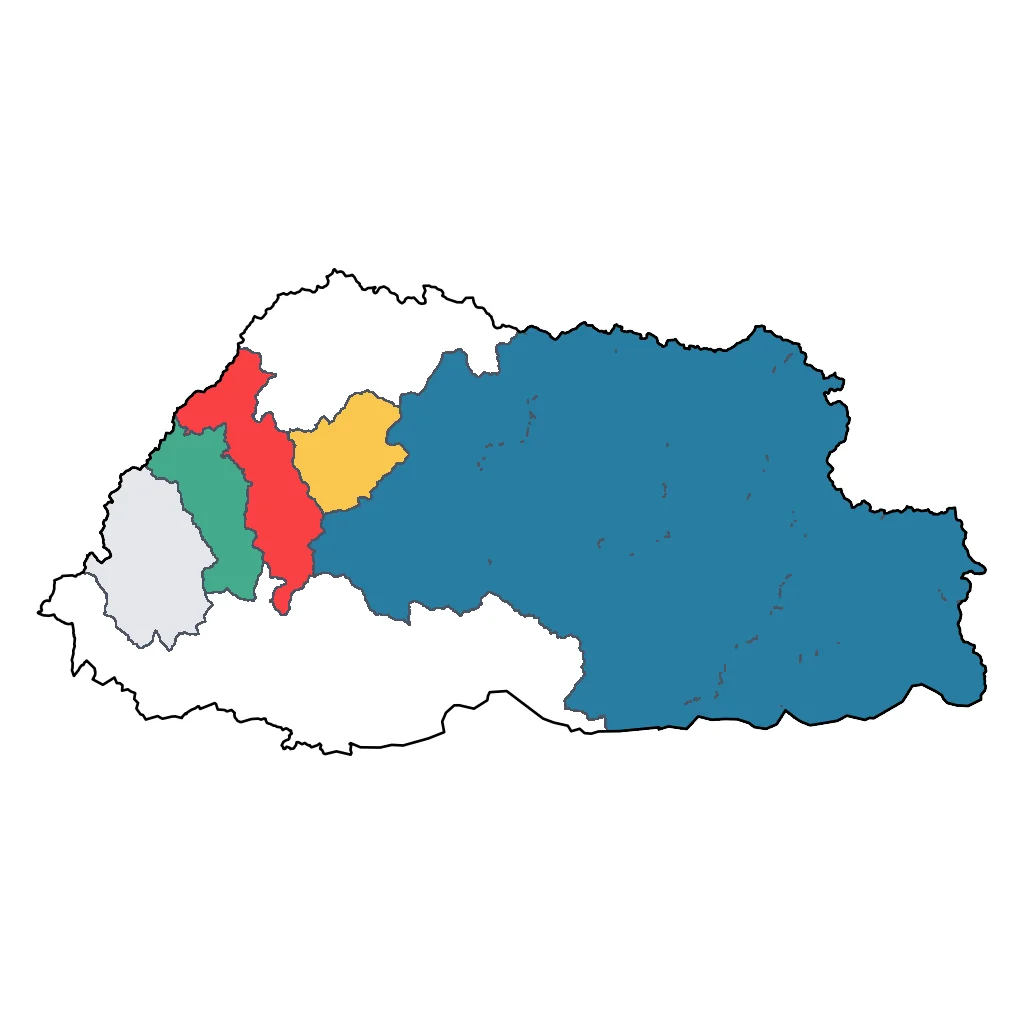

Spa retreats, wellness centers, peaceful getaways
Home to ultra-luxury retreats offering authentic Bhutanese hot stone baths and meditation programs in a peaceful mountain setting. Peak periods offer the best ambient temperatures for outdoor yoga and meditation; the high humidity of summer and the sub-zero winter nights can detract from the wellness experience.
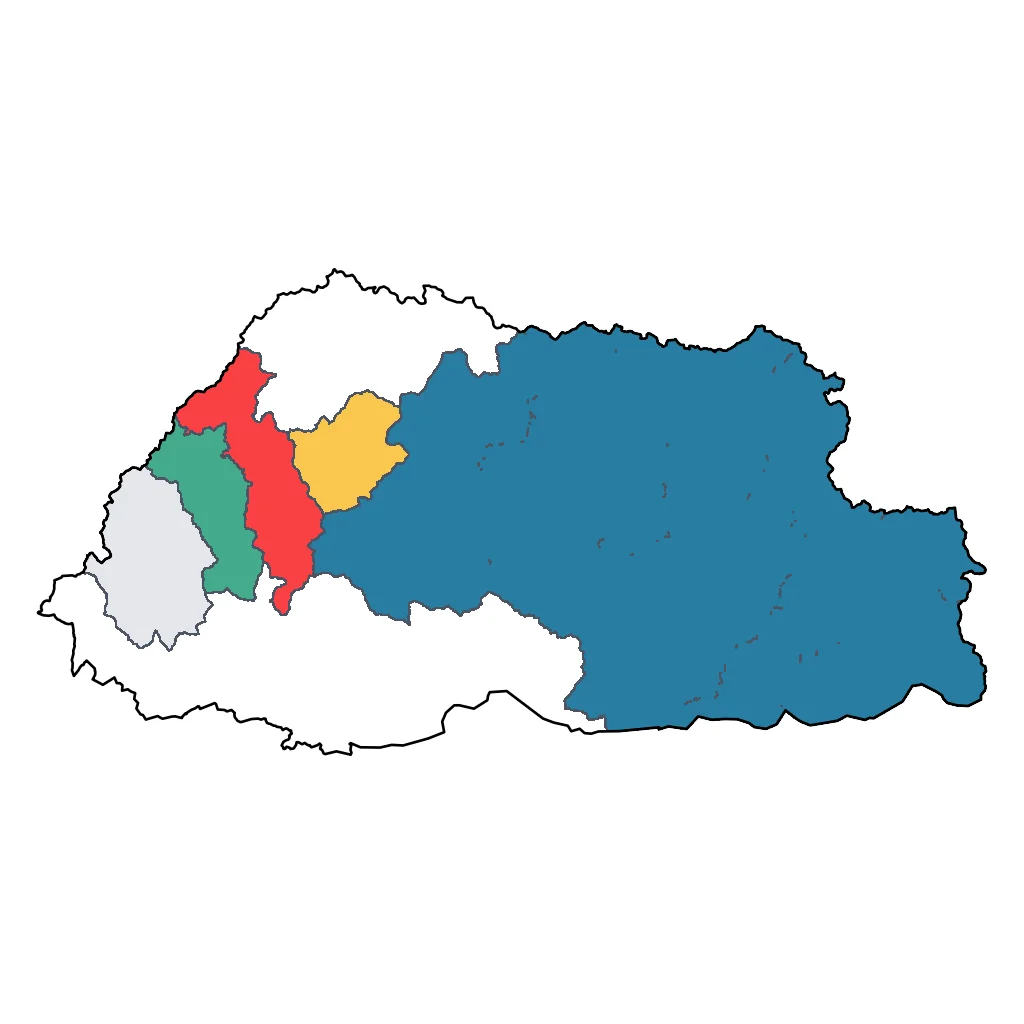

Scenic drives, countryside tours, route-based travel
Thimphu is the gateway to the dramatic Dochula Pass, offering spectacular Himalayan views on the way to central Bhutan. Peak months provide essential visibility and dry roads; summer is dangerous due to monsoon-induced landslides and fog, while winter poses risks from black ice on high-altitude passes.
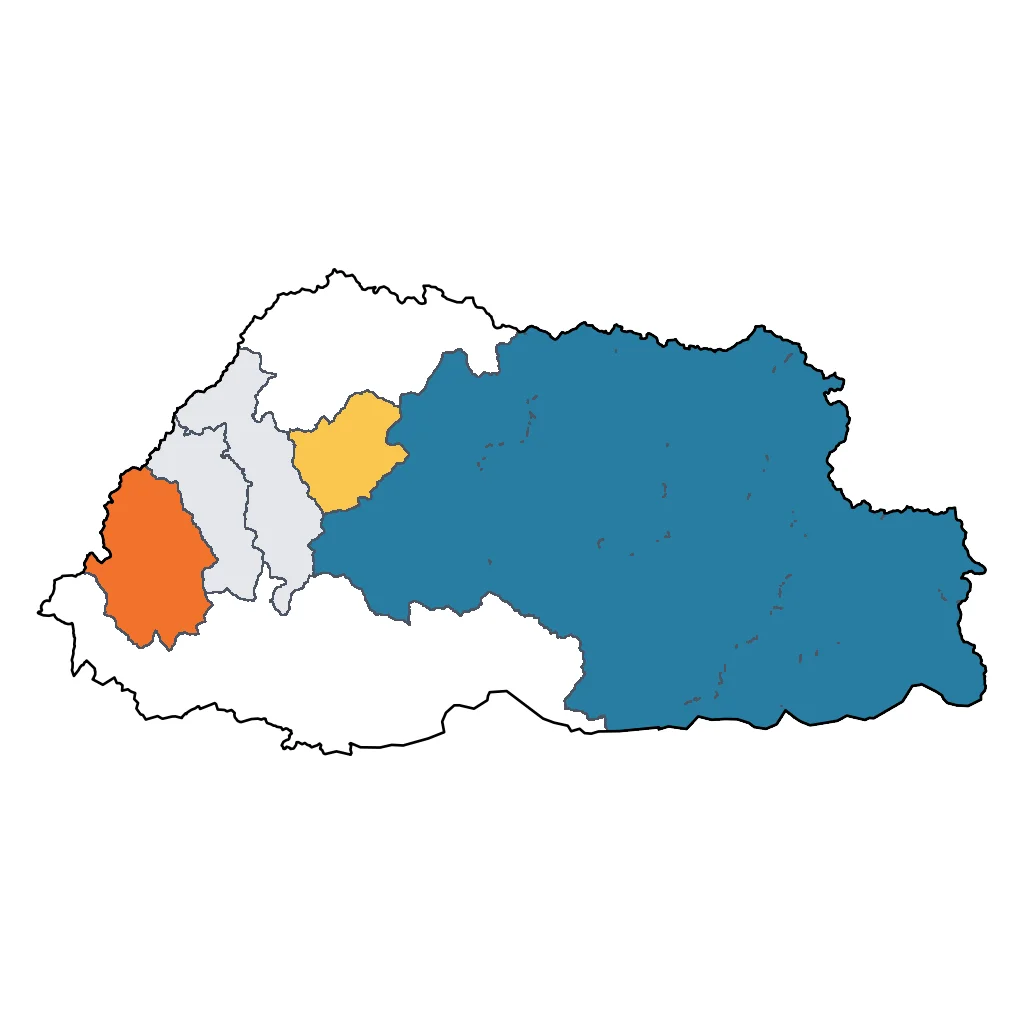

Sport tourism, fitness activities, active recreation
Features authentic experiences in traditional archery (the national sport) and high-quality mountain biking trails through the valley. Peak conditions in May and September offer optimal temperatures for physical activity without the heavy summer rains or the restrictive winter cold.