Paro is where nearly every family trip to Bhutan begins and ends, but it is far more than just a transit hub. This broad, fertile valley is a patchwork of rice paddies and traditional three-story farmhouses, offering a gentle introduction to the country's landscape. The air is clean and crisp, and the pace is slow. Upon arrival, families should take it easy to acclimatize to the altitude (around 2,200 meters). A great first stop is the National Museum of Bhutan, housed in an ancient watchtower. It features eclectic displays—from festival masks to stuffed wildlife—that are visually engaging for children without being overwhelming.
Hiking to the Tiger's Nest
The headline attraction is undoubtedly Paro Taktsang (Tiger's Nest), a monastery perched precariously on a sheer cliff 900 meters above the valley floor. For families, this is a major adventure that requires planning. The full hike takes 4-5 hours round trip. While the path is steep and dusty, it is wide and well-trodden.
Family Tip: You can hire ponies to carry children (or tired adults) up to the halfway cafeteria point. From there, you must walk, but the views are already spectacular. If the full climb seems too daunting for toddlers, just hiking to the cafeteria for tea and cookies is a worthy accomplishment. Start early in the morning to avoid the heat and crowds.
Valley Activities
Beyond the big hike, Paro is perfect for relaxed exploration. The Rinpung Dzong is a massive fortress-monastery where scenes from the movie 'Little Buddha' were filmed; kids enjoy running across the traditional cantilever bridge below it. On weekends, the archery grounds are full of locals practicing the national sport. It's safe to watch, and often you can find a guide who will let older kids try shooting a bamboo bow. For accommodation, Paro offers everything from luxury resorts to family-run guesthouses. Many hotels are located a bit outside the town center, offering space for kids to run around safely in nature. The main street of Paro town is small and pedestrian-friendly, with shops selling handicrafts, colorful wooden masks, and prayer wheels that make great souvenirs.
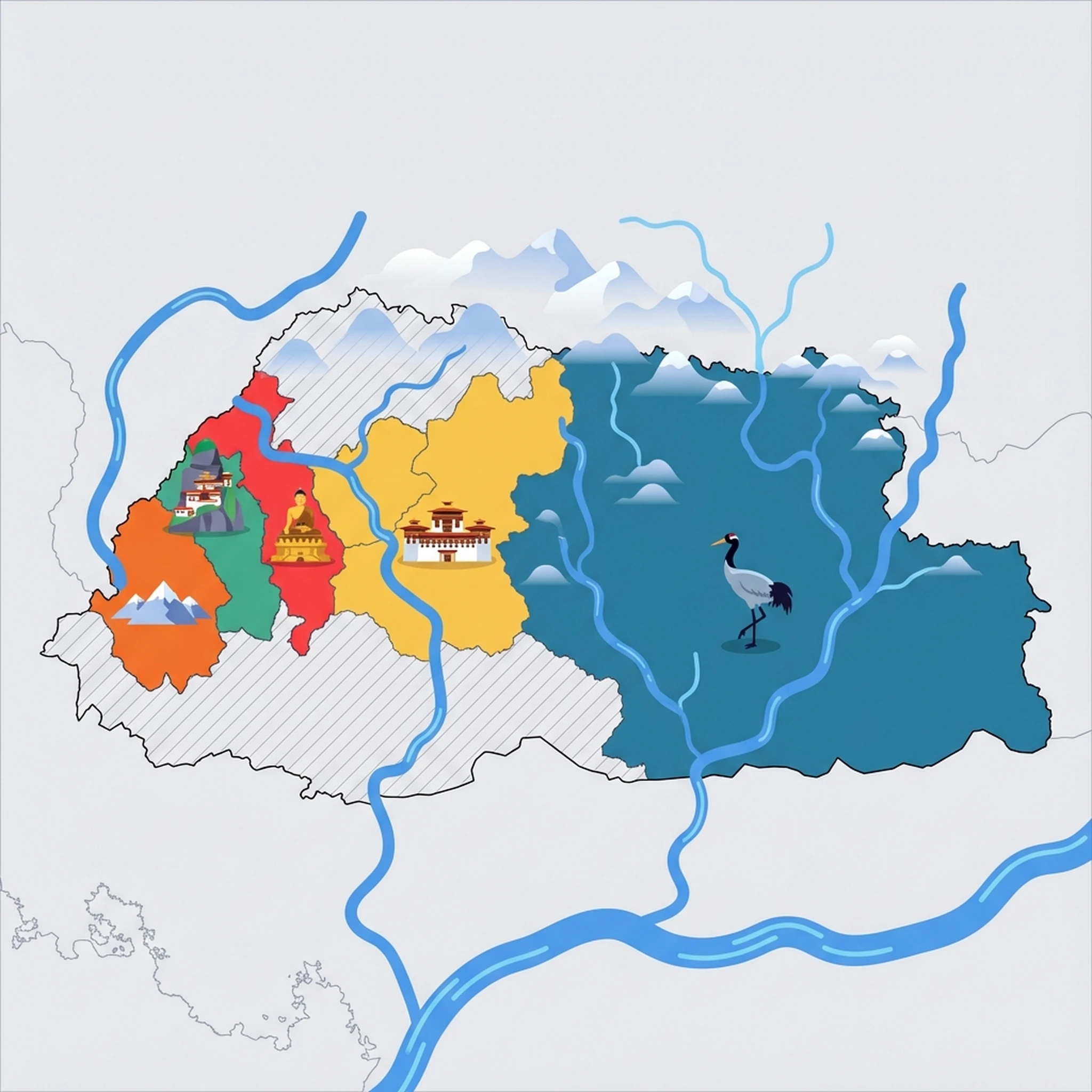
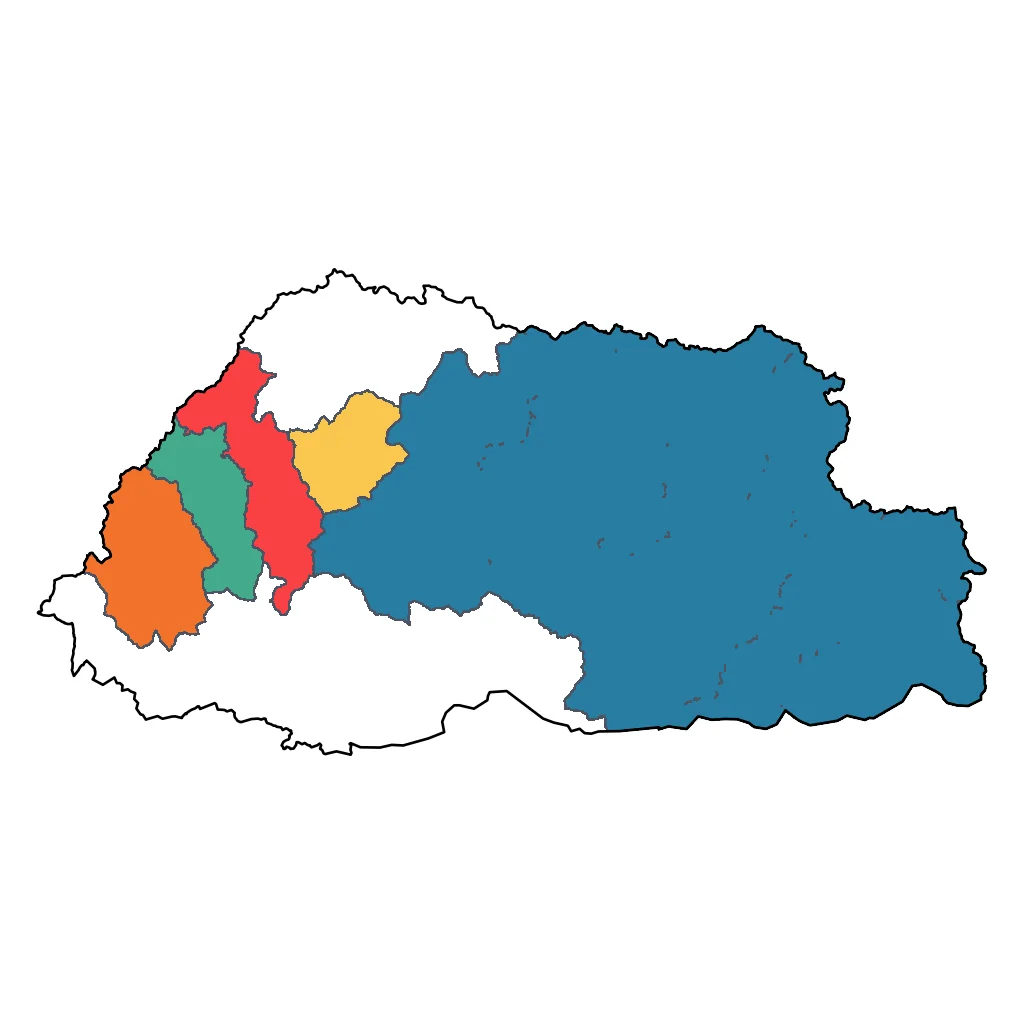
Click a region to explore

Activities & Best Times

Hiking, wildlife, outdoor exploration, ecotourism
Home to the world-renowned Tiger's Nest hike, offering a spiritually significant and physically rewarding experience in a pristine Himalayan ecosystem. Peak months provide mild temperatures and clear mountain views, while the summer monsoon (Jun-Aug) creates slippery, leech-prone trails.

Urban tourism, museums, historical sites, architecture
A living museum of Vajrayana Buddhism featuring the majestic Rinpung Dzong and authentic traditional architecture untouched by mass commercialization. Optimal spring and autumn weather facilitates comfortable exploration of the town's spiritual sites and heritage galleries.

Events, celebrations, seasonal attractions
The Paro Tshechu is a globally significant religious festival featuring sacred mask dances that offer unparalleled cultural authenticity for sophisticated travelers. Peak season aligns with the spring festival dates, while autumn offers smaller but equally genuine local celebrations.

Spa retreats, wellness centers, peaceful getaways
Home to some of the world's most exclusive luxury retreats (Amankora, Six Senses) specializing in traditional hot stone baths and meditation. Winter shoulder months offer a serene, cozy atmosphere in high-end lodges, while the summer monsoon humidity is less ideal for outdoor yoga and relaxation.

Learning experiences, scientific sites, historical education
Provides profound insights into the 'Gross National Happiness' philosophy and ancient monastic traditions in a high-quality, immersive environment. Travel is best during stable weather periods when guided educational tours of the Dzongs and National Museum are most accessible.

Sport tourism, fitness activities, active recreation
Offers world-class high-altitude trekking (Druk Path) and authentic traditional archery experiences for active families. Conditions are prime in spring and autumn; winter is too cold for high-altitude sports, and summer rains make cycling and trekking difficult.

Scenic drives, countryside tours, route-based travel
Features dramatic valley views and winding mountain passes that reward travelers with stunning vistas of the Himalayas and emerald paddies. Driving is hazardous during the monsoon (landslides) and mid-winter (ice), making the clear autumn and spring months the only recommended times for scenic touring.