

Only opened to tourism in 2002, the Haa Valley remains one of Bhutan's most beautiful and least commercialized destinations. For families, Haa offers a breath of fresh, cool air and a peaceful contrast to the busier towns of Paro and Thimphu. The valley floor is relatively flat and wide, traversed by the Haa Chhu river, which provides lovely spots for skipping stones or enjoying a family picnic surrounded by the towering Meri Puensum mountains. Because it receives fewer visitors, the locals are often curious and welcoming, and it's easier here to arrange impromptu interactions or visits to traditional farmhouses.
Outdoor Adventures
Getting to Haa is half the fun. The drive from Paro crosses the Chele La Pass, the highest motorable road in Bhutan at nearly 4,000 meters. On clear days, families can see Mount Jomolhari and arguably the best views in the country. It is a fantastic spot to hang prayer flags—a meaningful activity for children to participate in—or to spot yaks grazing on the slopes. In the summer (May to July), the hillsides are carpeted with Blue Poppies and rhododendrons. Once in the valley, short hikes abound. The walk to the Katsho Goemba is manageable for active children and passes through lovely forest trails.
Culture and Staying
Haa is famous for its ancestral architecture and local legends. The twin temples, Lhakhang Karpo (White Temple) and Lhakhang Nagpo (Black Temple), are central to the valley's identity and sit peacefully at the foothills. The White Temple often hosts local festivals that are vibrant yet accessible. Accommodation in Haa is limited compared to Paro; there are a few standard hotels and several excellent heritage homestays. Staying in a homestay is highly recommended for families—children can see a traditional kitchen, learn how to churn butter tea, and sleep in a wooden-paneled room heated by a bukhari (wood stove). Be aware that nights here can be very cold, even in spring and autumn, so packing warm layers and thermal pajamas for the kids is essential.
Practical Tips
Because Haa is a border district near Tibet (China), there is a military presence, but this does not affect tourism. The valley is best visited as a day trip from Paro or a one-night overnight stay to break up the standard itinerary. The food in Haa is known for using dried yak meat and cheese, but homestays are happy to prepare simple rice, eggs, and vegetables for younger palates.
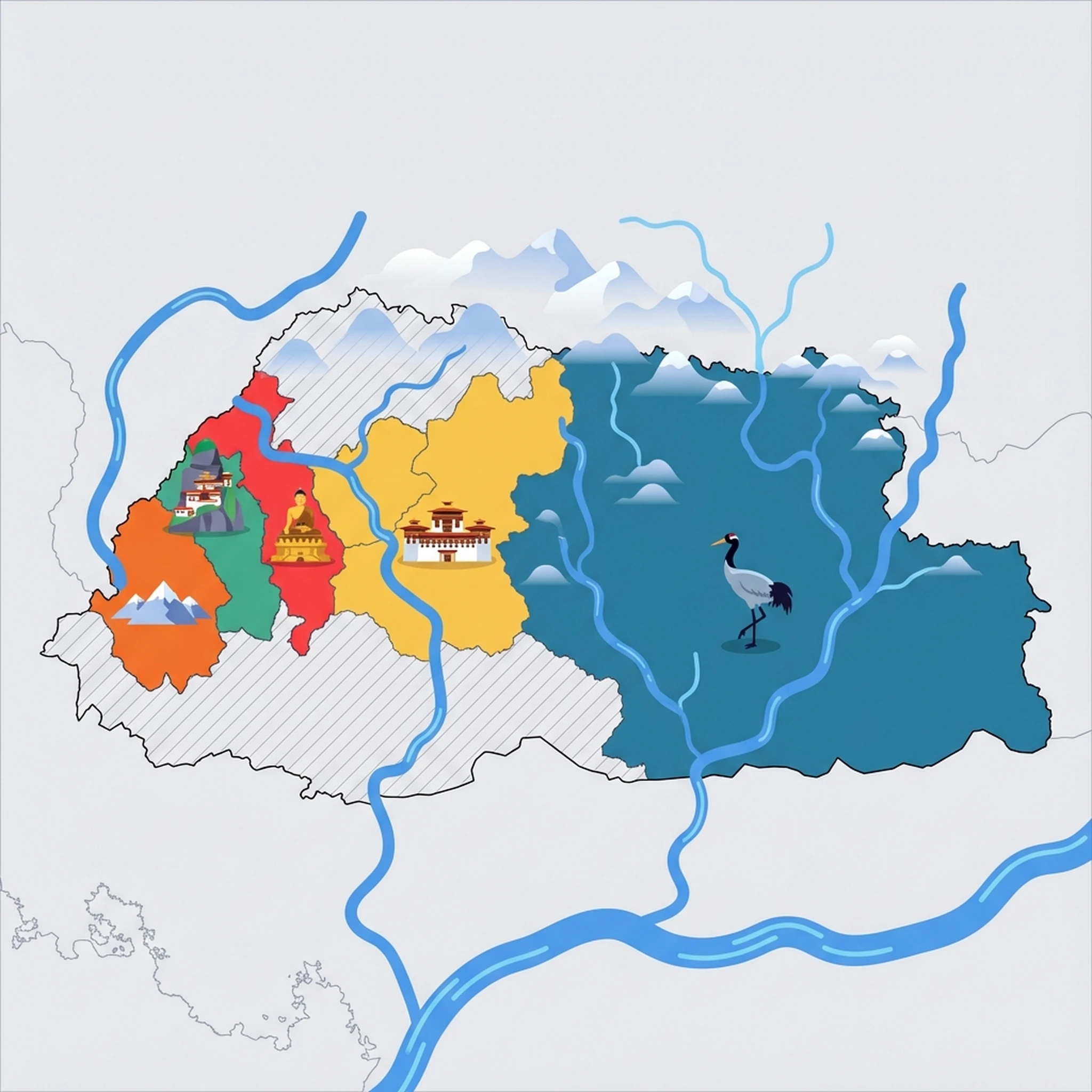
Click a region to explore

Activities & Best Times

Hiking, wildlife, outdoor exploration, ecotourism
Authentic Himalayan trekking through pristine forests and nomadic lands guarded by the Three Sacred Mountains. Peak months offer the best balance of moderate temperatures and clear skies; the summer monsoon (Jun-Aug) brings extreme rainfall (>450mm) and leeches, while winter (Dec-Feb) is too harsh for most families.
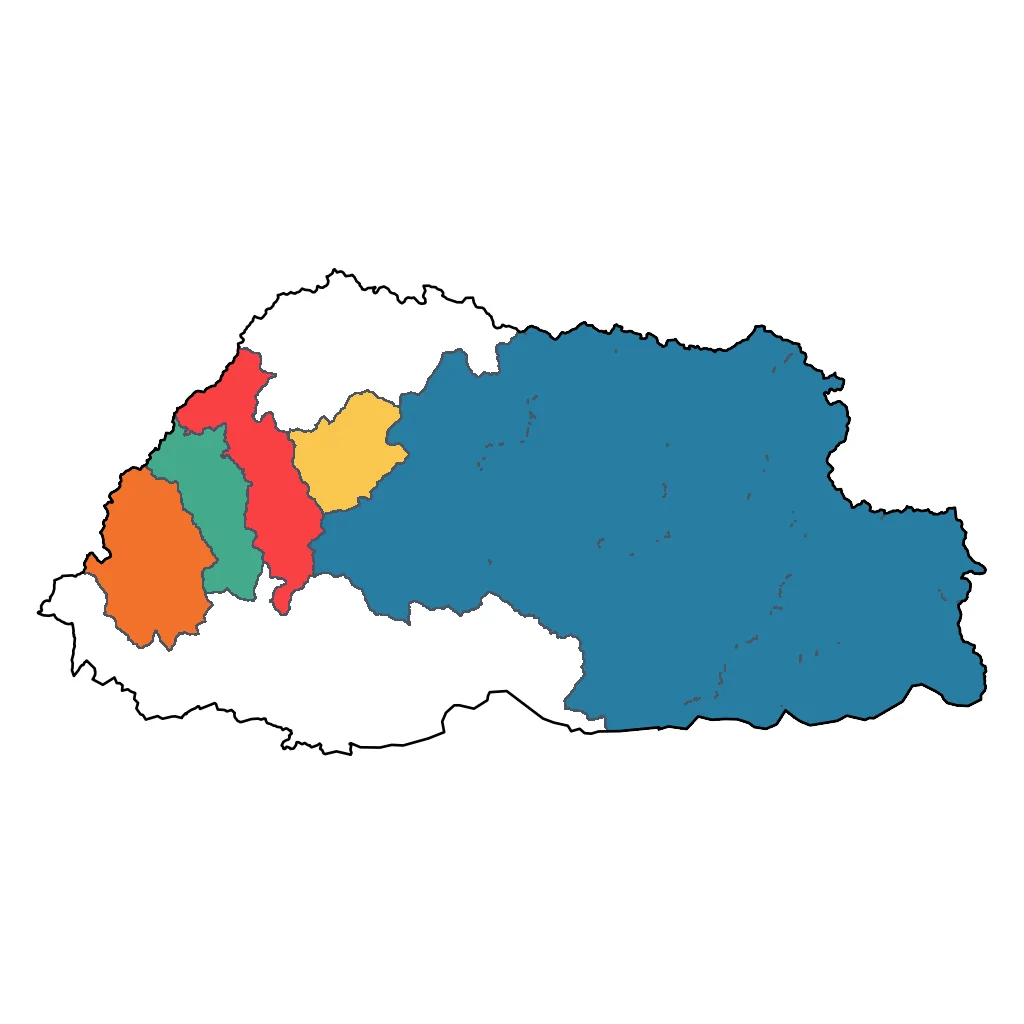

Urban tourism, museums, historical sites, architecture
Home to the historic Lhakhang Karpo (White Temple) and Lhakhang Nagpo (Black Temple) set against a backdrop of traditional farmhouses. Spring and autumn provide optimal conditions for exploring living heritage; summer months are hindered by persistent heavy rains that restrict outdoor cultural immersion.
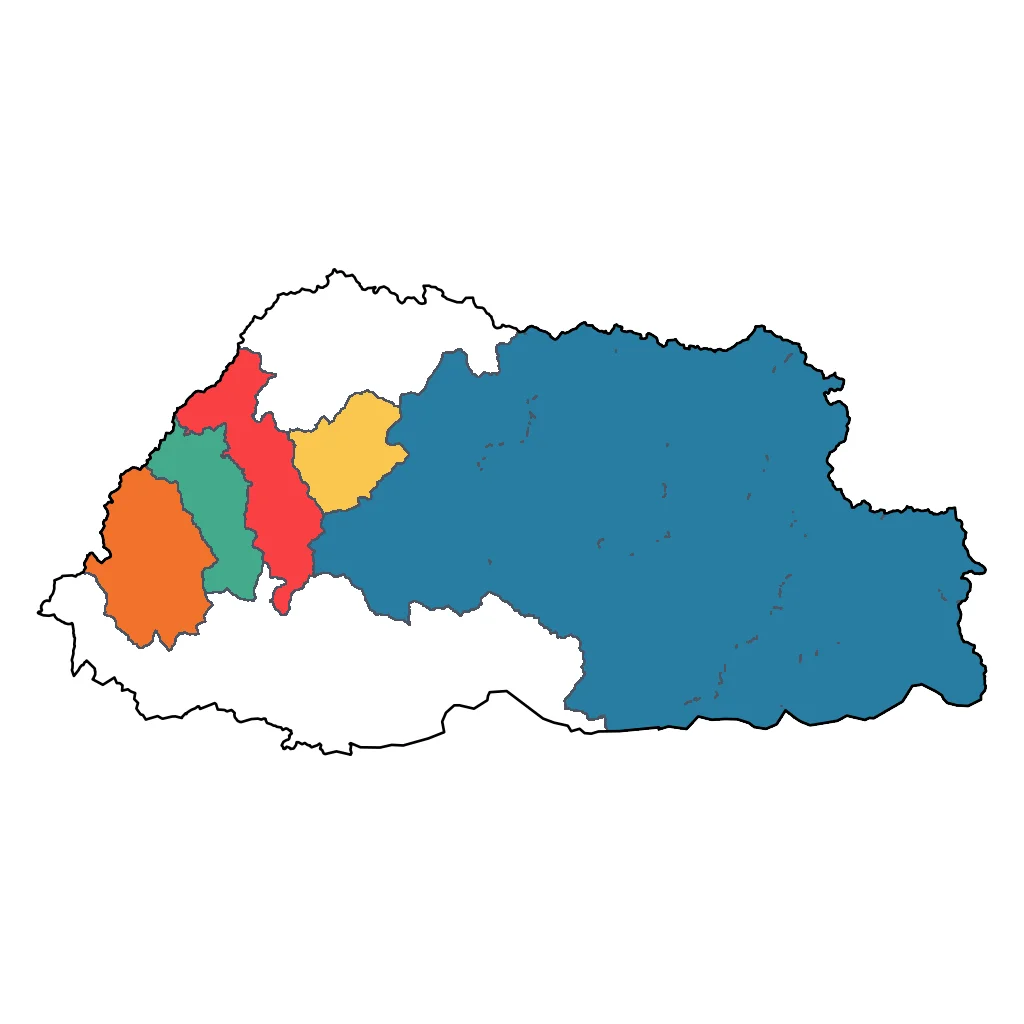

Events, celebrations, seasonal attractions
The Haa Summer Festival (July) is a world-class showcase of nomadic culture, traditional sports, and alpine flowers, though weather is wet. Autumn months host various local religious tshechus; the winter and peak monsoon periods outside of festival dates offer fewer significant cultural events.
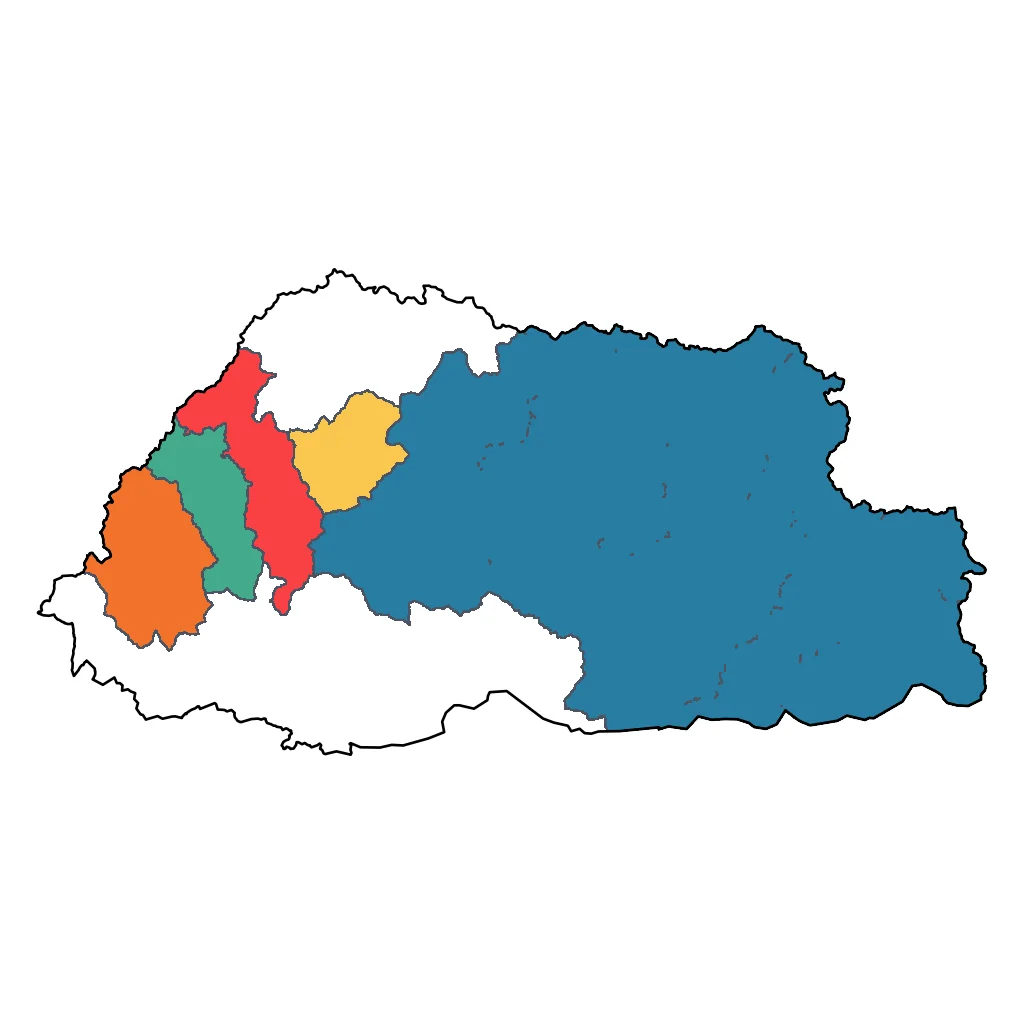

Scenic drives, countryside tours, route-based travel
Features the spectacular drive over Chele La Pass, Bhutan's highest motorable road, offering world-class vistas of Mt. Jomolhari. Autumn provides the crystal-clear visibility required for mountain views; summer is avoided due to monsoon-related landslides and fog, while mid-winter poses risks of ice on high passes.
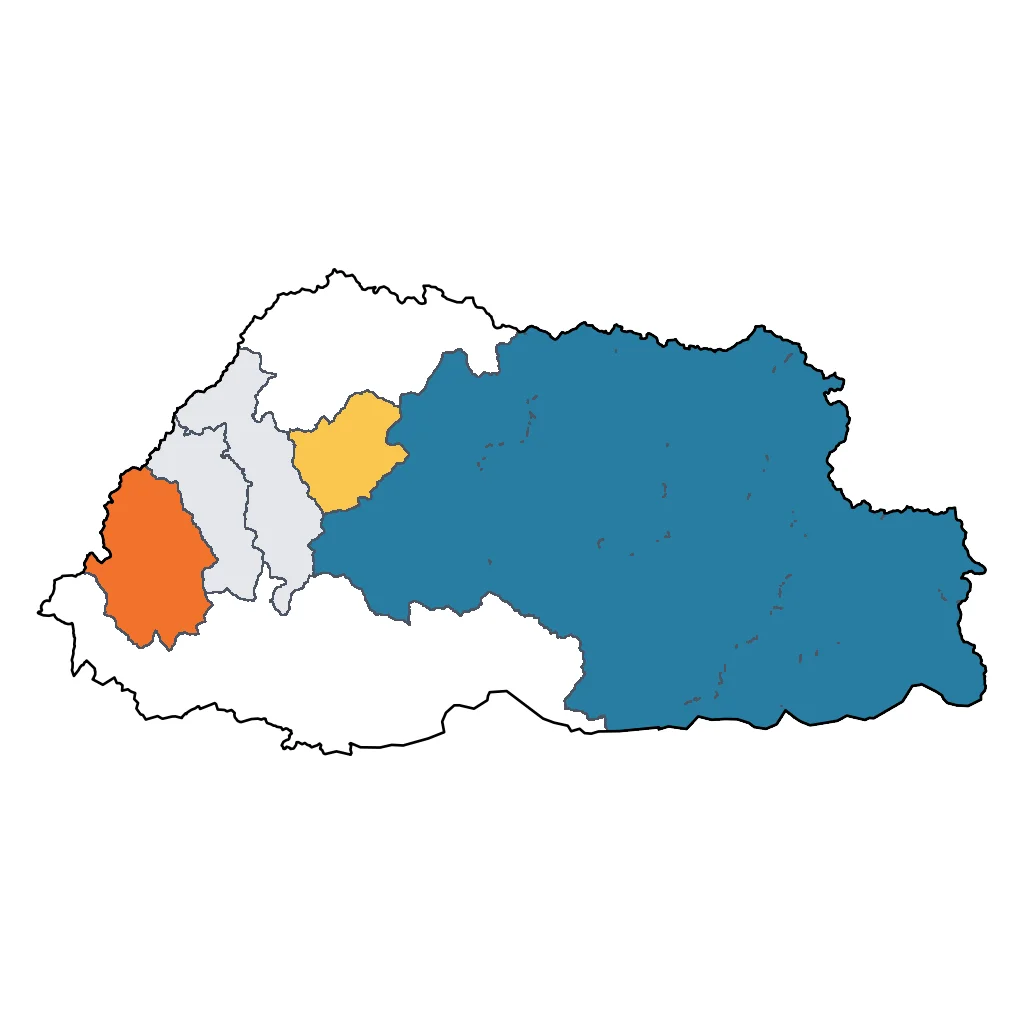

Learning experiences, scientific sites, historical education
Unique opportunities to learn about the 'Gross National Happiness' philosophy and ancient nomadic livestock traditions. Peak months allow for comfortable visits to remote monasteries and community schools; extreme monsoon rain and winter closures of high-altitude paths limit educational access.
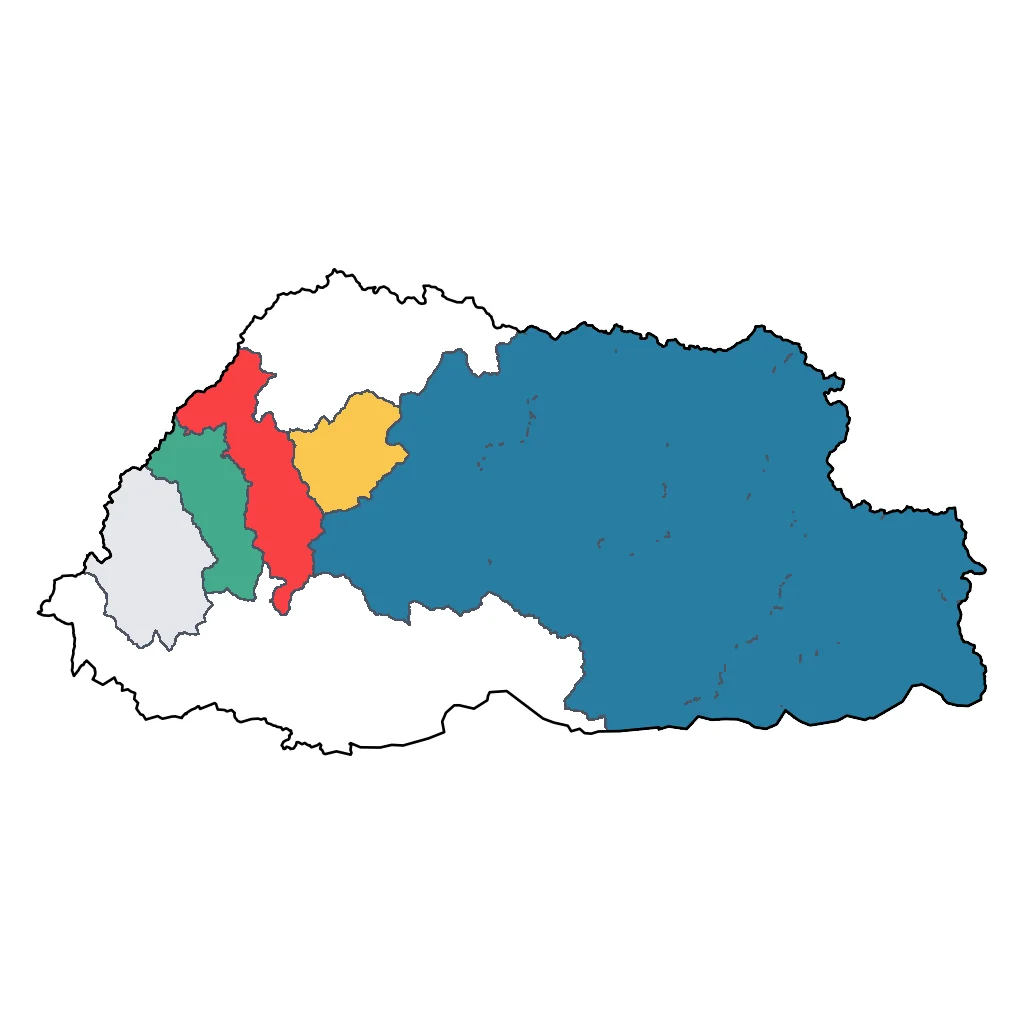

Spa retreats, wellness centers, peaceful getaways
A serene, low-traffic escape ideal for traditional Bhutanese hot stone baths and high-altitude meditation. Peak months provide the most pleasant ambient temperatures (max 15-18°C); heavy monsoon humidity and winter freezes limit the comfort of outdoor wellness activities.
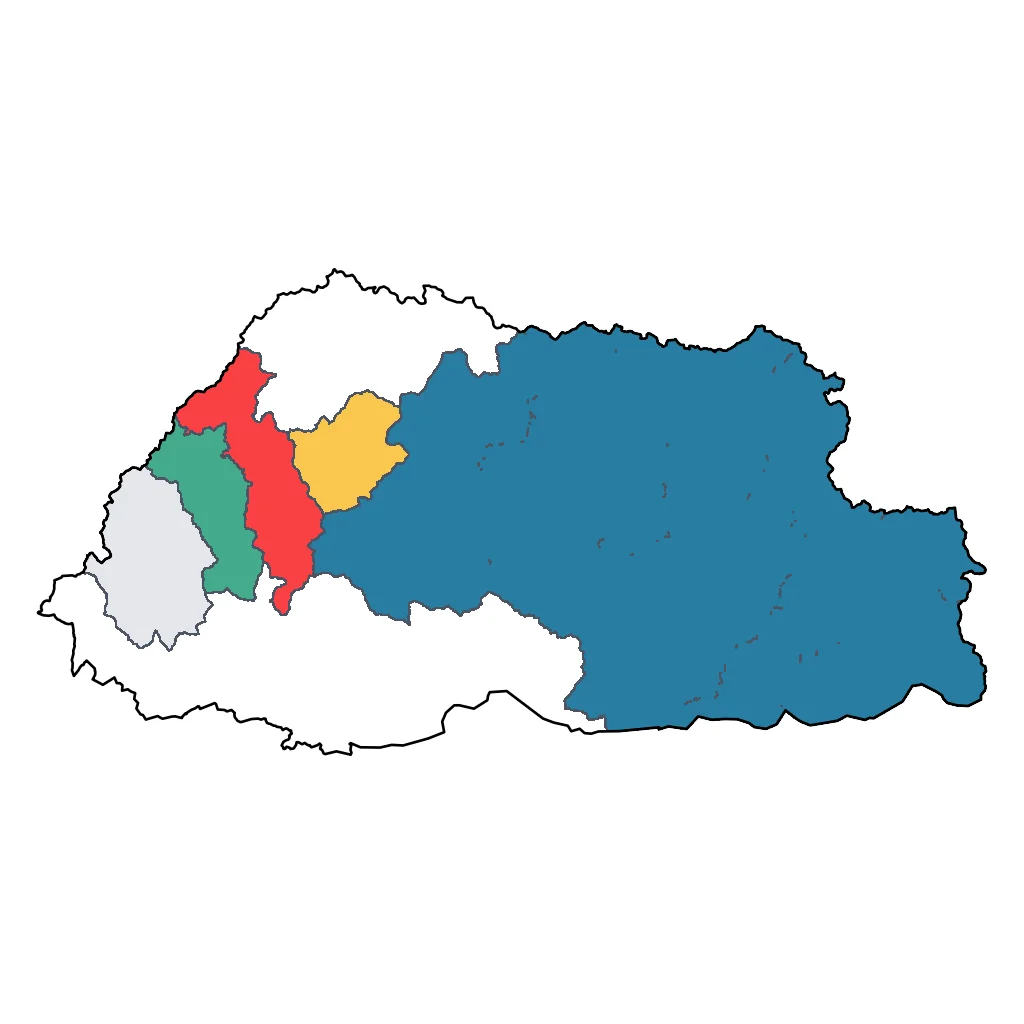

Sport tourism, fitness activities, active recreation
High-altitude cycling and hiking through diverse ecosystems offer a rigorous but rewarding experience for active families. Optimal conditions occur during the drier, temperate spring and autumn windows; heavy summer rain makes trails and mountain roads treacherous for family-oriented sports.
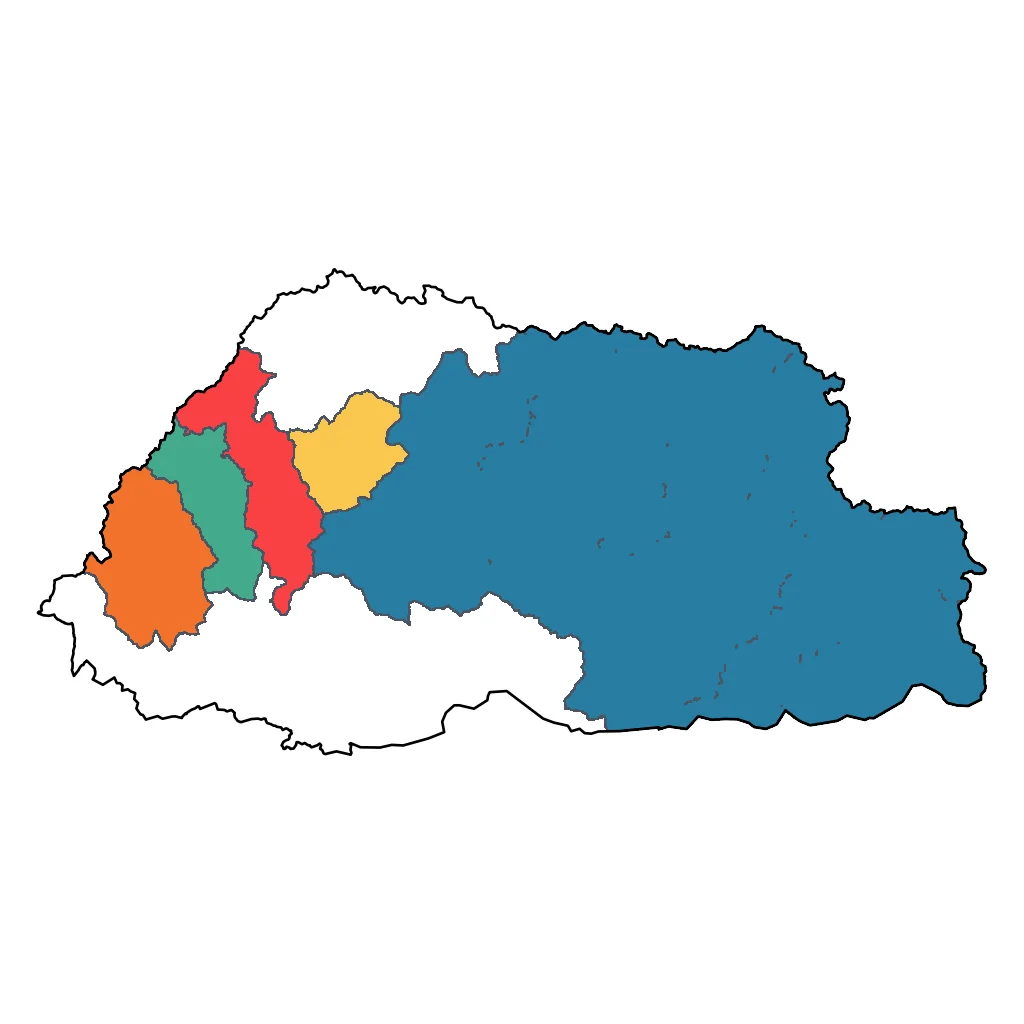

Attractions (20 total)
Natural Feature / Scenic Site
Chele La Pass
Haa
The highest motorable pass in Bhutan offers breathtaking panoramic views of the sacred Jomolhari and Jichu Drake peaks.
Visit website →Haa Valley Floor and River
Haa
The pristine Haa Chu river winds through an alpine valley filled with ancient pine forests and traditional farmsteads perfect for gentle nature walks.
Meri Puensum
Haa
These three sacred, identical hills symbolize the protectors of the valley and create a distinctive, serene landscape for hikers.
Landmark / Monument / Iconic Urban Attraction
Lhakhang Karpo
Haa
This historic 'White Temple' offers a peaceful atmosphere and stunning traditional architecture that fascinates visitors of all ages.
Haa Town Center
Haa
A picturesque example of traditional Bhutanese urban planning, this quiet town center features beautifully painted wooden facades and a relaxed local atmosphere.
Lhakhang Nagpo
Haa
Known as the 'Black Temple,' this site captivates families with its ancient legends and unique dark-toned exterior set within a serene pine forest.
Castle / Palace / Historic Site
Lhakhang Karpo (White Temple)
Haa
One of the oldest temples in Bhutan, this historic site features iconic white walls and hosts the vibrant annual Haa Tshechu festival.
Dobji Dzong
Haa
A historic 16th-century fortress perched on a cliff edge, originally built as a prison and now serving as a monastic school.
Lhakhang Nagpo (Black Temple)
Haa
A 7th-century spiritual site known for its unique black walls and its location built over a sacred lake hidden beneath the temple floor.
Road Trips & Scenic Drives
Paro-Haa Scenic Highway via Chele La Pass
Paro
65km paved mountain highway (2.5-3 hours) ascending to Chele La (3,988m), the highest motorable pass in Bhutan. Features steep switchbacks through blue pine and rhododendron forests, offering panoramic views of Mt. Jomolhari and Jichu Drake from the summit before descending into the pristine Haa Valley.
Visit website →Haa Valley Cultural Drive
Haa
20km paved valley loop (1-2 hours) traversing the flat, high-altitude floor of Haa. This route connects the town's most significant cultural landmarks, including Lhakhang Karpo (White Temple), Lhakhang Nagpo (Black Temple), and the Wangchuck Lo Dzong, passing traditional Bhutanese farmhouses and fields of buckwheat and radish.
Visit website →Haa-Thimphu Scenic Road via Chuzom
Haa
105km paved route (3.5-4 hours) following the Haa Chhu river southward. Highlights include the dramatic confluence at Chuzom where three different styles of stupas (Bhutanese, Tibetan, and Nepalese) mark the meeting of the Haa, Wang, and Pa rivers, followed by a scenic drive along the river canyon toward the capital.
Visit website →Hiking & Cycling Routes
Trans Bhutan Trail: Haa to Paro
Haa Town
15km moderate 1-day trek from Katsho to Paro via the Sagala Pass. Elevation gain of approximately 1,100m reaching 3,550m. This historic route was the main trade artery before roads. Bike rental: Bhutan Mountain Bikes (bhutanmountainbikes.com)
Visit website →Haa Panorama Hiking Trail
Haa Town
11km moderate 5-7 hour day hike starting from the upper valley. Elevation gain of 600m. Offers sweeping views of the Haa Valley and connects Lhakhang Karpo with local villages.
Visit website →Saga La Pass Trek
Haa Town
18km challenging 2-day trek between Paro and Haa. Elevation gain of 1,200m reaching a peak altitude of 3,720m. Famous for views of Mount Jomolhari and Jichu Drake on clear days.
Visit website →Chele La Pass to Haa Valley Descent
Chele La
27km moderate cycling route consisting of a winding paved descent. Duration 2-3 hours. Starts at 3,988m and drops to 2,700m. Road surfaces are suitable for gravel or mountain bikes. Bike rental: Bhutan E-Bike (bhutanebike.com)
Visit website →Nub Tsonapata Trek
Haa Town
45km challenging 5-day trek with significant elevation gain of over 2,000m. Reaches a maximum altitude of 4,500m at the sacred Nub Tsonapata Lake. Remote trail featuring alpine meadows and high-altitude flora.
Visit website →National Park / Nature Reserve
Jigme Khesar Strict Nature Reserve
Haa
A sprawling protected wilderness in western Bhutan known for its pristine alpine forests and rare wildlife like the snow leopard and red panda.
Visit website →Historic Town / Village / Cultural Area
Katsho Village
Haa
A traditional Bhutanese village where families can observe authentic rural architecture and local farming practices in a scenic mountain setting.
Haa Town
Haa
A charming, high-altitude settlement known for its well-preserved traditional wooden-fronted shops and peaceful valley atmosphere.