

The Kalahari Desert is not a barren sea of sand dunes, but a vast, fossilized river valley covered in golden grasses, acacia trees, and scrub. For families, this region offers a safari experience that focuses less on ticking off the 'Big Five' and more on cultural immersion and the smaller wonders of nature. The area is the ancestral home of the San people (Bushmen), and many lodges in the Ghanzi district offer guided walks where children can learn how to make fire, identify medicinal plants, and track animals in the sand—skills that fascinate kids and provide a profound connection to human history.
The Central Kalahari Game Reserve (CKGR) is one of the largest protected areas in the world. Its sheer scale creates a sense of isolation and peace that is hard to find elsewhere. During the 'Green Season' (summer rains), the desert transforms: the pans fill with water, attracting herds of springbok, gemsbok (oryx), and wildebeest, which in turn draw the region's famous black-maned lions and cheetahs. The wide-open terrain makes spotting these predators easier than in the thick bush of the north. At night, the lack of light pollution reveals a breathtaking celestial show; families can sleep on roof decks or star beds, falling asleep under a canopy of diamonds.
Another key area is the Kgalagadi Transfrontier Park in the southwest, known for its red sand dunes and incredible raptor sightings. It is an adventurous destination best suited for families with older children who can handle longer drives. The wildlife here is adapted to the arid conditions; watch for bat-eared foxes, ground squirrels, and suricates, whose antics are always a hit with younger travelers.
Travel Advice:
The Kalahari can be extreme. Summers are intensely hot during the day, and winter nights drop below freezing, so packing layers is crucial. Distances between camps are long; if self-driving, a 4x4 is non-negotiable, and you must carry extra water and fuel. For families, staying at a lodge near Ghanzi or on the edge of the reserves often provides the best balance of cultural activities and comfort without the need for extreme off-road expeditions.
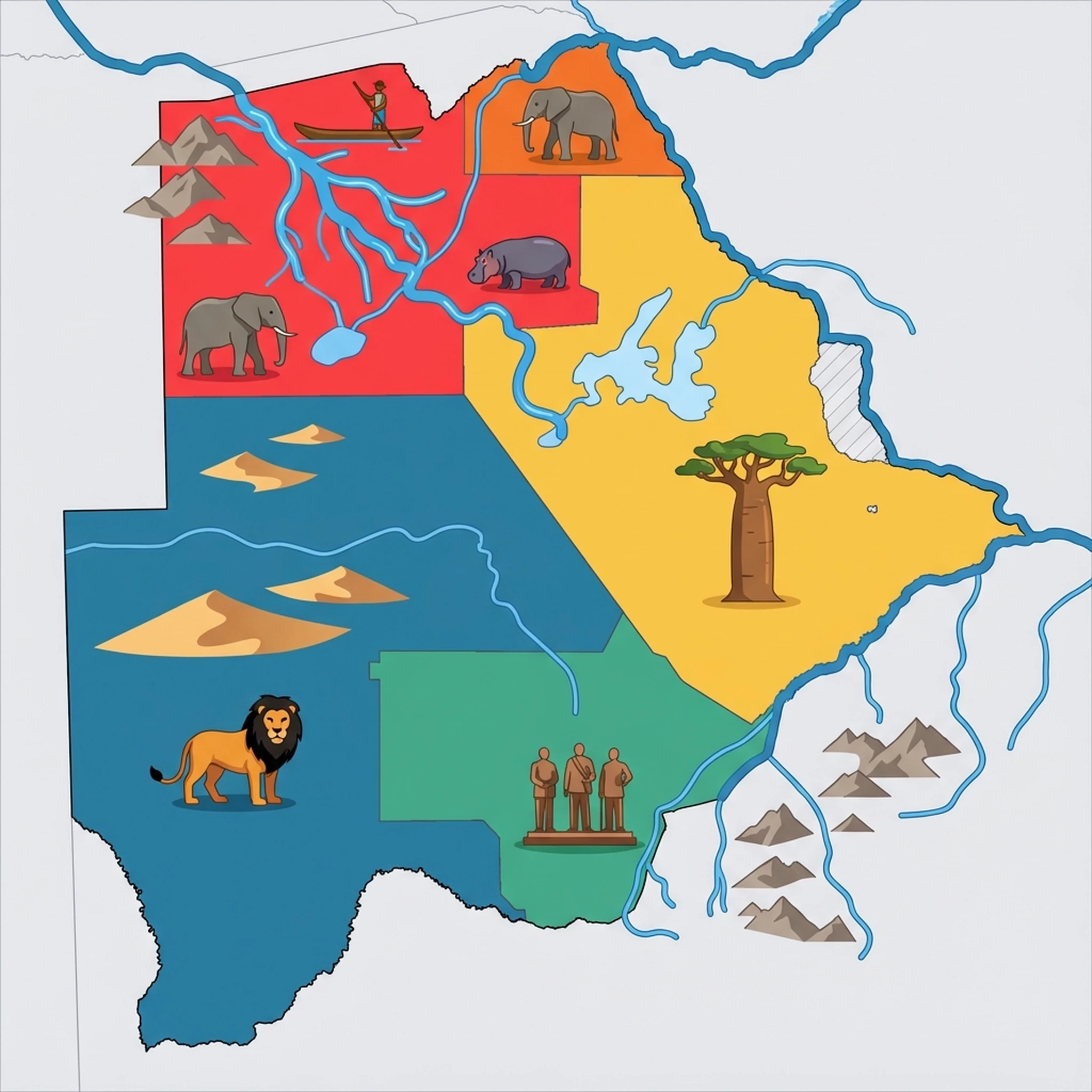
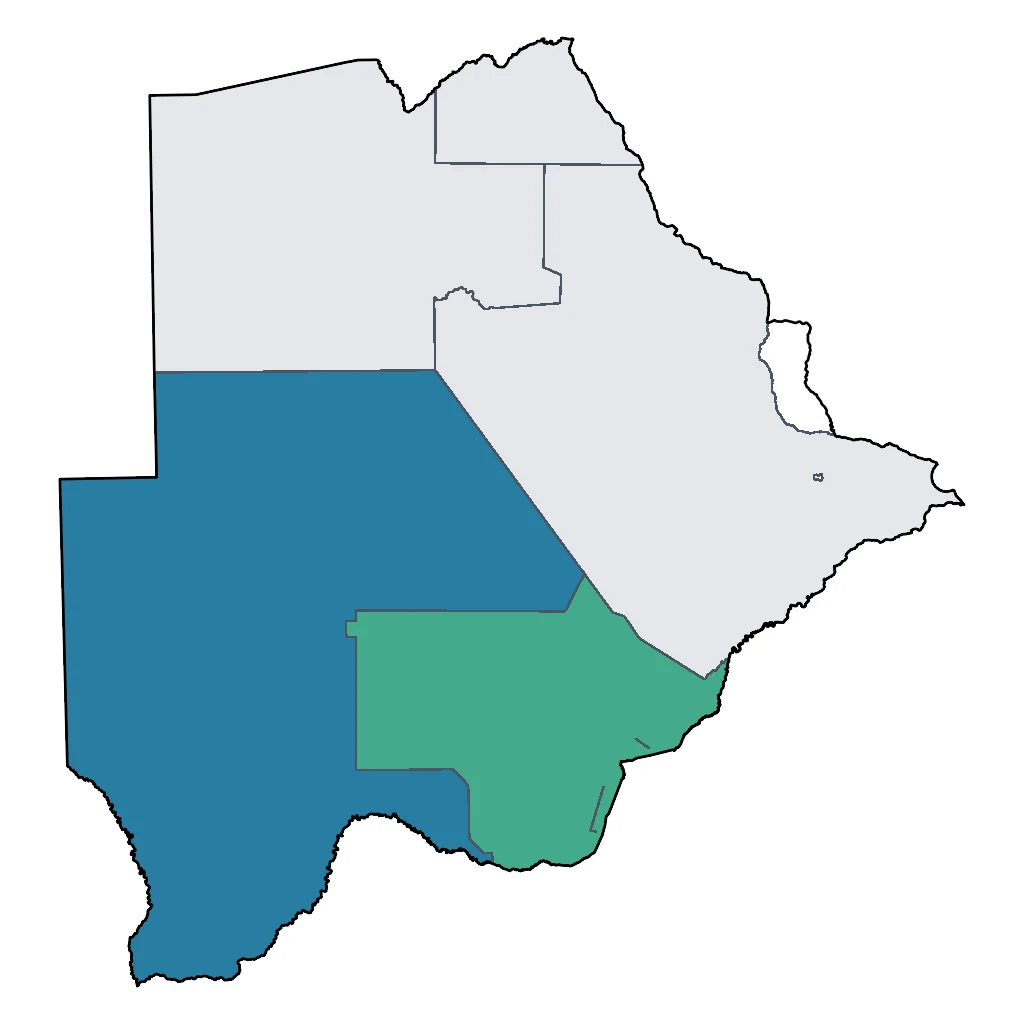
Click a region to explore

Activities & Best Times

Hiking, wildlife, outdoor exploration, ecotourism
The Kalahari is a remarkable wilderness but lacks the wildlife density, accessibility, and global mainstream recognition of the Okavango Delta or Chobe. The CKGR is a specialist expedition destination. very_good is appropriate for a nationally significant but niche wilderness.
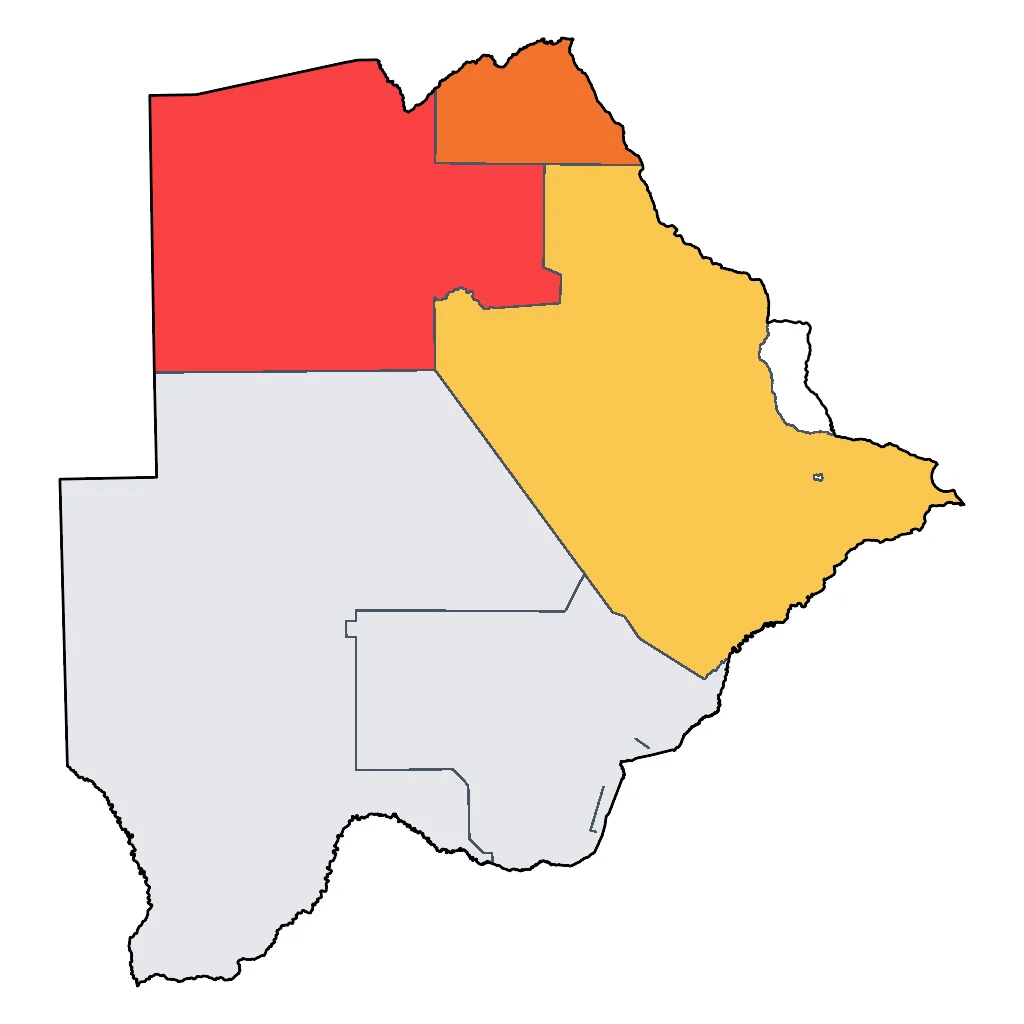

Learning experiences, scientific sites, historical education
Offers profound opportunities to learn from the San people, the world's oldest continuous culture, regarding ancestral survival and desert ecology. Peak season aligns with mild temperatures ideal for educational bush walks, while the intense summer heat makes outdoor learning sessions uncomfortable for families.
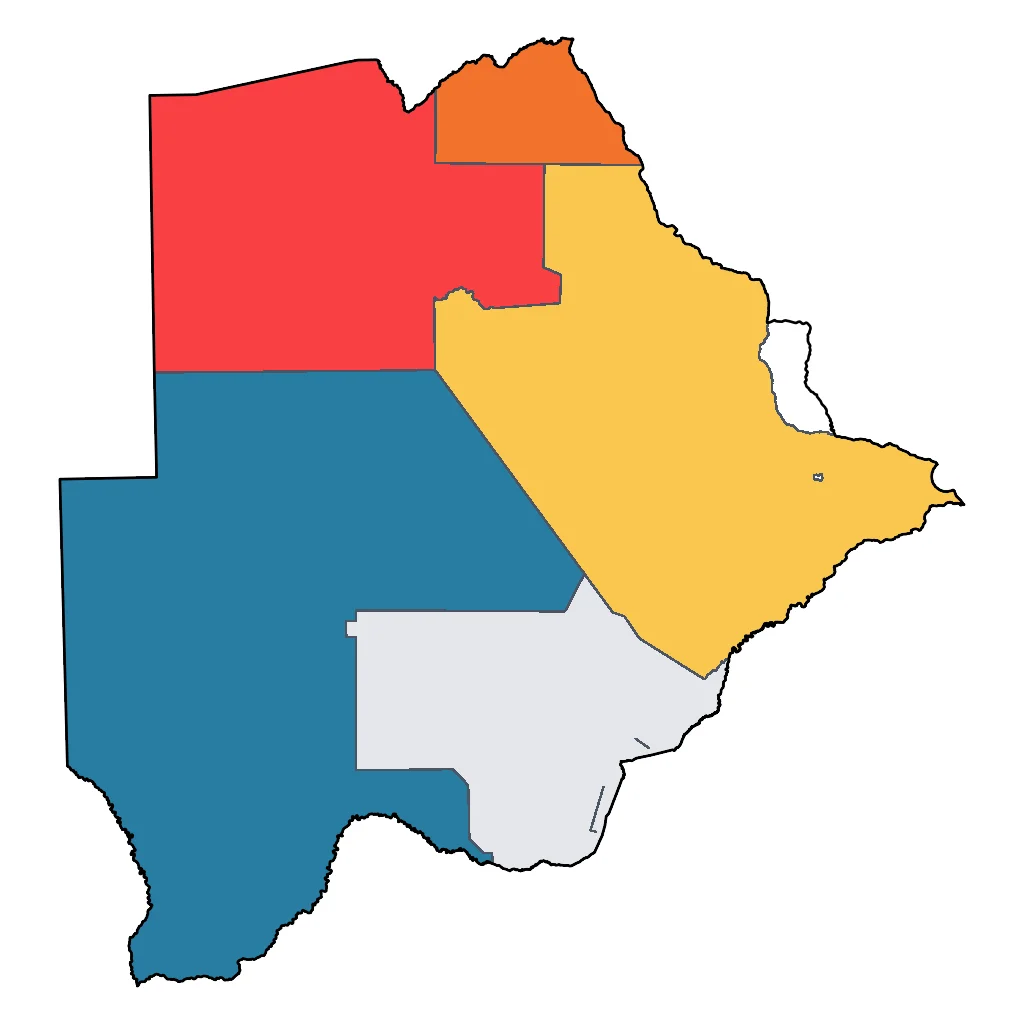

Spa retreats, wellness centers, peaceful getaways
Exclusive, remote luxury camps provide a unique 'digital detox' focused on the profound silence and spiritual solitude of the desert. The dry, low-humidity winter months (May-Sep) are ideal for relaxation, whereas the high humidity and insect activity during the wet summer months (Dec-Feb) detract from the wellness experience.
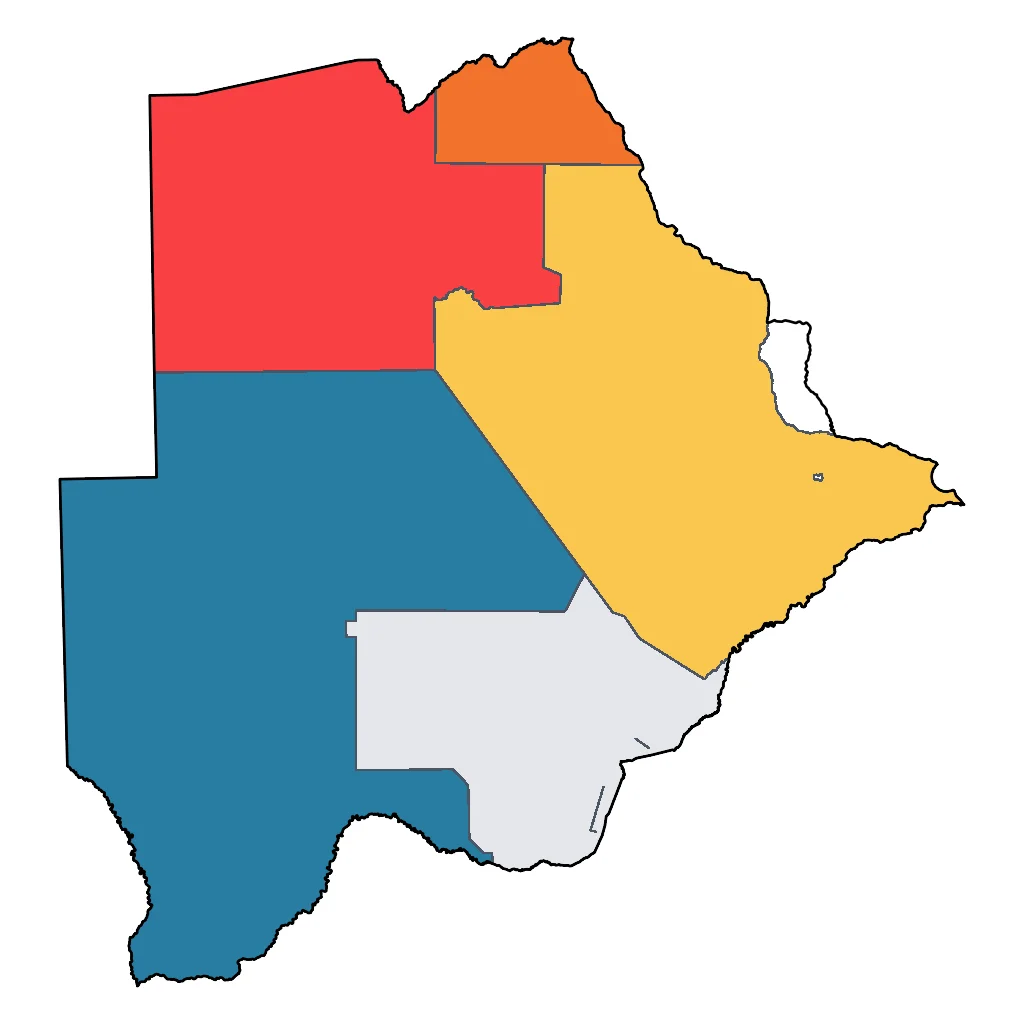

Scenic drives, countryside tours, route-based travel
Offers legendary 4x4 expedition routes through the Central Kalahari and Kgalagadi for experienced, adventurous families. Peak months feature dry, stable sand tracks and clear visibility, while the rainy season (Dec-Mar) can make remote desert tracks impassable due to deep mud and washouts.

Attractions (24 total)
Landmark / Monument / Iconic Urban Attraction
Baines' Baobabs
Gweta
A cluster of seven iconic, ancient baobab trees on the edge of a salt pan, famously painted by explorer Thomas Baines in 1862.
Visit website →Deception Valley
Rakops
A world-renowned fossil riverbed in the Central Kalahari, famous for its unique desert-adapted wildlife and golden grassy plains.
Kubu Island
Letlhakane
A sacred granite rock island covered in ancient baobab trees, rising dramatically from the vast white salt crust of the Sua Pan.
Kuru Cultural Centre
Ghanzi
A dedicated museum and art gallery showcasing the rich cultural heritage and contemporary art of the Naro San people.
Visit website →National Park / Nature Reserve
Central Kalahari Game Reserve
Ghanzi
One of the world's largest protected areas, offering a vast wilderness of fossil riverbeds, salt pans, and desert-adapted wildlife.
Visit website →Kgalagadi Transfrontier Park
Tshabong
A massive trans-border conservation area famous for its iconic red sand dunes and sightings of the legendary black-maned Kalahari lion.
Visit website →Makgadikgadi Pans National Park
Gweta
Home to one of the largest salt flats in the world, this park features surreal landscapes and the longest zebra migration in Africa.
Visit website →Khutse Game Reserve
Molepolole
A semi-arid landscape featuring a series of pans and ancient riverbeds, providing an accessible gateway to the Kalahari's unique biodiversity.
Visit website →Nxai Pan National Park
Gweta
This park is renowned for the ancient Baines' Baobabs and seasonal waterholes that attract large herds of elephants and plains game.
Visit website →Hiking & Cycling Routes
Gweta to Kubu Island Cycling Route
Gweta
100km challenging 2-day adventure cycling route across the Ntwetwe Pan. Extreme difficulty due to deep sand, salt crust, and heat. Typical duration 48 hours. Negligible elevation gain. No equipment rental available in Gweta; cyclists must be fully self-supported or join a pre-arranged expedition. GPS is mandatory for navigation.
Visit website →D’Kar San Cultural Trail
Ghanzi
4km easy 2-hour guided cultural hiking trail. The route focuses on traditional San tracking skills, medicinal plant identification, and Kalahari desert survival. Flat terrain with minimal elevation gain. Tours are organized through the Kuru Development Trust or local lodges such as Ghanzi Trail Blazers.
Visit website →Khama Rhino Sanctuary Nature Trail
Serowe
5km easy 2-hour hiking trail exploring the Serwe Pan and acacia scrubland. Negligible elevation gain. The trail provides one of the few safe, self-guided walking opportunities in a wildlife area in central Botswana. Guided bush walks are also available through the sanctuary office.
Visit website →Lekhubu Island Circular Trail
Gweta
2.5km easy 1-hour hiking loop circumnavigating the ancient granite outcrop. Features prehistoric stone ruins and thousands of year old giant baobab trees. Elevation gain approximately 10m. This is a self-guided trail accessible from the Gaing-O Community Trust campsite.
Visit website →Road Trips & Scenic Drives
Kgalagadi Transfrontier Park Valley Drive
Two Rivers
Approx. 160km, 5-7 hours, gravel and sand tracks (4WD recommended). This notable route follows the dry Nossob River bed on the Botswana side of the park. It is world-renowned for predator photography, red sand dunes, and large herds of gemsbok and springbok.
Visit website →The Safari Way (A3 Highway)
Francistown
490km, 6-7 hours, paved road. This essential tourist route connects Francistown to Maun. It traverses the northern edge of the Kalahari, passing the Nata Bird Sanctuary and the Makgadikgadi Pans. Highlights include the 'Elephant Highway' section where wildlife frequently crosses the road.
Visit website →Trans-Kalahari Highway (A2)
Lobatse
Approx. 700km (Botswana section), 8-10 hours, paved highway. A major international corridor connecting Gaborone to the Namibia border. Key highlights include the cattle ranching hub of Ghanzi, vast desert horizons, and sightings of ostriches and antelope along the roadside.
Visit website →Deception Valley Route (CKGR)
Rakops
Approx. 120km from Matswere Gate, 4-6 hours, 4WD sand tracks. The most iconic route within the Central Kalahari Game Reserve. This rugged track follows the ancient fossil riverbed of Deception Valley, famous for its black-maned lions and seasonal wildflower blooms.
Visit website →Castle / Palace / Historic Site
Lekhubu Island (Kubu Island)
Mmatshumo
An ancient granite rock island in the Makgadikgadi salt pans featuring prehistoric stone walls and towering baobab trees that offer a glimpse into the region's deep archaeological past.
Visit website →Kuru Cultural Centre and Museum
Ghanzi
A community-run museum and gallery in the heart of the Kalahari that preserves the ancient culture, history, and vibrant art of the Naro San people.
Visit website →Farm Park / Petting Zoo / Rural Experience
Ghanzi Trail Blazers
Ghanzi
An immersive rural experience offering visitors the chance to join San Bushman guides for traditional tracking, foraging, and desert survival demonstrations.
Visit website →Historic Town / Village / Cultural Area
Khama III Memorial Museum
Serowe
A historic museum dedicated to the legacy of the Khama dynasty and the cultural history of the Bangwato people.
Old Palapye
Palapye
The preserved ruins of a 19th-century capital, featuring the historic red-brick remains of a London Missionary Society church.
Science Museum / Natural History Museum / Discovery Centre
Adrian Gale Diamond Museum
Orapa
Botswana's premier diamond museum showcasing the science of gemology, geological formations, and the history of the industrial discovery that transformed the nation.
Visit website →Art Gallery / Fine Art Museum
Kuru Art Project
Ghanzi
An internationally acclaimed art center where San artists create contemporary paintings and prints inspired by their ancestral desert heritage.
Visit website →