

Botswana offers a distinct safari experience defined by vast open spaces and exclusive access. Unlike busier safari destinations, the country limits visitor numbers, ensuring families often have sightings to themselves. As one of Africa's most stable democracies, the country provides a safe and well-organized environment for introducing children to the African bush.
The landscape is dominated by two massive, contrasting features: the arid Kalahari Desert and the water-rich Okavango Delta. In Chobe National Park, families can take boat safaris-often more relaxing for younger children than long, bumpy game drives-to see the world's largest concentration of elephants. Here, massive herds gather at the water's edge to drink, bathe, and play, providing spectacular viewing from the safety of a vessel. Further south, the Makgadikgadi Salt Pans offer a surreal lunar landscape where kids can interact with habituated wild meerkats, which are known to climb onto seated visitors to use them as vantage points.
Beyond standard game drives, Botswana engages young explorers with active learning. In the Delta, polers guide traditional mokoro canoes through shallow channels, allowing passengers to see tiny reed frogs, kingfishers, and water lilies up close. Cultural experiences here are authentic and respectful; guided walks with the San people teach families how to find water in the desert, identify animal tracks, and understand the medicinal uses of native plants. At night, the lack of light pollution in the Central Kalahari creates some of the best stargazing opportunities on Earth.
Practical Considerations for Families: Traveling here requires careful planning. The dry winter season (May to October) is best for wildlife viewing as animals congregate around water sources, though mornings and evenings can be surprisingly freezing. The "Green Season" (November to April) brings newborn animals and migratory birds but also higher temperatures and occasional rain. While Botswana is one of the safest countries on the continent regarding crime, the northern safari areas are malarial zones. Parents should consult a travel doctor regarding prophylaxis. Due to the remote nature of the camps, much of the travel involves light aircraft transfers, which is an adventure in itself but restricts luggage size.
Explore Regions
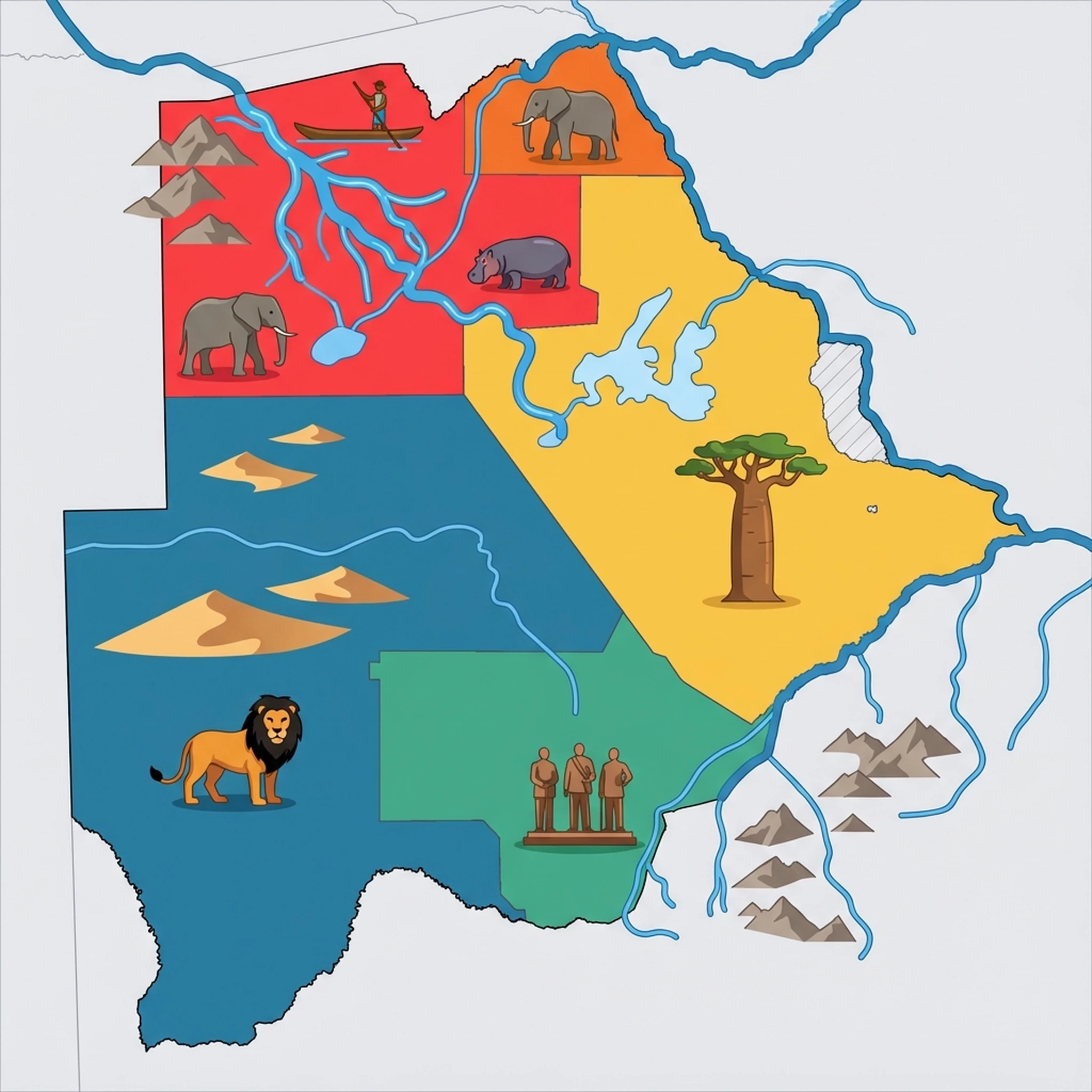
5 Regions
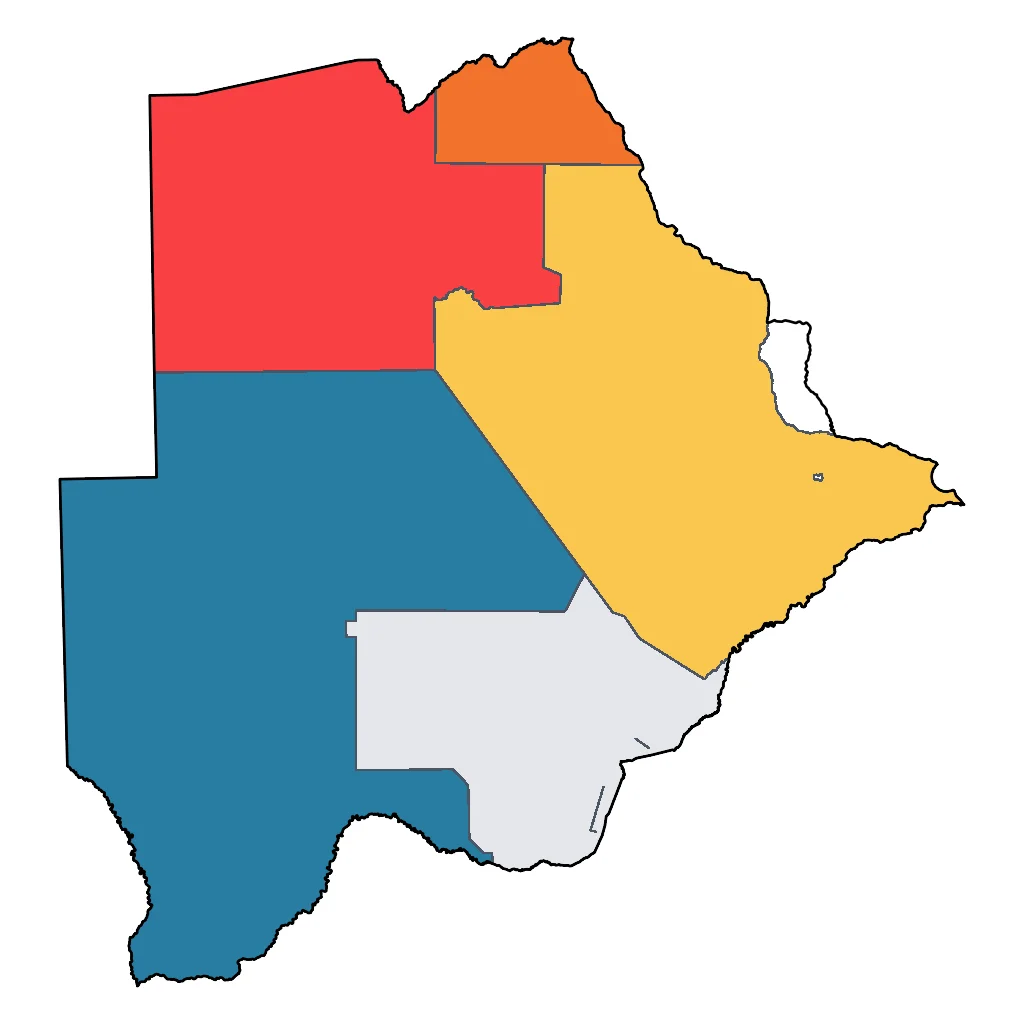
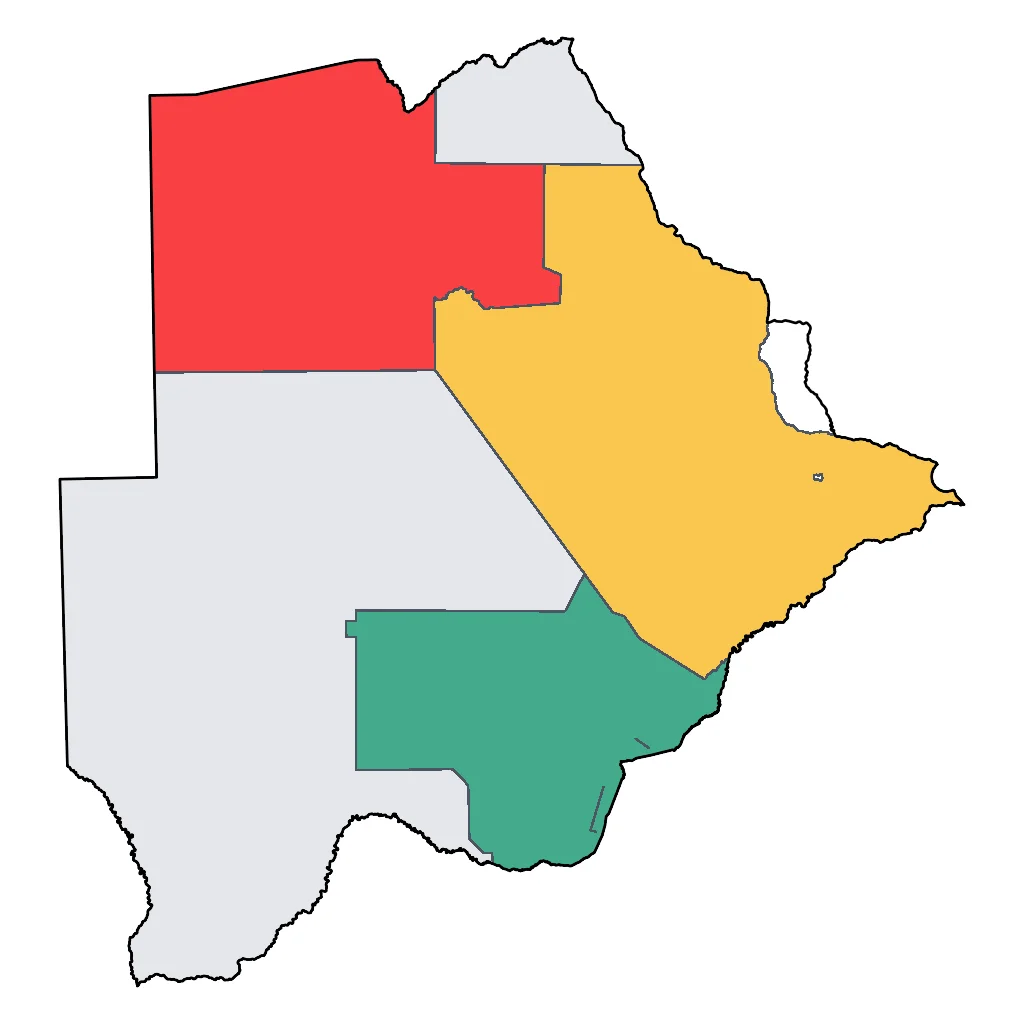
Chobe National Park
The land of giants 🐘 where the river meets the wild
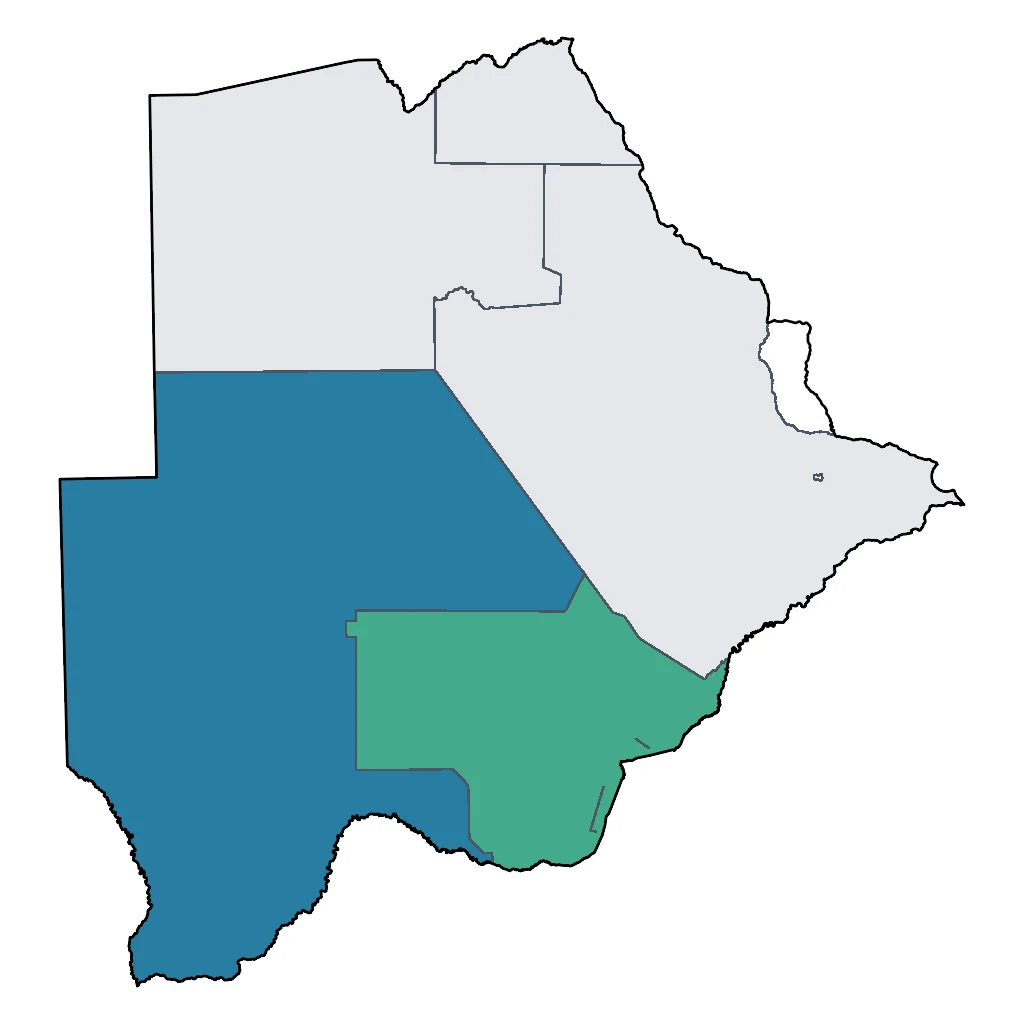
Gaborone & Southeast
City comforts meets bush adventures 🏙️🦁
Kalahari Desert
Ancient culture under endless skies ✨🌵
Makgadikgadi Pans
Meerkats, migrations, and moonscapes 🪐🦓
Okavango Delta
Africa's emerald oasis 🌿🛶
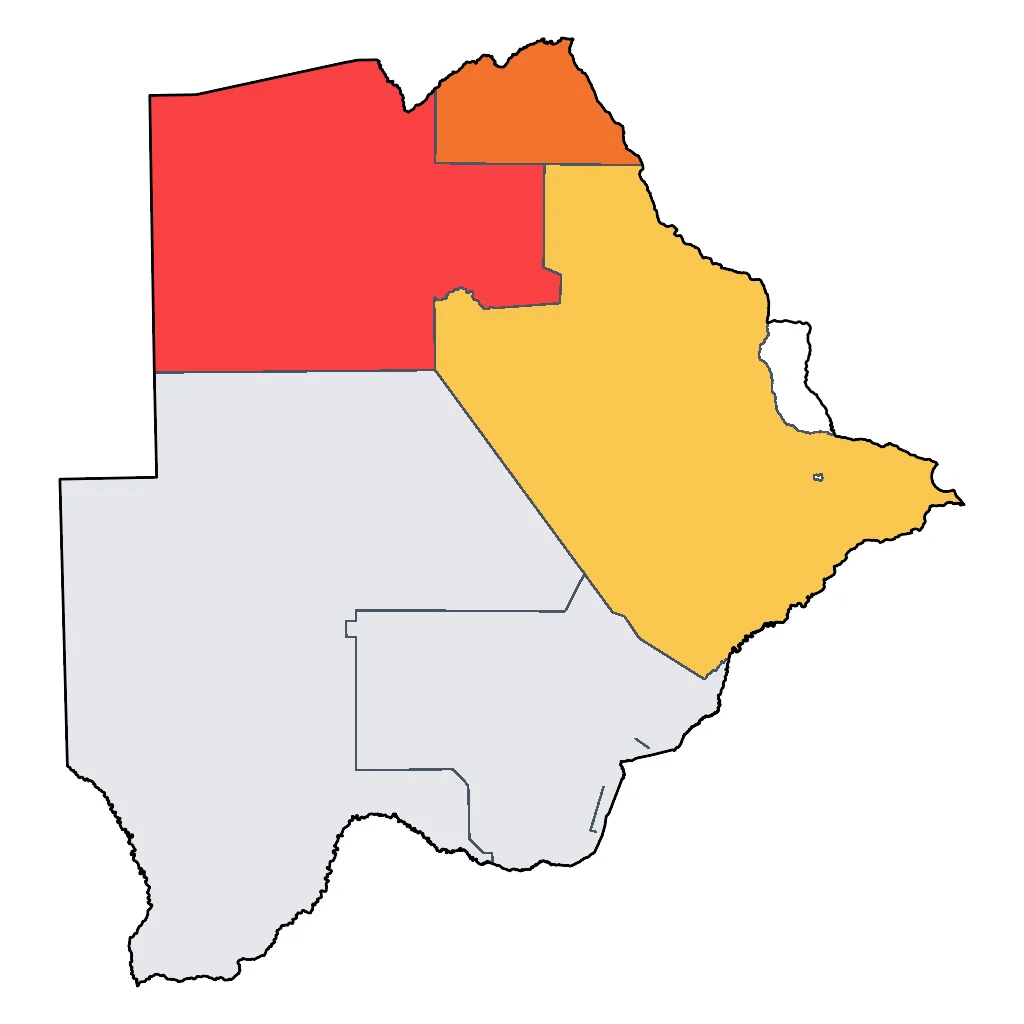
Click on a region marker to explore details. Use the dropdown to color regions by activity suitability.

Activities & Best Times
Adventure & Nature
ExcellentHiking, wildlife, outdoor exploration, ecotourism
A global benchmark for wildlife tourism, Chobe features the world's highest elephant concentration and unique boat-based safari experiences. The dry season (May-Sep) offers peak wildlife viewing as animals congregate at the river; the wet season (Nov-Mar) brings high humidity, heavy rains, and dispersed animals.
A unique UNESCO-listed inland delta offering world-class wildlife viewing via traditional mokoro and exclusive land-based safaris in a pristine wilderness. Peak months align with the annual flood arrival and dry weather, providing optimal animal concentrations; shoulder months offer high heat but exceptional predator-prey sightings.
A globally unique prehistoric landscape offering world-class wildlife encounters, including habituated meerkats and unique desert-adapted species. Peak dry months (May-Sep) provide ideal temperatures and accessibility to the vast salt crust, whereas the wet season (Nov-Mar) makes the pans impassable.

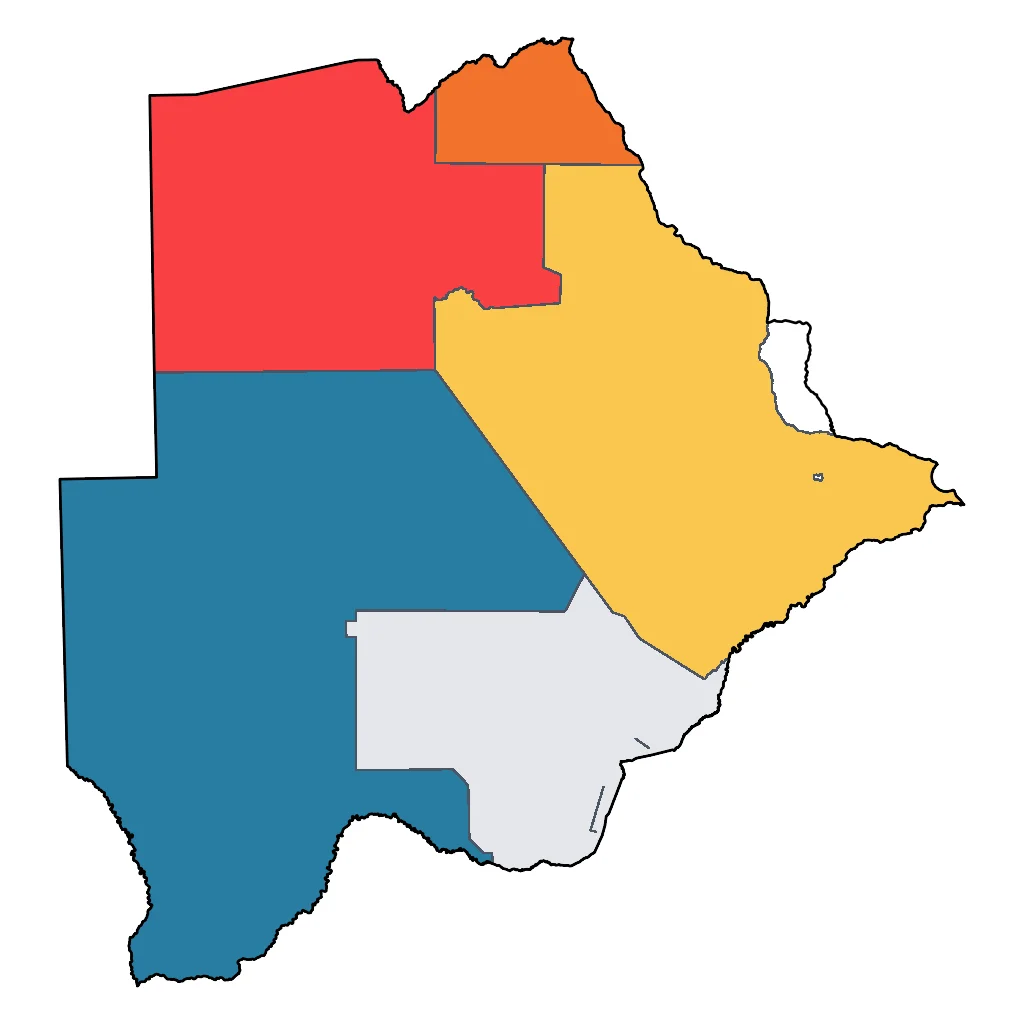
Educational & Exploratory
Very GoodLearning experiences, scientific sites, historical education
Offers world-class natural history education, focusing on complex river ecosystems, predator-prey dynamics in the Savuti, and conservation science. Peak dry months provide the best visibility for observing animal behavior, while the rainy off-season limits access to key research sites.
Offers sophisticated families deep insights into complex wetland hydrology, conservation science, and indigenous tracking traditions. Peak season provides the best visibility of the delta's flood cycle, while the rainy season brings dense vegetation and higher humidity that can obscure ecological processes.
Offers profound opportunities to learn from the San people, the world's oldest continuous culture, regarding ancestral survival and desert ecology. Peak season aligns with mild temperatures ideal for educational bush walks, while the intense summer heat makes outdoor learning sessions uncomfortable for families.

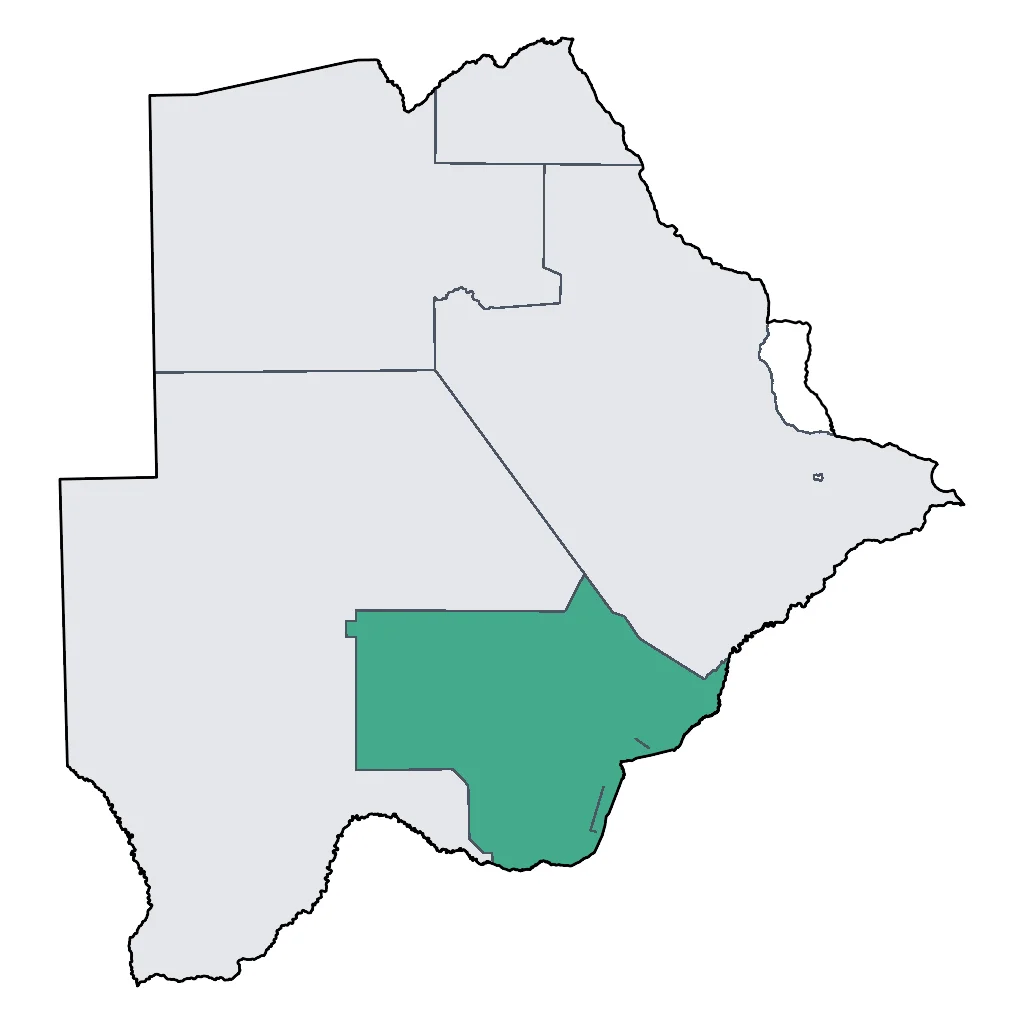
City & Cultural
GoodUrban tourism, museums, historical sites, architecture

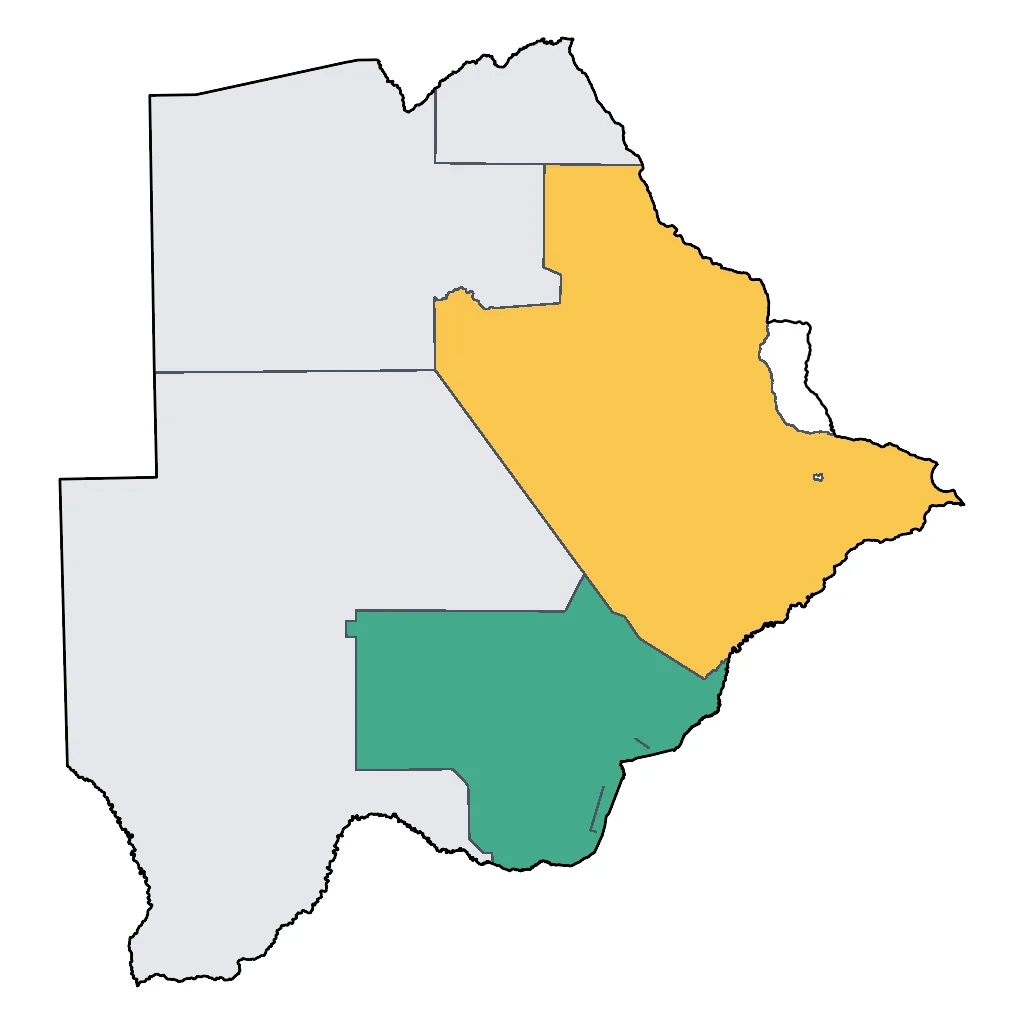
Festivals & Seasonal
GoodEvents, celebrations, seasonal attractions
The capital hosts major cultural events like the Maitisong Festival and the Gaborone International Music and Culture (GIMC) event. These authentic celebrations are best experienced during the drier months (Apr-Sept) to avoid the unpredictable heavy downpours of the summer season.
The Makgadikgadi zebra migration, while regionally significant, is far smaller and less internationally recognized than the Serengeti Great Migration. very_good should be reserved for globally renowned seasonal events.

Relaxation & Wellness
GoodSpa retreats, wellness centers, peaceful getaways
High-end safari lodges offer luxury wellness facilities integrated into the wilderness, providing a serene environment for sophisticated travelers. Optimal conditions occur during the cooler, low-humidity months of May-Aug; the extreme heat of Oct (>33°C) and summer rains make outdoor relaxation less comfortable.
Ultra-exclusive camps provide world-class spa treatments and 'bush zen' in total seclusion from the modern world. The low-humidity winter months (May-Aug) are ideal for open-air relaxation, whereas the extreme heat and humidity of the wet season (reaching 34°C) are less conducive to outdoor wellness.
Exclusive, remote luxury camps provide a unique 'digital detox' focused on the profound silence and spiritual solitude of the desert. The dry, low-humidity winter months (May-Sep) are ideal for relaxation, whereas the high humidity and insect activity during the wet summer months (Dec-Feb) detract from the wellness experience.
Road Trips & Scenic
GoodScenic drives, countryside tours, route-based travel
Excellent infrastructure connects the capital to the scenic rocky hills of Kanye and traditional villages like Otse. Clear winter skies provide spectacular visibility for scenic drives, while the summer wet season (Nov-Feb) can lead to muddy conditions on secondary village roads.
Offers legendary 4x4 expedition routes through the Central Kalahari and Kgalagadi for experienced, adventurous families. Peak months feature dry, stable sand tracks and clear visibility, while the rainy season (Dec-Mar) can make remote desert tracks impassable due to deep mud and washouts.
Provides a challenging, authentic expedition experience for experienced 4x4 enthusiasts through dramatic floodplains and sand tracks. Peak conditions are limited to the mid-winter months when tracks are driest and firmest; the rainy season (Nov-Mar) renders many tracks impassable due to deep mud.

Sports & Active
GoodSport tourism, fitness activities, active recreation
The region features high-quality golf courses and rugged terrain for trail running and hiking in the southern hills. The cool, dry winter months are internationally competitive for outdoor sports, whereas summer temperatures often reach levels that limit strenuous physical activity.
Features unique active recreation such as guided walking safaris and manual mokoro poling through crystal-clear channels. Peak conditions offer cool, dry mornings essential for physical exertion, while the late dry season heat and summer deluges make these active pursuits strenuous and uncomfortable.
Quad biking and horseback safaris are niche offerings, not diverse international-grade sporting infrastructure. good reflects available but limited active pursuits.
Airports & Flight Routes
Toggle options to view domestic routes and international airports. Click an airport for details.
Climate & Weather
Chobe National Park
Show Details
| Month | Temp °C | Rain | Humidity |
|---|
Gaborone & Southeast
Show Details
| Month | Temp °C | Rain | Humidity |
|---|
Kalahari Desert
Show Details
| Month | Temp °C | Rain | Humidity |
|---|
Makgadikgadi Pans
Show Details
| Month | Temp °C | Rain | Humidity |
|---|
Okavango Delta
Show Details
| Month | Temp °C | Rain | Humidity |
|---|

Travel Advisory
The majority of international agencies consider Botswana a safe destination where standard travel safety awareness is sufficient, despite some elevated concerns regarding urban crime from North American agencies.
Safety Topics
Traveller Advice (4 groups)

Female travellers should be aware of reported risks of sexual assault; exercise caution when walking alone, particularly after dark, and use reputable transportation services.
Those planning safaris or remote travel should carry emergency supplies like water and fuel, and use satellite phones as cellular coverage is unreliable in wilderness areas.

Parents must carry unabridged birth certificates for all travelling minors. If only one parent is present, a notarized affidavit of consent from the absent parent is typically required at the border.

While same-sex relations were decriminalized in 2019, public displays of affection may still attract negative attention due to local social norms. Discretion is recommended.