

The Makgadikgadi Pans offer a landscape so unique it feels like another planet. Covering an area the size of Switzerland, these are the world's largest salt pans—remnants of a giant super-lake that dried up thousands of years ago. For families, the absolute highlight here is the meerkat interaction. In certain areas near Gweta and the Makgadikgadi National Park, families of meerkats have been habituated to human presence (but remain wild). If you sit quietly, these charismatic little creatures may scramble onto your head or shoulder to get a better view of potential predators, providing a magical wildlife encounter that children will talk about for years.
During the dry season (winter), the pans are a blinding white crust. This is the time for quad biking expeditions. Unlike traditional game drives, this allows families to speed across the flat void, visiting landmarks like Kubu Island, a granite outcrop studded with ancient baobab trees. Many operators offer 'sleep-outs' directly on the pans, where you can roll out bedrolls and sleep safely in the middle of nowhere, with nothing but silence and stars around you.
When the rains come (November to April), the scene changes dramatically. The Zebra Migration—the second largest in Africa—moves through the region. Thousands of zebras and wildebeest congregate at the Boteti River and Nxai Pan, followed closely by lions. Nxai Pan National Park is also home to Baines' Baobabs, a picturesque cluster of trees painted by explorer Thomas Baines. The nearby Nata Bird Sanctuary becomes a breeding ground for lesser and greater flamingos and pelicans if the water levels are right, turning the horizon pink.
Family Logistics:
The region is generally hot and dusty. If visiting the pans, sunglasses and high-SPF sunscreen are essential to protect against the glare of the white salt. The area is malaria-risk, so precautions are necessary. Activities here are often more active (walking, riding, quad biking) than in Chobe or the Delta, making it an excellent stop for energetic kids who need a break from sitting in a vehicle.
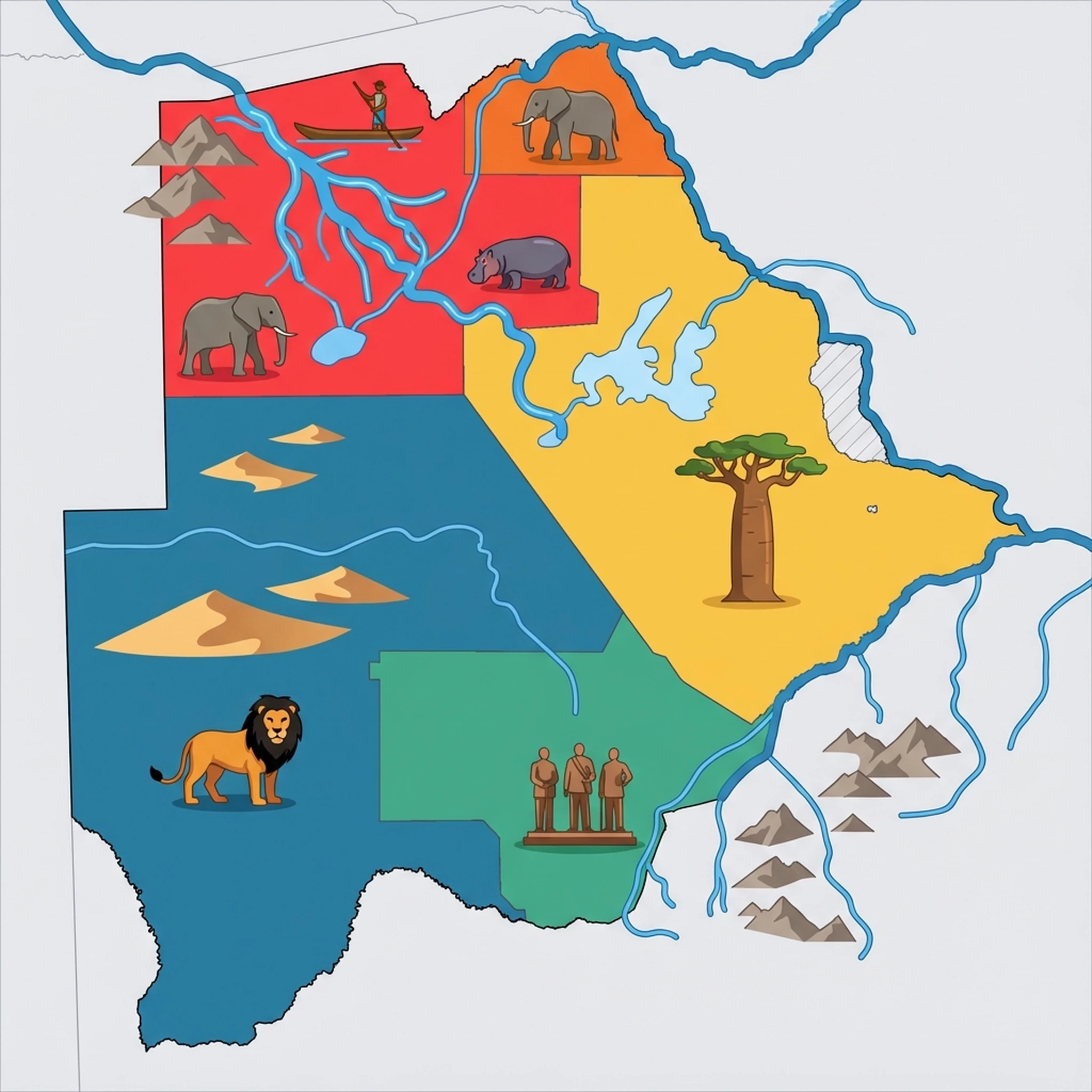
Click a region to explore

Activities & Best Times

Hiking, wildlife, outdoor exploration, ecotourism
A globally unique prehistoric landscape offering world-class wildlife encounters, including habituated meerkats and unique desert-adapted species. Peak dry months (May-Sep) provide ideal temperatures and accessibility to the vast salt crust, whereas the wet season (Nov-Mar) makes the pans impassable.
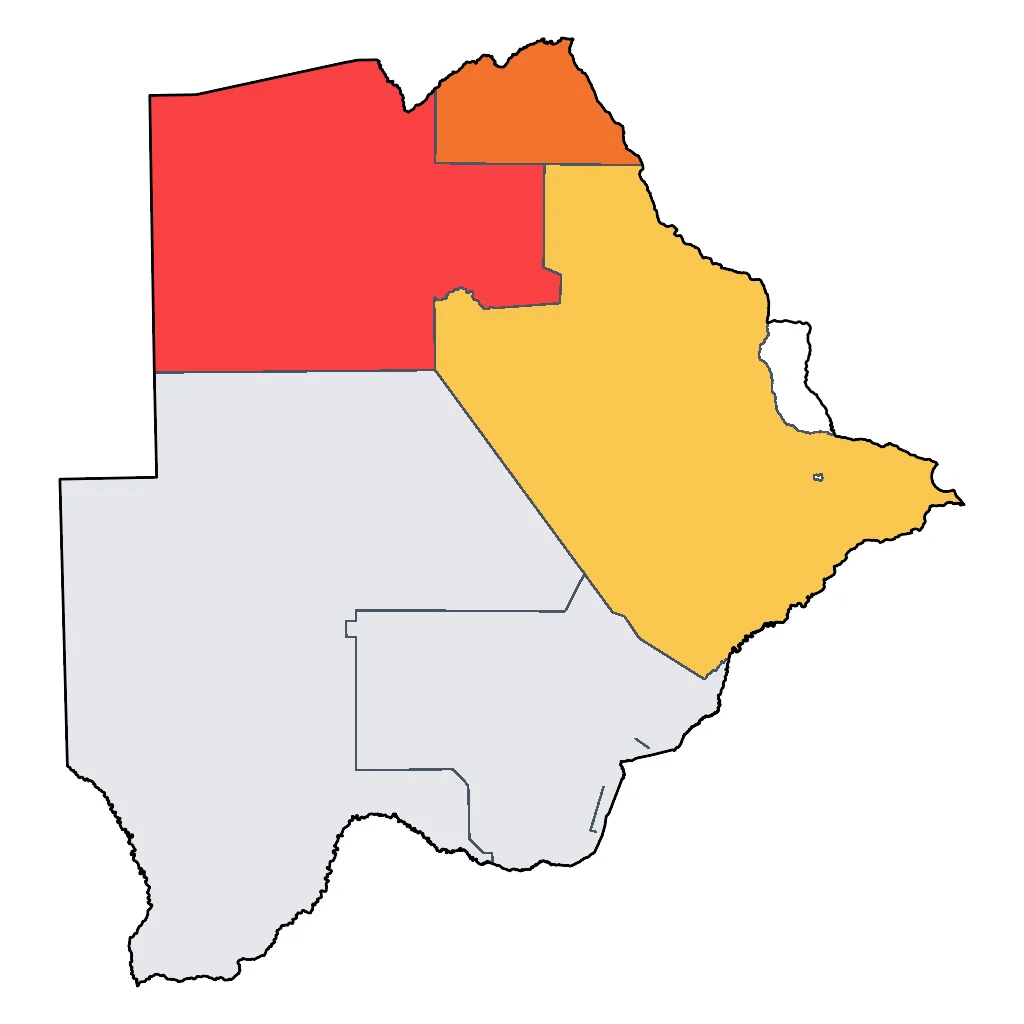

Learning experiences, scientific sites, historical education
Rich in geological history and indigenous culture, featuring authentic interactions with San Bushmen and exploration of ancient Super-Lake shorelines. Peak conditions occur during the cooler, dry months which allow for comfortable guided walks, while the summer heat and rains restrict educational treks.
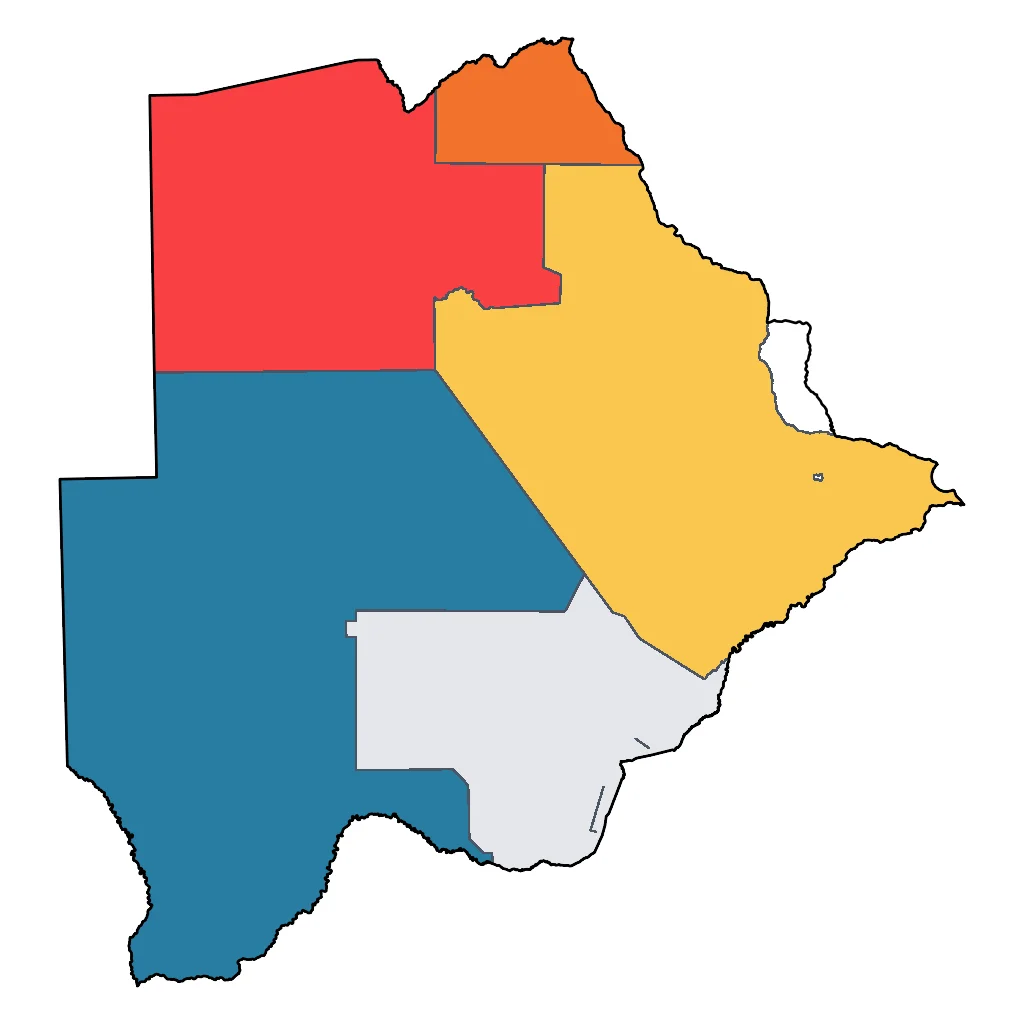

Events, celebrations, seasonal attractions
The Makgadikgadi zebra migration, while regionally significant, is far smaller and less internationally recognized than the Serengeti Great Migration. very_good should be reserved for globally renowned seasonal events.
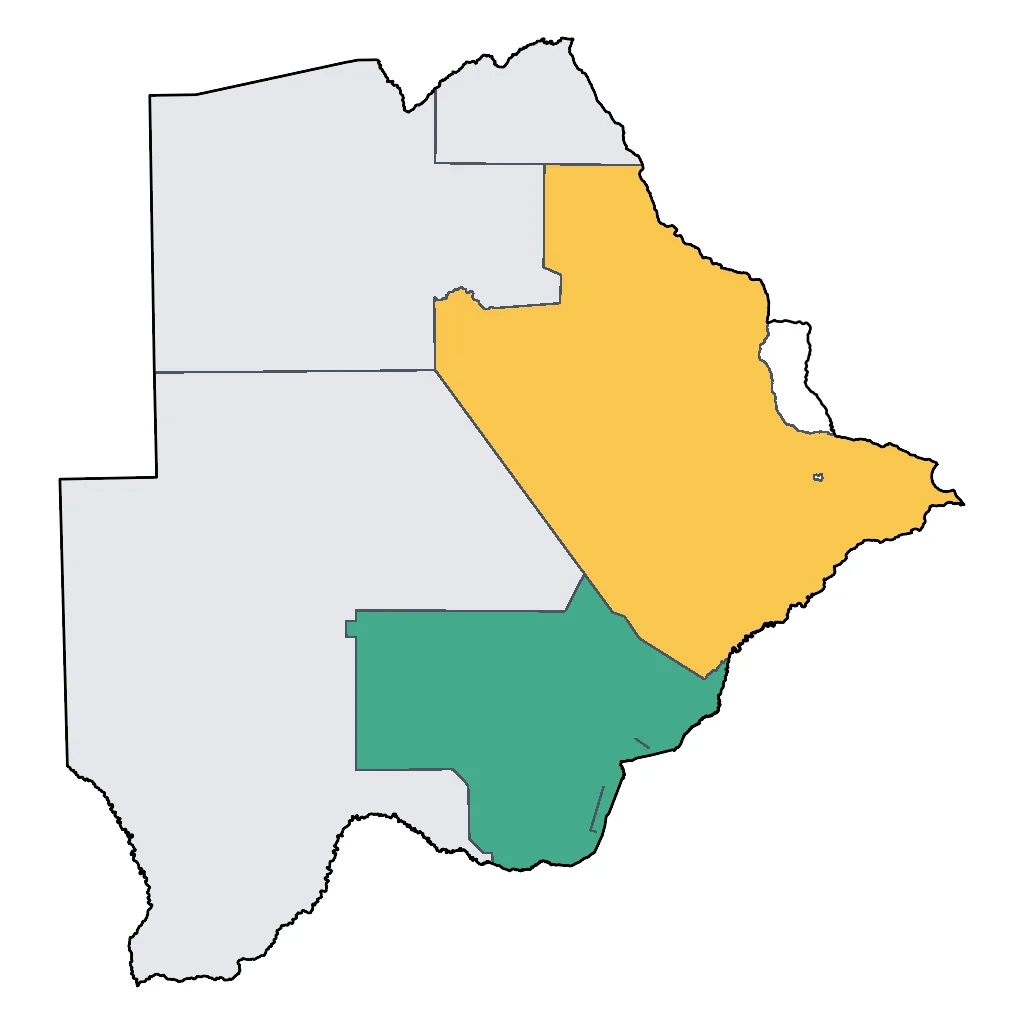

Spa retreats, wellness centers, peaceful getaways
Provides a high-end 'digital detox' experience in sophisticated, remote camps that emphasize profound silence and world-class stargazing. Peak months offer the clearest night skies and low humidity, while the rainy season brings cloud cover and intense heat that limits outdoor relaxation.

Sport tourism, fitness activities, active recreation
Quad biking and horseback safaris are niche offerings, not diverse international-grade sporting infrastructure. good reflects available but limited active pursuits.

Attractions (15 total)
Landmark / Monument / Iconic Urban Attraction
Kubu Island
Letlhakane
A mystical granite rock island rising from the salt pans, covered in ancient baobab trees and sacred to the local people.
Green's Baobab
Gweta
A massive historical baobab tree used as a landmark by early explorers, featuring 19th-century inscriptions carved into its trunk.
Nata Bird Sanctuary Viewpoint
Nata
An iconic wooden lookout platform providing panoramic views over the vast, shimmering salt crust and seasonal flamingo populations.
Castle / Palace / Historic Site
Kubu Island (Lekhubu)
Mmatshumo
A sacred granite rock island and national monument featuring ancient stone wall ruins and giant baobabs surrounded by vast white salt pans.
Baines' Baobabs
Nxai Pan National Park
A historic cluster of seven baobab trees famously immortalized in 1862 by explorer and artist Thomas Baines, set against a stunning salt pan backdrop.
Adventure Park / Outdoor Activity Center
Kubu Island (Lekhubu Island)
Gweta
A sacred granite island offering rugged 4x4 trails, remote wilderness camping, and ancient baobab tree exploration on the edge of the Sua Pan.
National Park / Nature Reserve
Makgadikgadi Pans National Park
Khumaga
A massive wilderness area known for its dramatic salt crust landscapes and seasonal wildlife viewing along the Boteti River.
Visit website →Nxai Pan National Park
Gweta
A vast fossil lake bed offering unique desert safari experiences and a famous annual zebra migration.
Visit website →Boteti River
Khumaga
A vital water source on the edge of the national park where visitors can watch elephants and zebras drink in a dry landscape.
Nata Bird Sanctuary
Nata
A community-run sanctuary providing a safe haven for thousands of flamingos and pelicans on the edge of the Sua Pan.
Road Trips & Scenic Drives
Nata to Maun Scenic Highway (A3)
Nata
300km paved highway (4-5 hours) passing through the heart of the Makgadikgadi region. This is the primary scenic artery for the area, offering expansive views of salt pans and frequent wildlife sightings including elephants and ostriches alongside the road. It provides access to Nata Bird Sanctuary and Nxai Pan National Park.
Visit website →Baines' Baobabs and Nxai Pan Loop
Gweta
90km circuit on sandy 4WD tracks (3-4 hours) from the Nxai Pan National Park gate. The route visits the iconic 'Seven Sisters' baobabs painted by Thomas Baines in 1862 and crosses the massive Nxai Pan, famous for its annual zebra migration and waterhole wildlife viewing.
Visit website →Boteti River Drive (Khumaga Route)
Khumaga
50km 4WD riverfront track (2-3 hours) running along the western edge of Makgadikgadi Pans National Park. The route follows the Boteti River, providing critical water for thousands of elephants, zebras, and wildebeests during the dry season. Paved access is available up to the park village of Khumaga.
Visit website →Kubu Island Salt Pan Expedition
Nata
Approx. 100km rugged 4WD-only route (5-7 hours) crossing the Sua Pan. A bucket-list African road trip through shimmering white salt crusts leading to a granite island adorned with ancient baobabs. Accessible only during the dry season (May-October) due to treacherous mud conditions in summer.
Visit website →Major International Festival / Cultural Event
Makgadikgadi Zebra Migration
Khumaga
Typically December to March (wet season) and May to October (dry season). This is the longest terrestrial wildlife migration in Africa, involving over 25,000 zebras moving between the Boteti River and the salt pans. It is a world-renowned natural spectacle that draws international photographers and wildlife enthusiasts. Families can witness the event through guided 4x4 safaris and mobile camps.