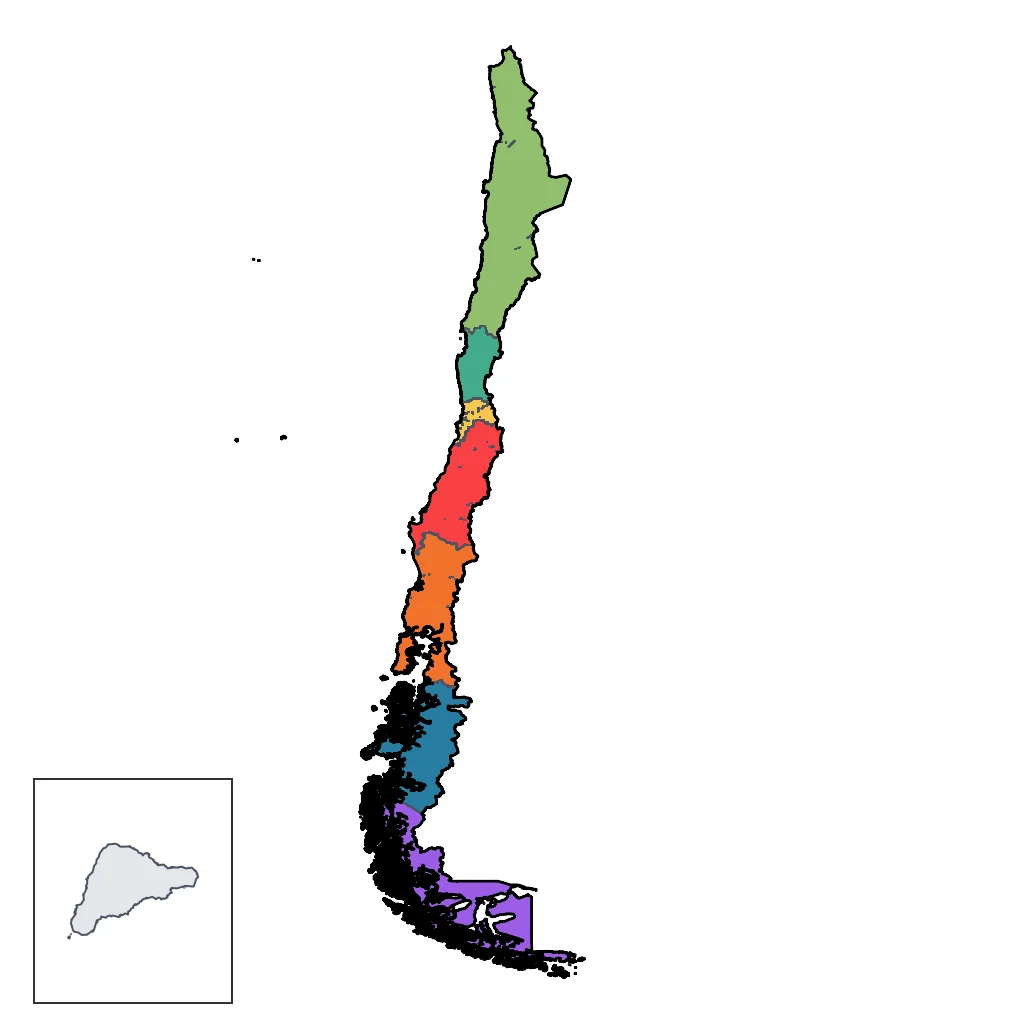

Rapa Nui, known globally as Easter Island, is one of the most isolated and fascinating places on Earth. For families, it offers a unique blend of history, mystery, and relaxed island culture. The climate is subtropical and pleasant year-round, though winds can be strong. The island is an open-air museum, famous for its nearly 1,000 monumental statues called Moai, which fascinate children with their giant heads and solemn expressions.
The highlight for most families is Rano Raraku, the quarry where the Moai were carved. Here, you can walk among hundreds of statues in various stages of completion, some half-buried in the grassy slopes—it feels like walking through a frozen moment in history. Another spectacular site is Orongo, a ceremonial village perched on the rim of a giant volcanic crater, offering dizzying views of the ocean and stories of the "Birdman" competition that thrill older kids. After exploring, the beach at Anakena is perfect for unwinding; it features calm, turquoise waters, pinkish sand, and a row of Moai standing guard right on the shore.
Culturally, the island is distinct from mainland Chile. Families should try to catch a traditional dance show, where performers wear feather costumes and body paint, showcasing the island's Polynesian roots. Horseback riding and cycling are popular ways to explore the island's gentle terrain. While flights from Santiago are long (about 5 hours), the island's small size makes it easy to navigate once there. Food and supplies are expensive due to the remoteness, so families might want to pack some snacks.
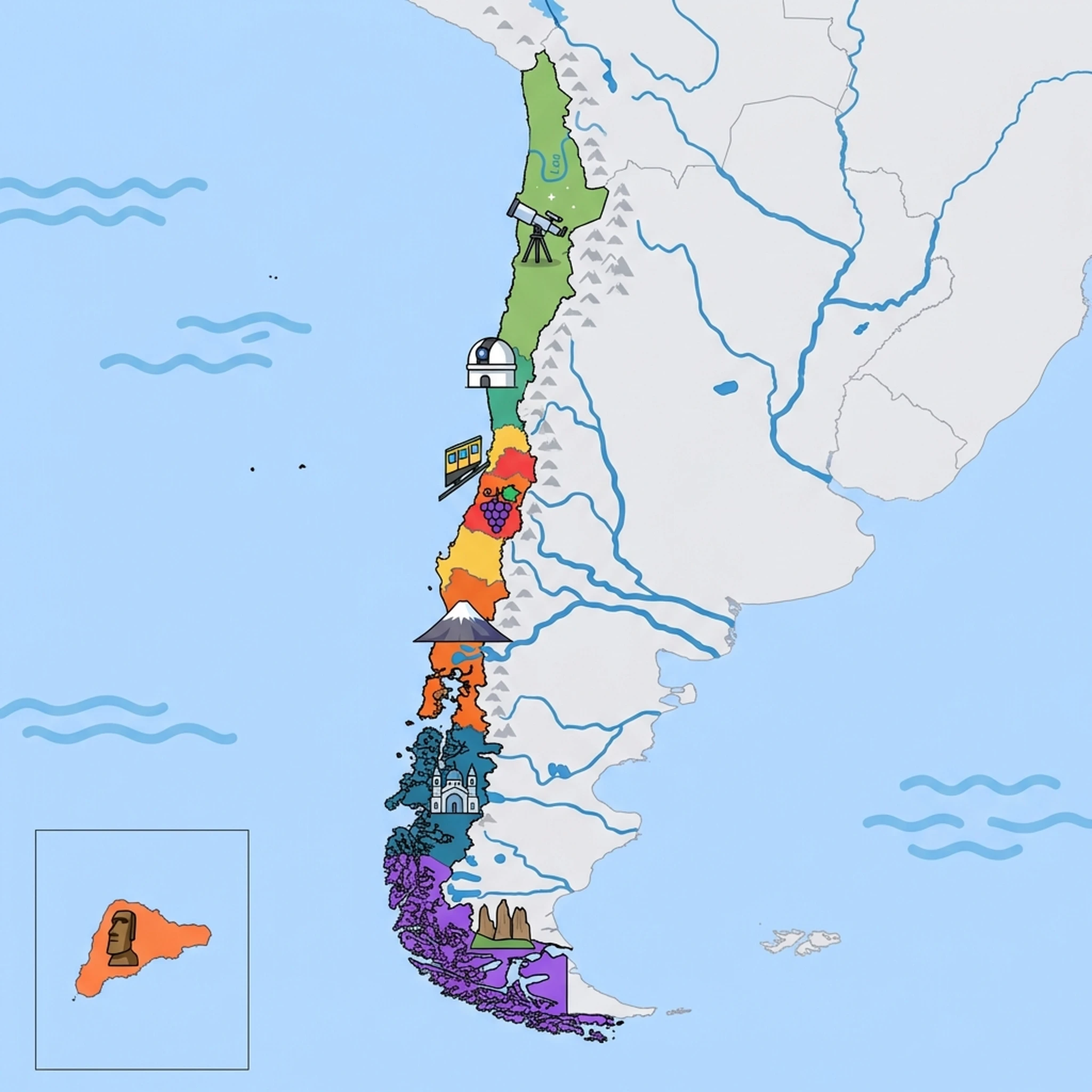
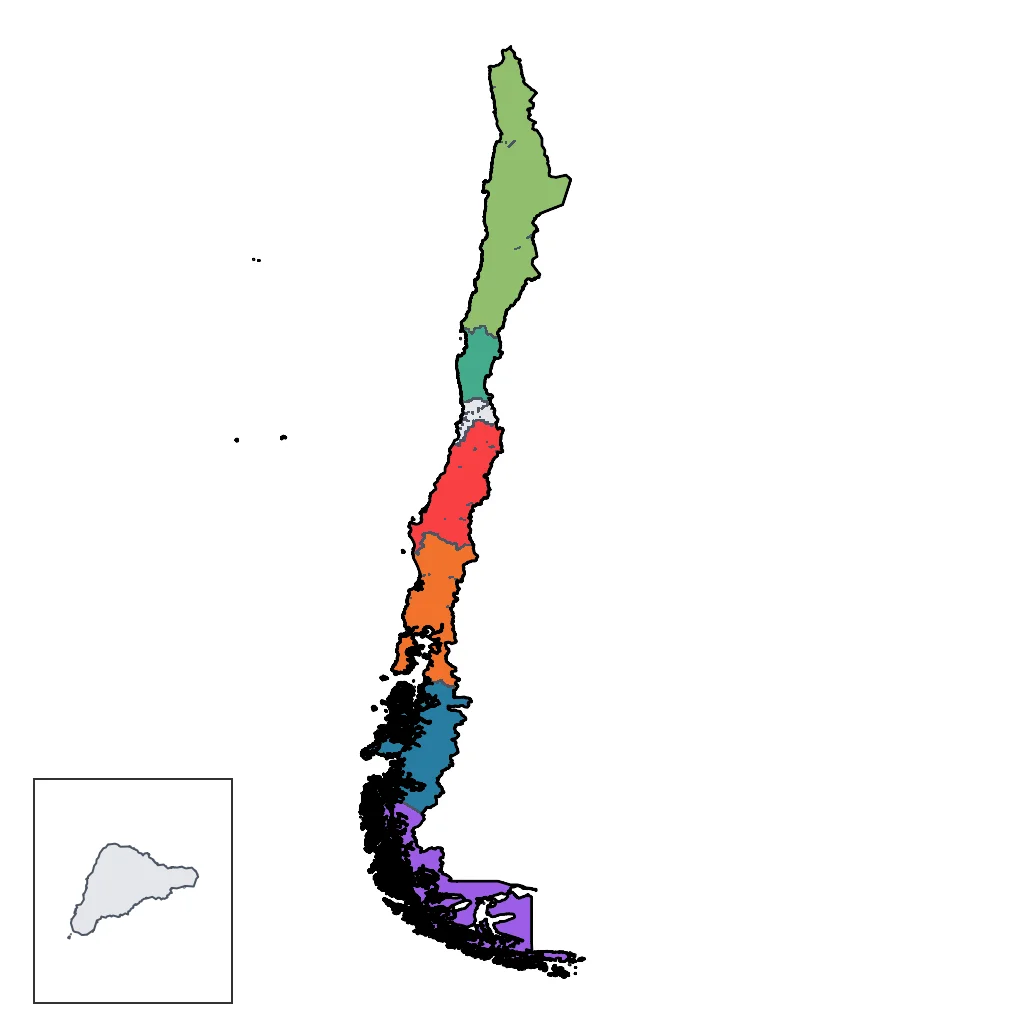
Click a region to explore

Activities & Best Times

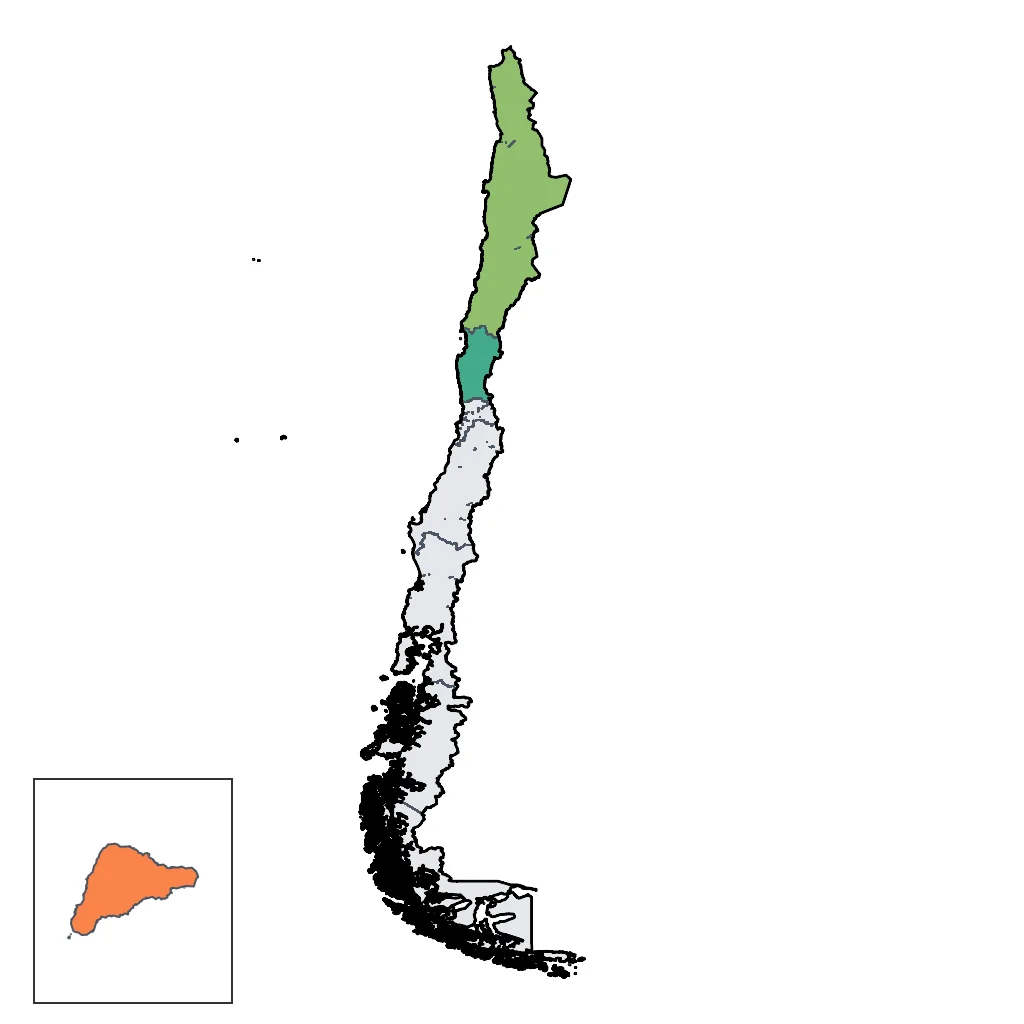
Learning experiences, scientific sites, historical education
As a UNESCO World Heritage site with hundreds of iconic Moai, it offers an unparalleled, world-class archaeological and historical learning experience. Peak months coincide with the driest periods (72-88mm), ensuring accessibility to remote sites like Rano Raraku, while winter rains (up to 173mm) can hinder exploration.

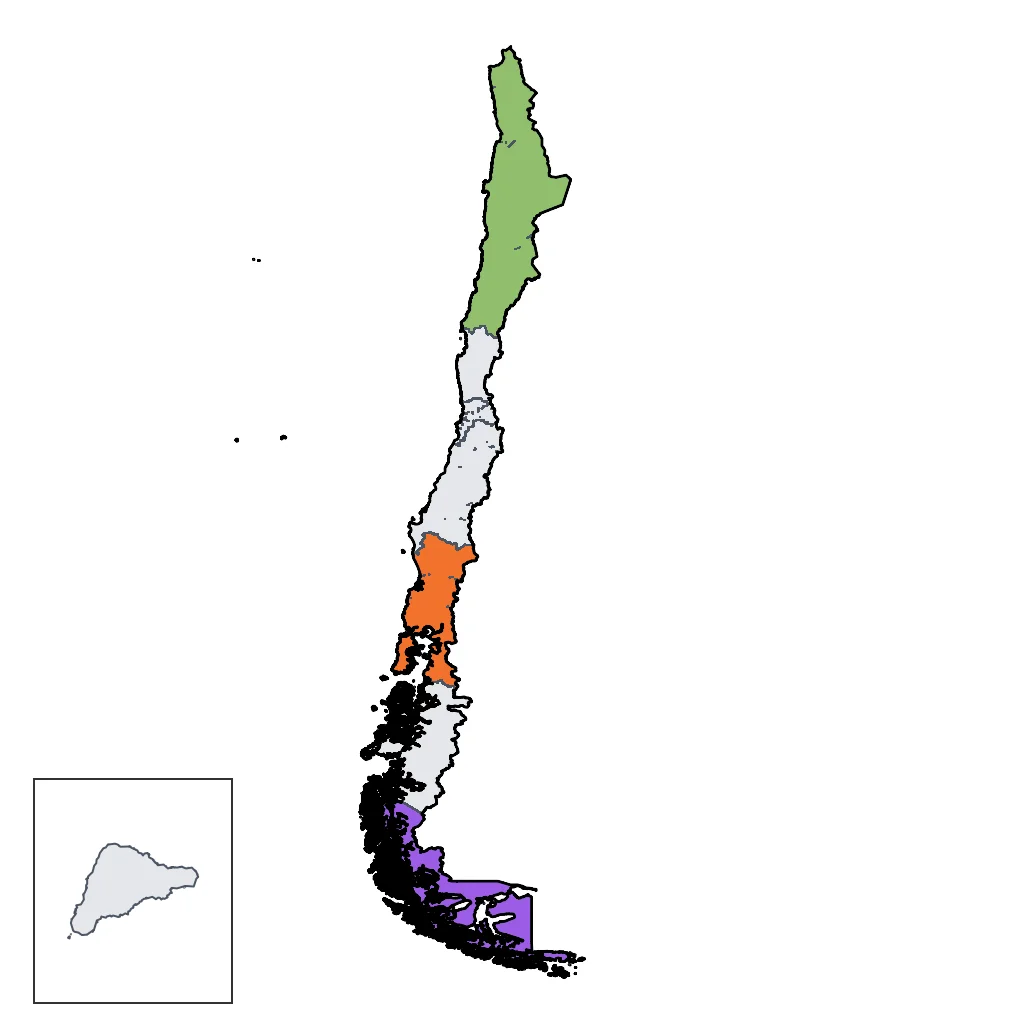
Hiking, wildlife, outdoor exploration, ecotourism
The island's volcanic terrain and unique 'navel of the world' isolation provide a distinctive wilderness experience for hiking and exploration. Peak season aligns with the warmest, driest weather; high rainfall from May to September (exceeding 150mm/month) creates muddy, challenging trail conditions.

Events, celebrations, seasonal attractions
Tapati Rapa Nui is extraordinarily authentic and unique, but 'excellent' should benchmark against Rio Carnival, Oktoberfest, Diwali-level events with massive international draw. Tapati is a niche, small-scale event that most international travelers wouldn't plan a trip specifically around. Very_good properly reflects its authenticity and uniqueness while acknowledging its limited scale.
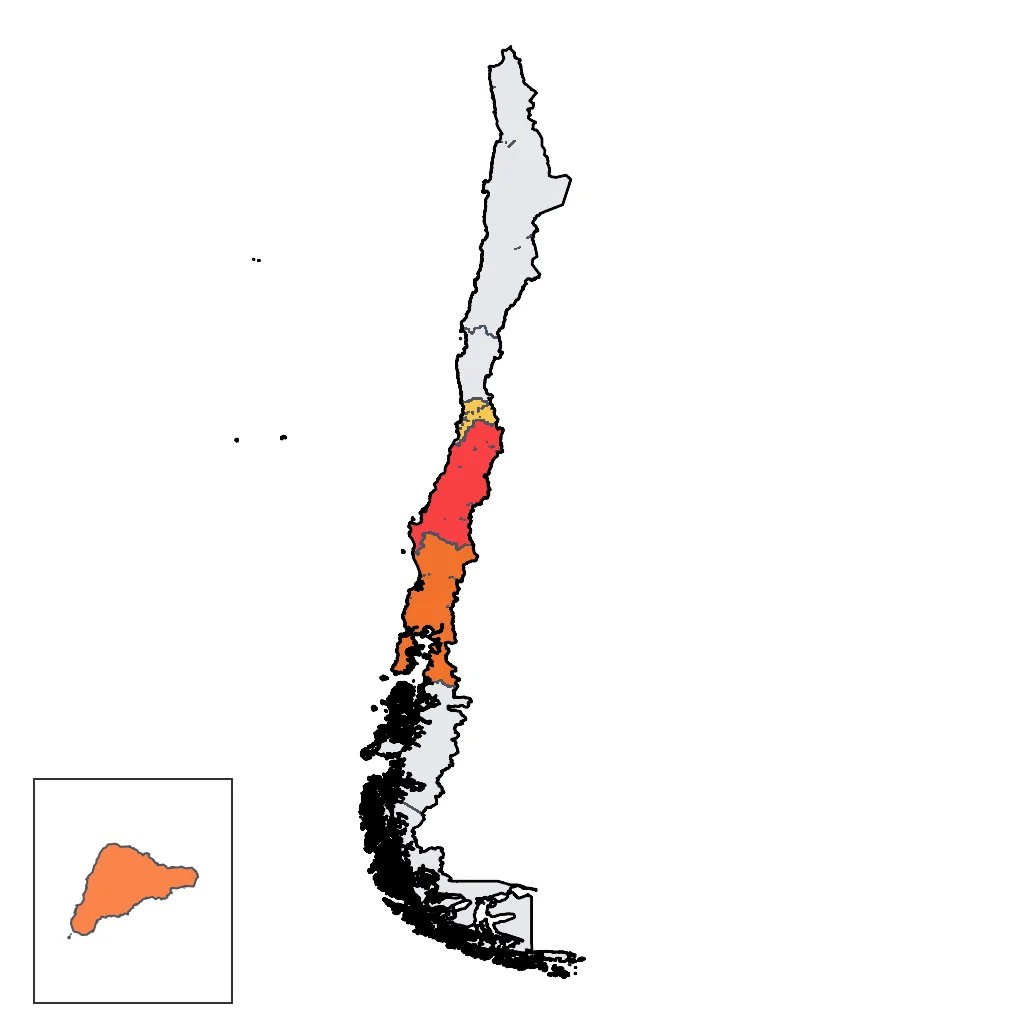

Beach resorts, marine activities: diving, snorkelling, kite surfing, wind surfing, sailing
Anakena beach provides a stunning, authentic tropical setting with world-class clarity for snorkeling, though limited in scale. Peak months offer the highest water and air temperatures (avg 23°C+); winter months are too cool and rainy for a primary beach-focused holiday.
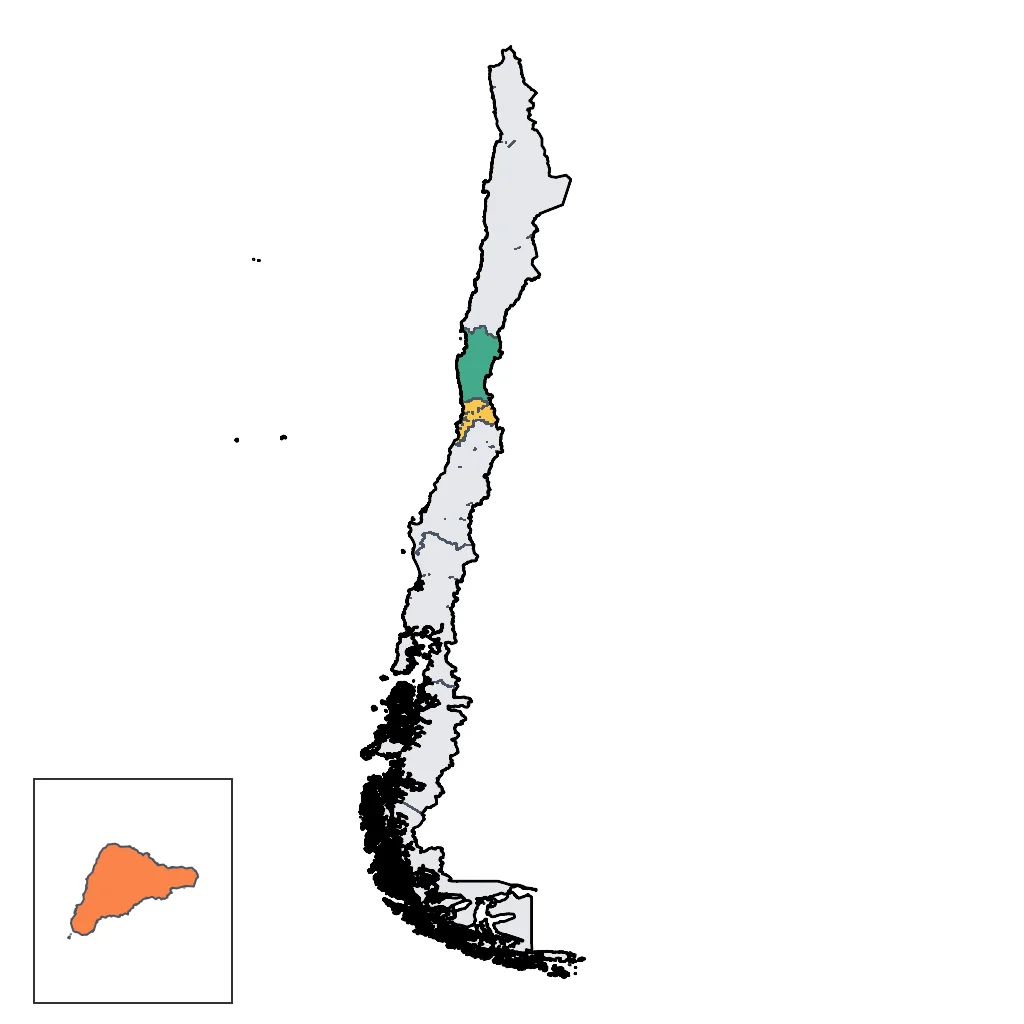

Urban tourism, museums, historical sites, architecture
Hanga Roa is a small town (pop ~8,000) with basic infrastructure, not a city with significant cultural institutions, museums, or urban heritage. The Moai and archaeological significance are already captured under 'educational' (excellent). Rating a tiny island village at 'very_good' for city/cultural conflates archaeological heritage with urban cultural offerings.
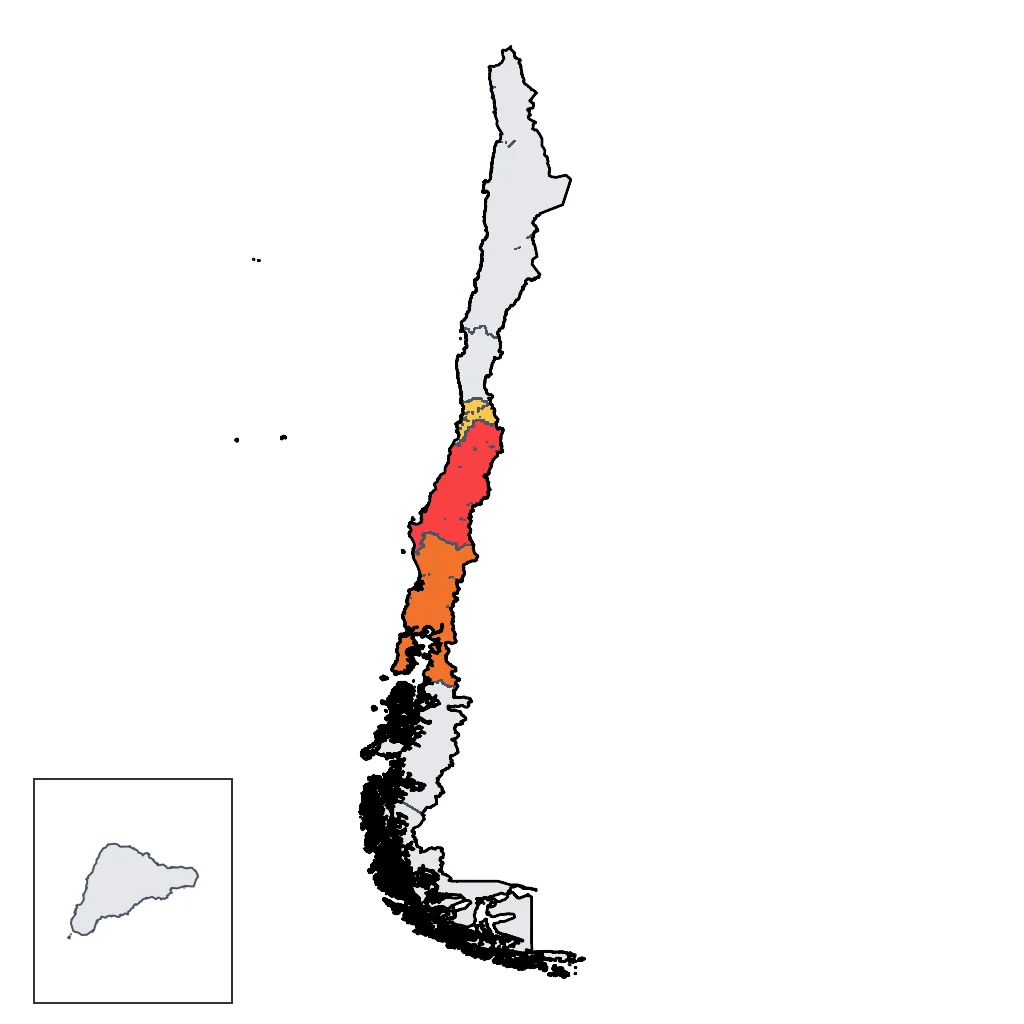

Spa retreats, wellness centers, peaceful getaways
High-end eco-lodges provide exclusive, remote retreats focused on disconnection and natural beauty. The serene environment is most effective when weather allows for outdoor meditation and sunset views during the drier months.
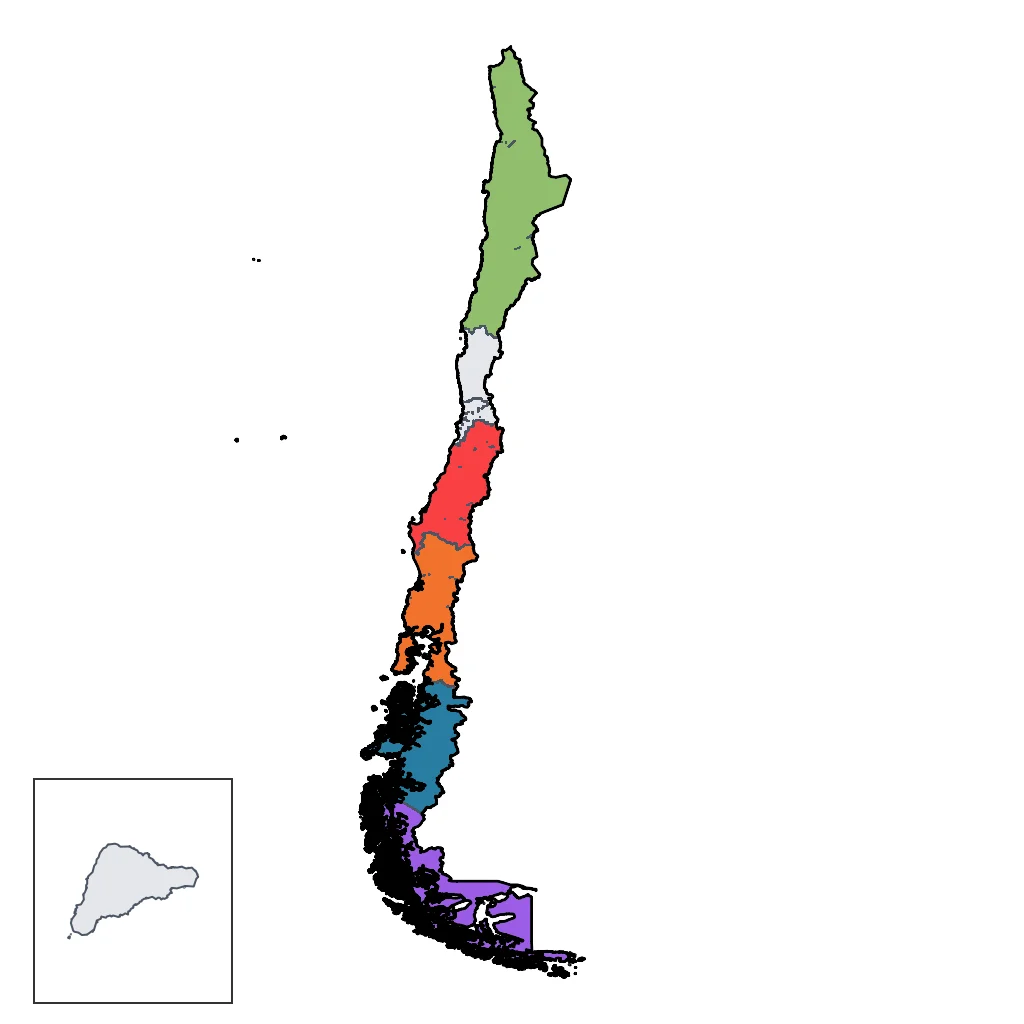

Sport tourism, fitness activities, active recreation
Offers world-class surfing, horseback riding, and coastal trekking for active families seeking authentic adventure. Activity levels are highest in summer when conditions are stable, whereas winter storms bring heavy rain and more challenging sea conditions.

Scenic drives, countryside tours, route-based travel
The island is small enough to explore via a short scenic drive, offering stunning coastal views and easy access to archaeological sites. While the roads are decent, the limited mileage makes it a secondary activity best enjoyed in dry, clear weather.