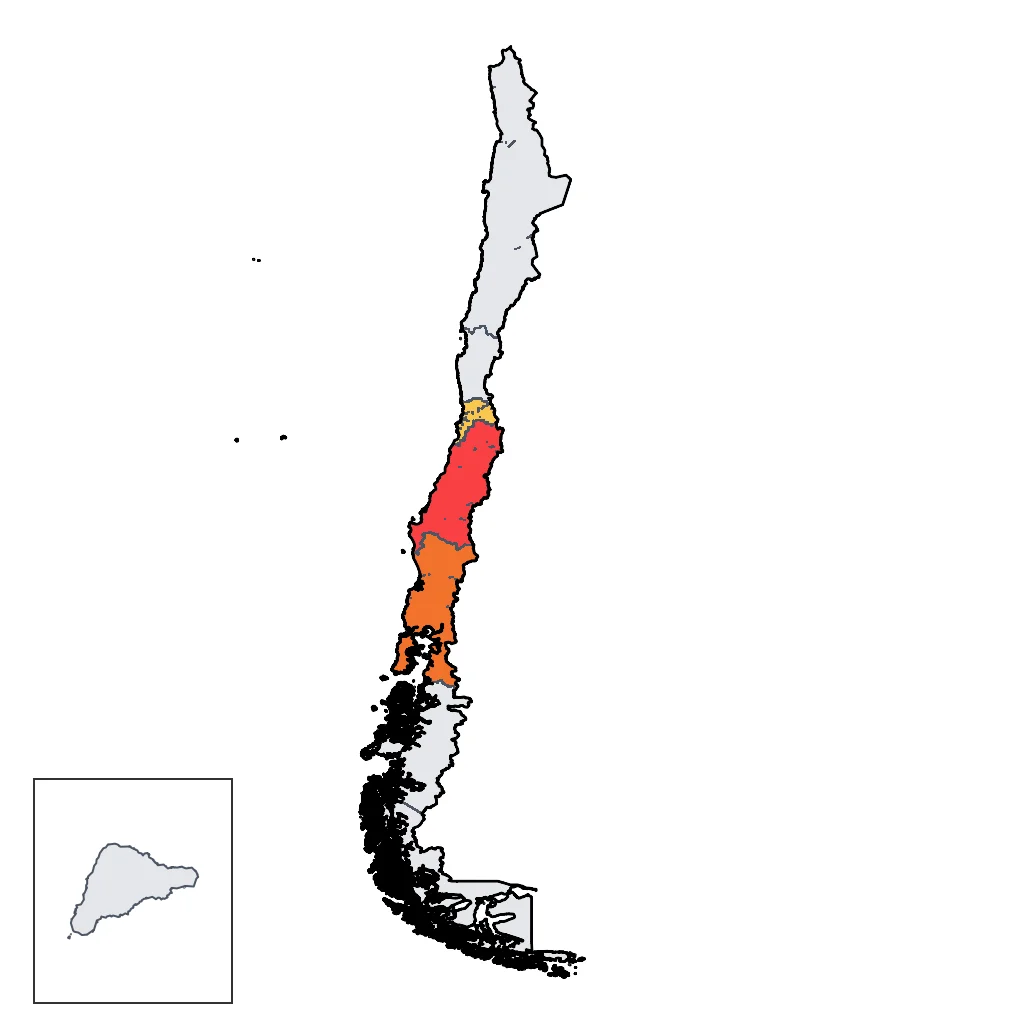

Southern Patagonia is a place of dramatic beauty at the end of the world. Famous for its jagged peaks, massive glaciers, and windswept pampas, it offers families a chance to see nature on a grand scale. The weather here is unpredictable and can change four times in a single day, with strong winds being a defining feature. Families should pack layers and windbreakers to stay comfortable.
The region's superstar is Torres del Paine National Park. While the multi-day treks are famous, the park is very accessible for families with day trips. Easy walks lead to the Salto Grande waterfall or the shores of Grey Lake, where blue icebergs float near the beach. Kids will love the "safari" aspect of the drive, with high chances of seeing guanacos (wild llama relatives), rheas (ostrich-like birds), and condors soaring overhead. Nearby, the Milodon Cave allows children to walk inside a prehistoric cavern and learn about the giant sloths that once lived there—a life-size replica stands at the entrance for photos.
Further south in Punta Arenas, a boat trip to Magdalena Island is an unforgettable experience. From October to March, the island is home to a colony of over 100,000 Magellanic penguins. Visitors can walk along a roped path while the penguins waddle right next to them, completely unafraid of humans. The city also offers a glimpse into the history of explorers crossing the Strait of Magellan, with replica historic ships at the Nao Victoria Museum that kids can climb aboard and explore.
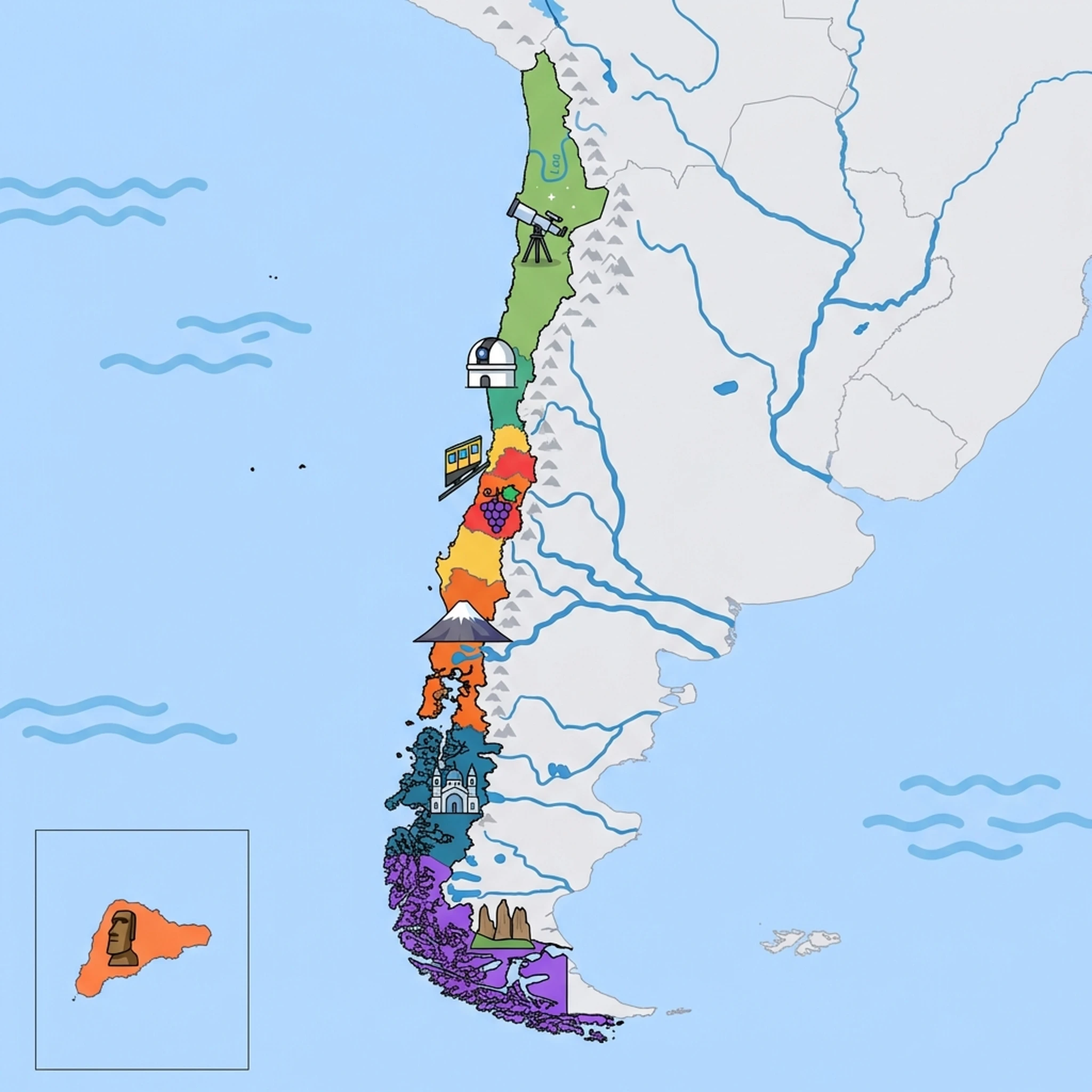
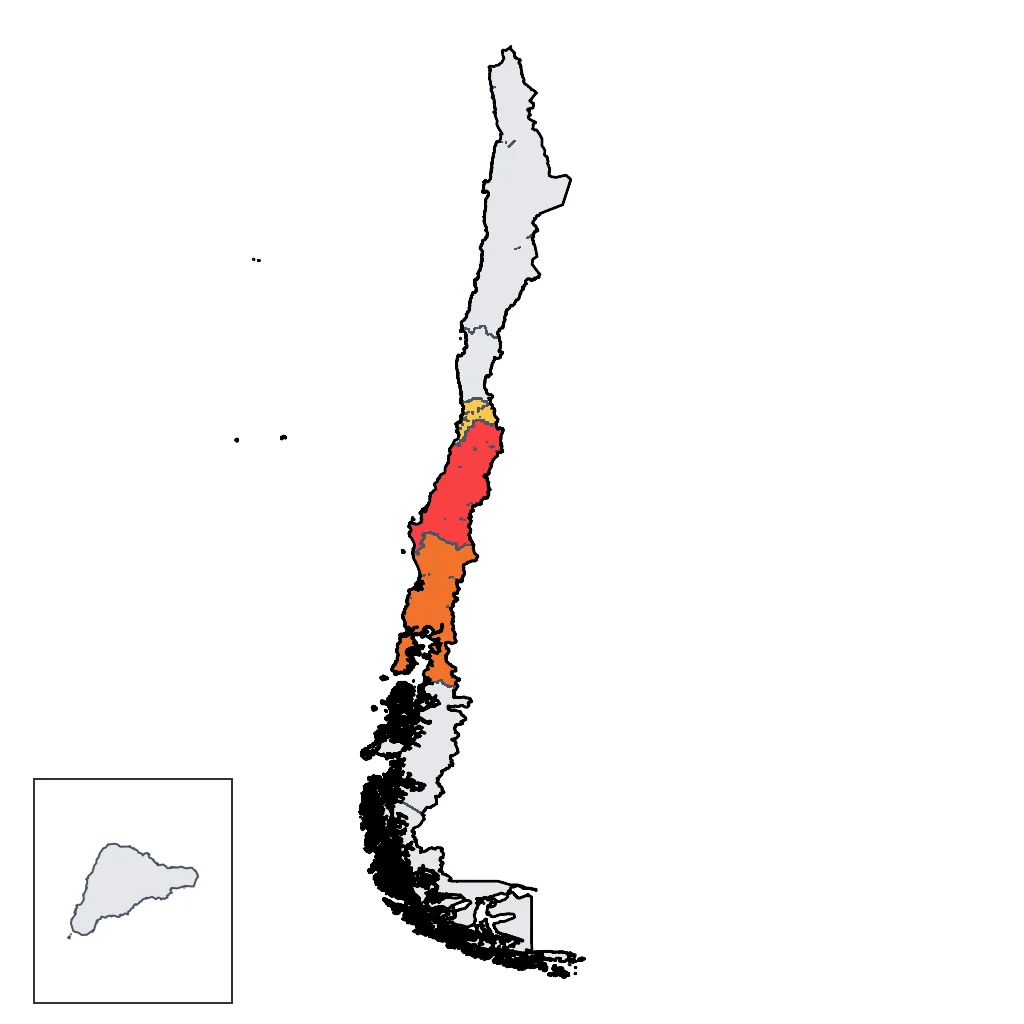
Click a region to explore

Activities & Best Times
Hiking, wildlife, outdoor exploration, ecotourism
A global pinnacle for wilderness exploration, featuring the iconic Torres del Paine granite towers and massive calving glaciers. Peak summer (Dec-Feb) provides the maximum daylight and 'warmest' temps for trekking, while shoulder months offer stunning autumn colors or spring blooms despite cooler conditions; winter is harsh with many trails becoming inaccessible.
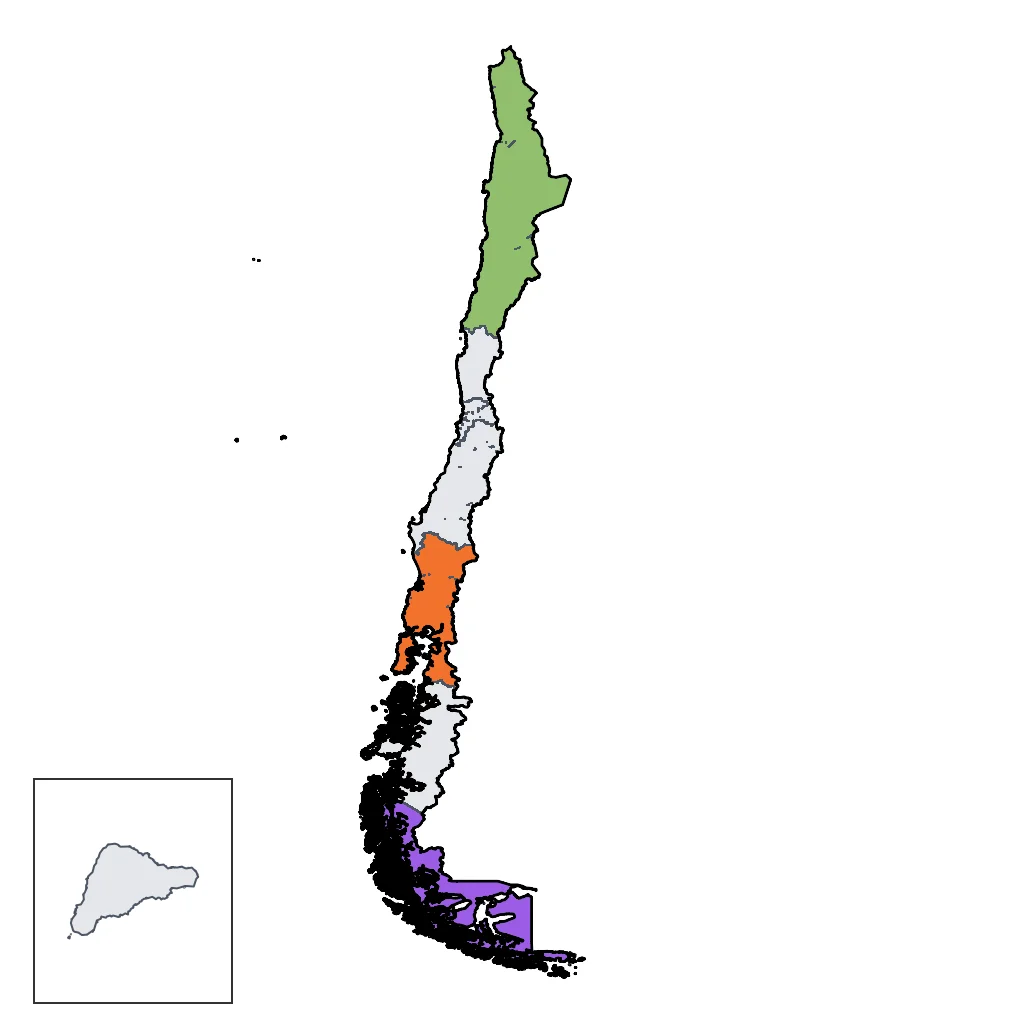

Spa retreats, wellness centers, peaceful getaways
Home to world-renowned, architecturally stunning eco-lodges that offer sophisticated wellness programs overlooking pristine landscapes. The experience is best during the warmer months (Dec-Feb) when facilities are fully operational; many high-end lodges close during the deep winter (May-Sep) due to extreme weather.
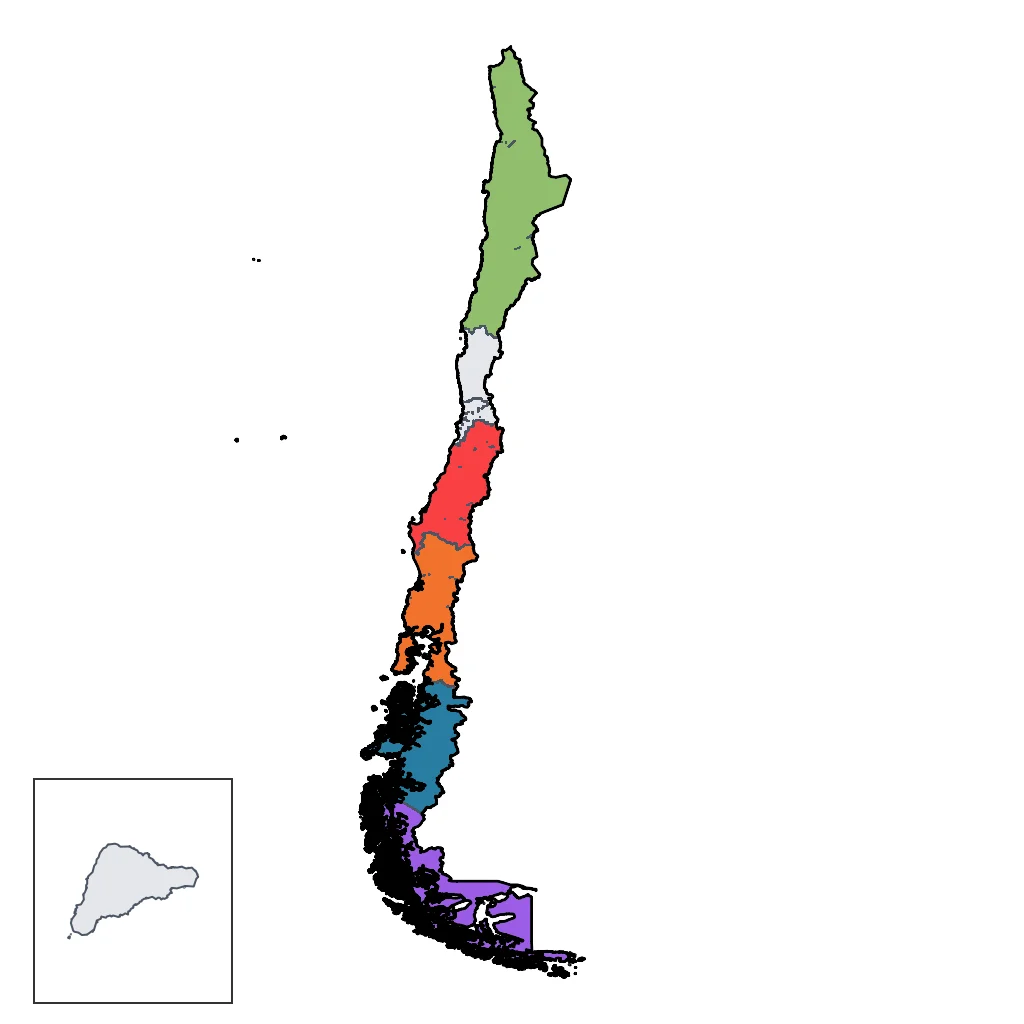

Scenic drives, countryside tours, route-based travel
Offers some of the world's most dramatic driving routes through the pampas and along the fjords of the 'End of the World.' Summer months provide safer road conditions and better visibility; winter months are classified as off-season due to ice, snow, and dangerous driving conditions on remote gravel roads.
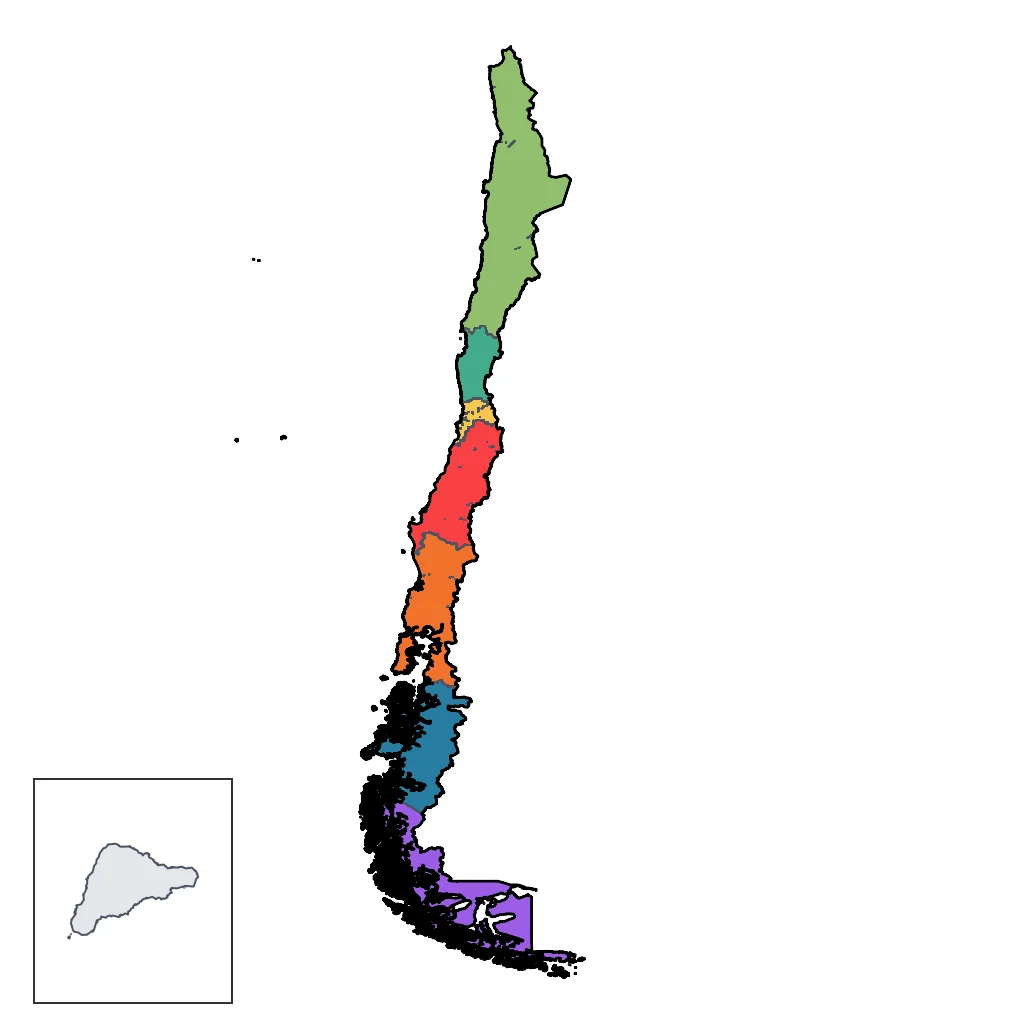

Sport tourism, fitness activities, active recreation
World-class destination for high-intensity trekking, glacier hiking, and technical kayaking in glacial lakes. Peak conditions align with the southern summer for manageable temperatures; winter conditions are too extreme for most active sports, with high winds and freezing temperatures limiting safety.
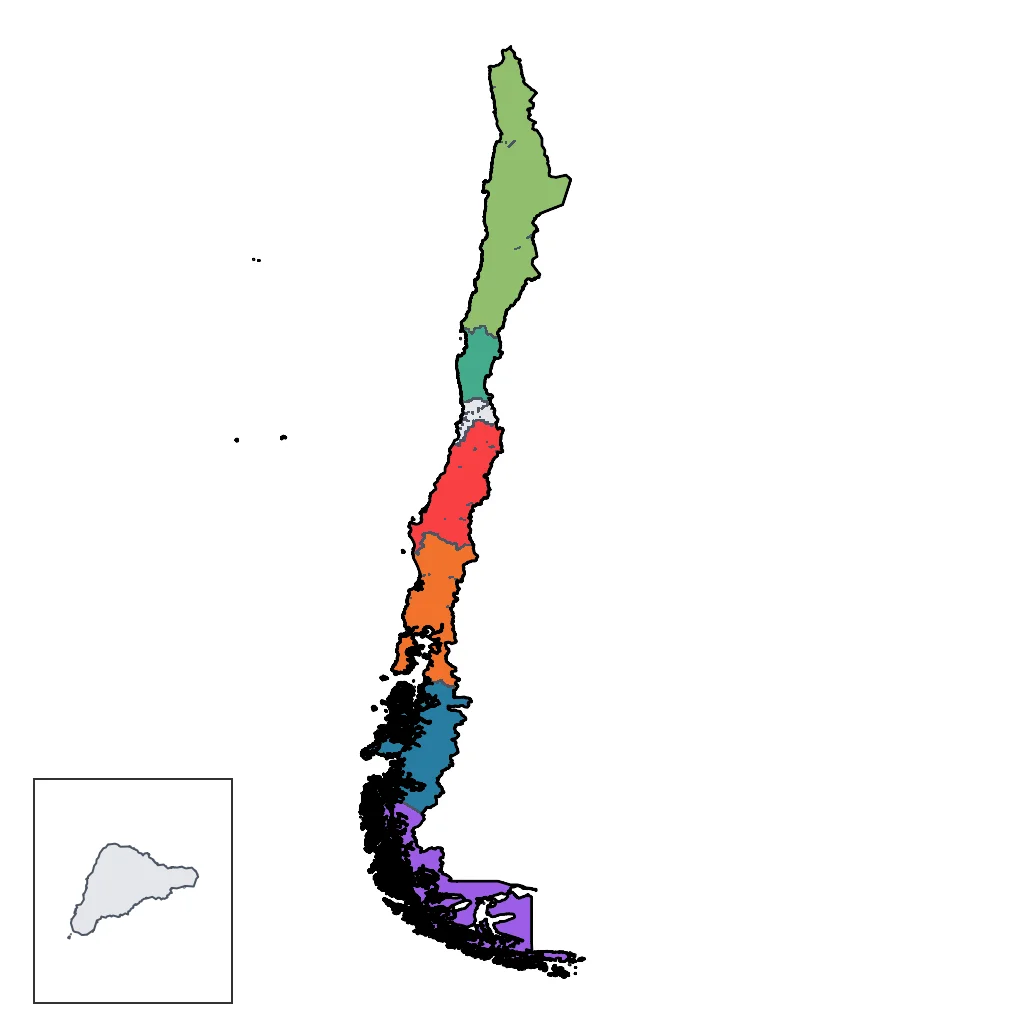

Learning experiences, scientific sites, historical education
Significant opportunities to learn about glaciology, subantarctic ecology, and the history of southern exploration. Guided scientific tours and interpretive centers are most accessible during the warmer, brighter months; winter months see significantly reduced programming and limited access to field sites.
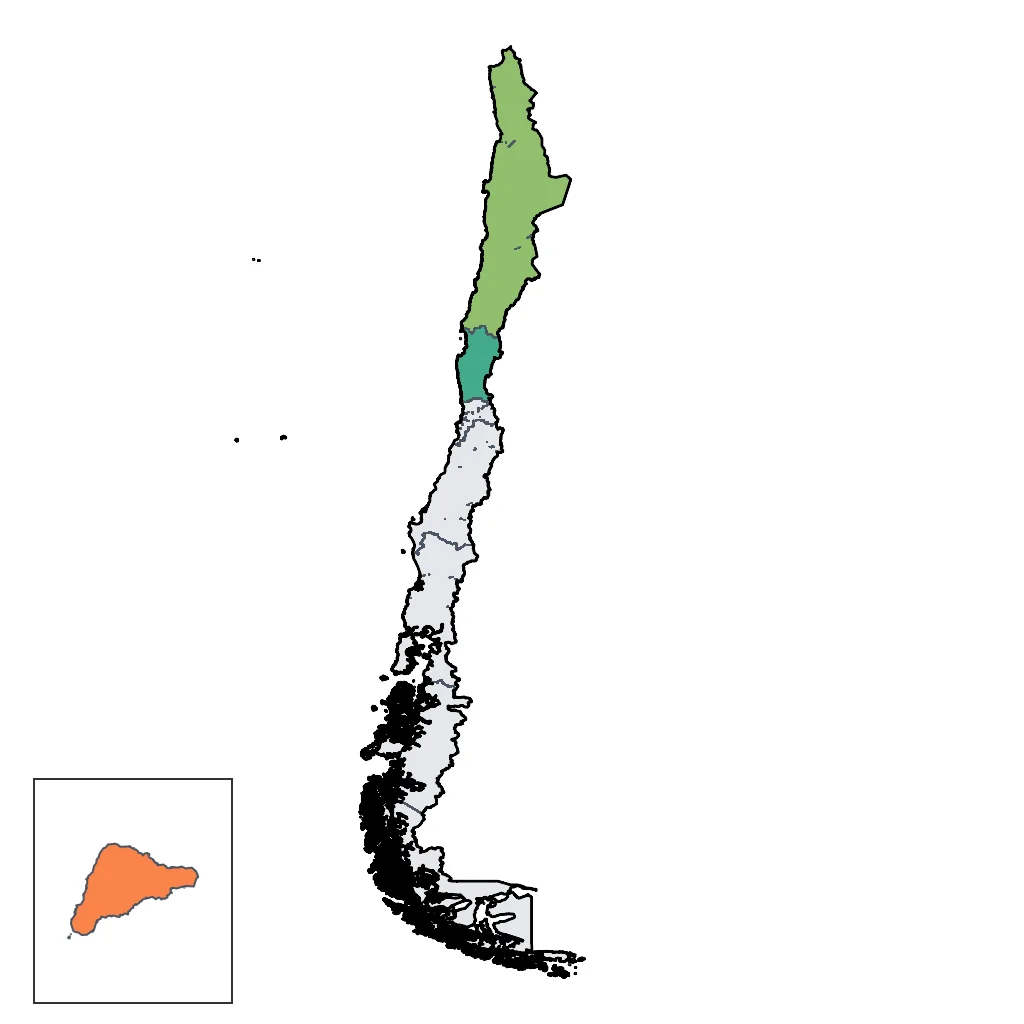

Urban tourism, museums, historical sites, architecture
Punta Arenas and Puerto Natales offer historical and maritime insights, acting as gateways to the Strait of Magellan and Antarctica, but they are not world-class cultural cities that would appeal to discerning international travelers seeking major urban cultural experiences. Southern Hemisphere summer (Dec-Feb) is most comfortable for exploring these towns; shoulder seasons (Sep-Nov, Mar-May) are also suitable; winter (Jun-Aug) can be cold with shorter daylight hours.

Winter sports, ski resorts, snow activities
While the region has a local ski center (Club Andino near Punta Arenas) with ocean views, it is primarily visited by locals and suitable for beginners, not meeting international benchmarks for world-class ski infrastructure or extensive terrain for experienced travelers. Peak snow conditions occur during the Southern Hemisphere winter (Jun-Aug); shoulder months (May, Sep) offer variable conditions; other months are off-season due to lack of snow.