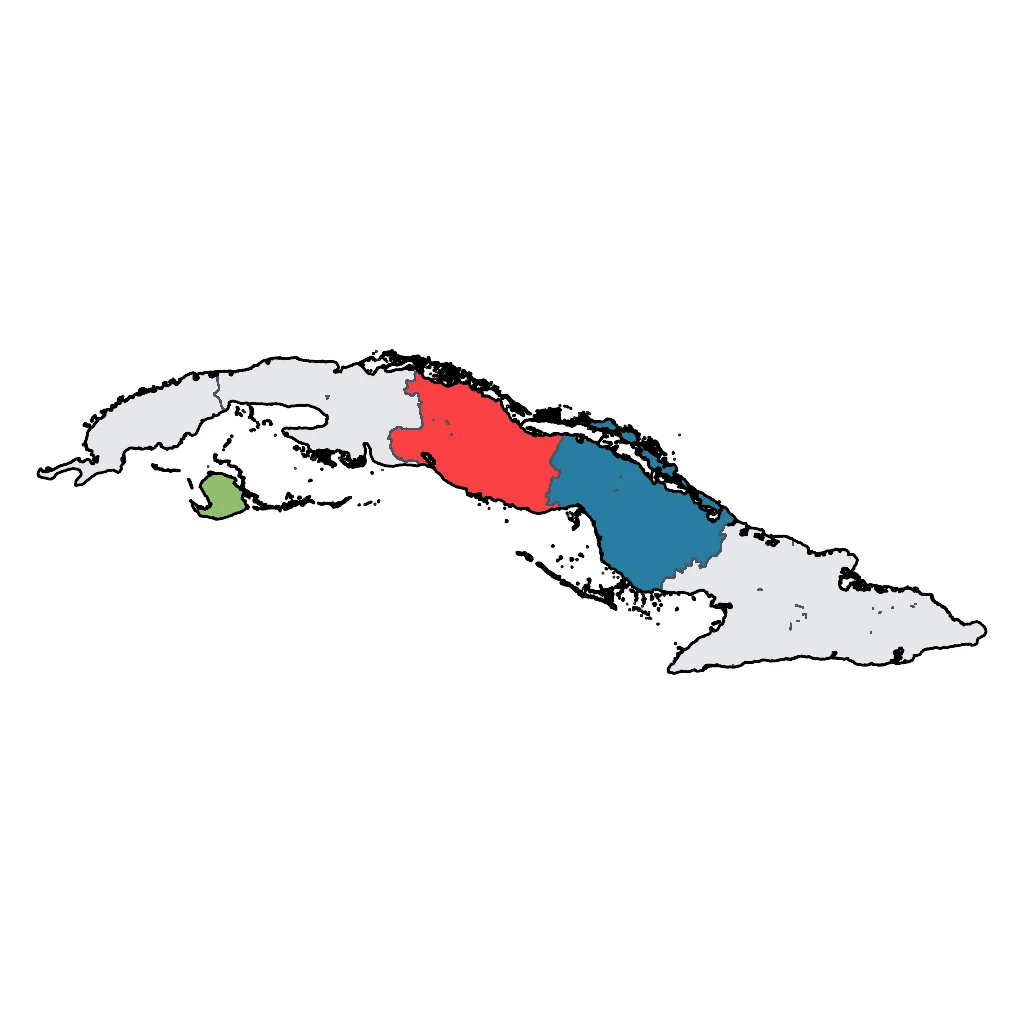
Eastern Cuba & Sierra Maestra
Wild mountains and pirate fortresses 🏰⛰️
Known as "El Oriente," Eastern Cuba is the island's hottest and most culturally distinct region, offering a raw and vibrant experience. Santiago de Cuba is the cultural capital, where families can explore the imposing Castillo del Morro. This Spanish fortress sits on a cliff overlooking the bay and captures the imagination of children with its cannons, thick walls, and pirate history. The city is hilly and humid, so early morning visits are best for younger travelers.
Further east lies Baracoa, accessible via the winding La Farola scenic drive (bring motion sickness medication). This isolated town is famous for its lush rainforests and chocolate production. Families can visit local cocoa farms to see how chocolate is made, or take a cayuca (traditional boat) ride down the Rio Toa. The beaches here, such as Playa Maguana, are wilder and less developed than the northern resorts, offering plenty of shade under almond and palm trees.
Holguín serves as a gateway to both city parks and nearby beaches like Guardalavaca. While the Sierra Maestra mountains offer serious trekking, families with older children can enjoy shorter nature walks in the foothills to spot diverse birdlife. This region requires more travel time between destinations, so plan for slower days.
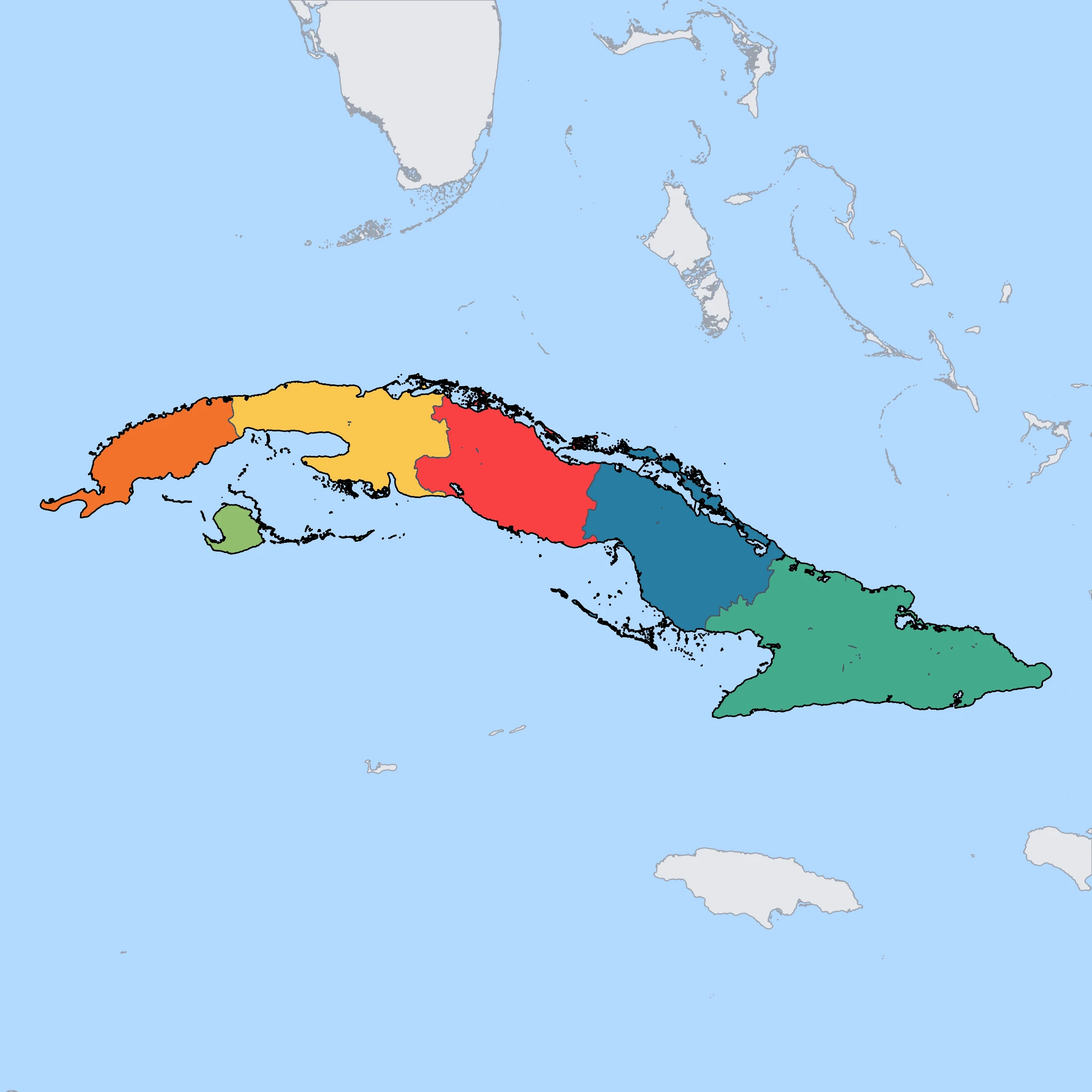
Click a region to explore

Activities & Best Times

Hiking, wildlife, outdoor exploration, ecotourism
Home to the UNESCO-listed Alejandro de Humboldt National Park and the Sierra Maestra mountains, offering world-class hiking and unique biodiversity. Peak winter months provide dry trails and comfortable temperatures (max 29°C), while the heavy rainfall from May to October makes trails muddy and difficult.
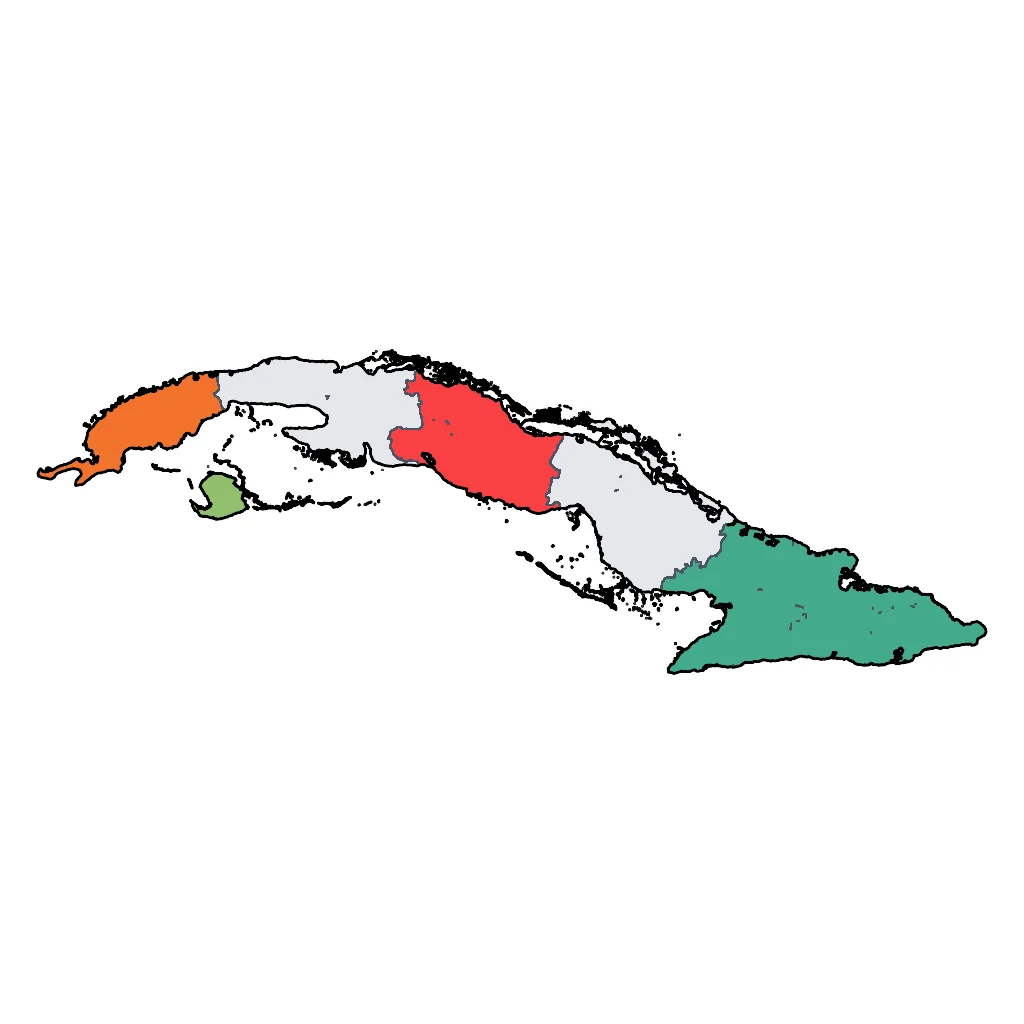

Urban tourism, museums, historical sites, architecture
Santiago de Cuba and Baracoa offer an authentic, rhythmic soul with profound historical significance and vibrant Afro-Cuban traditions. Winter is ideal for exploring colonial architecture without extreme heat; July is a shoulder month because while the humidity is high, it hosts the world-renowned Santiago Carnival.
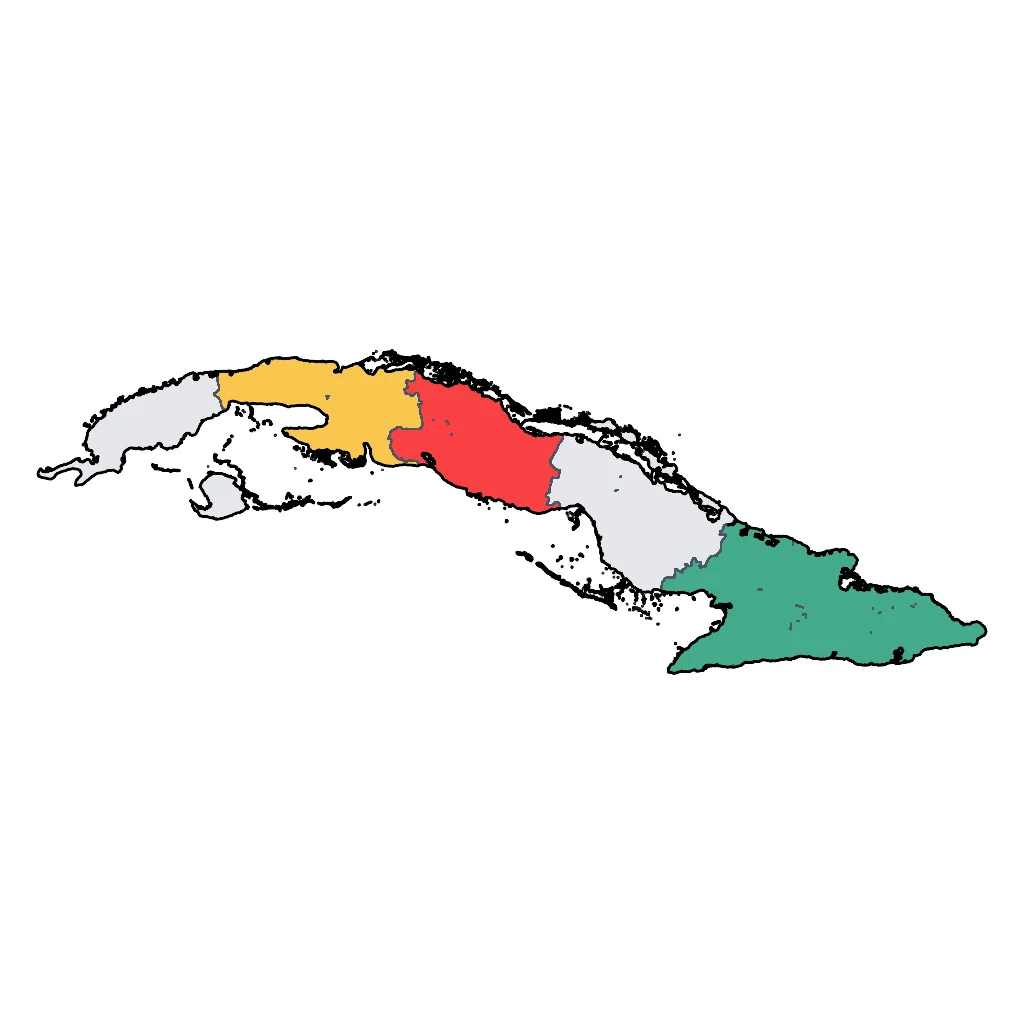

Learning experiences, scientific sites, historical education
Significant historical sites including the Comandancia de la Plata and coffee plantation ruins offer high educational value for families. Weather is most conducive to visiting these outdoor historical sites during the drier, cooler months from December to March.
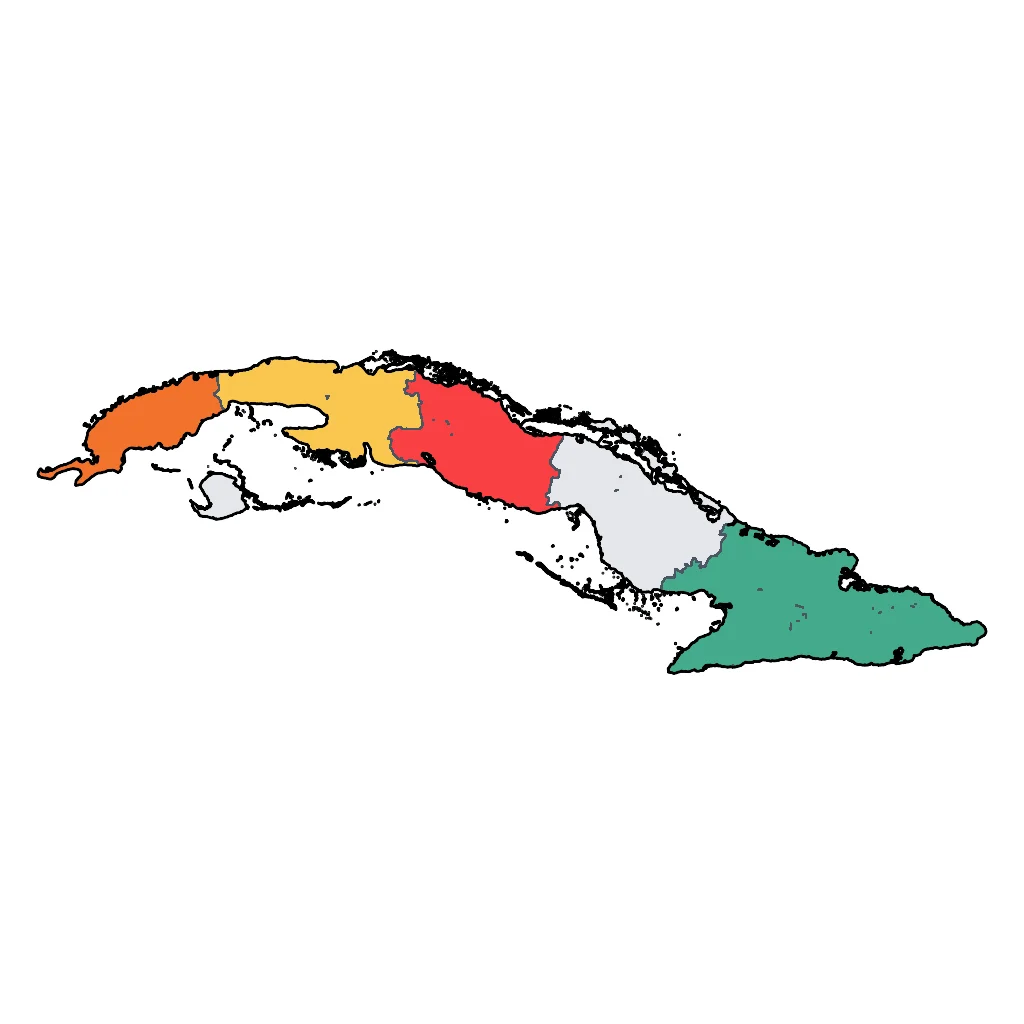

Events, celebrations, seasonal attractions
The Santiago de Cuba Carnival in July is a world-class cultural event of immense international significance. While July is hot and humid, the festival experience is unparalleled; winter months feature smaller traditional celebrations and New Year festivities.
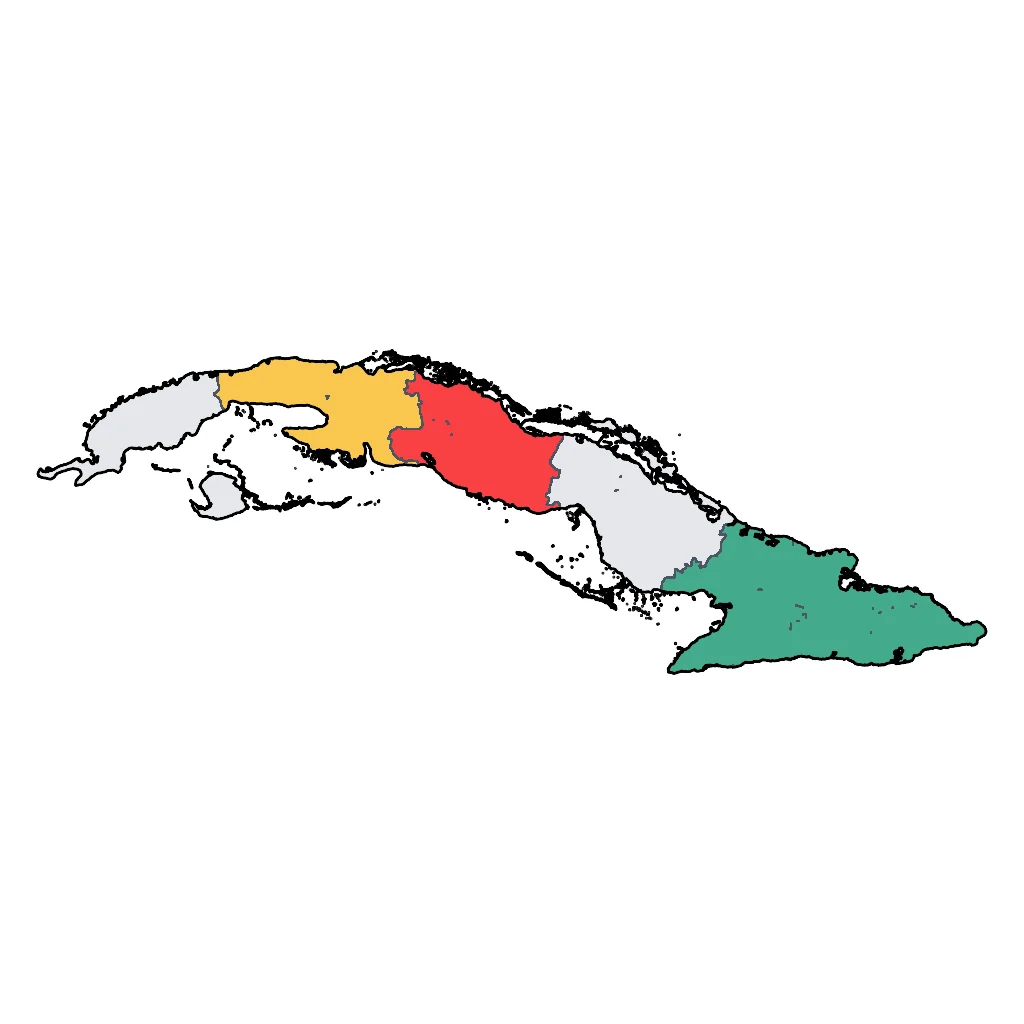

Scenic drives, countryside tours, route-based travel
The 'La Farola' viaduct to Baracoa is one of the world's most scenic drives, cutting through rugged tropical mountains. Peak months ensure dry roads and clear visibility, whereas the high precipitation (up to 189mm) in the wet season can lead to challenging driving conditions and limited views.
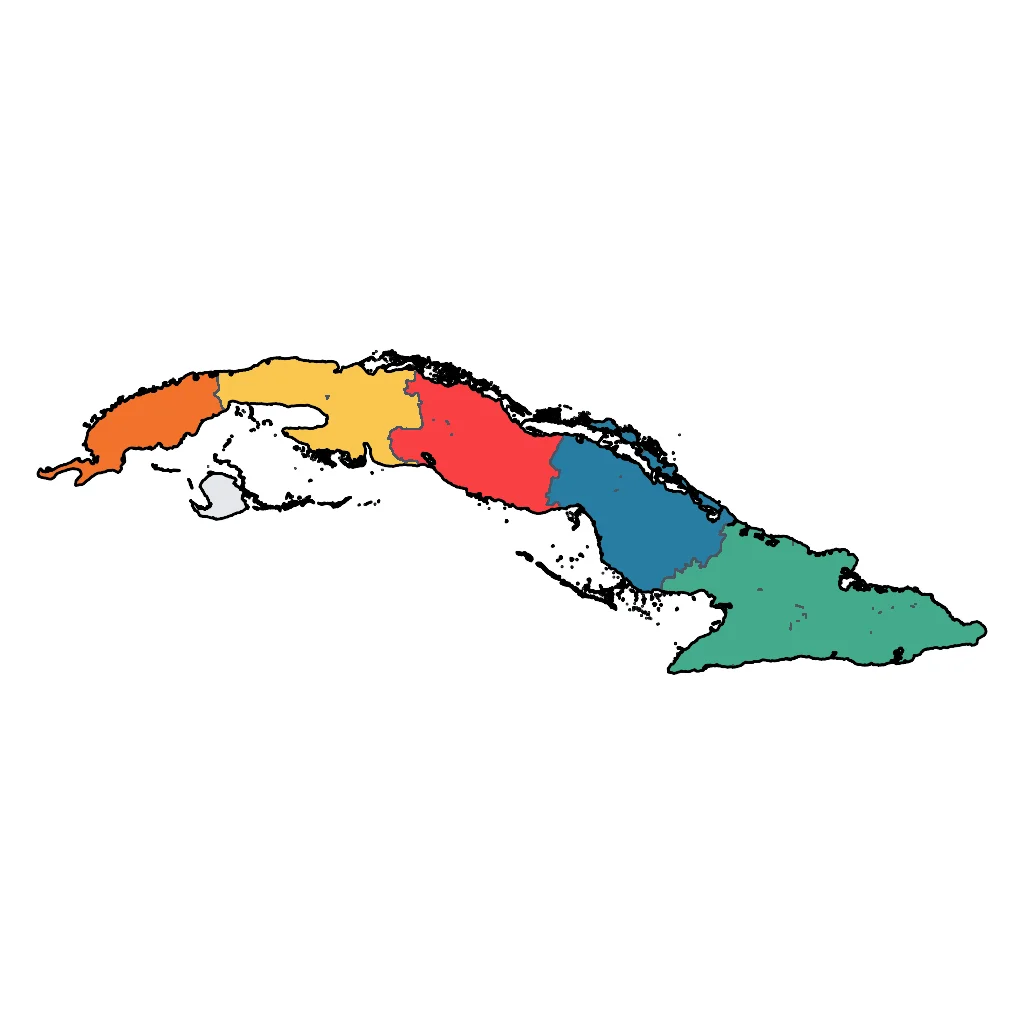

Beach resorts, marine activities: diving, snorkelling, kite surfing, wind surfing, sailing
Baracoa's secluded black and white sand beaches offer a more authentic, less commercialized alternative to Varadero. The dry season (Dec-Apr) provides the best sea visibility and sunshine; the hurricane season and heavy rain months of September and October are best avoided.