

⚠️ SAFETY WARNING: Travelers should exercise a high degree of caution due to chronic and severe shortages of basic necessities, including food, medicine, fuel, and reliable electricity. Power outages are frequent and can impact services even at major resorts. Families visiting Cuba must bring all essential supplies-including diapers, formula, over-the-counter medications, and toiletries-as these items are often impossible to purchase locally.
Cuba is the largest island in the Caribbean, offering a mix of colonial history, rich culture, and stunning natural beauty that captivates adventurous families. Stepping into the country often feels like entering a time capsule, where vintage American cars roll past Spanish colonial architecture. The climate is tropical and warm year-round, though the dry season from November to April is the most comfortable time for children to visit, avoiding the intense summer heat and humidity.
For cultural exploration, Havana is the vibrant heart of the island. Families can take a guided tour in a classic pink or blue convertible, a highlight for children of all ages. The city's historic forts, such as the Castillo de San Carlos de la Cabaña, offer daily cannon-firing ceremonies that bring pirate history to life. Just a few hours west, the Viñales Valley offers a dramatic change of pace with its massive limestone mogotes (hills) rising from green tobacco fields. Here, families can explore underground caves or take gentle horseback rides through the countryside.
Beach lovers will find some of the world's safest swimming waters in Varadero and the northern cays like Cayo Santa María. These areas boast soft white sand and shallow, crystal-clear water extending far out, making them ideal for toddlers and swimming practice. While all-inclusive resorts in these areas typically have better access to generators and food supplies than local towns, the variety of food may still be limited compared to other Caribbean destinations.
Practical preparation is critical for a successful trip. The economy is heavily cash-based; families should bring plenty of cash in Euros or US Dollars, as credit cards issued by US banks do not work, and others are unreliable. Internet access is limited and slow, offering a chance to disconnect but requiring offline entertainment for kids. By planning ahead and packing comprehensively, families can safely enjoy Cuba's unique rhythm and the genuine warmth of its people.

Explore Regions
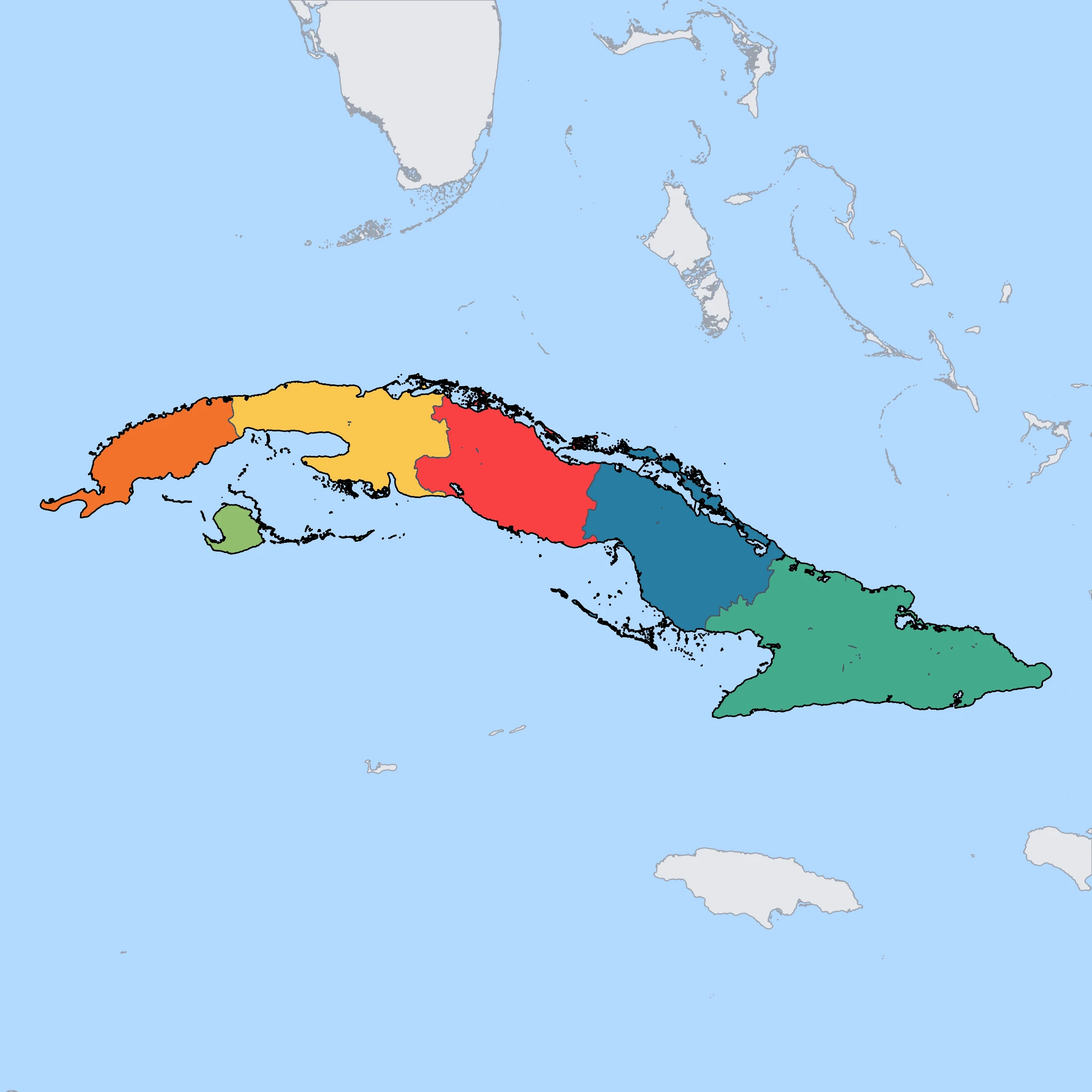
6 Regions
Central Cuba & Colonial Heartland
Colonial history meets waterfall adventures 🏛️💦
Eastern Cuba & Sierra Maestra
Wild mountains and pirate fortresses 🏰⛰️
Havana & Western Cuba
Vintage cars and historic forts 🚗🏰
Island Cuba & Offshore Cays
Remote beaches and sea turtles 🐢🏝️
North Coast Resorts & Jardines del Rey
Flamingo lagoons and turquoise seas 🦩🌊
Pinar del Río & Tobacco Country
Limestone valleys and underground rivers 🛶⛰️
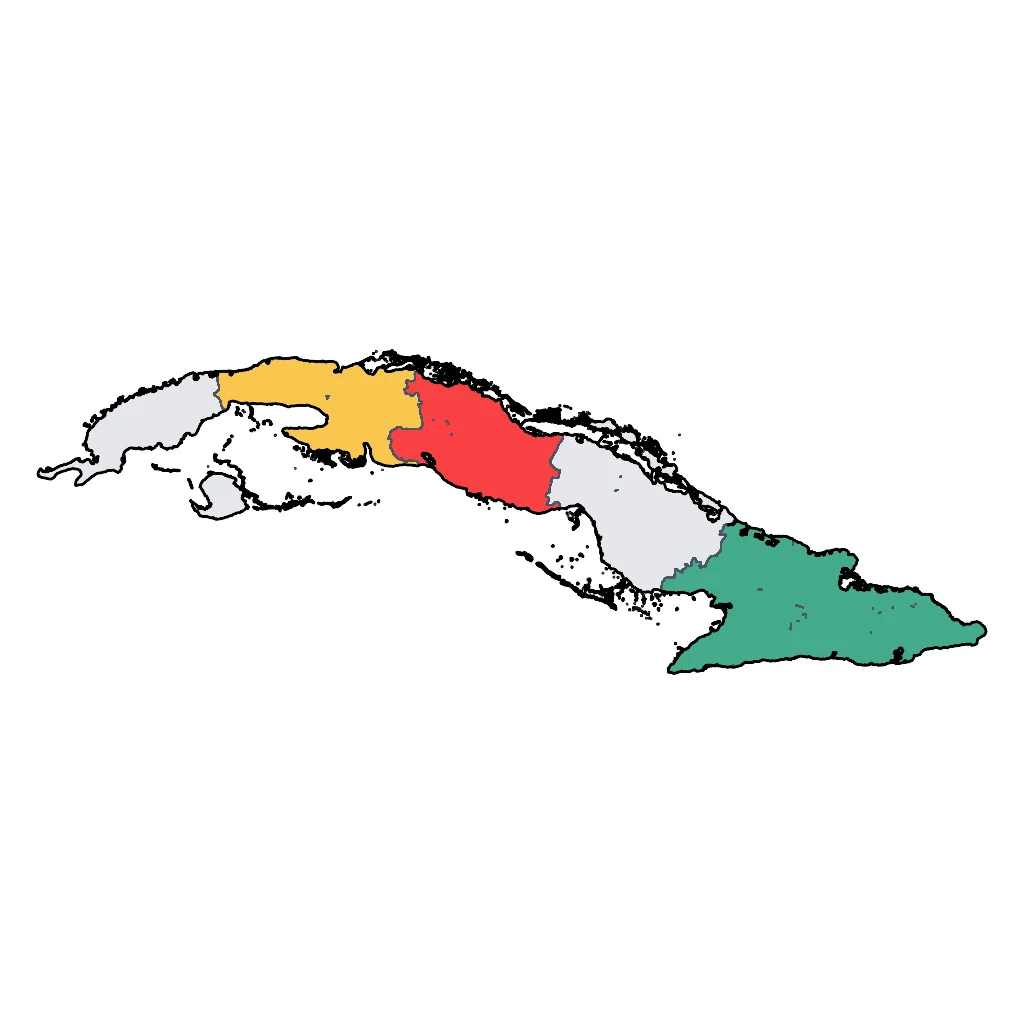
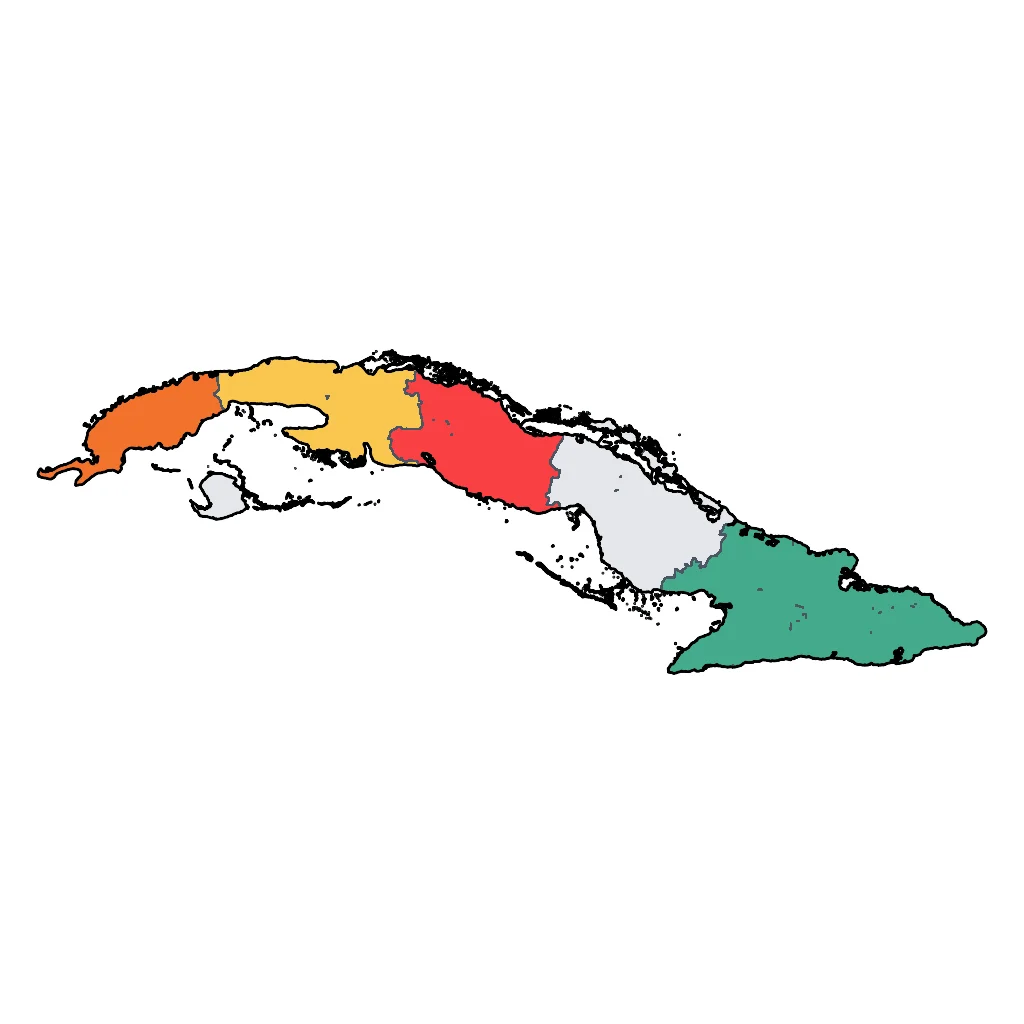
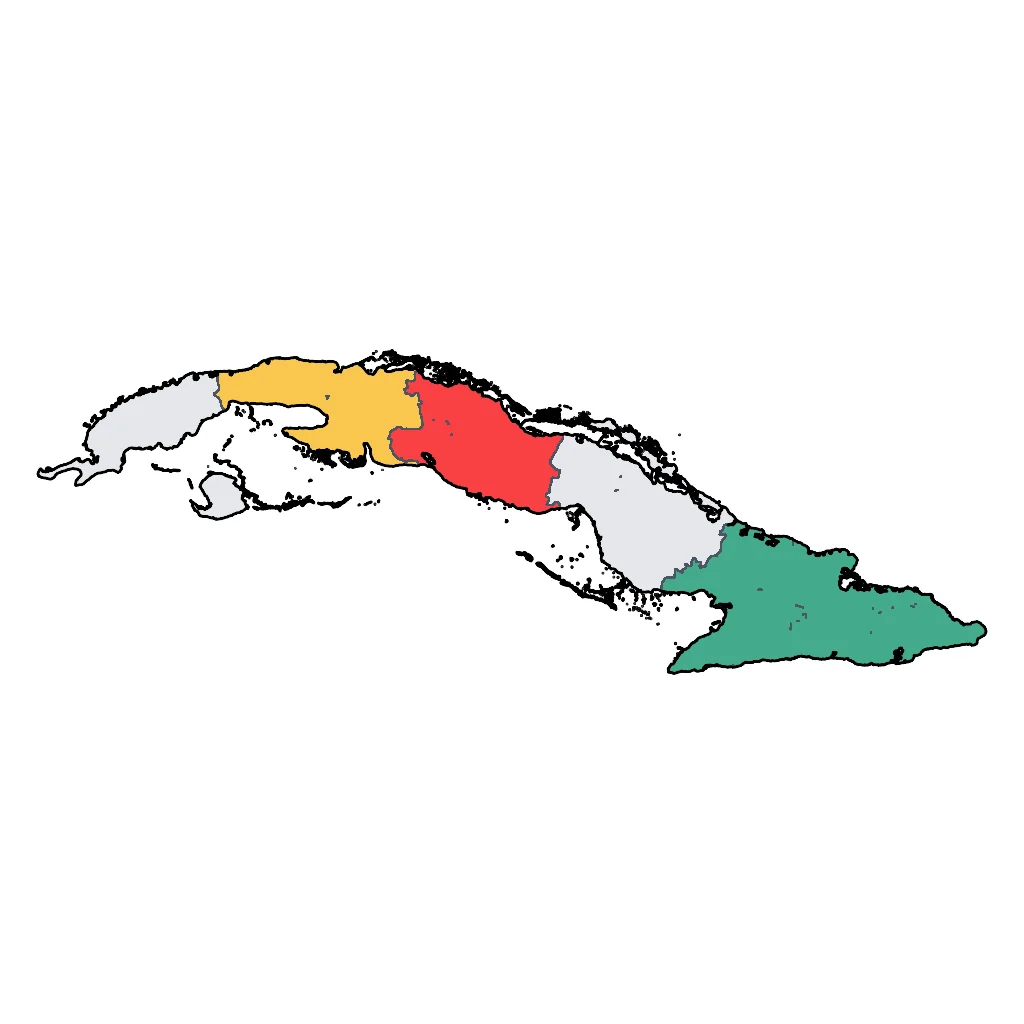
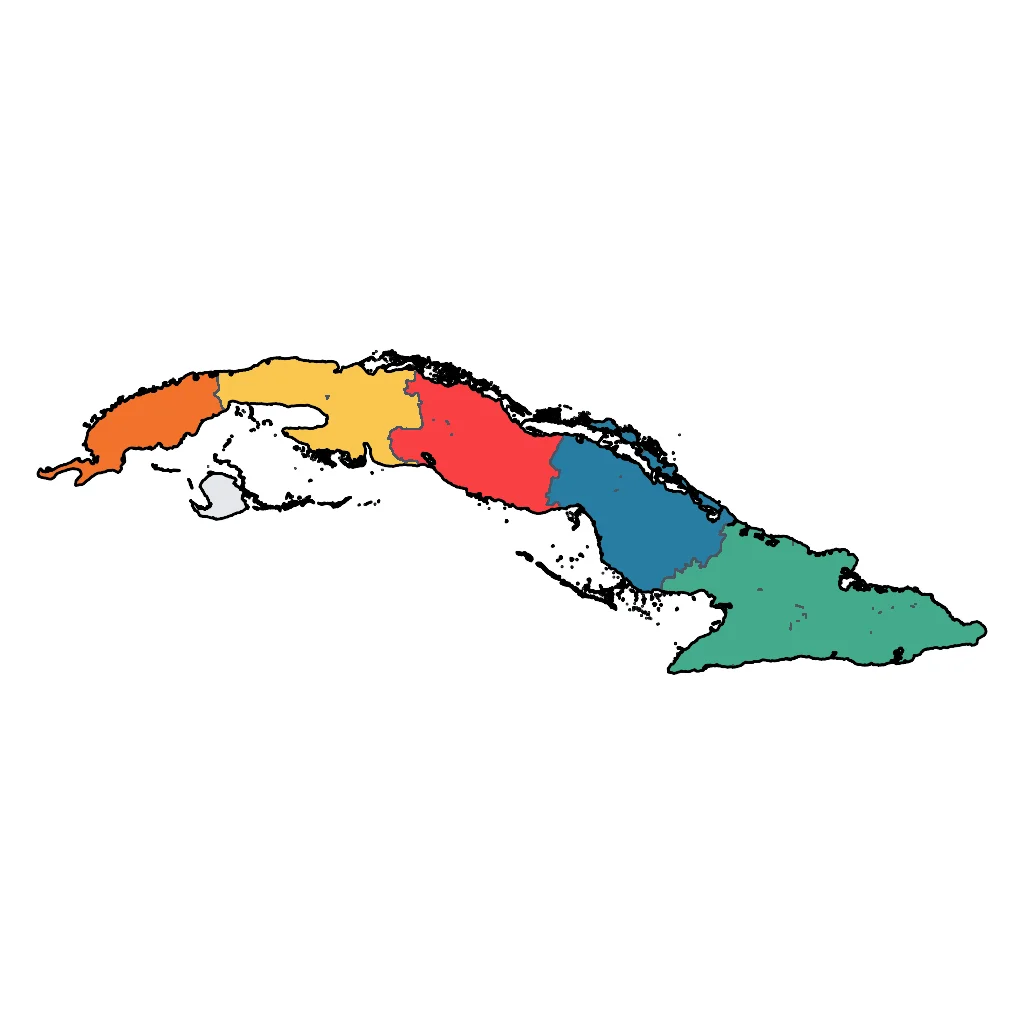
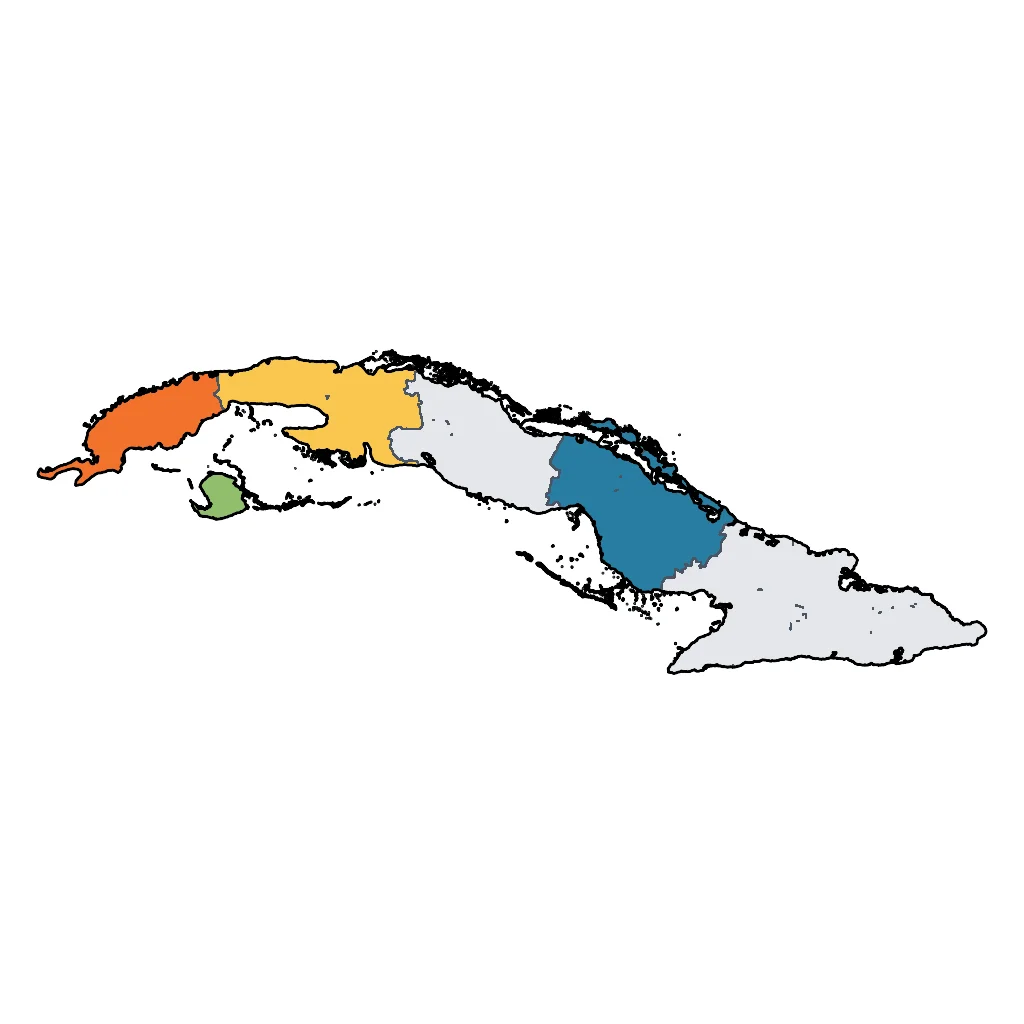
Click on a region marker to explore details. Use the dropdown to color regions by activity suitability.

Activities & Best Times

Adventure & Nature
ExcellentHiking, wildlife, outdoor exploration, ecotourism
Home to the UNESCO-listed Alejandro de Humboldt National Park and the Sierra Maestra mountains, offering world-class hiking and unique biodiversity. Peak winter months provide dry trails and comfortable temperatures (max 29°C), while the heavy rainfall from May to October makes trails muddy and difficult.
The UNESCO-listed Viñales Valley features unique limestone mogotes and extensive cave systems like Cueva del Indio, offering a globally distinct prehistoric landscape. Peak dry season provides ideal trail conditions for horse riding and hiking, while the hurricane-prone months of September and June see excessive rainfall.
Boasts untouched marine ecosystems and the Punta Francés Marine National Park, perfect for authentic ecotourism and wildlife observation. The dry season (Nov-Apr) provides the best conditions for outdoor exploration; summer months are characterized by extreme heat, high precipitation, and increased insect activity.
Beach & Sea
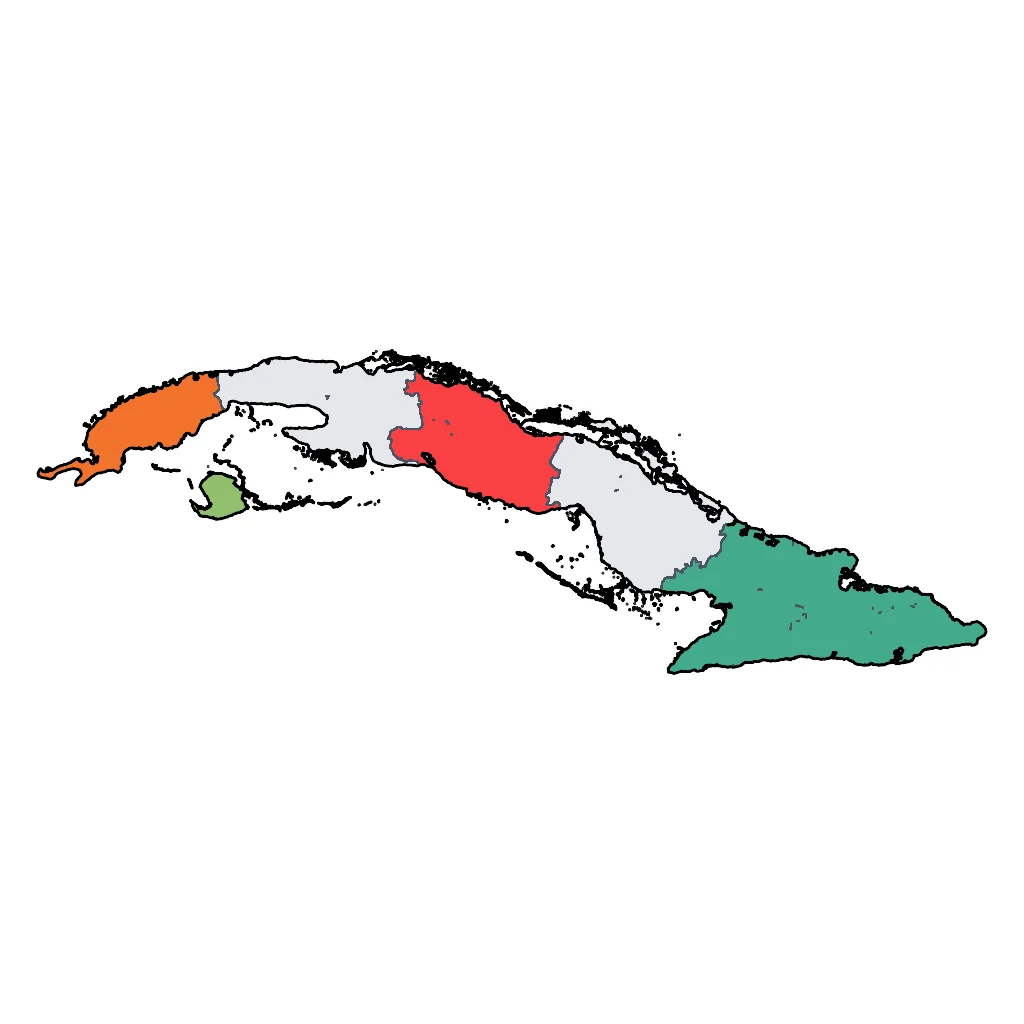
ExcellentBeach resorts, marine activities: diving, snorkelling, kite surfing, wind surfing, sailing
Cayo Largo del Sur offers world-class, pristine white-sand beaches and turquoise waters comparable to the Maldives, providing a sophisticated and secluded escape. Peak season (Dec-Mar) aligns with minimal rainfall and optimal sea conditions, while the high humidity and heavy rains of the summer months are less suitable for discerning travelers.
Offers world-class white sand beaches and shallow, calm turquoise waters that are internationally iconic and perfect for families. The winter dry season (Dec-Feb) provides the most comfortable humidity and lowest rainfall, while the summer months see significant tropical downpours and hurricane risks.
Playa Ancón offers pristine Caribbean sands and calm waters without the heavy commercialization found in other resorts. While the water remains warm year-round, the winter months offer the best balance of low rainfall and comfortable air temperatures for beach activities.

City & Cultural
ExcellentUrban tourism, museums, historical sites, architecture
Trinidad is a UNESCO World Heritage site offering one of the most authentic and best-preserved colonial atmospheres globally, perfect for discerning families. The dry, cooler winter months provide ideal walking conditions, whereas the intense summer heat and high humidity can make exploring the cobblestone streets taxing.
Havana is a world-class cultural capital featuring a UNESCO-listed historic center, iconic colonial architecture, and a vibrant, authentic jazz and arts scene. The dry season (Nov-Apr) offers pleasant temperatures for walking, while the summer months (Jun-Sep) are uncomfortably humid with heavy tropical downpours.
Santiago de Cuba and Baracoa offer an authentic, rhythmic soul with profound historical significance and vibrant Afro-Cuban traditions. Winter is ideal for exploring colonial architecture without extreme heat; July is a shoulder month because while the humidity is high, it hosts the world-renowned Santiago Carnival.

Educational & Exploratory
Very GoodLearning experiences, scientific sites, historical education
Significant historical sites including the Comandancia de la Plata and coffee plantation ruins offer high educational value for families. Weather is most conducive to visiting these outdoor historical sites during the drier, cooler months from December to March.
Families can explore authentic tobacco plantations to learn about traditional curing processes and the geology of karst landscapes. The peak season aligns with the tobacco harvest (Jan-Mar), providing the most insightful cultural experience before the heavy rains of June and September disrupt farm visits.
The Valle de los Ingenios provides a world-class historical lesson on the 19th-century sugar industry and its impact on Cuban culture. Visiting during the drier months ensures the best experience for touring outdoor archaeological sites and historic manor houses.

Festivals & Seasonal
Very GoodEvents, celebrations, seasonal attractions
The Santiago de Cuba Carnival in July is a world-class cultural event of immense international significance. While July is hot and humid, the festival experience is unparalleled; winter months feature smaller traditional celebrations and New Year festivities.
Trinidad's vibrant music scene and the Las Parrandas de Remedios nearby offer deeply authentic cultural immersion. December and January are particularly festive, while the peak hurricane and rain season in late summer limits outdoor cultural gatherings.
Havana hosts internationally recognized events such as the Habanos Festival (Feb), the International Jazz Festival (Jan), and the Festival of New Latin American Cinema (Dec). These peak periods align with the best weather, while the low season sees fewer significant cultural celebrations and more extreme weather risks.

Road Trips & Scenic
Very GoodScenic drives, countryside tours, route-based travel
The 'La Farola' viaduct to Baracoa is one of the world's most scenic drives, cutting through rugged tropical mountains. Peak months ensure dry roads and clear visibility, whereas the high precipitation (up to 189mm) in the wet season can lead to challenging driving conditions and limited views.
Driving through Western Cuba in a vintage 1950s American convertible provides a globally unique experience, especially on the scenic routes through Pinar del Río. The dry winter months ensure reliable road conditions and comfortable temperatures for open-top travel, which is impractical during the summer deluge.
The scenic drive from Havana into the Pinar del Río province offers dramatic viewpoints like Los Jazmines, overlooking the valley floor. Dry months ensure the best road safety and visibility, while the heavy precipitation in September can lead to localized flooding and difficult driving conditions.

Sports & Active
Very GoodSport tourism, fitness activities, active recreation
Isla de la Juventud is an internationally recognized diving destination featuring exceptional reef visibility and diverse underwater topography. The dry winter and spring months offer peak sea clarity and calm conditions, whereas the hurricane season (Jun-Oct) significantly disrupts maritime activities.
Highly regarded for kitesurfing in the Cayos and catamaran sailing due to consistent trade winds and vast barrier reefs. Peak conditions align with the dry season's high water visibility and reliable wind patterns, whereas the wet season brings poor visibility and unpredictable tropical storms.
World-class limestone crags offer exceptional rock climbing, complemented by extensive cycling routes through the valley. Activities are best enjoyed during the cooler, lower-humidity months of winter, as the extreme heat and torrential rain of the wet season make high-exertion sports uncomfortable.

Relaxation & Wellness
GoodSpa retreats, wellness centers, peaceful getaways
Provides a serene, off-the-grid atmosphere for families seeking tranquility away from commercialized tourist hubs. The cooler, drier climate from December to April is ideal for relaxation, while the peak of the rainy season brings uncomfortable humidity and frequent storms.
The valley's tranquil atmosphere and 'slow life' philosophy provide a natural setting for relaxation away from modern digital distractions. The dry season offers the most pleasant temperatures for outdoor meditation and porch-side relaxation, while the peak humidity of June to September can be oppressive.
Boasts high-end all-inclusive resorts with extensive spa facilities and tranquil beachfront settings. The cooler, less humid months from November to April are ideal for outdoor wellness activities, while the extreme heat and humidity of summer can be oppressive for relaxation.
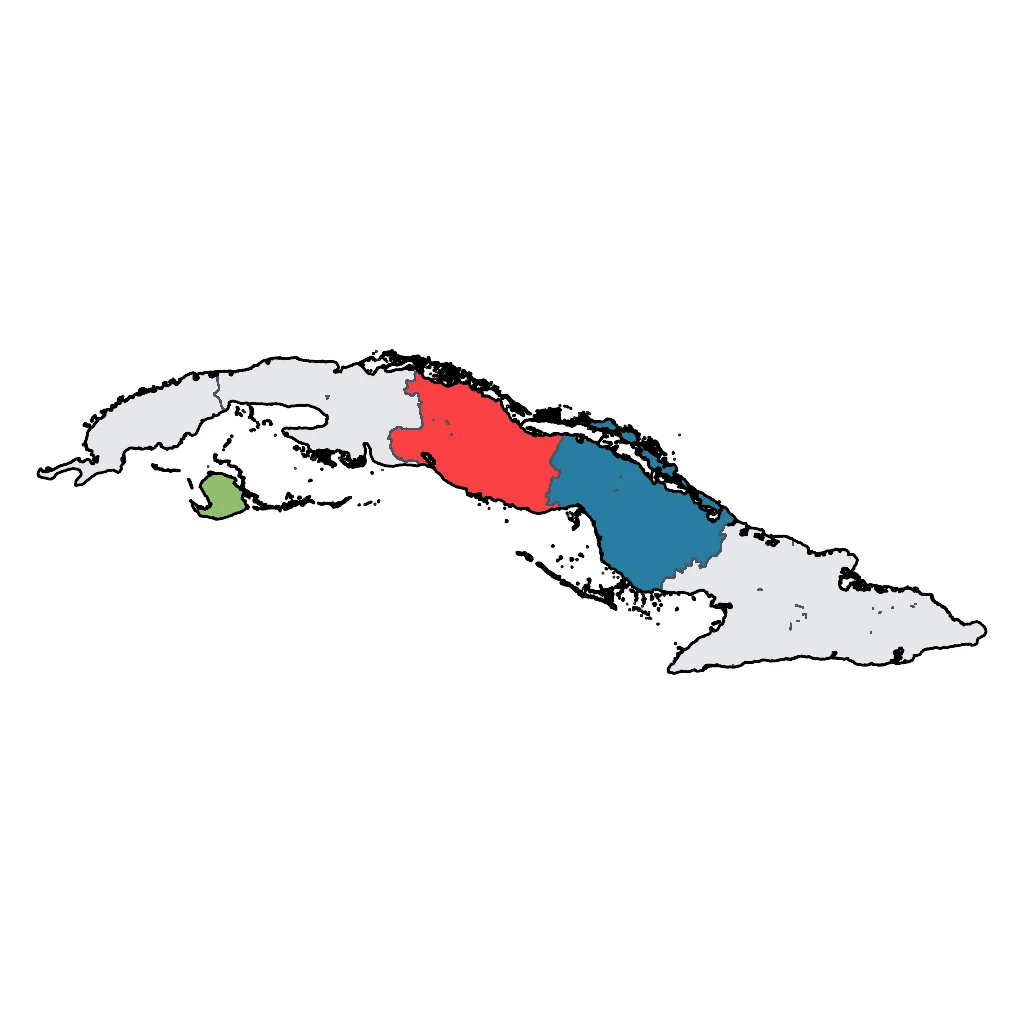

Airports & Flight Routes
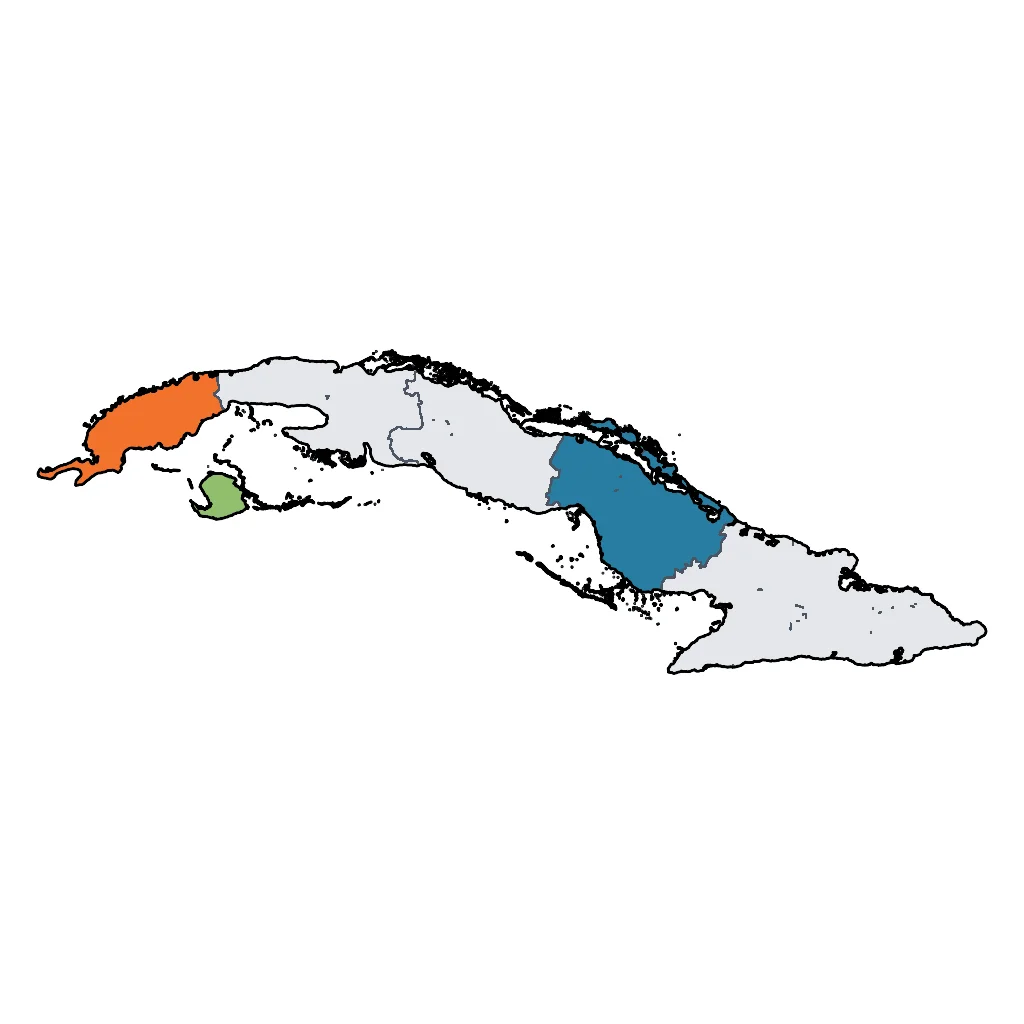
Toggle options to view domestic routes and international airports. Click an airport for details.
Climate & Weather
Central Cuba & Colonial Heartland
Show Details
| Month | Temp °C | Rain | Humidity |
|---|
Eastern Cuba & Sierra Maestra
Show Details
| Month | Temp °C | Rain | Humidity |
|---|
Havana & Western Cuba
Show Details
| Month | Temp °C | Rain | Humidity |
|---|
Island Cuba & Offshore Cays
Show Details
| Month | Temp °C | Rain | Humidity |
|---|
North Coast Resorts & Jardines del Rey
Show Details
| Month | Temp °C | Rain | Humidity |
|---|
Pinar del Río & Tobacco Country
Show Details
| Month | Temp °C | Rain | Humidity |
|---|

Travel Advisory
Strong consensus among five major agencies suggests that while travel is possible, significant caution is required due to severe shortages and infrastructure failures.
Safety Topics
Traveller Advice (4 groups)

Accessibility for those with physical disabilities is limited; travellers should research specific venues and transport options in advance.

Carry sufficient cash in Euros or U.S. dollars as international credit cards are often not accepted and ATM availability is extremely limited.

While same-sex relations are legal, members of the community have reported instances of harassment and should maintain a degree of discretion in public.

Solo female travellers have reported incidents of harassment. It is recommended to avoid isolated areas after dark and to never leave drinks unattended.