Havana is the vibrant heart of the island and a sensory playground for families. A highlight for any child is a ride in a pink or bright blue classic convertible along the Malecón seawall. In Habana Vieja (Old Havana), the pedestrian-friendly squares are filled with music and characters in costume. Families should visit the Cámara Oscura in Plaza Vieja for a unique 360-degree real-time view of the city, or take the ferry across the bay to see the nightly cannon-firing ceremony at the La Cabaña fortress.
Just outside the city, the neighborhood of Jaimanitas features Fusterlandia, a community project where houses, benches, and walls are covered in colorful mosaic tiles—a whimsical visual treat for kids. For a break from the urban environment, Playas del Este offers a stretch of palm-lined beaches popular with locals, just 20 minutes from downtown.
Traveling west toward Artemisa, families can explore the ruins of old coffee plantations. When visiting Havana, be prepared for uneven sidewalks; a sturdy stroller or carrier is essential for toddlers. Access to specific food items like milk or diapers can be inconsistent, so packing a full supply of essentials is highly recommended.
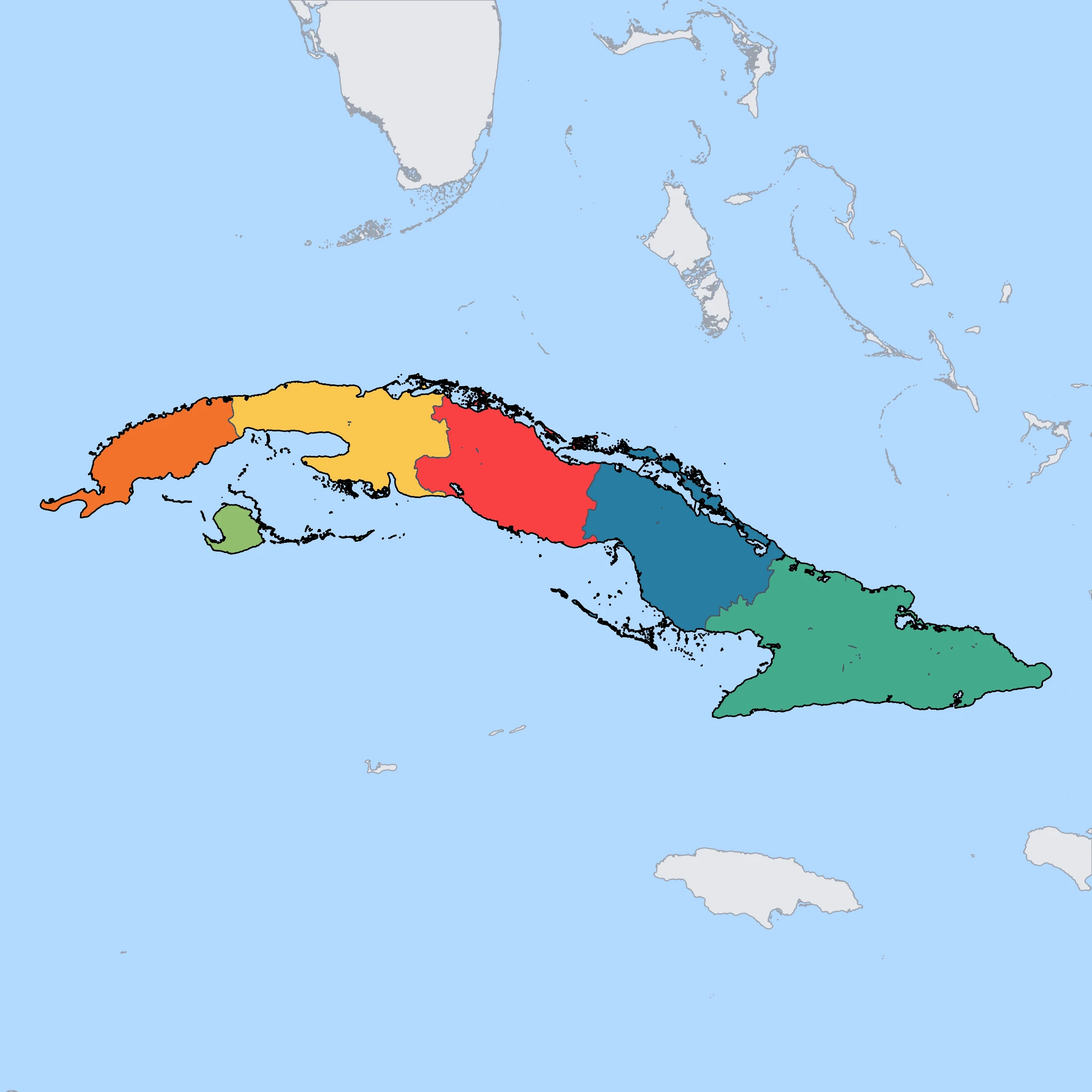
Click a region to explore

Activities & Best Times

Urban tourism, museums, historical sites, architecture
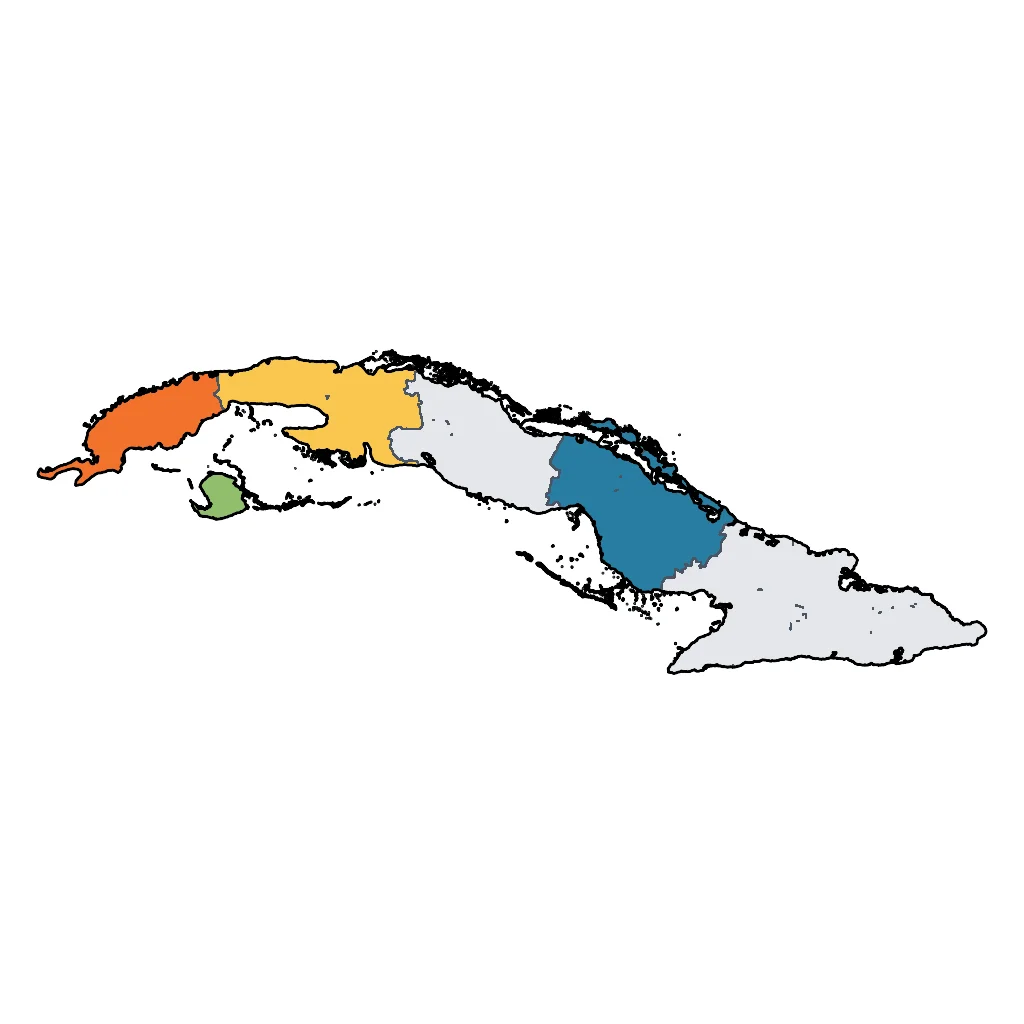
Havana is a world-class cultural capital featuring a UNESCO-listed historic center, iconic colonial architecture, and a vibrant, authentic jazz and arts scene. The dry season (Nov-Apr) offers pleasant temperatures for walking, while the summer months (Jun-Sep) are uncomfortably humid with heavy tropical downpours.

Learning experiences, scientific sites, historical education
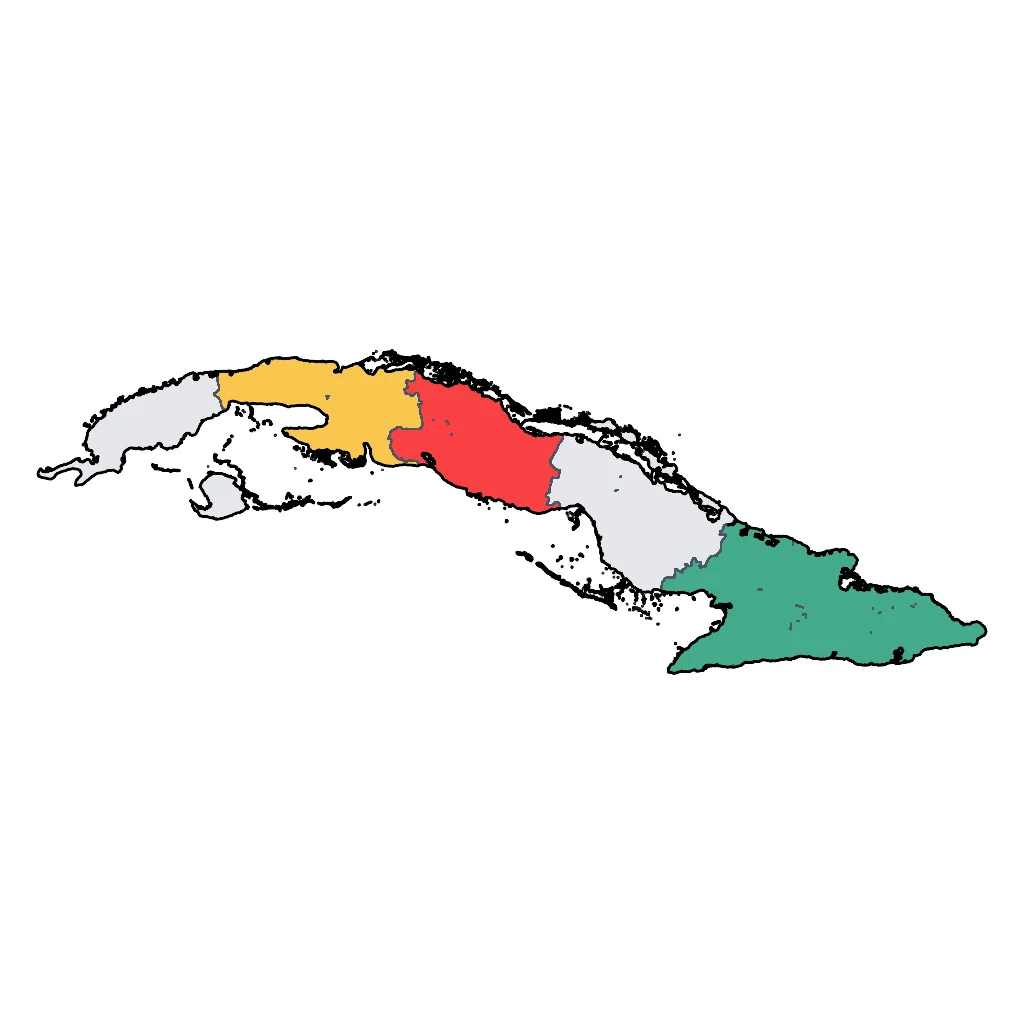
Rich in revolutionary history, colonial heritage, and artisanal industries like cigar making, the region provides deep intellectual engagement for families. The mild weather of the dry season is optimal for visiting outdoor archaeological sites and attending guided historical tours across the capital and its surrounding provinces.

Events, celebrations, seasonal attractions
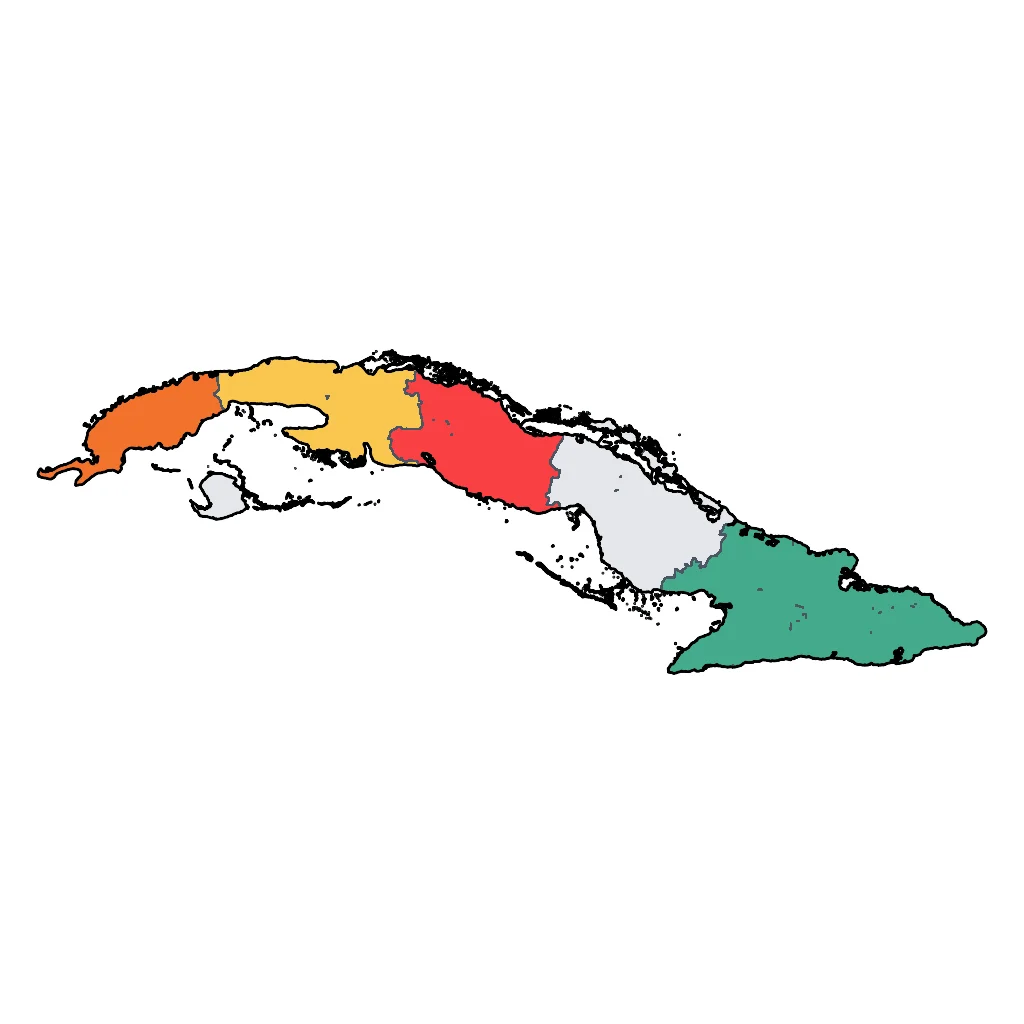
Havana hosts internationally recognized events such as the Habanos Festival (Feb), the International Jazz Festival (Jan), and the Festival of New Latin American Cinema (Dec). These peak periods align with the best weather, while the low season sees fewer significant cultural celebrations and more extreme weather risks.

Scenic drives, countryside tours, route-based travel
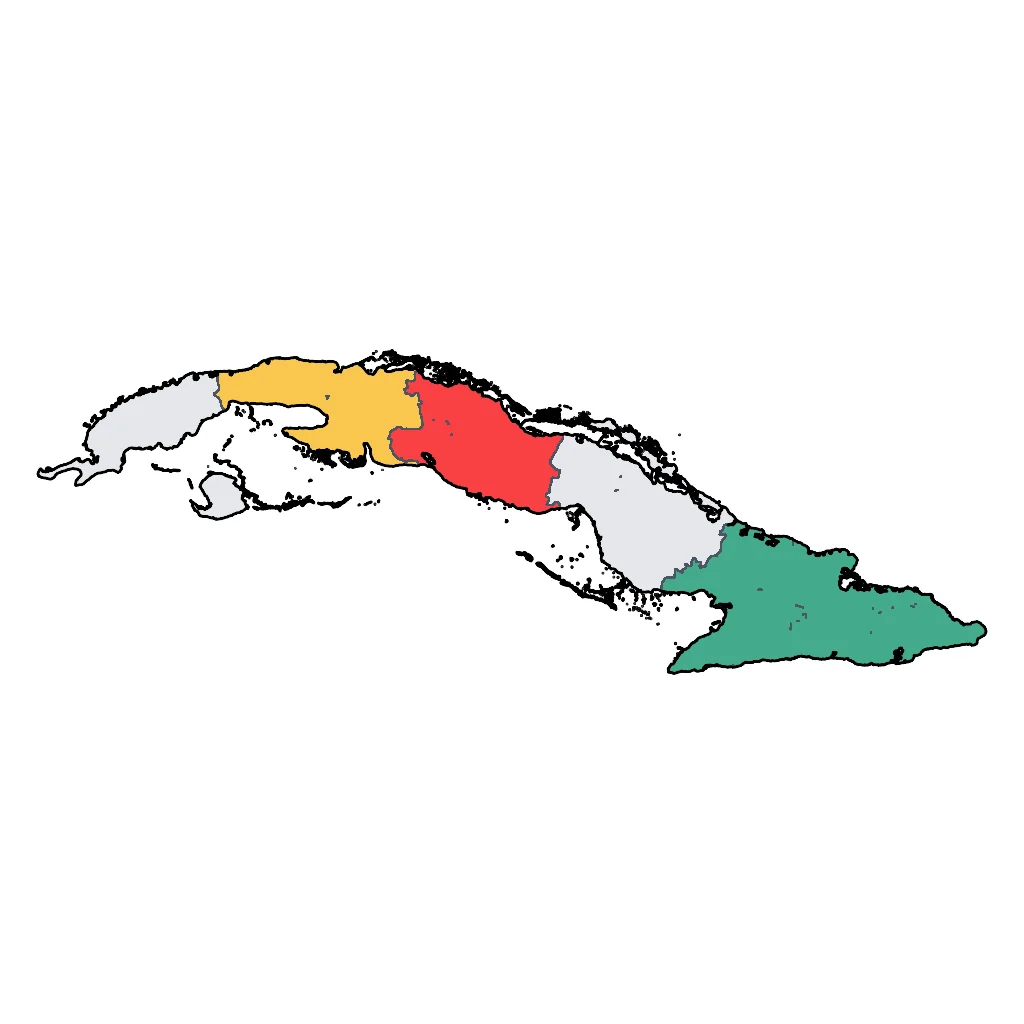
Driving through Western Cuba in a vintage 1950s American convertible provides a globally unique experience, especially on the scenic routes through Pinar del Río. The dry winter months ensure reliable road conditions and comfortable temperatures for open-top travel, which is impractical during the summer deluge.

Hiking, wildlife, outdoor exploration, ecotourism
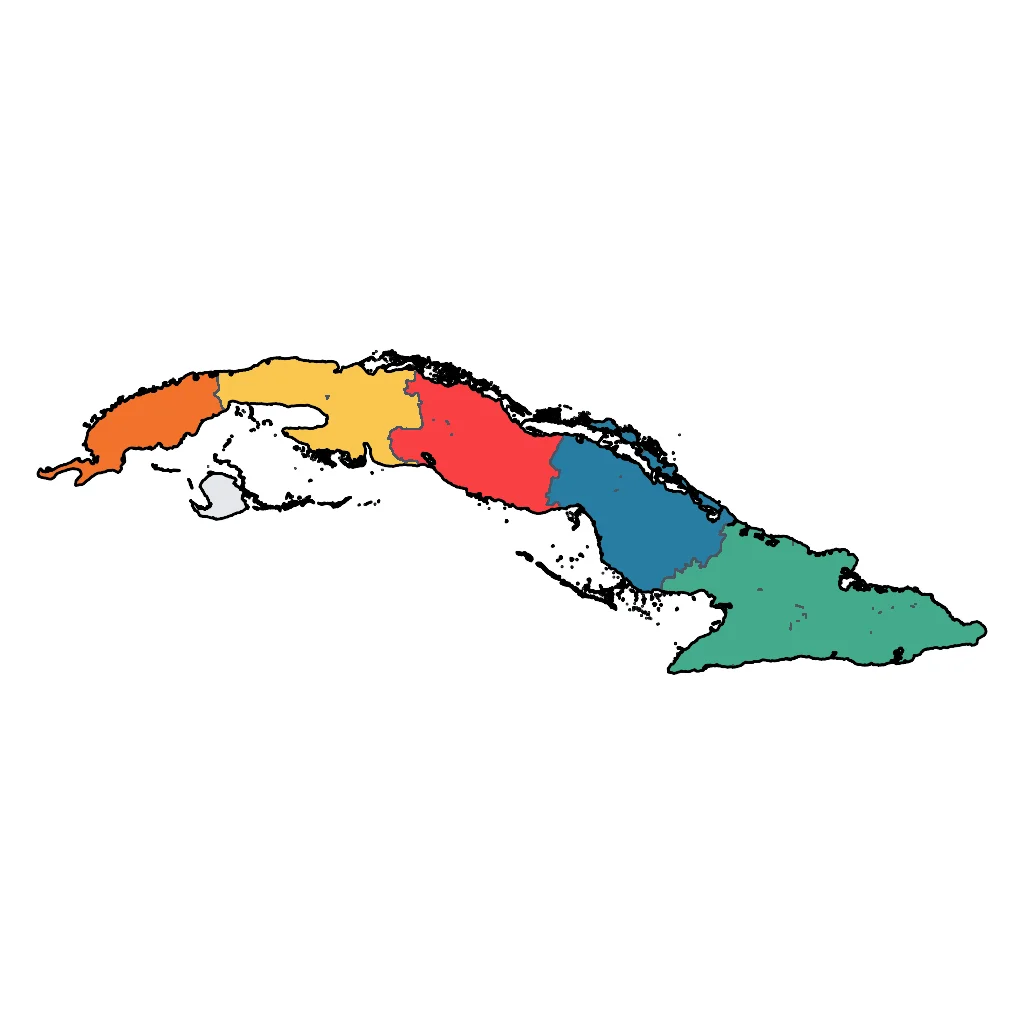
The notes cite Viñales Valley as the primary adventure/nature asset, but Viñales is the defining feature of the neighboring Pinar del Río region (rated 'excellent'). Havana itself offers minimal adventure/nature. Counting the same asset for two regions inflates both. Havana & Western Cuba should reflect its own strengths (urban, cultural), not borrow from Pinar del Río.

Beach resorts, marine activities: diving, snorkelling, kite surfing, wind surfing, sailing
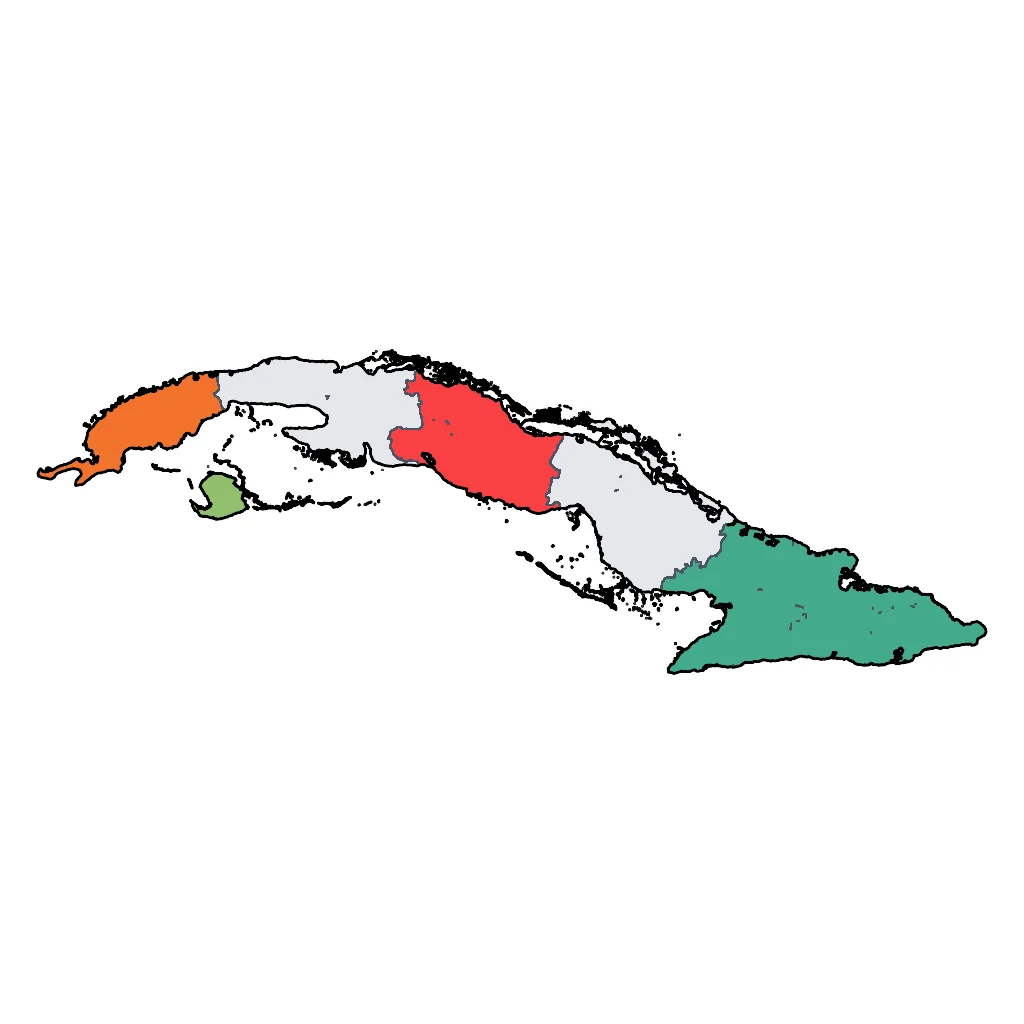
Cayo Levisa and Playas del Este offer turquoise waters and authentic coastal charm, though luxury infrastructure is less polished than in more commercialized Caribbean hubs. March and April provide the perfect balance of warm air and sea temperatures with low rainfall; winter months (Dec-Feb) can occasionally be affected by cooler 'norte' winds.

Sport tourism, fitness activities, active recreation
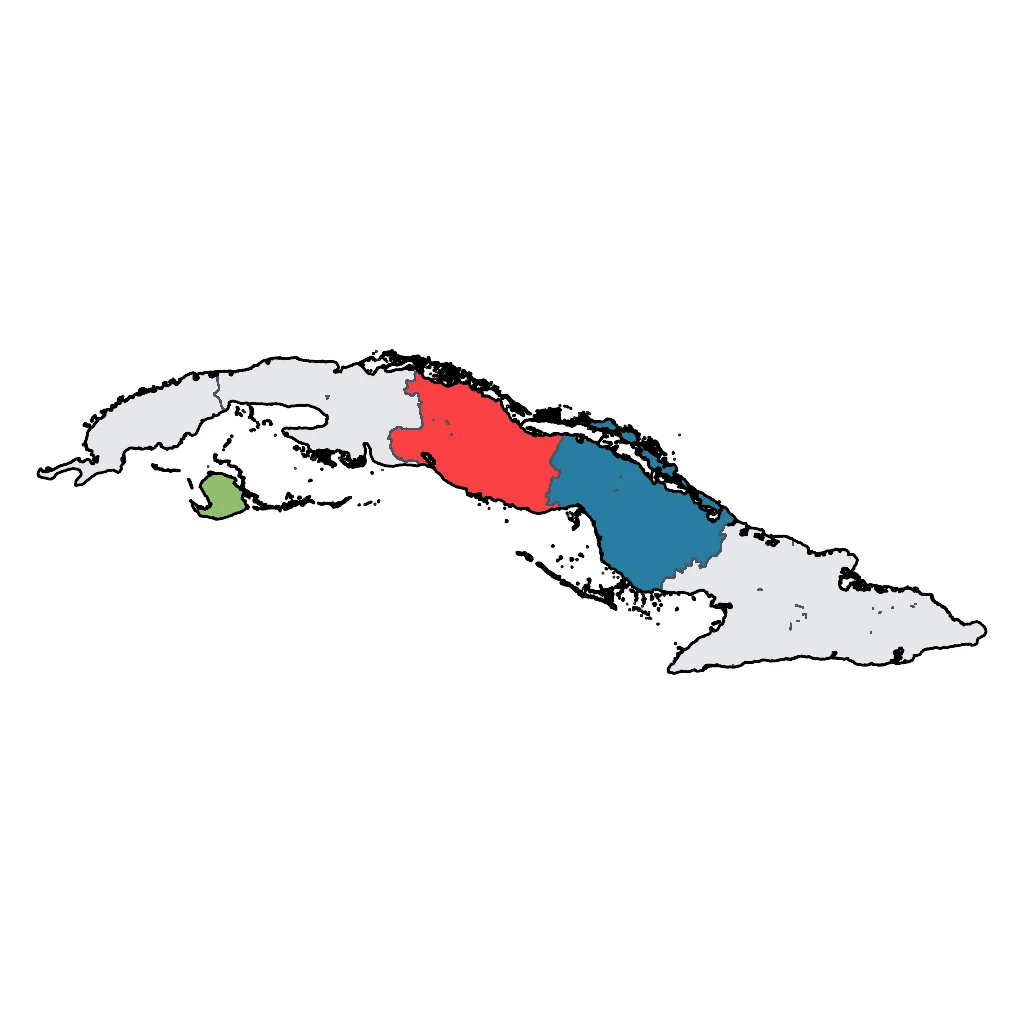
Western Cuba is home to world-class diving at Maria la Gorda and excellent road cycling through the Sierra del Rosario. The dry winter months are ideal for active pursuits, whereas the high heat and humidity of the summer make high-exertion activities challenging for many visitors.