

Estonia offers families a relaxed and accessible entry into Northern Europe. Known for its advanced digital society and untouched nature, the country is compact enough to explore easily by car or train, yet diverse enough to keep children entertained for days. The atmosphere is calm and safe, with a distinct lack of the overcrowding found in larger European tourist hubs, allowing parents to navigate with strollers and toddlers without stress.
The adventure usually starts in Tallinn, one of the best-preserved medieval cities in the world. The UNESCO-listed Old Town is a real-life playground for the imagination, complete with defensive towers, city walls, and cobblestone lanes. Families should visit the Seaplane Harbour (Lennusadam), a massive hangar housing the 1930s submarine Lembit which kids can climb inside. Nearby, the PROTO Invention Factory mixes virtual reality with steampunk history, offering hands-on science that appeals to older children and teens.
Outside the capital, nature is the main attraction. Estonia is incredibly flat, making its forests and hiking trails approachable for young walkers. A unique local activity is "bog walking" on wooden boardwalks, such as those in Viru Bog or Soomaa National Park. These paths float over the wetlands, keeping feet dry while allowing families to explore a unique ecosystem. In the summer, the coastal resort of Pärnu is the go-to destination. Its long, white sandy beach features shallow, slowly deepening water, making it exceptionally safe for swimming with small children.
For educational fun, a trip to the university city of Tartu is essential. It houses the AHHAA Science Centre, the biggest of its kind in the Baltics, filled with interactive exhibits on physics and biology. Near Pärnu, Lotte Village brings a beloved Estonian cartoon to life in a theme park that prioritizes creativity and invention over adrenaline rides.
Practical Considerations: Estonia experiences distinct seasons. Summers are mild and feature "White Nights," where the sun barely sets, giving families extra daylight for exploration. Winters are cold and snowy, perfect for sledding and visiting the magical Christmas market in Tallinn’s Town Hall Square. Public transport is modern, clean, and often free for young children. Dining is easy, with menus featuring hearty staples like potatoes, pork, and pancakes that generally satisfy picky eaters.

Explore Regions
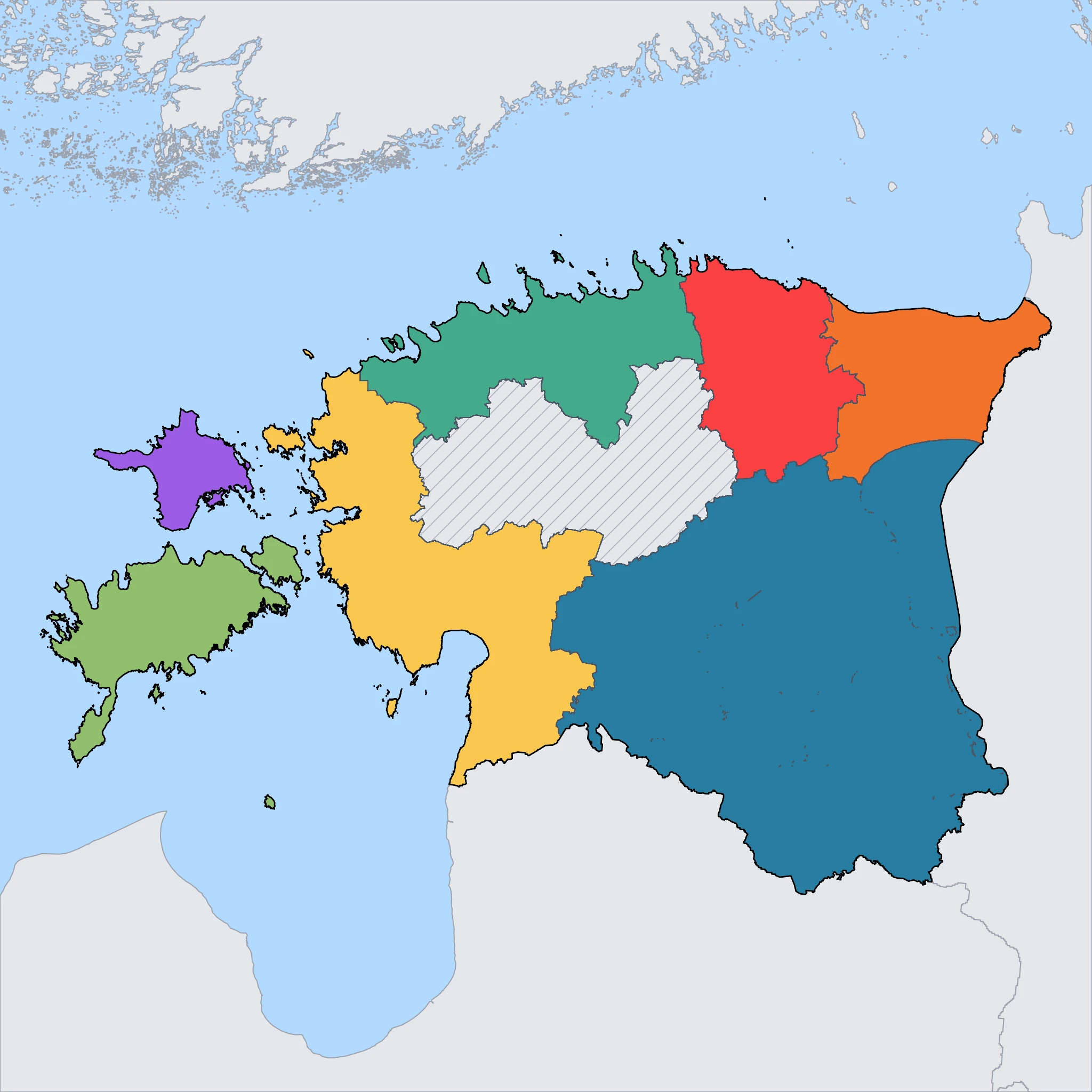
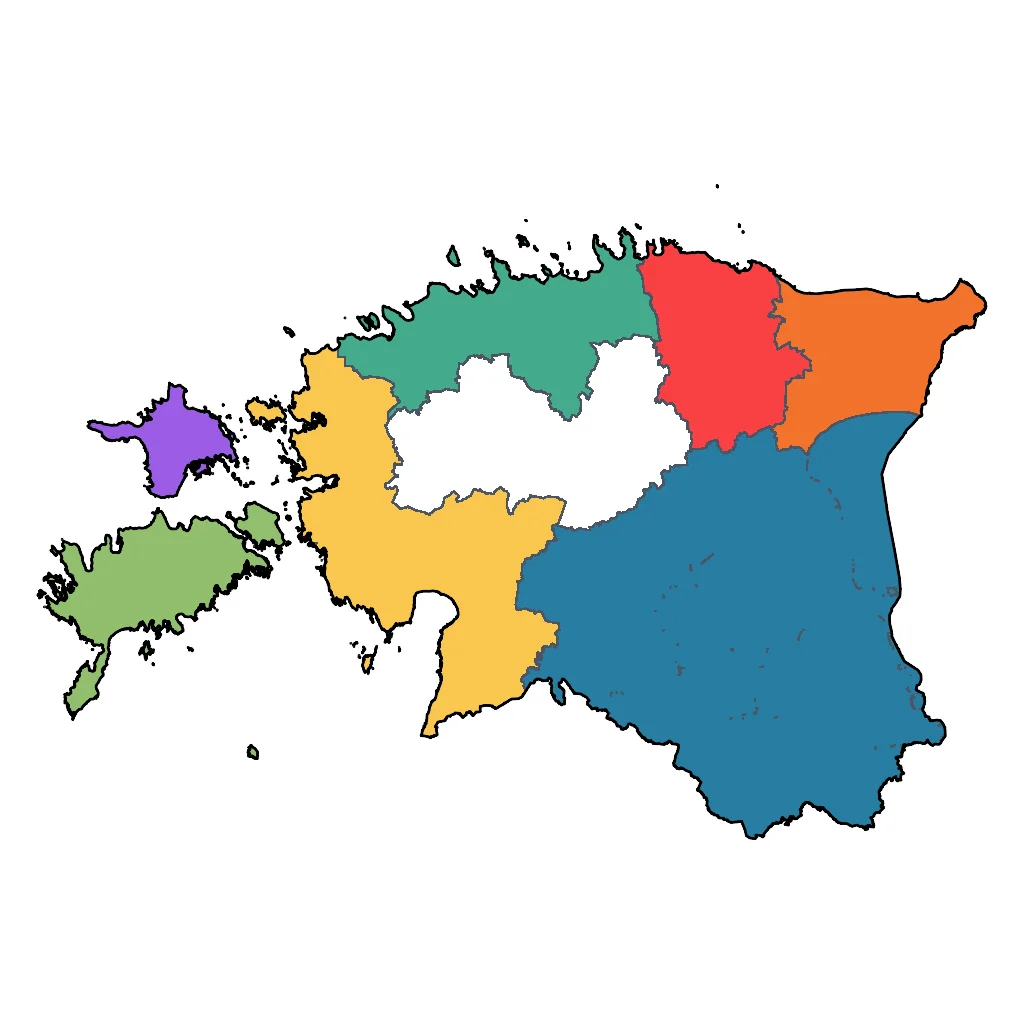
7 Regions
Hiiumaa Island
Lighthouses, lavender, and endless quiet beaches 🌊
Ida-Viru & Northeast
Underground adventures and fortress walls 🏰
Lahemaa & Northern Coast
Giant rocks, bogs, and seaside trails 🌲
Saaremaa & Muhu Islands
Windmills, meteorites, and island legends 🌬️
Tallinn & Harju County
Medieval magic meets modern fun 🏰
Tartu & Southern Estonia
Science, hills, and southern hospitality 🧪
West Coast & Pärnu
The summer playground of Estonia ☀️
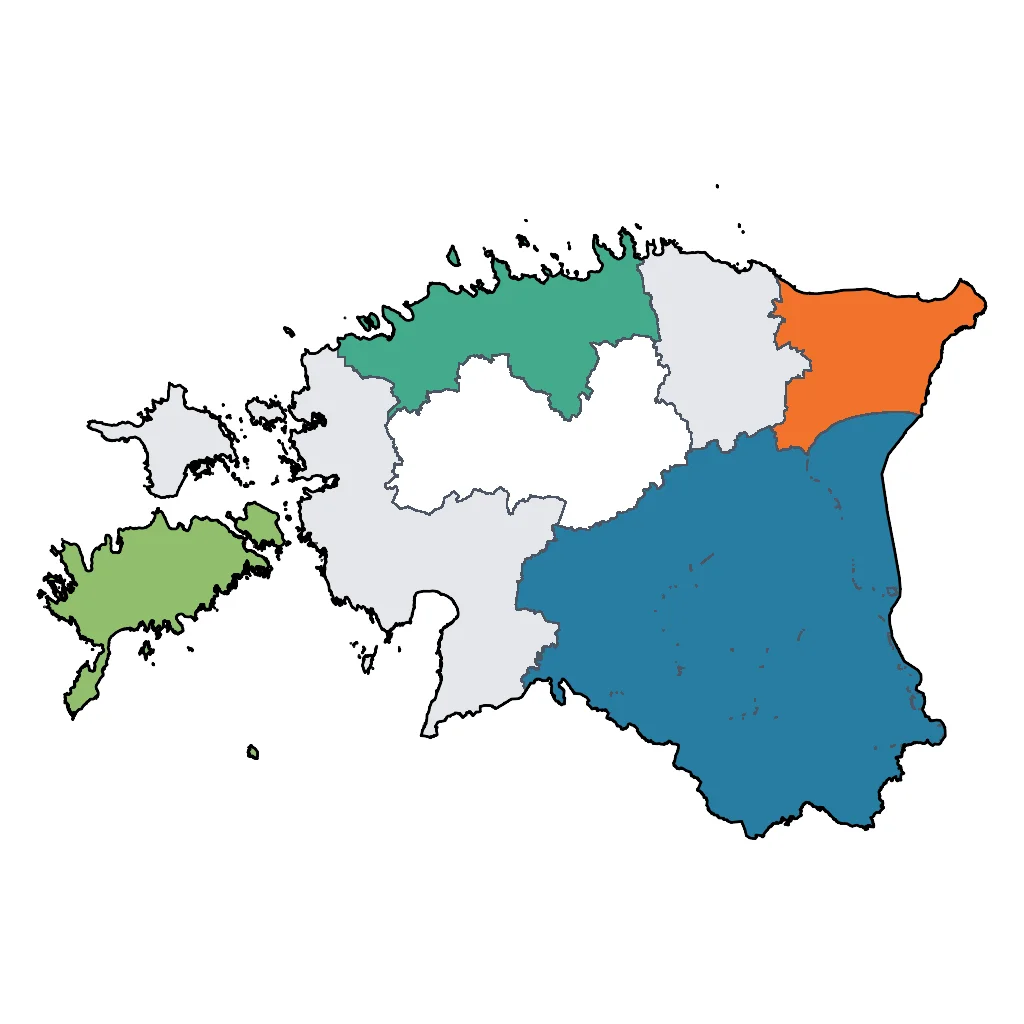
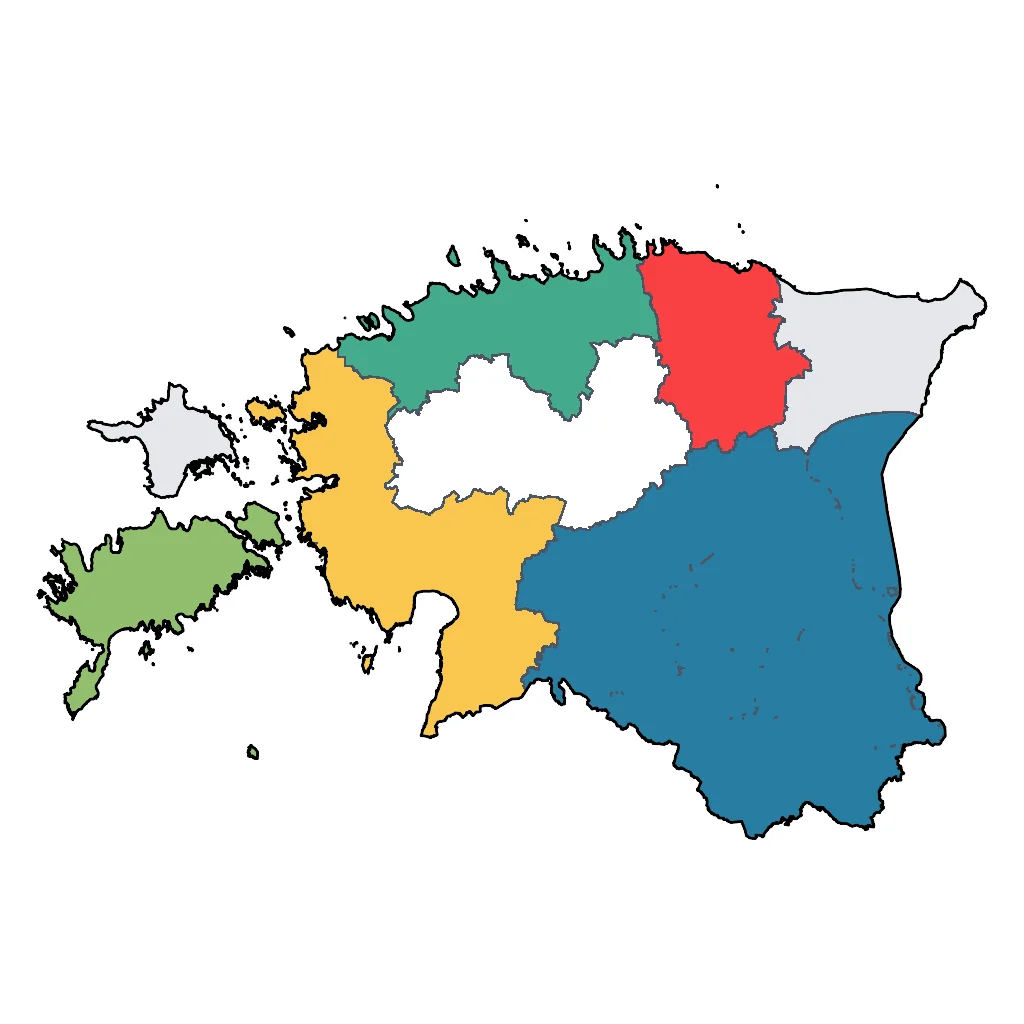
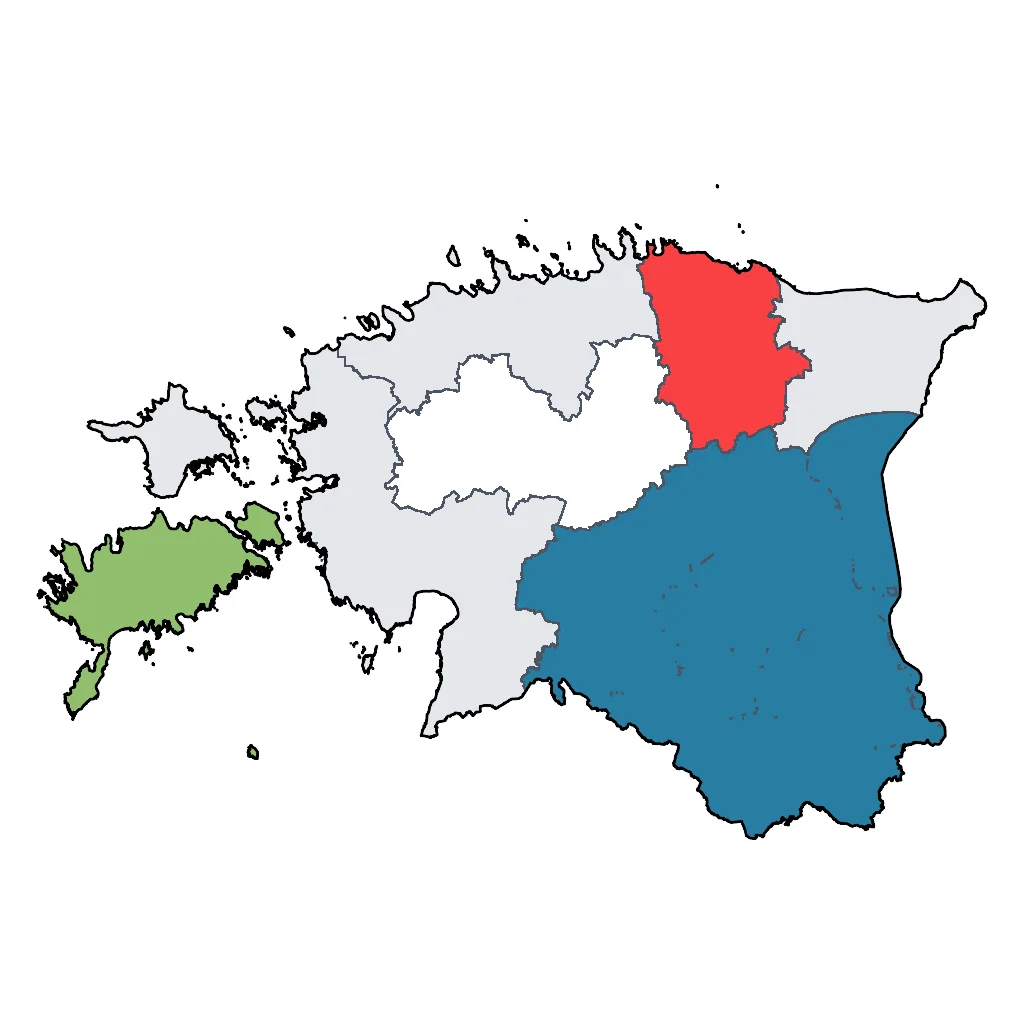
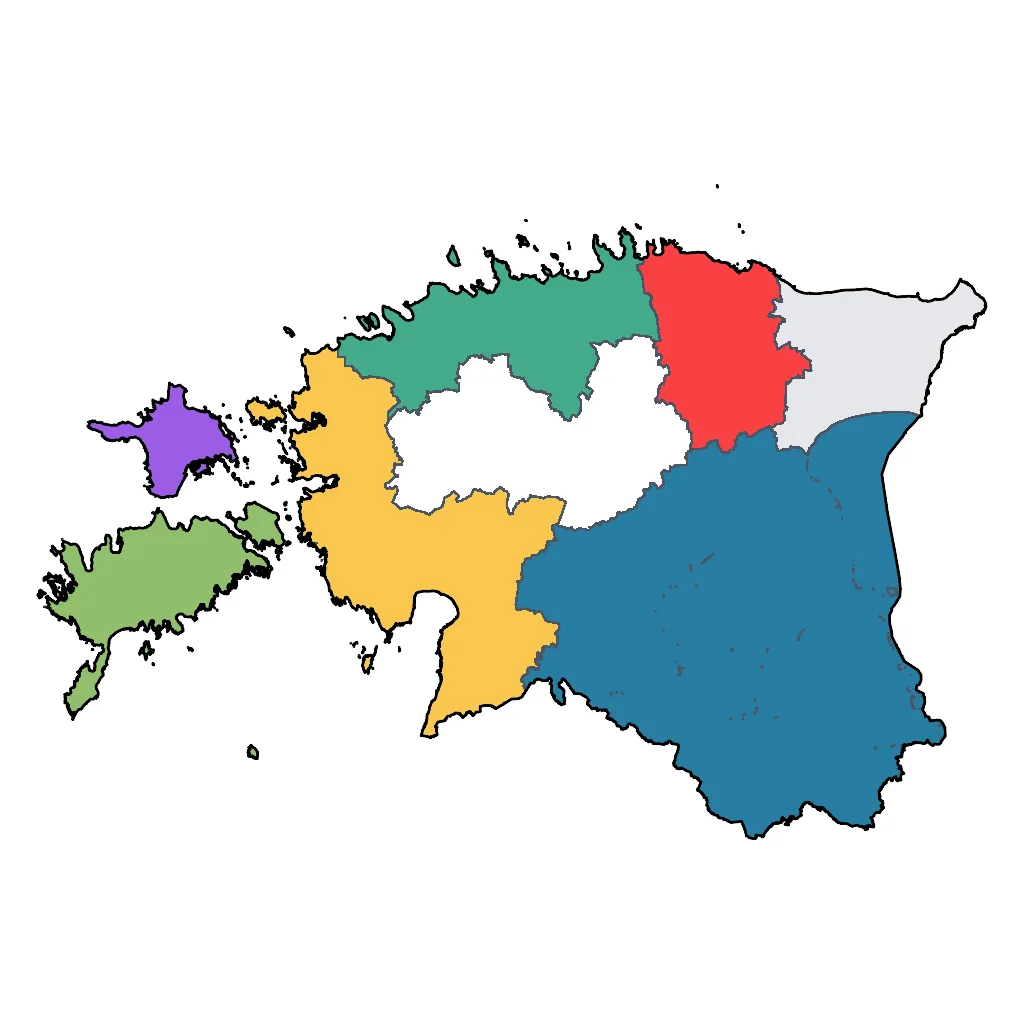
Click on a region marker to explore details. Use the dropdown to color regions by activity suitability.

Activities & Best Times

City & Cultural
ExcellentUrban tourism, museums, historical sites, architecture
Home to one of the world's best-preserved UNESCO medieval Old Towns integrated with a Michelin-rated culinary scene and cutting-edge tech districts. Peak summer offers long 'White Nights' and ideal walking weather, while December is a standout shoulder month for its world-renowned, authentic Christmas Market.
Home to the exceptionally preserved Kuressaare Episcopal Castle and the authentic Koguva ethnographic village, offering deep historical immersion. Peak months allow for full access to outdoor museums and heritage sites, whereas winter months see significant closures and freezing conditions.
Narva’s massive medieval fortress and the 'secret' Stalinist neoclassical architecture of Sillamäe offer a unique cultural frontier experience. Peak summer provides comfortable temperatures and long daylight for exploring these heritage sites, while winter is often too dark and cold for extensive urban walking.

Adventure & Nature
Very GoodHiking, wildlife, outdoor exploration, ecotourism
Offers a pristine and unique landscape of ancient peat bogs, glacial boulder fields, and dense pine forests that are easily accessible via high-quality boardwalks. Peak summer months provide the long daylight hours and dry conditions necessary for exploring the wetlands and coastal trails comfortably.
Offers unique ecosystems like the Vilsandi National Park and juniper forests, ideal for birdwatching and hiking in a safe, pristine environment. Peak summer months provide the mildest temperatures for trail exploration, while shoulder months are crisp but beautiful for wildlife activity.
Home to Matsalu National Park, one of Europe's premier birdwatching destinations with unique wetland ecosystems. Peak months offer the most comfortable hiking temperatures, while shoulder months provide world-class migratory spectacles despite cooler, 5-12°C conditions.

Educational & Exploratory
Very GoodLearning experiences, scientific sites, historical education
The Kaali Meteorite Crater field is one of the most significant and accessible scientific sites in Europe for families. Summer months provide the best visibility and accessibility for guided geological and historical education across the islands.
Exceptional historical and tech-education sites, including the world-class Seaplane Harbour maritime museum and the 'e-Estonia' briefing center. Peak summer offers the best accessibility for outdoor historical sites, while the high-quality indoor museums remain excellent through the cooling autumn shoulder season.
World-class industrial heritage sites, such as the Kohtla-Nõmme Mining Museum, provide authentic, interactive insights into the region's complex Soviet-era history. Summer is peak for fully operational guided tours, while the shoulder seasons remain viable due to the indoor/underground nature of many exhibits.

Festivals & Seasonal
Very GoodEvents, celebrations, seasonal attractions
Host to the UNESCO-listed Song Festival and one of Europe's most authentic Christmas markets, providing world-class seasonal experiences. June is peak for Midsummer and White Nights celebrations, while November is an important shoulder month for the internationally recognized Black Nights Film Festival (PÖFF).
The region hosts world-class boutique events like the Viru Folk festival in Käsmu and authentic Midsummer celebrations (Jaanipäev) in June. These events offer deep cultural immersion for sophisticated travelers, though they are concentrated in specific peak summer and festive winter windows.
Hosts the internationally acclaimed Saaremaa Opera Days and authentic Midsummer (Jaanipäev) celebrations. Peak timing is specific to these major summer cultural events, which offer high-quality experiences for sophisticated global visitors.

Relaxation & Wellness
Very GoodSpa retreats, wellness centers, peaceful getaways
Home to exquisitely restored 18th-century manor houses like Vihula and Palmse, which offer world-class spa facilities and peaceful retreats in a refined historical setting. While summer is peak for the surrounding gardens, the shoulder months and December provide a cozy, authentic 'hygge' atmosphere for indoor wellness.
Kuressaare is a historic spa town world-renowned for its therapeutic mud treatments and high density of wellness retreats. Peak season aligns with mild summer weather for walking between treatments, while shoulder months offer a quiet, contemplative atmosphere for discerning travelers.
Features the UNESCO-listed smoke sauna tradition, providing a unique and authentic wellness experience that appeals to discerning travelers seeking cultural depth. While spas are year-round, peak summer months allow for the traditional outdoor 'cold-plunge' in lakes, though winter remains a marginal option for those seeking a stark contrast.

Sports & Active
Very GoodSport tourism, fitness activities, active recreation
Features world-class golfing at Saare Golf and exceptional flat-terrain cycling routes perfect for families. Peak summer conditions provide the necessary daylight and warmth for active recreation, while high humidity and cold winds make winter unsuitable.
Renowned for world-class windsurfing and kiteboarding at Ristna, featuring some of the best wave conditions in the Baltic. Summer offers optimal air temperatures and consistent winds; shoulder months remain viable for dedicated enthusiasts, while winter is unsuitable due to freezing conditions.
Excellent for soft adventure sports such as sea kayaking, cycling, and bog-shoeing in a tranquil, low-density environment. Activities are highly weather-dependent, with the short summer window providing the only reliable conditions for water-based and cycling activities.

Road Trips & Scenic
GoodScenic drives, countryside tours, route-based travel
Well-maintained, quiet roads wind through diverse landscapes of coastline, forests, and manor estates, making it ideal for a high-end family self-drive tour. Peak conditions occur from late spring to early autumn when visibility is high and the roads are clear of snow and ice.
Excellent, quiet roads lead through picturesque landscapes of windmills and thatched-roof villages. Summer months offer peak visibility and long daylight hours for driving; winter brings dangerous icy conditions and poor visibility.
Scenic, quiet coastal roads connecting picturesque fishing villages and historic resorts. Peak summer offers long daylight hours and clear visibility; autumn and winter conditions bring heavy precipitation and ice, making rural exploration less enjoyable.

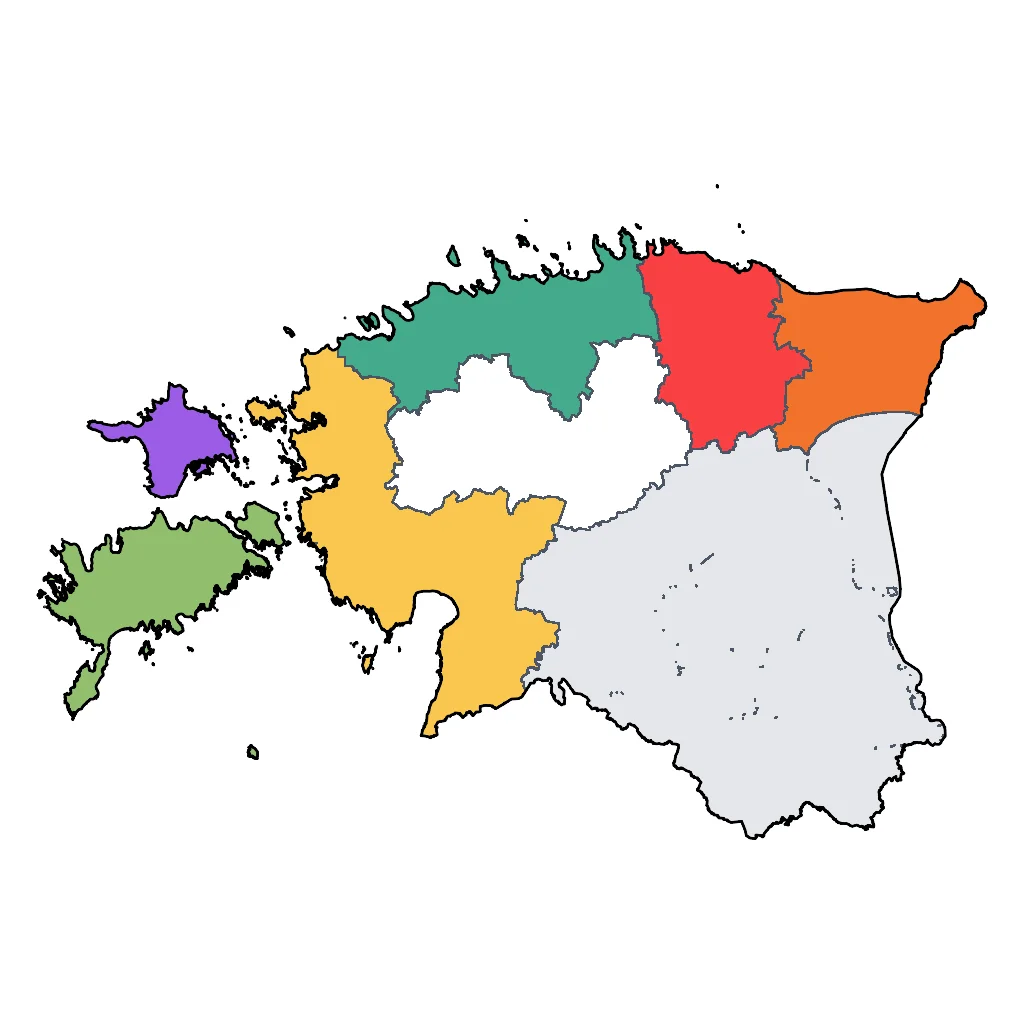
Beach & Sea
MarginalBeach resorts, marine activities: diving, snorkelling, kite surfing, wind surfing, sailing
The beaches are beautiful and pristine with fine white sand and pine backdrops, but water temperatures rarely exceed 18-20°C, making it a niche 'Nordic beach' experience. It lacks the infrastructure and climate of global beach resorts but appeals to those seeking raw, uncrowded coastal beauty during the brief heat of July and August.
The Baltic waters are pristine but remain cool (rarely exceeding 20°C), appealing more for sailing and coastal scenery than swimming. Peak summer is the only time for water-based activities, as temperatures drop rapidly in the shoulder seasons.
Known for white sands and shallow waters that are safe for children, but falls short of international benchmarks due to cool water temperatures (rarely >20°C). While a solid regional choice, sophisticated travelers used to tropical or Mediterranean standards will find the swimming season very brief.
Theme Park & Entertainment
MarginalAmusement parks, family entertainment venues

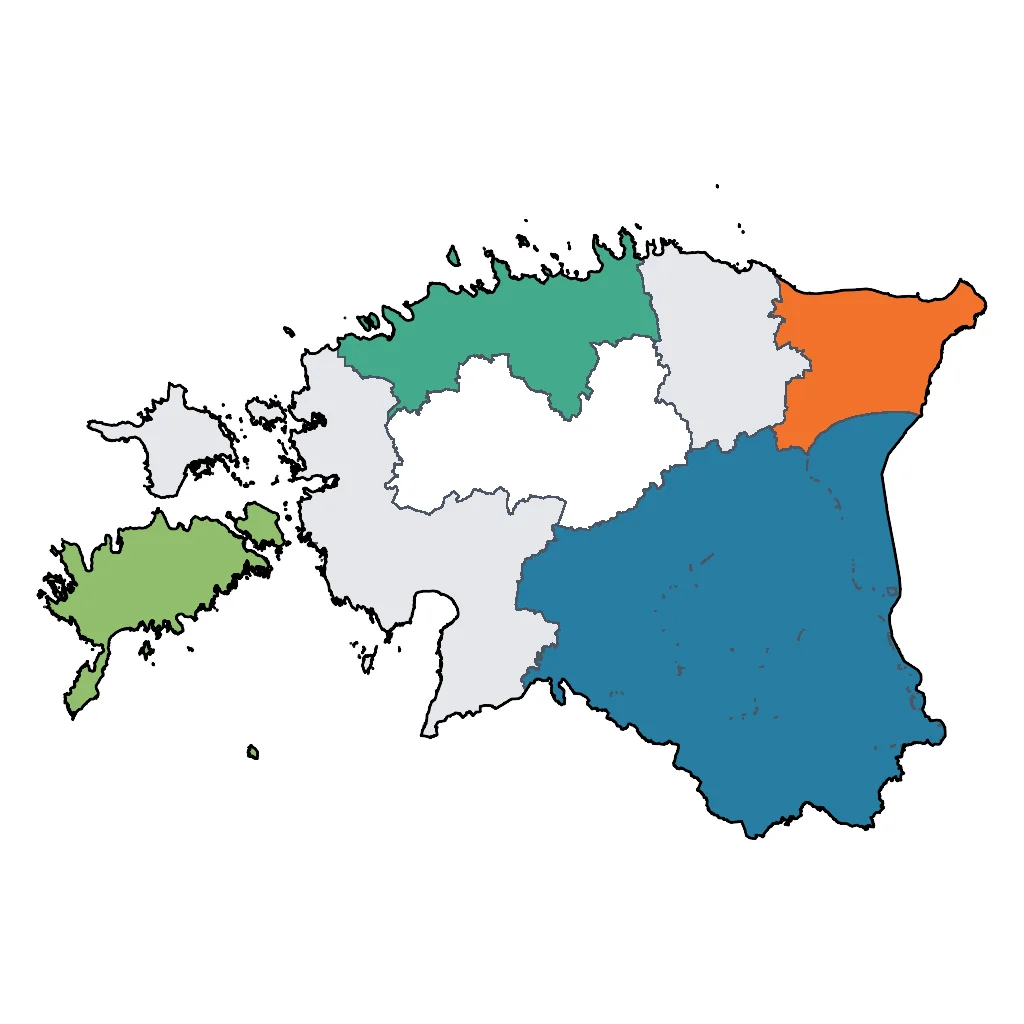
Ski & Snow
MarginalWinter sports, ski resorts, snow activities
The Kiviõli Adventure Centre provides unique skiing on a repurposed industrial ash hill, which is authentic but lacks the scale of alpine resorts. Reliability of snow is highest in January and February when temperatures remain consistently below freezing.
Otepää serves as a regional winter sports capital with quality infrastructure, though it lacks the vertical drop and scale required for a 'very good' international rating. It offers an authentic, uncrowded alternative for families during the snowy peak of January and February.

Airports & Flight Routes
Toggle options to view domestic routes and international airports. Click an airport for details.
Climate & Weather
Hiiumaa Island
Show Details
| Month | Temp °C | Rain | Humidity |
|---|
Ida-Viru & Northeast
Show Details
| Month | Temp °C | Rain | Humidity |
|---|
Lahemaa & Northern Coast
Show Details
| Month | Temp °C | Rain | Humidity |
|---|
Saaremaa & Muhu Islands
Show Details
| Month | Temp °C | Rain | Humidity |
|---|
Tallinn & Harju County
Show Details
| Month | Temp °C | Rain | Humidity |
|---|
Tartu & Southern Estonia
Show Details
| Month | Temp °C | Rain | Humidity |
|---|

Travel Advisory
Standard safety awareness applies; the country is considered stable with no elevated nationwide risks.
Safety Topics
Traveller Advice (4 groups)

Maintain standard security protocols, keep copies of travel documents, and register with your national embassy if possible.

Solo travel is considered safe, though typical precautions for walking alone after dark in unfamiliar urban areas should be followed.

Estonia is generally tolerant, but it is recommended to review local cultural attitudes when travelling outside major metropolitan areas.

Accessibility in Tallinn is good, though older historical sites like the Old Town may present mobility challenges due to cobblestone streets.