

⚠️ SAFETY WARNING: Due to volatile border tensions, strict travel restrictions, and limited consular assistance, government agencies (including CA, USA, UK, AU, IE, and NZ) advise travelers to reconsider their need to travel or avoid non-essential travel to this country. Movement outside the capital often requires specific government permits, and border areas are heavily militarized. Families are strongly urged to consult their own government's official travel advisory before considering a trip, as circumstances and risk assessments vary.
Located in the Horn of Africa, Eritrea offers a travel experience unlike any other, characterized by a feeling of being suspended in time. For families who do visit, the journey almost always begins in Asmara. Situated on a high plateau, the capital enjoys a cool, spring-like climate year-round, which makes walking through the city comfortable for children. Asmara is famous for its concentration of Italian Modernist architecture; families can view the futuristic Fiat Tagliero service station, designed to look like an aeroplane, and visit the vintage Cinema Impero.
The cultural blend in Eritrea is a highlight for visitors. Due to the country's colonial history, Italian cuisine is widespread and authentic. Children can enjoy wood-fired pizza, pasta, and excellent gelato at the many sidewalk cafés lining Harnet Avenue. For a taste of local tradition, families can try injera (a spongy flatbread) served with mild stews, often eaten with hands from a communal tailored basket. The traditional coffee ceremony is a central part of daily life and offers a welcoming slower pace.
Beyond the capital, travel logistics become complex due to the requirement for travel permits to go more than 25 kilometers outside Asmara. However, with proper paperwork, travelers can descend the dramatic escarpment to the port city of Massawa on the Red Sea. The temperature here is significantly hotter. The city features Ottoman-style architecture and access to the pristine Dahlak Archipelago, though infrastructure is basic. A major potential attraction is the historic steam train that runs between Asmara and Massawa; it navigates steep bridges and tunnels, though it often runs only for chartered groups.
Practical considerations are critical for any family trip here. Eritrea operates almost entirely as a cash economy; international credit cards and ATMs are generally not available, so visitors must bring sufficient foreign currency (USD or EUR) to exchange at official sites. Internet access is extremely limited and slow throughout the country. Families must plan all logistics, including visas and internal travel permits, well in advance through official channels or specialized tour operators.

Explore Regions
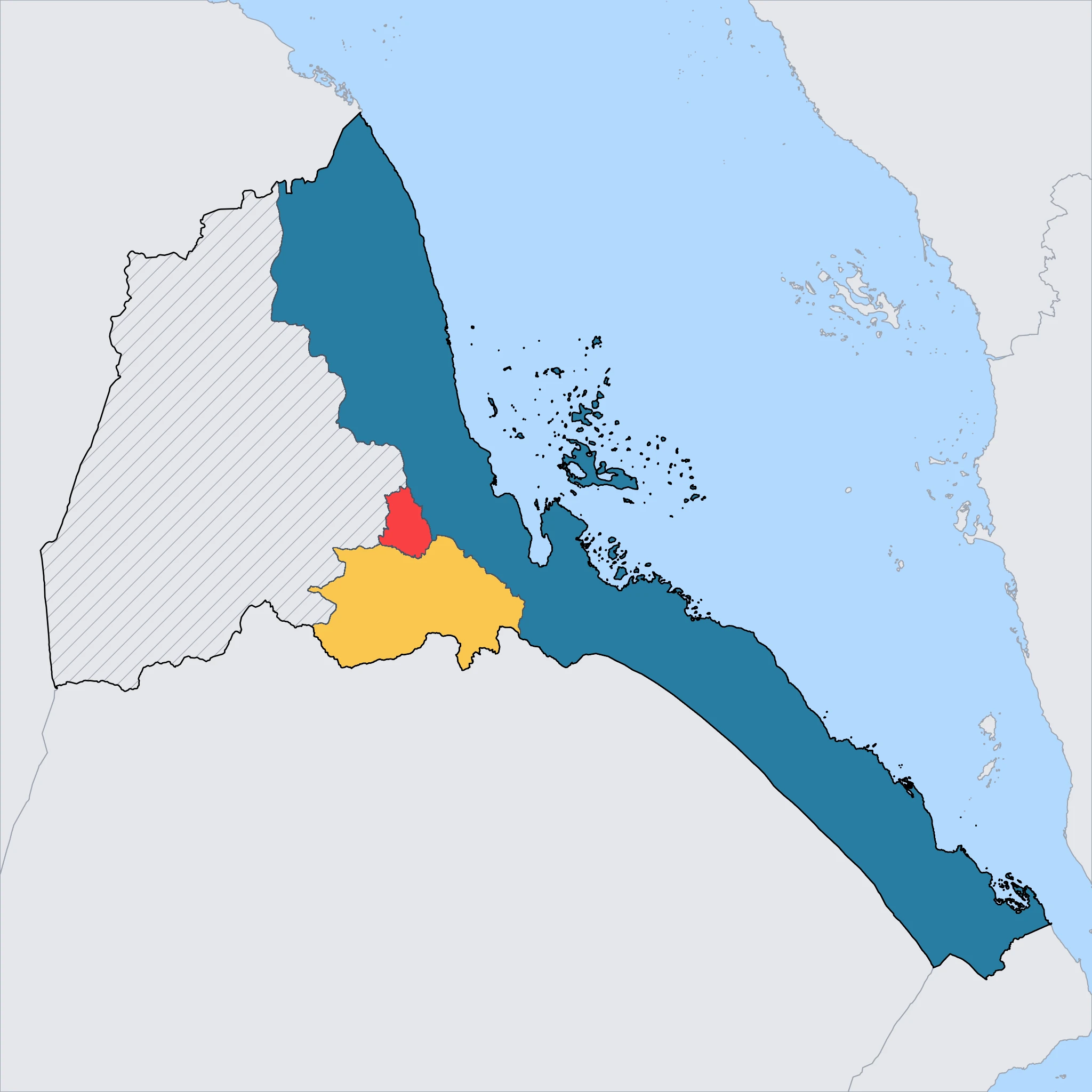
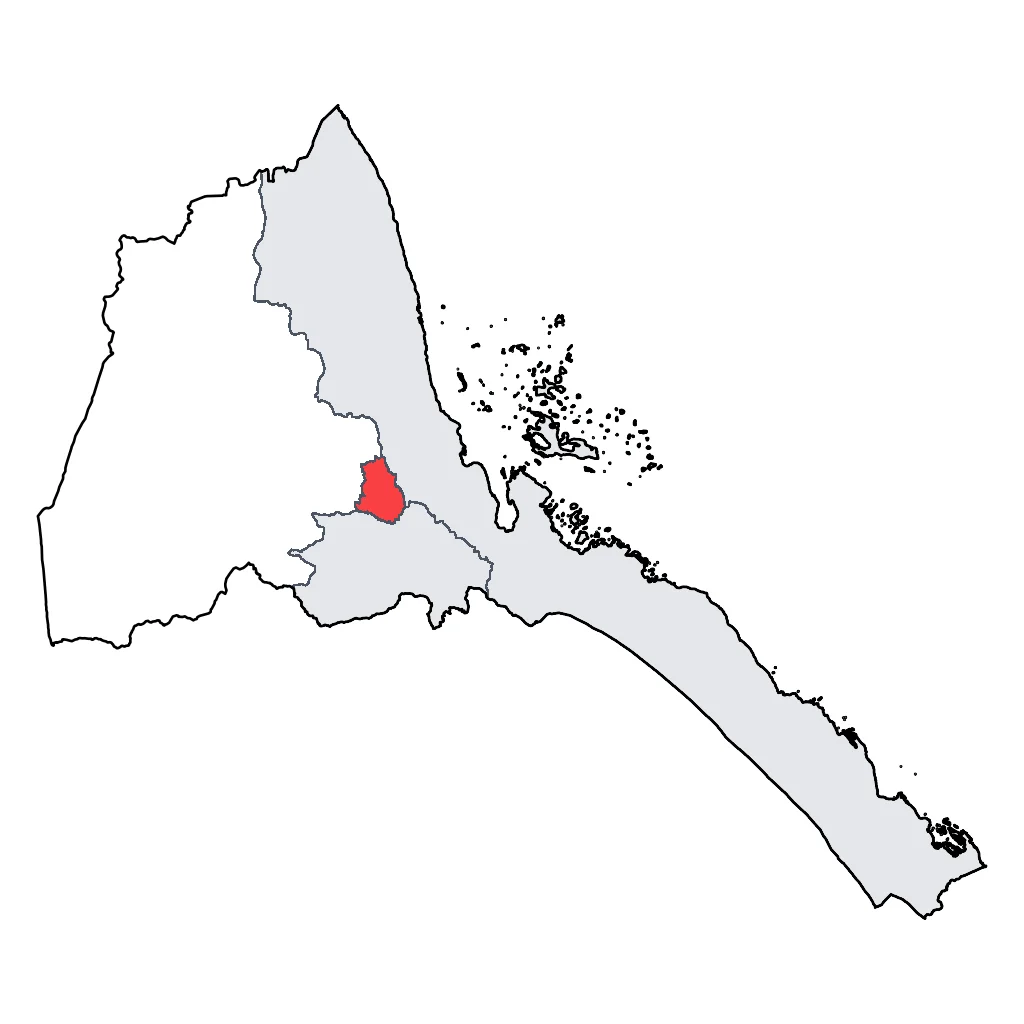
3 Regions
Asmara
A modernist time capsule above the clouds 🏛️☕
Massawa & Coast
Ancient port city meeting the Red Sea 🌊⚓
Southern Highlands
Ancient ruins among dramatic peaks ⛰️🏺
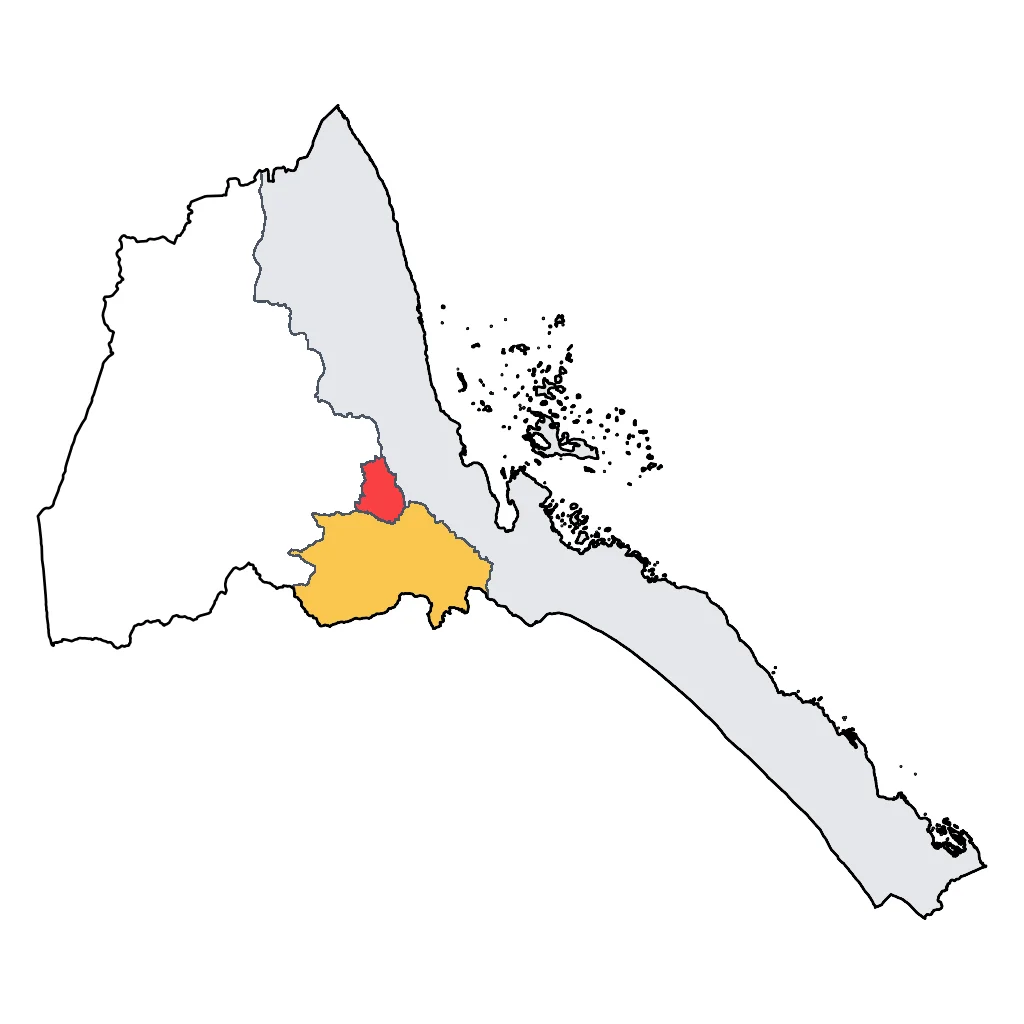
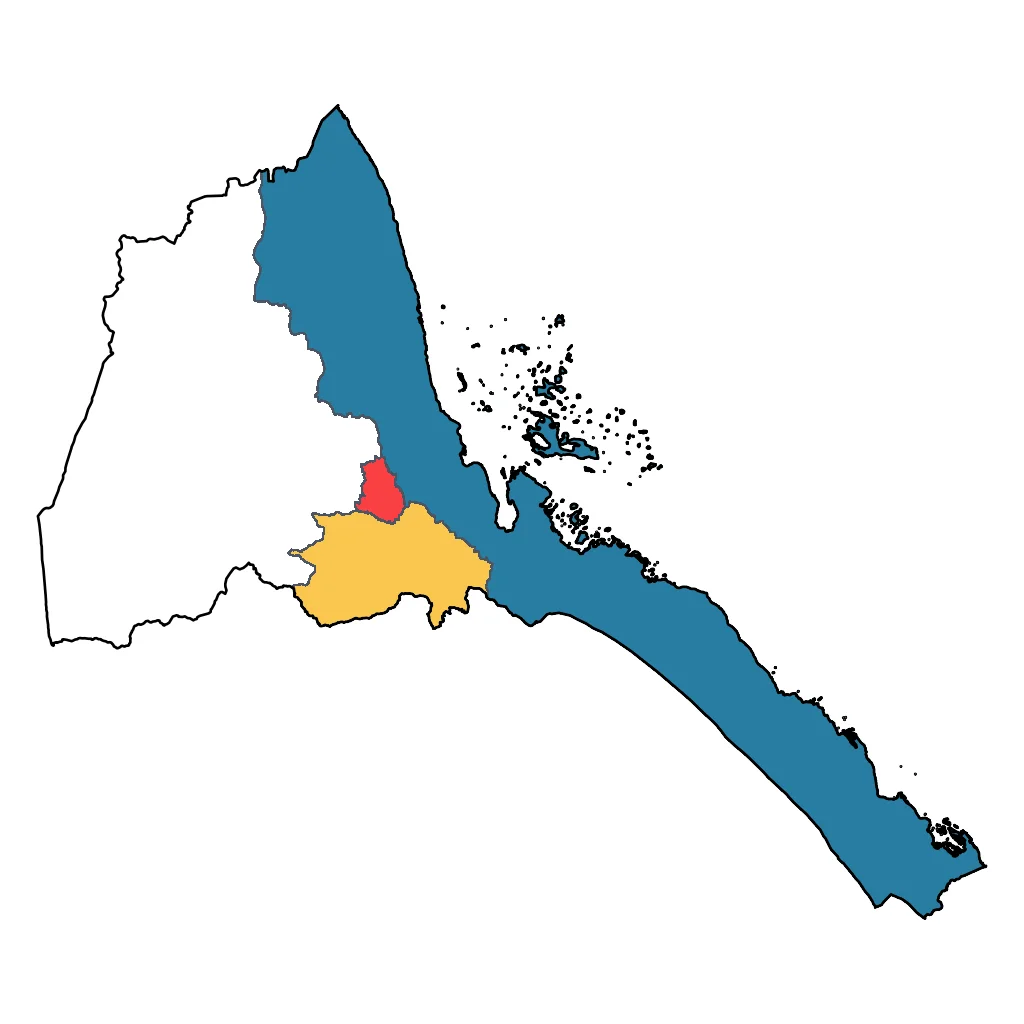
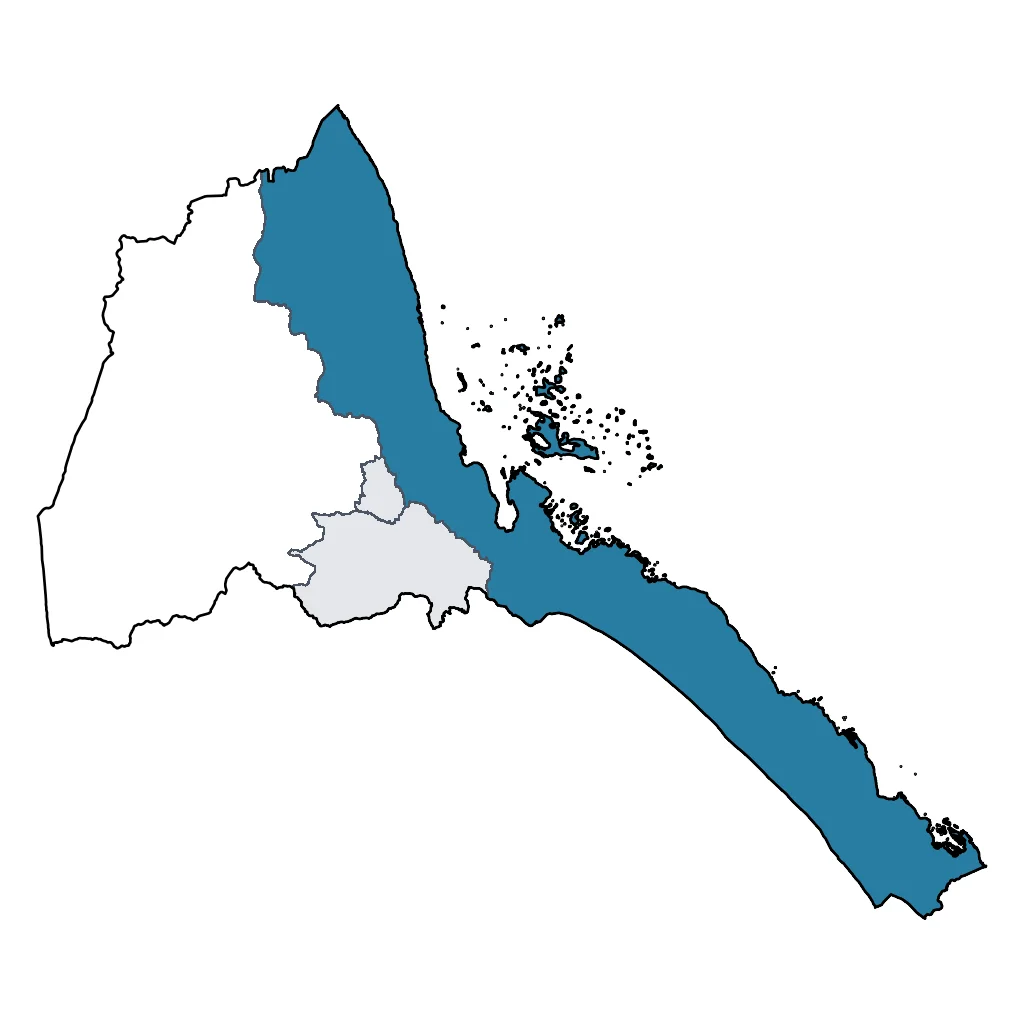
Click on a region marker to explore details. Use the dropdown to color regions by activity suitability.

Activities & Best Times

City & Cultural
Very GoodUrban tourism, museums, historical sites, architecture
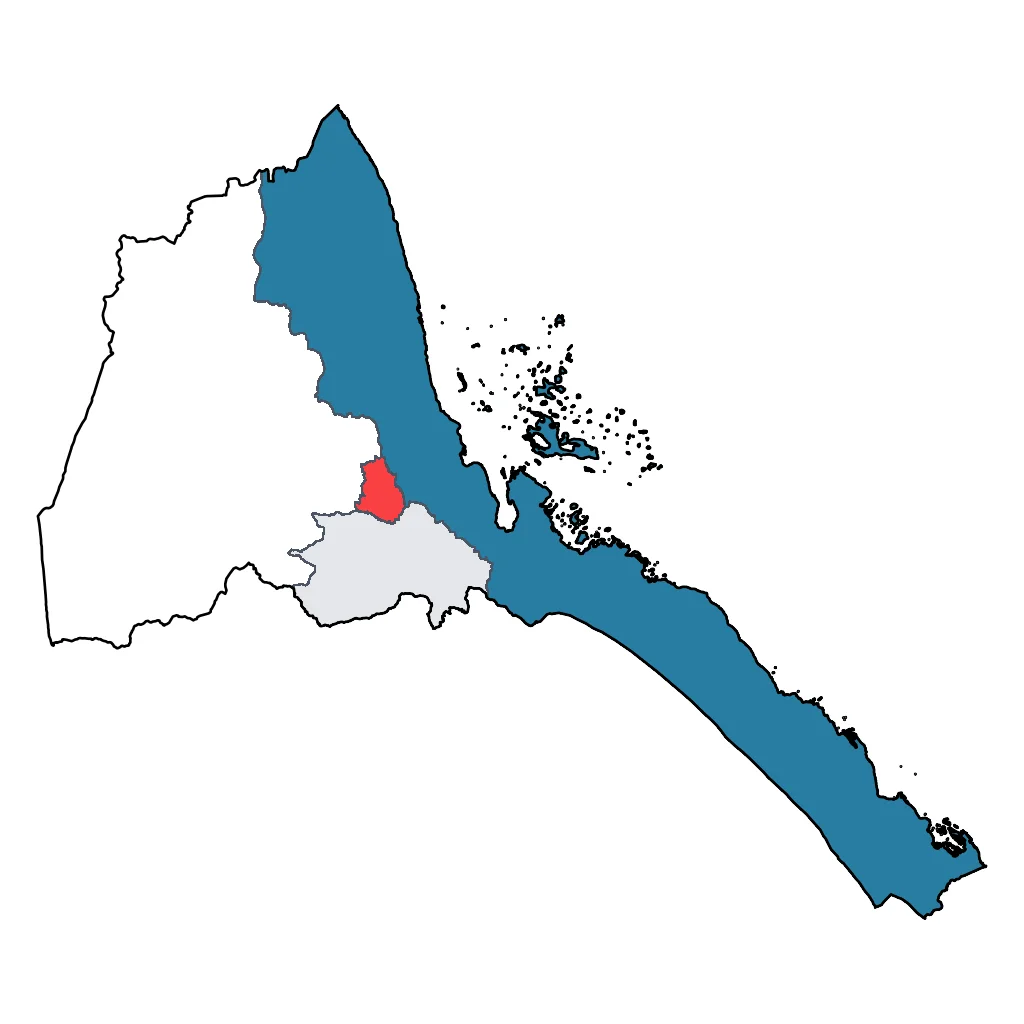
While Asmara is a genuine UNESCO World Heritage Site for its Modernist architecture, the overall cultural tourism experience (limited museums, no international-caliber galleries, restrictive travel environment, minimal hospitality infrastructure) does not meet 'excellent' on an international scale. Very_good properly reflects significant cultural assets with infrastructure limitations.
Massawa's historic coral-block old town offers a highly authentic, uncommercialized atmosphere reflecting Ottoman and Italian colonial influences. Cultural exploration is best limited to the cooler winter months when humidity and heat are manageable; summer temperatures are far too intense for urban walking tours.
This region has no cities of significance. The classification notes itself state 'lacking major modern cities.' Highland village cultural experiences are authentic but extremely basic with no tourist infrastructure. 'Marginal' is more appropriate and helps differentiate from Asmara's genuine urban cultural offering.

Educational & Exploratory
Very GoodLearning experiences, scientific sites, historical education
Offers a sophisticated look at 20th-century urban planning and Italian colonial history, including the iconic Fiat Tagliero building. July and August rains make architectural walking tours and visits to historical sites difficult for discerning families.
Pre-Aksumite sites (Qohaito, Metera) are historically significant but lack interpretation boards, professional guides, visitor centers, or any educational infrastructure. No editorial attractions in the database. Compared to established archaeological tourism destinations, the educational visitor experience is basic.
The region holds significant maritime and archaeological value, including the nearby ruins of Adulis and the ancient port's history. Scientific and historical exploration is restricted by the climate, with only the winter months offering the moderate conditions necessary for visiting outdoor research and archaeological sites.

Adventure & Nature
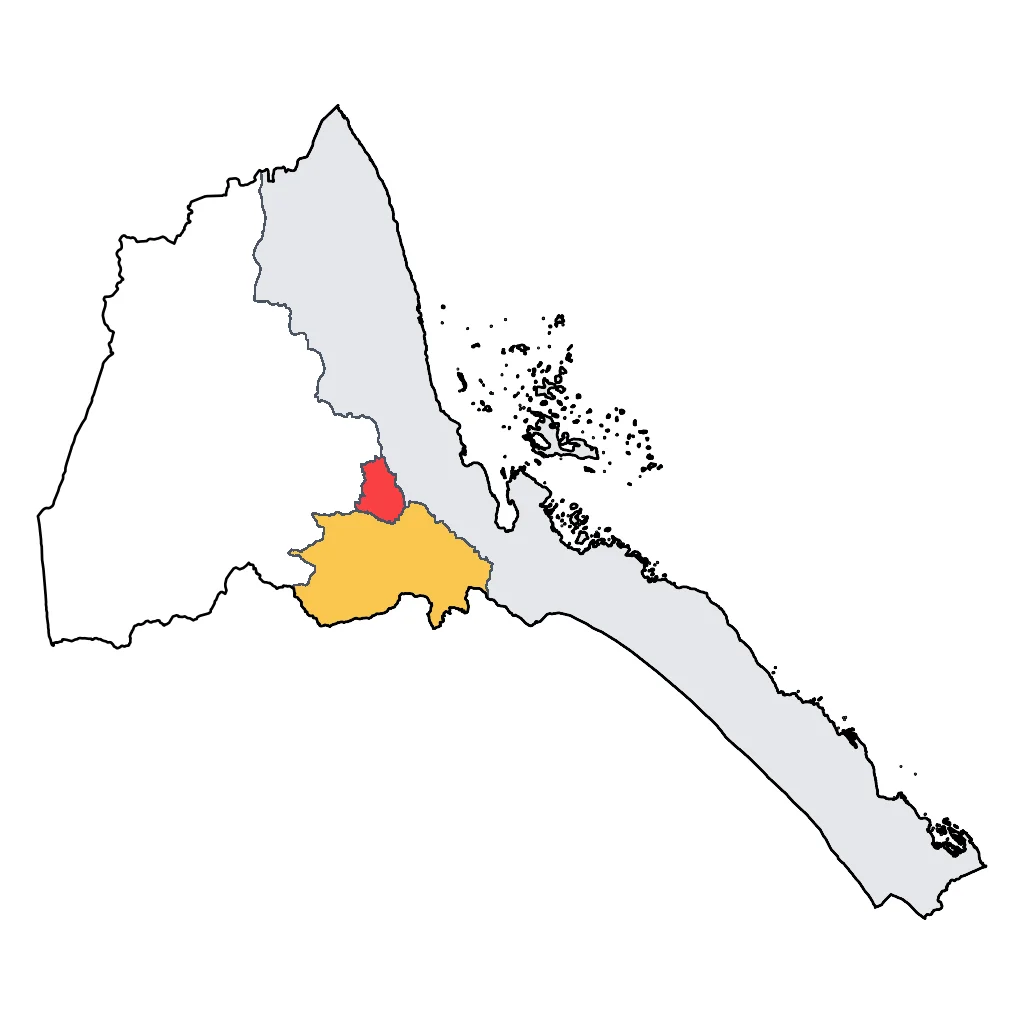
GoodHiking, wildlife, outdoor exploration, ecotourism
The nearby Escarpment National Park and the 'Green Belt' offer unique highland ecosystems and birdwatching for nature-focused families. Post-rain September and October offer peak greenery and clear air, while the July-August monsoon makes trails inaccessible.
This region is a gateway to the remote Dahlak islands, providing a rare sense of true wilderness and unique Red Sea marine ecosystems. The cooler window from November to March is optimal for island hopping and wildlife viewing, while the summer heat presents significant safety risks for outdoor exploration.
Kohaito Plateau is impressive but lacks trekking infrastructure, guides, and marked trails. Travel permits are required. Compared to global trekking destinations, the experience is raw and inaccessible. No editorial attractions in the database to support a 'very_good' rating.

Festivals & Seasonal
GoodEvents, celebrations, seasonal attractions
Home to authentic cultural events like Timkat (Jan), Independence Day (May), and Meskel (Sept), which offer vibrant, non-commercialized experiences. The summer rains frequently disrupt outdoor processions and traditional gatherings.
Authentic Orthodox Christian celebrations like Meskel (September) and Timkat (January) offer unique cultural insights in highland villages. These are genuine, non-commercial events, though the infrastructure to accommodate international visitors during these times remains basic.

Road Trips & Scenic
GoodScenic drives, countryside tours, route-based travel
The Asmara-Massawa descent is genuinely spectacular, but Eritrea's travel permit system severely restricts self-drive tourism. Variable road conditions and lack of roadside services further limit the experience compared to established scenic drives globally.
Scenic escarpment drives are genuine but travel permits restrict tourist movement, road conditions are variable, and there are no roadside facilities. Same accessibility constraints as Asmara road trips. No editorial attraction evidence supports this rating.

Sports & Active
GoodSport tourism, fitness activities, active recreation
Eritrea's cycling heritage is genuine but there is no organized cycling tourism infrastructure, no rental operators, and travel permits are required to leave Asmara. Tourists cannot easily access the cycling experience. 'Good' reflects real potential limited by practical accessibility.
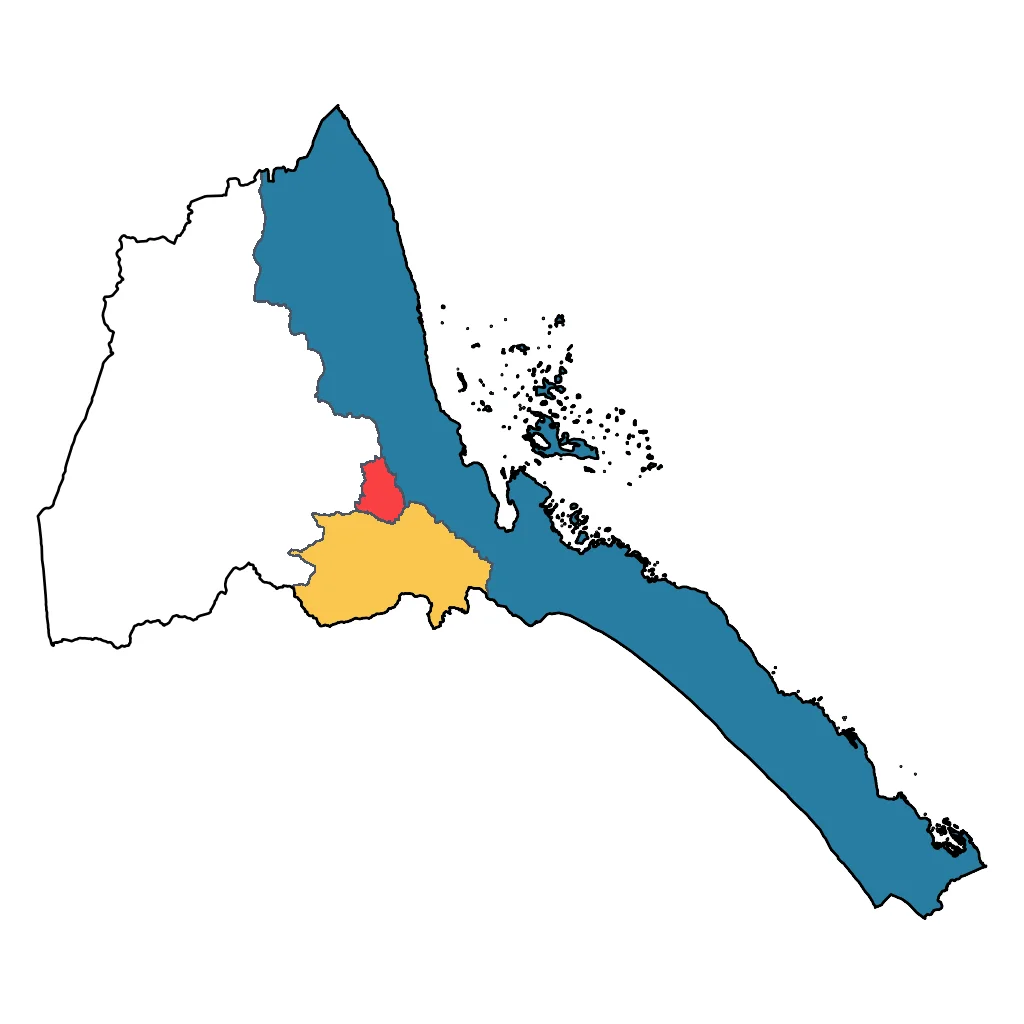
The Red Sea provides exceptional opportunities for snorkeling and diving in clear, calm waters with high visibility. Activity is best enjoyed during the cooler months (Nov–Mar) to avoid the physical strain caused by the region's intense summer heat and high humidity.
The high-altitude plateaus are exceptional for cycling and rugged mountain hiking, reflecting Eritrea's world-renowned cycling culture. Peak months offer dry roads and mild temperatures (20-28°C); the summer rainy season makes active outdoor pursuits difficult and less safe.

Beach & Sea
GoodBeach resorts, marine activities: diving, snorkelling, kite surfing, wind surfing, sailing

Relaxation & Wellness
MarginalSpa retreats, wellness centers, peaceful getaways
While lacking high-end resort spas, Asmara’s exceptionally slow pace of life and world-class coffee culture provide a sophisticated environment for relaxation. The dry, mild climate of the winter months is ideal for psychological decompression.
The serene atmosphere and 'above the clouds' mountain air provide a peaceful getaway for families seeking quietude. While the environment is naturally relaxing, the lack of world-class spa facilities or wellness-specific infrastructure limits its appeal for international luxury travelers.
Airports & Flight Routes
Toggle options to view domestic routes and international airports. Click an airport for details.

Climate & Weather
Asmara
Show Details
| Month | Temp °C | Rain | Humidity |
|---|
Massawa & Coast
Show Details
| Month | Temp °C | Rain | Humidity |
|---|
Southern Highlands
Show Details
| Month | Temp °C | Rain | Humidity |
|---|

Travel Advisory
The majority of major agencies advise against all non-essential travel due to significant security concerns, regional border conflicts, and potential for arbitrary detention.
Safety Topics
Traveller Advice (4 groups)

Same-sex relationships are illegal and culturally rejected. Public displays of affection or advocacy for LGBTQ+ rights can lead to prosecution and detention.

Female visitors should dress conservatively and avoid walking alone after dark, particularly in isolated urban areas or rural settings.

Activities are highly regulated and frequently restricted by the government. Specialized permits are required for all fieldwork, and access to many regions is often denied.

Individuals with dual Eritrean citizenship are often treated exclusively as Eritrean nationals by the local government. This may result in mandatory military service obligations or denial of access to foreign consular help.