

⚠️ SAFETY WARNING: Due to limited infrastructure, extreme heat, and proximity to sensitive border zones, government agencies (including the USA, UK, and Canada) advise travelers to reconsider travel to this region. Access requires specific travel permits which must be obtained in Asmara. Medical facilities are very basic. Families are strongly urged to consult their own government's official travel advisory before considering a trip, as circumstances and risk assessments vary.
Descending from the cool highlands to the Red Sea coast, visitors arrive in Massawa, a city with a deep maritime history reflected in its architecture. The city is built across two islands and the mainland, connected by causeways. The Old Town on Massawa Island features buildings constructed from coral stone, displaying a mix of Ottoman and Egyptian influences. While some structures remain damaged from past conflicts, the atmosphere is evocative and distinct from the interior of the country.
For families, the primary draw is the ocean. Green Island (Sheikh Said) is accessible via a short boat ride and offers a sandy beach where children can swim in calm, warm waters and look for hermit crabs. It is a popular day-trip spot for picnics. More ambitious travelers with appropriate permits might venture toward the Dahlak Archipelago, a group of pristine islands known for rich marine life, although tourist infrastructure there is virtually non-existent, requiring full self-sufficiency.
The journey between Asmara and Massawa is itself a major attraction. The winding road drops over 2,000 meters in a short distance, offering spectacular views of the escarpment, monkeys, and baboons. Historically, a steam train covered this route; if operational, it provides a thrilling ride for children across dramatic viaducts. Visitors should be prepared for intense heat and high humidity in Massawa year-round, making early morning or late afternoon the best times for exploration.
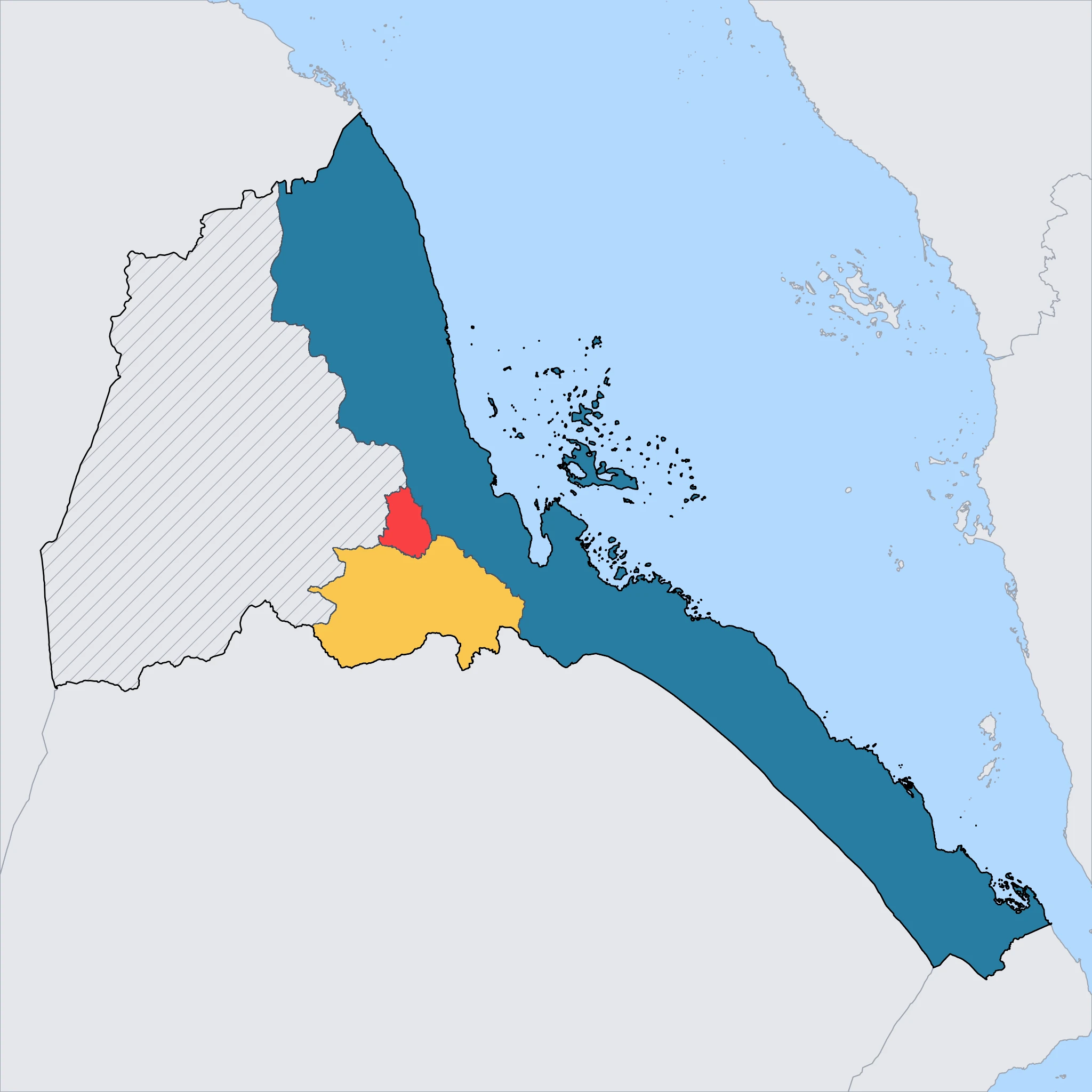
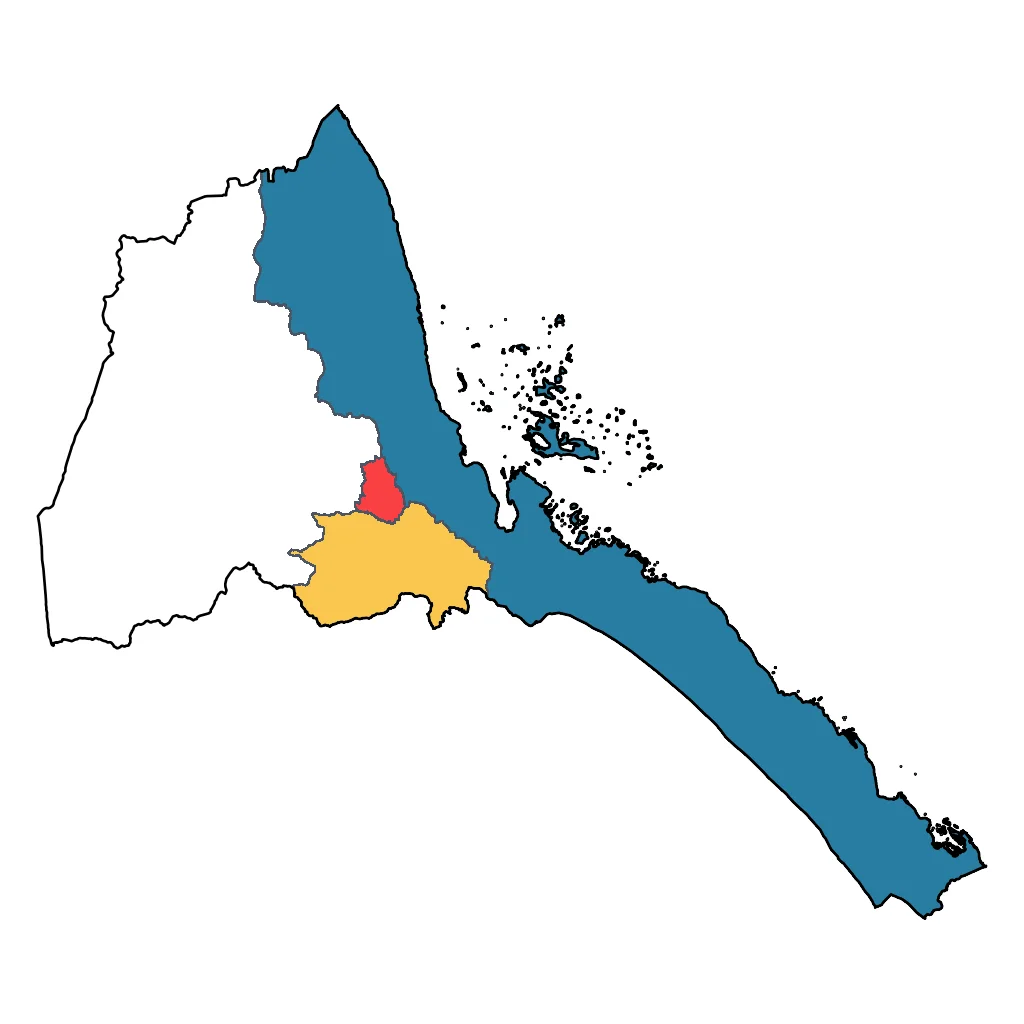
Click a region to explore

Activities & Best Times

Hiking, wildlife, outdoor exploration, ecotourism
This region is a gateway to the remote Dahlak islands, providing a rare sense of true wilderness and unique Red Sea marine ecosystems. The cooler window from November to March is optimal for island hopping and wildlife viewing, while the summer heat presents significant safety risks for outdoor exploration.
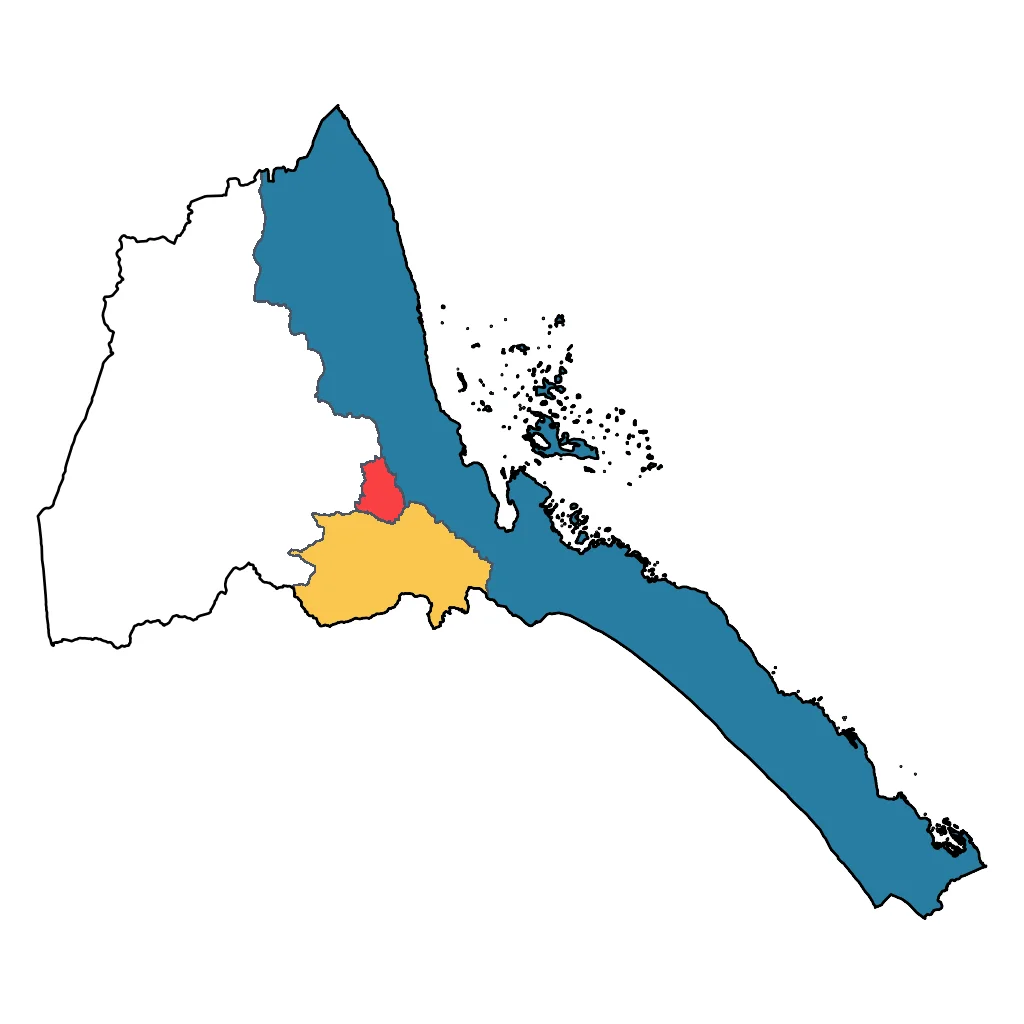

Beach resorts, marine activities: diving, snorkelling, kite surfing, wind surfing, sailing
The Dahlak Archipelago marine environment is pristine, but access requires military permits, there is no regular boat service, no tourist accommodation on the islands, and extreme summer heat (39C+). Compared to accessible Red Sea destinations (Egypt, Jordan), the tourist beach experience is severely limited. No editorial attractions support this rating.
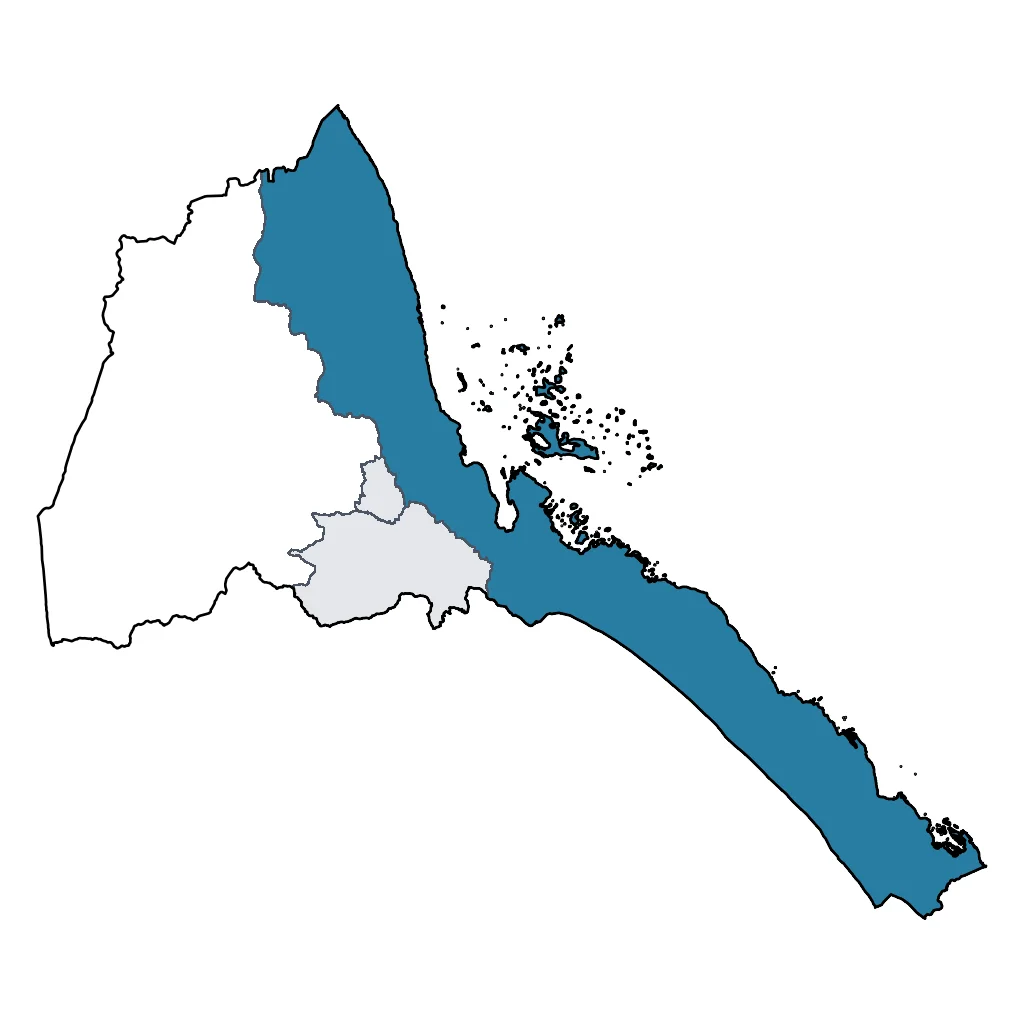

Urban tourism, museums, historical sites, architecture
Massawa's historic coral-block old town offers a highly authentic, uncommercialized atmosphere reflecting Ottoman and Italian colonial influences. Cultural exploration is best limited to the cooler winter months when humidity and heat are manageable; summer temperatures are far too intense for urban walking tours.
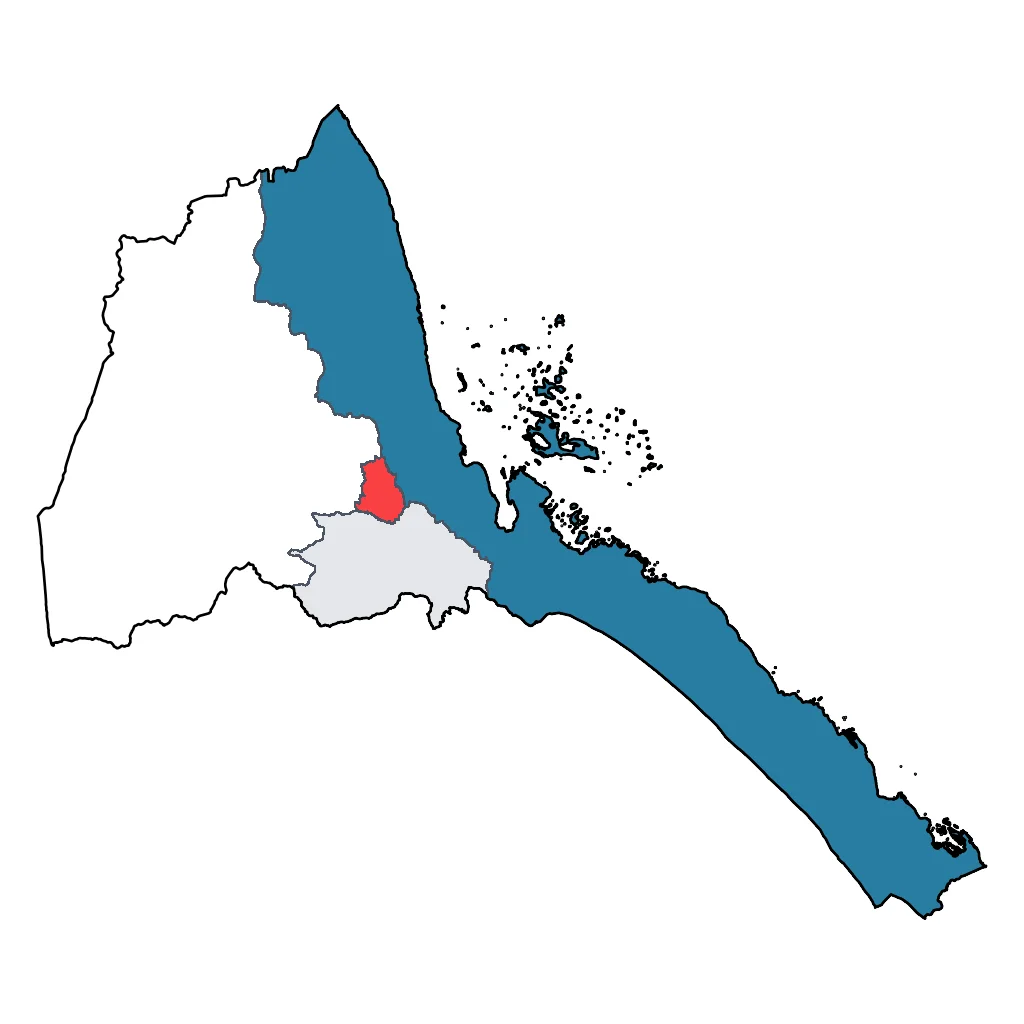

Sport tourism, fitness activities, active recreation
The Red Sea provides exceptional opportunities for snorkeling and diving in clear, calm waters with high visibility. Activity is best enjoyed during the cooler months (Nov–Mar) to avoid the physical strain caused by the region's intense summer heat and high humidity.

Learning experiences, scientific sites, historical education
The region holds significant maritime and archaeological value, including the nearby ruins of Adulis and the ancient port's history. Scientific and historical exploration is restricted by the climate, with only the winter months offering the moderate conditions necessary for visiting outdoor research and archaeological sites.

Attractions (19 total)
Castle / Palace / Historic Site
Adulis Archaeological Site
Zula
Explore the ruins of a major Aksumite port city that served as a vital trade link between the highlands and the Red Sea.
St. Mariam Cathedral
Massawa
A striking example of early 20th-century religious architecture featuring beautiful mosaics and a blend of regional styles.
Sheikh Hanafi Mosque
Massawa
Visit one of Eritrea's oldest religious sites, a 15th-century mosque that reflects the historic Islamic heritage of the Red Sea coast.
Road Trips & Scenic Drives
Asmara-Massawa Highway (The Descent to the Red Sea)
Asmara
115km paved mountain highway (approx. 3 hours). An engineering marvel that drops from 2,400m in the highlands to sea level. The route features legendary hairpin bends, the mountain town of Nefasit, the lush citrus valleys of Ghinda, and dramatic transitions from alpine terrain to the arid coastal plains of the Northern Red Sea.
Visit website →Massawa-Foro Coastal Road
Massawa
65km paved and well-maintained gravel road (approx. 2 hours). This coastal route runs south from Massawa along the Red Sea coast towards the ancient port city of Adulis and the Gulf of Zula. Highlights include views of the Dahlak Archipelago from the shore, volcanic landscapes, and the historical ruins of the Axumite Empire at Adulis.
Filfil-Solomuna Scenic Road (The Green Belt)
Asmara
130km paved route (approx. 4-5 hours). Known as the 'Green Belt' road, it offers a more scenic and winding alternative to the main highway, traversing the steepest escarpment of the Northern Red Sea region. It passes through the Filfil rainforest, the last remaining tropical forest in Eritrea, featuring lush cliffs, mist-covered valleys, and diverse birdlife.
Hiking & Cycling Routes
Asmara-Massawa Road Cycling Route
Asmara
105km challenging 1-day road cycling descent. This iconic route drops over 2,300m from the highland capital to the Red Sea coast through dramatic switchbacks. Bike rental: Local agencies such as Eritrea Travel & Tours (eritreatravel.com) can arrange equipment and support vehicles.
Visit website →Filfil Solomuna Forest Path
Filfil
8km moderate 3-4 hour hike through the last remaining tropical cloud forest in Eritrea. Features significant elevation changes within the 'Green Belt' zone of the Northern Red Sea region. Guided treks are recommended through local operators like Adulis Travel (adulistravel.com).
Visit website →Beach / Coastal Recreation Area
Dahlak Marine National Park
Dahlak Archipelago
A vast archipelago of over 100 islands famous for pristine coral reefs, diverse marine life, and white sand beaches perfect for snorkeling.
Gurgusum Beach
Massawa
The region's most popular public beach, offering wide sandy shores and calm Red Sea waters ideal for family swimming and relaxation.
Dissei Island
Dahlak Archipelago
A picturesque island known for its unique volcanic hills, crystal-clear bays, and exceptional underwater biodiversity for divers and snorkelers.
Green Island (Sheikh Said Island)
Massawa
A small, accessible island just off the coast of Massawa featuring shallow turquoise waters and mangroves, popular for snorkeling day trips.
Historic Town / Village / Cultural Area
Massawa Old Town
Massawa
A historic port district showcasing a labyrinth of coral-block buildings with Ottoman, Egyptian, and Italian architectural influences.
Landmark / Monument / Iconic Urban Attraction
Massawa Old Town (Batse)
Massawa
A historic port district featuring a unique blend of Ottoman, Egyptian, and Italian coral-stone architecture and narrow alleys.
The Three Tanks Monument
Massawa
A prominent war memorial on Taulud Island featuring three captured tanks that commemorate the strategic Operation Fenkil.
National Park / Nature Reserve
Semienawi Bahri National Park
Ghinda
Known as the Green Belt, this lush mountain nature reserve features rare cloud forests, dramatic escarpment views, and a high diversity of endemic bird species.
Sheikh Said Island
Massawa
Also known as Green Island, this easily accessible nature reserve features dense mangrove forests and coral reefs perfect for family day trips and bird observation.
Natural Hot Spring / Thermal Bath / Historic Bathhouse
Akwar Hot Springs (Mai Wu'ui)
Dogali
Natural geothermal mineral springs with temperatures reaching approximately 40°C. Known locally as 'Mai Wu'ui' meaning hot water, these springs are used by the public for their therapeutic and medicinal properties, particularly for skin conditions and rheumatism, in a rugged desert landscape.
Science Museum / Natural History Museum / Discovery Centre
Northern Red Sea Regional Museum
Massawa
This museum features exhibits on the region's ancient history and the diverse marine life of the Red Sea.