
The Northern Coast, primarily covering Asturias and Cantabria, is known as 'Green Spain' for a reason. This narrow strip of land sandwiched between the Cantabrian Sea and the high mountains offers a nature-first holiday. In Cantabria, the headline attraction for families is the Cabárceno Nature Park. Unlike a traditional zoo, this massive park set in a former iron mine allows elephants, bears, and giraffes to roam in huge open spaces; families drive through it on a safari-like route or view it from overhead gondolas.
History goes deep here. The Neocave of Altamira near Santillana del Mar is a world-class reproduction of famous prehistoric cave paintings, allowing kids to see bison drawn 36,000 years ago without damaging the originals. The medieval town of Santillana itself is pedestrianized and perfect for cobbled wandering. In Asturias, the coastline is dotted with dinosaur footprints (icnitas) preserved in the rock; the Jurassic Museum of Asturias (MUJA) is shaped like a giant footprint and packed with dinosaur skeletons and playgrounds.
The Picos de Europa National Park straddles both regions. The Fuente Dé cable car whisks families up a sheer rock face to high-altitude trails that are surprisingly flat and easy to navigate at the top. The lakes of Covadonga offer iconic scenery with cows grazing by reflective waters. The beaches here are stunning but tidal; places like Llanes or Santander’s El Sardinero offer wide sands for play, though the water is cooler than the Mediterranean.
The region is famous for cider (sidra), and watching waiters pour it from high above their heads is theater in itself. The food is hearty—bean stews (fabada) and massive steaks are staples. This is a region for active families who don't mind a bit of rain in exchange for spectacular, uncrowded natural beauty. It is safe, quiet, and offers a slower pace of life.
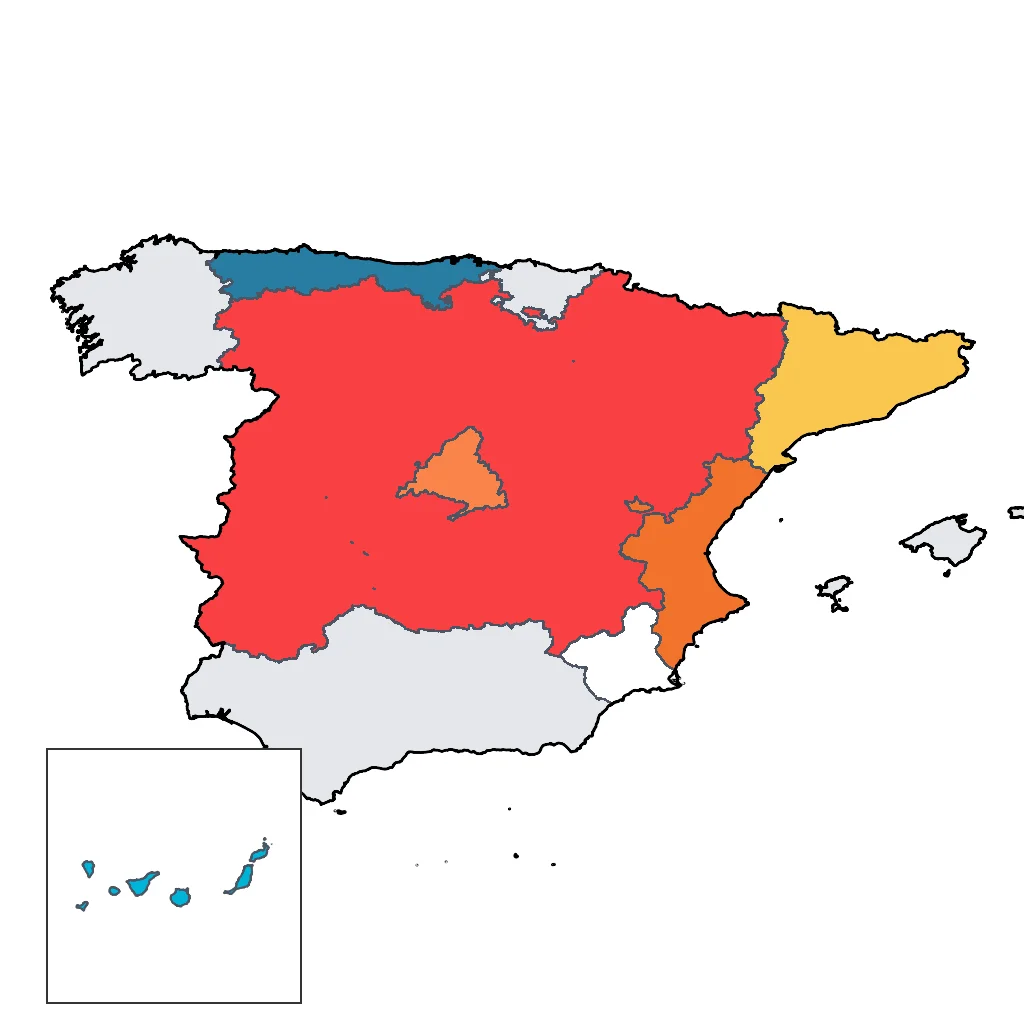
Click a region to explore

Activities & Best Times
Hiking, wildlife, outdoor exploration, ecotourism
The Picos de Europa offers world-class limestone alpine trekking and unique biodiversity, including the Cantabrian brown bear, in a pristine, non-commercialized environment. Peak months provide the stable weather and trail visibility required for high-altitude exploration; winter and late autumn bring heavy precipitation and snow that restrict mountain access.
Scenic drives, countryside tours, route-based travel
Stunning coastal routes and dramatic mountain passes connect authentic cider-producing villages with prehistoric heritage sites, offering sophisticated travelers a deep sense of discovery. Summer months offer the best visibility and dry roads; the off-season is characterized by high rainfall and poor visibility on narrow mountain roads.

Urban tourism, museums, historical sites, architecture
Home to the UNESCO-listed Altamira cave art and the elegant maritime architecture of Santander, providing a sophisticated, intellectually stimulating experience. Peak conditions occur during the drier, milder months; heavy winter rainfall (over 150mm/month) can dampen the urban exploration and outdoor heritage experiences.
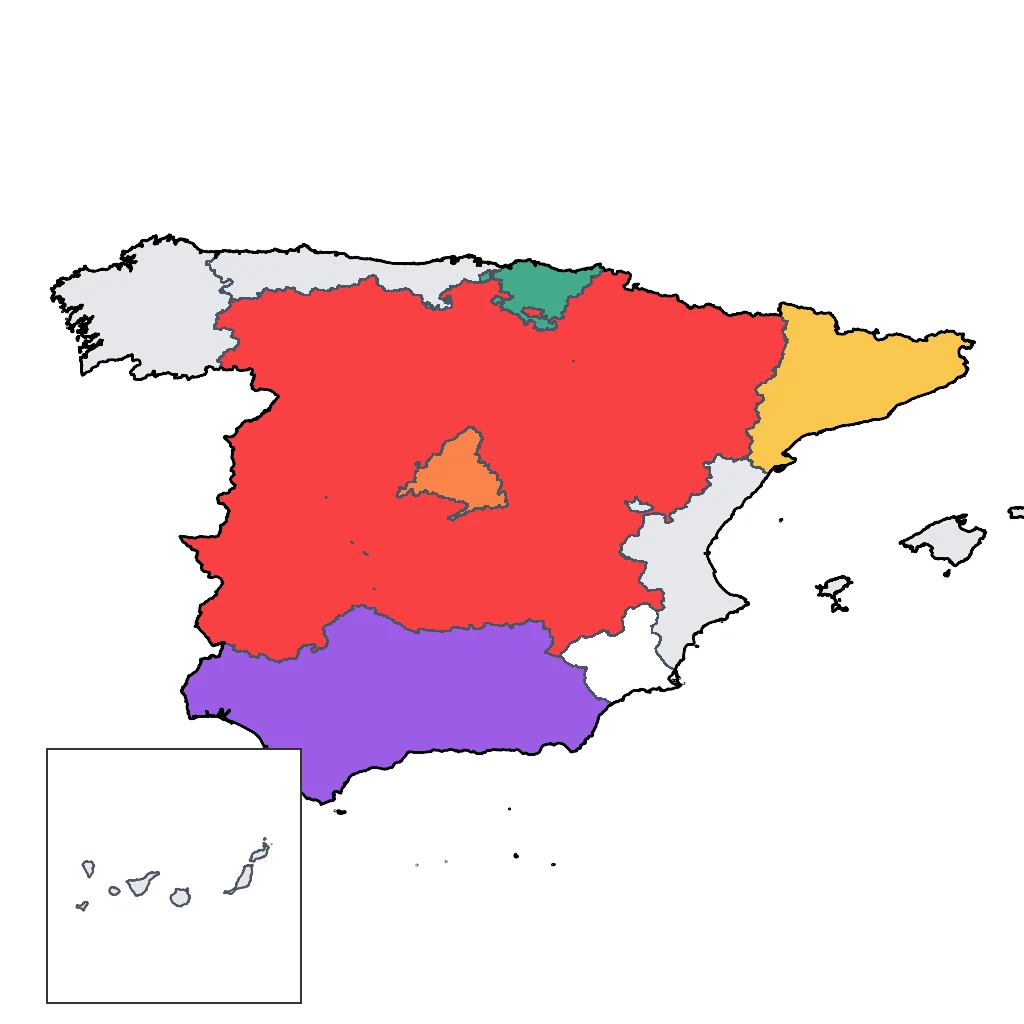

Learning experiences, scientific sites, historical education
World-class archaeological sites and prehistoric cave complexes offer unrivaled insights into early human history for families seeking educational depth. Optimal visiting conditions align with the drier summer season; winter months are frequently too wet and cold for comfort when moving between dispersed rural heritage sites.
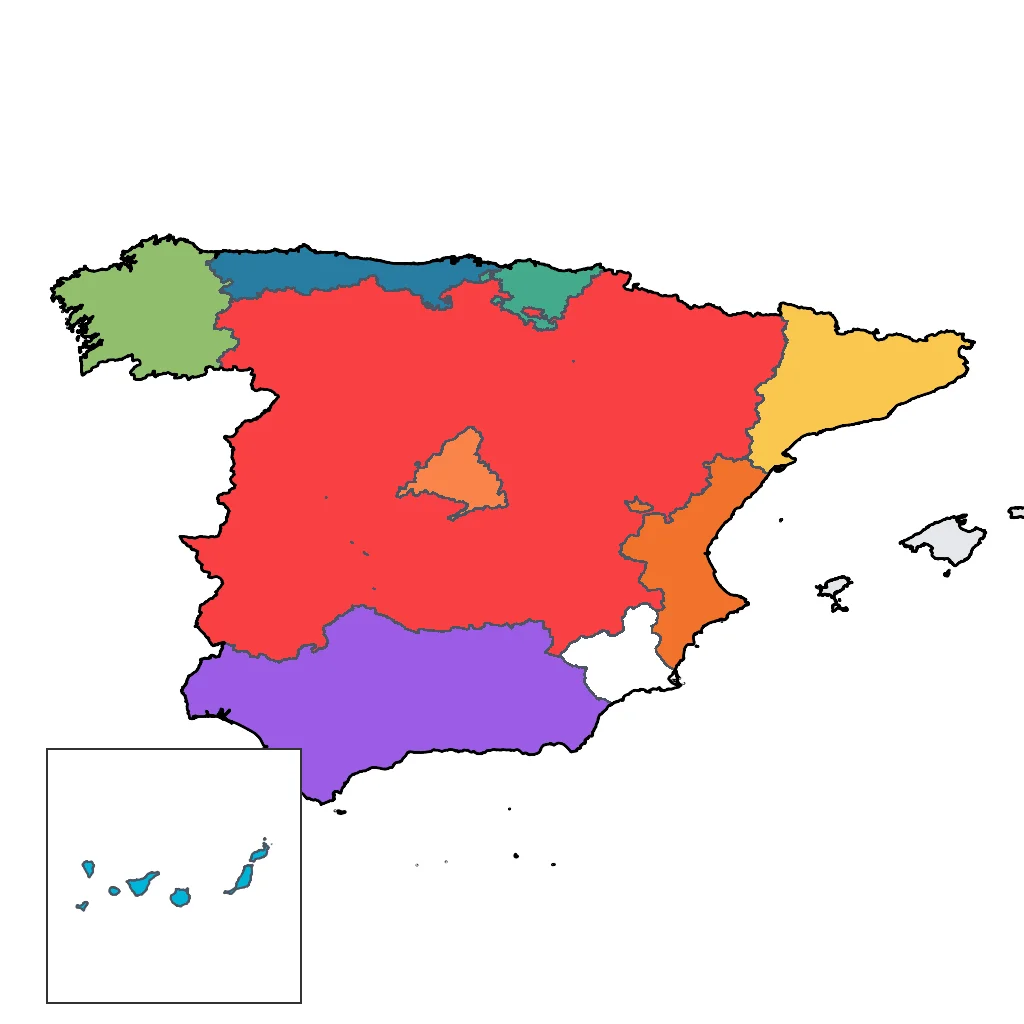

Sport tourism, fitness activities, active recreation
A premier destination for surfing, mountain biking, and canoeing (the Sella Descent), with rugged terrain that challenges experienced athletes. Peak months provide the warmest air and water temperatures; however, the Atlantic's rough winter seas and high mountain rainfall create unsuitable conditions for most active family pursuits outside of summer.
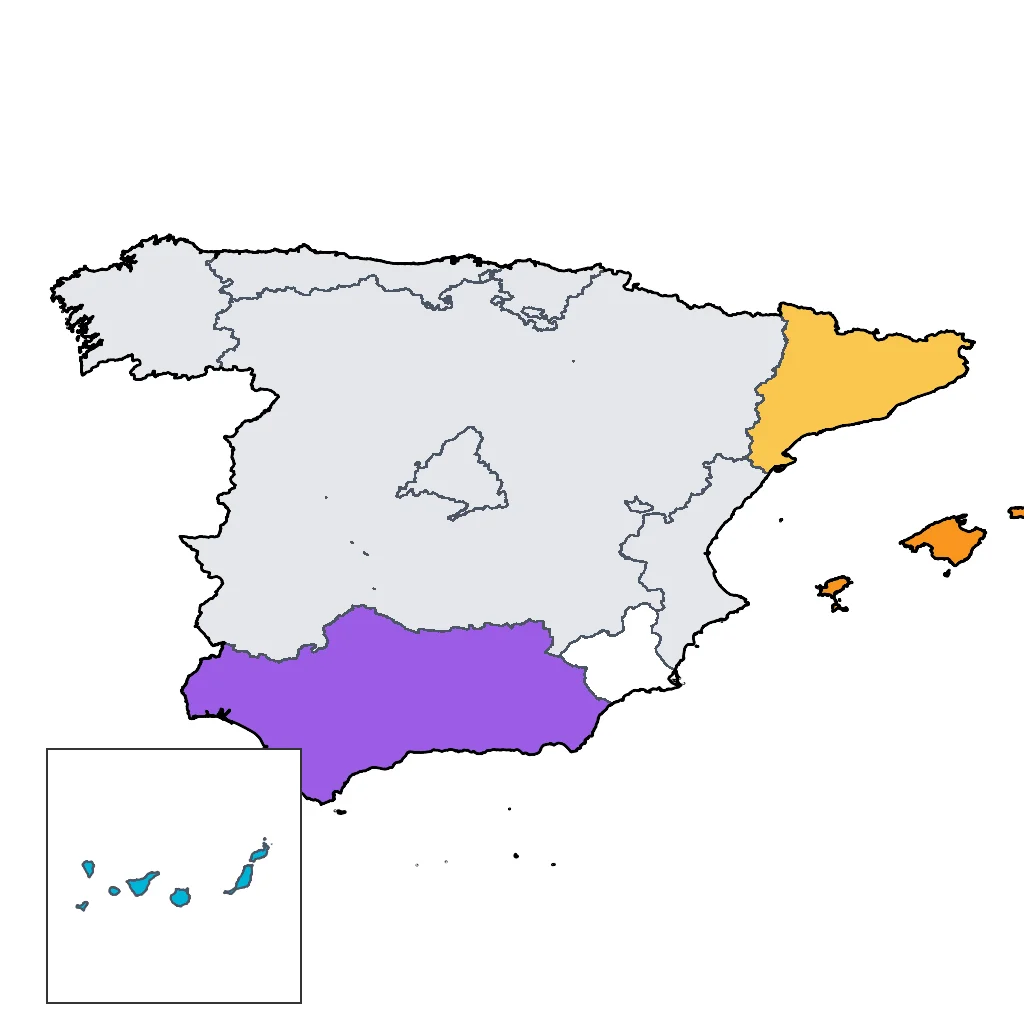
Beach resorts, marine activities: diving, snorkelling, kite surfing, wind surfing, sailing
Dramatic, cliff-backed beaches offer rugged natural beauty and world-class surfing, though sea temperatures remain brisk compared to Mediterranean standards. July and August are the only months reaching peak air temperatures (22°C+), while the rest of the year is too cool and rainy for traditional beach tourism.
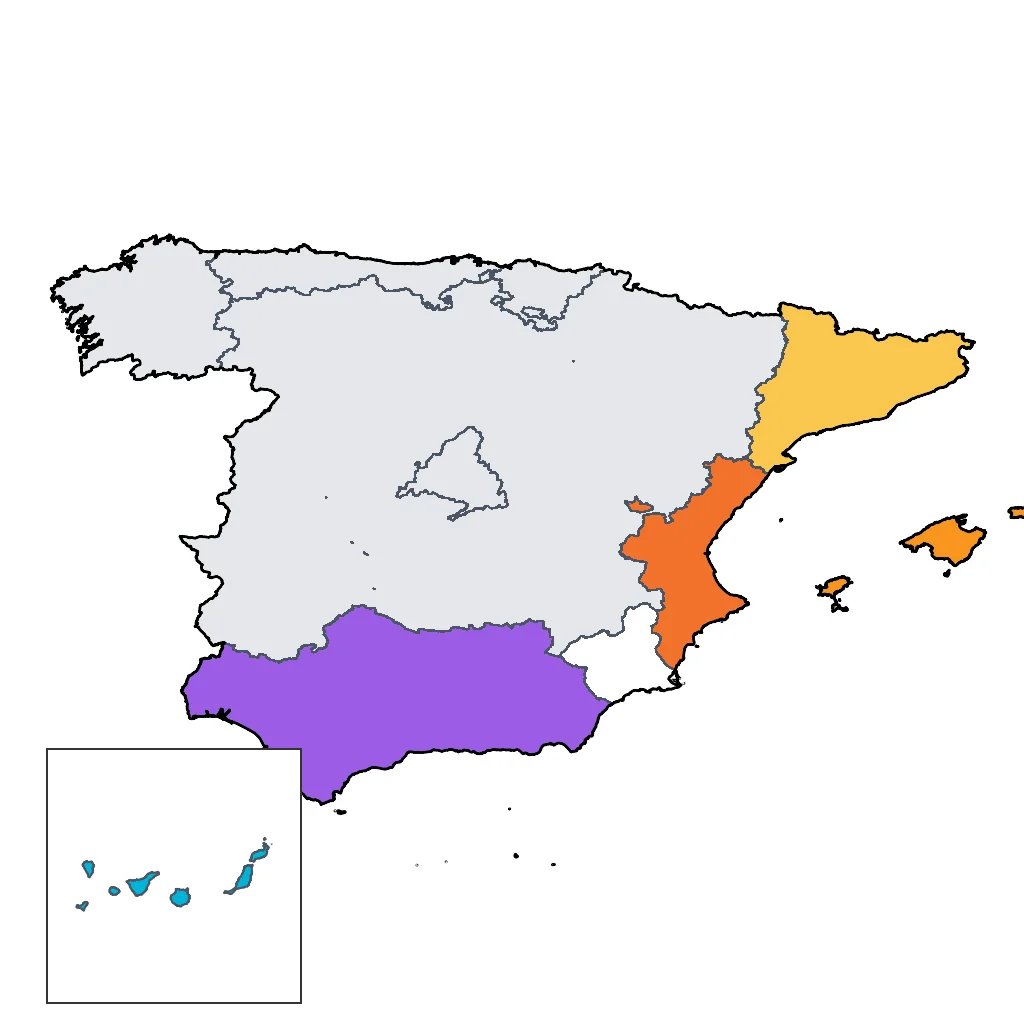

Events, celebrations, seasonal attractions
Authentic 'Romerías' and cider festivals provide a genuine window into local Asturian and Cantabrian traditions without the commercialization found in southern Spain. These festivals are concentrated in the peak summer months to take advantage of the dry weather; the rainy off-season sees few major outdoor cultural events.
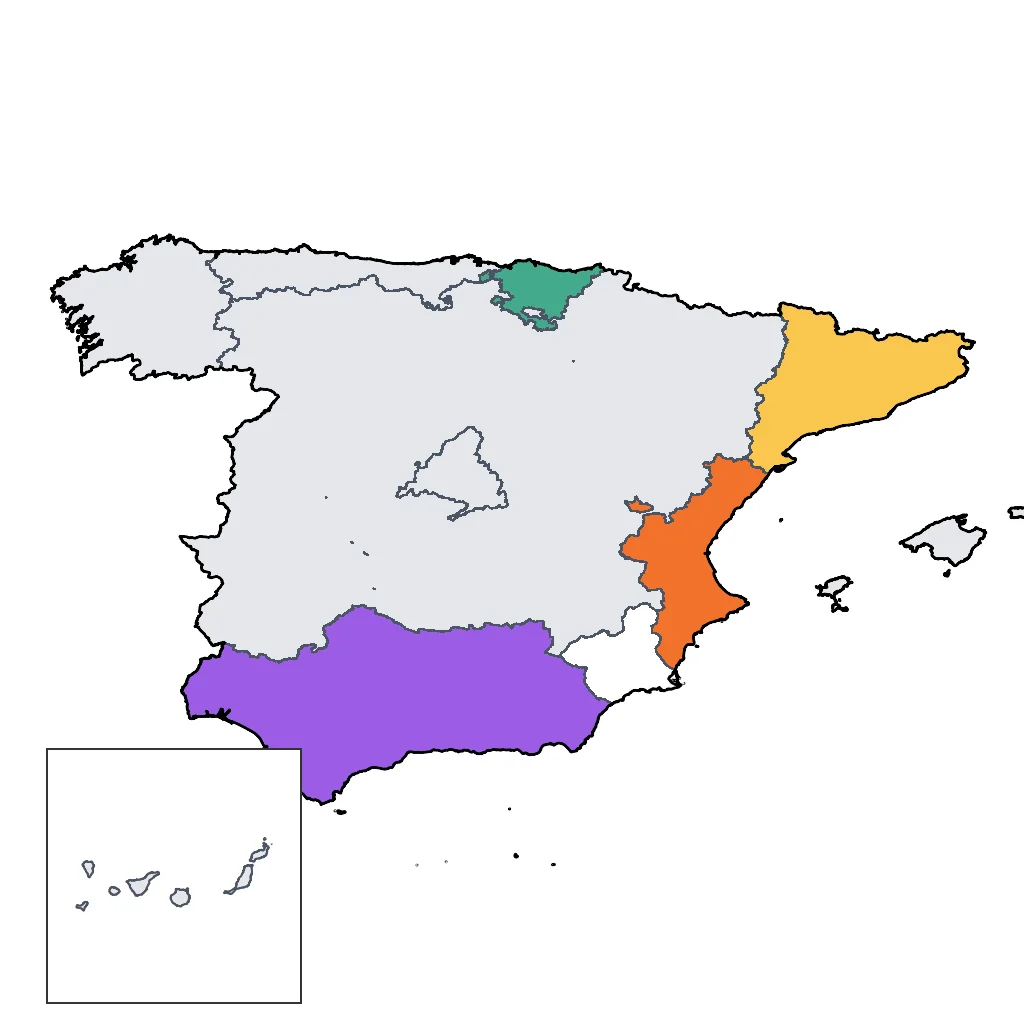

Spa retreats, wellness centers, peaceful getaways
The region features historic thermal spas and high-end retreats set against lush, peaceful landscapes perfect for discerning travelers seeking quietude. The mild summer climate is ideal for outdoor meditation and spa gardens; the persistent humidity and rain of winter may limit the appeal of the region's nature-focused wellness offerings.
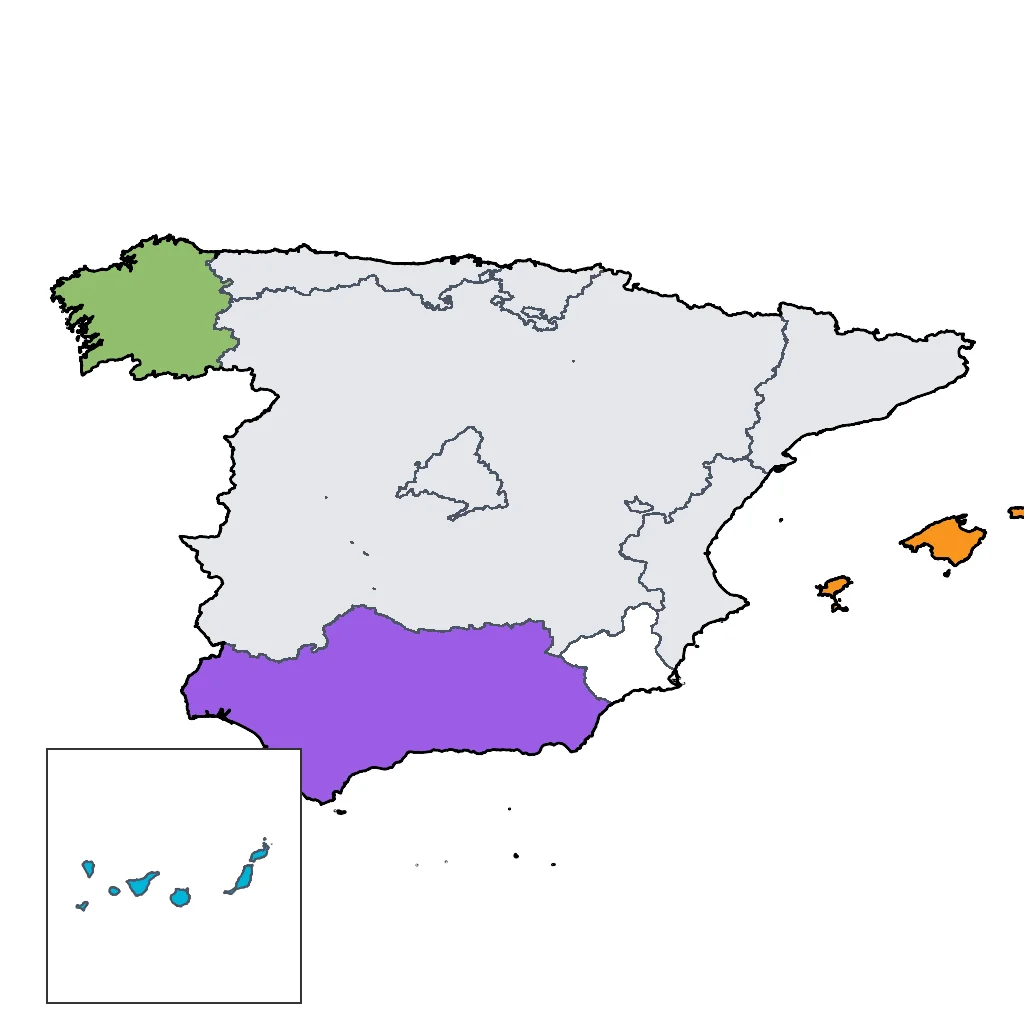
Amusement parks, family entertainment venues
Cabárceno Wildlife Park is unique and impressive but a single wildlife park does not make a region 'very_good' for theme parks. No other theme park attractions exist in the region. Compare to Canary Islands (Siam Park + Loro Parque = genuine theme park destination). 'good' reflects a notable single attraction without broader theme park infrastructure.

Winter sports, ski resorts, snow activities
While resorts like Alto Campoo offer snow sports, the infrastructure and scale are domestic rather than world-class compared to the Alps or Pyrenees. Snow coverage is only reliable during mid-winter (Jan-Feb), and the maritime influence can lead to damp, variable snow conditions.