

Spain stands out as one of Europe's most accessible and welcoming destinations for family travel. The local culture places children at the center of social life; unlike in some other European countries, families will find that kids are welcome almost everywhere, from late-night dinners in bustling plazas to museums and historic sites. The atmosphere is relaxed, loud, and affectionate, making it easy for parents to feel comfortable bringing energetic toddlers or curious teenagers along for the journey.
Geography and Climate
The country offers diverse landscapes, ranging from the green, rainy hills of Galicia and the Basque Country in the north to the arid plains of the center and the sun-drenched beaches of the Mediterranean coast. For beach lovers, the Costa Blanca and Costa del Sol provide hundreds of miles of sandy shores with shallow waters ideal for swimming. Families looking for year-round warmth often choose the Canary Islands, while the Balearic Islands (like Majorca) are summer favorites for their turquoise coves. Summers in the south and inland cities like Seville and Madrid can be intensely hot, so many families plan sightseeing for the morning and rest during the peak afternoon heat.
Cultural Highlights for Families
Cities in Spain are playgrounds for the imagination. In Barcelona, the whimsical architecture of Antoni Gaudí-particularly the dragon-like shapes at Park Güell and the towering Sagrada Família-captivates children. Madrid offers the vast Retiro Park for boating and the Royal Palace, which houses an impressive armory full of medieval knight armor. Valencia is another top pick, famed for the City of Arts and Sciences, a futuristic complex housing Europe's largest aquarium, the Oceanogràfic. Further south, the Alhambra in Granada allows kids to explore ancient Moorish palaces and gardens.
Food and Dining
Spanish cuisine is generally very approachable for children. Tapas dining allows families to order small portions of various dishes, such as mild patatas bravas (fried potatoes), jamón ibérico (cured ham), and tortilla española (potato omelet). Paella, the famous rice dish, is usually a crowd-pleaser, though parents should check for shells. For a sweet treat, churros con chocolate is a beloved breakfast or snack tradition. Note that Spaniards eat late; lunch is often around 2:00 PM and dinner after 8:30 PM, though restaurants in tourist areas open earlier.
Practical Travel
Getting around is efficient thanks to the high-speed AVE train network, which connects major cities like Madrid, Barcelona, and Seville quickly and comfortably. While modern city centers are stroller-friendly, historic quarters often feature cobblestones and stairs. Pharmacies are widely available and easily identified by a flashing green cross, stocking baby supplies and over-the-counter remedies.

Explore Regions
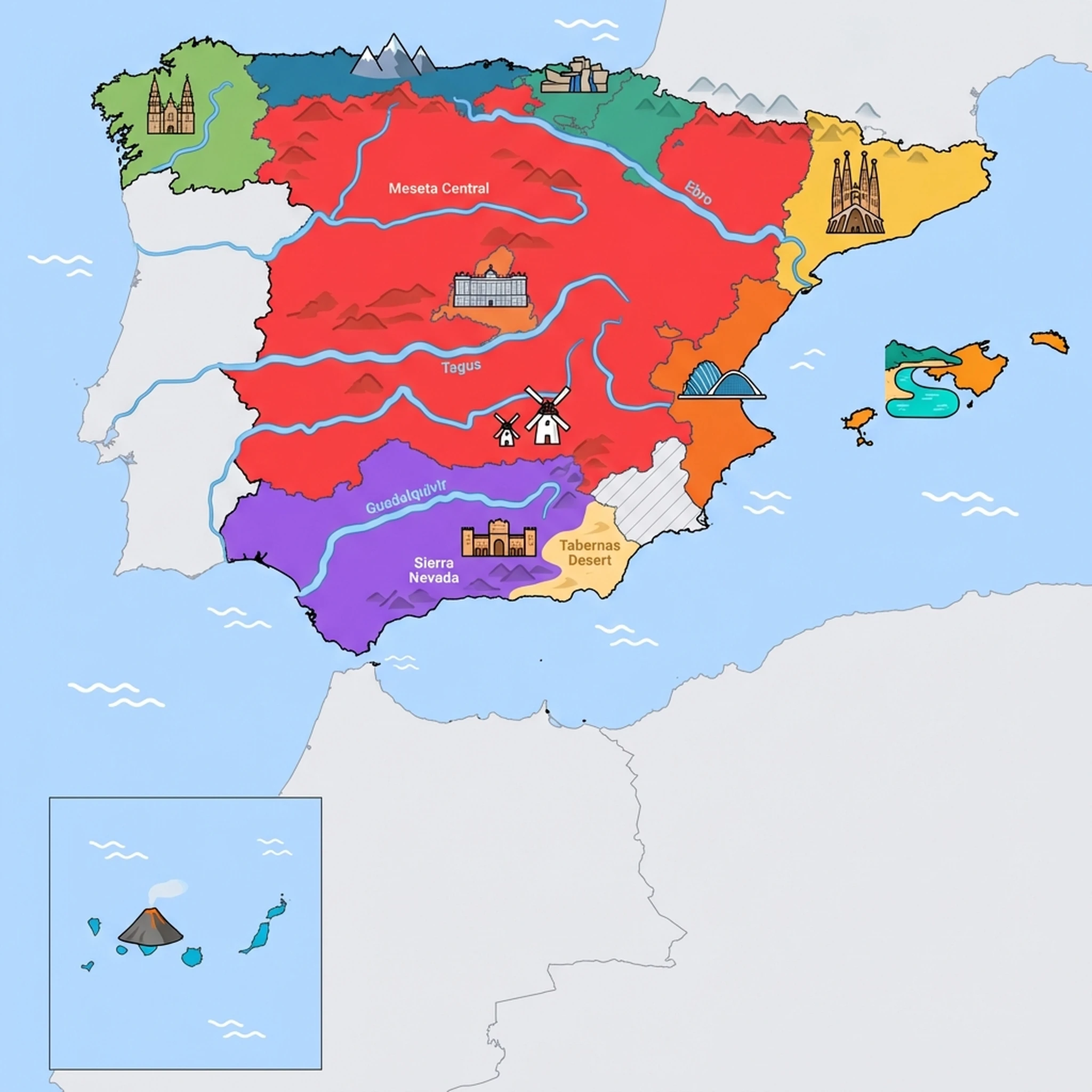
10 Regions
Andalusia
Moorish palaces, golden beaches, and flamenco rhythms 💃
Balearic Islands
Sun-soaked islands with turquoise waters 🏖️
Barcelona & Catalonia
Whimsical art, wild coasts, and theme park thrills 🦎
Basque Country
Culinary capitals and surfing coasts 🌊
Canary Islands
Volcanic adventures and eternal spring sunshine 🌋
Castile & Central Spain
Fairytale castles and legendary landscapes 🏰
Galicia
Celtic myths, seafood feasts, and green valleys 🌿
Madrid
World-class art and vibrant city parks 🐻
Northern Coast
Prehistoric caves and soaring mountain peaks 🏔️
Valencia & Costa Blanca
Futuristic science, sandy shores, and authentic paella 🥘
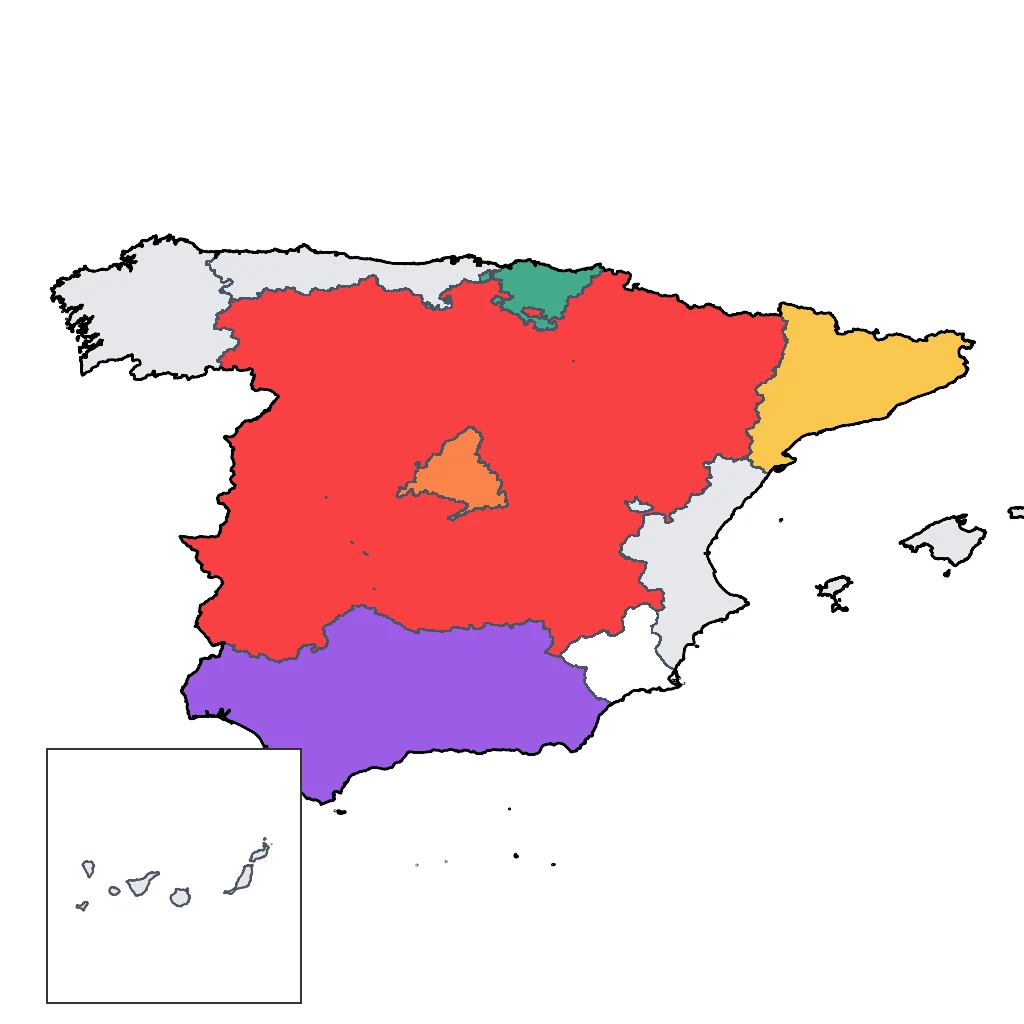
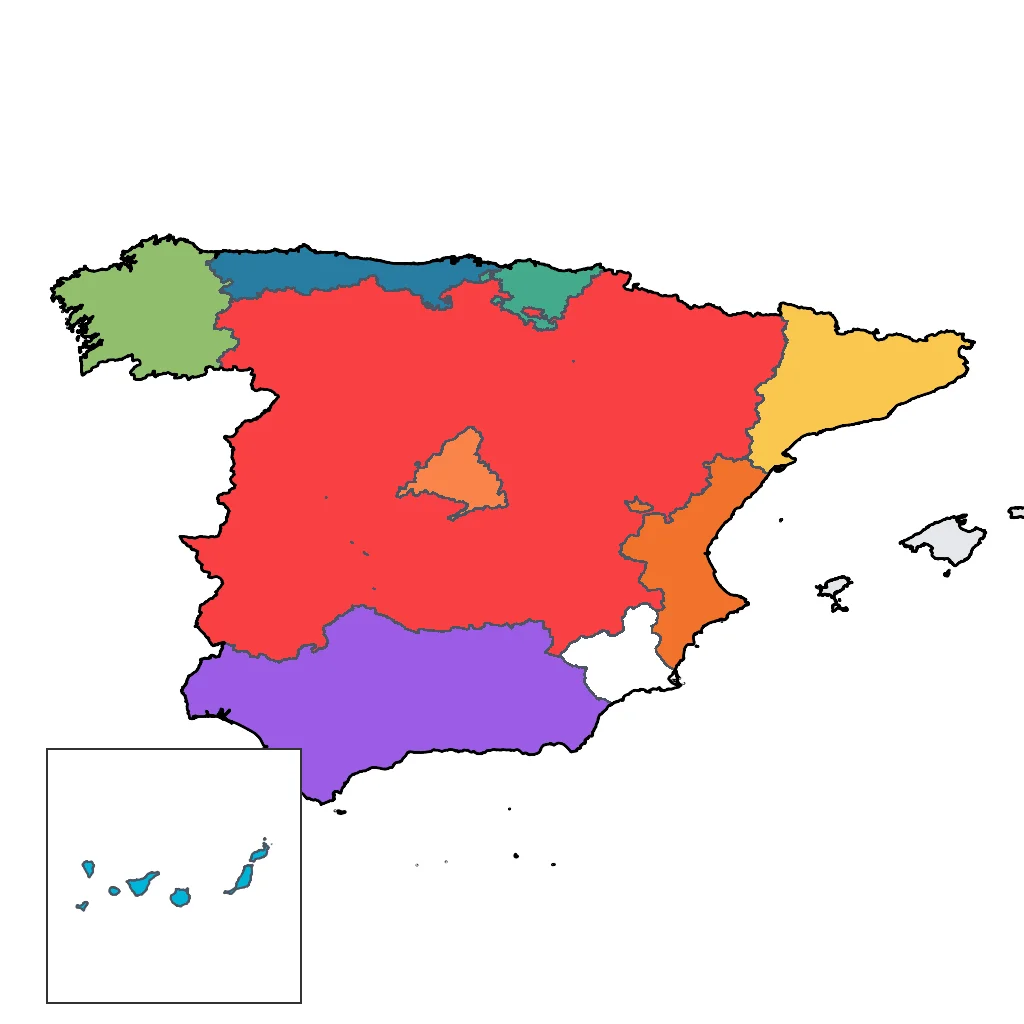
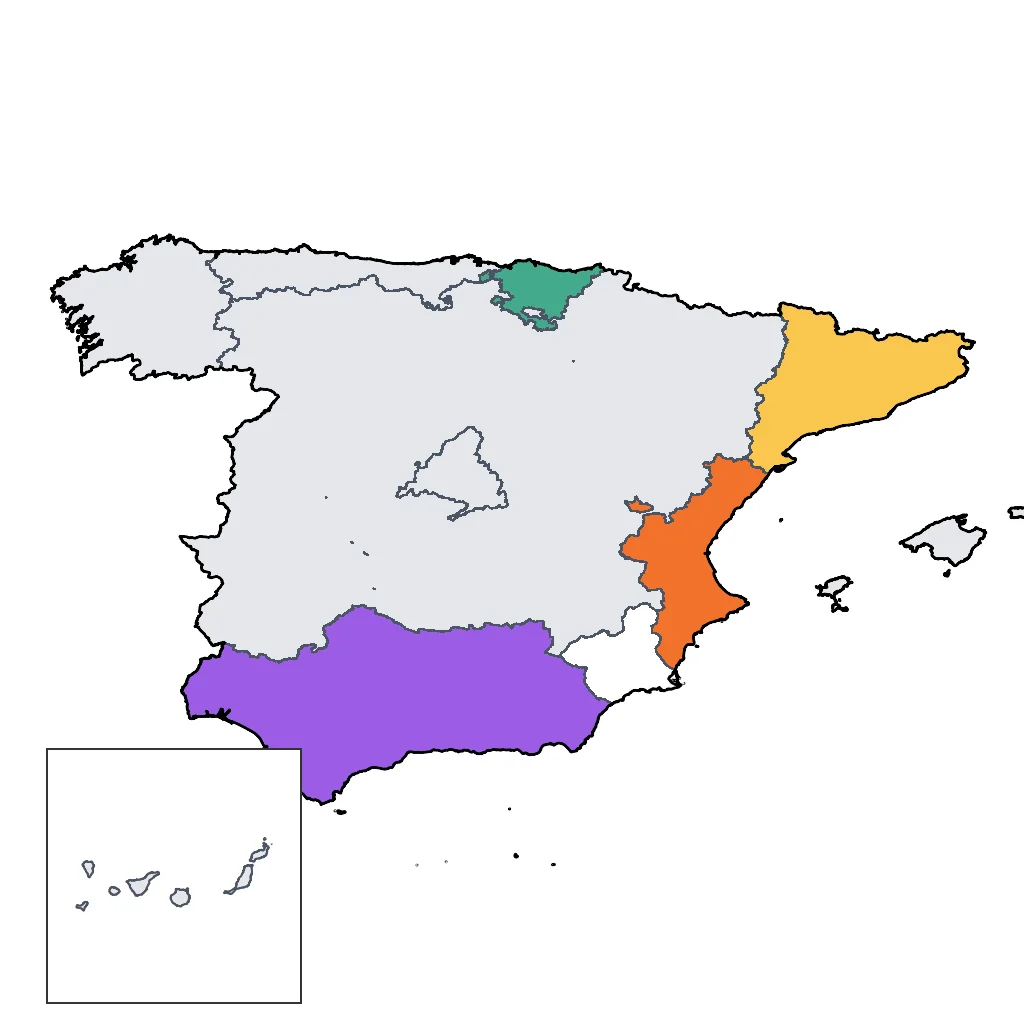
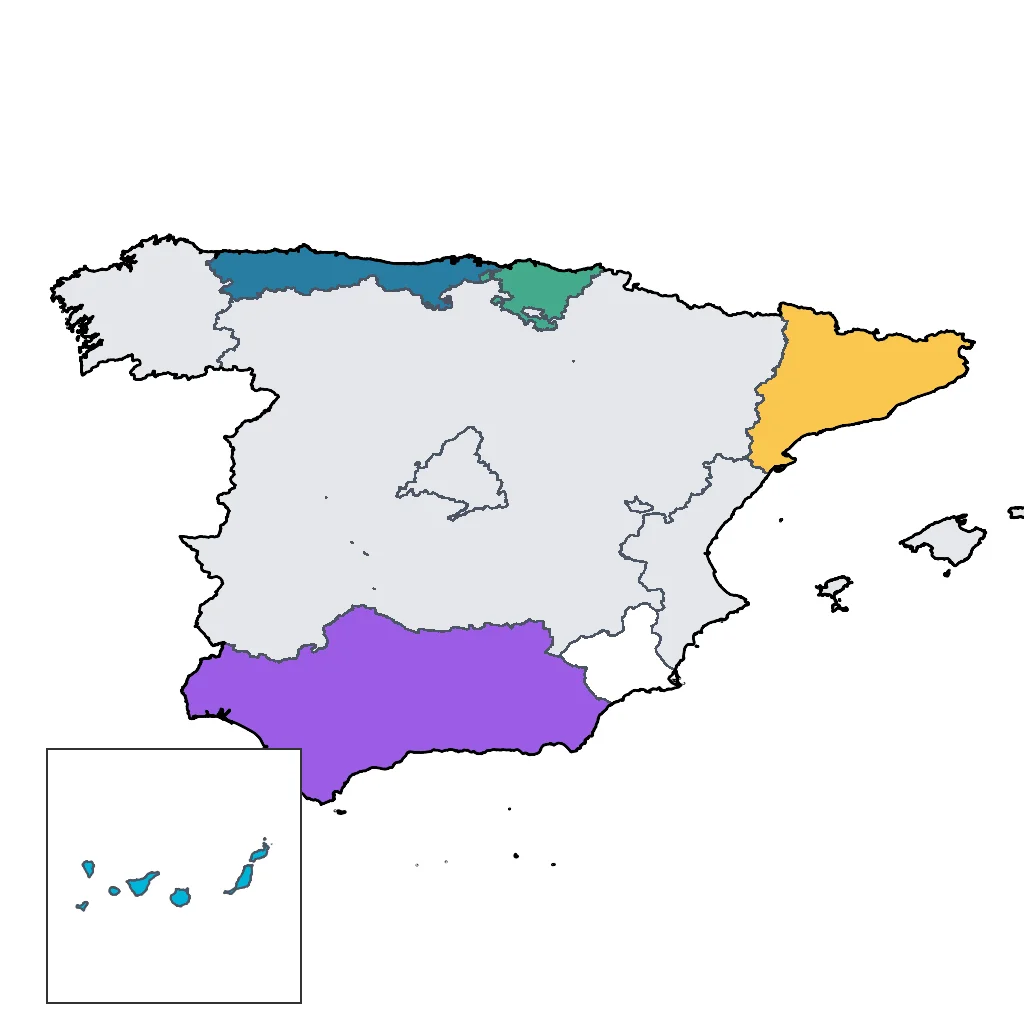
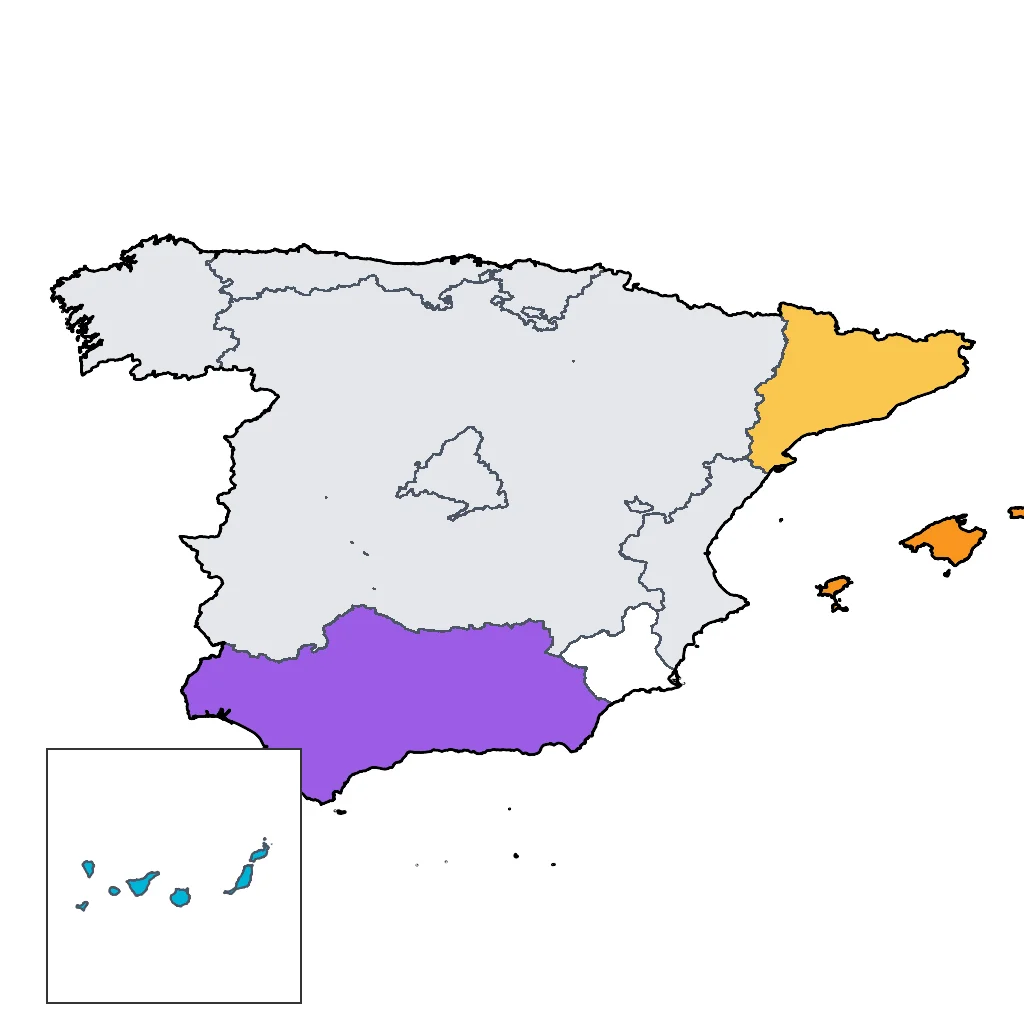
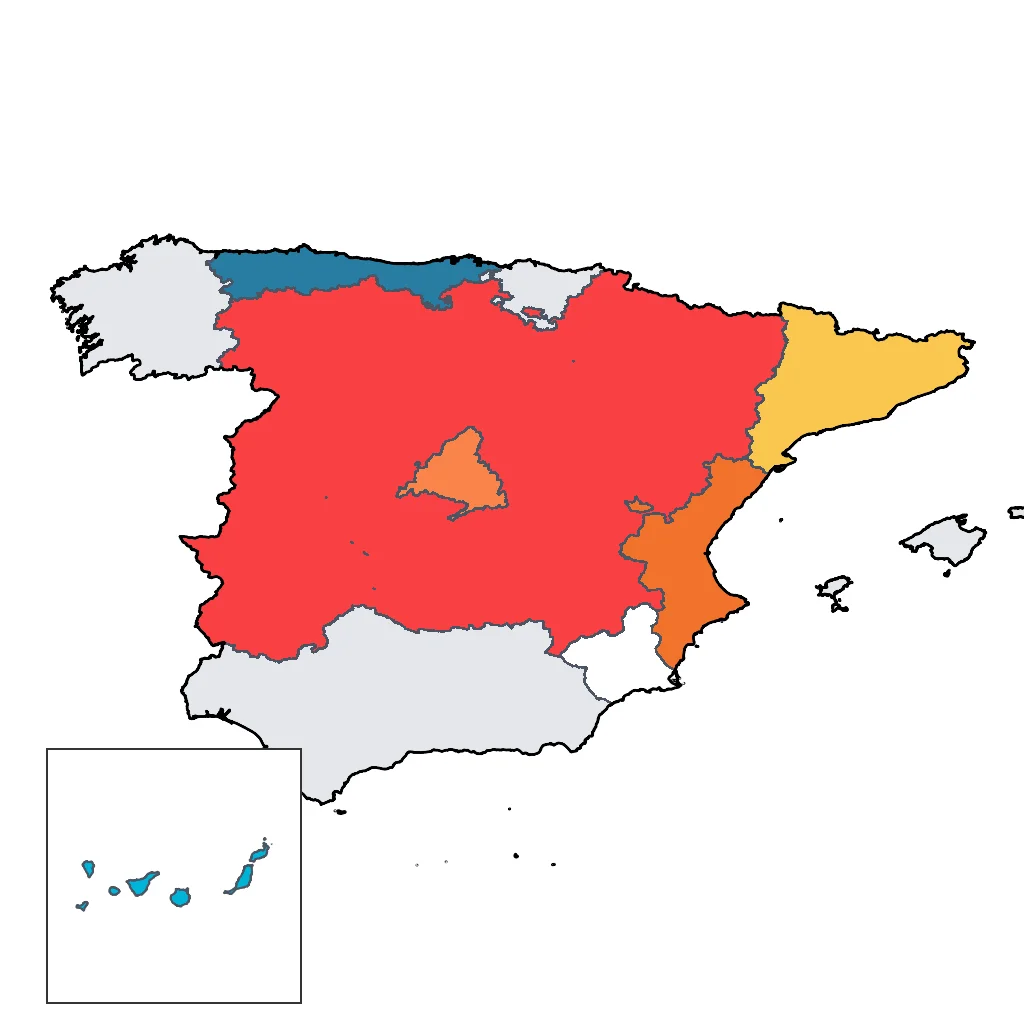
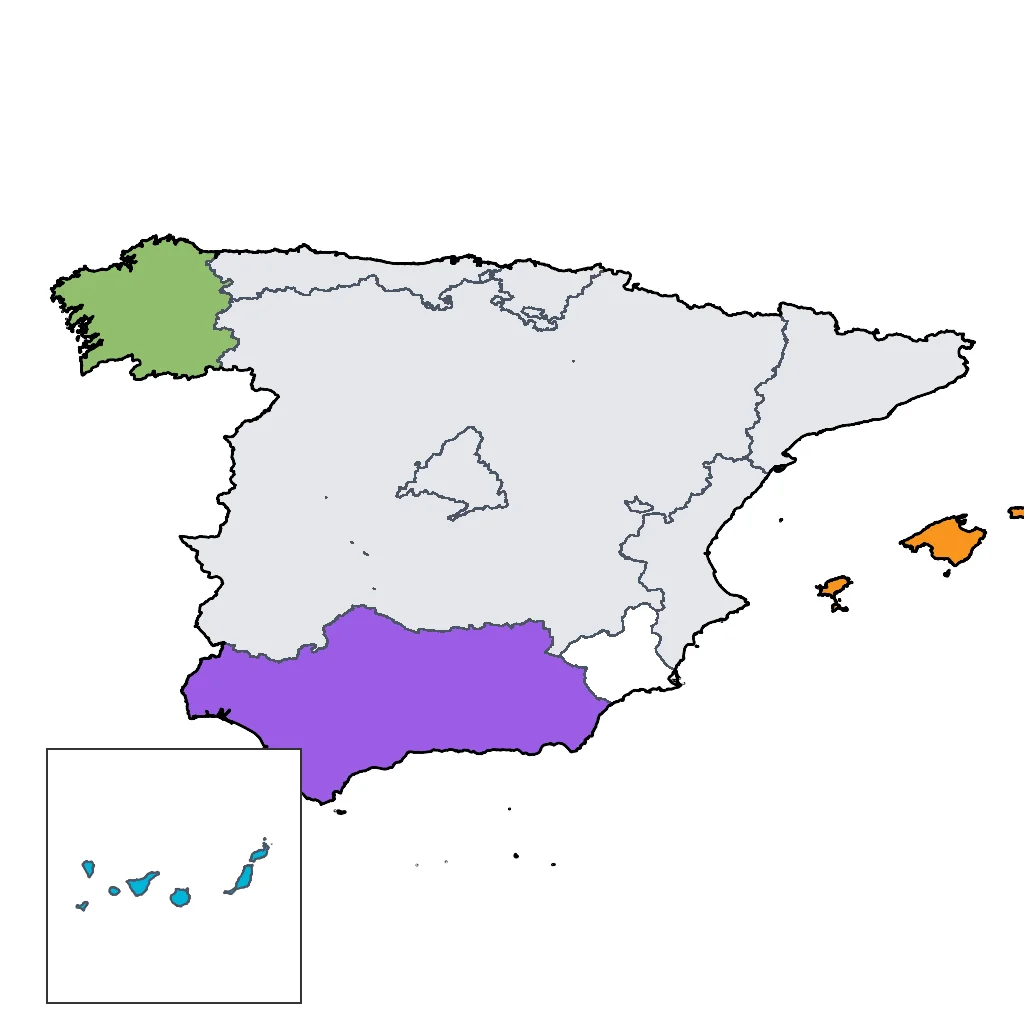
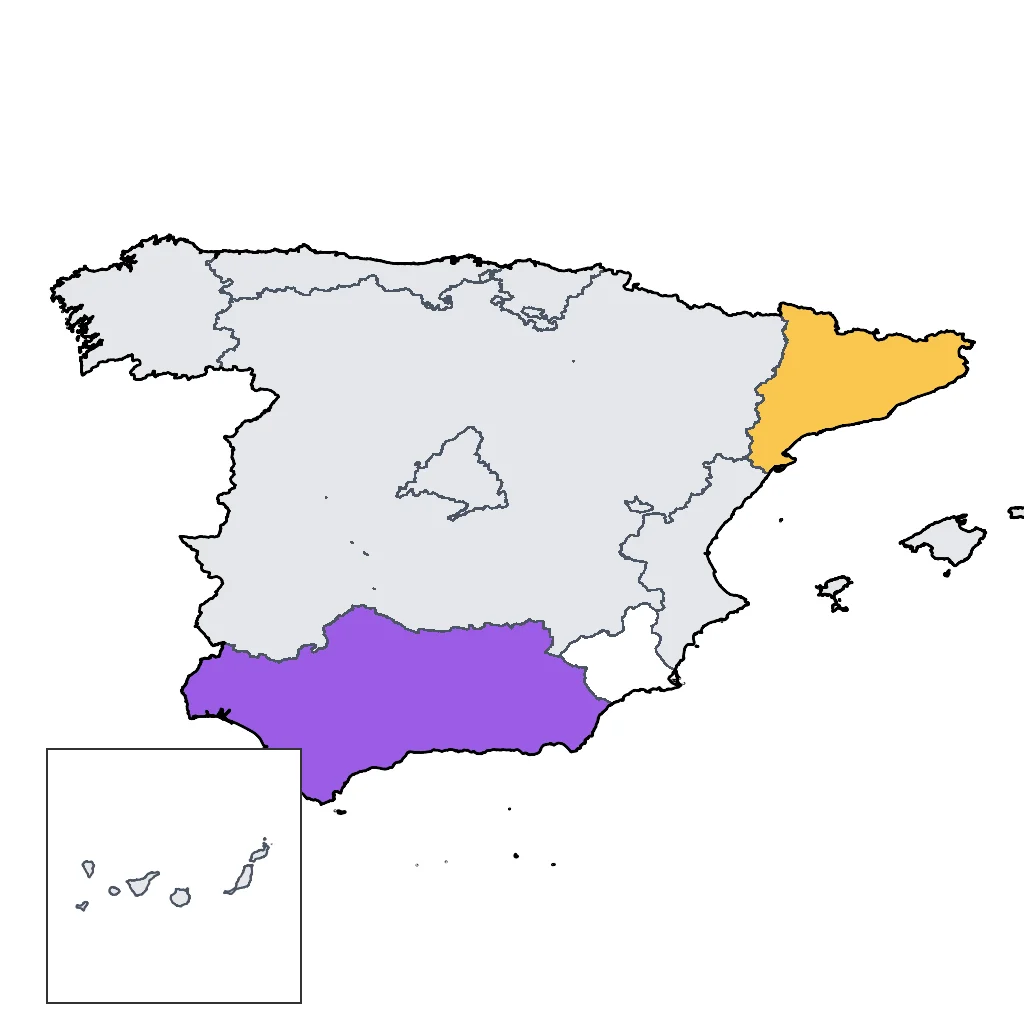
Click on a region marker to explore details. Use the dropdown to color regions by activity suitability.

Activities & Best Times

Adventure & Nature
ExcellentHiking, wildlife, outdoor exploration, ecotourism
The Picos de Europa offers world-class limestone alpine trekking and unique biodiversity, including the Cantabrian brown bear, in a pristine, non-commercialized environment. Peak months provide the stable weather and trail visibility required for high-altitude exploration; winter and late autumn bring heavy precipitation and snow that restrict mountain access.
With the Pyrenees and the volcanic Garrotxa region, Catalonia provides world-class hiking and unique geological exploration for active families. Late spring and early autumn offer mild temperatures (17-21°C) and clear skies; peak summer can be intense for coastal hiking but remains good for higher altitudes.
Unique UNESCO volcanic landscapes at Mount Teide and ancient laurel forests provide a world-class wilderness experience. Peak months offer dry trails and clear visibility; winter months see higher precipitation and potential snow/ice closures on high-altitude volcanic paths.

Beach & Sea
ExcellentBeach resorts, marine activities: diving, snorkelling, kite surfing, wind surfing, sailing
Home to world-class turquoise waters and high-end nautical infrastructure that rivals global elite destinations. Peak summer (Jul-Aug) provides the required 25°C+ air temperatures and optimal sea warmth, while shoulder months offer quieter beaches but slightly cooler waters.
The Costa Brava offers sophisticated families crystalline coves and upscale beach clubs that avoid the mass-tourism feel of southern Spain. Peak summer provides optimal sea temperatures and low rainfall, while shoulder months offer pleasant air but cooler Mediterranean waters.
The Costa de la Luz offers pristine, windswept Atlantic beaches and high-end resorts that maintain an authentic Spanish feel. Summer is peak for swimming with water temperatures reaching 22-24°C, though discerning travelers should seek the more secluded western coves to avoid mass-market crowds.

City & Cultural
ExcellentUrban tourism, museums, historical sites, architecture
Barcelona is a global icon for architecture and art, featuring UNESCO-listed Gaudí masterpieces and a deep-rooted Gothic history. Ideal weather (13-21°C) in spring and autumn allows for comfortable urban exploration, avoiding the extreme humidity and tourist density of mid-summer.
Home to the iconic Guggenheim Bilbao and a world-leading culinary scene with the highest concentration of Michelin stars per capita. Peak summer months offer optimal weather for exploring historic 'Casco Viejo' districts and outdoor art, while high rainfall from November to March detracts from the urban experience.
Home to three of the world's most significant UNESCO sites—the Alhambra, the Mezquita, and Seville's Cathedral—offering a sophisticated blend of Moorish and Renaissance history. Peak months avoid the oppressive 34°C+ summer heat and heavy winter rains, providing ideal conditions for exploring historic urban cores.

Educational & Exploratory
ExcellentLearning experiences, scientific sites, historical education
From the Roman ruins of Tarraco to the Dalí Triangle, the region offers unique, high-standard educational sites for curious families. Peak months offer the best conditions for guided archaeological tours and visiting the internationally acclaimed CosmoCaixa science museum.
Features significant archaeological sites and medieval archives that offer an authentic window into the Roman Empire and the Spanish Golden Age. The mild weather of late spring and early autumn provides optimal conditions for visiting outdoor heritage sites and interactive historical monuments.
World-class archaeological sites and prehistoric cave complexes offer unrivaled insights into early human history for families seeking educational depth. Optimal visiting conditions align with the drier summer season; winter months are frequently too wet and cold for comfort when moving between dispersed rural heritage sites.

Festivals & Seasonal
ExcellentEvents, celebrations, seasonal attractions
Catalonia’s authentic traditions, such as the Sant Jordi book/rose festival (April) and La Mercè (September), offer world-class cultural immersion. These peak months feature vibrant, non-commercialized events with comfortable temperatures for outdoor participation.
Hosts globally prestigious events including the San Sebastián International Film Festival and Jazzaldia, drawing a sophisticated international crowd. These events align with the driest, warmest months (July-September); the rest of the year lacks significant internationally recognized outdoor cultural celebrations.
Andalusia hosts globally unique cultural spectacles like Seville's Feria de Abril and Semana Santa, alongside authentic harvest festivals. These peak periods offer unmatched cultural immersion, though mid-summer is avoided due to extreme temperatures making outdoor celebrations uncomfortable.

Road Trips & Scenic
ExcellentScenic drives, countryside tours, route-based travel
Stunning coastal routes and dramatic mountain passes connect authentic cider-producing villages with prehistoric heritage sites, offering sophisticated travelers a deep sense of discovery. Summer months offer the best visibility and dry roads; the off-season is characterized by high rainfall and poor visibility on narrow mountain roads.
Spectacular routes like the Costa Brava coastal drive and Pyrenees passes offer diverse landscapes and high-quality road infrastructure for discerning travelers. May, June, and September provide the best visibility and daylight for scenic driving without the peak summer traffic.
Features spectacular coastal drives along the Cantabrian Sea and through the Rioja Alavesa vineyards with world-class architecture like Marqués de Riscal. Peak months provide the best visibility and lowest rainfall for navigating dramatic cliffside routes; winter months are often too misty and wet (up to 160mm) for scenic enjoyment.

Sports & Active
ExcellentSport tourism, fitness activities, active recreation
Girona is a global hub for professional cycling, and the region features elite golf courses like PGA Catalunya. The moderate climate of spring and autumn (11-21°C) is perfect for high-performance activities, avoiding the peak summer heat and winter chill.
A global powerhouse for sports, featuring Valderrama (Europe's premier golf course) and Tarifa, the world's kitesurfing capital. Peak months offer consistent winds and optimal temperatures for golf and cycling, while the shoulder months accommodate wind sports enthusiasts who brave the summer heat.
A premier global destination for professional cycling, trail running, and elite windsurfing due to diverse terrain and consistent trade winds. Peak months offer stable conditions and dry surfaces; the high rainfall in Dec-Jan can make mountain descents and trails hazardous for active travelers.
Theme Park & Entertainment
ExcellentAmusement parks, family entertainment venues
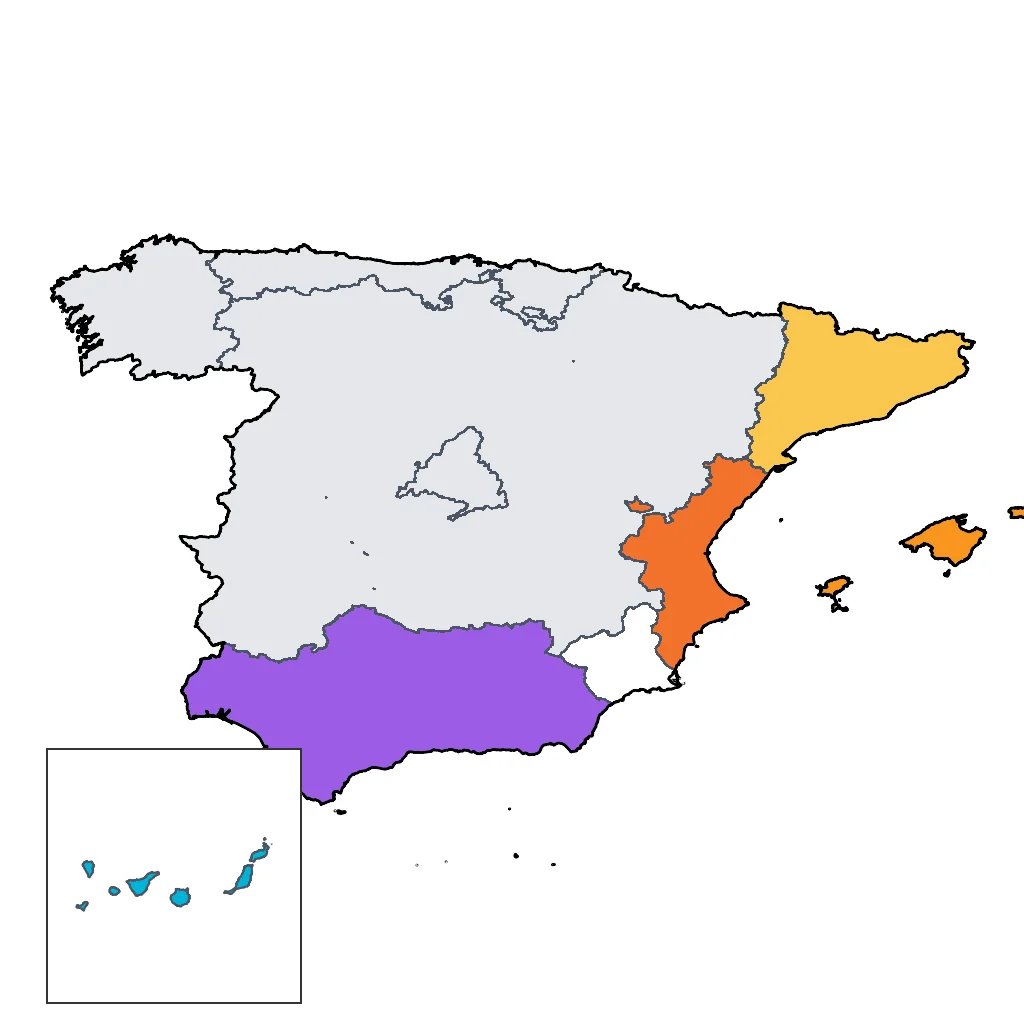
Home to Siam Park, consistently ranked as the world's best water park, offering a truly world-class family experience. Peak months provide optimal air temperatures for water activities; winter months (sub-20°C) are too cool for a premium water park experience despite facilities being open.
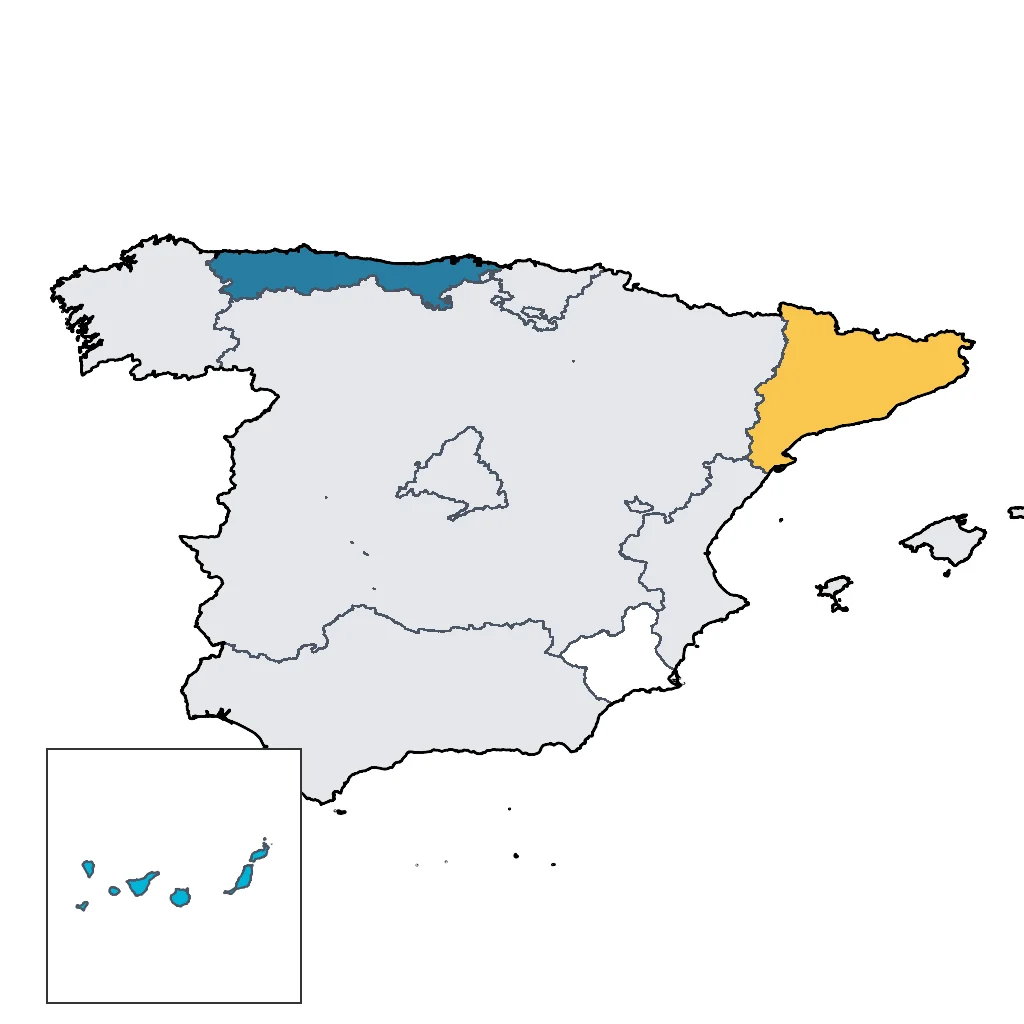
Cabárceno Wildlife Park is unique and impressive but a single wildlife park does not make a region 'very_good' for theme parks. No other theme park attractions exist in the region. Compare to Canary Islands (Siam Park + Loro Parque = genuine theme park destination). 'good' reflects a notable single attraction without broader theme park infrastructure.
PortAventura World provides world-class thrills and family entertainment that rivals international standards, though it can feel more commercialized than other regional offerings. Spring and early autumn provide the best balance of manageable wait times and pleasant outdoor temperatures.

Relaxation & Wellness
Very GoodSpa retreats, wellness centers, peaceful getaways
Boasts a unique wellness heritage through its authentic 'Hammam' Arab baths and world-class luxury spa retreats in the Marbella hills. Optimal relaxation occurs during months with low humidity and pleasant temperatures, avoiding the winter rains and the intense July/August heat.
High-end thalassotherapy and volcanic-inspired wellness retreats cater to discerning international tastes. Peak months offer the most consistent low-humidity weather for outdoor spa treatments; winter temperatures can feel surprisingly brisk for those seeking a true 'eternal spring' escape.
Renowned for its historical thermal spa culture in Ourense and luxury retreats on La Toja island. Peak summer months offer the best weather for outdoor thermal circuits; shoulder months are pleasant but the high humidity of winter can make outdoor relaxation uncomfortable.

Ski & Snow
GoodWinter sports, ski resorts, snow activities
Baqueira-Beret is a quality resort popular with Spanish and some European skiers, but against international calibration (Alps resorts in France/Switzerland/Austria, Rockies, Japanese resorts), it falls short of 'very_good'. It offers reliable snow and good infrastructure by Spanish standards but is not an internationally competitive ski destination.
The Sierra Nevada is Europe's southernmost ski resort, offering the unique experience of skiing with views of the Mediterranean. While infrastructure is high-quality, the season is shorter and less reliable than the Alps, with peak conditions usually confined to the first quarter of the year.
While resorts like Alto Campoo offer snow sports, the infrastructure and scale are domestic rather than world-class compared to the Alps or Pyrenees. Snow coverage is only reliable during mid-winter (Jan-Feb), and the maritime influence can lead to damp, variable snow conditions.
Airports & Flight Routes
Toggle options to view domestic routes and international airports. Click an airport for details.
Climate & Weather
Andalusia
Show Details
| Month | Temp °C | Rain | Humidity |
|---|
Balearic Islands
Show Details
| Month | Temp °C | Rain | Humidity |
|---|
Barcelona & Catalonia
Show Details
| Month | Temp °C | Rain | Humidity |
|---|
Basque Country
Show Details
| Month | Temp °C | Rain | Humidity |
|---|
Canary Islands
Show Details
| Month | Temp °C | Rain | Humidity |
|---|
Castile & Central Spain
Show Details
| Month | Temp °C | Rain | Humidity |
|---|

Travel Advisory
While general safety is high, multiple agencies advise increased vigilance due to terrorism risks and specific localized transport crises.
Safety Topics
Traveller Advice (3 groups)

Spain is highly progressive with strong legal protections; same-sex relationships and public displays of affection are generally well-accepted in society.

Minors travelling without both parents may require notarized parental consent forms to depart or enter, particularly for Spanish residents or dual nationals.

Under Spanish law, you must carry valid photo identification (passport) at all times. Failure to produce ID when requested by police can lead to detention at a police station.