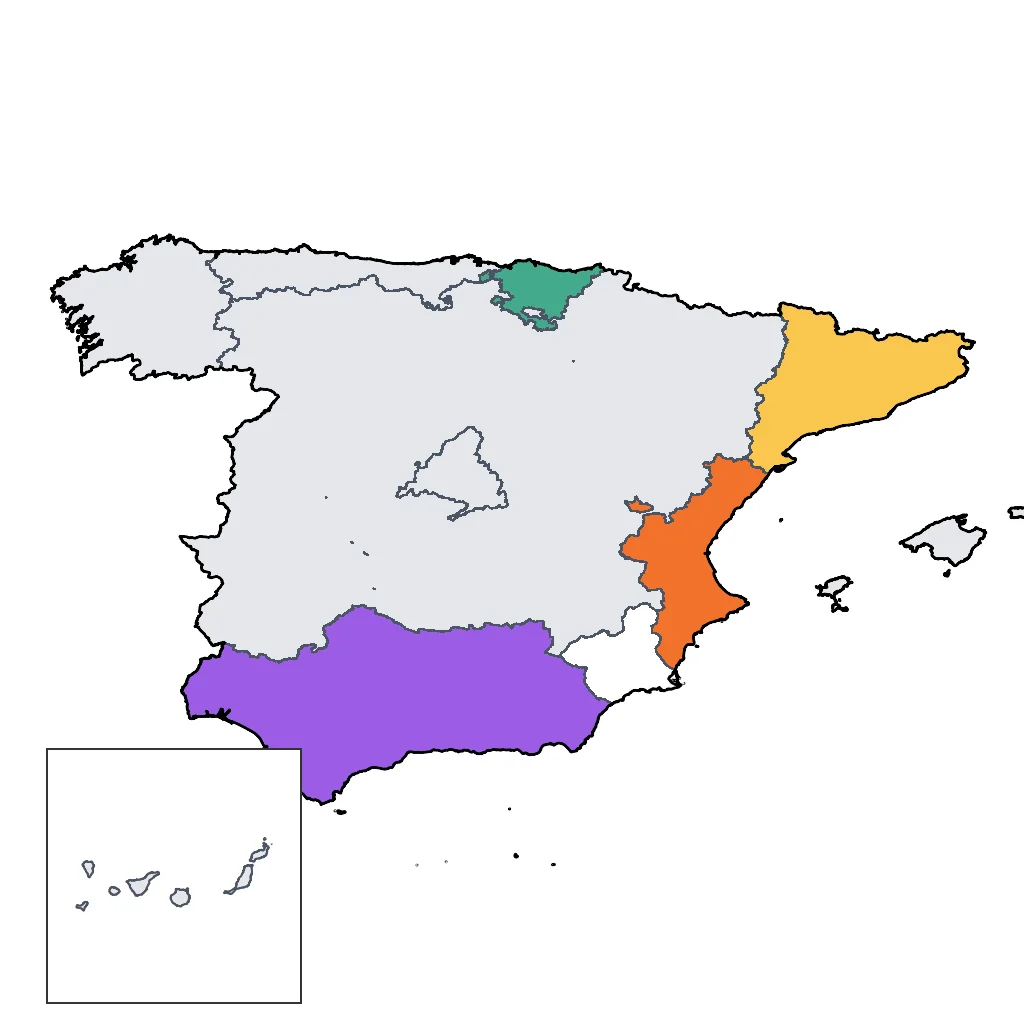

The Balearic Islands sit in the Mediterranean Sea, offering four distinct personalities that go far beyond their party reputation. For families, these islands are a playground of turquoise waters, pine forests, and child-friendly infrastructure. Mallorca, the largest island, is the most versatile hub. The capital, Palma, features a massive Gothic cathedral and a walkable old town, while the north and east coasts are dotted with 'calas'—small, sheltered coves with shallow waters perfect for toddlers. The vintage wooden train from Palma to Sóller is a guaranteed hit, winding through citrus groves and tunnels in the Tramuntana mountains.
Menorca is often considered the most family-oriented island, designated as a UNESCO Biosphere Reserve. It moves at a slower pace with fewer high-rise hotels and more pristine beaches like Cala Macarella. The island is flat enough for family cycling trips, and kids can kayak safely in the calm harbor of Fornells. Ibiza, while famous for nightlife, has a quiet northern side with bohemian markets and secluded agrotourism hotels that cater specifically to families seeking tranquility and farm-to-table food.
Adventure activities are abundant across the archipelago. On Mallorca, the Caves of Drach offer a mysterious underground boat ride on one of the world's largest subterranean lakes. Water parks are plentiful near the main resort areas of Alcudia and Magaluf. Marine life is easily visible in the clear waters, making snorkeling a daily activity. Boat trips to the tiny, uninhabited island of Cabrera allow families to spot lizards and swim in blue lagoons away from the crowds.
Practicality is a major draw here. The flight times from mainland Europe are short, and the islands are well-connected by ferries, allowing for island-hopping adventures. The cuisine is Mediterranean and fresh, with the local 'ensaimada' pastry providing a sweet treat for breakfast. While summer sees peak crowds and prices, the shoulder seasons of May, June, and September offer warm water and plenty of space on the sand.
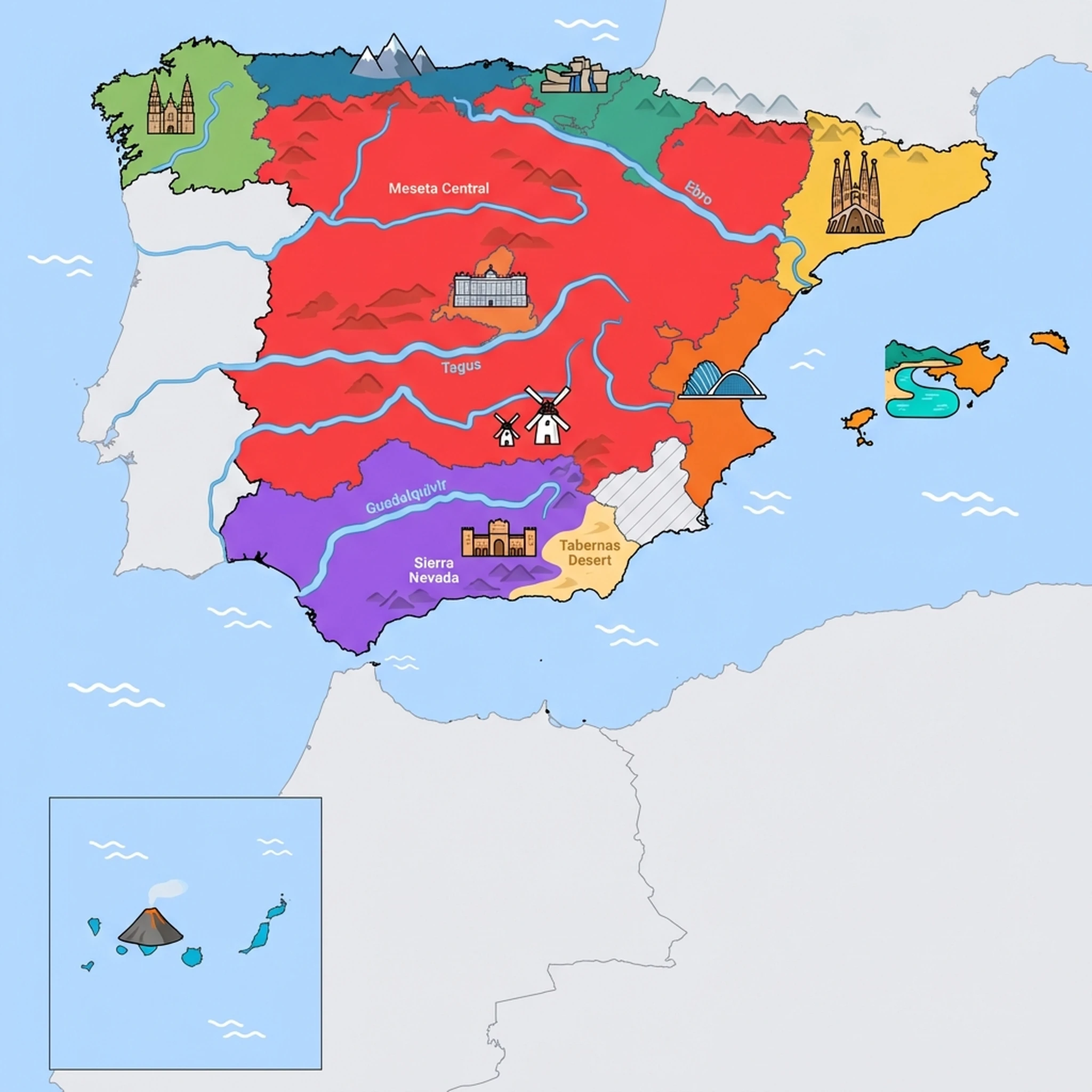
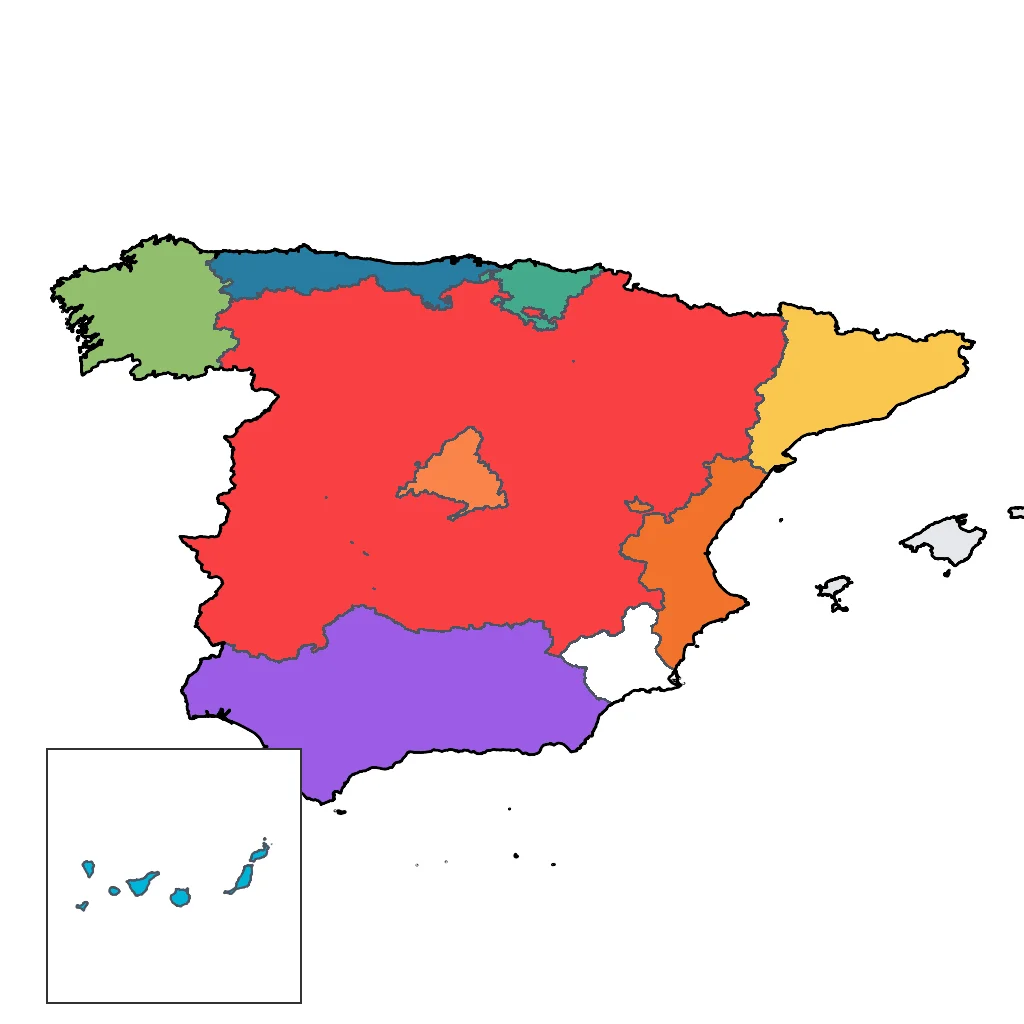
Click a region to explore

Activities & Best Times

Beach resorts, marine activities: diving, snorkelling, kite surfing, wind surfing, sailing
Home to world-class turquoise waters and high-end nautical infrastructure that rivals global elite destinations. Peak summer (Jul-Aug) provides the required 25°C+ air temperatures and optimal sea warmth, while shoulder months offer quieter beaches but slightly cooler waters.
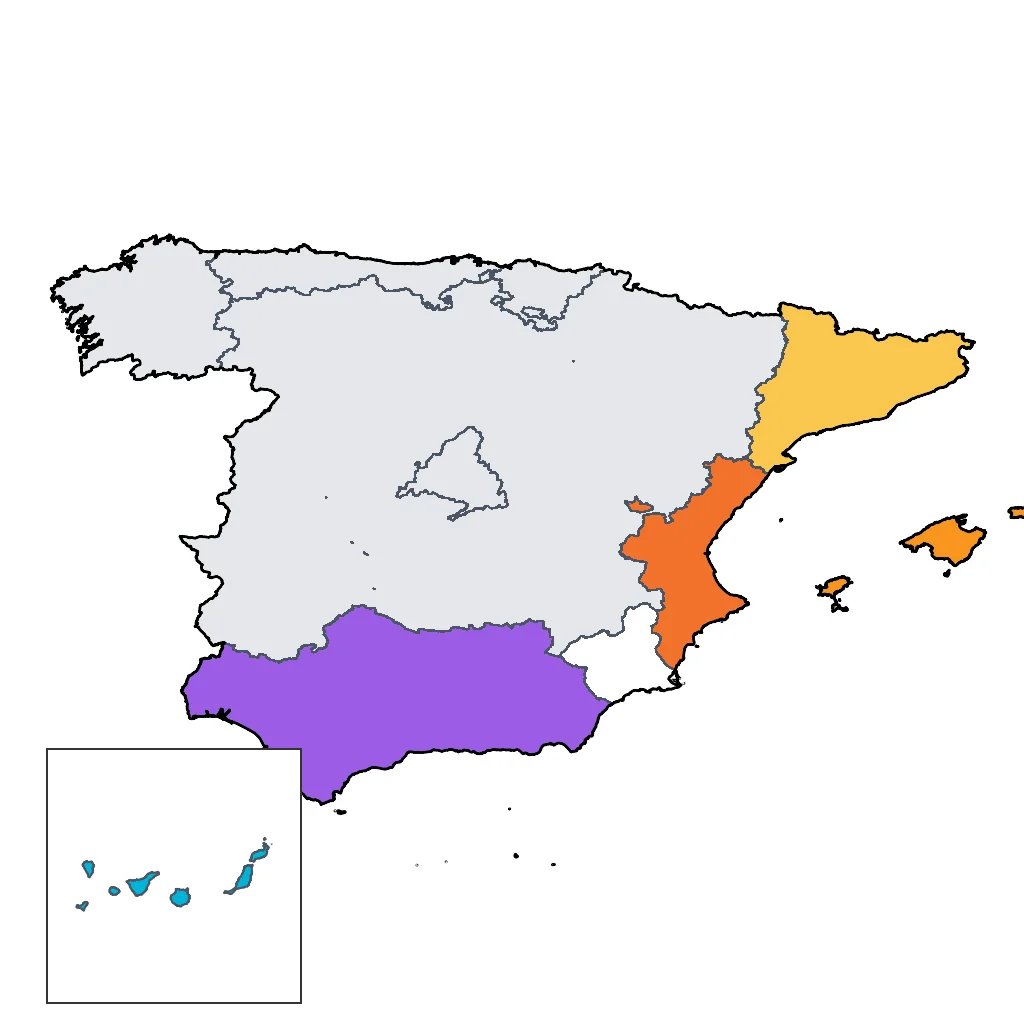

Sport tourism, fitness activities, active recreation
A globally recognized hub for professional cycling and high-end sailing with specialized infrastructure catering to elite standards. Peak cycling occurs in the dry spring/autumn periods (Mar-May, Oct), while summer months offer world-class sailing conditions with reliable thermal winds.
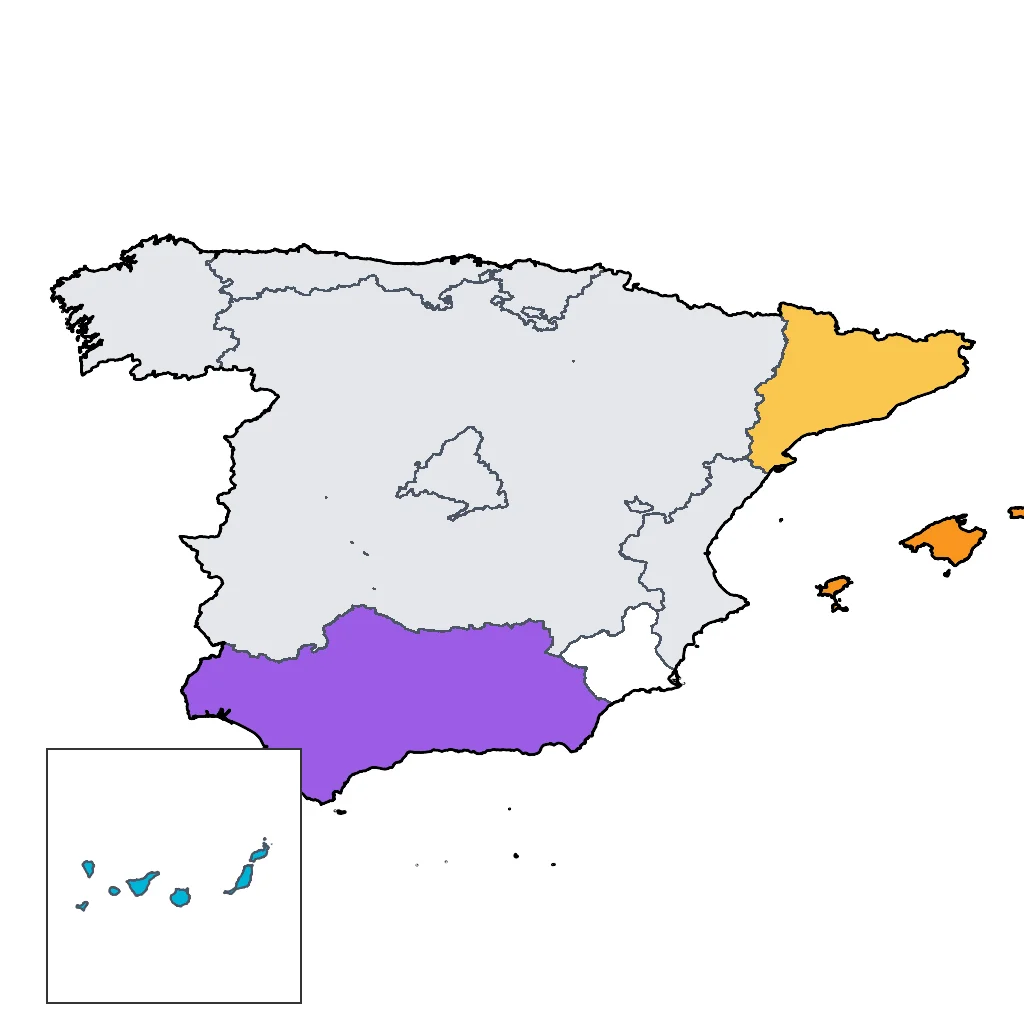

Hiking, wildlife, outdoor exploration, ecotourism
The UNESCO-protected Serra de Tramuntana offers authentic, rugged landscapes and ancient trails for sophisticated exploration. Peak months provide mild temperatures (15-24°C) ideal for hiking, whereas the off-season is prone to rain and the high summer is often too crowded and hot.
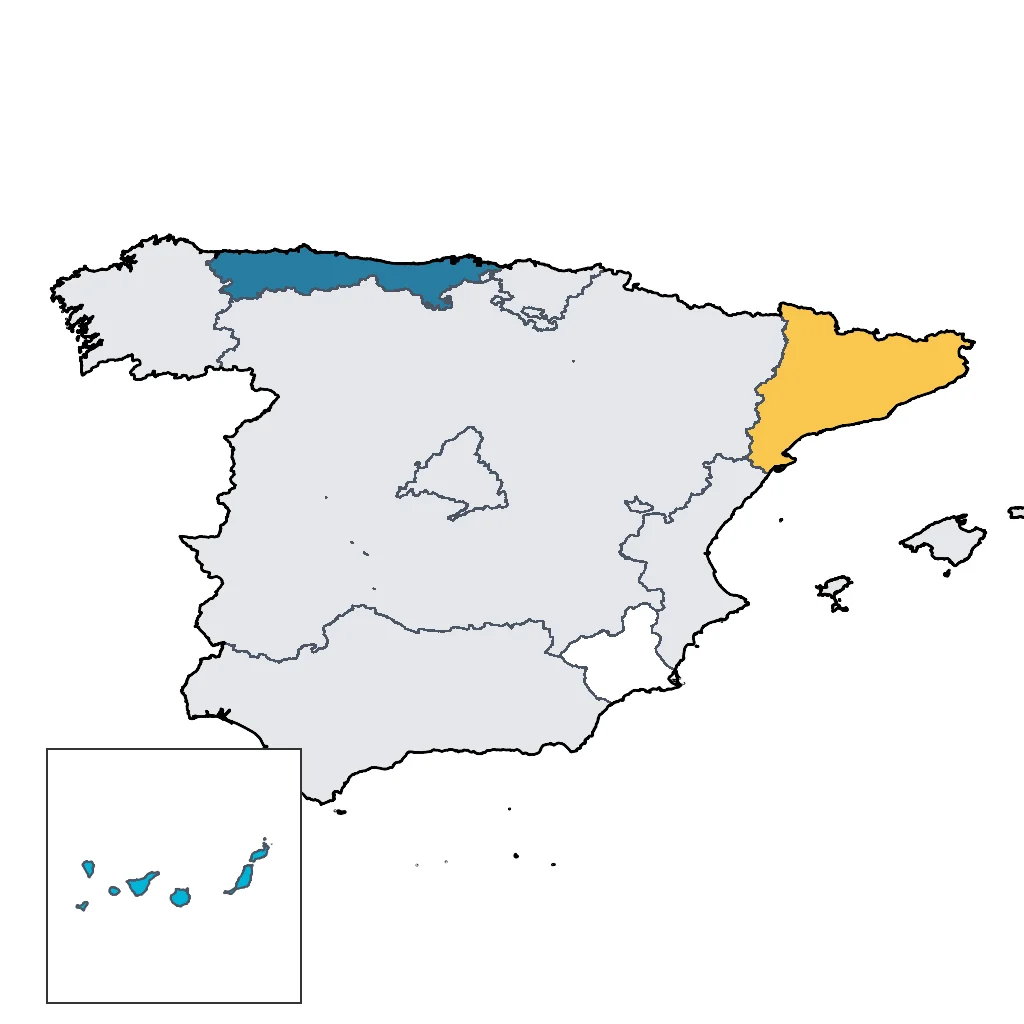

Urban tourism, museums, historical sites, architecture
Palma de Mallorca and Ibiza's Dalt Vila offer genuine historical depth with world-class gothic architecture and Mediterranean charm. Spring and autumn provide the most comfortable climate for exploration; summer can be congested with mass-market tourism, slightly diluting the authentic experience.
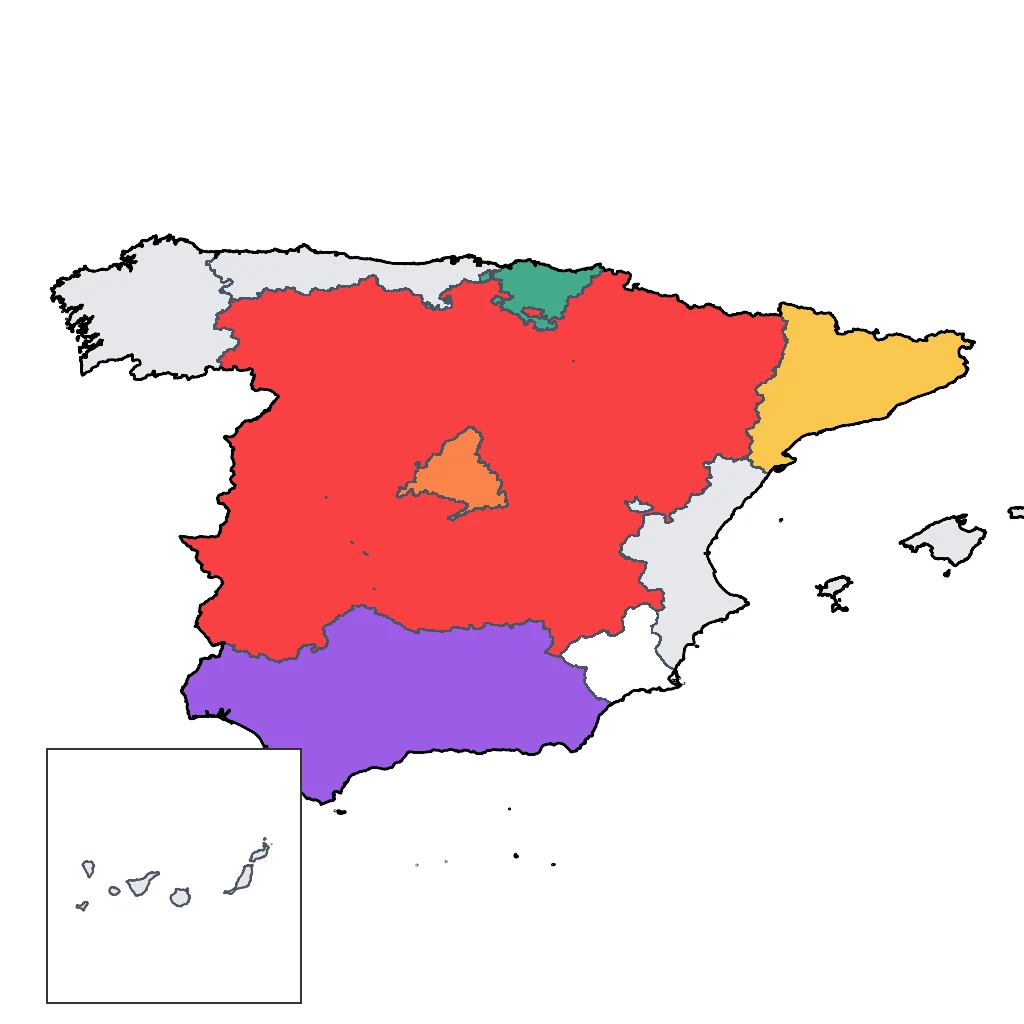

Spa retreats, wellness centers, peaceful getaways
Features an exceptional collection of authentic 'Agroturismos' and high-end yoga retreats that emphasize Mediterranean tranquility. Optimal between May and September when low humidity and sunny days facilitate outdoor wellness; winter months feel desolate as many premier retreats close.
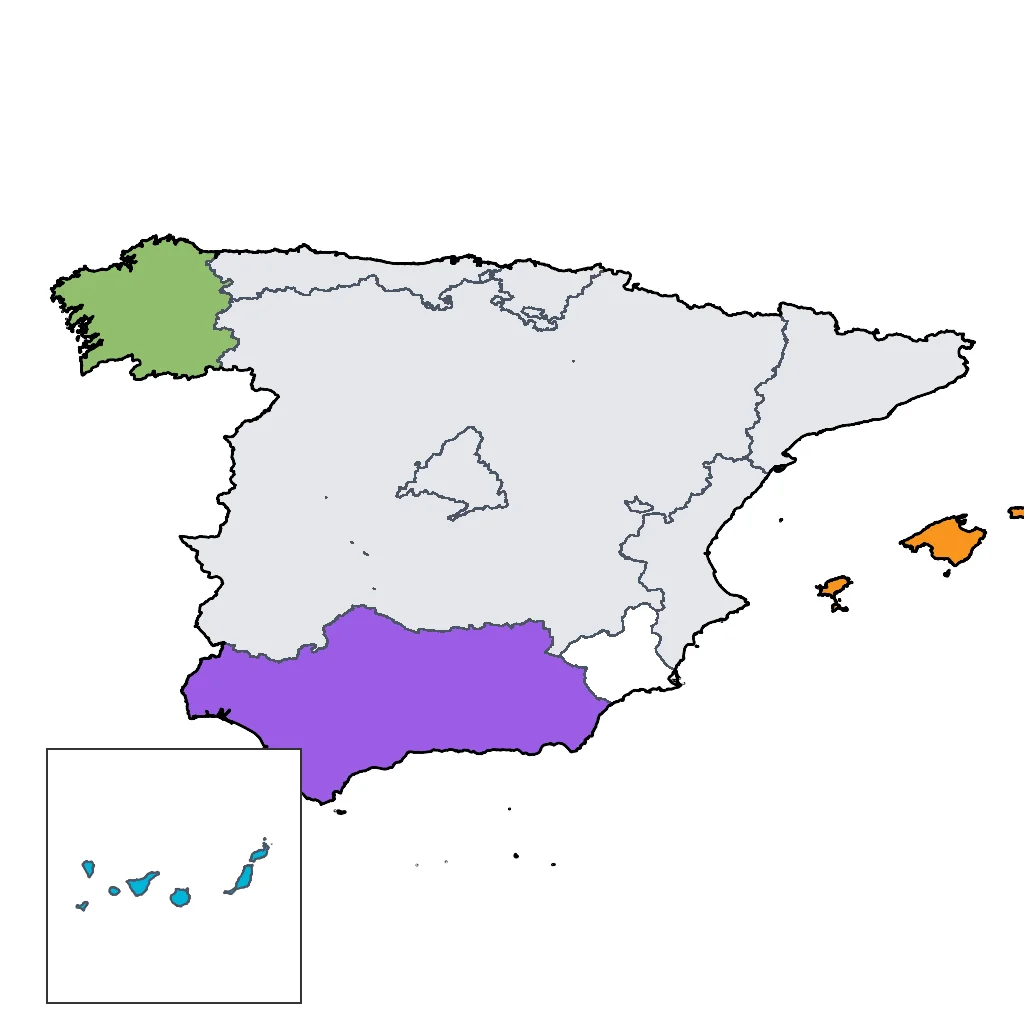

Scenic drives, countryside tours, route-based travel
Iconic coastal routes like the Ma-10 through the Tramuntana mountains offer breathtaking views and sophisticated stopovers. Peak months avoid the dangerous summer traffic congestion and the poor visibility/wet road conditions typical of the winter months.
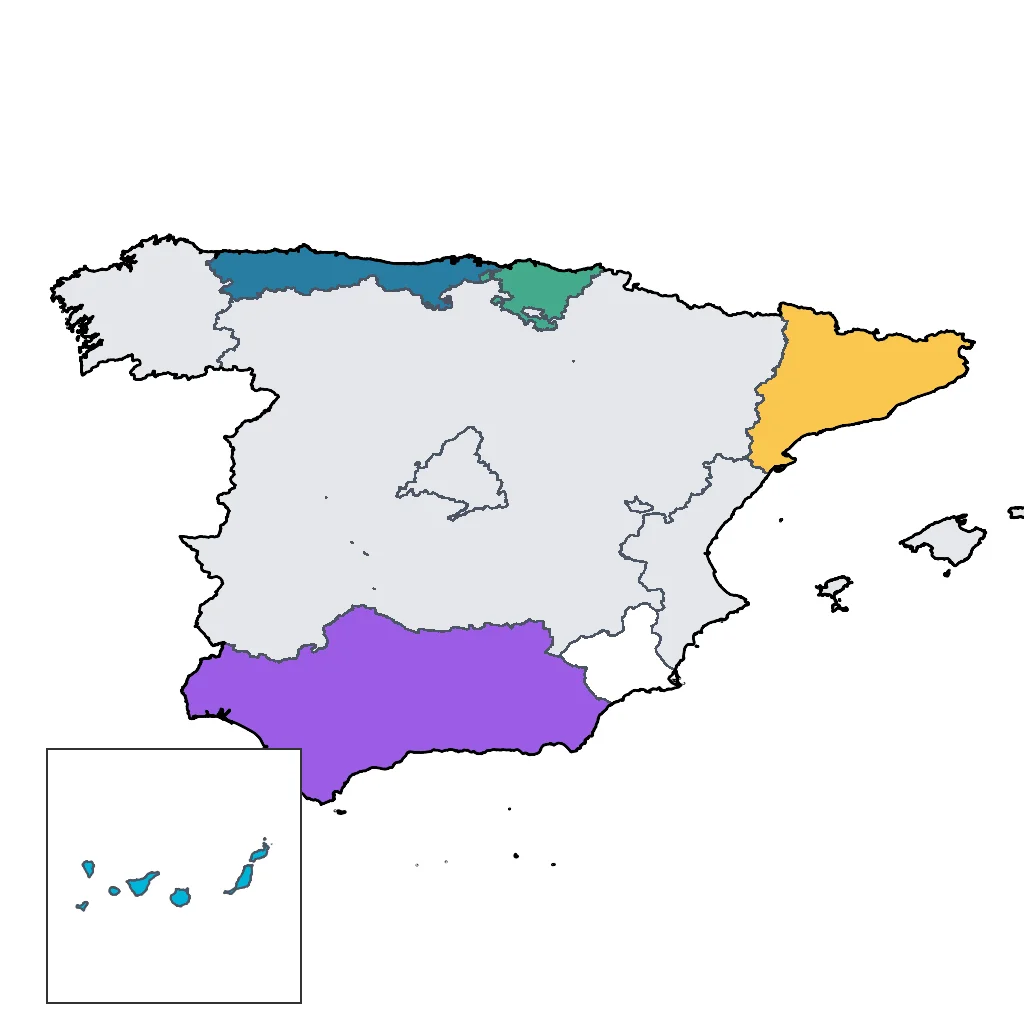

Learning experiences, scientific sites, historical education
Rich in Talayotic archaeological sites and maritime history, providing authentic learning for children. Spring and autumn are peak for comfortable site visits; summer heat makes outdoor ruins unpleasant for families, and winter limits guided tour availability.

Events, celebrations, seasonal attractions
Authentic traditions like Menorca's Sant Joan (June) and Mallorca's Easter processions (April) offer unique cultural insights. These peaks coincide with specific festival dates and pleasant weather; the winter and peak summer months lack major traditional family-oriented events.