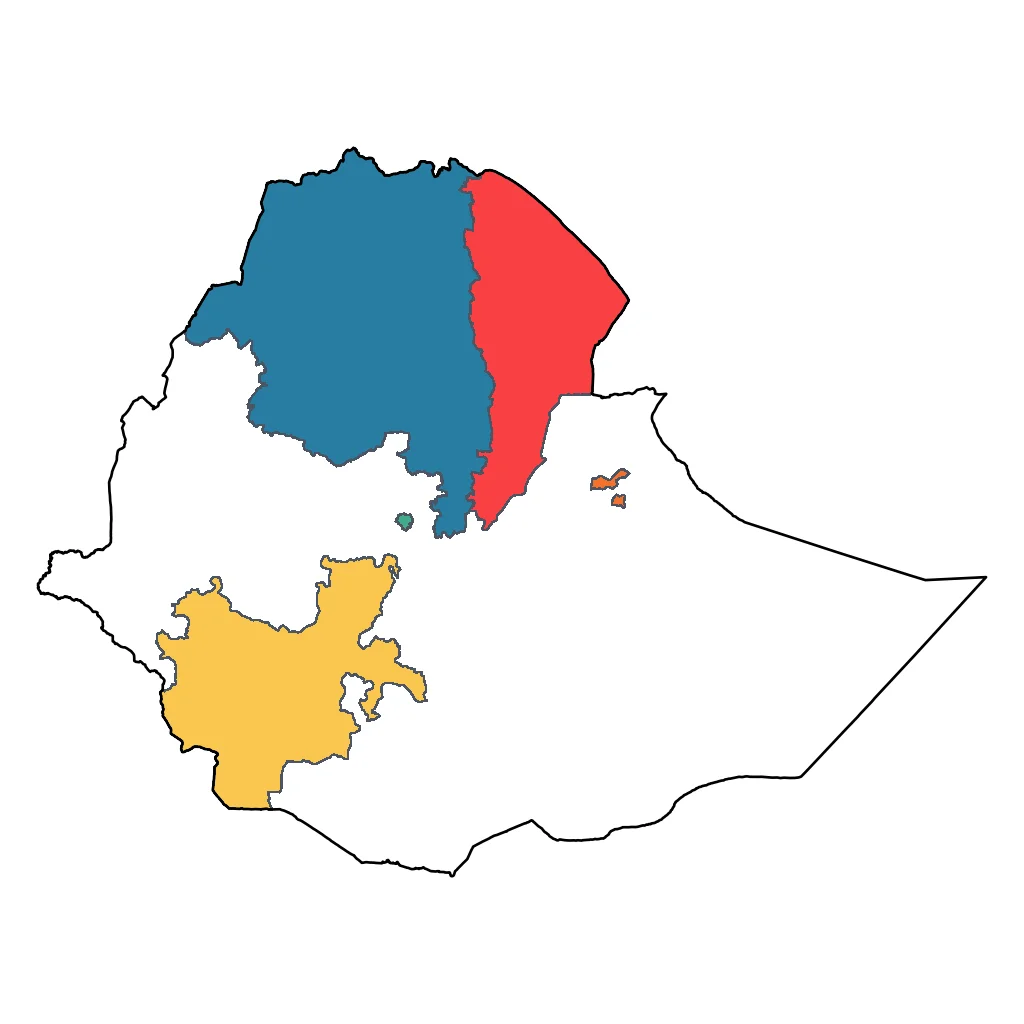
Omo Valley & South
Tribal traditions and wildlife in the Rift Valley 🐊
⚠️ SAFETY WARNING: Due to inter-communal clashes, armed conflict, and instability near the borders with Kenya and South Sudan, government agencies (including CA, USA, UK, AU, IE, and NZ) advise travelers to reconsider travel to the Omo Valley and Southern Nations region. Travel should only be undertaken with experienced local guides and reputable operators. Families are strongly urged to consult their own government's official travel advisory before considering a trip, as circumstances and risk assessments vary.
The Omo Valley offers a profound cultural experience, home to over a dozen distinct indigenous tribes who have maintained their traditional lifestyles. The region is a living anthropology lesson. Families typically base themselves in towns like Jinka or Turmi. Visits to the Hamer people, known for their bull-jumping ceremonies and ochre-treated hair, or the Mursi, famous for their lip plates, provide a window into human diversity. However, these interactions require sensitivity and a good guide to ensure they are respectful and educational rather than purely transactional.
Before reaching the deep south, the town of Arba Minch serves as a lush, scenic gateway. It acts as the launchpad for Nechisar National Park. The highlight here is a boat safari on Lake Chamo. Families can safely watch some of Africa's largest Nile crocodiles sunning themselves on the banks, alongside pods of hippos and a variety of water birds. It is a relaxing way to see wildlife without the rough off-road driving required in other parks.
In the highlands above Arba Minch, the Dorze people are welcoming hosts known for their weaving skills and unique architecture. Their homes are built from bamboo and resemble giant beehives or elephant faces, standing up to six meters tall. Children can enter these structures, watch traditional weaving demonstrations, and taste kocho, a bread made from the false banana plant. The cooler climate here makes it a pleasant stop for families breaking up the journey to the lower Omo Valley.
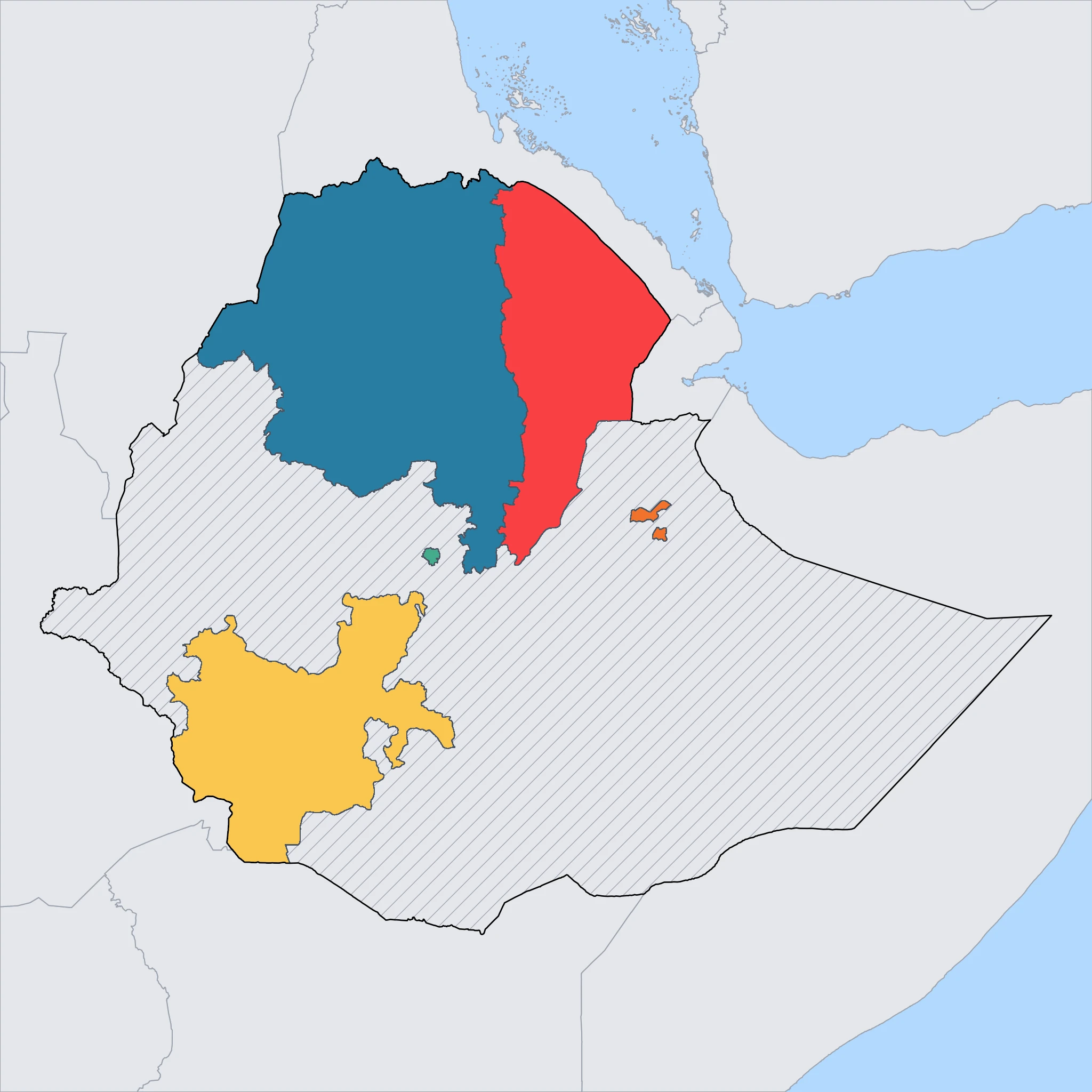
Click a region to explore

Activities & Best Times
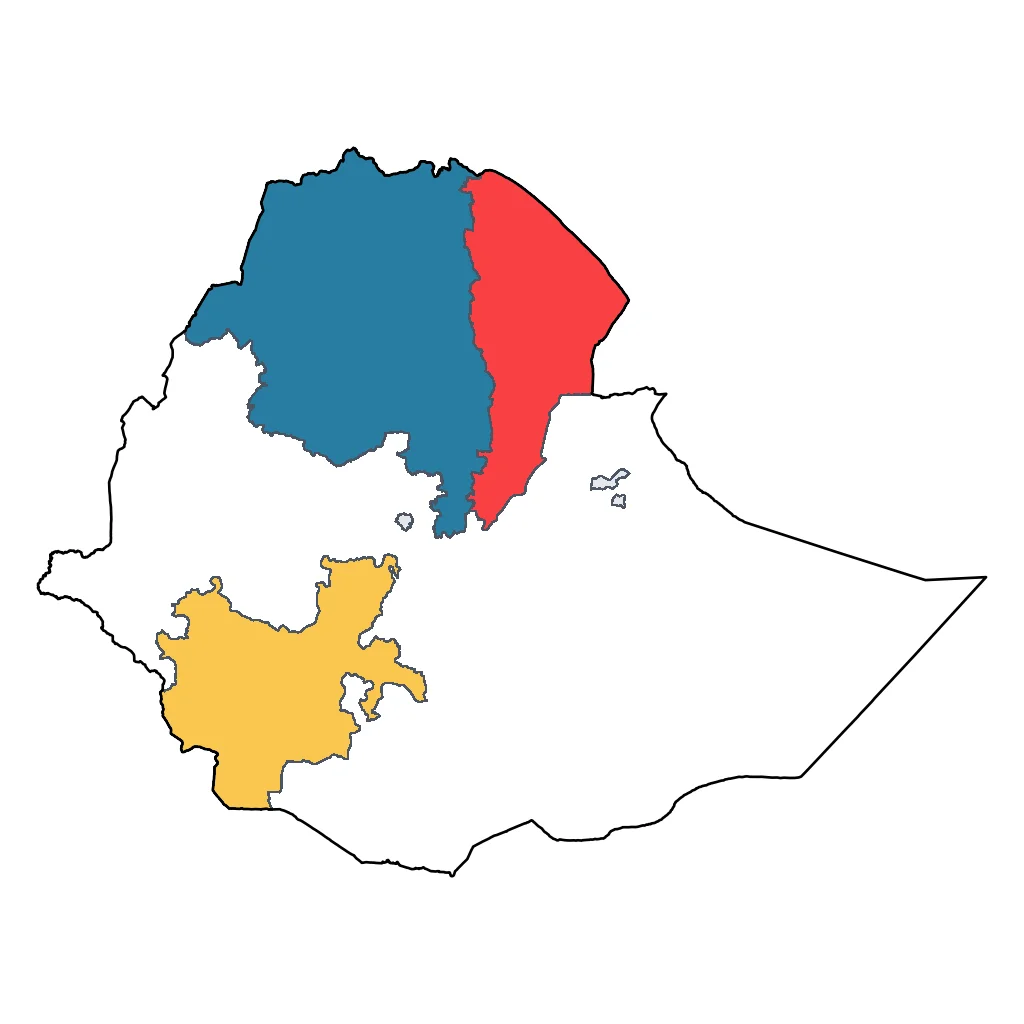
Hiking, wildlife, outdoor exploration, ecotourism
Features incredible wildlife encounters on Lake Chamo and pristine Rift Valley landscapes that appeal to intrepid, well-travelled families. The dry season (Nov-Feb) is optimal for wildlife viewing and hiking; peak rainfall between April and September creates hazardous conditions and poor visibility.

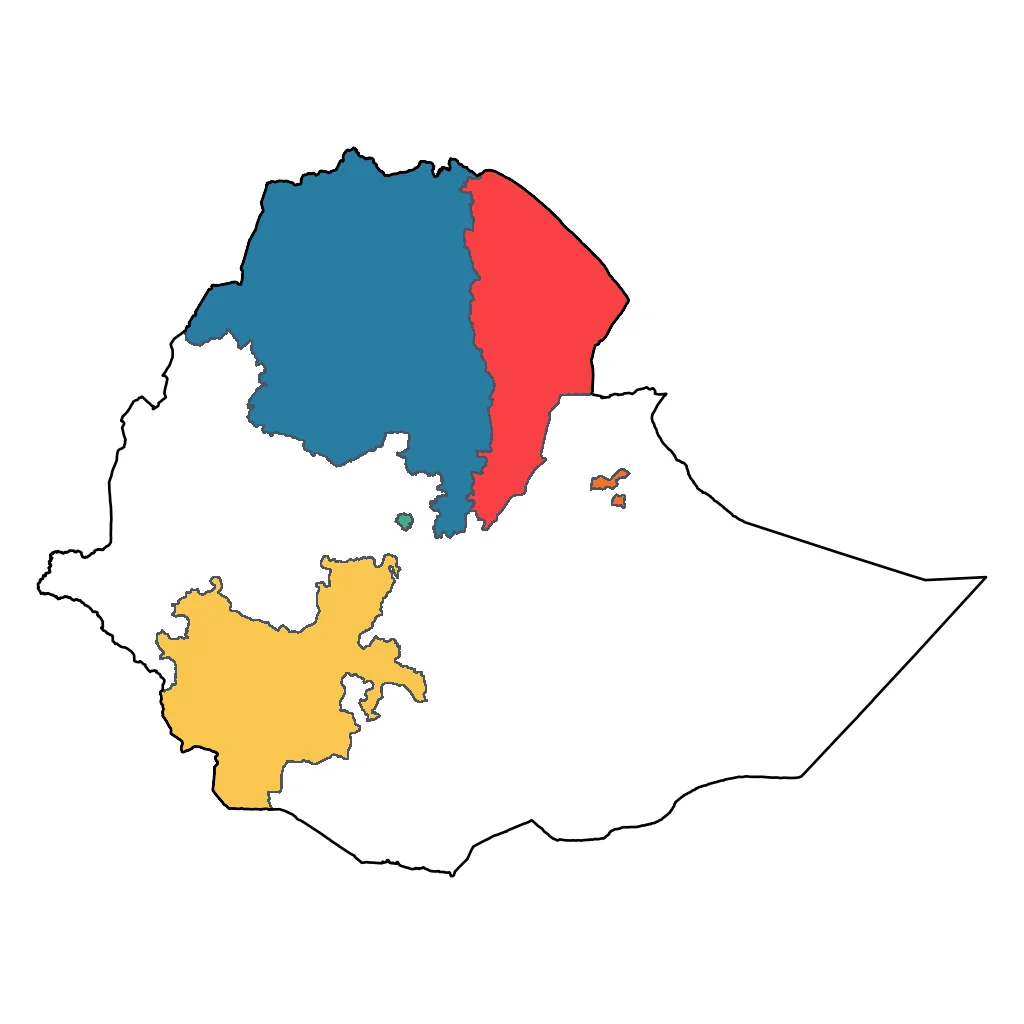
Learning experiences, scientific sites, historical education
The Lower Omo Valley is a critical archaeological and anthropological site for understanding human evolution, offering profound educational value. Access to these scientific sites is best in the dry season, as the region lacks the heavy indoor infrastructure needed to support learning during the monsoon months.

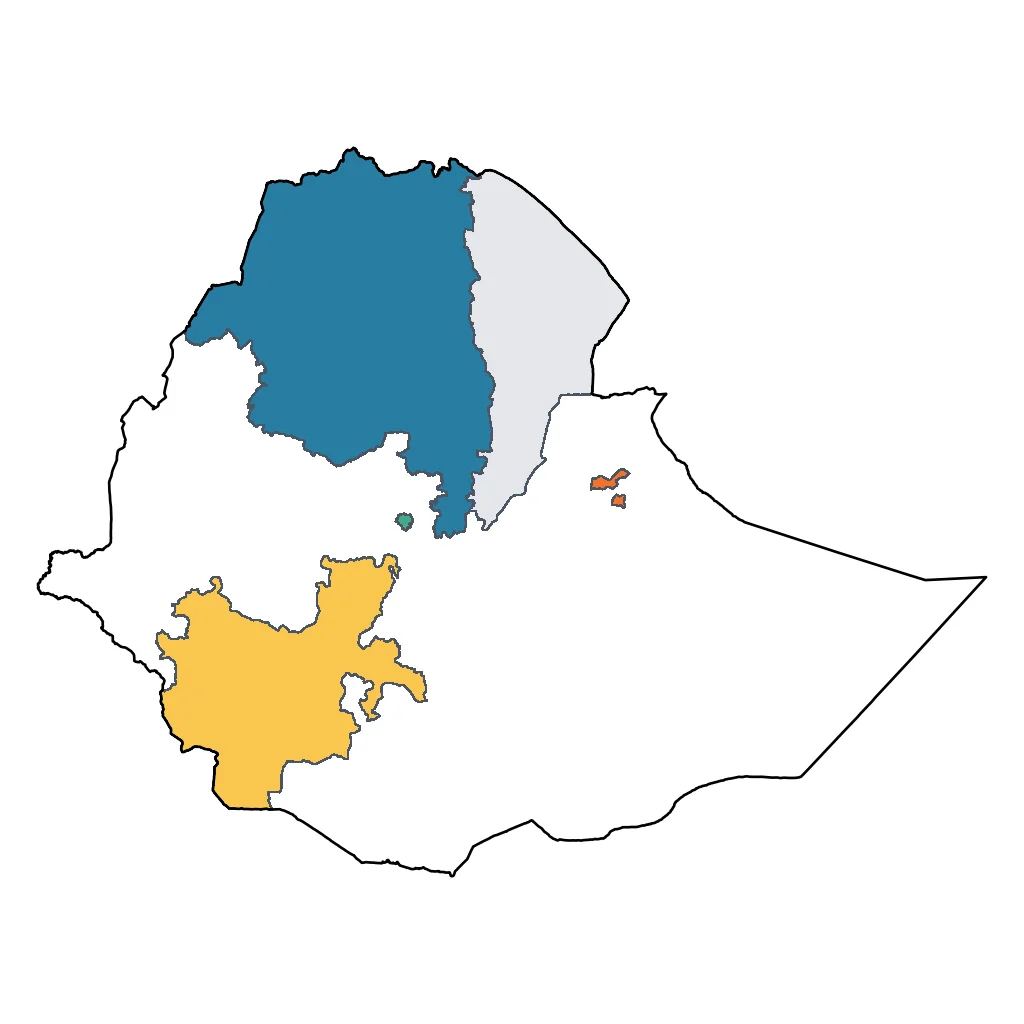
Events, celebrations, seasonal attractions
Renowned for authentic cultural events like Hamer bull-jumping ceremonies and vibrant tribal markets that provide genuine international appeal. These events are most accessible during dry periods when groups gather more frequently; road conditions during peak rains prevent reliable attendance at these time-sensitive celebrations.

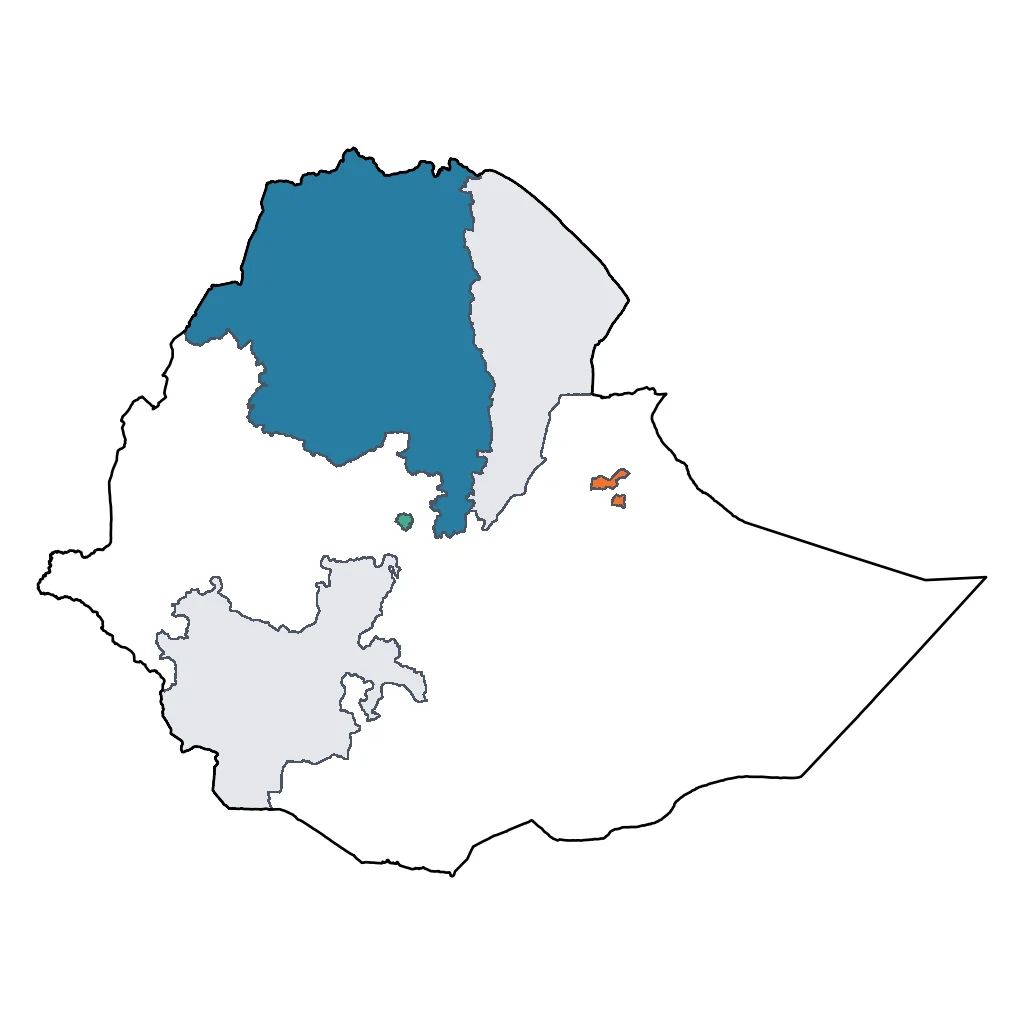
Urban tourism, museums, historical sites, architecture
The Omo Valley offers exceptional ethnographic/tribal cultural experiences, but the 'city_cultural' category implies urban cultural infrastructure (museums, galleries, historic architecture). The Omo Valley is remote and rural with no significant urban center. Arba Minch is a small town, not a cultural city. The tribal experience is genuinely unique but doesn't fit this category at 'excellent'. By international calibration, 'excellent' city_cultural requires dense urban cultural infrastructure (like Fez, Kyoto, or Rome). Downgrade to 'good' to reflect the category mismatch — the cultural value is high but the 'city' component is absent.
Scenic drives, countryside tours, route-based travel
Provides spectacular, rugged scenic drives through the Great Rift Valley for families seeking an authentic expedition experience. While the landscapes are world-class, the infrastructure is underdeveloped, making travel only viable in the driest months (Dec-Feb) to ensure road passability and safety.