

⚠️ SAFETY WARNING: Due to widespread civil unrest, armed conflict in regions such as Amhara, Oromia, and Tigray, and risks of terrorism and kidnapping, government agencies (including CA, USA, UK, AU, IE, and NZ) advise travelers to reconsider or avoid non-essential travel to Ethiopia. Security conditions are volatile and can deteriorate rapidly, with specific warnings for border areas. A recent Marburg virus outbreak has also been reported in the South Ethiopia Region. Families are strongly urged to consult their own government's official travel advisory before considering a trip, as individual circumstances and regional risk assessments vary significantly.
For families who undertake essential travel or visit safer zones, Ethiopia provides a travel experience unlike any other in Africa. Uniquely, the country was never colonized, allowing it to preserve its own ancient alphabet, calendar, and timekeeping system. The capital, Addis Ababa, sits at a high altitude and serves as the primary hub. Here, families can visit the National Museum of Ethiopia to see the famous skeletal cast of "Lucy" (Dinkinesh), providing a tangible history lesson on human evolution.
Ethiopian cuisine is a highlight for children who enjoy hands-on dining. Meals are typically shared from a communal plate piled with injera-a spongy, sour flatbread made from teff flour. Diners use the bread to scoop up various wats (stews) made from lentils, vegetables, or meat. The traditional coffee ceremony is another cultural pillar, involving roasting beans over hot coals and frankincense, a sensory experience that occurs daily in many households and hotels.
Geographically, Ethiopia is defined by the Great Rift Valley and massive highland plateaus. The landscapes range from the dry heat of the lowlands to the cool, breezy air of the mountains. While many famous historical sites like Lalibela are currently in conflict-affected zones, the natural beauty of the Rift Valley lakes remains a significant feature of the country's geography. Endemic wildlife, such as the Gelada baboon and the Ethiopian wolf, inhabit these high-altitude ecosystems.
Practically, traveling here requires careful planning. The high altitude in Addis Ababa (over 2,300 meters) can cause shortness of breath for newly arrived children. Medical facilities are limited outside the capital, and comprehensive travel insurance is essential. Families should be prepared for a cash-based economy and intermittent internet connectivity.

Explore Regions
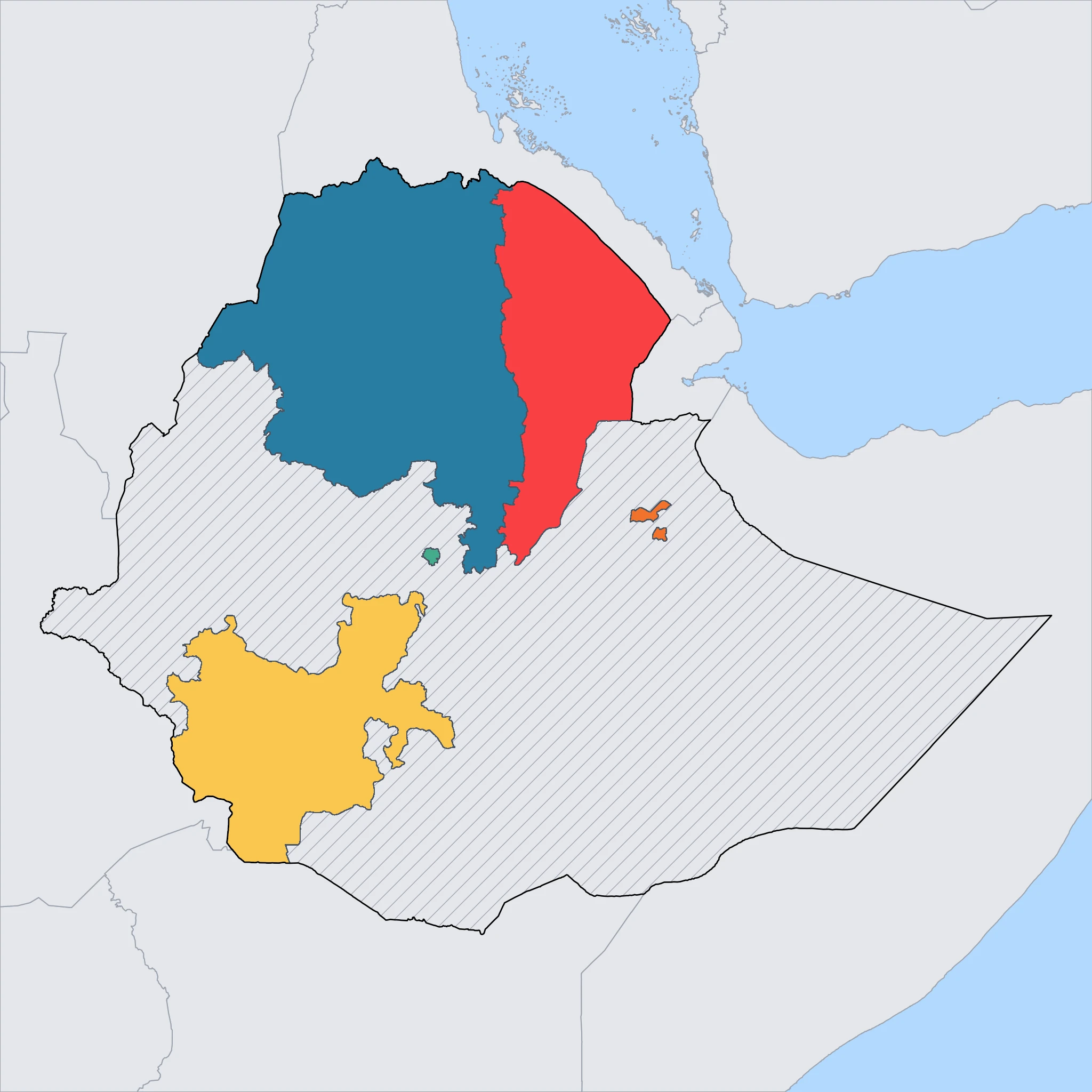
5 Regions
Addis Ababa
The vibrant heart of Ethiopia and gateway to ancient history 🇪🇹
Danakil Depression & Afar
An alien landscape of fire, salt, and neon colors 🌋
Eastern Ethiopia (Harar)
A walled city of peace, history, and wild encounters 🕌
Northern Historic Circuit (Lalibela, Gondar, Axum, Simien Mountains)
Rock-hewn wonders and the Camelot of Africa 🏰
Omo Valley & South
Tribal traditions and wildlife in the Rift Valley 🐊
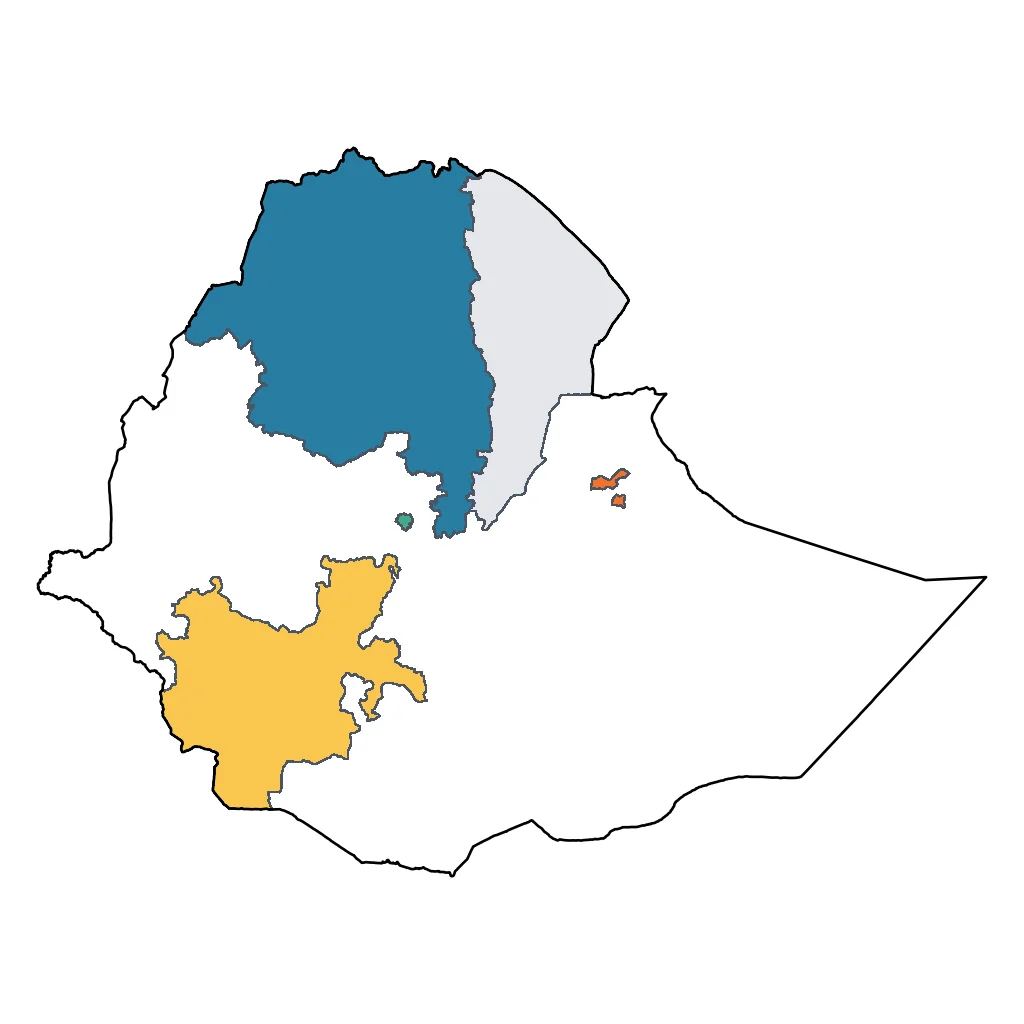
Click on a region marker to explore details. Use the dropdown to color regions by activity suitability.

Activities & Best Times

Adventure & Nature
ExcellentHiking, wildlife, outdoor exploration, ecotourism
A globally unique geological wonder featuring active lava lakes, neon sulfur springs, and vast salt flats that offer an unparalleled 'alien' landscape experience. Peak months provide the only window with tolerable daytime temperatures (max <35°C), whereas the extreme summer heat exceeding 40°C makes adventure travel dangerous and physically exhausting.
The Simien Mountains offer a pristine, high-altitude wilderness experience where families can encounter endemic species like the Gelada baboon in a dramatic, world-class landscape. Peak season (Oct-Mar) provides clear skies and optimal trekking visibility, whereas the monsoon-level rainfall in July and August (>290mm) creates dangerous trail conditions and limits wildlife sightings.
Features incredible wildlife encounters on Lake Chamo and pristine Rift Valley landscapes that appeal to intrepid, well-travelled families. The dry season (Nov-Feb) is optimal for wildlife viewing and hiking; peak rainfall between April and September creates hazardous conditions and poor visibility.

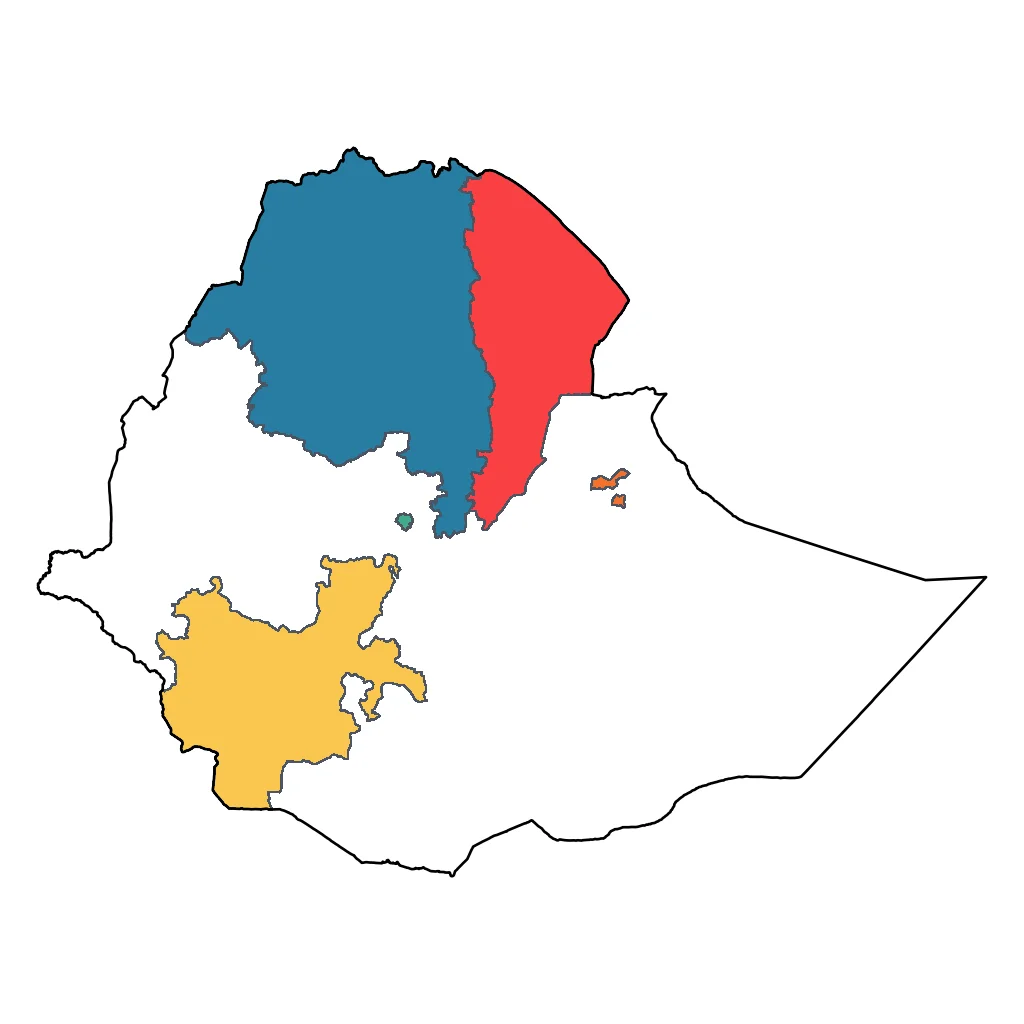
Educational & Exploratory
ExcellentLearning experiences, scientific sites, historical education
An unparalleled living classroom for archaeology and religious history, from the ancient Aksumite Empire stelae to the hidden tunnels of Lalibela. The dry season (Oct-Mar) is best for guided educational tours and on-site exploration; summer weather causes significant accessibility issues for younger travelers visiting these remote archaeological sites.
Known as the 'cradle of humanity,' this region offers profound scientific value regarding paleoanthropology and plate tectonics for sophisticated, learning-oriented families. Field visits to archaeological sites and volcanic zones are optimal in the cooler winter months; however, the extreme hyper-arid climate during the rest of the year significantly limits educational field exploration.
The Lower Omo Valley is a critical archaeological and anthropological site for understanding human evolution, offering profound educational value. Access to these scientific sites is best in the dry season, as the region lacks the heavy indoor infrastructure needed to support learning during the monsoon months.

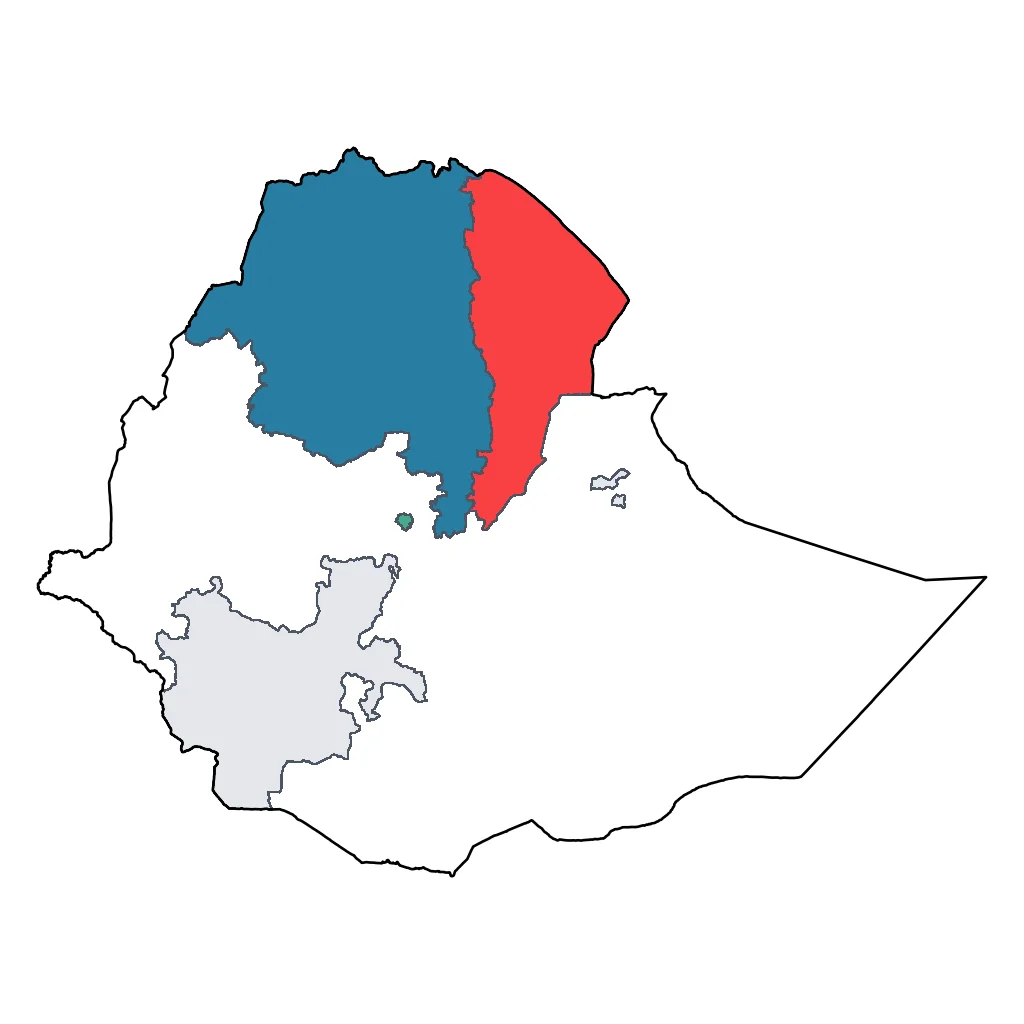
City & Cultural
ExcellentUrban tourism, museums, historical sites, architecture
Harar Jugol is a UNESCO World Heritage site and the fourth holiest city of Islam, offering an exceptionally authentic urban labyrinth of 82 mosques and unique Harari architecture. Peak dry months (Oct–Feb, June) provide optimal conditions for exploring narrow alleys; shoulder and off-peak months see higher rainfall which can make the ancient unpaved streets difficult to navigate.
Home to world-class UNESCO sites like the rock-hewn churches of Lalibela and the 17th-century castles of Gondar, offering an architectural heritage that is unique globally. Peak dry months (Oct-Mar) provide ideal conditions for exploring these open-air sites, while the heavy summer rains (Jun-Aug) make traversing the historic ruins and muddy church compounds difficult.
As the diplomatic capital of Africa, the city offers high-quality museums and a unique fusion of ancient Orthodox heritage and modern urban life. The dry season (Oct-Feb) provides ideal conditions for exploring outdoor markets and historic sites, while heavy rains in Jun-Aug can make city navigation and walking tours difficult.

Festivals & Seasonal
ExcellentEvents, celebrations, seasonal attractions
Hosts internationally significant cultural events like Timkat (Epiphany) in January and Meskel in September, offering deep authenticity that appeals to sophisticated travelers. January is the absolute peak for religious festivals and mild weather, while the rainy season offers few major cultural celebrations and challenging logistics for outdoor events.
Renowned for authentic cultural events like Hamer bull-jumping ceremonies and vibrant tribal markets that provide genuine international appeal. These events are most accessible during dry periods when groups gather more frequently; road conditions during peak rains prevent reliable attendance at these time-sensitive celebrations.
While Meskel and Timkat are genuinely significant cultural events, Addis Ababa hosts the urban/national version of these celebrations. The most authentic and internationally renowned Timkat celebrations occur in Gondar and Lalibela (Northern Circuit, which appropriately retains 'excellent'). Addis Ababa's festival scene is very good but not at the same tier as the Northern Circuit's, nor comparable to global 'excellent' festival cities like Rio or Varanasi. Downgrading to 'very_good' also improves differentiation with the Northern Circuit.

Road Trips & Scenic
Very GoodScenic drives, countryside tours, route-based travel
The drive through the Wollo and Gondar regions offers some of Africa's most spectacular mountain scenery on increasingly well-maintained roads. Travel is best during the driest months (Nov-Feb) to ensure safe navigation of high mountain passes; the heavy rains of June through August can cause landslides and severely limit visibility of the dramatic escarpments.
Offers world-class 4x4 expedition experiences across salt pans and remote volcanic terrain, guided by local Afar scouts for high authenticity. Winter months offer clear skies and manageable temperatures for long-distance desert transit; summer months are unsuitable due to extreme thermal stress on both travelers and vehicle equipment.
Provides spectacular, rugged scenic drives through the Great Rift Valley for families seeking an authentic expedition experience. While the landscapes are world-class, the infrastructure is underdeveloped, making travel only viable in the driest months (Dec-Feb) to ensure road passability and safety.

Sports & Active
GoodSport tourism, fitness activities, active recreation
The Erta Ale volcano trek is a remarkable experience, but it's essentially one activity available only during Nov-Feb with minimal infrastructure and significant safety risks. Internationally calibrated 'very_good' sports/active destinations offer varied activities, reliable access, and multiple seasons. The extreme environmental limitations and single-activity nature warrant a 'good' rating.
The high-altitude environment is excellent for fitness-oriented families, particularly for mountain biking and running at Entoto Natural Park. Peak months provide the best weather for active recreation, whereas the summer monsoon period makes outdoor sports difficult and uncomfortable.
Offers world-class high-altitude trekking and hiking for active families, particularly within the Simien Mountains National Park. Optimal conditions occur during the cool, dry winter months; the extreme rainfall and high humidity (65%) in August make active recreation physically taxing and trails nearly impassable.

Relaxation & Wellness
MarginalSpa retreats, wellness centers, peaceful getaways
Several world-class luxury hotels offer sophisticated spa facilities and peaceful 'palaver' gardens that cater to discerning international tastes. Peak months offer low humidity and pleasant temperatures for utilizing outdoor hotel amenities, whereas the high precipitation and cooler days of the rainy season diminish the relaxation appeal.
While not a traditional spa destination, high-end boutique lodges in the Simien Mountains offer serene, world-class retreats for disconnection. Optimal for quiet relaxation during the dry, sunny months, but less appealing during the damp and misty monsoon season.
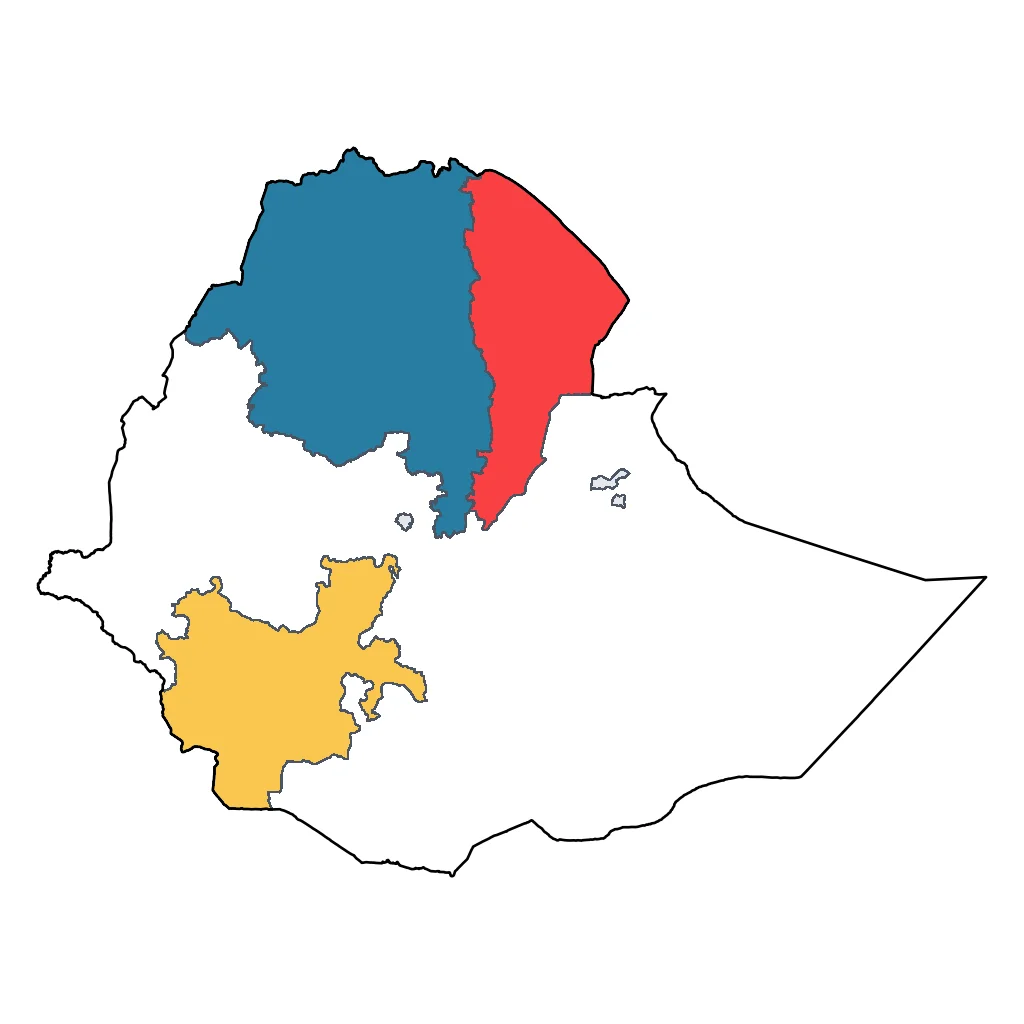
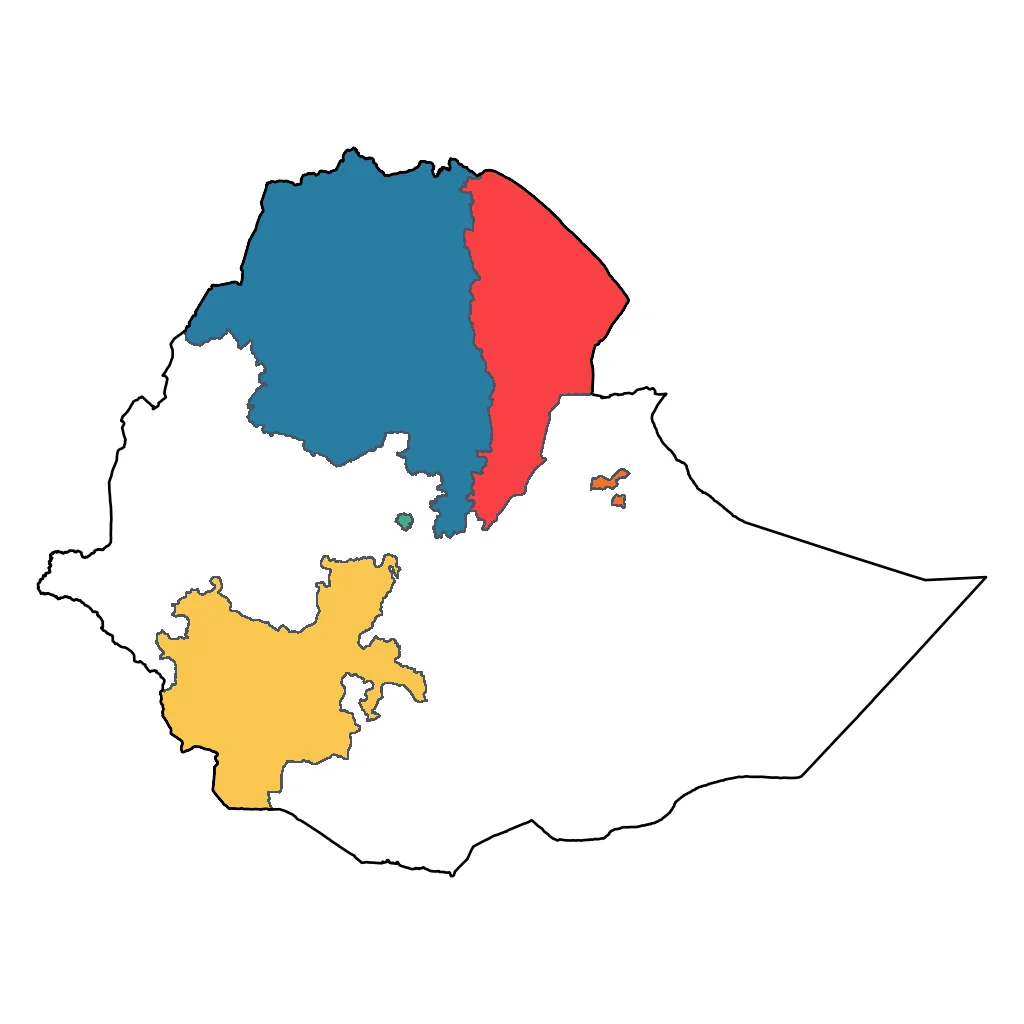
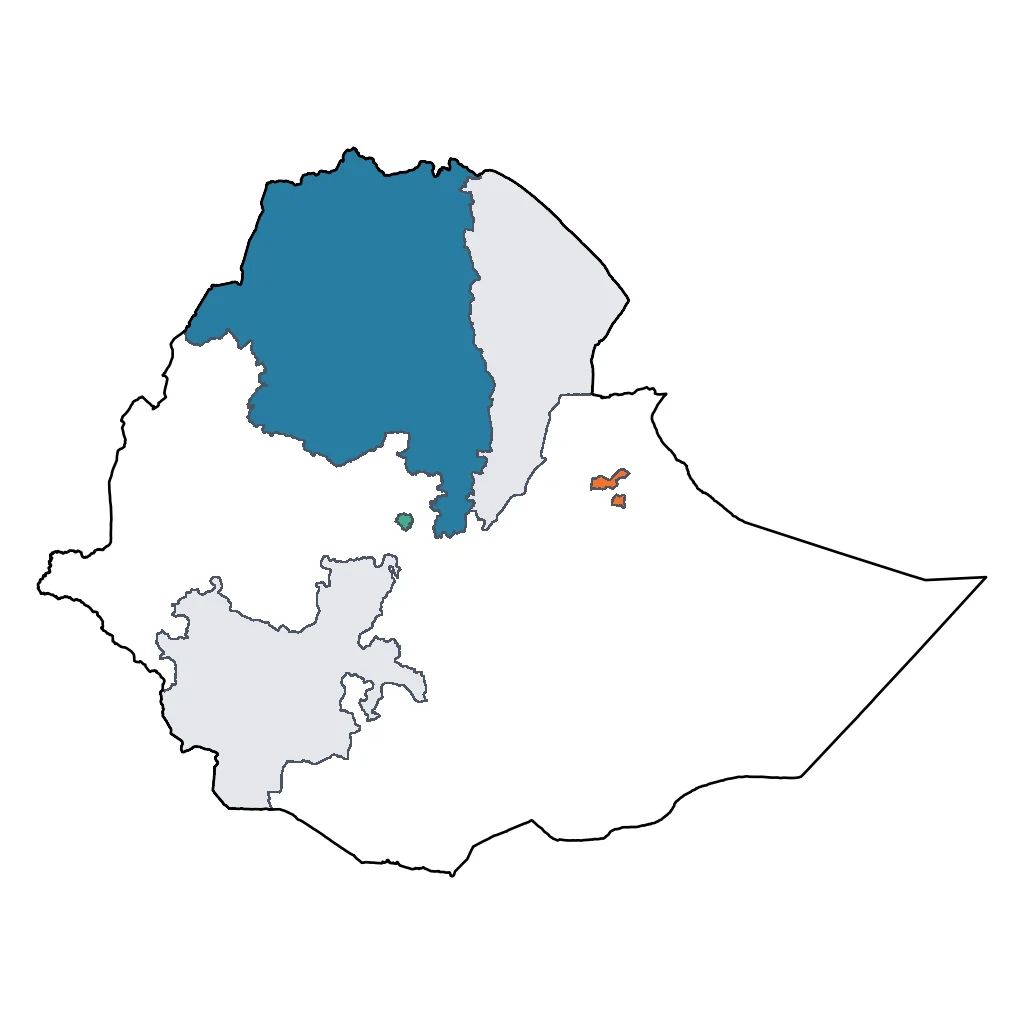

Airports & Flight Routes
Toggle options to view domestic routes and international airports. Click an airport for details.

Climate & Weather
Addis Ababa
Show Details
| Month | Temp °C | Rain | Humidity |
|---|
Danakil Depression & Afar
Show Details
| Month | Temp °C | Rain | Humidity |
|---|
Eastern Ethiopia (Harar)
Show Details
| Month | Temp °C | Rain | Humidity |
|---|
Northern Historic Circuit (Lalibela, Gondar, Axum, Simien Mountains)
Show Details
| Month | Temp °C | Rain | Humidity |
|---|
Omo Valley & South
Show Details
| Month | Temp °C | Rain | Humidity |
|---|

Travel Advisory
Significant safety and security risks exist. Travelers should evaluate the necessity of their trip and avoid high-risk regional zones.
Safety Topics
Traveller Advice (4 groups)

Travelers should maintain a high level of situational awareness, keep identification documents secure, and register their presence with their respective national embassies.

Same-sex relationships are criminalized in Ethiopia. Individuals may face harassment, arrest, or prosecution, and public displays of affection should be avoided.

Female travelers should be aware of risks regarding verbal and physical harassment. Modest dress is recommended to respect local cultural norms, and solo travel at night is discouraged.

Aid workers have previously been targeted in kidnapping incidents and may face extreme difficulties accessing conflict-affected regions. Strict security protocols are necessary.