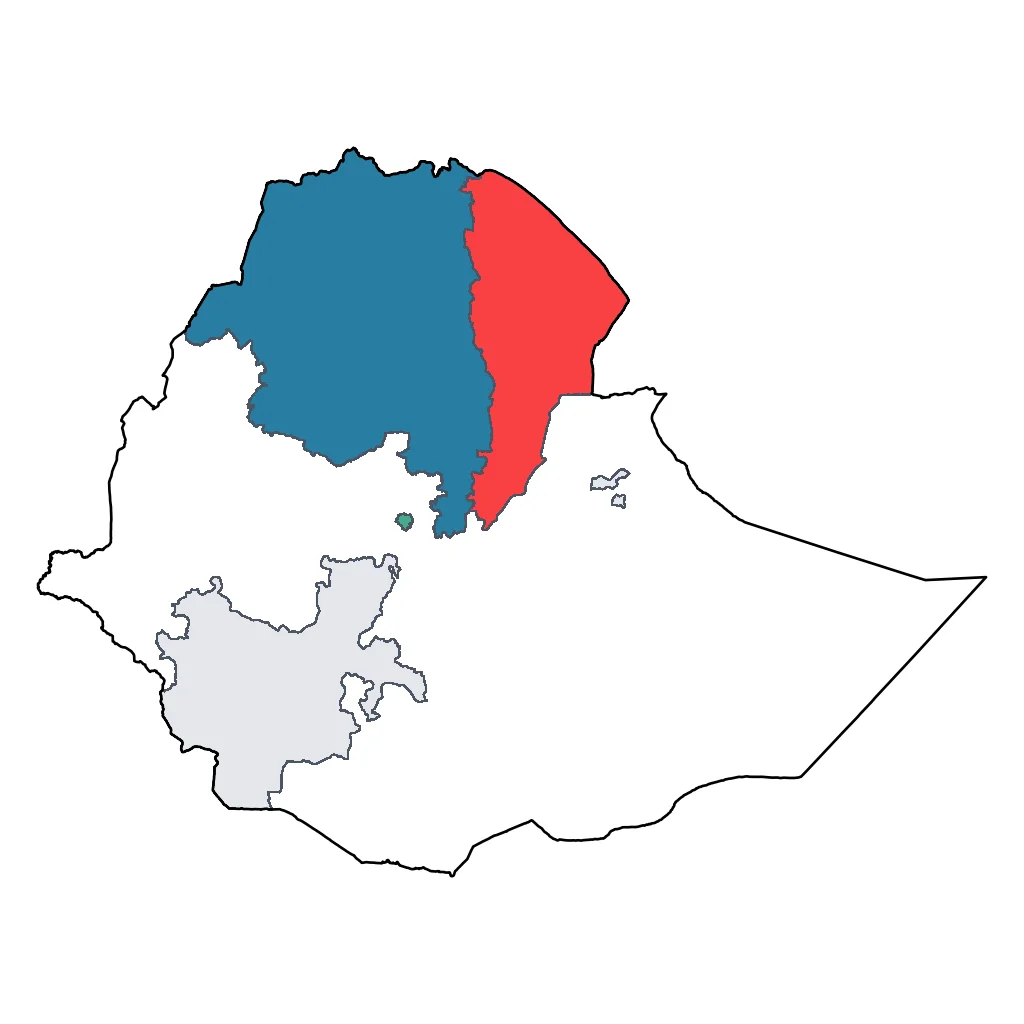
Eastern Ethiopia (Harar)
A walled city of peace, history, and wild encounters 🕌
⚠️ SAFETY WARNING: Due to potential civil unrest, ethnic tensions, and proximity to volatile border regions, government agencies (including CA, USA, UK, AU, IE, and NZ) advise travelers to reconsider travel to Eastern Ethiopia. While Harar itself is often calm, road travel through the surrounding regions carries risks. Families are strongly urged to consult their own government's official travel advisory before considering a trip, as circumstances and risk assessments vary.
Harar is a city of distinct character and history, quite different from the Christian highlands of the north. Known as the fourth holiest city in Islam, Harar Jugol is a UNESCO World Heritage site encircled by a centuries-old defensive wall. Inside the gates, families will find a pedestrian-friendly maze of 368 narrow alleyways packed with mosques, shrines, and vibrant markets. The walls are painted in colorful geometric patterns, and the scent of spices and roasting coffee fills the air. It is a sensory experience that invites walking and exploration.
The most famous attraction for families is the nightly spectacle of the Hyena Men. Just outside the city walls at dusk, these local men call wild spotted hyenas from the surrounding hills and feed them meat by hand—and sometimes even from their own mouths. Brave children can watch from a safe distance or, under strict supervision, offer a stick with meat to the animals. It is a unique interaction between humans and wild predators that has become a peaceful cultural tradition unique to Harar.
Nearby, the city of Dire Dawa offers a different slice of history with its 19th-century railway architecture, built by the French. It serves as a transport hub and has a more relaxed, leafy atmosphere. Between the two cities lies the Babile Elephant Sanctuary, home to a small population of the rare East African elephant, though sightings can be elusive. The region is also the birthplace of Ethiopia's best coffee; older children and parents can visit traditional coffee houses to see the roasting process that underpins the local economy and social life.
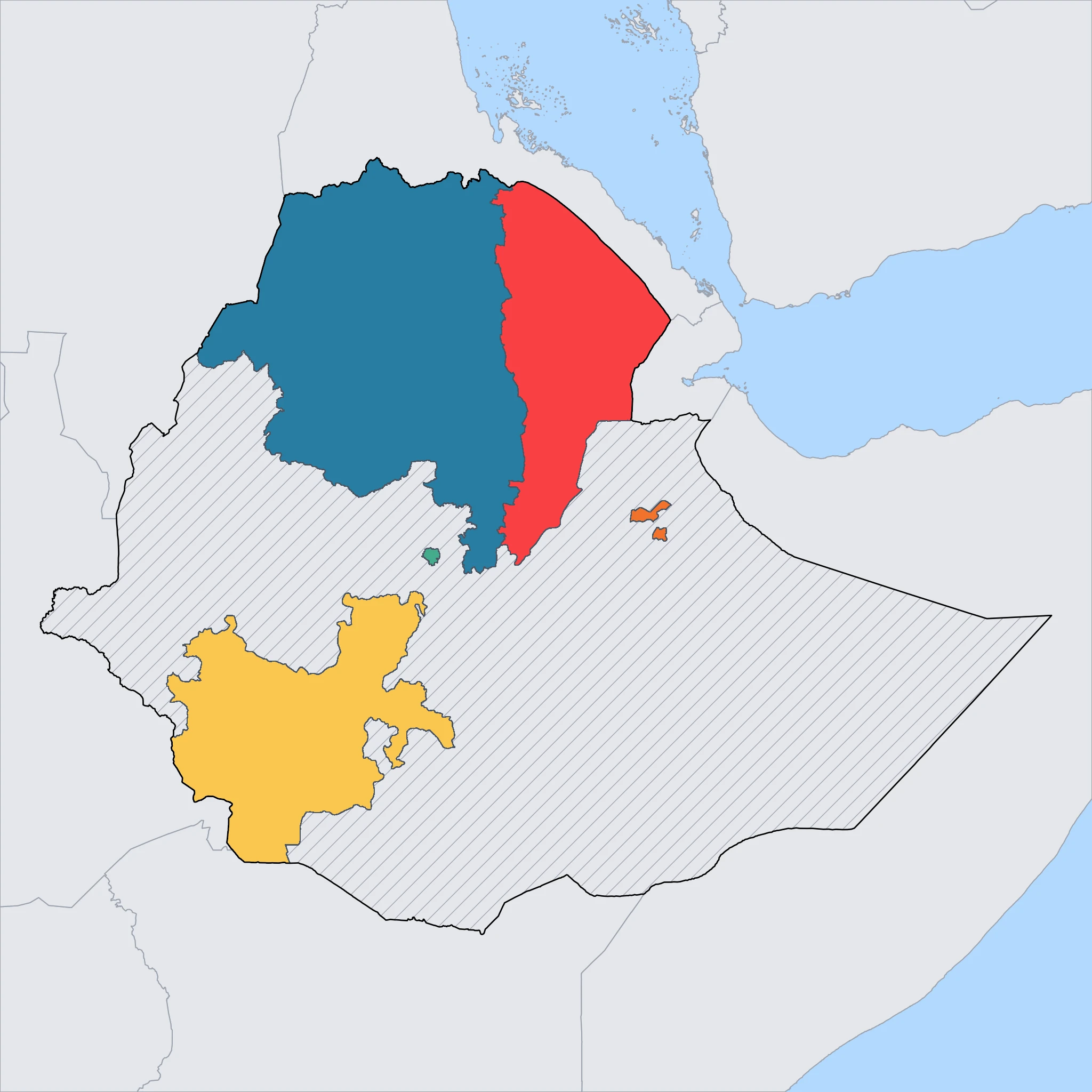
Click a region to explore

Activities & Best Times

Urban tourism, museums, historical sites, architecture
Harar Jugol is a UNESCO World Heritage site and the fourth holiest city of Islam, offering an exceptionally authentic urban labyrinth of 82 mosques and unique Harari architecture. Peak dry months (Oct–Feb, June) provide optimal conditions for exploring narrow alleys; shoulder and off-peak months see higher rainfall which can make the ancient unpaved streets difficult to navigate.

Learning experiences, scientific sites, historical education
A center of Islamic scholarship for centuries and the former home of French poet Arthur Rimbaud, the region provides profound historical and archaeological learning opportunities. The dry season is ideal for visiting museums and cultural centers, while the wettest months (Apr, Aug) may see reduced access to guided educational walking tours.

Events, celebrations, seasonal attractions
Harar hosts vibrant, authentic celebrations for Eid and Timkat that offer deep cultural immersion for discerning travelers. While lunar-based, these events are best experienced during the drier months when outdoor processions and communal feasts are not hampered by the heavy seasonal rains of April and August.
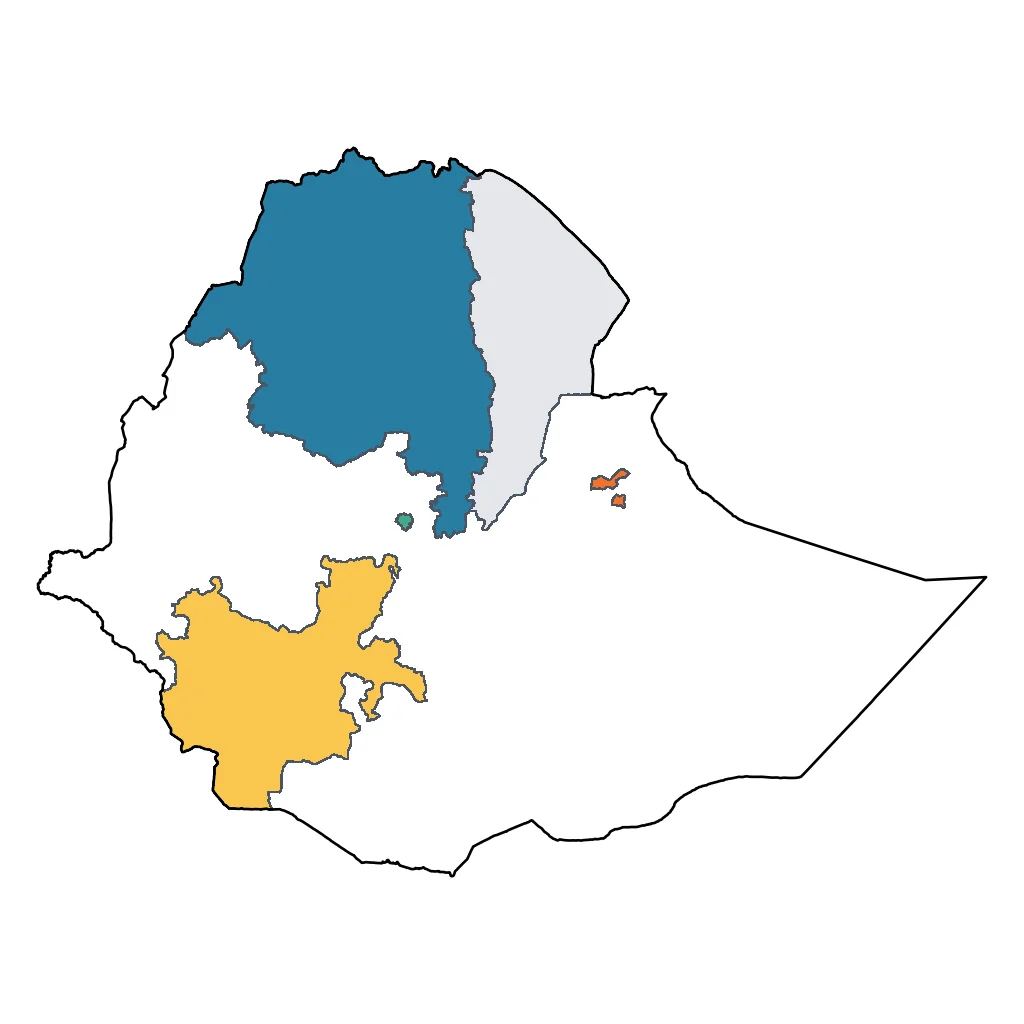

Hiking, wildlife, outdoor exploration, ecotourism
The hyena feeding is a unique experience but it's a single nightly urban activity, not a full adventure/nature program. The Babile Elephant Sanctuary exists but has very limited tourist infrastructure and accessibility. The Ahmar Mountains offer some hiking but are underdeveloped for tourism. By international calibration, 'very_good' adventure/nature implies a well-developed outdoor destination with multiple activities. 'Good' better reflects the reality of limited but unique offerings.
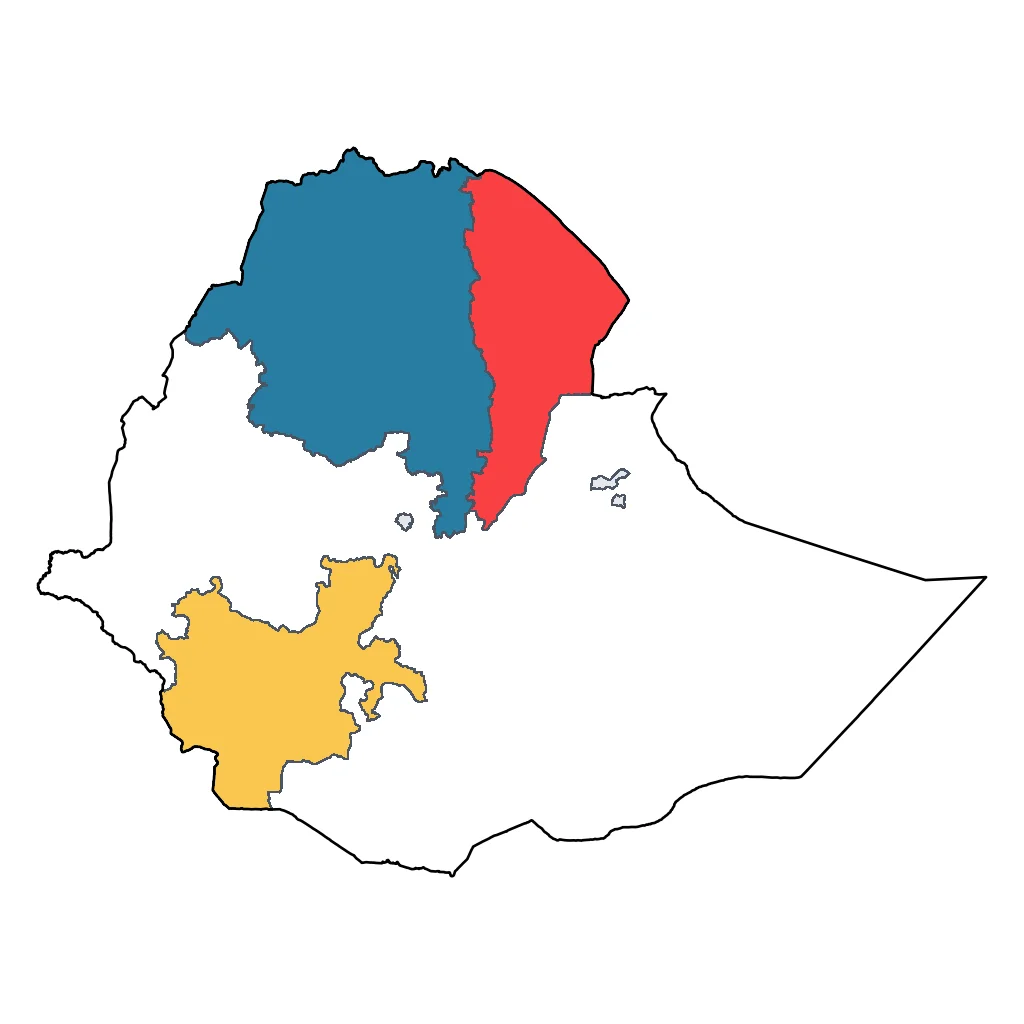

Scenic drives, countryside tours, route-based travel
The drive through the Great Rift Valley to Harar offers spectacular landscapes and authentic rural market stops for experienced travelers. Peak travel months feature the driest conditions for safety and visibility, whereas the significant rainfall in April and August can make regional roads challenging and slow due to mud or debris.
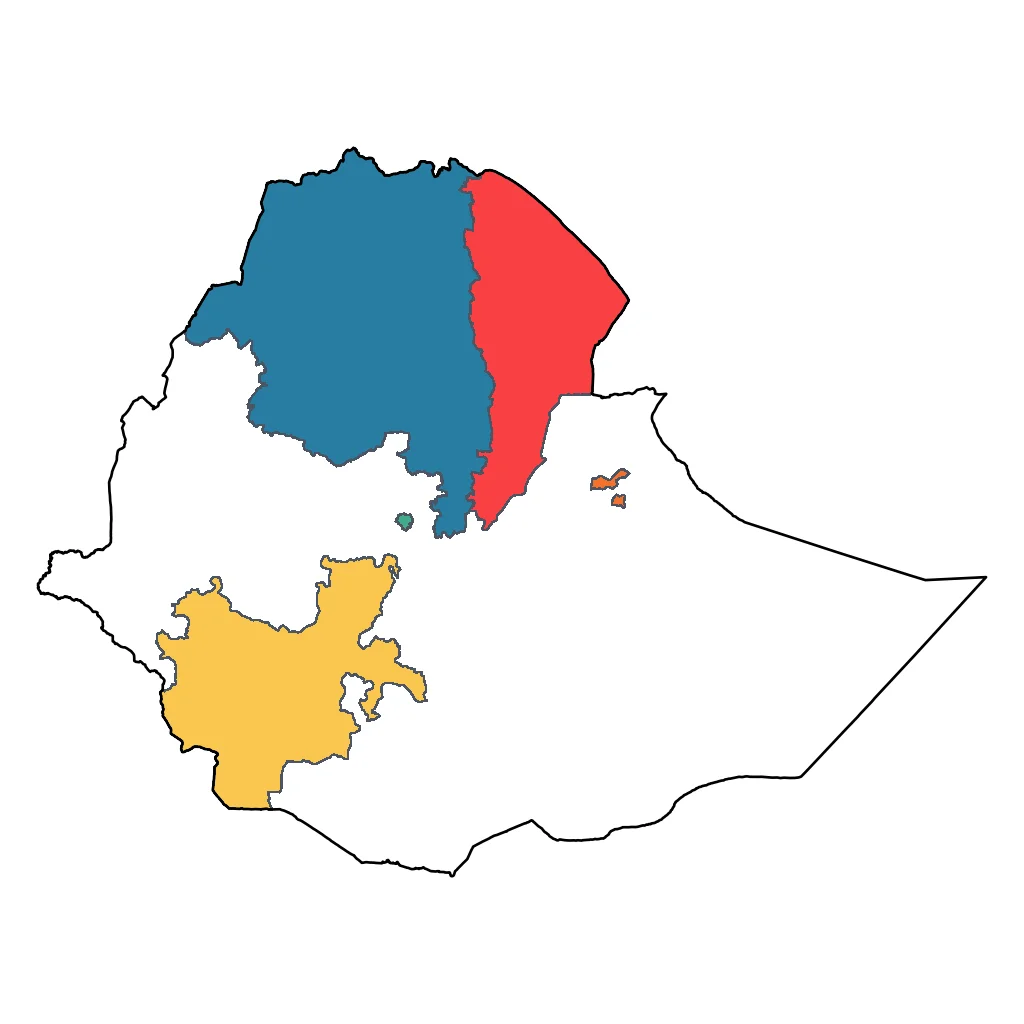

Sport tourism, fitness activities, active recreation
Trekking to see the wild horses of Mount Kundudo offers a rare active experience for families, though facilities are basic. Optimal trekking occurs during the dry months for trail stability and panoramic views; the rainy seasons (Apr, Aug) create slippery, unfavorable conditions for high-altitude activities.