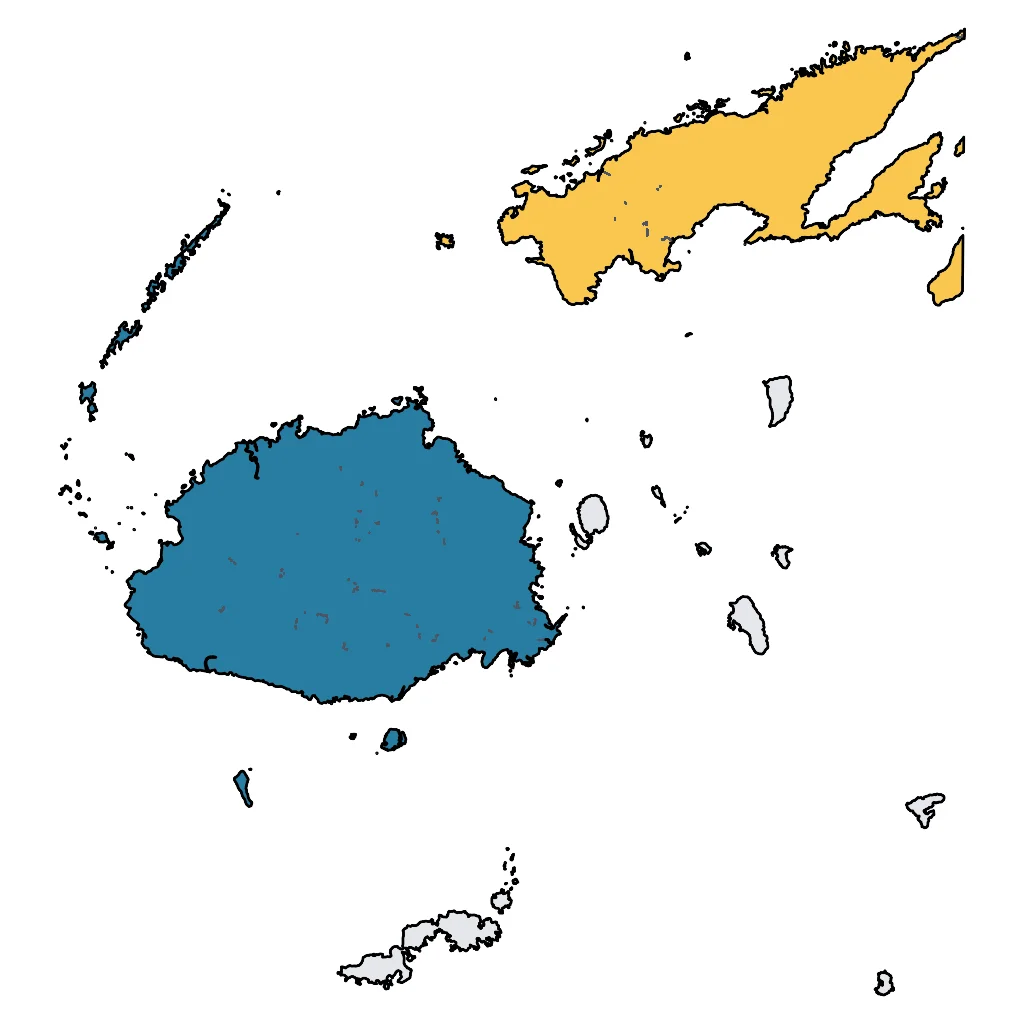
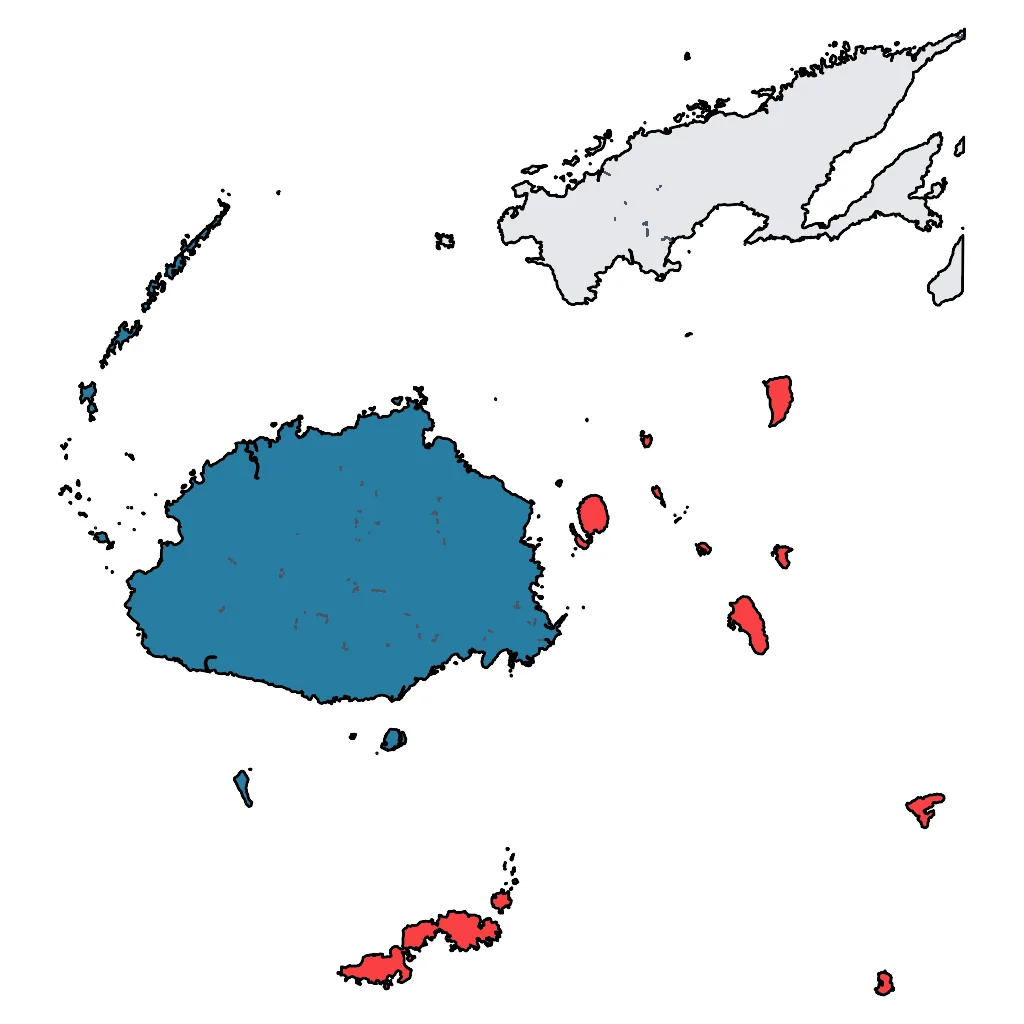
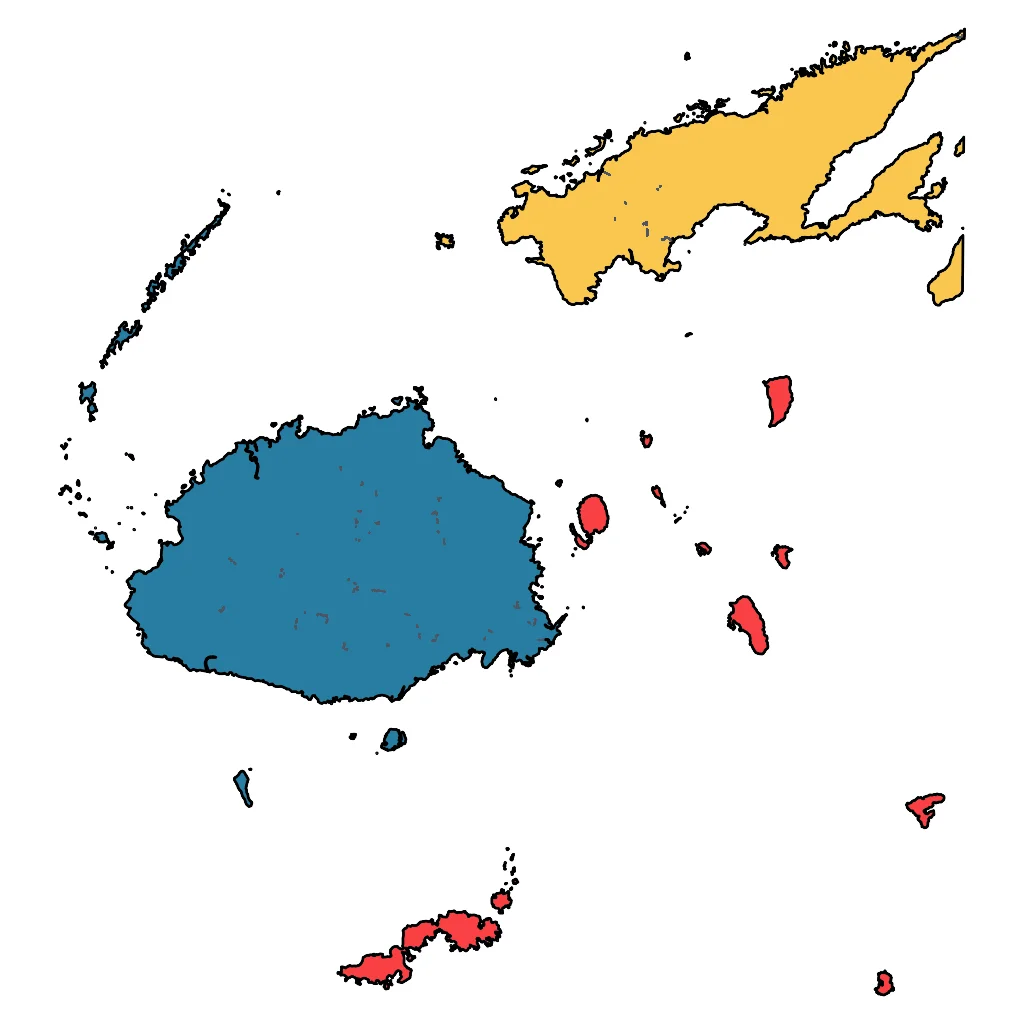
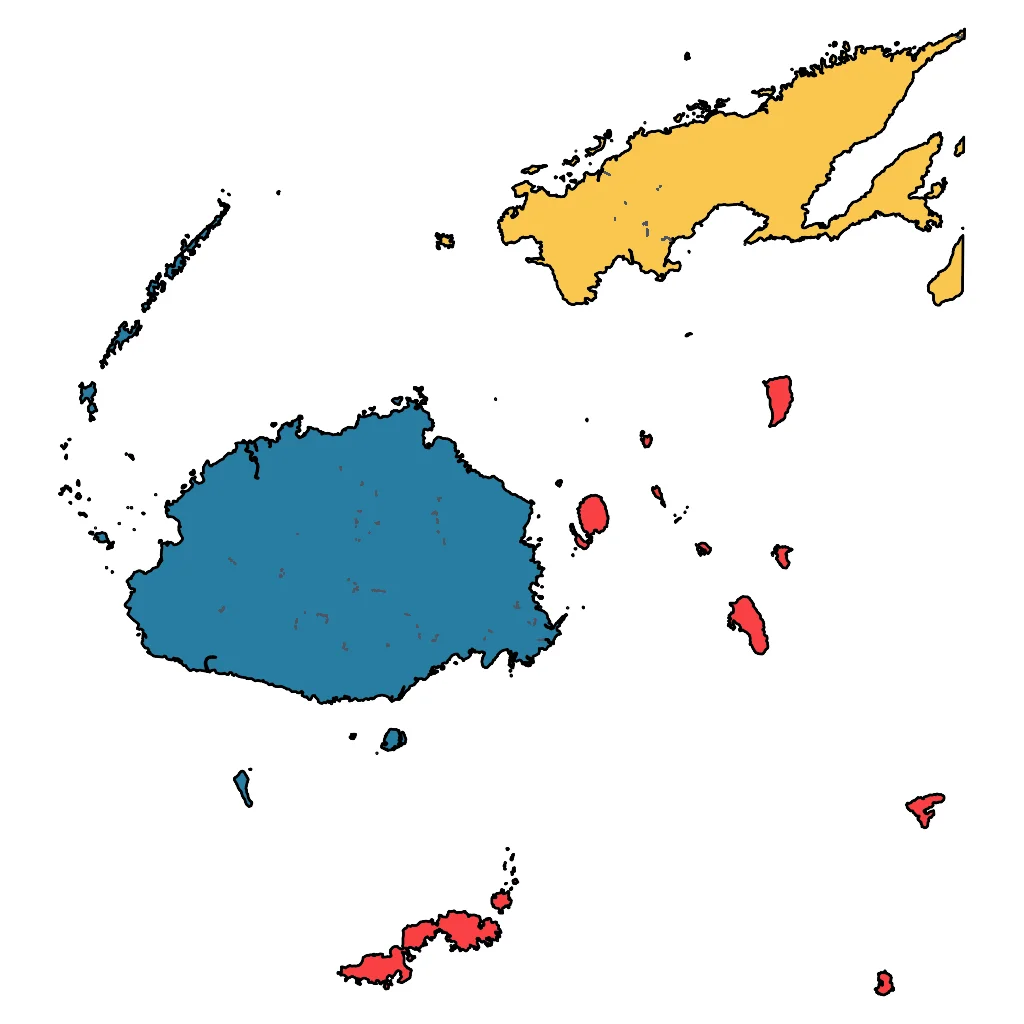
The Outer Islands represent Fiji in its most authentic form, offering families a chance to disconnect from digital distractions and immerse themselves in nature and culture. This region encompasses the Lomaiviti Group, the Kadavu Group to the south, and the remote Lau Group to the far east. While travel here requires more planning—often involving small domestic flights or ferries—the reward is untouched environments and genuine interactions with local communities.
For families interested in history, Levuka on the island of Ovalau is a must-visit. As Fiji’s first capital and a UNESCO World Heritage site, it offers a window into the colonial past with its preserved wooden storefronts and the historic Royal Hotel. Walking tours here are manageable for older children and provide a stark contrast to the modern tourism of the main island.
Kadavu is the star attraction for water-loving families. It is home to the Great Astrolabe Reef, one of the world's largest barrier reefs. Resorts here are typically eco-lodges that focus on sustainability. Families can take boat trips to swim with manta rays, which frequent these waters, or kayak through mangrove forests. The snorkeling is accessible directly off the beaches, making it easy for younger children to see colorful soft corals and reef fish without needing deep-water excursions.
The Lau Group is the most remote frontier, often visited via small expedition cruises. These islands offer limestone caves and turquoise lagoons that feel entirely undiscovered. However, amenities in the Outer Islands are simpler than on the mainland. Families should expect limited electricity (often solar or generator) and fewer dining options, but the hospitality of the local villages—where children are often welcomed to join evening volleyball games—makes up for the lack of luxury.
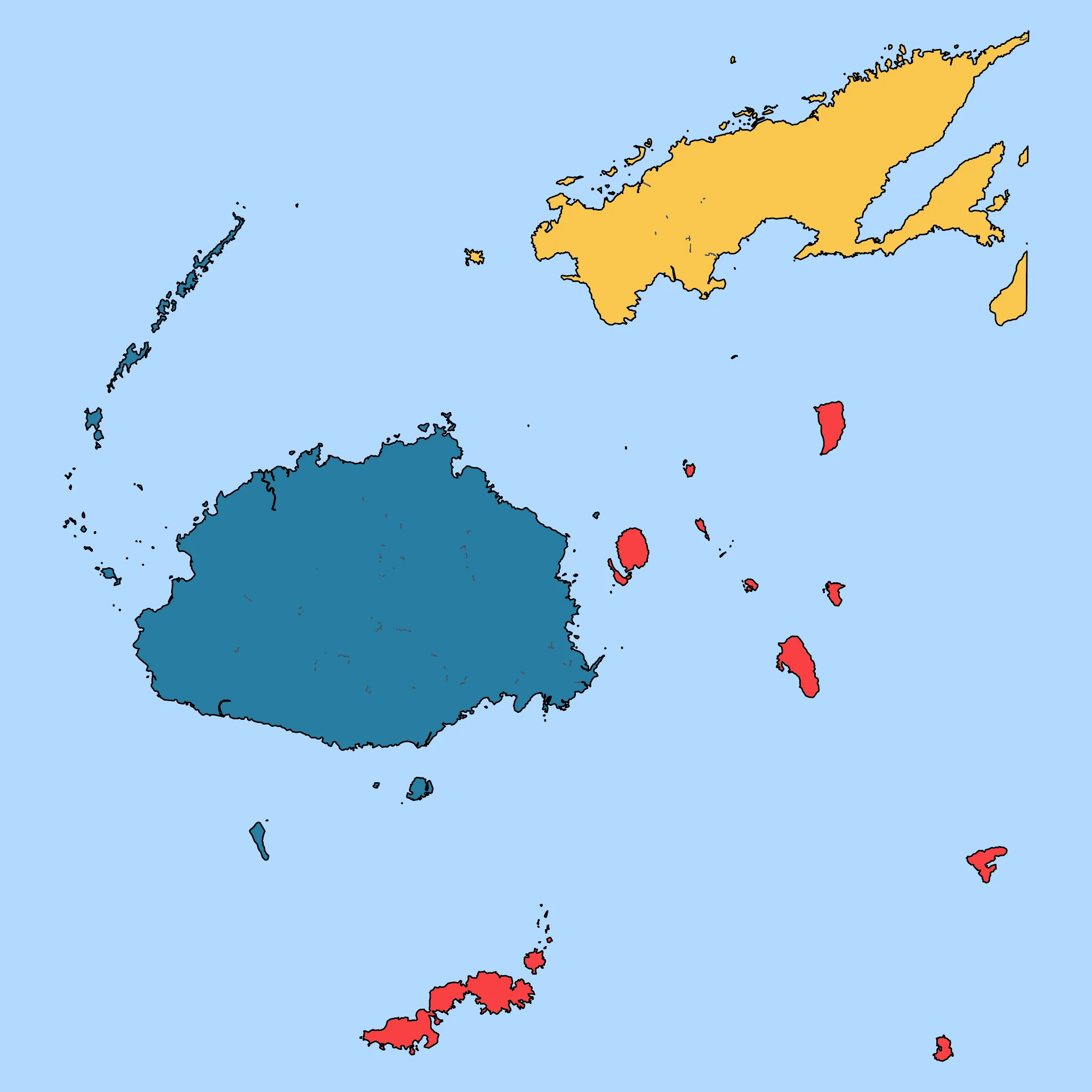
Click a region to explore

Activities & Best Times

Beach resorts, marine activities: diving, snorkelling, kite surfing, wind surfing, sailing
Home to the Great Astrolabe Reef and the pristine Lau Group, these islands offer world-class diving and untouched beaches that rival the Maldives for exclusivity and marine biodiversity. Peak months provide the best underwater visibility and lowest rainfall (93-125mm), while the high-precipitation months (Jan-Apr) carry cyclone risks and poor sea conditions.
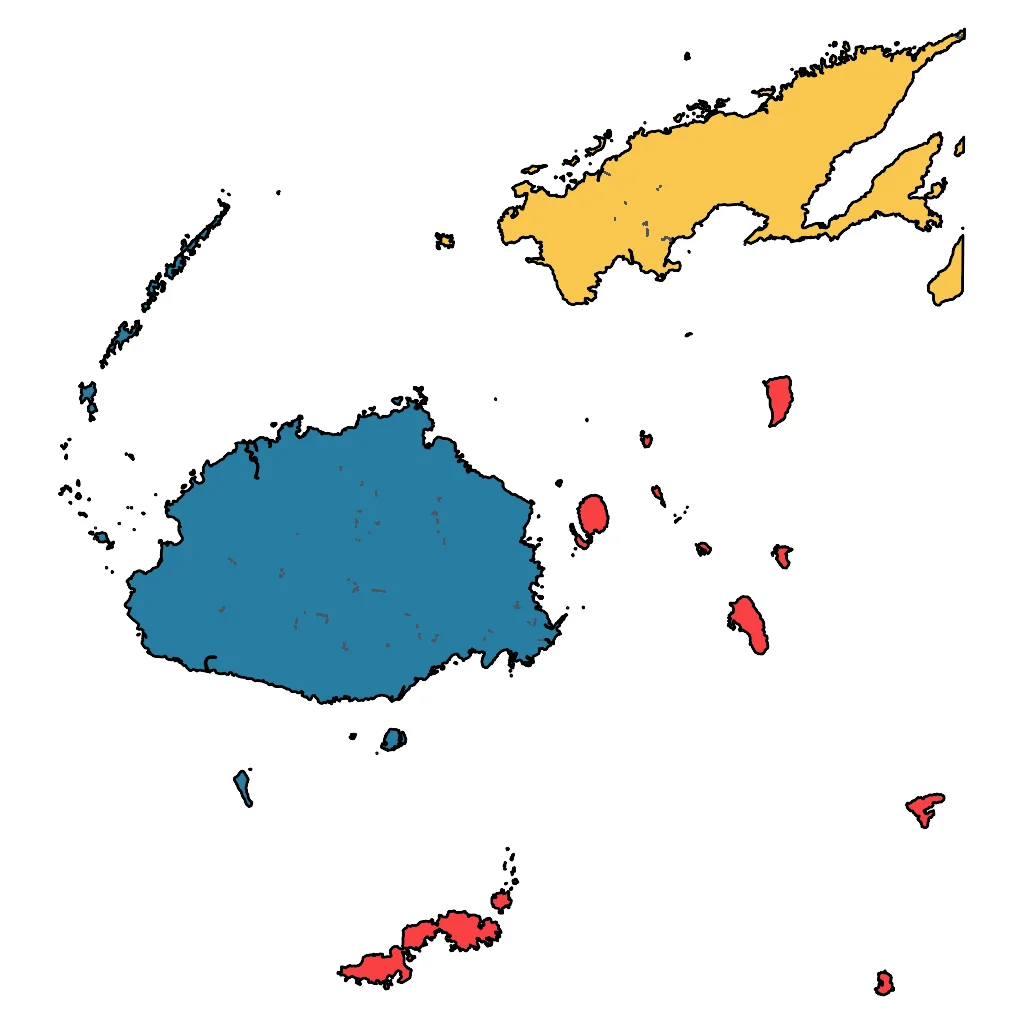

Hiking, wildlife, outdoor exploration, ecotourism
Offers a rare chance to explore rugged, unexplored landscapes and unique ecosystems, such as Kadavu's endemic birdlife, far from commercial tourism. The cooler, drier winter months are ideal for hiking and wildlife spotting, whereas the extreme humidity (66%) and heavy rain (>260mm) of the austral summer make exploration difficult.
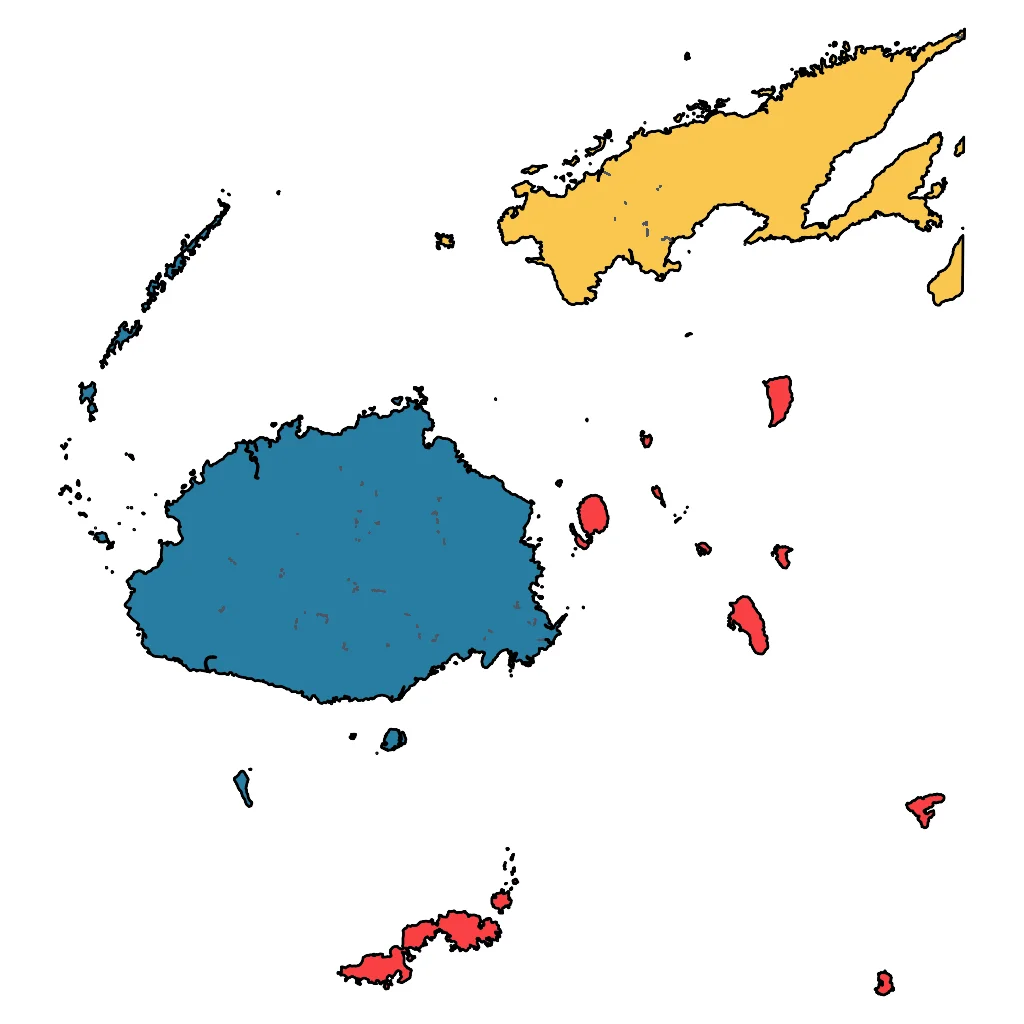

Urban tourism, museums, historical sites, architecture
A single small UNESCO port town (Levuka) and traditional village protocols do not constitute 'very_good' cultural tourism by international standards. Compared to regions with multiple museums, galleries, and cultural districts, this is 'good' — notable but not a cultural destination. The attraction evidence (1 site) supports 'good' at most.

Spa retreats, wellness centers, peaceful getaways
High-end, secluded eco-retreats offer sophisticated travelers a 'digital detox' rooted in authentic Fijian hospitality. The peak season provides comfortable temperatures (22-24°C) and lower humidity (60%) essential for outdoor wellness, while the wet season's heavy downpours limit the serenity of the remote island experience.

Sport tourism, fitness activities, active recreation
Zero attraction evidence supports this rating. The claim of 'international destination for elite sea kayaking' is not substantiated by any editorial attractions in the database. Without specific named venues, operators, or facilities, 'good' is more appropriate — activity is available but not proven at the 'very_good' threshold.

Learning experiences, scientific sites, historical education
Families can experience an authentic immersion into traditional Fijian village life and ancient seafaring customs that remain largely unchanged. While the cultural education is profound and genuine, the lack of formal museum infrastructure limits the rating to marginal for those seeking academic or scientific facilities.