

The Federated States of Micronesia (FSM) offers a distinct travel experience spread across four unique states: Yap, Chuuk, Pohnpei, and Kosrae. This is not a destination for families seeking all-inclusive resorts or theme parks; rather, it is suited for those looking to introduce their children to remote island cultures, World War II history, and untouched natural environments.
In Yap, the primary attraction for children is the massive Stone Money. Families can walk along village paths lined with these giant limestone discs, which are still used as currency for traditional exchanges. The state is also famous for its resident manta rays. While diving is restricted to older teens and adults, snorkeling in the calm channels often allows younger swimmers to spot these gentle giants gliding below.
Pohnpei is home to the ancient city of Nan Madol, a UNESCO World Heritage site often called the "Venice of the Pacific." Exploring these basalt ruins built atop coral reefs is a hands-on history lesson. The site is accessible by boat or a wade through shallow water, making it an exciting expedition for active kids. Inland, families can hike to Kepirohi Waterfall, where a large natural pool offers a refreshing swim after a humid walk.
For families interested in history, Chuuk (formerly Truk Lagoon) is known for its underwater fleet of sunken WWII ships. While many wrecks are deep, some are shallow enough for snorkelers to observe diverse marine life claiming the metal structures. Kosrae, the quietest state, offers safe kayaking through extensive mangrove forests and hiking trails specifically maintained for visitors, such as the path to the Menke Ruins.
Practical Considerations: Travel between the states usually requires flying on the "Island Hopper" service, which can be long but offers aerial views of the atolls. The climate is equatorial-hot, humid, and rainy year-round, especially in Pohnpei. Families should pack lightweight rain gear, reef-safe sunscreen, and sturdy sandals. Medical facilities are basic, so it is essential to travel with a well-stocked first-aid kit and comprehensive travel insurance. English is the official language and US dollars are the currency, simplifying logistics for many visitors.

Explore Regions
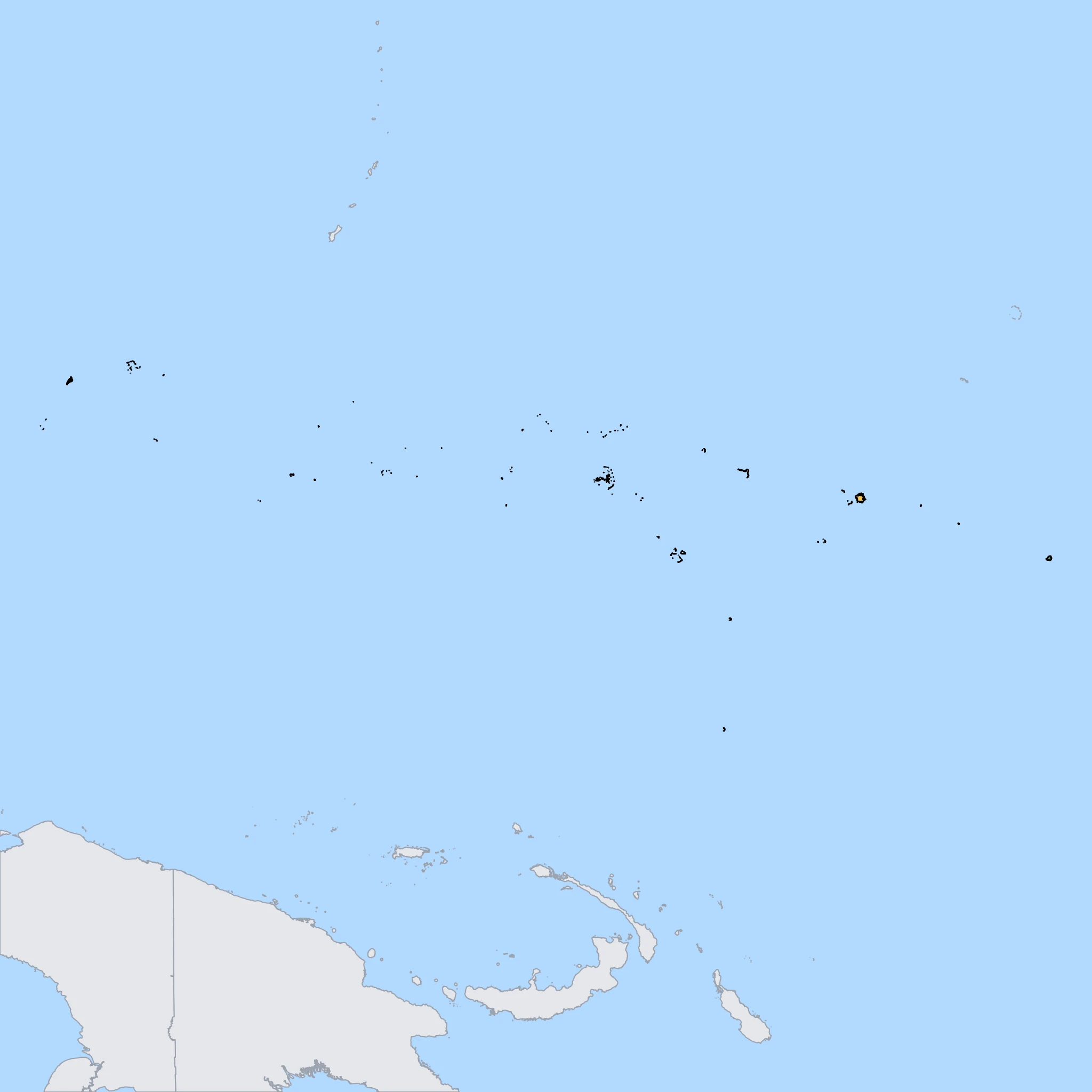
4 Regions
Chuuk (wreck diving)
Explore the world's largest underwater museum 🤿
Kosrae
Untouched jungles and ancient island kingdoms 🌿
Pohnpei (Nan Madol)
Kayak through a floating stone city 🛶
Yap (traditional culture)
Land of giant stone money and manta rays 🪙
Click on a region marker to explore details. Use the dropdown to color regions by activity suitability.

Activities & Best Times

Educational & Exploratory
ExcellentLearning experiences, scientific sites, historical education
Nan Madol is a UNESCO-caliber archaeological site of global significance, providing profound insights into megalithic engineering and Pacific history. Conditions are best when rainfall is at its lowest (Jan-Mar) to allow for detailed exploration of the basalt structures and oral history tours.
A hauntingly authentic historical site providing a deep educational resonance regarding WWII's Pacific theater and Operation Hailstone. Best visited during the 'drier' months to facilitate both underwater site visits and exploration of land-based Japanese coastal defense guns and artifacts.
An exceptional destination for families to learn about traditional Pacific navigation, archaeological stone currency, and indigenous social structures. The driest months provide the best access to oral history demonstrations and village workshops, whereas the wet season's heavy rains can lead to the cancellation of outdoor educational programs.

Adventure & Nature
Very GoodHiking, wildlife, outdoor exploration, ecotourism
Offers unique mangrove kayaking and exploration of unspoiled island ecosystems that appeal to sophisticated eco-travelers. Peak conditions occur when rainfall is under 200mm, ensuring safe trail conditions and better wildlife spotting; summer months see extreme precipitation exceeding 400mm, frequently disrupting outdoor exploration.
Pohnpei offers waterfalls and jungle trekking, but 'excellent' adventure/nature globally means Costa Rica, NZ, or Patagonia-caliber destinations. Pohnpei's offering is authentic but limited in scale and infrastructure. Nan Madol is primarily archaeological/cultural rather than adventure.
Families can explore rare, prehistoric mangrove forests via traditional channels and hike the iconic 'Sleeping Lady' mountain for panoramic views. The experience is highly authentic and eco-conscious, though the extremely wet climate (often >400mm/month) necessitates visiting during the relatively drier windows to ensure trail safety.

Beach & Sea
Very GoodBeach resorts, marine activities: diving, snorkelling, kite surfing, wind surfing, sailing
Chuuk is world-class for wreck diving specifically, not a beach holiday destination. Lacks resort beaches, snorkeling infrastructure, or sand-based tourism compared to excellent-tier beach destinations globally (Caribbean, SEA, Mediterranean). The diving excellence is better captured under sports_active.
Yap's Manta Ray Bay is world-class for manta encounters, but this is a niche marine wildlife experience, not a broad beach holiday offering. Yap lacks resort beaches, beach infrastructure, and white-sand coastline that define excellent-tier beach destinations globally.
Kosrae offers some of the world's most pristine hard coral reefs and exceptional diving visibility in an uncrowded, authentic setting. While rainfall is high year-round, the slightly drier months of October and February provide the most consistent conditions for marine exploration and boat access.

Sports & Active
Very GoodSport tourism, fitness activities, active recreation
While Chuuk Lagoon is a top-3 global wreck diving destination, 'excellent' for sports_active requires breadth of active offerings beyond a single sport. Other active recreation (hiking, kayaking) is limited. Very_good reflects world-class diving within a narrow active sports portfolio.
Offers high-quality active recreation including technical mangrove kayaking and world-tier marine sports. The peak dry season provides reliable winds for sailing and optimal water conditions for active families seeking outdoor adventure.
Palikir Pass (P-Pass) is a world-class right-hand reef break attracting elite surfers globally. The peak season aligns with the Northern Hemisphere winter swell and lower rainfall; the off-season lacks consistent swell and is dominated by heavy tropical monsoons.

City & Cultural
Very GoodUrban tourism, museums, historical sites, architecture
A world-class site for living megalithic culture, featuring the famous stone money banks and meticulously maintained traditional longhouses. The drier months (Jan-Apr) are ideal for exploring these outdoor cultural sites comfortably, while the high humidity and heavy rainfall of the monsoon season make village tours difficult.
The UNESCO-listed Nan Madol is a globally unique archaeological site consisting of nearly 100 man-made basalt islets. Peak season (Dec-Apr) offers the most comfortable weather for exploring these ruins; high humidity and heavy rainfall in other months can degrade the outdoor cultural experience.
While lacking a modern metropolis, the historical 'walled city' of Lelu and the island's preserved conservative traditions offer a rare and authentic cultural immersion. Peak months allow for full engagement with local community life and easier access to heritage sites without the interference of the tropical monsoon climate.

Festivals & Seasonal
Very GoodEvents, celebrations, seasonal attractions

Relaxation & Wellness
GoodSpa retreats, wellness centers, peaceful getaways
A serene, slow-paced destination ideal for a quiet, respectful family retreat away from commercial crowds. Lower humidity and pleasant trade winds during the dry season make it a comfortable environment for authentic relaxation and disconnection.
Kosrae has no spas, wellness resorts, or retreat infrastructure. The 'Sunday day of rest' cultural practice is not a wellness offering. The island's natural tranquility justifies 'good' but lacks the facilities and programs that define very_good wellness destinations.
Offers a 'digital detox' atmosphere in remote eco-lodges, though it lacks sophisticated global spa infrastructure. The extreme humidity and perpetual rain make it a niche choice for those seeking rugged isolation rather than traditional luxury wellness.








Airports & Flight Routes
Toggle options to view domestic routes and international airports. Click an airport for details.

Climate & Weather
Chuuk (wreck diving)
Show Details
| Month | Temp °C | Rain | Humidity |
|---|
Kosrae
Show Details
| Month | Temp °C | Rain | Humidity |
|---|
Pohnpei (Nan Madol)
Show Details
| Month | Temp °C | Rain | Humidity |
|---|
Yap (traditional culture)
Show Details
| Month | Temp °C | Rain | Humidity |
|---|

Travel Advisory
The country is considered safe for travel with standard safety awareness. No elevated security risks or travel restrictions are currently reported by major agencies.
Safety Topics
Traveller Advice (4 groups)

While not illegal, same-sex relationships are not widely accepted in local society. Public displays of affection are discouraged as they may attract negative attention or hostility.

Secure comprehensive travel insurance that explicitly covers medical evacuation. Register your travel plans with your national embassy to ensure you can be reached in the event of a natural disaster.

Divers should be aware of unexploded World War II ordnance and are warned not to touch any war remnants found underwater or on land. Always use reputable diving operators and check for standard insurance coverage.

Female travellers have reported incidents of verbal harassment and sexual assault. It is strongly advised to avoid walking alone at night, early in the morning, or in isolated beach and rural locations.