

Pohnpei is the largest and tallest island in the Federated States of Micronesia, characterized by dramatic mountain peaks and frequent rainfall that keeps the landscape vividly green. The crown jewel here is Nan Madol, often called the "Venice of the Pacific." This ancient city, built on artificial islets separated by canals, is a UNESCO World Heritage site. Families can hire a boat or kayak to navigate the waterways, allowing children to see the massive basalt log structures up close—a genuine real-life adventure that feels like exploring a lost world.
Beyond the ruins, Pohnpei is famous for its accessible waterfalls. Kepirohi Waterfall is a favorite for families; a short, well-maintained path leads to a large natural pool at the base of the falls, perfect for a refreshing freshwater swim. For active families, the hike to Sokehs Ridge offers panoramic views of the harbor and a history lesson, as the trail passes old World War II guns and bunkers. The island is also surrounded by mangroves, which protect the shoreline and offer calm waters for paddling.
The main town, Kolonia, has supermarkets and basic services. While Pohnpei is world-class for surfing at Palikir Pass, the waves there are for experts only; families should stick to inner reef excursions or island-hopping to Ant Atoll for sandy beaches and snorkeling. The local culture involves the consumption of Sakau (kava), which is central to social life; while this is an adult activity, witnessing the traditional preparation is a unique cultural insight.
Travelers should pack high-quality rain gear, as sudden tropical downpours are common and keep the waterfalls flowing. Light, breathable clothing is essential for the humidity. Pohnpei offers a mix of history, hiking, and water activities that keep active children engaged, though toddlers might find the terrain and heat challenging.
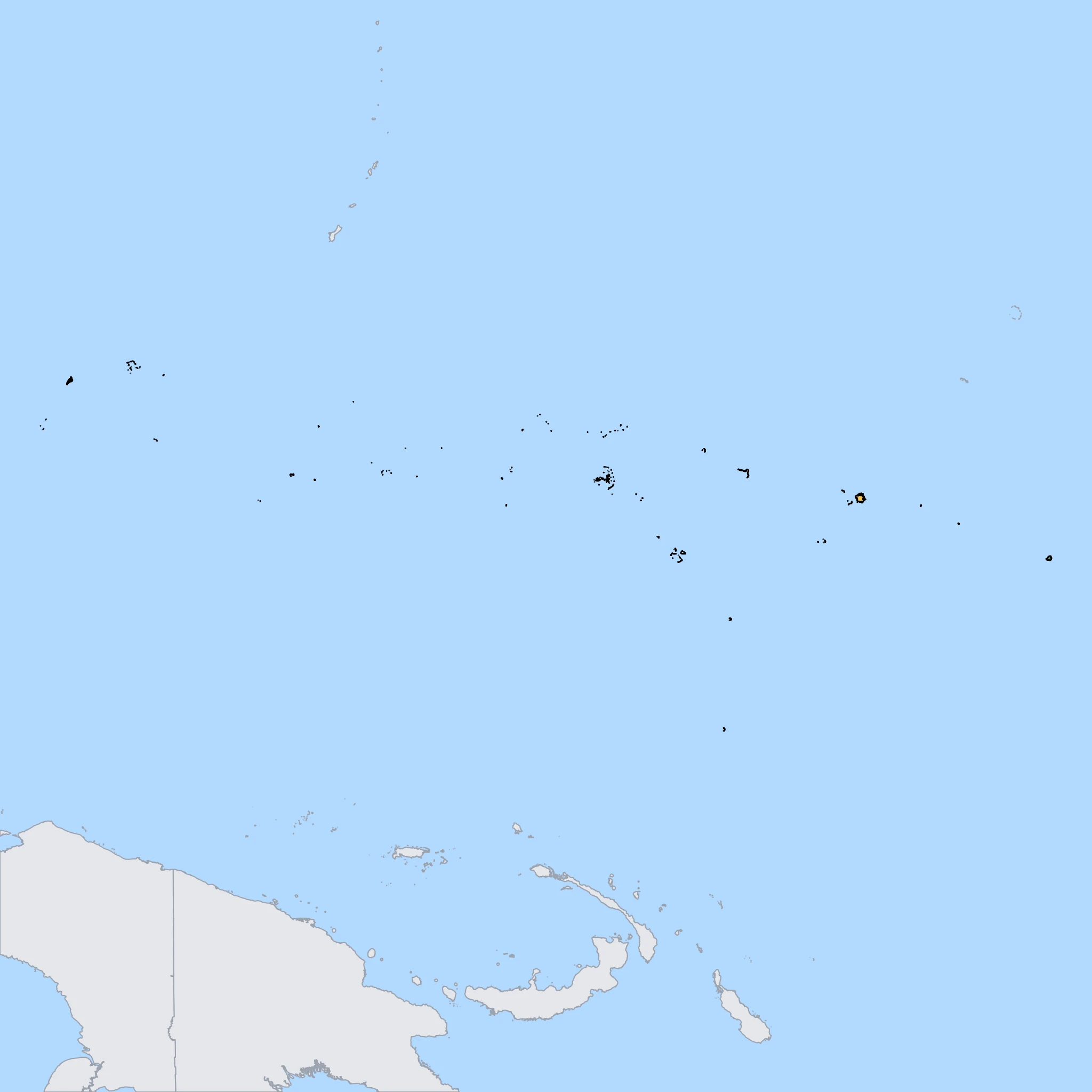
Click a region to explore

Activities & Best Times

Learning experiences, scientific sites, historical education
Nan Madol is a UNESCO-caliber archaeological site of global significance, providing profound insights into megalithic engineering and Pacific history. Conditions are best when rainfall is at its lowest (Jan-Mar) to allow for detailed exploration of the basalt structures and oral history tours.


Hiking, wildlife, outdoor exploration, ecotourism
Pohnpei offers waterfalls and jungle trekking, but 'excellent' adventure/nature globally means Costa Rica, NZ, or Patagonia-caliber destinations. Pohnpei's offering is authentic but limited in scale and infrastructure. Nan Madol is primarily archaeological/cultural rather than adventure.


Urban tourism, museums, historical sites, architecture
The UNESCO-listed Nan Madol is a globally unique archaeological site consisting of nearly 100 man-made basalt islets. Peak season (Dec-Apr) offers the most comfortable weather for exploring these ruins; high humidity and heavy rainfall in other months can degrade the outdoor cultural experience.


Sport tourism, fitness activities, active recreation
Palikir Pass (P-Pass) is a world-class right-hand reef break attracting elite surfers globally. The peak season aligns with the Northern Hemisphere winter swell and lower rainfall; the off-season lacks consistent swell and is dominated by heavy tropical monsoons.


Beach resorts, marine activities: diving, snorkelling, kite surfing, wind surfing, sailing
While lacking traditional sandy resort beaches, the region offers world-class diving and unique kayaking through ancient marine canals. Peak months offer the best underwater visibility, whereas heavy rainfall in May and June significantly degrades sea conditions and water clarity.


Spa retreats, wellness centers, peaceful getaways
Offers a 'digital detox' atmosphere in remote eco-lodges, though it lacks sophisticated global spa infrastructure. The extreme humidity and perpetual rain make it a niche choice for those seeking rugged isolation rather than traditional luxury wellness.